Ferrite Core Class D Inductors: High-Performance Components for Switching Power Applications

All Categories

Get a Free Quote

Our representative will contact you soon.
Email
Name
Company Name
Message
0/1000

ferrite core class d inductor

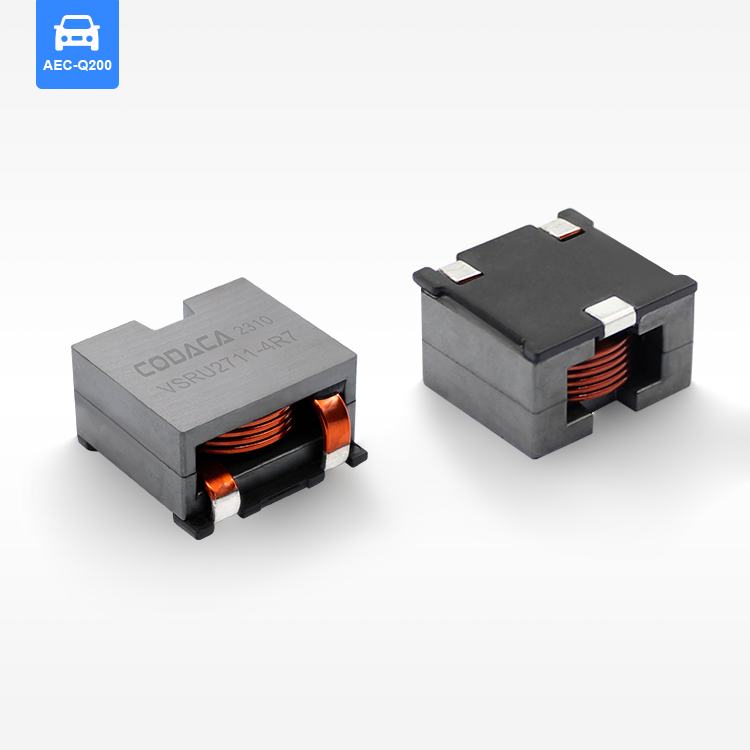
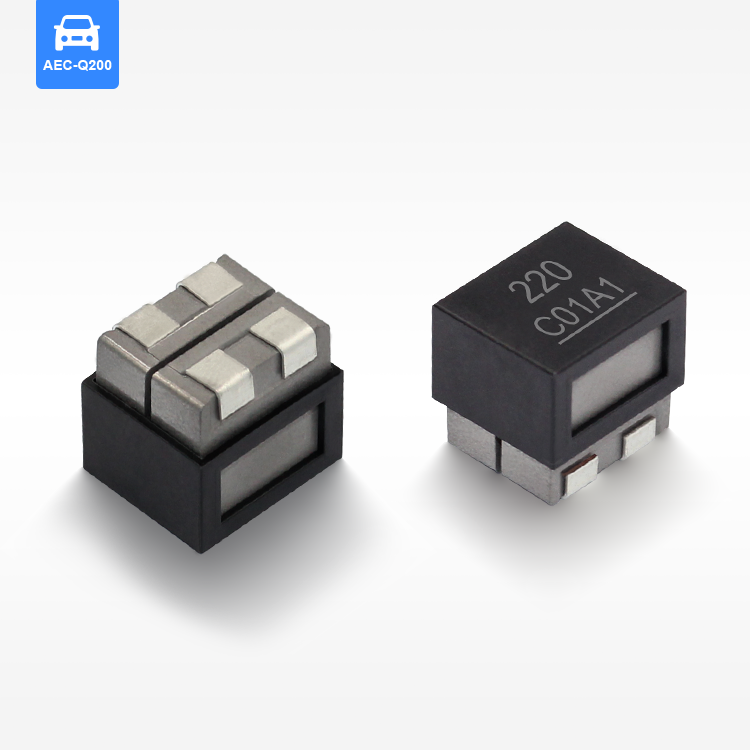
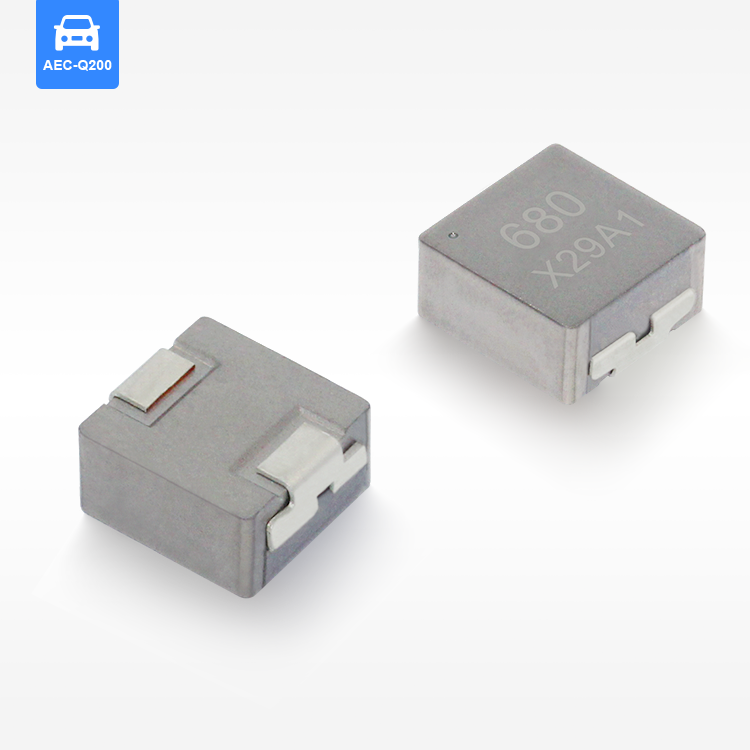
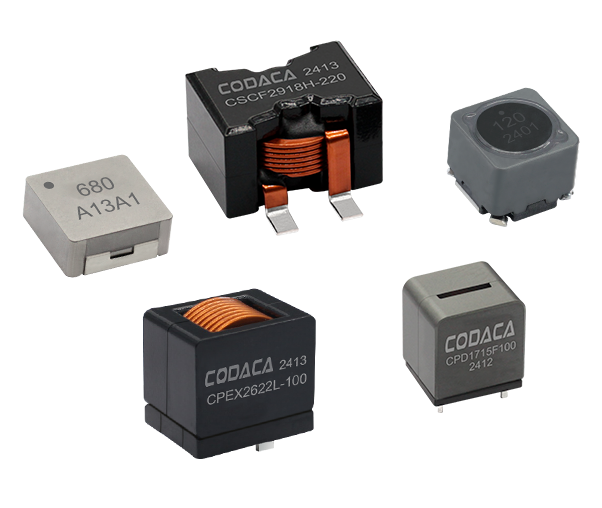
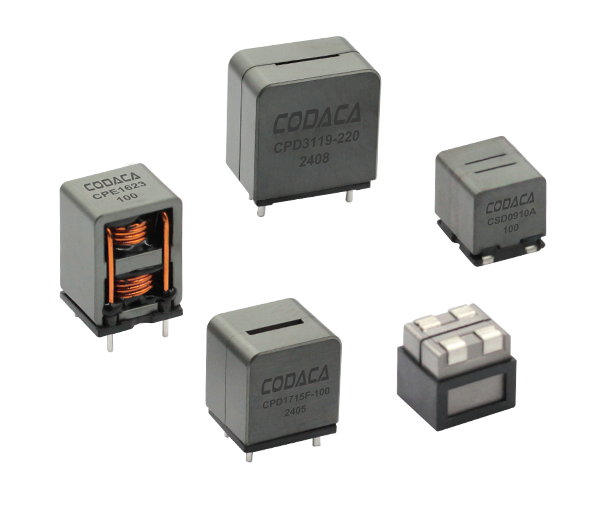
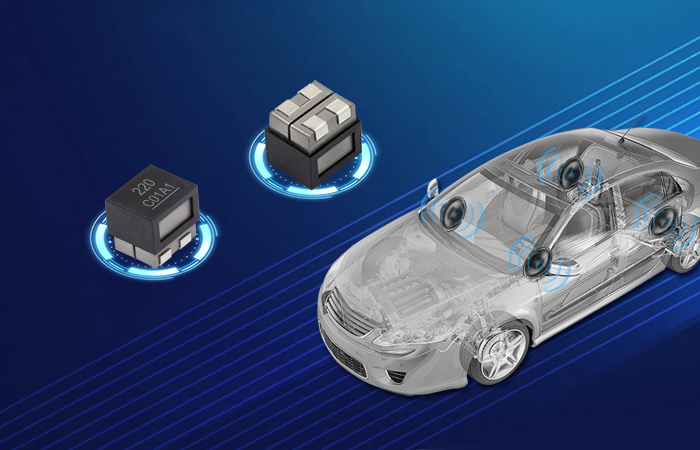
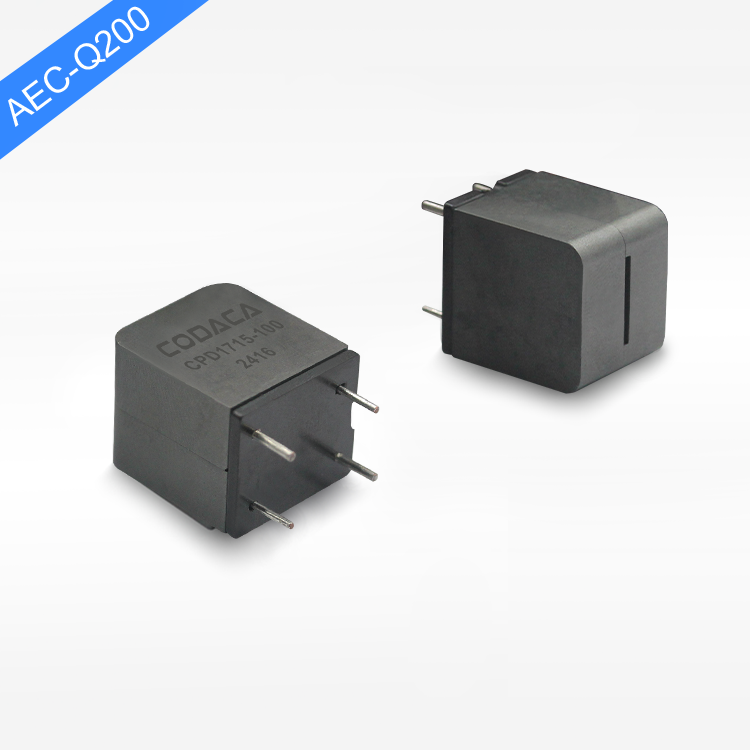
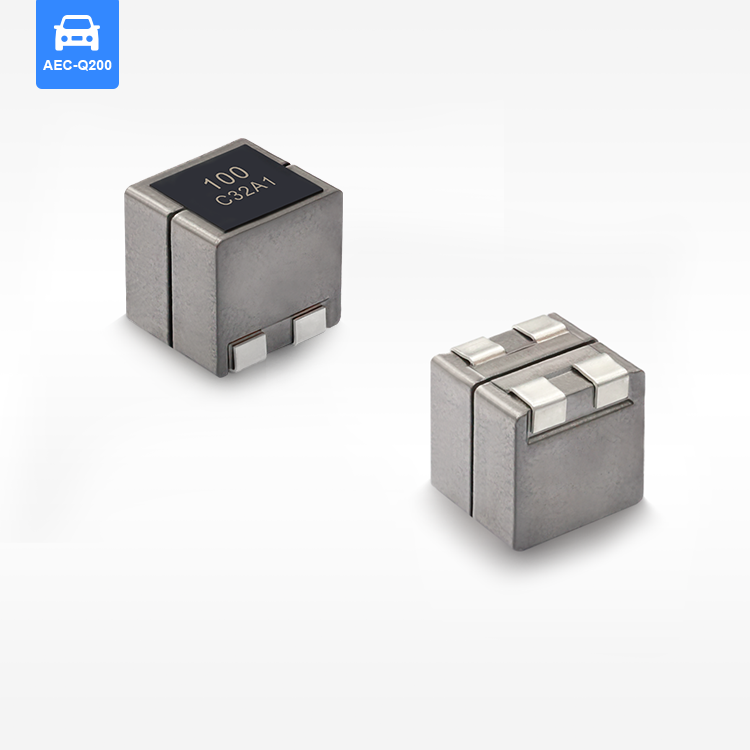
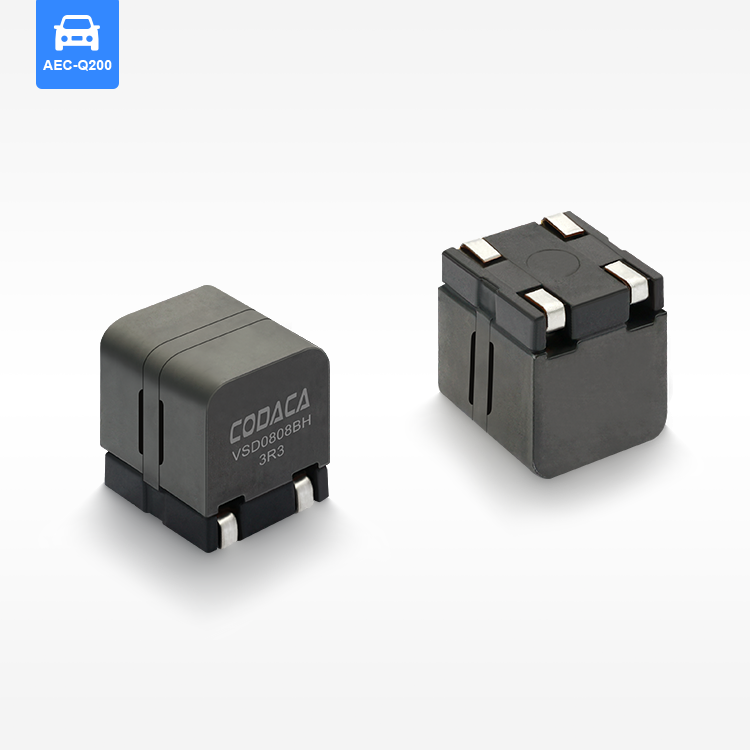
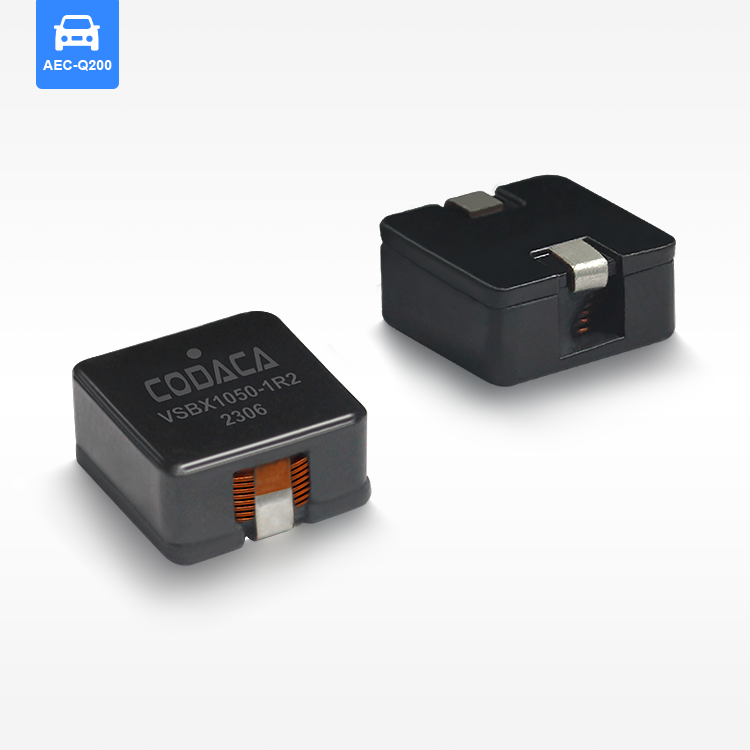
The ferrite core class d inductor represents a sophisticated electronic component engineered to meet the demanding requirements of modern switching power supplies and amplification systems. This specialized inductor utilizes ferrite magnetic cores combined with precision-wound copper conductors to create an optimal balance of performance characteristics essential for class D applications. The ferrite core class d inductor operates by storing and releasing electromagnetic energy in a controlled manner, effectively managing current flow and reducing electromagnetic interference in high-frequency switching circuits. Its primary function revolves around energy storage, current filtering, and voltage regulation within class D amplifiers and switching mode power supplies. The technological framework of the ferrite core class d inductor incorporates advanced ferrite materials that exhibit excellent magnetic permeability while maintaining low core losses at elevated frequencies. These inductors feature carefully calculated inductance values, current handling capabilities, and saturation characteristics that align perfectly with class D switching topologies. The ferrite core composition typically includes iron oxide combined with other metallic oxides, creating a magnetic material that demonstrates superior performance in high-frequency applications compared to traditional iron core alternatives. Manufacturing processes for the ferrite core class d inductor involve precision core shaping, controlled winding techniques, and rigorous quality testing to ensure consistent electrical characteristics. Applications for the ferrite core class d inductor span across numerous industries including automotive electronics, consumer audio equipment, telecommunications infrastructure, and renewable energy systems. In audio amplification, these inductors play crucial roles in output filtering, preventing high-frequency switching noise from reaching speakers while maintaining signal integrity. Power conversion applications utilize the ferrite core class d inductor for buck converters, boost converters, and other switching topologies where efficient energy transfer is paramount. The component's ability to operate effectively at frequencies ranging from several kilohertz to multiple megahertz makes it indispensable in modern electronic design. Industrial automation systems, medical equipment, and aerospace applications also benefit from the reliable performance characteristics of the ferrite core class d inductor, particularly where compact size, high efficiency, and electromagnetic compatibility are critical requirements.

Popular Products

The ferrite core class d inductor delivers exceptional performance benefits that translate directly into improved system efficiency and reliability for end users. Energy efficiency stands as the primary advantage, with these inductors achieving remarkably low core losses even during high-frequency operation, resulting in reduced heat generation and improved overall system efficiency. This efficiency improvement directly translates to lower operating costs and extended equipment lifespan, providing substantial value for customers seeking cost-effective solutions. The compact design characteristics of the ferrite core class d inductor enable significant space savings in electronic assemblies, allowing engineers to create smaller, lighter products without compromising performance. This size reduction benefit becomes particularly valuable in portable electronics, automotive applications, and space-constrained installations where every millimeter matters. Superior thermal performance represents another crucial advantage, as the ferrite core class d inductor maintains stable electrical characteristics across wide temperature ranges while dissipating heat effectively. This thermal stability ensures consistent operation in challenging environmental conditions, reducing maintenance requirements and improving system reliability. The excellent frequency response of the ferrite core class d inductor allows for optimal performance in switching applications operating at frequencies well beyond traditional inductor capabilities. This high-frequency capability enables faster switching speeds, improved transient response, and better overall system dynamics. Low electromagnetic interference generation is another significant benefit, as the ferrite core class d inductor naturally suppresses high-frequency noise and reduces radiated emissions, helping systems meet stringent electromagnetic compatibility requirements without additional filtering components. Cost-effectiveness emerges through reduced component count, simplified circuit designs, and lower manufacturing complexity when using the ferrite core class d inductor compared to alternative solutions. The inductor's inherent characteristics often eliminate the need for additional filtering components, snubber circuits, and shielding elements, streamlining production processes and reducing bill-of-materials costs. Durability and longevity represent additional advantages, with ferrite core materials demonstrating excellent resistance to magnetic aging, temperature cycling, and mechanical stress. This durability translates to longer product lifespans, reduced warranty claims, and lower total cost of ownership for end users. The ferrite core class d inductor also offers excellent predictability in performance characteristics, enabling more accurate circuit modeling and faster design validation processes. Manufacturing scalability provides another advantage, as these inductors can be produced consistently in large quantities while maintaining tight tolerance specifications, ensuring reliable supply chains and consistent product quality across production runs.

Practical Tips

Industrial Power Inductors: The Key to Improving Power Conversion Efficiency

07

Apr

Industrial Power Inductors: The Key to Improving Power Conversion Efficiency

Power inductors play a vital role in modern power electronics. They store energy efficiently and release it when needed, ensuring smooth energy transfer. You rely on them to reduce energy losses in systems like DC-DC converters. This improves overall...
View More
The Role of Inductors in Digital Amplifier Performance

14

May

The Role of Inductors in Digital Amplifier Performance

Inductors in amplifier circuits help you manage current flow effectively. They stabilize electrical signals and reduce unwanted noise. By doing so, they enhance the performance of your amplifier. These components also improve energy efficiency, ensur...
View More
The Most Durable Automotive Grade Digital Power Amplifier Inductor

01

Apr

The Most Durable Automotive Grade Digital Power Amplifier Inductor

Introduction Automotive-grade digital power amplifier inductors are essential components in modern vehicle audio systems. These inductors are designed to handle large currents and provide stable performance under various environmental conditions, en...
View More
Features of Painted and Unpainted Integrated Molded Inductors

26

May

Features of Painted and Unpainted Integrated Molded Inductors

Overview Integrated molded inductors are characterized by high saturation, low loss, strong electromagnetic interference (EMI) resistance, ultra-low buzzing noise, and high automation, making them widely used in various electronic devices. In the cur...
View More

Get a Free Quote

Our representative will contact you soon.
Email
Name
Company Name
Message
0/1000

ferrite core class d inductor

Superior High-Frequency Performance and Efficiency

Superior High-Frequency Performance and Efficiency

The ferrite core class d inductor excels in high-frequency applications through its advanced magnetic core technology that minimizes energy losses and maximizes power transfer efficiency. Unlike traditional iron core inductors that suffer from significant eddy current losses and hysteresis losses at elevated frequencies, the ferrite core class d inductor utilizes specialized ferrite materials with high electrical resistivity and optimized magnetic properties. This technological advantage enables operation at switching frequencies exceeding several hundred kilohertz while maintaining efficiency levels above 95 percent in many applications. The unique crystalline structure of ferrite cores provides exceptional magnetic permeability combined with low coercivity, allowing rapid magnetic field changes without substantial energy dissipation. This characteristic proves invaluable in class D amplifiers and switching power supplies where rapid current transitions are essential for proper operation. The ferrite core class d inductor demonstrates remarkable stability across varying load conditions, maintaining consistent inductance values and quality factors even under dynamic operating scenarios. Temperature coefficient characteristics remain minimal, ensuring predictable performance across industrial temperature ranges from negative forty to positive one hundred twenty-five degrees Celsius. The inductor's ability to handle high peak currents without magnetic saturation provides additional design flexibility, allowing engineers to optimize circuit performance without concern for component limitations. Advanced manufacturing techniques ensure precise air gap control in gapped ferrite cores, enabling fine-tuning of inductance values and saturation characteristics. The ferrite core class d inductor's superior frequency response extends well beyond fundamental switching frequencies, providing effective filtering of harmonic content and switching noise. This broad-spectrum performance eliminates the need for additional filter stages in many applications, simplifying circuit topology and reducing component count. Quality factor optimization ensures minimal resistive losses while maintaining adequate bandwidth for switching applications, striking an ideal balance between efficiency and transient response. The inductor's low temperature rise during operation contributes to improved reliability and extended component lifespan, reducing maintenance requirements and system downtime. Electromagnetic interference suppression capabilities are inherently built into the ferrite core class d inductor design, helping systems achieve electromagnetic compatibility compliance without additional shielding or filtering components.
Compact Design with Maximum Power Density

Compact Design with Maximum Power Density

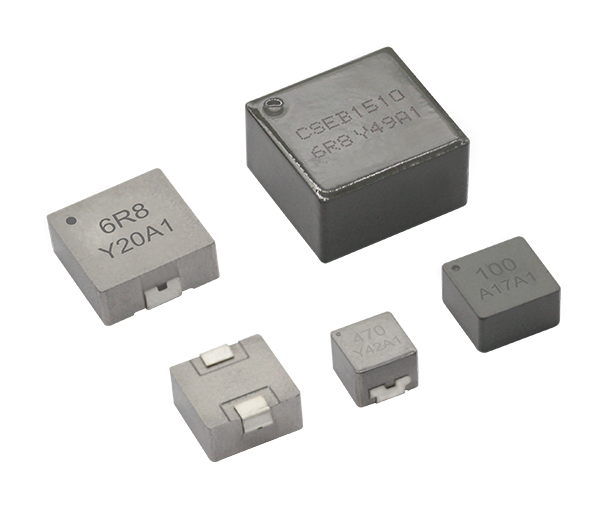
The ferrite core class d inductor achieves exceptional power handling capabilities within remarkably compact form factors, addressing the growing demand for miniaturization in modern electronic systems. Advanced ferrite formulations enable higher flux density operation compared to traditional magnetic materials, allowing significant size reduction while maintaining equivalent electrical performance. This space efficiency becomes particularly crucial in applications such as automotive electronics, portable devices, and high-density server power supplies where board real estate commands premium value. The three-dimensional magnetic field utilization in toroidal and pot core configurations maximizes the effective magnetic path length while minimizing external magnetic field leakage, contributing to both compact size and improved electromagnetic compatibility. Innovative winding techniques and wire selection optimize copper utilization within the available core window area, achieving maximum current handling capacity per unit volume. The ferrite core class d inductor's superior power density enables power supply designers to achieve higher power levels in smaller enclosures, meeting market demands for portable and space-constrained applications. Thermal management considerations are integral to the compact design, with optimized core geometries promoting efficient heat dissipation through conduction and convection pathways. Low-profile surface mount packages facilitate automated assembly processes while maintaining excellent thermal performance through enhanced thermal interface materials and heat spreading techniques. The inductor's mechanical design incorporates stress relief features and robust termination methods that withstand thermal cycling, vibration, and mechanical shock common in harsh operating environments. Customizable form factors allow optimization for specific application requirements, enabling further space savings through application-specific geometries and mounting configurations. The ferrite core class d inductor's compact design extends beyond physical dimensions to include electrical characteristics that eliminate parasitic components and simplify surrounding circuitry. Self-resonant frequency optimization ensures stable operation well above intended switching frequencies, preventing unwanted resonances that could compromise system performance. Magnetic shielding effectiveness in compact configurations prevents interference with adjacent sensitive components while maintaining minimal external footprint. Manufacturing tolerances remain tight even in miniaturized packages, ensuring consistent performance across production quantities and enabling reliable supply chain management for high-volume applications.
Enhanced Electromagnetic Compatibility and Noise Suppression

Enhanced Electromagnetic Compatibility and Noise Suppression

The ferrite core class d inductor provides exceptional electromagnetic interference suppression capabilities that significantly improve system-level electromagnetic compatibility performance while reducing the need for additional filtering components. The inherent magnetic properties of ferrite materials create natural barriers to high-frequency electromagnetic fields, effectively containing switching noise within the component and preventing radiation to surrounding circuits. This built-in EMI suppression becomes increasingly valuable as switching frequencies rise and electromagnetic compatibility regulations become more stringent across various industries. The closed magnetic path construction in many ferrite core class d inductor designs minimizes flux leakage, reducing magnetic coupling to nearby components and circuits that could otherwise experience interference or performance degradation. Advanced core geometries and shielding techniques further enhance the electromagnetic isolation characteristics, enabling placement of sensitive analog circuits in close proximity to switching power stages without compromising signal integrity. The ferrite core class d inductor's frequency-dependent impedance characteristics provide natural filtering action that attenuates high-frequency harmonics generated by switching circuits, reducing conducted emissions on power lines and signal paths. Differential mode and common mode noise suppression capabilities address multiple interference mechanisms simultaneously, simplifying overall filter design and reducing component count in electromagnetic compatibility circuits. The inductor's stable impedance characteristics across temperature and frequency ranges ensure consistent EMI suppression performance throughout varying operating conditions, maintaining electromagnetic compatibility compliance over the full operational envelope. Grounding and mounting techniques specific to ferrite core class d inductor installations optimize electromagnetic shielding effectiveness while maintaining mechanical integrity and thermal performance. The component's low radiation characteristics reduce far-field electromagnetic emissions, helping systems meet increasingly strict radiated emission limits without requiring expensive shielding enclosures or filtered connectors. Near-field magnetic suppression capabilities prevent interference with magnetic sensors, communication antennas, and other susceptible components that may be located within the same equipment enclosure. Manufacturing quality control processes ensure consistent electromagnetic performance across production batches, enabling predictable EMI suppression characteristics for high-volume production applications. The ferrite core class d inductor's electromagnetic compatibility benefits extend to improved measurement accuracy in precision instrumentation, reduced bit error rates in digital communication systems, and enhanced audio quality in consumer electronics applications. Integration with printed circuit board design rules and electromagnetic compatibility best practices maximizes the inductor's noise suppression effectiveness while maintaining optimal electrical performance and mechanical reliability.