Premium Class D Inductor Factory - High-Performance Inductors for Audio Amplification

All Categories

Get a Free Quote

Our representative will contact you soon.
Email
Name
Company Name
Message
0/1000

class d inductor factory

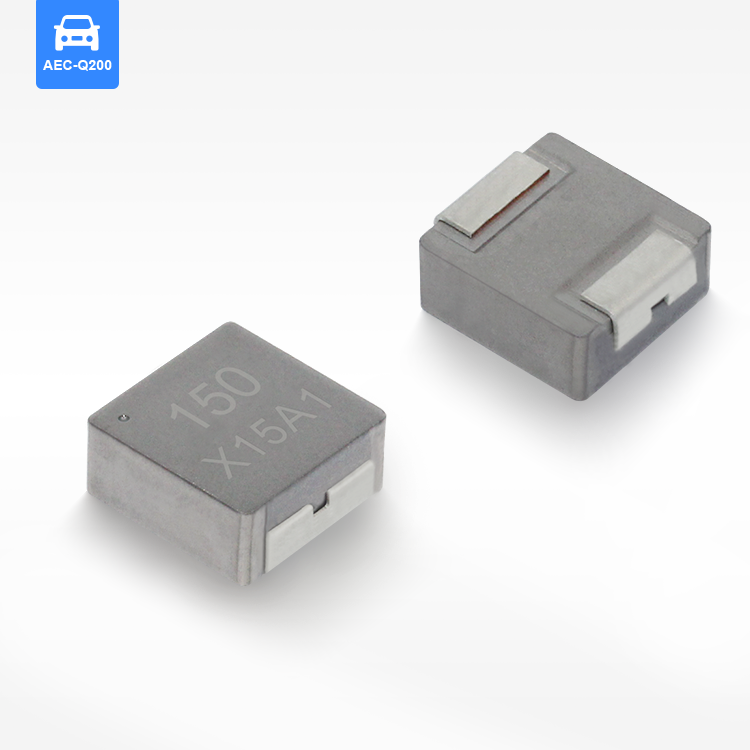
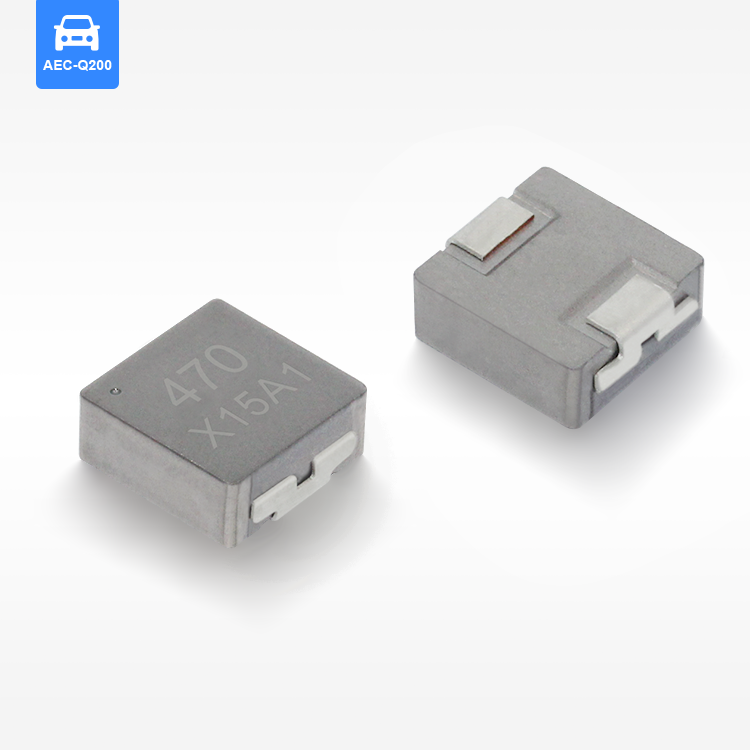
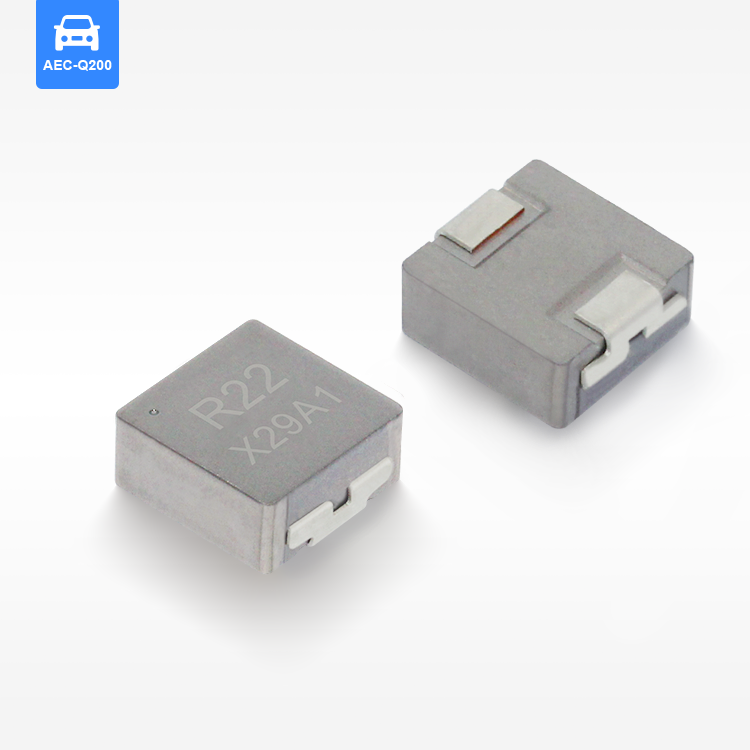
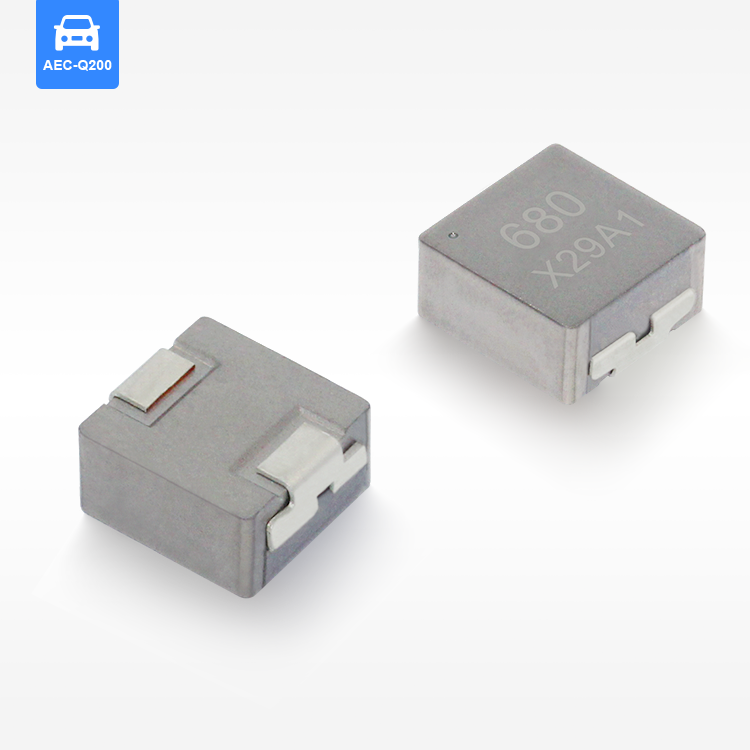
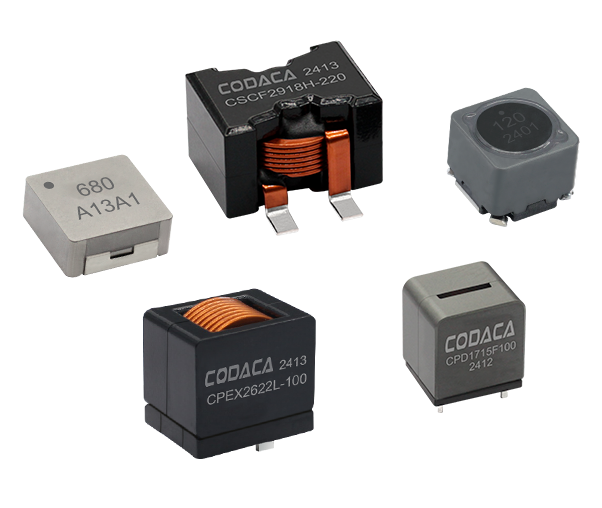
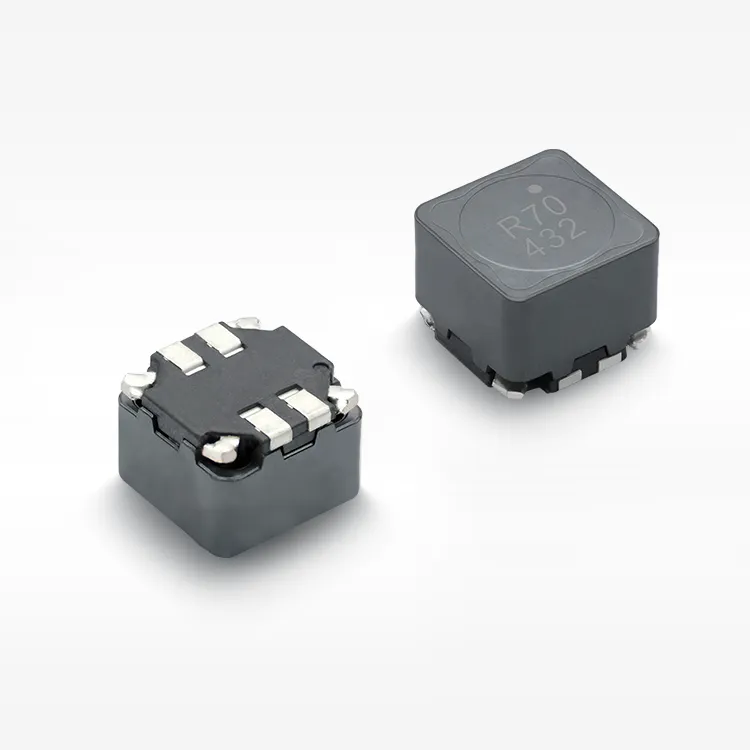
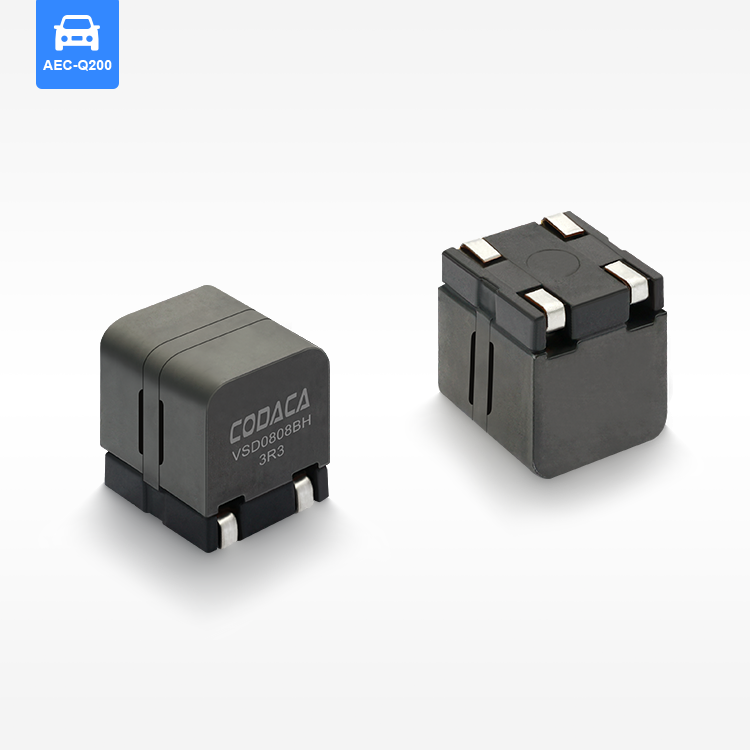
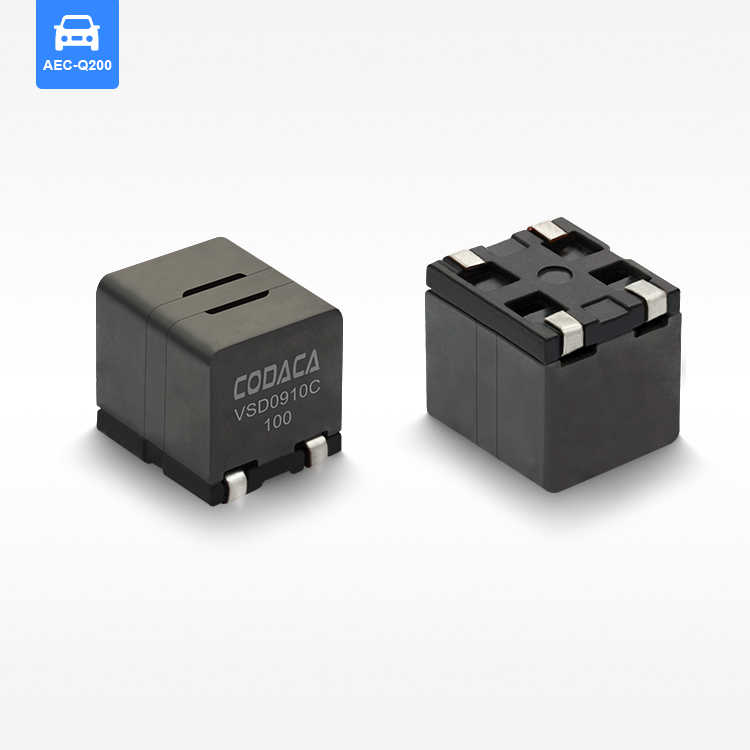
A class d inductor factory represents a specialized manufacturing facility dedicated to producing high-performance inductors specifically designed for Class D amplifier applications. These sophisticated facilities combine advanced engineering expertise with state-of-the-art production technologies to create inductors that meet the stringent requirements of modern audio amplification systems. The primary function of a class d inductor factory centers on manufacturing precision-wound inductors that effectively filter high-frequency switching noise while maintaining excellent power efficiency in Class D amplifier circuits. These facilities employ sophisticated winding techniques, utilizing premium core materials such as ferrite, powdered iron, and specialized magnetic composites to achieve optimal inductance values and minimal losses. The technological features of a class d inductor factory include automated winding equipment capable of producing consistent, high-quality coils with precise inductance tolerances. Advanced testing laboratories within these facilities ensure each inductor meets strict performance specifications through comprehensive electrical parameter verification, including inductance measurement, DC resistance testing, and saturation current evaluation. Temperature cycling chambers and vibration testing equipment validate the reliability and durability of finished products under various environmental conditions. The applications for inductors produced by a class d inductor factory span numerous industries, including automotive audio systems, professional sound equipment, home theater amplifiers, portable audio devices, and industrial power conversion systems. These inductors play a crucial role in filtering the high-frequency switching components generated by Class D amplifier circuits, preventing electromagnetic interference while preserving audio signal integrity. The factory's quality control processes incorporate statistical process control methods, ensuring consistent product performance and adherence to international standards such as ISO 9001 and automotive-grade AEC-Q200 certifications. Modern class d inductor factory operations also emphasize environmental sustainability through efficient material utilization, waste reduction programs, and energy-efficient manufacturing processes that minimize the carbon footprint while maintaining superior product quality.

New Products

The advantages of partnering with a dedicated class d inductor factory extend far beyond simple component procurement, offering customers comprehensive solutions that directly impact their product performance and market competitiveness. A specialized class d inductor factory delivers superior product quality through focused expertise and dedicated manufacturing processes tailored specifically for Class D amplifier applications. Unlike general-purpose inductor manufacturers, these facilities understand the unique challenges posed by high-frequency switching environments and design their products accordingly. This specialization translates into inductors with lower core losses, reduced electromagnetic interference, and improved thermal management capabilities that enhance overall amplifier efficiency. The cost advantages of working with a class d inductor factory become apparent through economies of scale and optimized production processes. These facilities leverage bulk purchasing power for premium materials, automated manufacturing equipment that reduces labor costs, and streamlined quality control procedures that minimize defect rates and associated rework expenses. Customers benefit from competitive pricing without compromising quality, as the factory's focused approach eliminates inefficiencies common in diversified manufacturing operations. Technical support represents another significant advantage, as class d inductor factory engineers possess deep knowledge of Class D amplifier design requirements and can provide valuable application guidance. This expertise helps customers optimize their circuit designs, select appropriate inductor specifications, and troubleshoot performance issues quickly and effectively. The factory's engineering team often collaborates with customers during product development phases, offering design recommendations that improve performance while reducing overall system costs. Supply chain reliability stands as a critical advantage in today's volatile market environment. A dedicated class d inductor factory maintains strategic inventory levels, establishes robust supplier relationships for key materials, and implements contingency plans to ensure uninterrupted production. This reliability enables customers to maintain their own production schedules and meet market demand consistently. Customization capabilities offer additional value, as class d inductor factory operations can modify standard products or develop entirely new designs to meet specific customer requirements. Whether adjusting inductance values, modifying physical dimensions, or incorporating special materials for unique operating conditions, these facilities provide flexible solutions that generic suppliers cannot match. The quality assurance processes implemented by a professional class d inductor factory exceed industry standards through comprehensive testing protocols and statistical process control methods that ensure consistent performance across all production batches.

Practical Tips

Industrial Power Inductors: The Key to Improving Power Conversion Efficiency

07

Apr

Industrial Power Inductors: The Key to Improving Power Conversion Efficiency

Power inductors play a vital role in modern power electronics. They store energy efficiently and release it when needed, ensuring smooth energy transfer. You rely on them to reduce energy losses in systems like DC-DC converters. This improves overall...
View More
How High Current Power Inductors Enhance Energy Efficiency

31

Mar

How High Current Power Inductors Enhance Energy Efficiency

Introduction High current power inductors are crucial components in power electronics, designed to store energy in a magnetic field while allowing significant currents to pass through. These inductors are essential for a variety of applications, inc...
View More
Innovations in Automotive Grade Molding Power Choke Technology

31

Mar

Innovations in Automotive Grade Molding Power Choke Technology

Introduction The evolution of automotive power chokes is a testament to the significant advancements in vehicle performance enhancement. Historically, these components, often referred to as "inductors", have played a pivotal role in stabilizing elec...
View More
The Role of Molding Power Chokes in Energy Storage Systems

13

May

The Role of Molding Power Chokes in Energy Storage Systems

Understanding Molding Power Chokes in Energy Storage Definition and Core Components Power Chokes are important inductive devices used in energy storage systems and they are commonly used to filter high frequency signals. These chokes are mainly...
View More

Get a Free Quote

Our representative will contact you soon.
Email
Name
Company Name
Message
0/1000

class d inductor factory

Advanced Manufacturing Technology and Precision Engineering

Advanced Manufacturing Technology and Precision Engineering

The technological superiority of a modern class d inductor factory stems from its investment in cutting-edge manufacturing equipment and precision engineering processes that set new standards for inductor quality and consistency. These facilities utilize computer-controlled automatic winding machines capable of maintaining wire tension within extremely tight tolerances, ensuring uniform coil density and optimal magnetic field distribution throughout each inductor. The precision of these automated systems eliminates human error factors that can compromise product quality, while sophisticated tensioning controls prevent wire stretching or breakage during the winding process. Advanced core preparation techniques employed by a class d inductor factory include precision grinding and surface treatment processes that optimize magnetic permeability and minimize core losses. Specialized equipment for core gap adjustment enables precise inductance tuning, allowing the factory to meet tight specifications required for Class D amplifier applications. Temperature-controlled manufacturing environments ensure consistent material properties and winding characteristics, while humidity control prevents moisture absorption that could affect electrical performance. The integration of Industry 4.0 technologies within a class d inductor factory enables real-time monitoring of critical production parameters, predictive maintenance scheduling, and comprehensive traceability throughout the manufacturing process. Smart sensors continuously monitor wire tension, winding speed, and environmental conditions, automatically adjusting parameters to maintain optimal production quality. This technological approach significantly reduces variability between production batches and ensures that every inductor meets stringent performance specifications. Quality control laboratories within these facilities feature state-of-the-art testing equipment including precision LCR meters, impedance analyzers, and thermal imaging systems that verify electrical and thermal performance characteristics. Automated testing systems can process large quantities of components quickly while maintaining measurement accuracy and generating comprehensive test reports for customer review. The combination of advanced manufacturing technology and rigorous quality control processes enables a class d inductor factory to achieve defect rates measured in parts per million, providing customers with exceptional reliability and peace of mind.
Specialized Material Selection and Optimization

Specialized Material Selection and Optimization

The material expertise maintained by a dedicated class d inductor factory represents a fundamental competitive advantage that directly impacts the performance and reliability of Class D amplifier systems. These specialized facilities maintain extensive knowledge databases covering the magnetic, thermal, and electrical properties of numerous core materials, enabling optimal selection for specific application requirements. Ferrite cores utilized by a class d inductor factory undergo careful evaluation for saturation flux density, core loss characteristics, and temperature stability to ensure consistent performance across varying operating conditions. The factory's materials engineers work closely with core suppliers to specify custom formulations that optimize magnetic permeability while minimizing eddy current losses at high switching frequencies typical of Class D amplifiers. Powder core materials represent another area of expertise, with the class d inductor factory evaluating iron powder, sendust, and molybdenum permalloy powder cores for applications requiring higher current handling capability and improved thermal performance. Wire selection processes encompass evaluation of conductor materials, insulation systems, and coating specifications that affect long-term reliability and thermal performance. High-grade copper wire with specialized insulation coatings prevents breakdown under high-frequency switching stress while maintaining low DC resistance for optimal efficiency. Silver-plated conductors may be specified for premium applications where minimal skin effect losses are critical for performance. The class d inductor factory also maintains expertise in specialized wire configurations including litz wire constructions that minimize high-frequency losses through carefully controlled strand arrangements. Insulation systems receive particular attention, with the factory evaluating polyurethane, polyester, and specialized high-temperature coatings that provide reliable electrical isolation while maintaining flexibility during winding operations. Bobbin materials selection considers not only electrical properties but also thermal expansion characteristics, moisture absorption, and long-term dimensional stability under varying environmental conditions. The class d inductor factory's comprehensive material testing protocols include accelerated aging studies, thermal cycling evaluations, and electrical stress testing that validate material performance under actual operating conditions. This thorough approach to material selection and optimization ensures that inductors produced by the facility deliver consistent performance and exceptional reliability throughout their operational lifetime.
Comprehensive Quality Assurance and Customer Support

Comprehensive Quality Assurance and Customer Support

The quality assurance framework implemented by a professional class d inductor factory encompasses every aspect of production, from incoming material inspection through final product validation, ensuring that customers receive components meeting the highest performance standards. Incoming material inspection protocols verify that all raw materials meet specified requirements before entering the production process, including detailed evaluation of core material magnetic properties, wire dimensional accuracy, and insulation integrity. Statistical sampling techniques ensure representative testing while maintaining efficient material flow through the production system. In-process quality control measures monitor critical parameters at each manufacturing stage, with trained technicians performing regular inspections of winding tension, turn count accuracy, and coil geometry. Automated inspection systems verify proper lead attachment, insulation continuity, and dimensional compliance, flagging any deviations for immediate correction. The class d inductor factory maintains detailed process control charts tracking key performance indicators and implementing corrective actions when statistical limits are approached. Final inspection procedures include comprehensive electrical testing using calibrated precision instruments to verify inductance values, quality factor measurements, and saturation current characteristics. Environmental stress testing validates product performance under temperature cycling, humidity exposure, and vibration conditions that simulate actual application environments. Each production lot receives statistical sampling for extended testing, including long-term reliability evaluation and accelerated aging studies that predict component lifetime performance. Customer support services provided by the class d inductor factory extend beyond simple order fulfillment to include comprehensive technical assistance throughout the product development lifecycle. Applications engineers work directly with customers to optimize inductor specifications for specific circuit requirements, providing design recommendations that improve overall system performance while minimizing costs. Technical documentation includes detailed product specifications, application notes, and design guidelines that help customers integrate inductors effectively into their amplifier designs. The class d inductor factory maintains responsive customer service teams capable of addressing technical inquiries, processing custom design requests, and coordinating special testing requirements. Regular communication ensures customers remain informed about production schedules, quality metrics, and any process improvements that may benefit their applications. This comprehensive approach to quality assurance and customer support establishes long-term partnerships that contribute to mutual success and continued innovation in Class D amplifier technology.