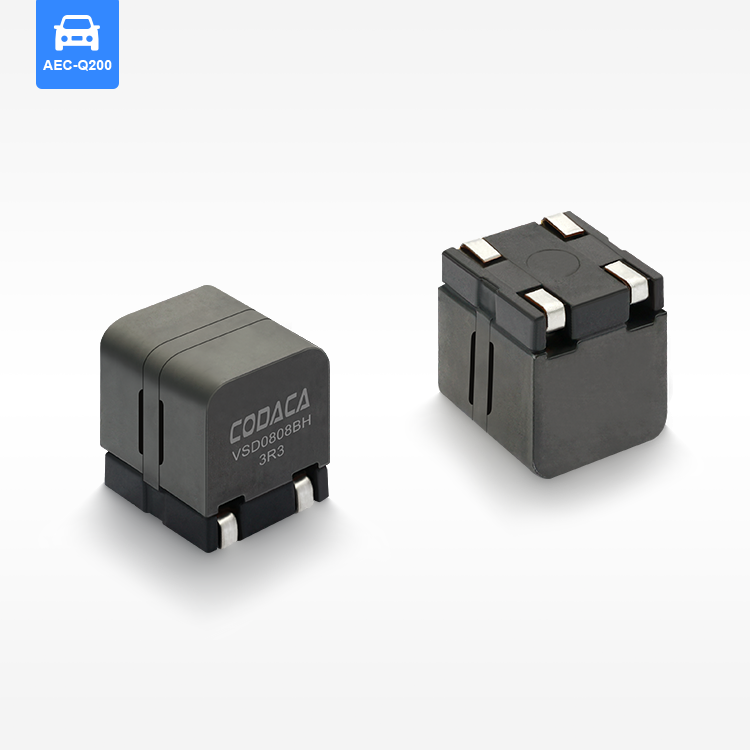
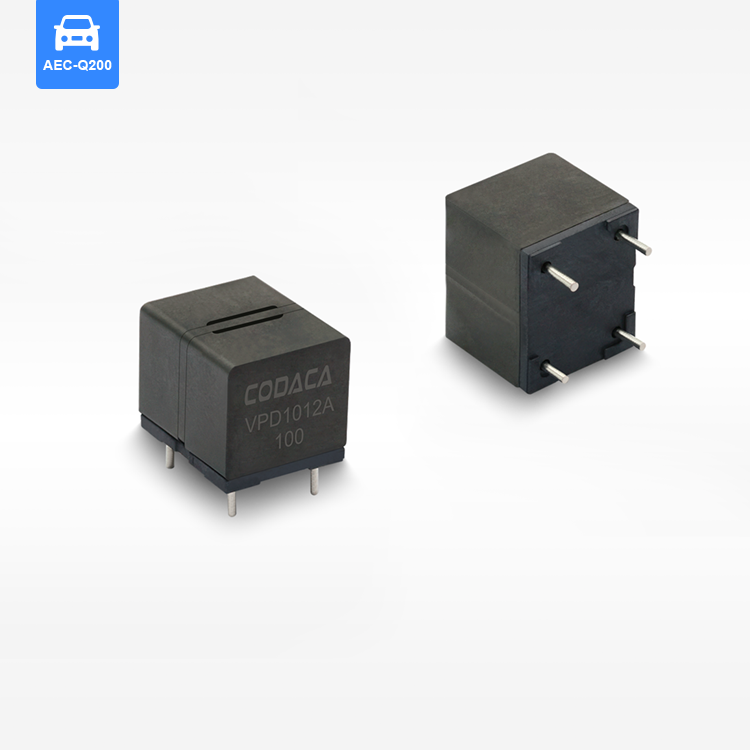
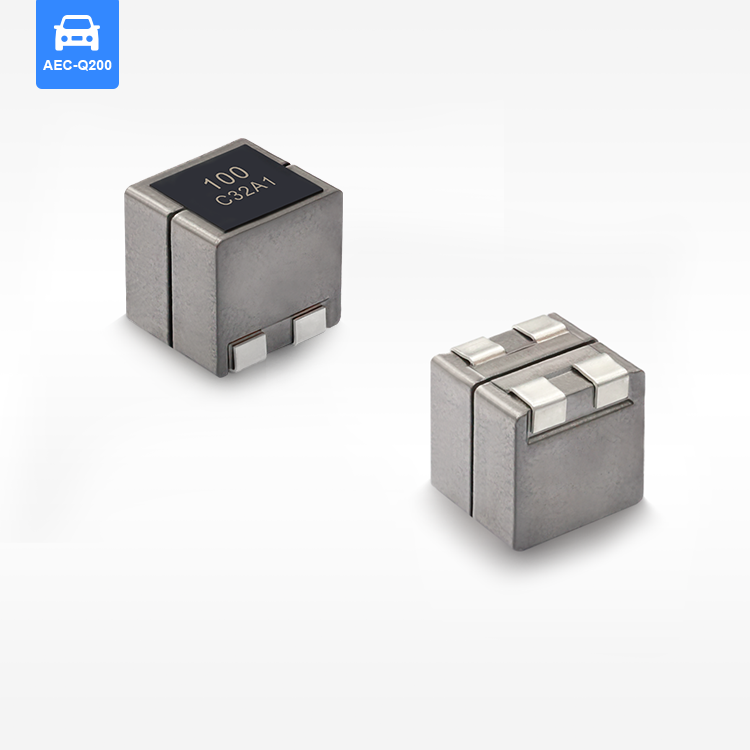
class d amplifier inductor
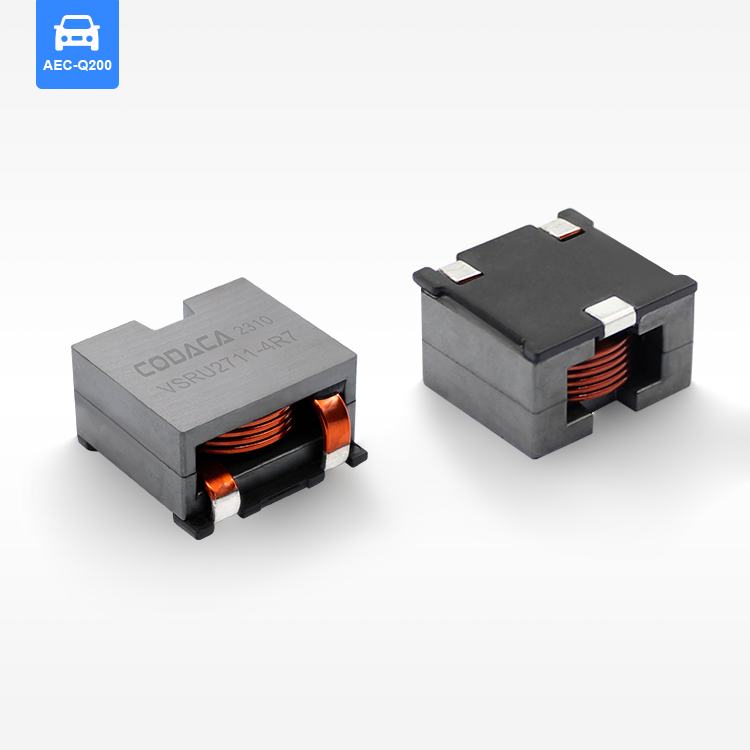
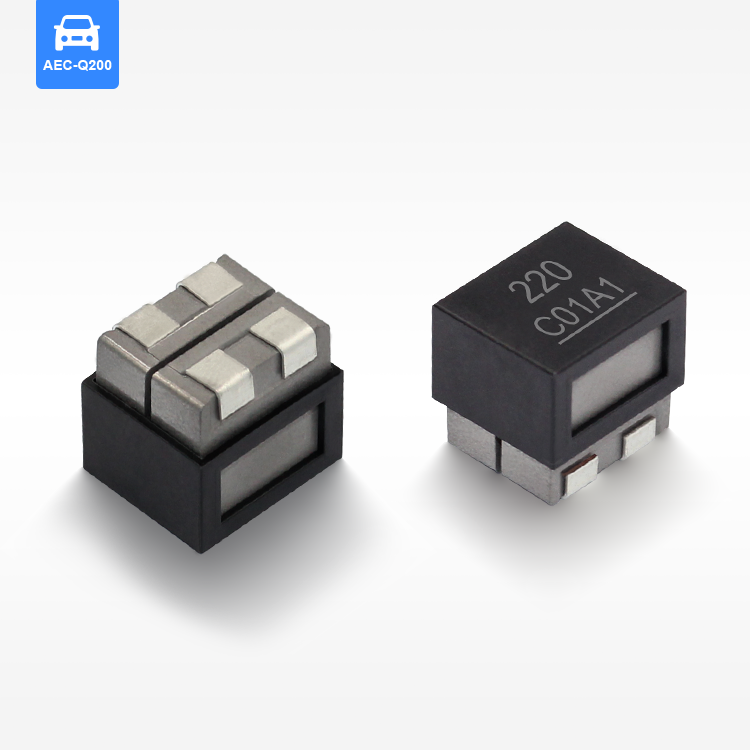
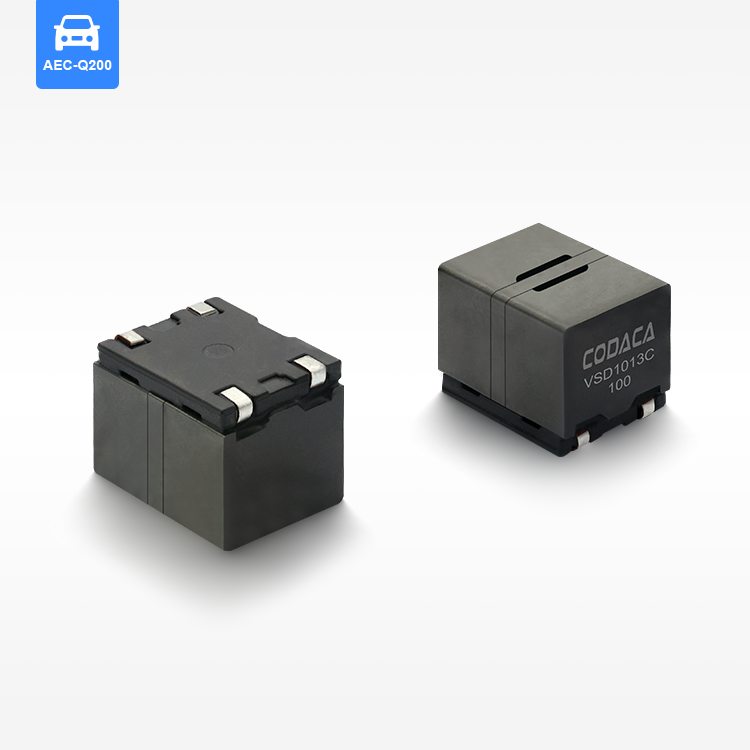
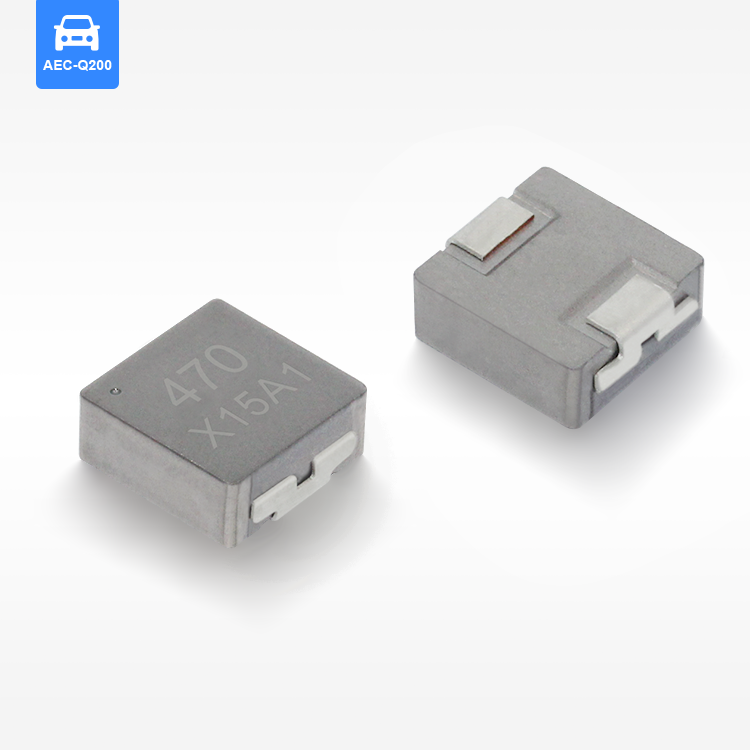
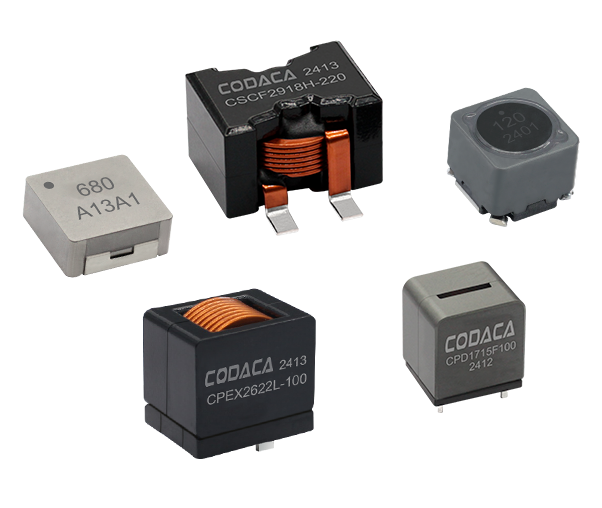
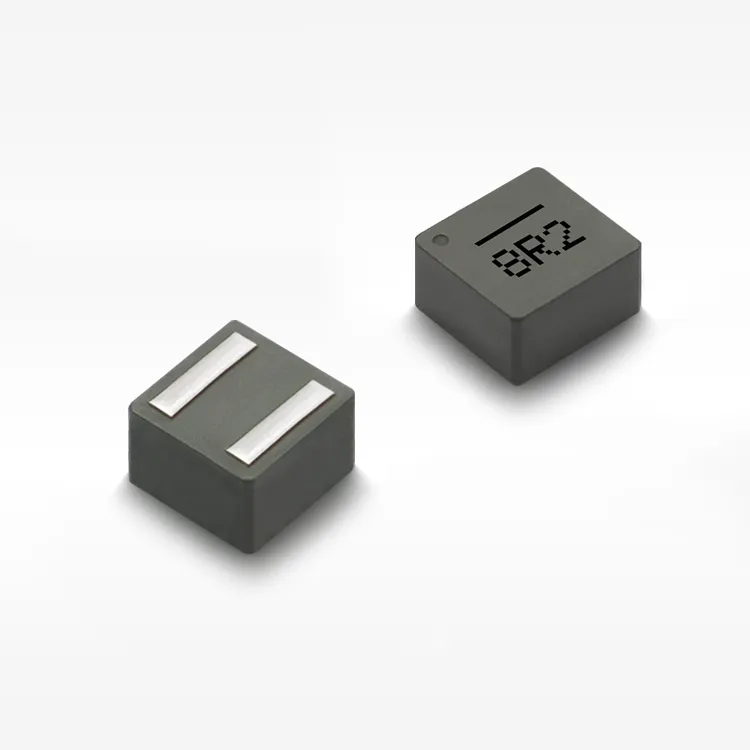
The class d amplifier inductor represents a critical component in modern audio amplification systems, serving as the cornerstone of efficient power conversion and signal processing. This specialized inductor operates within Class D amplifier circuits, where it functions as an essential element of the output filter network. The primary purpose of the class d amplifier inductor is to smooth the high-frequency switching signals generated by the amplifier's pulse-width modulation process, converting them into clean, continuous audio signals suitable for driving speakers and other audio equipment. The technological foundation of the class d amplifier inductor relies on carefully engineered magnetic cores and precision-wound coils that can handle substantial current loads while maintaining low resistance and minimal signal distortion. These inductors typically feature ferrite or powdered iron cores designed to operate efficiently at switching frequencies ranging from 200kHz to several megahertz. The wire gauge and winding configuration are meticulously calculated to minimize both DC resistance and AC losses, ensuring optimal power transfer and thermal management. Modern class d amplifier inductors incorporate advanced materials and manufacturing techniques that enable compact form factors without compromising performance. The magnetic core materials are selected for their high permeability and low core losses, while the winding patterns are optimized to reduce parasitic capacitance and electromagnetic interference. Applications for the class d amplifier inductor span across numerous industries and product categories. In consumer electronics, these components are found in portable speakers, soundbars, automotive audio systems, and home theater equipment. Professional audio applications include powered monitors, PA systems, and mixing consoles where reliable performance and efficiency are paramount. The class d amplifier inductor also plays a vital role in telecommunications equipment, where space constraints and power efficiency requirements make Class D amplification the preferred choice for driving speakers in communication devices and public address systems.