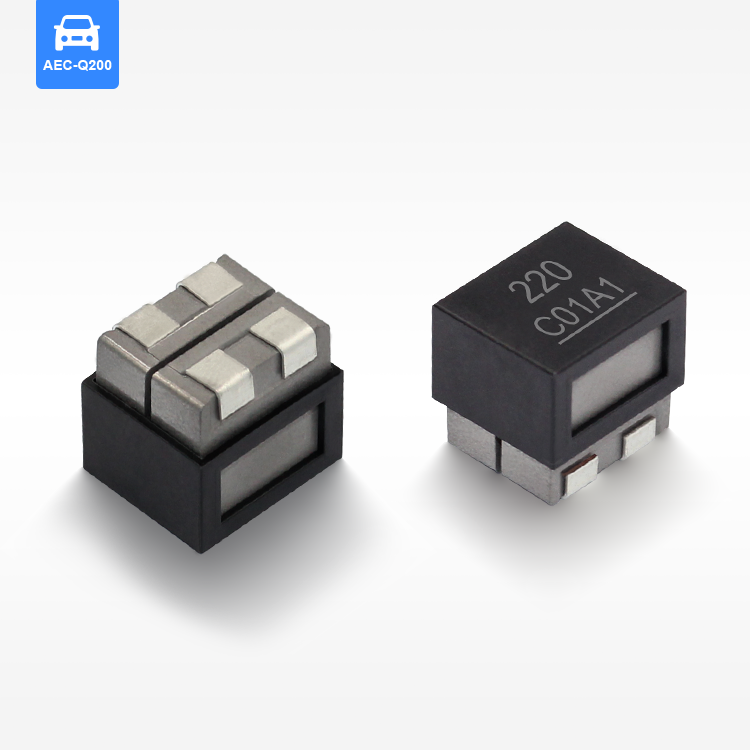
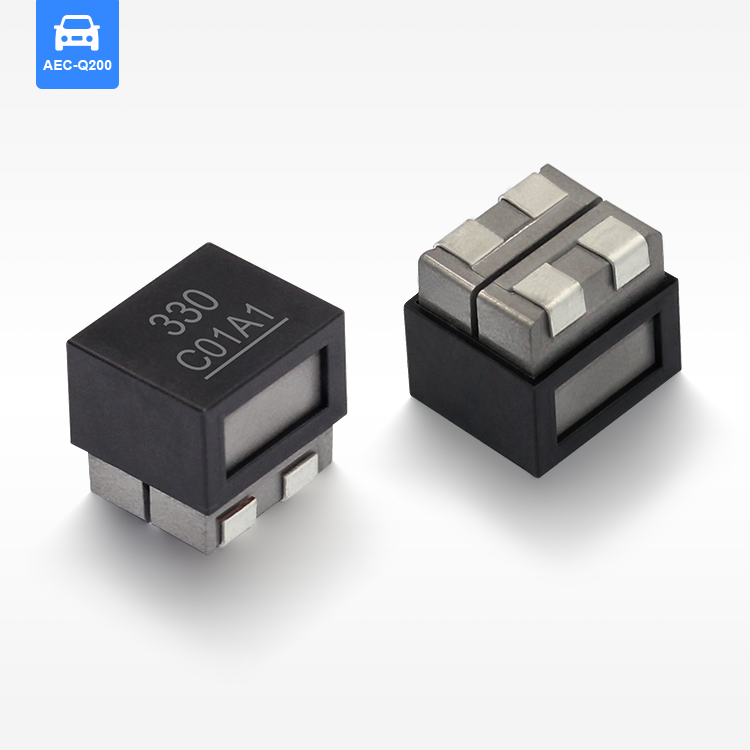
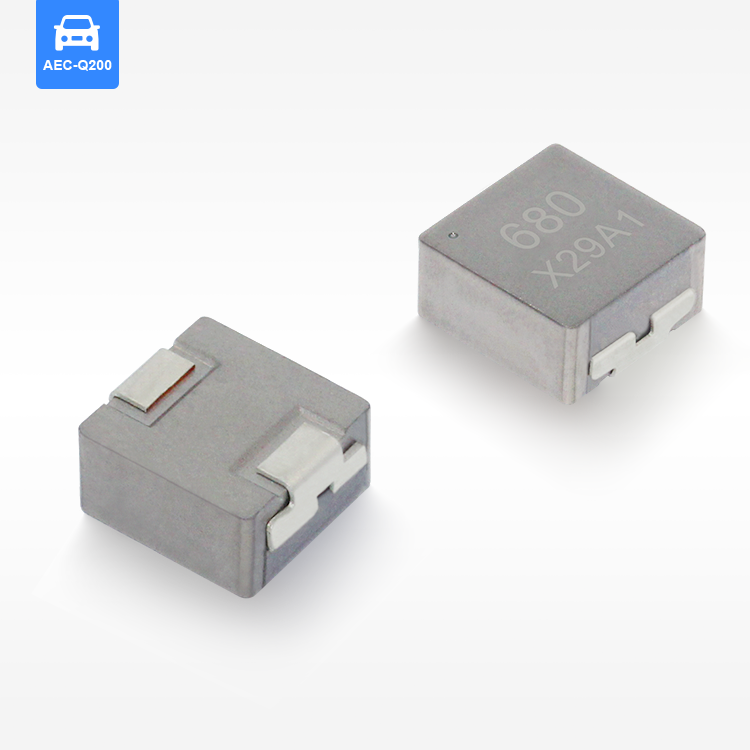
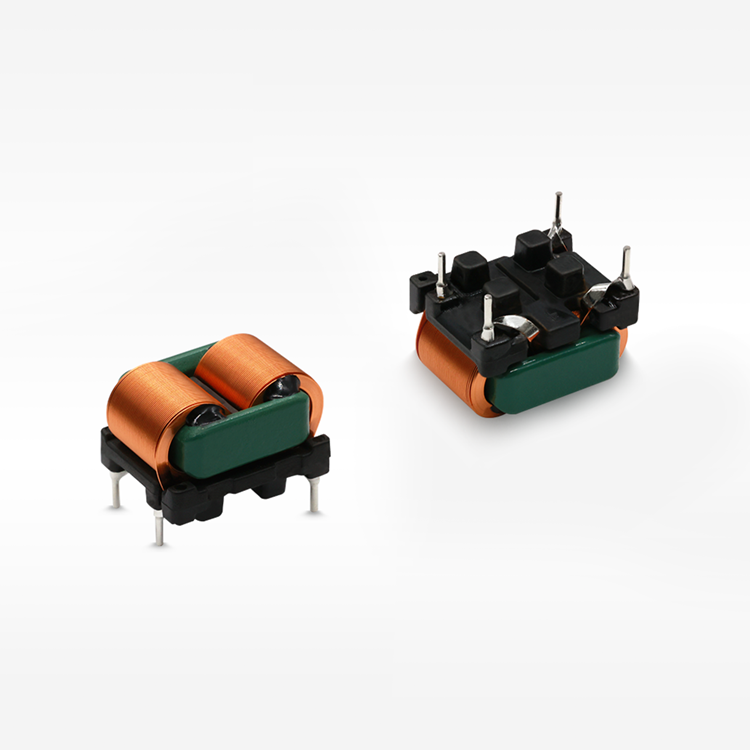
High Current Flat Wire Power Inductors - Superior Performance & Efficiency

All Categories

Get a Free Quote

Our representative will contact you soon.
Email
Name
Company Name
Message
0/1000

flat wire high current power inductor

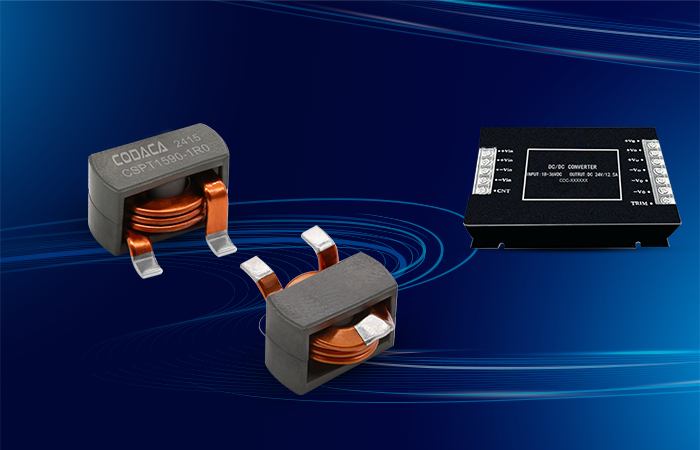
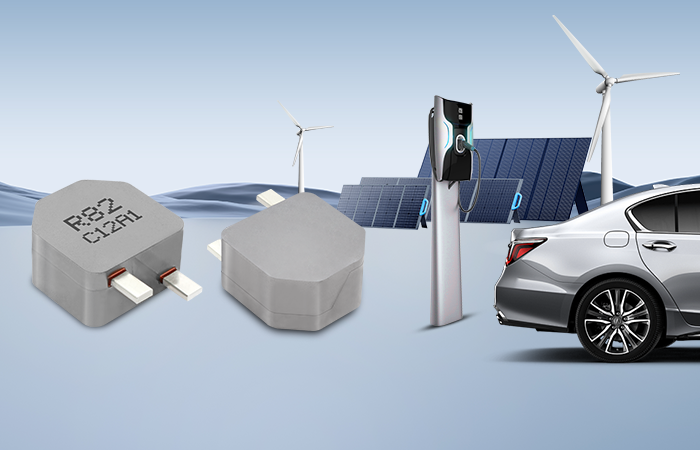
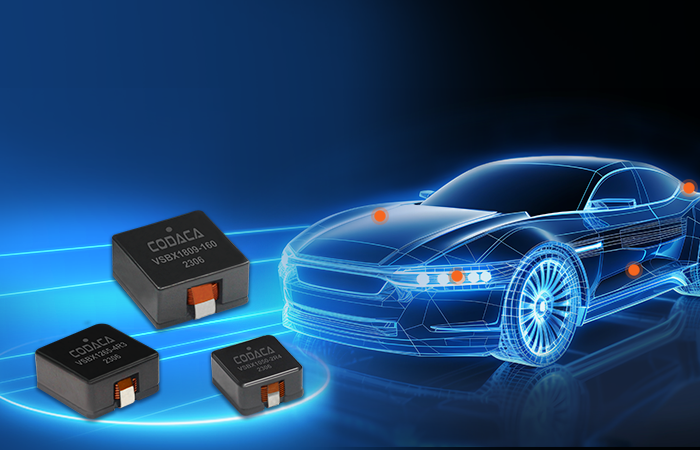
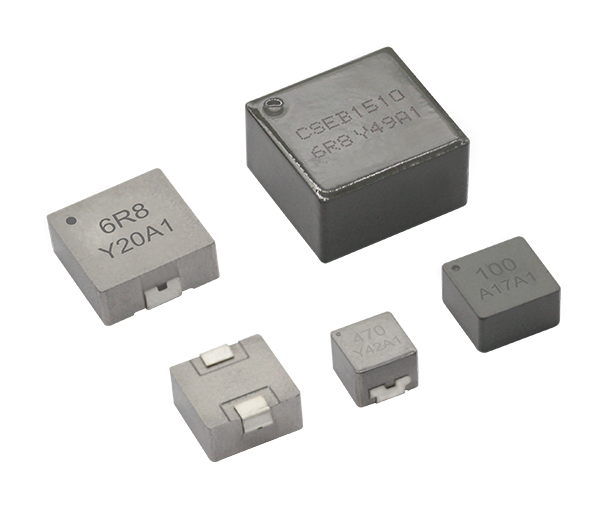
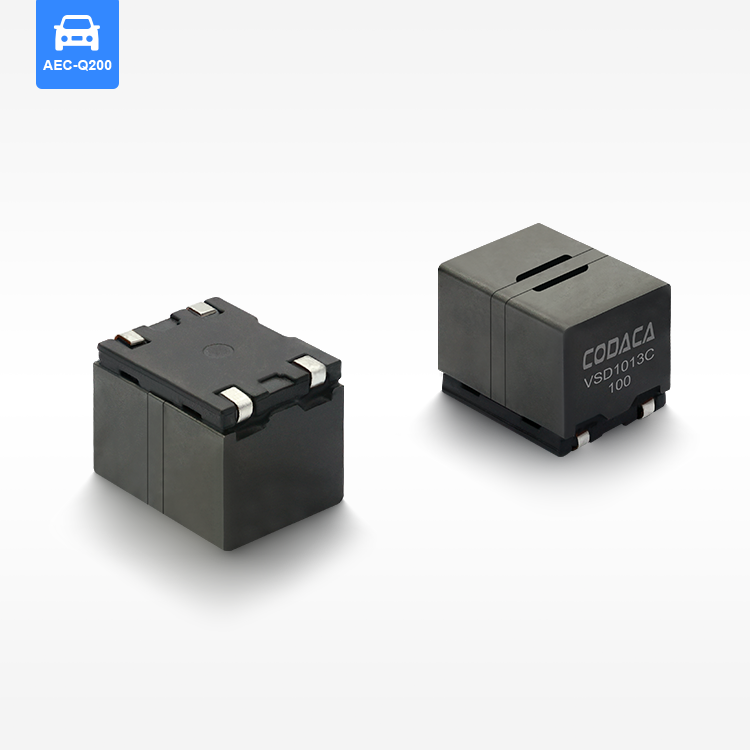
The flat wire high current power inductor represents a revolutionary advancement in electromagnetic component design, specifically engineered to handle substantial current loads while maintaining exceptional efficiency and compact form factors. This innovative component utilizes flat wire construction instead of traditional round wire, creating a more efficient magnetic field distribution and superior thermal management capabilities. The flat wire high current power inductor serves as a critical component in power conversion circuits, energy storage systems, and high-performance electronic devices where current handling capacity and space optimization are paramount. The primary function of these inductors involves storing magnetic energy when current flows through the flat wire windings, then releasing this energy to maintain continuous current flow in switching power supplies, DC-DC converters, and voltage regulators. The technological features of flat wire high current power inductors include optimized conductor geometry that maximizes current density while minimizing power losses. The flat wire configuration provides increased surface area compared to round wire alternatives, enabling better heat dissipation and reduced skin effect at higher frequencies. These inductors typically incorporate advanced core materials such as ferrite or powder cores, which enhance magnetic permeability and reduce core losses. Manufacturing processes involve precision winding techniques that ensure consistent spacing and optimal coupling between windings. Applications for flat wire high current power inductors span across automotive electronics, renewable energy systems, industrial power supplies, and consumer electronics. In electric vehicles, these components manage power distribution between batteries and drive systems. Solar inverters utilize them for efficient DC to AC power conversion. Data centers rely on these inductors in server power supplies to maintain stable voltage regulation under varying load conditions. Telecommunications equipment employs flat wire high current power inductors for power management in base stations and network infrastructure, where reliability and efficiency directly impact operational costs and system performance.

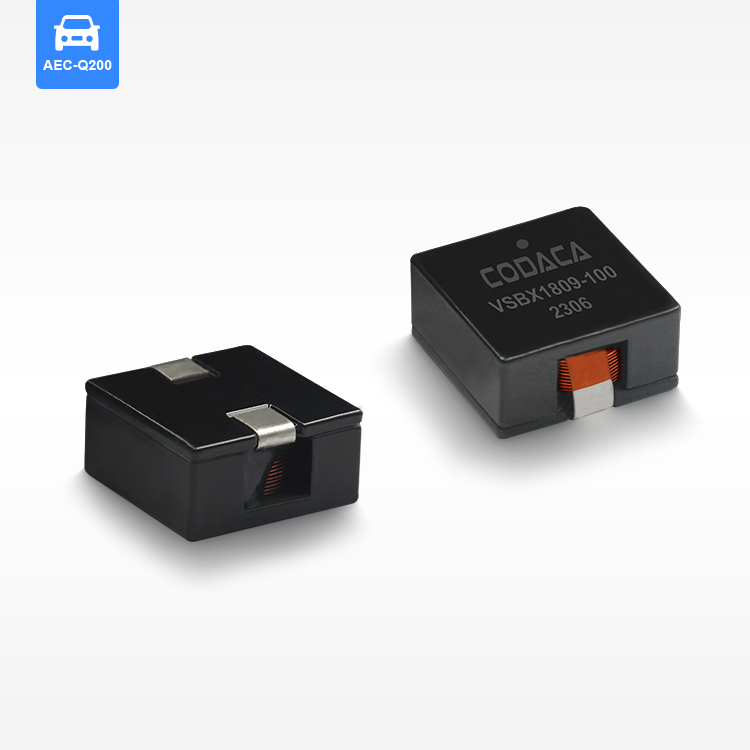
Popular Products

Flat wire high current power inductors deliver exceptional benefits that transform power management performance across numerous applications. The primary advantage stems from superior current handling capabilities, enabling these components to manage significantly higher amperage compared to conventional round wire inductors of similar size. This enhanced current capacity translates directly into reduced system complexity, as engineers can achieve target power levels with fewer components and simplified circuit designs. The flat wire construction maximizes copper utilization within the available winding space, resulting in lower DC resistance and improved efficiency ratings that can exceed 95% in many applications. Heat dissipation represents another crucial advantage, as the increased surface area of flat wire conductors facilitates better thermal management. This improved cooling capability allows flat wire high current power inductors to operate at higher current densities without experiencing thermal degradation or performance reduction. The enhanced thermal characteristics extend component lifespan and improve reliability in demanding environments. Size optimization benefits become immediately apparent when comparing flat wire designs to traditional alternatives. Engineers can achieve identical inductance values and current ratings in significantly smaller packages, enabling more compact product designs and improved power density. This space efficiency proves particularly valuable in mobile devices, automotive applications, and aerospace systems where every millimeter matters. Manufacturing consistency provides additional advantages through improved quality control and performance predictability. The flat wire configuration enables more precise winding control and better repeatability during production, resulting in tighter tolerance specifications and more consistent electrical characteristics across production batches. Cost effectiveness emerges from reduced material usage and simplified assembly processes. While initial component costs may be higher, the overall system costs decrease through reduced board space requirements, simplified thermal management, and fewer supporting components. Electromagnetic interference reduction represents another significant benefit, as the flat wire geometry creates more controlled magnetic fields with reduced stray flux. This characteristic minimizes interference with adjacent components and improves overall system electromagnetic compatibility. Performance stability under varying operating conditions ensures reliable operation across temperature ranges and load variations, making flat wire high current power inductors ideal for mission-critical applications where consistent performance is essential.

Practical Tips

Compact High Current Power Inductor: A Comparison of Materials and Designs

01

Apr

Compact High Current Power Inductor: A Comparison of Materials and Designs

Mn-Zn Ferrite: High Permeability and Frequency Response Mn-Zn ferrite is highly regarded in the field of inductors due to its high permeability, which facilitates an efficient magnetic flux path. This characteristic translates into improved inductan...
View More
Innovations in Automotive Grade Molding Power Choke Technology

31

Mar

Innovations in Automotive Grade Molding Power Choke Technology

Introduction The evolution of automotive power chokes is a testament to the significant advancements in vehicle performance enhancement. Historically, these components, often referred to as "inductors", have played a pivotal role in stabilizing elec...
View More
How to Select the Best Automotive Grade High Current Power Inductors for Your Needs

31

Mar

How to Select the Best Automotive Grade High Current Power Inductors for Your Needs

Understanding Automotive Grade Requirements for Power Inductors AEC-Q200 Compliance and Certification AEC-Q200 is an essential industry standard for automotive components, ensuring products meet high-quality, reliability, and safety thresholds. This...
View More
Features of Painted and Unpainted Integrated Molded Inductors

26

May

Features of Painted and Unpainted Integrated Molded Inductors

Overview Integrated molded inductors are characterized by high saturation, low loss, strong electromagnetic interference (EMI) resistance, ultra-low buzzing noise, and high automation, making them widely used in various electronic devices. In the cur...
View More

Get a Free Quote

Our representative will contact you soon.
Email
Name
Company Name
Message
0/1000

flat wire high current power inductor

Revolutionary Current Density Performance

Revolutionary Current Density Performance

The flat wire high current power inductor achieves unprecedented current density performance through its innovative conductor geometry that fundamentally reimagines how electrical current flows through inductive components. Traditional round wire inductors face significant limitations due to the circular cross-section that creates inefficient space utilization and suboptimal current distribution patterns. The flat wire design eliminates these constraints by maximizing the conductor cross-sectional area within the available winding window, enabling current densities that can exceed conventional designs by 30-50% while maintaining identical physical footprints. This revolutionary approach to current handling stems from the rectangular cross-section of flat wire conductors, which allows for tighter packing and more efficient use of the magnetic core window area. The increased conductor volume directly translates to lower resistance and improved current carrying capacity, while the optimized geometry reduces skin effect losses at higher switching frequencies. Engineers benefit from this enhanced current density through simplified circuit topologies that require fewer parallel inductors to achieve target current ratings. The practical implications extend beyond mere current handling, as higher current density enables smaller overall system designs with improved power-to-weight ratios. In electric vehicle applications, this translates to lighter powertrains and extended driving ranges. Data center applications benefit from increased server density and reduced cooling requirements. The flat wire high current power inductor design also incorporates advanced thermal management considerations, with the increased surface area of flat conductors facilitating better heat transfer to the core and surrounding environment. This thermal advantage allows the component to sustain high current densities for extended periods without derating, maintaining consistent performance under demanding operating conditions. Quality control benefits emerge from the more predictable manufacturing processes associated with flat wire windings, resulting in tighter electrical parameter tolerances and more consistent performance across production batches. These characteristics make flat wire high current power inductors ideal for applications requiring precise current regulation and reliable long-term performance, establishing new benchmarks for power density and efficiency in modern electronic systems.
Advanced Thermal Management Capabilities

Advanced Thermal Management Capabilities

The thermal management capabilities of flat wire high current power inductors represent a paradigm shift in how inductive components handle heat generation and dissipation during high-power operation. Unlike traditional round wire inductors that concentrate heat in circular conductors with limited surface area exposure, flat wire designs create optimized thermal pathways that dramatically improve heat transfer efficiency and temperature distribution throughout the component structure. The rectangular geometry of flat wire conductors provides significantly increased surface area contact with the magnetic core material, facilitating direct thermal conduction that rapidly transfers heat away from current-carrying conductors. This enhanced thermal coupling reduces hot spot formation and creates more uniform temperature profiles across the entire inductor assembly. The improved thermal characteristics enable flat wire high current power inductors to operate at higher power levels without experiencing thermal runaway or performance degradation that commonly affects conventional designs. Advanced core materials integrated with flat wire technology further enhance thermal management through improved thermal conductivity and heat capacity. Modern ferrite and powder core materials exhibit excellent thermal properties that complement the flat wire conductor design, creating synergistic thermal performance that exceeds the sum of individual component improvements. The thermal advantages translate directly into improved reliability and extended component lifespan, as lower operating temperatures reduce material stress and minimize degradation mechanisms that typically limit inductor performance over time. Practical benefits include reduced cooling requirements in system-level designs, enabling engineers to specify smaller heat sinks or eliminate forced air cooling in many applications. This thermal efficiency proves particularly valuable in sealed environments where heat dissipation options are limited, such as automotive under-hood applications or sealed industrial equipment. The consistent thermal performance across varying load conditions ensures stable electrical characteristics and predictable system behavior, critical for applications requiring precise power regulation. Manufacturing processes for flat wire high current power inductors incorporate thermal modeling and validation techniques that optimize conductor placement and core geometry for maximum thermal efficiency, resulting in components that maintain performance specifications across extended temperature ranges and duty cycles.
Compact Design and Space Optimization

Compact Design and Space Optimization

The compact design philosophy inherent in flat wire high current power inductor technology delivers transformative space optimization benefits that enable engineers to achieve unprecedented power density in modern electronic systems. Traditional inductor designs face fundamental limitations imposed by round wire geometry and conventional winding techniques that result in inefficient use of available component volume and suboptimal magnetic field utilization. Flat wire high current power inductors overcome these constraints through revolutionary conductor shaping and advanced winding methodologies that maximize functional density while minimizing physical footprint requirements. The space optimization begins with the flat wire conductor geometry itself, which allows for significantly tighter winding configurations compared to round wire alternatives. This geometric advantage translates to reduced component height and diameter while maintaining or improving electrical performance characteristics. Engineers can achieve identical inductance values and current ratings in packages that occupy 25-40% less board space, enabling more compact product designs and improved functionality per unit volume. The reduced height profile proves particularly beneficial in low-profile applications such as laptop computers, tablets, and automotive electronics where vertical space constraints limit design options. Advanced core geometries complement the flat wire design to further enhance space utilization efficiency. Modern core shapes and materials optimize magnetic flux density distribution, allowing for smaller overall component sizes without compromising electrical performance. The integration of flat wire technology with optimized core designs creates synergistic effects that maximize inductance per unit volume while maintaining excellent current handling capabilities. Manufacturing precision enables consistent dimensional characteristics that support automated assembly processes and improve production efficiency. The compact nature of flat wire high current power inductors facilitates higher component density on printed circuit boards, enabling more sophisticated functionality within existing product form factors. System-level benefits include reduced interconnection complexity and shorter current paths that improve overall electrical performance while simplifying mechanical design requirements. The space savings directly translate to cost reductions through smaller enclosures, reduced material usage, and simplified thermal management systems, making flat wire high current power inductors attractive for cost-sensitive applications where performance cannot be compromised.