High Current Inductors - Superior Performance Components for Power Electronics Applications

All Categories

Get a Free Quote

Our representative will contact you soon.
Email
Name
Company Name
Message
0/1000

high current inductor

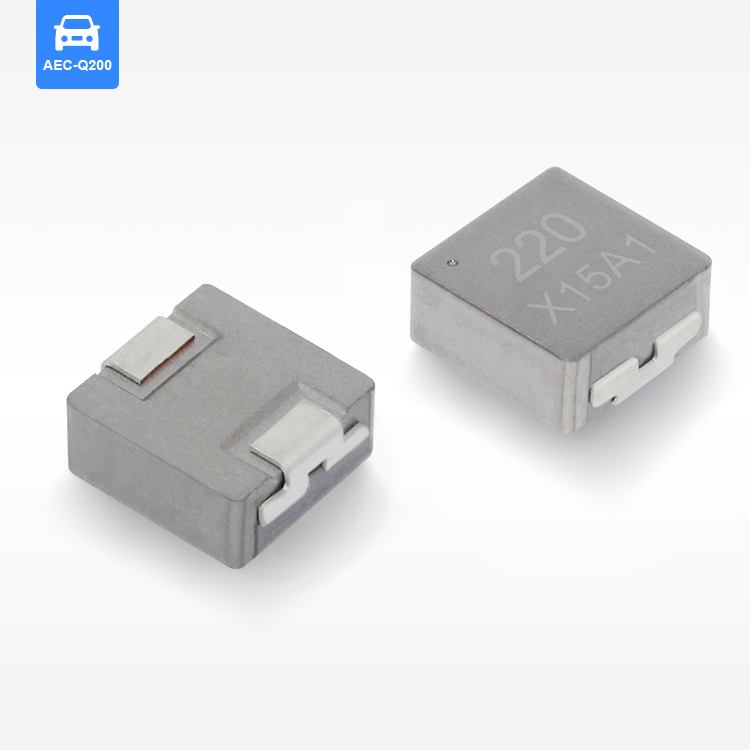
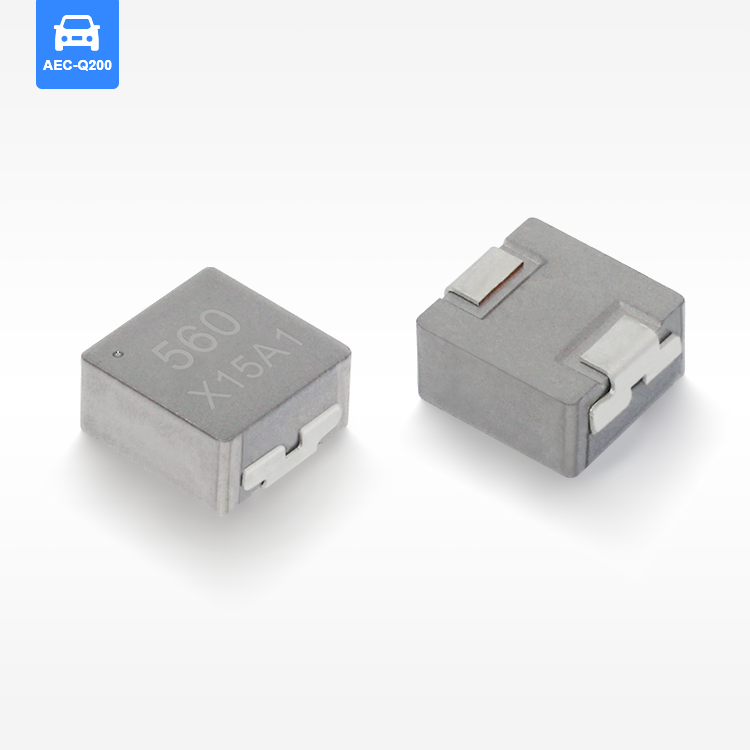
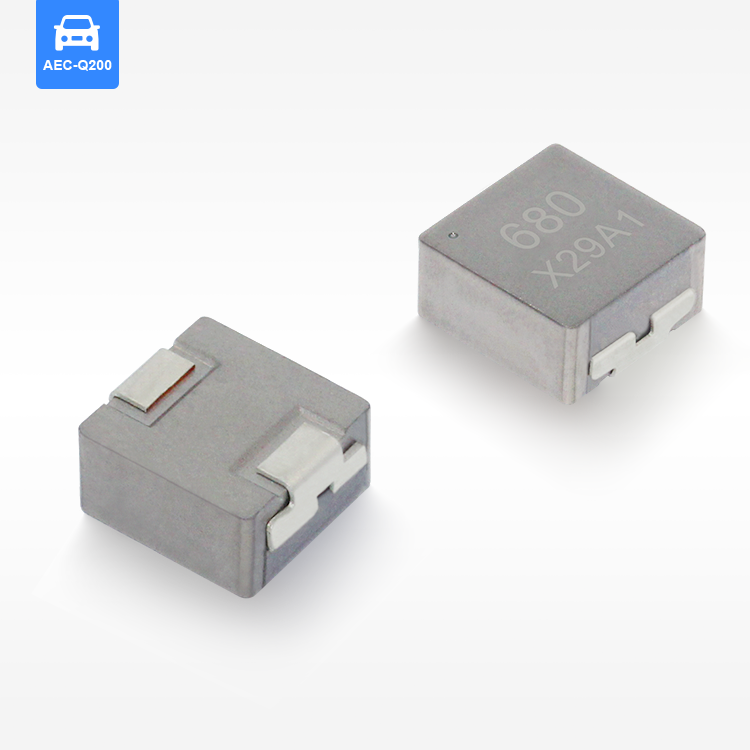
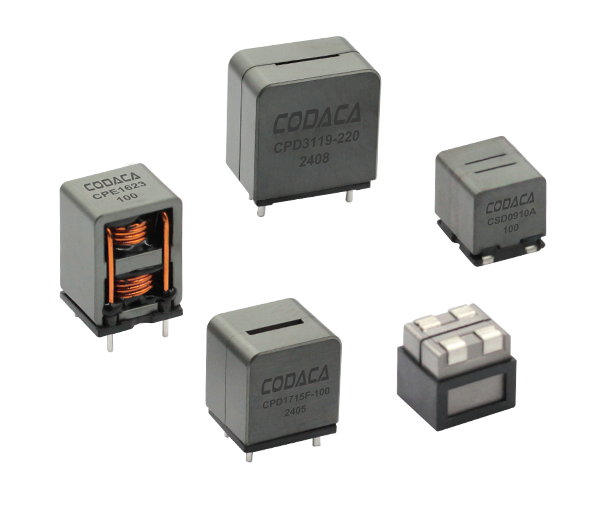
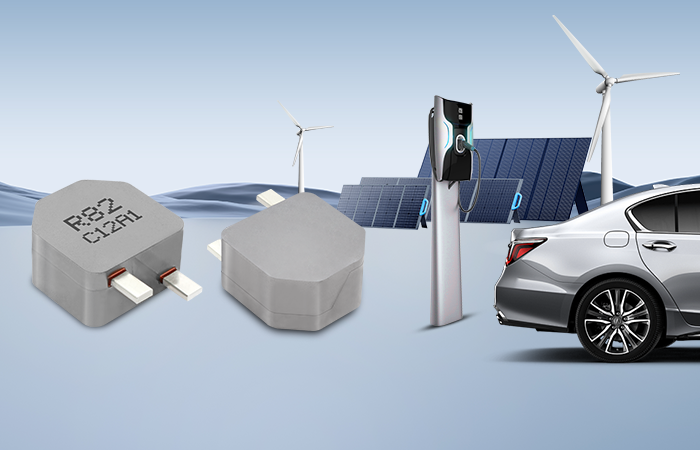
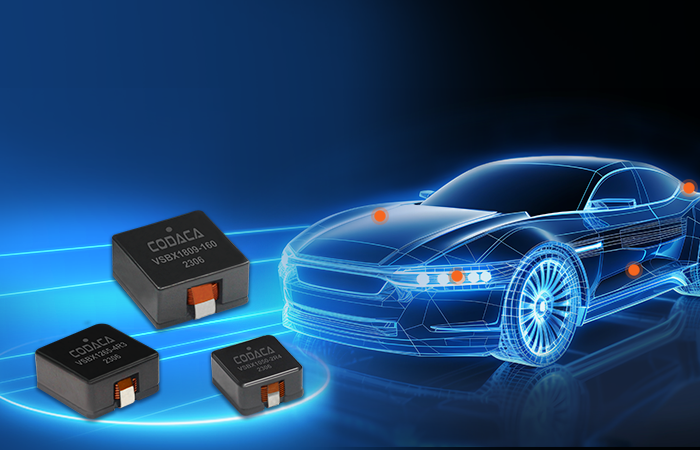
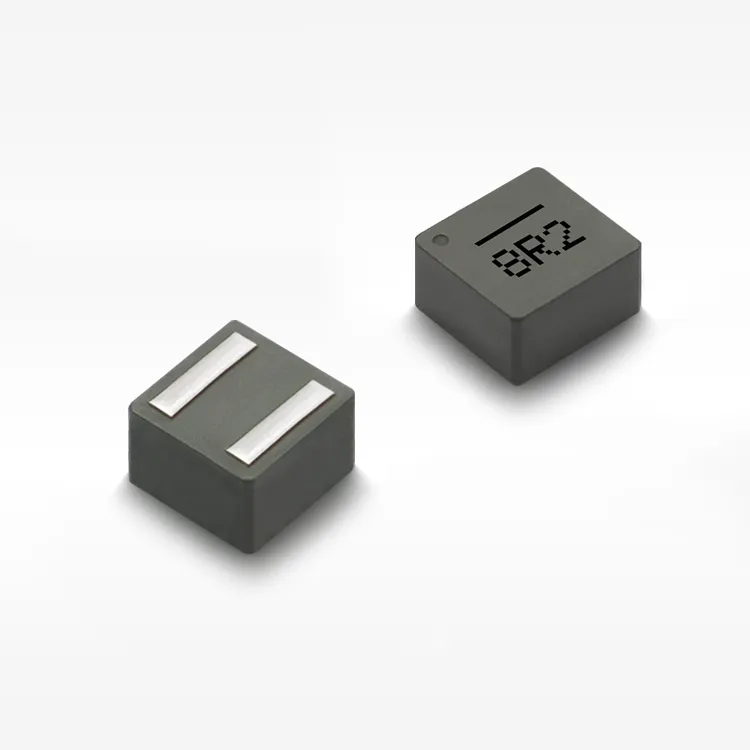
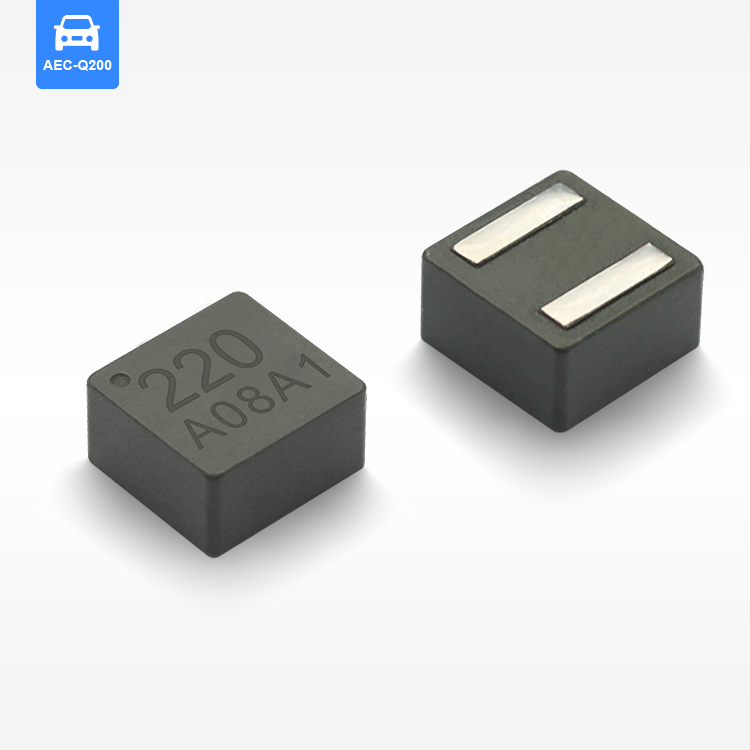
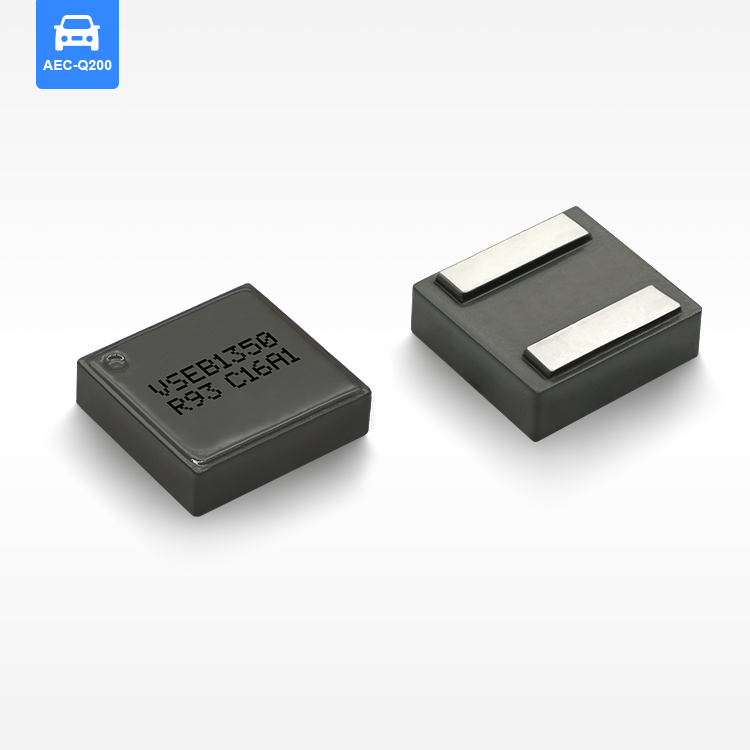
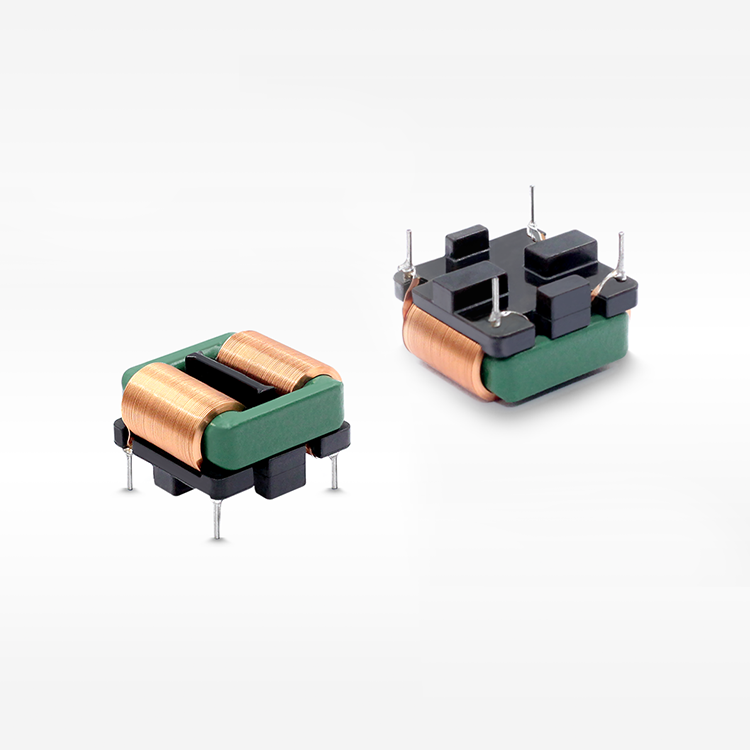
High current inductors represent a specialized category of passive electronic components designed to handle substantial electrical currents while maintaining optimal performance characteristics. These robust components serve as essential elements in power management systems, energy storage applications, and filtering circuits where conventional inductors would fail under high amperage conditions. The primary function of a high current inductor involves storing electrical energy in its magnetic field when current flows through its windings, then releasing this energy back into the circuit as needed. This energy storage and release capability makes high current inductors indispensable for voltage regulation, current smoothing, and electromagnetic interference suppression in demanding electrical environments. Technologically, these inductors feature enhanced construction methods including specialized core materials, optimized winding techniques, and superior thermal management systems. The core materials often consist of ferrite compounds, powdered iron, or advanced magnetic alloys that provide high permeability while minimizing core losses at elevated current levels. Wire gauge selection becomes critical, with manufacturers employing thicker conductors or multiple parallel windings to reduce resistance and prevent overheating. Advanced cooling mechanisms, including heat sinks and thermal interface materials, ensure reliable operation under continuous high current conditions. Applications for high current inductors span numerous industries and technologies. Power supply units rely on these components for output filtering and voltage conversion efficiency. Automotive electronics utilize them in electric vehicle charging systems, hybrid powertrains, and advanced driver assistance systems. Industrial automation equipment depends on high current inductors for motor drive circuits, welding equipment, and renewable energy systems. Telecommunications infrastructure employs these components in base station power amplifiers and signal processing units. The aerospace industry integrates high current inductors into satellite power systems and avionics equipment where reliability under extreme conditions remains paramount.

Popular Products

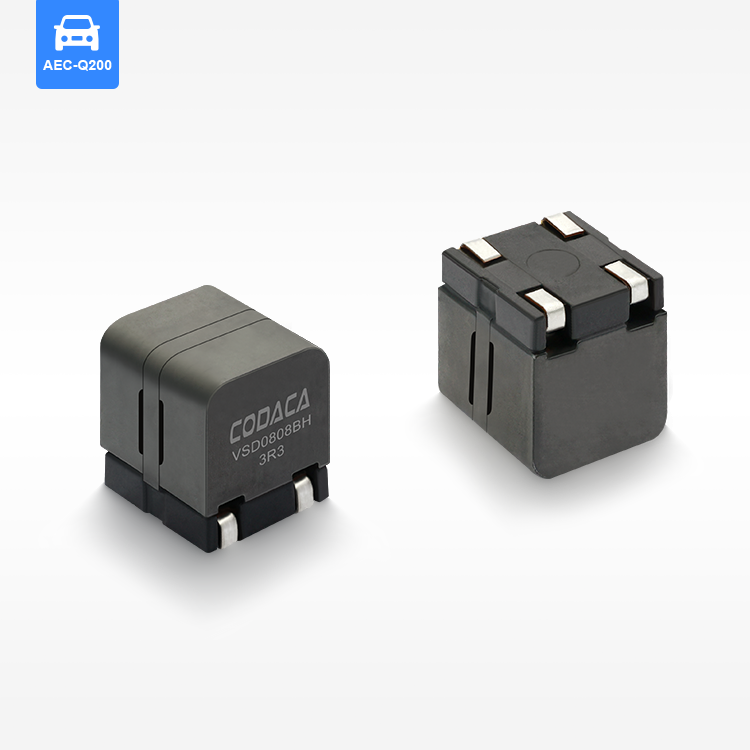
High current inductors deliver exceptional benefits that directly address the challenges faced by engineers and system designers working with high-power applications. The primary advantage lies in their superior current handling capability, allowing systems to operate at higher power levels without component failure or performance degradation. This increased current capacity translates into more compact system designs, as engineers can achieve desired power outputs using fewer components. The robust construction of high current inductors ensures consistent performance across wide temperature ranges, making them ideal for harsh operating environments where standard inductors would fail. Their low DC resistance characteristics minimize power losses during operation, resulting in improved overall system efficiency and reduced heat generation. This efficiency improvement directly impacts operating costs by lowering energy consumption and reducing cooling requirements. The enhanced thermal management features built into high current inductors provide reliable operation under continuous high-load conditions, extending component lifespan and reducing maintenance requirements. This reliability translates into lower total cost of ownership for end users. Manufacturing quality control processes ensure tight tolerance specifications, providing predictable performance characteristics that simplify circuit design and reduce development time. The stable inductance values across varying current levels enable precise control of switching frequencies and filter responses in power electronics applications. High current inductors also offer excellent electromagnetic compatibility, reducing interference issues that can affect nearby sensitive circuits. Their shielded construction options provide additional protection against external electromagnetic fields while containing their own magnetic emissions. The versatility of available package sizes and mounting options allows for flexible integration into various system architectures, from compact consumer electronics to large industrial equipment. Advanced core materials used in these inductors provide superior saturation characteristics, maintaining inductance stability even under peak current conditions. This stability ensures consistent circuit operation and prevents unexpected performance variations that could compromise system reliability. The reduced size-to-performance ratio of modern high current inductors enables more compact product designs while maintaining or improving electrical specifications.

Latest News

The Role of Inductors in Digital Amplifier Performance

14

May

The Role of Inductors in Digital Amplifier Performance

Inductors in amplifier circuits help you manage current flow effectively. They stabilize electrical signals and reduce unwanted noise. By doing so, they enhance the performance of your amplifier. These components also improve energy efficiency, ensur...
View More
Innovations in Automotive Grade Molding Power Choke Technology

31

Mar

Innovations in Automotive Grade Molding Power Choke Technology

Introduction The evolution of automotive power chokes is a testament to the significant advancements in vehicle performance enhancement. Historically, these components, often referred to as "inductors", have played a pivotal role in stabilizing elec...
View More
How to Select the Best Automotive Grade High Current Power Inductors for Your Needs

31

Mar

How to Select the Best Automotive Grade High Current Power Inductors for Your Needs

Understanding Automotive Grade Requirements for Power Inductors AEC-Q200 Compliance and Certification AEC-Q200 is an essential industry standard for automotive components, ensuring products meet high-quality, reliability, and safety thresholds. This...
View More
A Comprehensive Review of the SMD Power Inductor Market

13

May

A Comprehensive Review of the SMD Power Inductor Market

Overview of the SMD Power Inductor Market Defining SMD Power Inductors and Core Functionality SMD power inductor is a kind of basic components in electronic circuit which always used as a anti interference in electronics. They are parts of...
View More

Get a Free Quote

Our representative will contact you soon.
Email
Name
Company Name
Message
0/1000

high current inductor

Advanced Core Material Technology

Advanced Core Material Technology

The sophisticated core material technology employed in high current inductors represents a breakthrough in magnetic component design, delivering unparalleled performance for demanding electrical applications. These inductors utilize cutting-edge ferrite compounds, powdered iron cores, and proprietary magnetic alloys specifically engineered to handle extreme current levels while maintaining optimal magnetic properties. The advanced core materials exhibit exceptional permeability characteristics that remain stable across wide frequency ranges, ensuring consistent inductance values regardless of operating conditions. This stability proves crucial for applications requiring precise timing control, such as switching power supplies and motor drive circuits. The core materials also demonstrate superior saturation characteristics, allowing the inductor to maintain its magnetic properties even when subjected to peak current surges that would cause conventional inductors to lose effectiveness. This saturation resistance directly translates into more reliable circuit operation and reduced risk of component failure during transient conditions. Temperature stability represents another critical advantage of these advanced core materials, with carefully selected compositions that maintain their magnetic properties across industrial temperature ranges from negative forty to positive one hundred twenty-five degrees Celsius. This temperature resilience makes high current inductors suitable for automotive, aerospace, and industrial applications where environmental conditions vary dramatically. The core materials also feature low hysteresis losses, reducing energy dissipation during magnetic field cycling and improving overall system efficiency. This efficiency improvement becomes particularly important in battery-powered applications where energy conservation directly impacts operating time. Manufacturing precision in core material preparation ensures consistent magnetic properties between production batches, providing reliable performance specifications that engineers can depend upon during circuit design. The advanced core technology also enables compact form factors while maintaining high inductance values, allowing for space-efficient designs in applications where board real estate remains at a premium. Quality control processes during core material selection and processing guarantee long-term stability and performance reliability throughout the inductor's operational lifespan.
Superior Thermal Management System

Superior Thermal Management System

The sophisticated thermal management system integrated into high current inductors provides exceptional heat dissipation capabilities that ensure reliable operation under the most demanding electrical loads. This advanced thermal design incorporates multiple heat transfer mechanisms including conduction, convection, and radiation to effectively remove heat generated during high current operation. The thermal management system begins with optimized winding configurations that distribute heat generation evenly throughout the inductor structure, preventing localized hot spots that could lead to component failure or performance degradation. Specialized wire insulation materials with enhanced thermal conductivity facilitate efficient heat transfer from the copper windings to the inductor housing. The housing itself features advanced materials with superior thermal properties, often incorporating aluminum or copper components that provide excellent heat conduction pathways to external heat sinks or mounting surfaces. Innovative packaging designs maximize surface area exposure to ambient air, enhancing natural convection cooling while maintaining compact form factors required for modern electronic designs. Some high current inductor designs incorporate integrated heat sinks with optimized fin geometries that dramatically increase heat dissipation capacity without significantly increasing overall component size. The thermal management system also includes careful consideration of mounting methods, with thermal interface materials and mounting hardware designed to provide low thermal resistance paths to circuit board ground planes or chassis structures. Advanced modeling techniques during the design phase ensure optimal thermal performance under various operating conditions and ambient temperatures. Temperature monitoring capabilities built into some high current inductor designs provide real-time feedback for thermal protection circuits, enabling proactive system shutdown before dangerous temperatures are reached. The thermal management system extends component lifespan by maintaining junction temperatures well below critical thresholds, ensuring consistent electrical performance throughout the inductor's operational life. This superior thermal control also enables higher power density designs, allowing engineers to achieve greater performance in smaller package sizes while maintaining safety margins and reliability standards required for critical applications in automotive, aerospace, and industrial environments.
Exceptional Current Handling and Low Resistance Design

Exceptional Current Handling and Low Resistance Design

The exceptional current handling capability combined with ultra-low resistance design of high current inductors delivers unmatched performance for power-intensive applications requiring maximum efficiency and reliability. These inductors feature carefully engineered conductor systems that can safely handle currents ranging from several amperes to hundreds of amperes while maintaining stable electrical characteristics and minimal power losses. The conductor design utilizes multiple parallel paths and optimized cross-sectional areas that dramatically reduce DC resistance compared to conventional inductor designs. This resistance reduction directly translates into lower I-squared-R losses, improved system efficiency, and reduced heat generation during operation. The conductor materials employ high-purity copper with enhanced electrical properties that provide superior current carrying capacity and excellent thermal conductivity for efficient heat removal. Advanced winding techniques, including specialized layering methods and optimized turn spacing, ensure uniform current distribution throughout the inductor while minimizing proximity effects that could increase AC resistance at higher frequencies. The exceptional current handling capability enables system designers to operate at higher power levels without component derating, resulting in more compact and cost-effective solutions. Current density optimization ensures that the inductor can sustain rated current levels under continuous operation without experiencing magnetic core saturation or excessive temperature rise. The low resistance characteristics become particularly beneficial in battery-powered applications where efficiency directly impacts operating time and energy consumption. Precision manufacturing processes ensure consistent resistance values between production units, providing reliable performance specifications that simplify circuit design and component selection. The robust construction methods employed in these high current inductors include reinforced termination systems and enhanced mechanical stability that can withstand the electromagnetic forces generated during high current switching operations. Quality assurance testing validates current handling specifications under various operating conditions including temperature cycling, vibration, and long-term aging studies. The combination of high current capability and low resistance makes these inductors ideal for demanding applications such as electric vehicle powertrains, renewable energy systems, industrial motor drives, and high-power switching converters where performance, efficiency, and reliability remain paramount considerations for successful system operation.