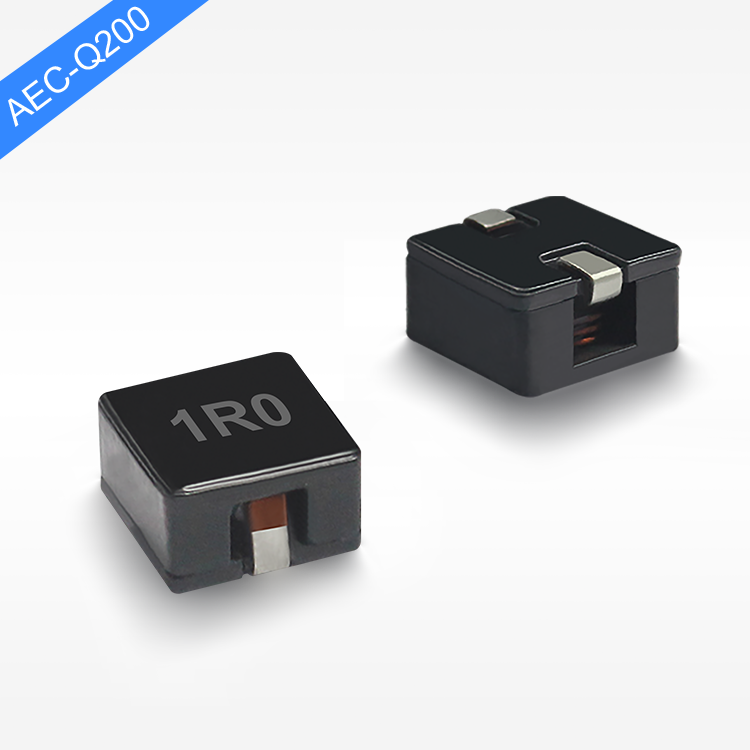
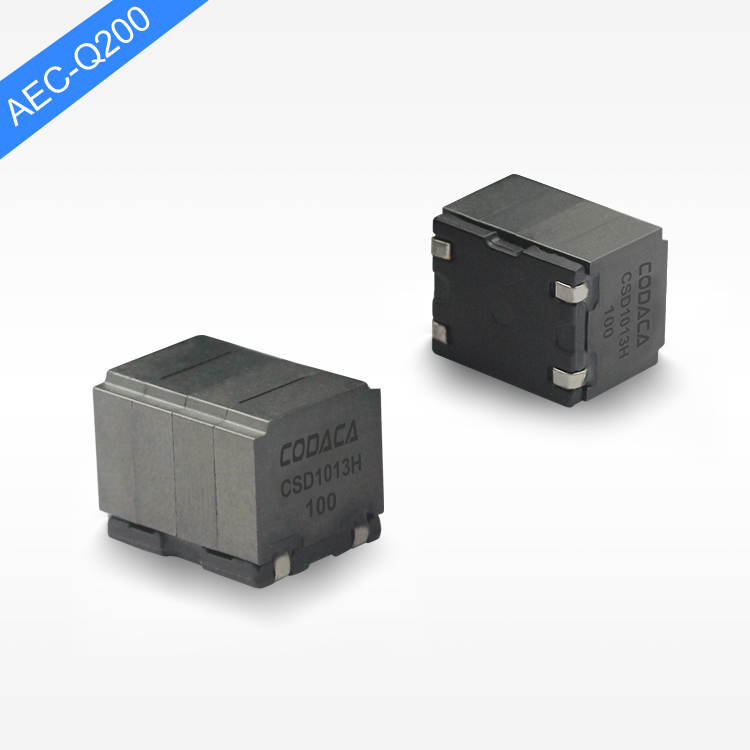
High Performance Shielded High Current Power Inductors - Superior EMI Protection & Thermal Stability

All Categories

Get a Free Quote

Our representative will contact you soon.
Email
Name
Company Name
Message
0/1000

shielded high current power inductor

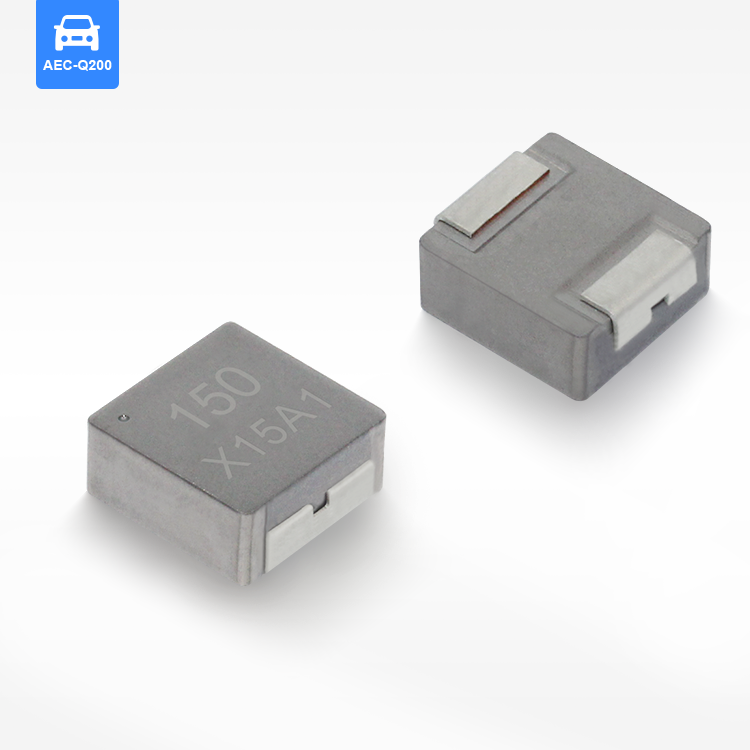
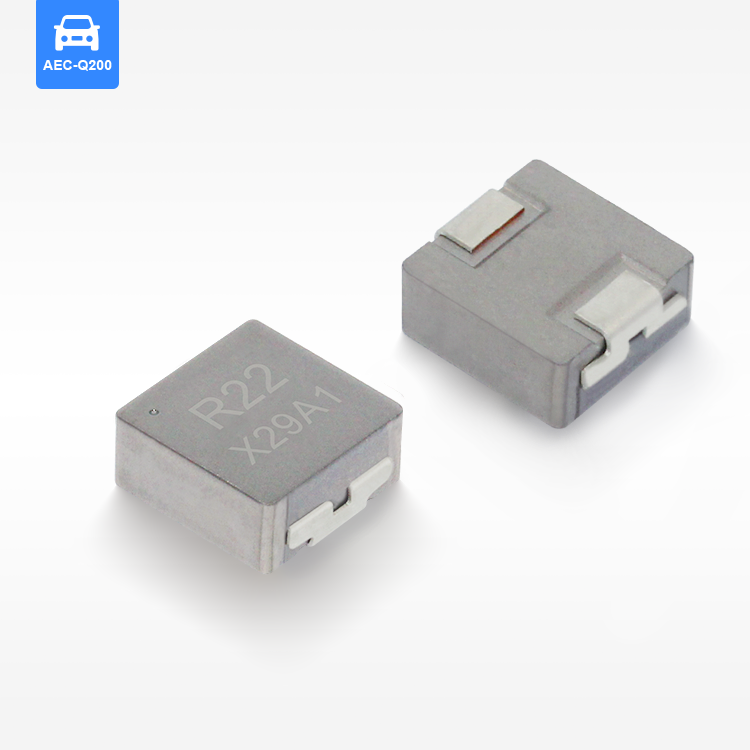
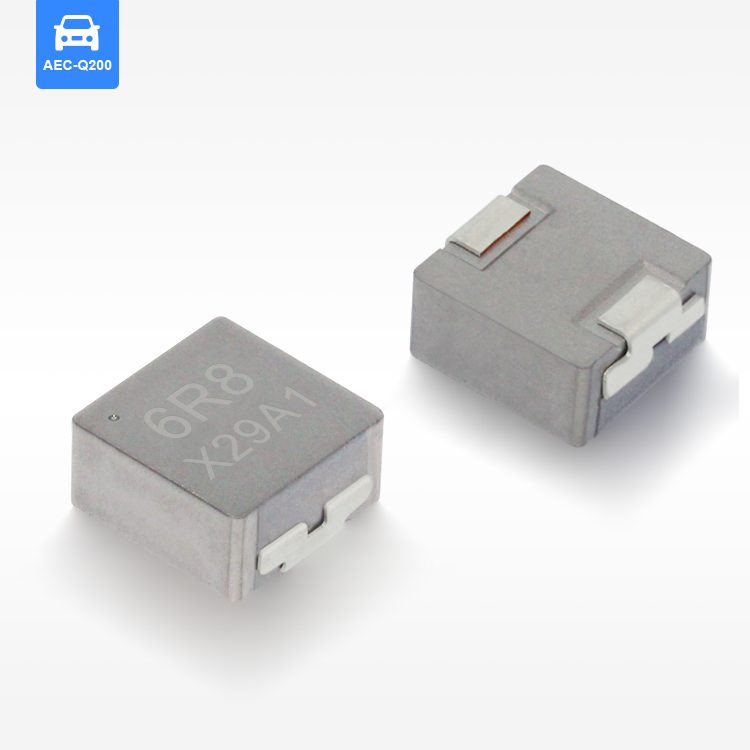
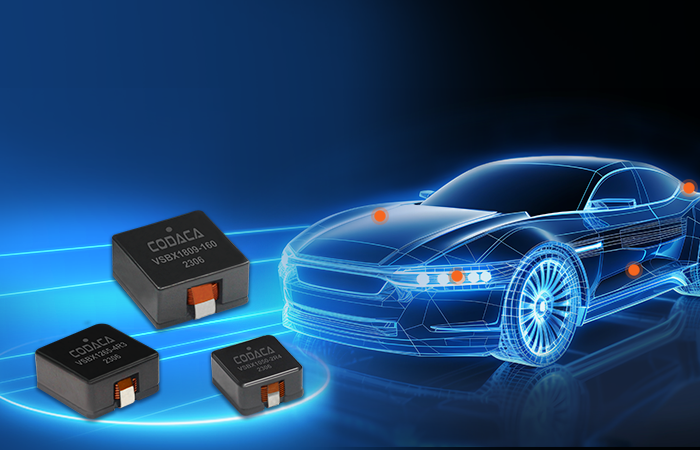
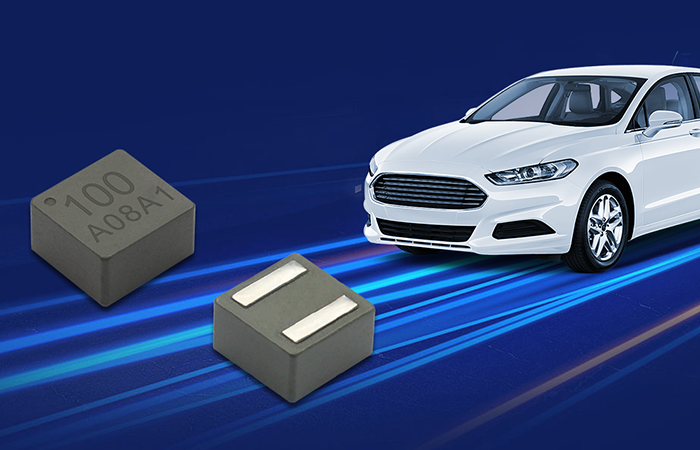
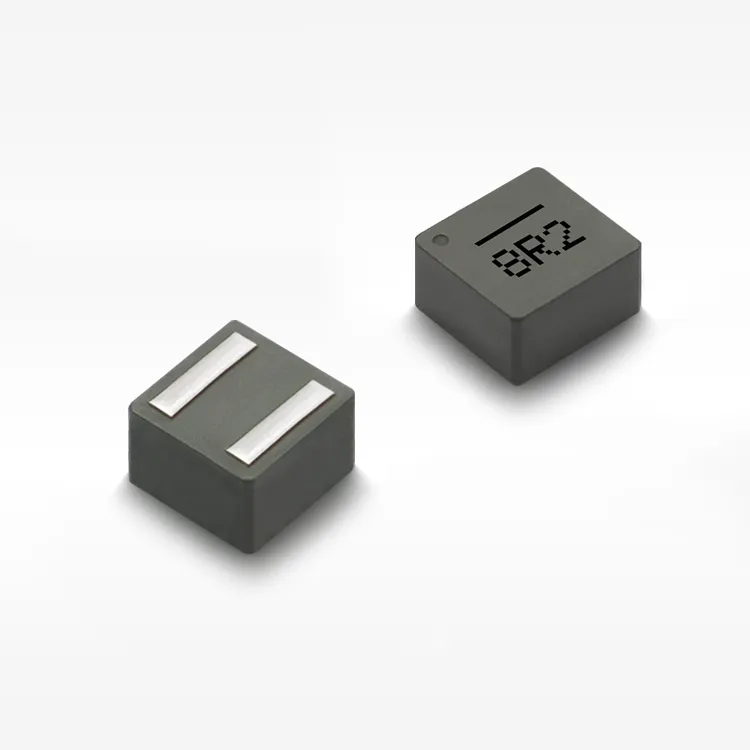
The shielded high current power inductor represents a critical component in modern power management systems, designed to handle substantial electrical loads while maintaining optimal performance and electromagnetic compatibility. This sophisticated electronic component combines advanced magnetic core technology with precision-engineered shielding to deliver superior inductance characteristics in high-power applications. The primary function of a shielded high current power inductor centers on energy storage and release within electrical circuits, particularly in switching power supplies, DC-DC converters, and motor drive systems where substantial current flow demands robust component performance. The technological foundation of these inductors relies on carefully selected magnetic materials, typically ferrite or powdered iron cores, which provide excellent magnetic permeability while minimizing core losses at elevated current levels. The shielding mechanism, often implemented through magnetic shielding materials or closed-core designs, effectively contains electromagnetic fields, preventing interference with nearby sensitive components and ensuring regulatory compliance with electromagnetic compatibility standards. Modern manufacturing techniques enable precise control of inductance values, current ratings, and thermal characteristics, allowing engineers to select components that match specific application requirements. The physical construction incorporates heavy-gauge wire windings capable of carrying substantial current without excessive heating, while the core geometry optimizes magnetic flux distribution for consistent performance across varying load conditions. Temperature stability represents another crucial technological feature, with specialized core materials and construction methods ensuring minimal inductance drift across wide operating temperature ranges. These inductors find extensive applications in automotive electronics, renewable energy systems, industrial automation equipment, and telecommunications infrastructure where reliable power conversion and filtering capabilities are essential. The combination of high current handling capability, electromagnetic shielding, and thermal stability makes the shielded high current power inductor an indispensable component in demanding power electronic applications.

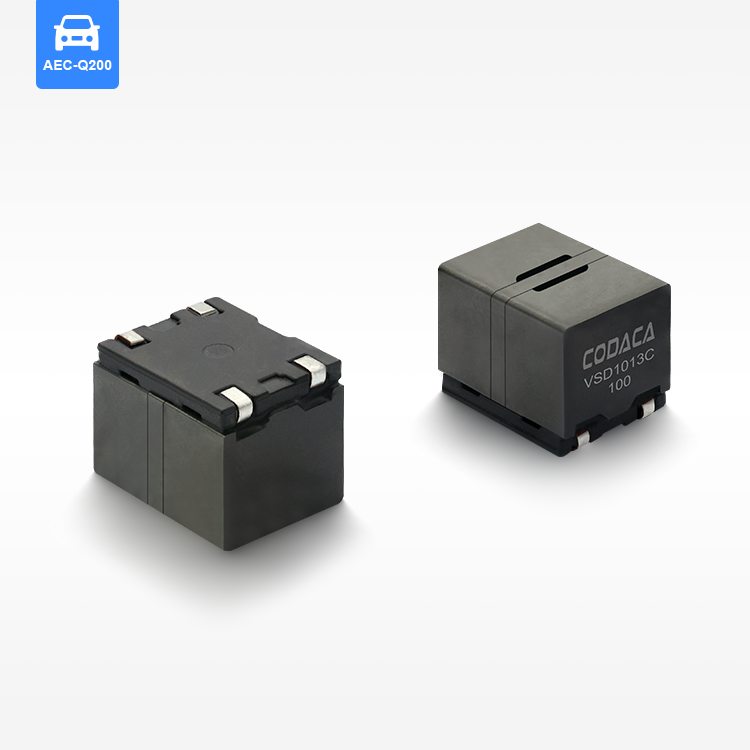
Popular Products

The shielded high current power inductor delivers significant practical benefits that directly impact system performance and operational reliability. First, the electromagnetic shielding feature eliminates interference between components, allowing engineers to design more compact circuit layouts without worrying about crosstalk or signal degradation. This space-saving advantage translates to reduced product size and lower manufacturing costs, particularly valuable in portable electronics and automotive applications where space constraints drive design decisions. The high current handling capability enables these inductors to support demanding power requirements without saturation or performance degradation, ensuring stable operation even under peak load conditions. This reliability factor reduces the need for oversized components or complex cooling systems, simplifying overall system design and reducing total project costs. The superior thermal characteristics prevent excessive heating during operation, extending component lifespan and reducing maintenance requirements throughout the product lifecycle. This longevity benefit provides excellent return on investment, particularly in industrial applications where component replacement involves significant downtime and labor costs. The precise inductance control achievable with modern manufacturing techniques ensures consistent performance across production batches, reducing quality control concerns and improving overall system predictability. Engineers benefit from the wide range of available specifications, enabling optimal component selection for specific applications without compromising performance or over-specifying requirements. The robust construction withstands mechanical stress and environmental challenges, making these inductors suitable for harsh operating conditions including temperature extremes, vibration, and humidity exposure. The low electromagnetic emissions compliance simplifies regulatory approval processes, reducing time-to-market and avoiding costly design revisions. The efficient energy storage and release characteristics improve overall system efficiency, reducing power consumption and heat generation throughout the entire circuit. Installation simplicity allows for automated manufacturing processes, reducing assembly costs and improving production throughput. The standardized packaging options facilitate inventory management and enable easy component substitution during product lifecycle management, providing flexibility for long-term production planning and cost optimization.

Practical Tips

How High Current Power Inductors Enhance Energy Efficiency

31

Mar

How High Current Power Inductors Enhance Energy Efficiency

Introduction High current power inductors are crucial components in power electronics, designed to store energy in a magnetic field while allowing significant currents to pass through. These inductors are essential for a variety of applications, inc...
View More
How to Select the Best Automotive Grade High Current Power Inductors for Your Needs

31

Mar

How to Select the Best Automotive Grade High Current Power Inductors for Your Needs

Understanding Automotive Grade Requirements for Power Inductors AEC-Q200 Compliance and Certification AEC-Q200 is an essential industry standard for automotive components, ensuring products meet high-quality, reliability, and safety thresholds. This...
View More
Choosing the Right Automotive grade Molded Power Inductor for Your Application

02

Apr

Choosing the Right Automotive grade Molded Power Inductor for Your Application

Inductance and Current Ratings: Balancing Ripple and Saturation In automotive applications, understanding the balance between inductance and current ratings is essential. These benchmarks ensure that ripple voltage is minimized and saturation curren...
View More
A Comprehensive Review of the SMD Power Inductor Market

13

May

A Comprehensive Review of the SMD Power Inductor Market

Overview of the SMD Power Inductor Market Defining SMD Power Inductors and Core Functionality SMD power inductor is a kind of basic components in electronic circuit which always used as a anti interference in electronics. They are parts of...
View More

Get a Free Quote

Our representative will contact you soon.
Email
Name
Company Name
Message
0/1000

shielded high current power inductor

Advanced Electromagnetic Shielding Technology

Advanced Electromagnetic Shielding Technology

The electromagnetic shielding capability of the shielded high current power inductor represents a breakthrough in component design that addresses critical challenges in modern electronic systems. This advanced shielding technology utilizes sophisticated magnetic materials and geometric configurations to contain electromagnetic fields within the component structure, preventing radiation that could interfere with sensitive nearby circuits. The shielding effectiveness typically exceeds industry standards by significant margins, ensuring compliance with stringent electromagnetic compatibility regulations across various industries including automotive, medical, and aerospace applications. The closed-loop magnetic design creates a contained flux path that minimizes external field leakage while maintaining optimal inductance characteristics, allowing engineers to place these components in close proximity to sensitive analog circuits, digital processors, and communication modules without experiencing signal degradation or performance issues. This containment capability enables more efficient use of printed circuit board space, directly contributing to miniaturization efforts and cost reduction in product development. The shielding technology also provides bidirectional protection, not only preventing the inductor from radiating interference but also protecting it from external electromagnetic disturbances that could affect its performance. Manufacturing precision ensures consistent shielding effectiveness across production batches, eliminating the need for additional screening or selection processes during assembly. The robust shielding performance remains stable across temperature variations and mechanical stress conditions, maintaining protection integrity throughout the component's operational lifetime. This reliability factor becomes particularly important in automotive and industrial applications where environmental conditions can vary significantly. The electromagnetic containment also reduces the need for additional filtering components or circuit board shielding materials, simplifying overall system design and reducing bill-of-materials costs. Engineers can confidently implement these inductors in sensitive applications such as medical devices, precision instrumentation, and communication equipment where electromagnetic interference could compromise critical functionality or safety requirements.
Superior High Current Performance Characteristics

Superior High Current Performance Characteristics

The exceptional high current performance of the shielded high current power inductor stems from advanced core material selection and precision winding techniques that enable reliable operation at current levels significantly exceeding conventional inductors. The specialized magnetic core materials, including high-permeability ferrites and distributed gap powder cores, maintain stable inductance values even under severe current stress conditions, preventing the saturation effects that plague standard inductors in high-power applications. This current handling capability extends across a wide frequency range, making these components suitable for both traditional linear power supplies and modern high-frequency switching converters that demand consistent performance across varying operating conditions. The heavy-gauge wire construction utilizes optimized conductor materials and winding patterns to minimize resistance losses while maximizing current density, ensuring efficient power transfer without excessive heating that could degrade performance or reduce component lifespan. Thermal management becomes crucial at high current levels, and these inductors incorporate advanced heat dissipation features including optimized core geometry, enhanced surface area designs, and thermal interface materials that facilitate effective heat transfer to the surrounding environment. The current rating specifications include both continuous and peak current capabilities, providing engineers with comprehensive information for proper component selection and thermal analysis during system design phases. Quality control processes verify current performance across temperature ranges, ensuring that rated specifications remain valid under real-world operating conditions including temperature cycling and sustained high-power operation. The low DC resistance characteristics minimize power losses during operation, contributing to overall system efficiency and reducing thermal stress on surrounding components. Advanced manufacturing techniques ensure consistent current handling performance across production lots, eliminating the need for component derating or extensive qualification testing during product development. The robust construction withstands current surge conditions that may occur during startup, fault conditions, or load transients, providing system protection and preventing catastrophic failures that could damage expensive power conversion circuits or connected loads.
Enhanced Thermal Stability and Reliability Features

Enhanced Thermal Stability and Reliability Features

The thermal stability and reliability characteristics of the shielded high current power inductor represent critical advantages that ensure consistent performance across demanding operating environments and extended operational lifetimes. Advanced core material formulations demonstrate minimal inductance variation across wide temperature ranges, typically maintaining specifications within tight tolerances from -40°C to +125°C or higher, depending on the specific grade and application requirements. This temperature stability eliminates the need for complex compensation circuits or derating factors that complicate system design and reduce overall efficiency. The thermal coefficient of inductance remains exceptionally low, ensuring that power conversion circuits maintain precise regulation and filtering characteristics regardless of ambient temperature fluctuations or internal heating effects. The robust construction incorporates materials selected for long-term stability under thermal cycling conditions, preventing degradation mechanisms such as core aging, wire insulation breakdown, or mechanical stress failures that could compromise reliability over the product lifecycle. Comprehensive qualification testing validates performance under accelerated aging conditions, temperature cycling, thermal shock, and sustained high-temperature operation, providing confidence for mission-critical applications where component failure could result in significant consequences. The thermal design facilitates efficient heat dissipation through optimized case configurations, enhanced surface treatments, and thermal interface options that enable effective integration with system cooling solutions. Quality assurance processes include thermal characterization across multiple sample lots, ensuring consistent thermal performance and eliminating batch-to-batch variations that could affect system reliability. The low thermal resistance between the magnetic core and external environment enables rapid heat transfer during transient conditions, preventing thermal runaway scenarios and maintaining stable operation under varying load conditions. Environmental testing confirms reliable operation under humidity, mechanical vibration, and thermal cycling conditions representative of real-world applications including automotive under-hood environments, industrial automation systems, and outdoor telecommunications equipment. The proven reliability record in demanding applications provides engineers with confidence for critical system implementations, reducing warranty concerns and field failure risks that could impact customer satisfaction and product reputation. Advanced failure analysis capabilities enable continuous improvement of thermal design and material selection, ensuring that reliability characteristics continue to exceed industry expectations and application requirements.