High Current Power Supply Inductors - Superior Performance Components for Efficient Power Management

All Categories

Get a Free Quote

Our representative will contact you soon.
Email
Name
Company Name
Message
0/1000

high current power supply inductor

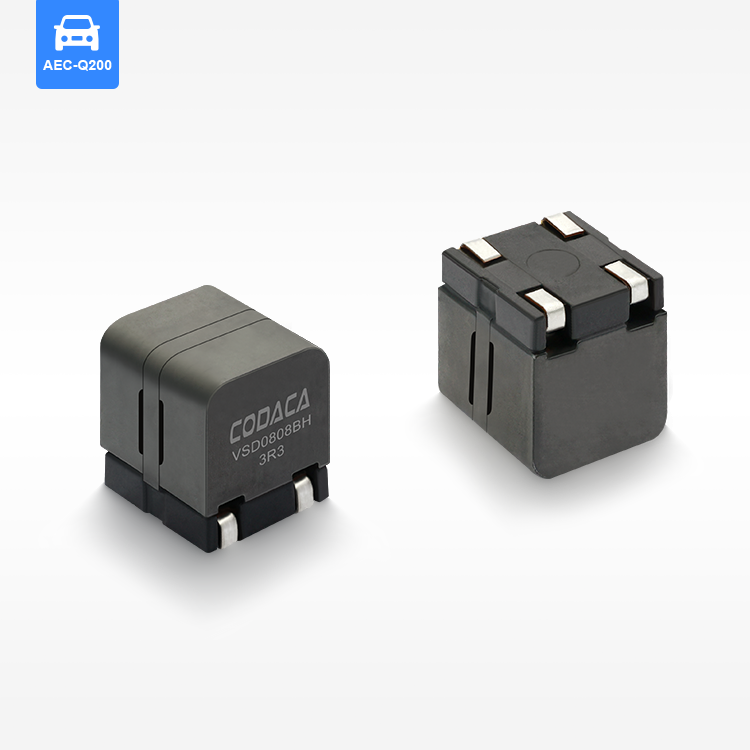
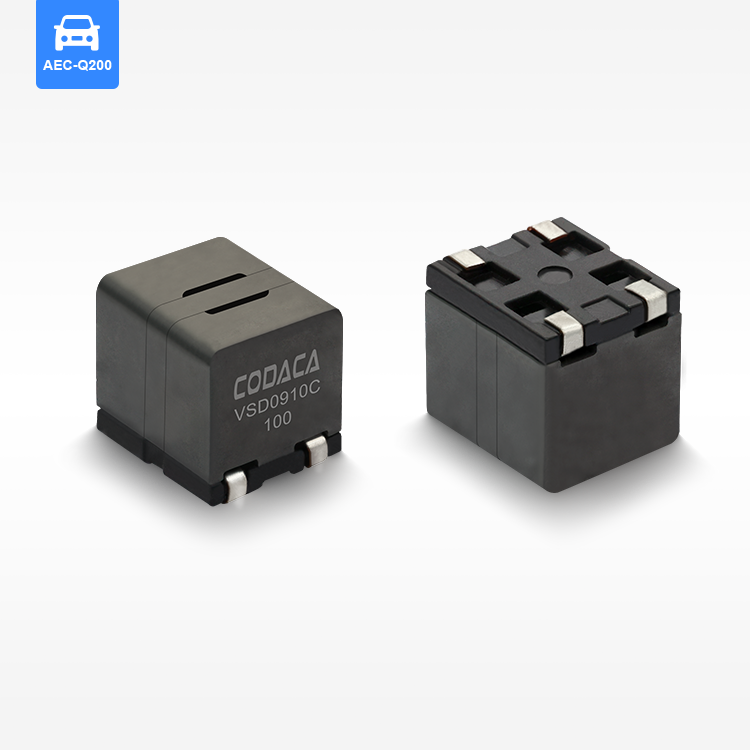
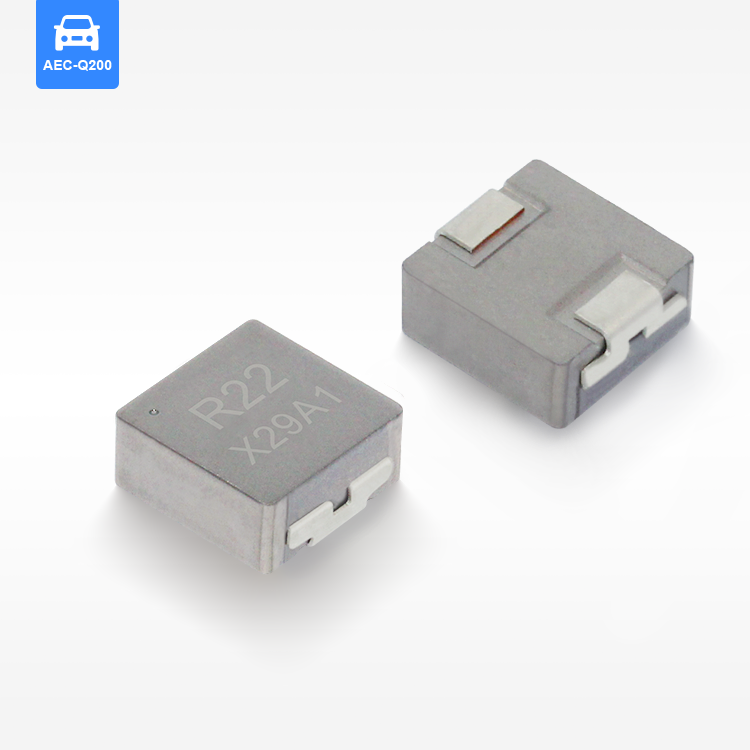
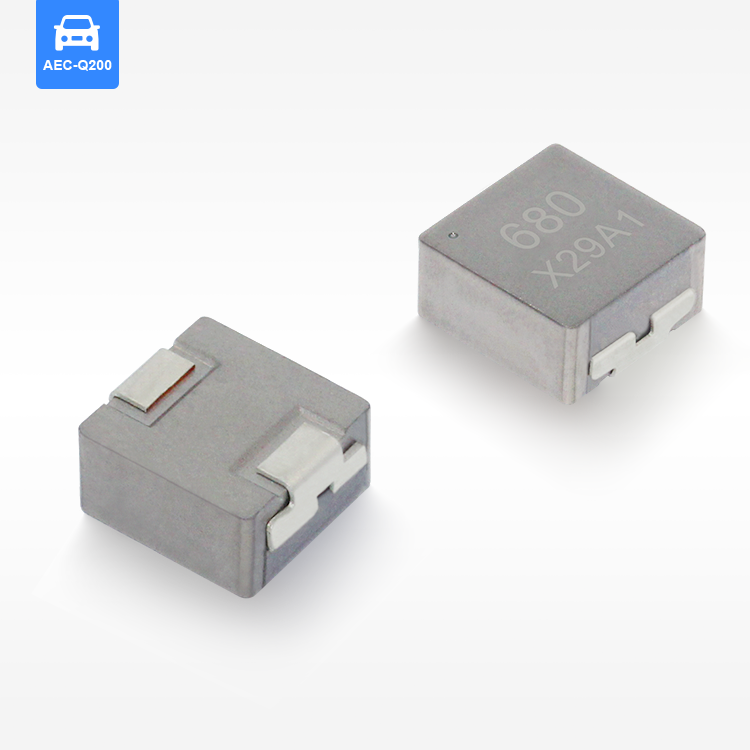
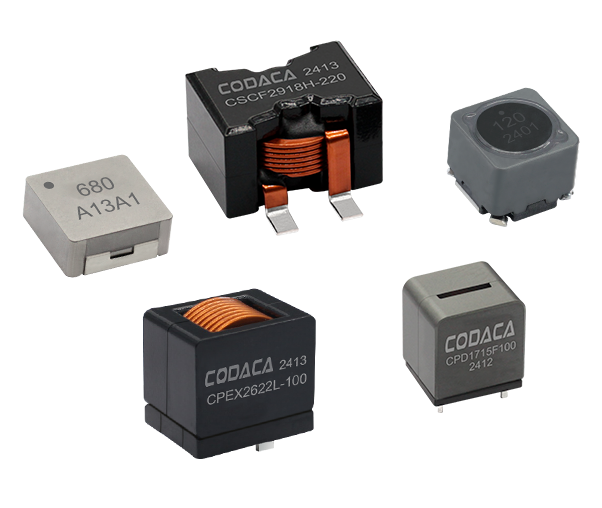
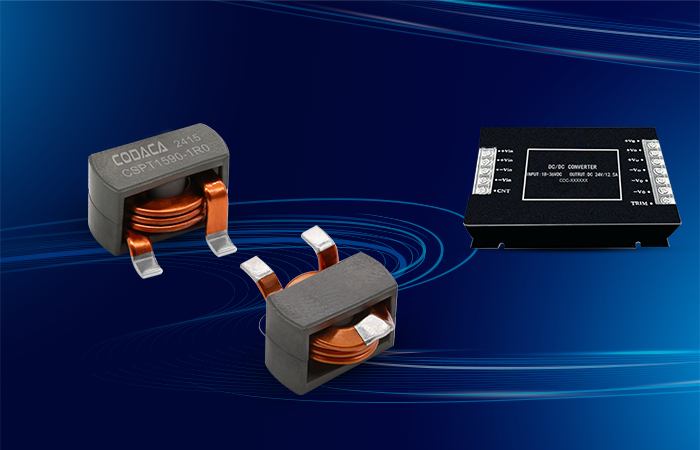
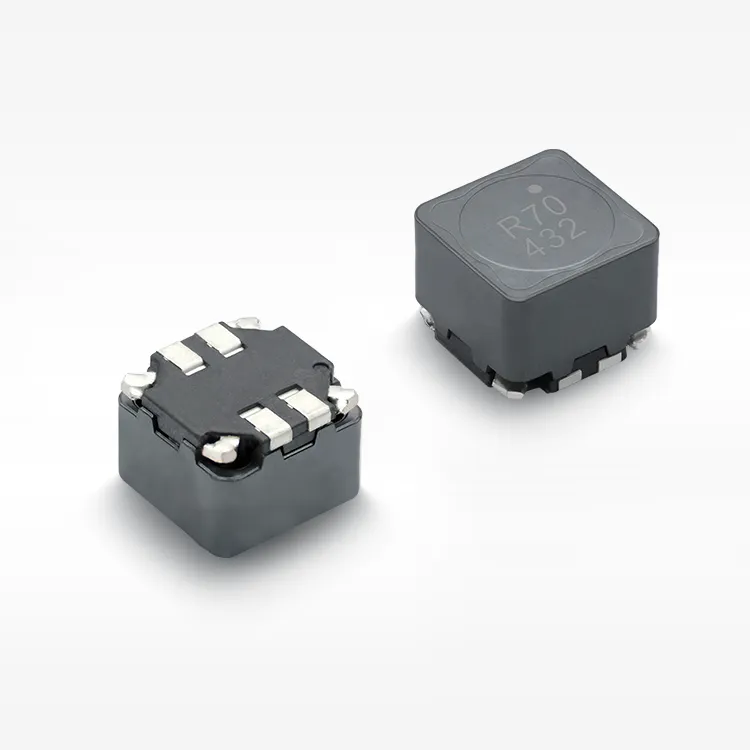
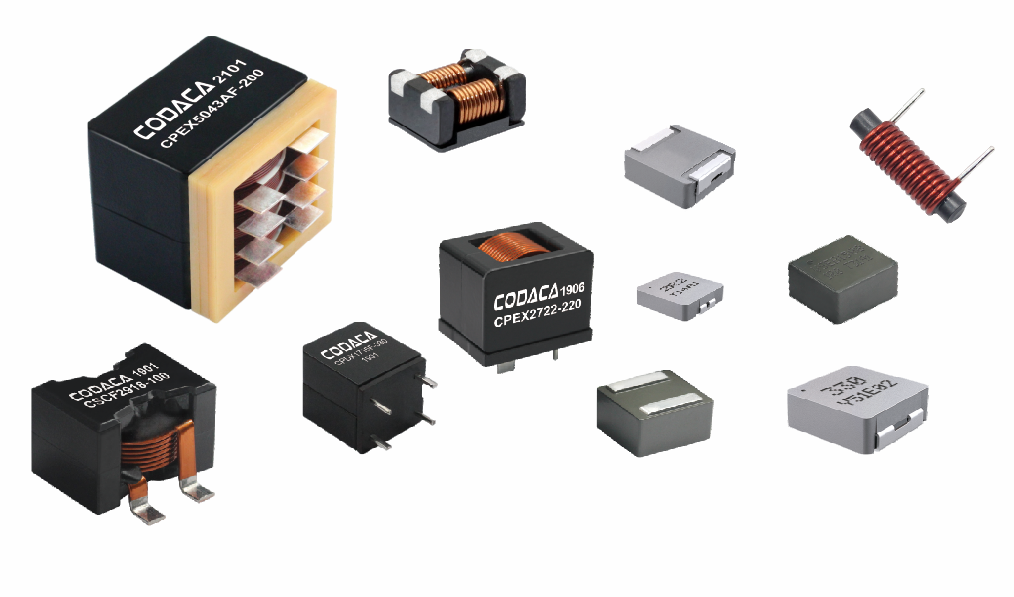
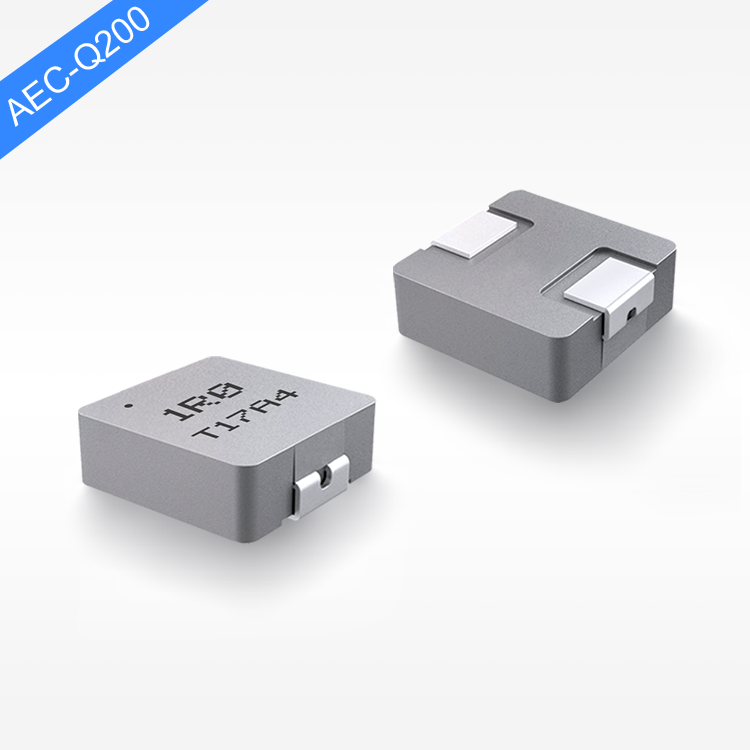
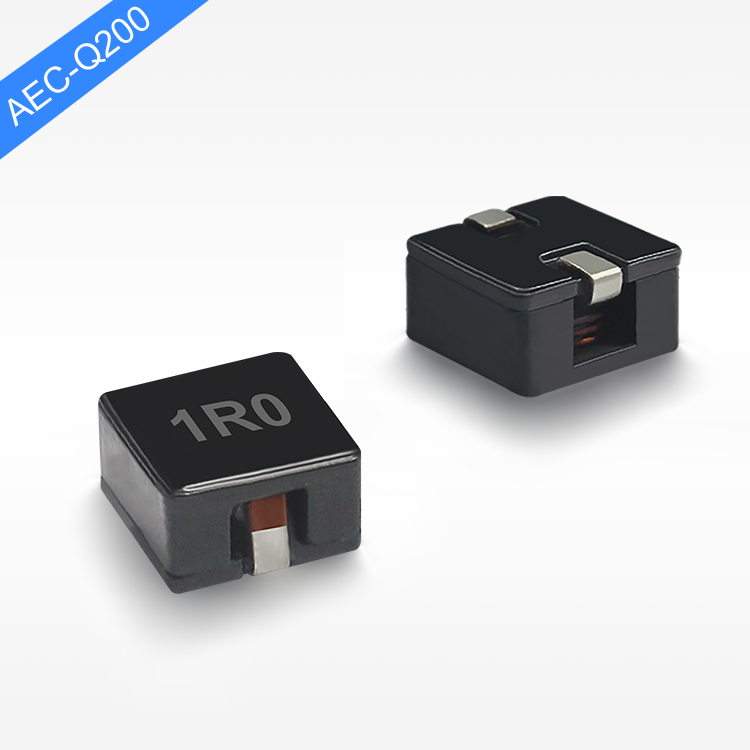
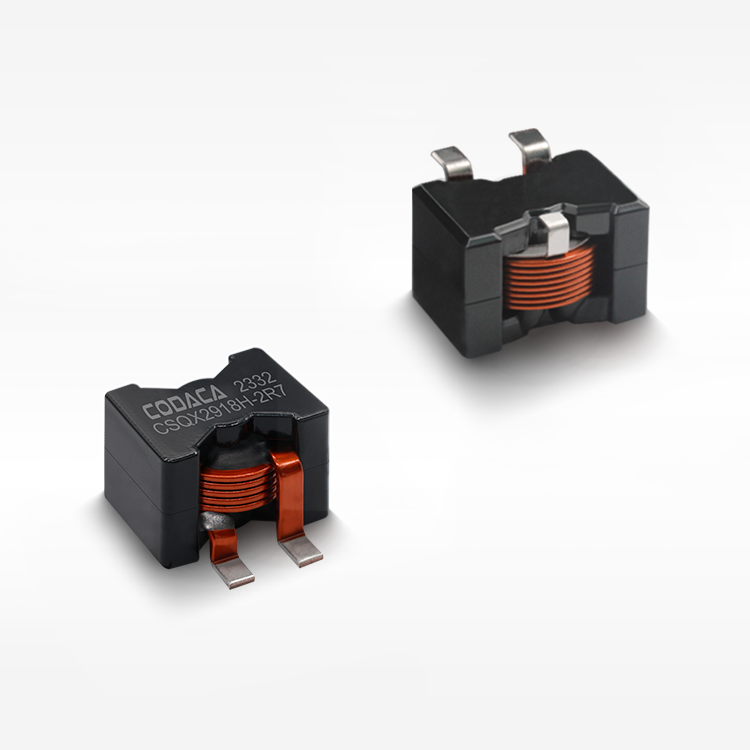
A high current power supply inductor represents a critical component in modern electronic systems, designed to handle substantial electrical currents while maintaining optimal performance and reliability. These specialized inductors serve as energy storage elements that control current flow, filter unwanted noise, and provide voltage regulation in power conversion circuits. The primary function of a high current power supply inductor involves storing energy in its magnetic field when current passes through its coiled windings, then releasing this stored energy to maintain consistent power delivery. This fundamental characteristic makes them indispensable in switching power supplies, DC-DC converters, and voltage regulators where current levels often exceed several amperes. Technologically, these inductors feature robust construction with materials specifically chosen for high-current applications. The core material typically consists of ferrite, powdered iron, or specialized alloy compositions that can withstand magnetic saturation at elevated current levels. The windings utilize heavy-gauge copper wire or multiple parallel conductors to minimize resistance and heat generation. Advanced manufacturing techniques ensure precise inductance values while maintaining thermal stability under demanding operating conditions. Temperature management becomes crucial in high current applications, leading to innovative cooling solutions and thermal interface materials integrated into the inductor design. Applications for high current power supply inductors span across numerous industries and devices. Computer motherboards rely on these components for CPU voltage regulation modules, ensuring stable power delivery to processors operating at varying loads. Electric vehicles utilize them in onboard chargers and motor controllers where current demands can reach hundreds of amperes. Solar inverters, uninterruptible power supplies, and industrial motor drives all depend on high current power supply inductors for efficient energy conversion. Telecommunications equipment, LED lighting systems, and battery management circuits also benefit from their current-handling capabilities and filtering properties.

Popular Products

High current power supply inductors deliver exceptional performance benefits that directly translate to improved system reliability and efficiency for end users. These components excel at maintaining stable current flow even under varying load conditions, which means your electronic devices receive consistent power without harmful fluctuations that could damage sensitive components or cause system instability. The superior current-handling capability allows engineers to design more compact power systems since a single high current power supply inductor can replace multiple smaller components, reducing overall system complexity and component count. This consolidation leads to cost savings in manufacturing and simplified maintenance procedures. Energy efficiency represents another significant advantage, as these inductors minimize power losses through their low resistance characteristics and optimized magnetic core materials. Users benefit from reduced electricity consumption and lower operating temperatures, which extends the lifespan of surrounding components and reduces cooling requirements. The robust construction of high current power supply inductors ensures reliable operation in demanding environments where temperature variations, vibrations, and electromagnetic interference are common concerns. This durability translates to fewer system failures and reduced maintenance costs over the product lifecycle. Advanced filtering capabilities suppress electrical noise and ripple currents that could interfere with sensitive electronic circuits, resulting in cleaner power delivery and improved overall system performance. The enhanced noise suppression particularly benefits audio equipment, precision instrumentation, and communication devices where signal integrity is paramount. Manufacturing consistency ensures predictable performance characteristics, allowing engineers to design systems with confidence in component behavior across production runs. Quality control measures guarantee that each high current power supply inductor meets stringent specifications for inductance tolerance, current rating, and thermal performance. This reliability reduces design risks and accelerates product development cycles. The versatility of these components accommodates diverse application requirements, from low-frequency power conversion to high-frequency switching circuits, providing design flexibility that simplifies component selection and inventory management. Cost-effectiveness emerges from the combination of high performance, reliability, and longevity, delivering superior value compared to alternative solutions that might require multiple components or frequent replacements.

Tips And Tricks

Industrial Power Inductors: The Key to Improving Power Conversion Efficiency

07

Apr

Industrial Power Inductors: The Key to Improving Power Conversion Efficiency

Power inductors play a vital role in modern power electronics. They store energy efficiently and release it when needed, ensuring smooth energy transfer. You rely on them to reduce energy losses in systems like DC-DC converters. This improves overall...
View More
Compact High Current Power Inductor: A Comparison of Materials and Designs

01

Apr

Compact High Current Power Inductor: A Comparison of Materials and Designs

Mn-Zn Ferrite: High Permeability and Frequency Response Mn-Zn ferrite is highly regarded in the field of inductors due to its high permeability, which facilitates an efficient magnetic flux path. This characteristic translates into improved inductan...
View More
The Role of Molding Power Chokes in Energy Storage Systems

13

May

The Role of Molding Power Chokes in Energy Storage Systems

Understanding Molding Power Chokes in Energy Storage Definition and Core Components Power Chokes are important inductive devices used in energy storage systems and they are commonly used to filter high frequency signals. These chokes are mainly...
View More
How to Select the Right Inductor for Switching Power Supplies

26

May

How to Select the Right Inductor for Switching Power Supplies

An inductor is a common energy-storing passive component in circuits, playing roles such as filtering, boosting, and bucking in the design of switching power supplies. In the early stage of scheme design, engineers not only need to select appropriate...
View More

Get a Free Quote

Our representative will contact you soon.
Email
Name
Company Name
Message
0/1000

high current power supply inductor

Superior Current Handling and Thermal Management

Superior Current Handling and Thermal Management

The exceptional current-handling capability of high current power supply inductors stems from their advanced design architecture and premium materials selection. These components can safely conduct currents ranging from several amperes to hundreds of amperes while maintaining stable inductance values and minimal temperature rise. The secret lies in the carefully engineered conductor cross-sections that utilize either single heavy-gauge wire or multiple parallel strands to distribute current evenly and reduce I²R losses. This approach significantly minimizes hot spots and ensures uniform temperature distribution across the entire inductor structure. The magnetic core materials undergo rigorous selection processes to identify compositions that resist saturation even under extreme current conditions. Ferrite cores with high permeability and low core losses provide excellent performance for high-frequency applications, while powdered iron cores offer superior DC bias characteristics for continuous current applications. Some specialized designs incorporate distributed air gaps that maintain inductance stability as current levels increase, preventing the dramatic inductance rolloff that plagues conventional inductors under high current stress. Thermal management innovations include integrated heat sinks, thermal interface materials, and optimized packaging that facilitates efficient heat dissipation to the surrounding environment. Advanced manufacturing techniques ensure proper wire tensioning and insulation integrity that can withstand the mechanical stresses generated by high current operation and thermal cycling. The result is a component that operates reliably at current levels that would quickly damage standard inductors, providing system designers with the confidence to specify higher power densities and more compact form factors. Quality assurance protocols verify current-handling performance through extensive testing under various operating conditions, ensuring that each high current power supply inductor meets or exceeds its specified ratings throughout its operational lifetime. This superior current capability eliminates the need for parallel inductor configurations, reducing component count, board space requirements, and potential reliability issues associated with current sharing between multiple components.
Enhanced Power Conversion Efficiency and EMI Suppression

Enhanced Power Conversion Efficiency and EMI Suppression

High current power supply inductors deliver remarkable improvements in power conversion efficiency through their optimized electromagnetic characteristics and low-loss construction materials. The efficiency gains directly result from minimized copper losses achieved through proper conductor sizing and advanced winding techniques that reduce both DC resistance and AC losses caused by skin effect and proximity effect at higher frequencies. Core losses remain minimal thanks to carefully selected magnetic materials with low hysteresis and eddy current losses, even when operating at elevated flux densities required for high current applications. This combination of reduced losses translates to improved overall system efficiency, which means less wasted energy as heat and more useful power delivered to the load. The electromagnetic interference suppression capabilities of these inductors provide crucial benefits in modern electronic systems where multiple circuits operate in close proximity. The inherent inductance creates impedance to high-frequency noise currents while allowing desired DC or low-frequency signals to pass unimpeded. This filtering action reduces conducted emissions that might otherwise interfere with sensitive analog circuits, communication systems, or precision measurement equipment. The magnetic core also provides some degree of magnetic shielding that helps contain the inductor's magnetic field and reduces coupling to nearby components. Advanced core materials and geometries further enhance EMI suppression by minimizing flux leakage and reducing the component's electromagnetic signature. Some designs incorporate partial or complete magnetic shielding to meet stringent EMI requirements in aerospace, medical, or automotive applications. The improved power quality resulting from effective EMI suppression leads to more stable operation of downstream circuits and reduced susceptibility to external interference sources. Manufacturing processes ensure consistent electromagnetic performance through precise control of winding geometry, core gap dimensions, and material properties. Each high current power supply inductor undergoes comprehensive testing to verify its EMI suppression characteristics across the intended frequency range, guaranteeing predictable performance in the final application. The synergistic combination of high efficiency and effective EMI suppression makes these inductors ideal for applications where both power density and electromagnetic compatibility are critical requirements.
Exceptional Reliability and Long-Term Stability

Exceptional Reliability and Long-Term Stability

The outstanding reliability characteristics of high current power supply inductors result from comprehensive design approaches that address every aspect of long-term performance stability. Material selection prioritizes components with proven track records in demanding applications, including temperature-stable magnetic cores, high-grade copper conductors, and advanced insulation systems rated for extended operation at elevated temperatures. The magnetic core materials undergo careful evaluation for temporal stability, ensuring that inductance values remain within specified tolerances throughout the component's operational lifetime despite exposure to temperature cycling, mechanical stress, and continuous high current operation. Aging effects that might degrade performance in inferior components are virtually eliminated through proper material treatment and manufacturing processes. The conductor system design incorporates multiple reliability enhancement features, including stress-relief configurations that accommodate thermal expansion differences between materials, premium-grade insulation with excellent thermal and electrical properties, and termination methods that provide secure mechanical and electrical connections capable of withstanding thousands of thermal cycles. Quality control measures throughout the manufacturing process ensure consistent construction quality that translates to predictable reliability performance. Each production lot undergoes accelerated life testing under conditions that simulate years of normal operation, verifying that reliability targets are met before products reach customers. Environmental testing confirms stable operation across wide temperature ranges, humidity variations, and mechanical stress conditions typical of real-world applications. The robust mechanical construction resists damage from handling, installation, and operational vibrations that might degrade lesser components over time. Failure mode analysis and prevention techniques eliminate potential weak points that could lead to premature failures, while design margins ensure continued operation even under occasional overstress conditions. Documentation packages include detailed reliability data and application guidelines that help engineers optimize system-level reliability. The exceptional stability of electrical parameters over time means that circuit performance remains consistent throughout the product lifecycle, eliminating the need for recalibration or component replacement that might be required with less stable alternatives. This long-term reliability provides significant value to end users through reduced maintenance costs, improved system uptime, and extended product lifecycles that maximize return on investment.