High-Performance Flat Wire Inductor for EV Charger - Superior Efficiency & Thermal Management Solutions

All Categories

Get a Free Quote

Our representative will contact you soon.
Email
Name
Company Name
Message
0/1000

flat wire inductor for ev charger

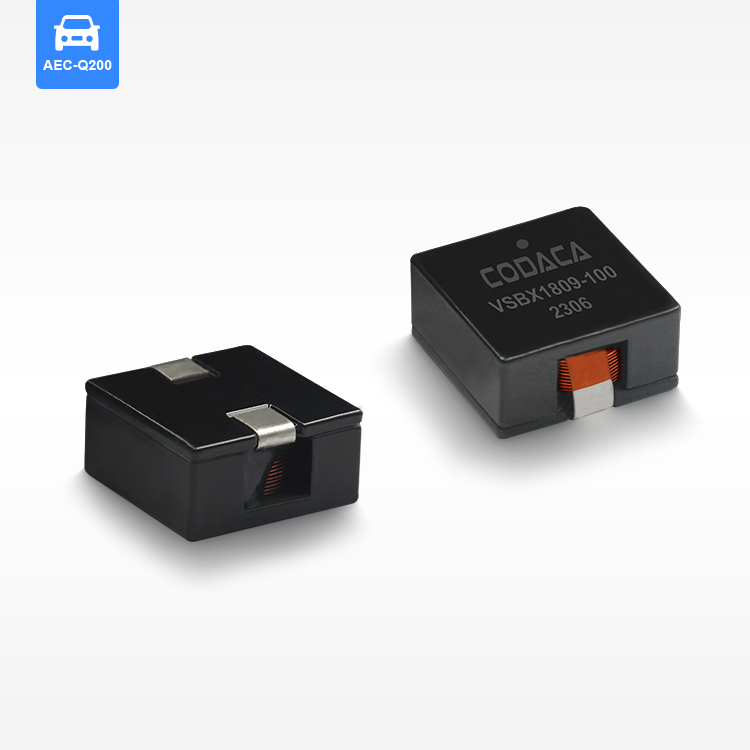
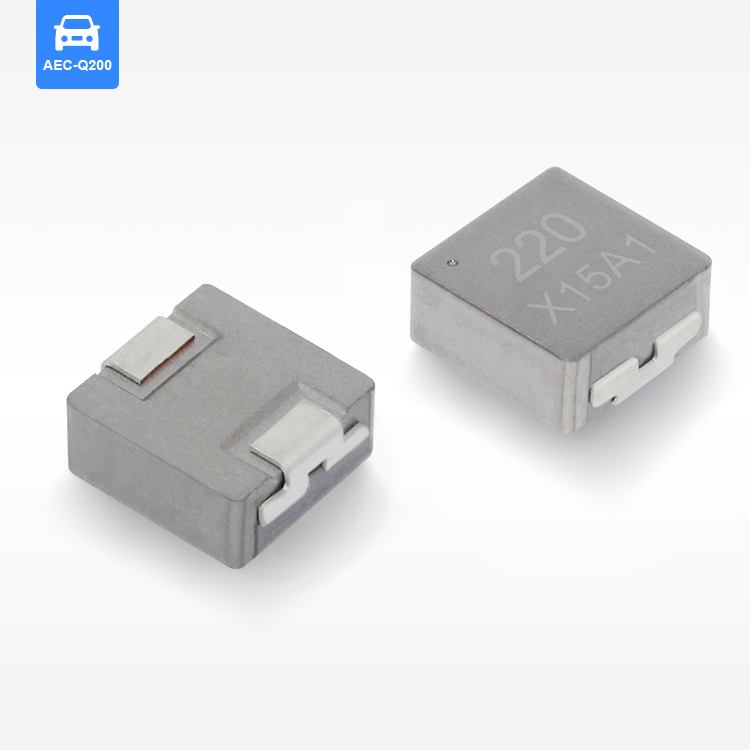
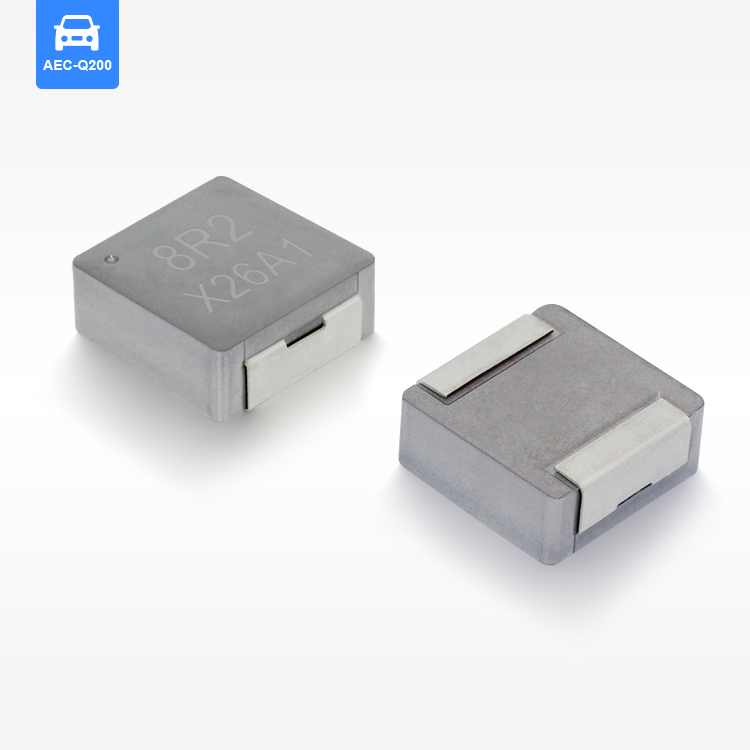
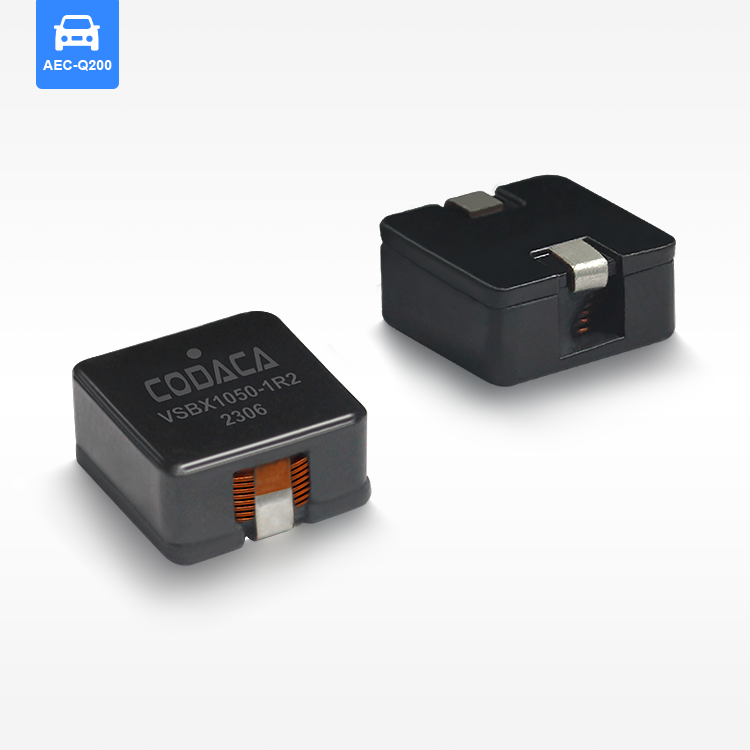
The flat wire inductor for ev charger represents a revolutionary advancement in electric vehicle charging technology, designed to optimize power conversion efficiency and thermal management in modern charging systems. This specialized component utilizes flat wire construction instead of traditional round wire, creating a more compact and efficient electromagnetic device that plays a crucial role in the power electronics of EV charging stations. The flat wire inductor for ev charger serves multiple essential functions within the charging infrastructure, primarily focusing on energy storage, filtering, and power factor correction during the AC to DC conversion process. Its unique design enables superior heat dissipation capabilities, which directly translates to enhanced performance and extended operational lifespan. The technological features of this flat wire inductor for ev charger include reduced AC resistance, improved thermal conductivity, and optimized magnetic flux distribution. These characteristics make it particularly suitable for high-power applications where efficiency and reliability are paramount. The flat conductor design maximizes the copper fill factor within the available winding space, resulting in lower conduction losses and improved overall system efficiency. Modern EV charging stations require components that can handle high current densities while maintaining stable performance across varying environmental conditions. The flat wire inductor for ev charger excels in these demanding applications through its robust construction and advanced materials engineering. Applications for this innovative component extend across residential, commercial, and industrial EV charging solutions, from Level 2 home chargers to high-power DC fast charging stations. The inductor's ability to manage ripple current and voltage fluctuations ensures consistent power delivery to electric vehicles, protecting both the charging equipment and the vehicle's battery system from harmful electrical disturbances. Manufacturing processes for the flat wire inductor for ev charger incorporate precision winding techniques and advanced core materials to achieve optimal magnetic properties while minimizing size and weight constraints that are critical in modern charging station designs.

New Product Releases

The flat wire inductor for ev charger delivers exceptional advantages that directly benefit manufacturers, installers, and end users of electric vehicle charging systems. Superior thermal management stands as the primary benefit, where the flat conductor design provides significantly larger surface area contact with cooling systems compared to traditional round wire alternatives. This enhanced heat dissipation capability allows the flat wire inductor for ev charger to operate at higher power densities without experiencing thermal stress or performance degradation. The improved cooling characteristics translate to increased reliability and reduced maintenance requirements throughout the charging station's operational life. Efficiency gains represent another compelling advantage, as the flat wire construction minimizes skin effect losses that commonly occur in high-frequency switching applications typical in EV chargers. The reduced AC resistance of flat conductors enables the flat wire inductor for ev charger to achieve efficiency ratings exceeding 98 percent in many applications, directly reducing energy costs and improving charging speed for electric vehicle owners. Space optimization benefits make this component particularly valuable in compact charging station designs where every cubic inch matters. The flat wire inductor for ev charger occupies significantly less volume than equivalent round wire versions while maintaining identical or superior electrical performance characteristics. This space efficiency allows engineers to design more compact charging stations or incorporate additional features within existing form factors. Cost effectiveness emerges through multiple channels, including reduced material usage, simplified manufacturing processes, and lower operational expenses due to improved efficiency. The flat wire inductor for ev charger requires less copper material to achieve equivalent performance levels, reducing raw material costs while maintaining superior electrical characteristics. Enhanced electromagnetic compatibility represents an often-overlooked advantage, as the flat wire design produces more predictable magnetic field patterns and reduced electromagnetic interference. This characteristic simplifies system integration and helps charging stations meet stringent regulatory requirements for electromagnetic emissions. Installation flexibility benefits installers through reduced weight and simplified mounting requirements, while the improved thermal characteristics reduce the need for extensive cooling infrastructure in many applications.

Practical Tips

The Science Behind Automotive Grade Molding Power Choke Design

31

Mar

The Science Behind Automotive Grade Molding Power Choke Design

Introduction Automotive grade molding power chokes, also known as molded power inductors, are essential components in electrical circuits particularly within the automotive industry. These chokes consist of a coil of wire wound around a ferrite core...
View More
How High Current Power Inductors Enhance Energy Efficiency

31

Mar

How High Current Power Inductors Enhance Energy Efficiency

Introduction High current power inductors are crucial components in power electronics, designed to store energy in a magnetic field while allowing significant currents to pass through. These inductors are essential for a variety of applications, inc...
View More
The Most Durable Automotive Grade Digital Power Amplifier Inductor

01

Apr

The Most Durable Automotive Grade Digital Power Amplifier Inductor

Introduction Automotive-grade digital power amplifier inductors are essential components in modern vehicle audio systems. These inductors are designed to handle large currents and provide stable performance under various environmental conditions, en...
View More
How to Select Wires in the Preparation Process of Integrated Molding Power Choke

26

May

How to Select Wires in the Preparation Process of Integrated Molding Power Choke

Wires are one of the crucial raw materials in the preparation of integrated molded inductors. Selecting appropriate wires exerts a significant impact on their manufacturing process. The following content will provide a brief introduction to wire sele...
View More

Get a Free Quote

Our representative will contact you soon.
Email
Name
Company Name
Message
0/1000

flat wire inductor for ev charger

Revolutionary Thermal Performance and Heat Dissipation Technology

Revolutionary Thermal Performance and Heat Dissipation Technology

The flat wire inductor for ev charger incorporates groundbreaking thermal management technology that fundamentally transforms how heat is handled in high-power charging applications. Unlike conventional round wire inductors that create concentrated heat zones and limited surface area for cooling, the flat wire design maximizes thermal contact surfaces and creates uniform heat distribution patterns throughout the component. This advanced thermal architecture enables the flat wire inductor for ev charger to dissipate heat more effectively, allowing operation at higher current densities without thermal stress or performance degradation that commonly affects traditional designs. The enhanced cooling capability directly translates to improved reliability metrics, with mean time between failures extending significantly beyond conventional alternatives. The flat conductor geometry creates multiple heat transfer paths that work synergistically with modern cooling systems, whether air-cooled or liquid-cooled configurations. This thermal advantage becomes particularly critical in fast-charging applications where power levels exceed 150kW and thermal management challenges multiply exponentially. The flat wire inductor for ev charger maintains consistent electrical characteristics across wide temperature ranges, ensuring stable charging performance regardless of ambient conditions or sustained high-power operation. Advanced materials engineering in the core construction further enhances thermal properties, utilizing specialized ferrite compositions and thermal interface materials that complement the flat wire benefits. This comprehensive thermal management approach reduces the overall cooling requirements for charging stations, enabling more compact designs and lower operational costs through reduced fan power consumption and simplified thermal management systems. The superior heat dissipation characteristics also contribute to extended service life, reducing maintenance requirements and total cost of ownership for charging station operators while ensuring consistent performance throughout the component's operational lifetime.
Unmatched Efficiency and Power Density Optimization

Unmatched Efficiency and Power Density Optimization

The flat wire inductor for ev charger achieves unprecedented efficiency levels through its innovative conductor geometry and advanced electromagnetic design principles that minimize energy losses across all operational frequencies. The flat wire construction significantly reduces skin effect losses that plague traditional round wire designs, particularly in high-frequency switching applications common in modern EV charging systems operating at frequencies ranging from 20kHz to 100kHz or higher. This reduction in AC resistance translates directly to efficiency improvements that can exceed 2-3 percentage points compared to conventional inductors, representing substantial energy savings over the component's operational lifetime. The enhanced efficiency of the flat wire inductor for ev charger enables charging stations to deliver more power to electric vehicles while consuming less energy from the grid, reducing operational costs and environmental impact simultaneously. Power density optimization represents another critical advantage, where the flat wire design achieves superior magnetic flux utilization within compact form factors essential for modern charging station designs. The improved conductor fill factor maximizes copper utilization within available winding space, enabling higher current handling capabilities without proportional increases in component size or weight. This power density enhancement allows the flat wire inductor for ev charger to support next-generation charging technologies including 350kW+ ultra-fast charging systems while maintaining manageable component dimensions. The electromagnetic optimization extends to reduced core losses through careful material selection and winding techniques that minimize eddy current formation and hysteresis losses. Advanced simulation and modeling during the design phase ensure optimal magnetic field distribution, eliminating hot spots and inefficiencies that compromise performance in traditional designs. These efficiency gains compound throughout the entire charging system, as reduced losses in the flat wire inductor for ev charger translate to lower cooling requirements, reduced power consumption, and improved overall system efficiency that benefits both charging station operators and electric vehicle owners through faster charging times and lower energy costs.
Enhanced Electromagnetic Compatibility and System Integration Benefits

Enhanced Electromagnetic Compatibility and System Integration Benefits

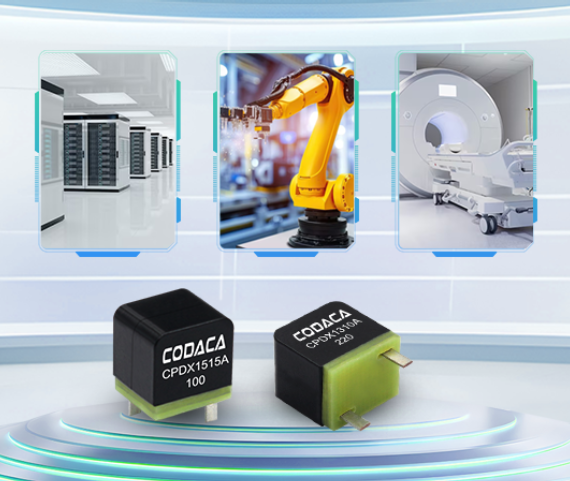
The flat wire inductor for ev charger delivers exceptional electromagnetic compatibility advantages that simplify system integration and ensure reliable operation within complex charging station environments filled with sensitive electronic components and communication systems. The flat conductor geometry creates more predictable and controlled magnetic field patterns compared to traditional round wire designs, reducing electromagnetic interference that can disrupt nearby circuits and communication protocols essential for modern smart charging functionality. This enhanced electromagnetic behavior enables the flat wire inductor for ev charger to meet stringent regulatory requirements for electromagnetic emissions without requiring extensive additional shielding or filtering components that add cost and complexity to charging station designs. The controlled magnetic field characteristics also improve the inductor's immunity to external electromagnetic disturbances, ensuring stable performance even in electrically noisy environments typical of commercial and industrial charging installations. Integration benefits extend to simplified PCB layout requirements, where the predictable electromagnetic signature of the flat wire inductor for ev charger allows engineers to place sensitive analog and digital circuits closer to the power conversion components without interference concerns. This integration flexibility enables more compact controller designs and reduces the overall footprint of charging station electronics while maintaining or improving performance characteristics. The flat wire construction also provides mechanical advantages including reduced vibration and acoustic noise generation compared to traditional inductors, contributing to quieter charging station operation that improves user experience and compliance with noise regulations in residential and commercial environments. Advanced mounting options and connection methods accommodate various installation requirements while maintaining the electromagnetic advantages inherent in the flat wire design. The flat wire inductor for ev charger supports flexible connection schemes including surface mount and through-hole configurations that simplify manufacturing and assembly processes. These electromagnetic and integration advantages combine to reduce time-to-market for new charging station designs while ensuring robust performance across diverse installation environments and operational conditions that characterize the rapidly evolving EV charging infrastructure landscape.