High-Performance Flat Wire Power Inductors - Superior Efficiency and Compact Design Solutions

All Categories

Get a Free Quote

Our representative will contact you soon.
Email
Name
Company Name
Message
0/1000

flat wire power inductor

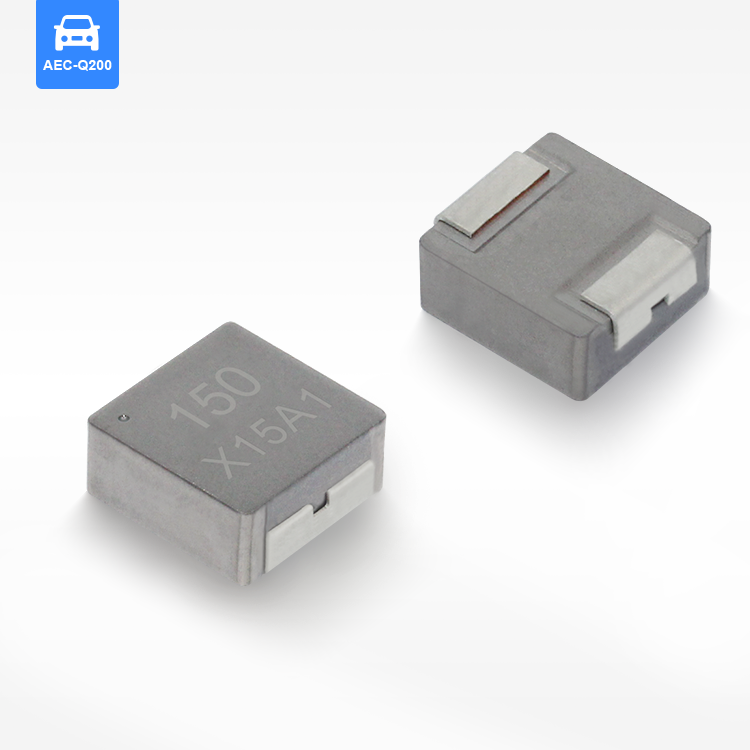
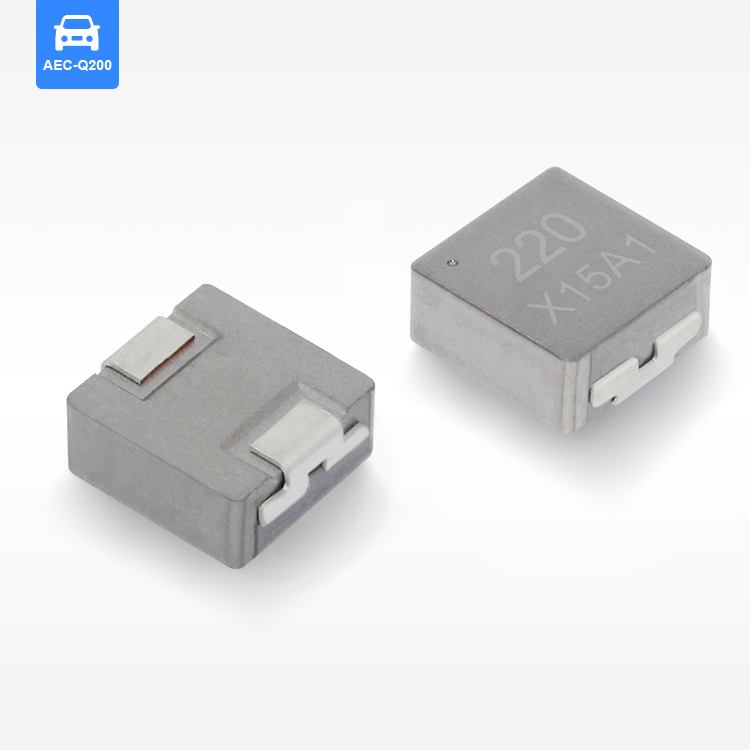
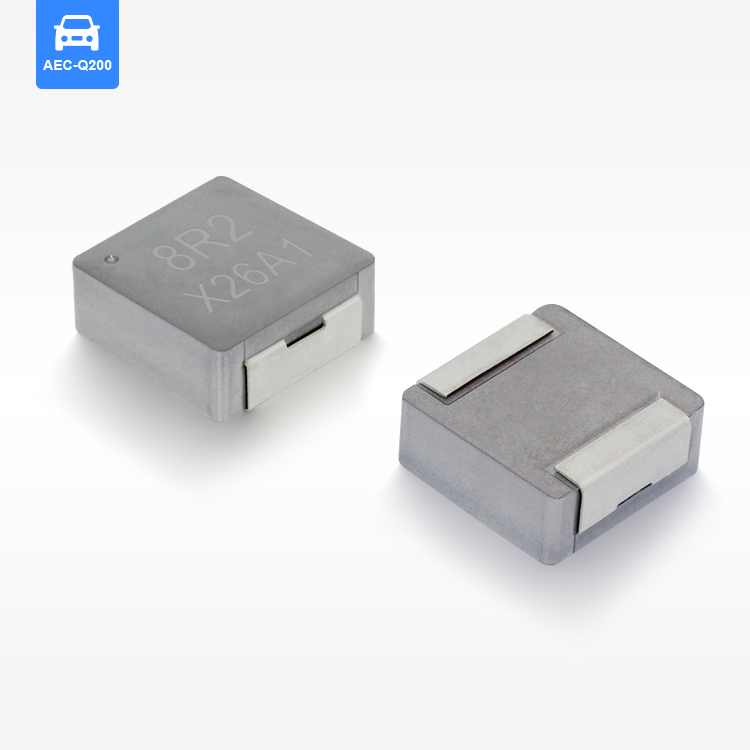
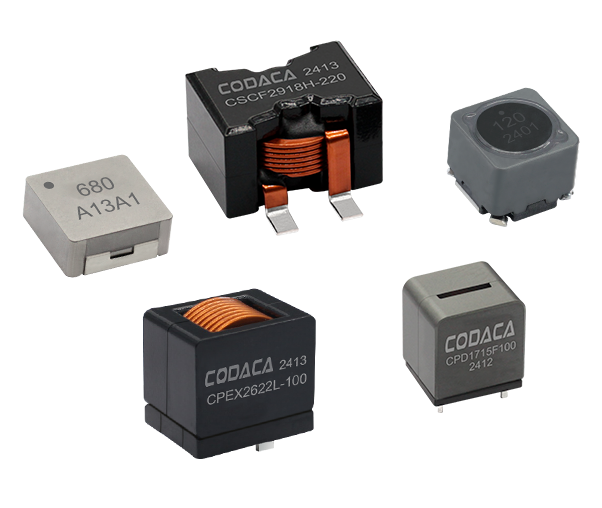
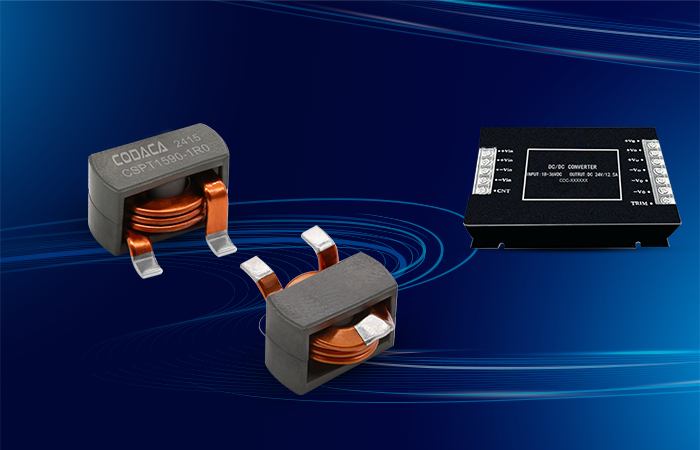
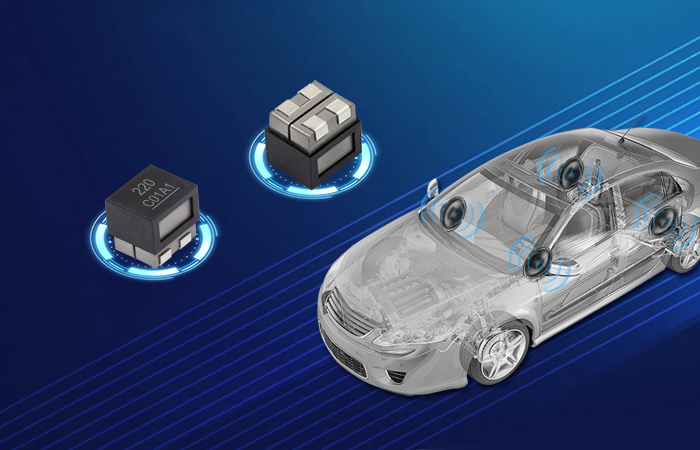
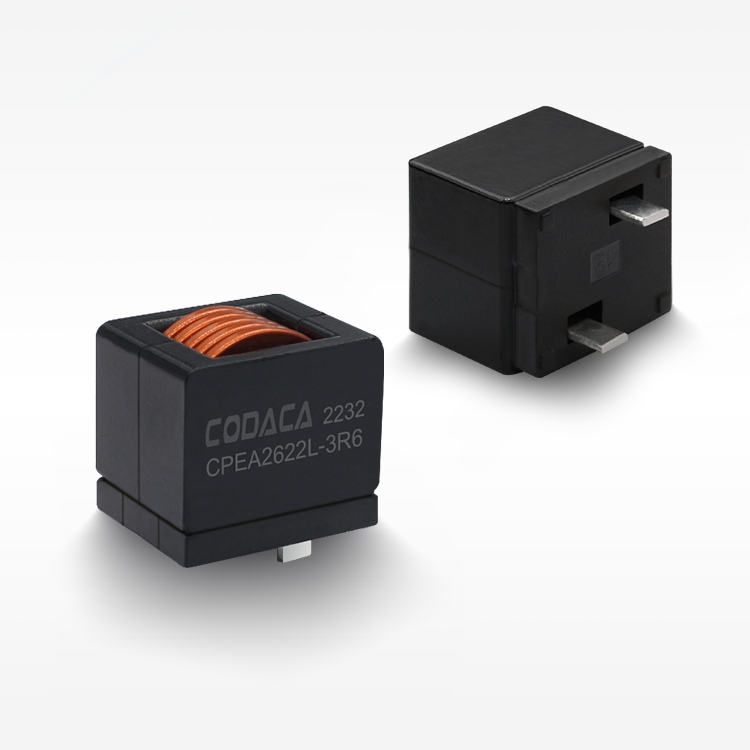
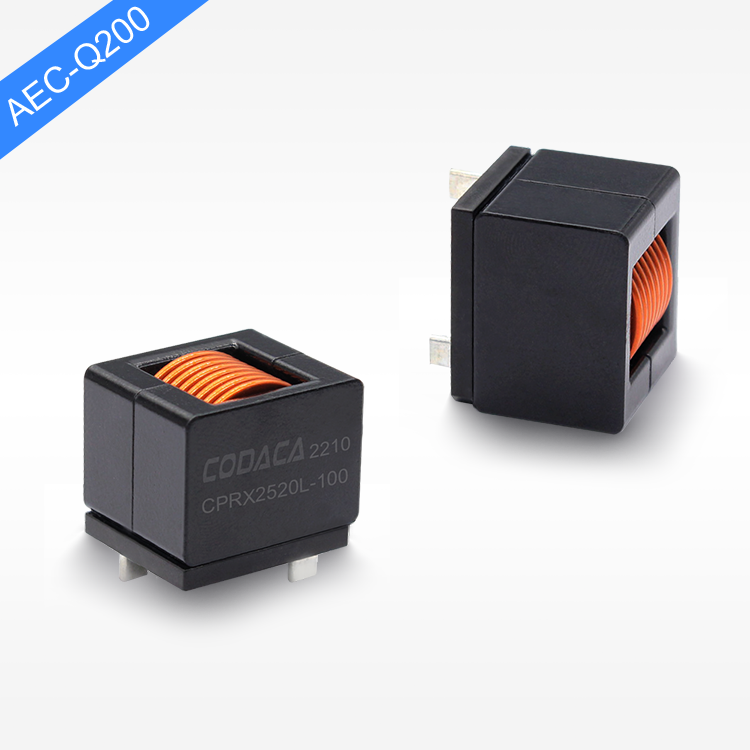
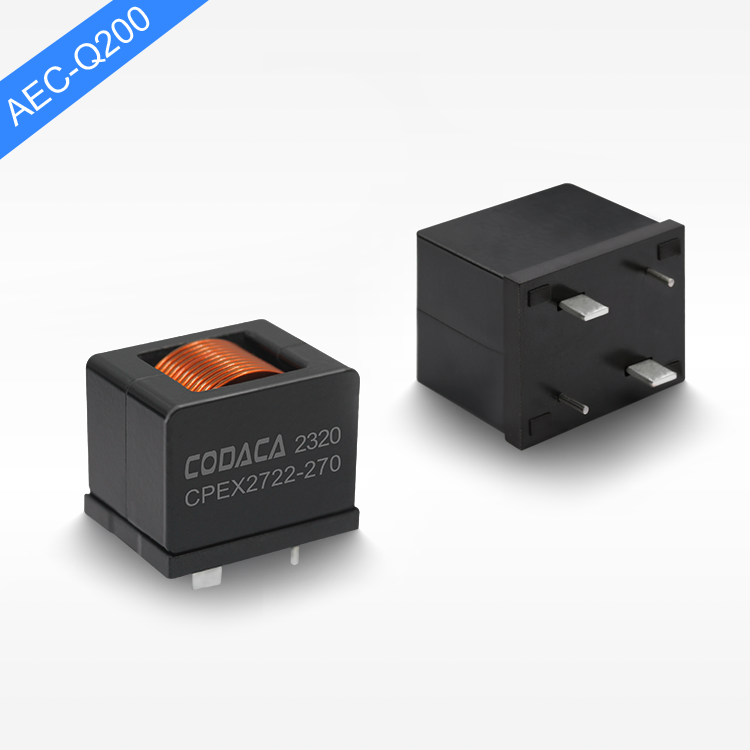
The flat wire power inductor represents a revolutionary advancement in electromagnetic component technology, designed to meet the demanding requirements of modern electronic systems. This innovative component utilizes flat rectangular wire windings instead of traditional round wire construction, fundamentally transforming how inductors perform in high-frequency applications. The flat wire power inductor serves as a critical energy storage element in switching power supplies, DC-DC converters, and various power management circuits. Its primary function involves storing magnetic energy when current flows through its windings and releasing this energy when the current changes, thereby smoothing voltage fluctuations and filtering electrical noise. The technological foundation of the flat wire power inductor centers on its unique winding architecture. The flat wire configuration creates a larger surface area for current flow compared to round wire alternatives, resulting in reduced skin effect losses at high frequencies. This design characteristic enables the flat wire power inductor to maintain superior performance across a broader frequency spectrum. The magnetic core materials used in these inductors are carefully selected to optimize permeability and minimize core losses, often incorporating ferrite or powdered iron cores depending on the specific application requirements. Manufacturing precision plays a crucial role in flat wire power inductor production, with advanced winding techniques ensuring consistent inductance values and tight tolerances. The applications for flat wire power inductors span numerous industries and electronic systems. Automotive electronics extensively utilize these components in electric vehicle charging systems, engine control units, and advanced driver assistance systems where reliability and efficiency are paramount. Telecommunications infrastructure relies on flat wire power inductors for base station power supplies, network switching equipment, and signal processing circuits. Consumer electronics manufacturers incorporate these inductors into smartphones, tablets, laptops, and gaming devices to achieve compact designs without compromising performance. Industrial automation systems benefit from the robust construction and thermal management capabilities of flat wire power inductors in motor drives, programmable logic controllers, and renewable energy inverters.

New Product Releases

Flat wire power inductors deliver exceptional performance benefits that make them superior to conventional round wire inductors in numerous applications. The most significant advantage lies in their dramatically improved current handling capability. The rectangular cross-section of flat wire provides a larger conductor surface area, allowing these inductors to carry higher currents while generating less heat. This enhanced current capacity enables engineers to design more compact power systems without sacrificing electrical performance or reliability. The reduced DC resistance characteristic of flat wire power inductors translates directly into improved power efficiency. Lower resistance means less energy waste as heat, resulting in cooler operating temperatures and extended component lifespan. This efficiency gain becomes particularly valuable in battery-powered devices where every percentage point of efficiency improvement extends operating time and reduces charging frequency requirements. Thermal management represents another critical advantage of flat wire power inductors. The flat wire configuration promotes better heat dissipation through improved surface contact with the surrounding environment. This superior thermal performance allows these inductors to operate at higher power densities while maintaining stable electrical characteristics across varying temperature conditions. Engineers can push system boundaries further without concerns about thermal runaway or performance degradation. Manufacturing consistency and repeatability mark significant advantages of flat wire power inductors over traditional alternatives. The automated winding processes used in flat wire construction ensure precise layer placement and uniform spacing, resulting in tighter inductance tolerances and more predictable electrical behavior. This consistency reduces the need for component sorting and matching in production environments, streamlining manufacturing processes and reducing costs. The mechanical robustness of flat wire power inductors provides enhanced reliability in challenging operating environments. The flat wire construction creates stronger mechanical bonds between winding layers, improving resistance to vibration, shock, and thermal cycling. This durability makes these inductors ideal for automotive, aerospace, and industrial applications where component failure is not an option. Size reduction capabilities represent a major advantage for designers working within strict space constraints. Flat wire power inductors achieve higher inductance values in smaller packages compared to round wire equivalents, enabling more compact circuit board layouts and reduced overall system size. This miniaturization advantage becomes increasingly important as electronic devices continue trending toward smaller form factors while demanding greater functionality.

Tips And Tricks

Industrial Power Inductors: The Key to Improving Power Conversion Efficiency

07

Apr

Industrial Power Inductors: The Key to Improving Power Conversion Efficiency

Power inductors play a vital role in modern power electronics. They store energy efficiently and release it when needed, ensuring smooth energy transfer. You rely on them to reduce energy losses in systems like DC-DC converters. This improves overall...
View More
Compact High Current Power Inductor: A Comparison of Materials and Designs

01

Apr

Compact High Current Power Inductor: A Comparison of Materials and Designs

Mn-Zn Ferrite: High Permeability and Frequency Response Mn-Zn ferrite is highly regarded in the field of inductors due to its high permeability, which facilitates an efficient magnetic flux path. This characteristic translates into improved inductan...
View More
The Most Durable Automotive Grade Digital Power Amplifier Inductor

01

Apr

The Most Durable Automotive Grade Digital Power Amplifier Inductor

Introduction Automotive-grade digital power amplifier inductors are essential components in modern vehicle audio systems. These inductors are designed to handle large currents and provide stable performance under various environmental conditions, en...
View More
The Role of Molding Power Chokes in Energy Storage Systems

13

May

The Role of Molding Power Chokes in Energy Storage Systems

Understanding Molding Power Chokes in Energy Storage Definition and Core Components Power Chokes are important inductive devices used in energy storage systems and they are commonly used to filter high frequency signals. These chokes are mainly...
View More

Get a Free Quote

Our representative will contact you soon.
Email
Name
Company Name
Message
0/1000

flat wire power inductor

Superior High-Frequency Performance Through Advanced Flat Wire Technology

Superior High-Frequency Performance Through Advanced Flat Wire Technology

The flat wire power inductor achieves remarkable high-frequency performance through its innovative rectangular conductor design, setting new standards for electromagnetic component efficiency. Traditional round wire inductors suffer from significant skin effect losses at high frequencies, where current tends to flow only on the outer surface of the conductor, effectively reducing the useful cross-sectional area and increasing resistance. The flat wire power inductor addresses this fundamental limitation through its rectangular wire geometry, which maximizes the surface area to cross-sectional area ratio. This optimized geometry ensures that current distribution remains more uniform across the conductor cross-section even at elevated frequencies, maintaining lower AC resistance and higher Q-factor performance. The enhanced high-frequency characteristics of flat wire power inductors directly benefit switching power supply applications operating at frequencies above 100 kHz. Modern power conversion systems increasingly adopt higher switching frequencies to reduce the size of passive components and improve transient response. However, traditional inductors often become inefficient at these frequencies due to increased AC losses. Flat wire power inductors maintain their performance characteristics well into the megahertz range, enabling designers to push switching frequencies higher without suffering efficiency penalties. This capability allows for smaller output capacitors, faster load transient response, and overall system miniaturization. The flat wire construction also provides superior electromagnetic interference (EMI) characteristics compared to round wire alternatives. The controlled geometry and precise winding structure create more predictable magnetic field patterns, reducing unwanted electromagnetic emissions that can interfere with nearby circuits. This EMI advantage becomes particularly valuable in densely packed electronic systems where multiple circuits operate in close proximity. The reduced electromagnetic coupling between components helps maintain signal integrity and prevents cross-talk issues that plague high-density circuit designs. Quality control and manufacturing precision further enhance the high-frequency performance of flat wire power inductors. The automated winding processes ensure consistent layer spacing and wire placement, creating uniform electrical characteristics across production batches. This manufacturing precision translates into predictable parasitic capacitance and inductance values, allowing designers to accurately model circuit behavior and optimize performance for specific frequency ranges.
Enhanced Thermal Management and Power Density Capabilities

Enhanced Thermal Management and Power Density Capabilities

Thermal management represents one of the most critical aspects of modern power electronics design, and flat wire power inductors excel in this area through their superior heat dissipation characteristics and ability to operate at higher power densities. The rectangular cross-section of flat wire creates a larger surface area in contact with the surrounding environment compared to round wire of equivalent cross-sectional area. This increased surface contact enables more efficient heat transfer from the conductor to the ambient environment or heat sinks, resulting in lower operating temperatures for the same power dissipation levels. The improved thermal performance of flat wire power inductors allows system designers to push power density boundaries while maintaining acceptable operating temperatures and component reliability. The flat wire construction facilitates better thermal coupling between winding layers, promoting uniform temperature distribution throughout the inductor structure. Traditional round wire inductors often develop hot spots where wire layers overlap or where current density becomes non-uniform, leading to localized heating and potential reliability issues. The controlled geometry of flat wire windings eliminates many of these thermal irregularities, creating more predictable temperature profiles and reducing the risk of thermal runaway conditions. This thermal uniformity becomes particularly important in high-current applications where even small temperature variations can lead to significant differences in electrical resistance and power dissipation. Advanced thermal modeling capabilities become more accurate with flat wire power inductors due to their predictable geometric structure. Engineers can use computational fluid dynamics and finite element analysis tools to precisely predict temperature distributions and optimize cooling strategies. This modeling accuracy enables more aggressive thermal designs and helps identify potential thermal issues during the design phase rather than after prototype testing. The ability to accurately predict thermal behavior reduces development time and improves first-pass design success rates. Manufacturing processes for flat wire power inductors often incorporate thermal interface materials and specialized winding techniques that further enhance thermal performance. Some designs include integrated thermal pads or heat spreaders that direct heat away from the core and windings toward external cooling systems. These thermal enhancement features, combined with the inherent advantages of flat wire construction, create inductors capable of handling power levels that would overwhelm conventional round wire alternatives in the same physical package.
Compact Design and Space Optimization Benefits

Compact Design and Space Optimization Benefits

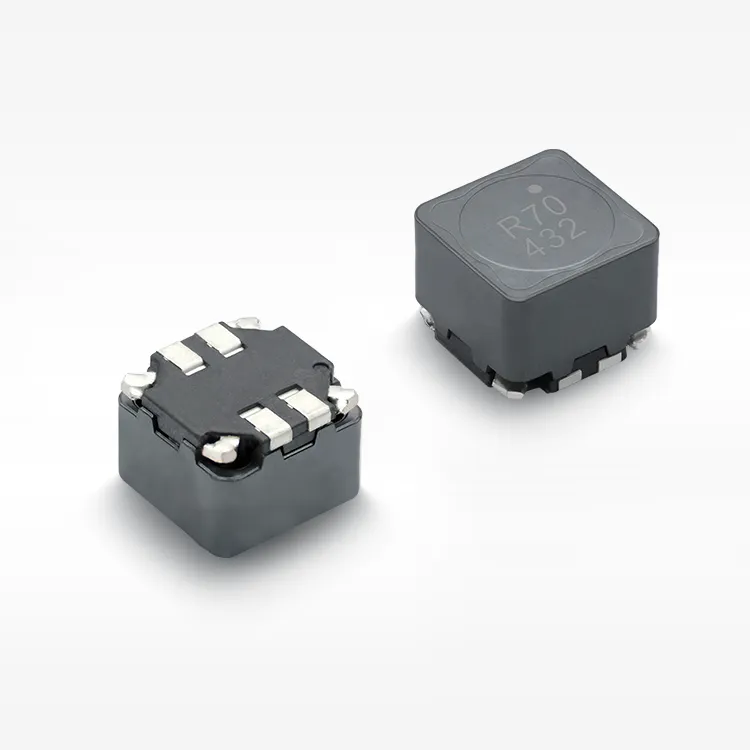
Space optimization has become a paramount concern in modern electronic design, driving the need for components that deliver maximum performance within minimal footprints. Flat wire power inductors address this challenge through their exceptional space utilization efficiency, enabling designers to achieve higher inductance values and current ratings in significantly smaller packages compared to traditional round wire alternatives. The rectangular geometry of flat wire allows for more efficient packing within the inductor core window, reducing wasted space that typically exists between round conductors. This improved packing factor translates directly into higher turns density for a given core size, enabling the achievement of target inductance values with smaller core volumes. The space-saving benefits of flat wire power inductors extend beyond simple size reduction to encompass overall system architecture improvements. Smaller inductors enable tighter component placement on printed circuit boards, reducing trace lengths and minimizing parasitic inductances that can degrade high-frequency performance. Shorter connections between components also reduce electromagnetic interference and improve signal integrity, creating a virtuous cycle where space optimization leads to better electrical performance. This synergy between mechanical and electrical design becomes particularly valuable in portable devices where both size and performance are critical requirements. The reduced height profile of many flat wire power inductor designs provides additional layout flexibility for applications with strict height restrictions. Thin form factor devices such as tablets, ultrabooks, and slim automotive control modules benefit significantly from low-profile inductors that fit within tight mechanical envelopes. The ability to maintain high performance in a thin package opens new possibilities for product miniaturization and industrial design innovation. Manufacturing scalability represents another dimension of the space optimization benefits offered by flat wire power inductors. The automated winding processes used in flat wire construction enable consistent production of compact components with tight dimensional tolerances. This manufacturing precision ensures that space budgets remain predictable throughout production runs and eliminates the need for oversized keepout areas that accommodate component variation. The combination of compact size and manufacturing consistency streamlines product development cycles and reduces time-to-market for new electronic products. Advanced packaging techniques further enhance the space optimization capabilities of flat wire power inductors. Some manufacturers offer integrated solutions that combine multiple passive components into single packages, leveraging the compact nature of flat wire construction to create space-efficient multi-component modules. These integrated approaches can reduce component count, simplify assembly processes, and improve overall system reliability while maintaining the performance advantages of discrete flat wire power inductors.