High Current Automotive Inductor - Advanced Power Management Solutions for Modern Vehicles

All Categories

Get a Free Quote

Our representative will contact you soon.
Email
Name
Company Name
Message
0/1000

high current automotive inductor

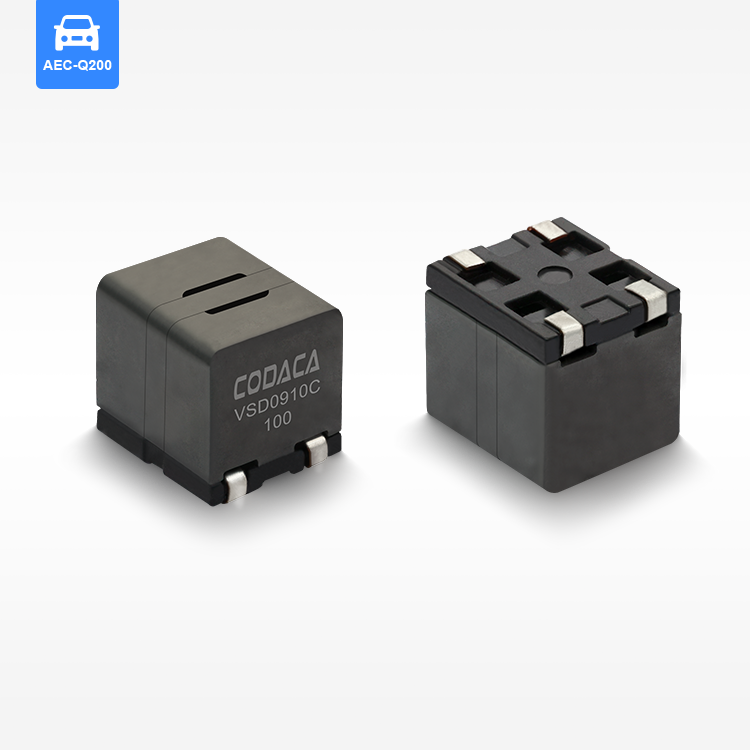
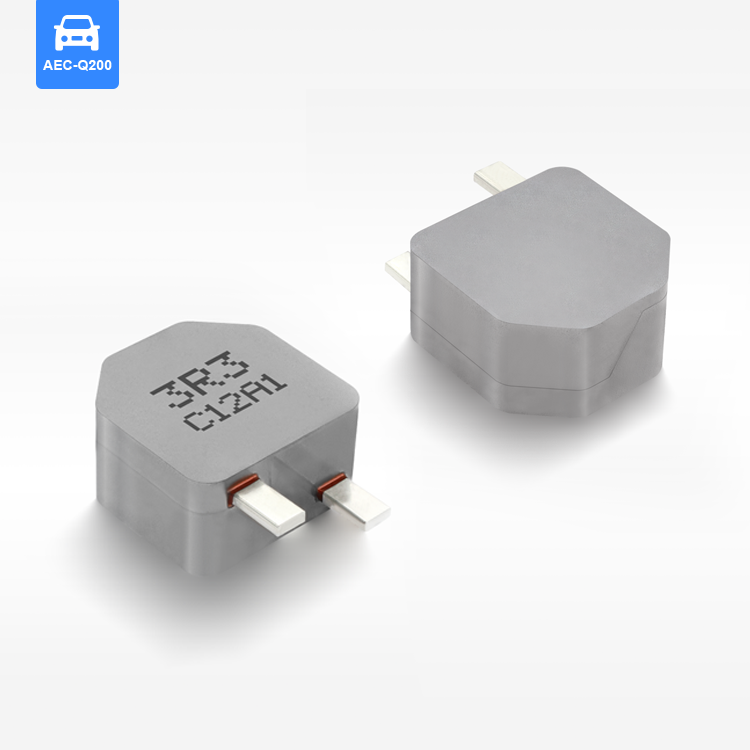
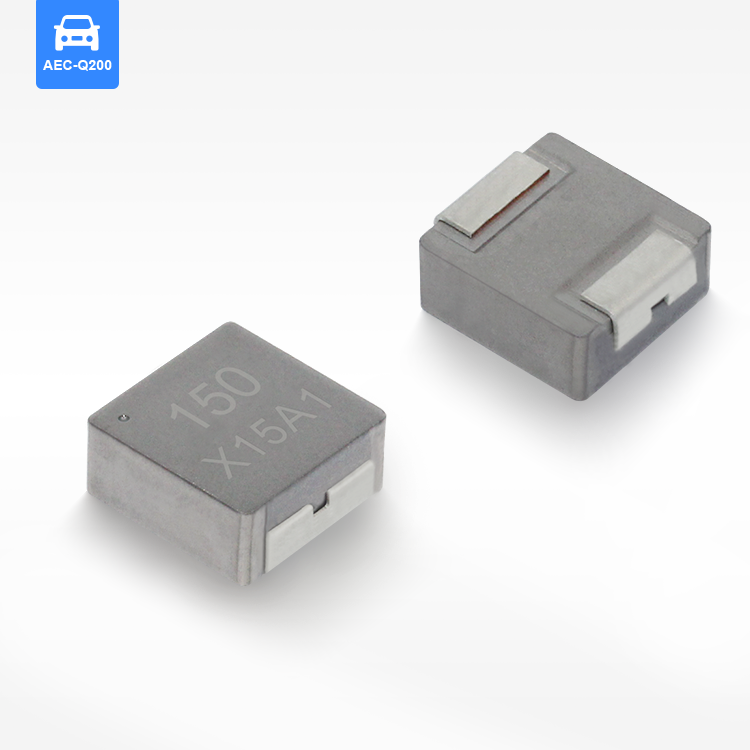
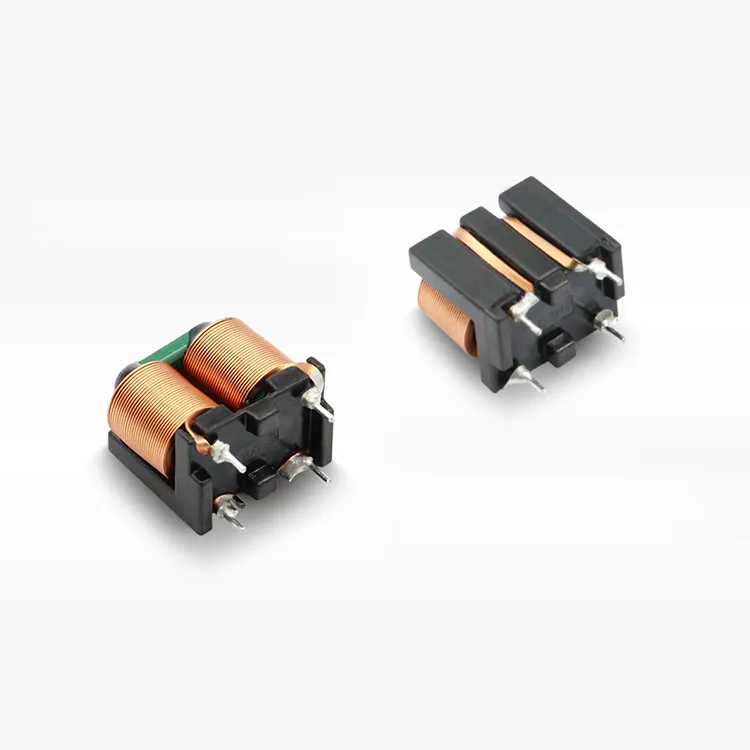
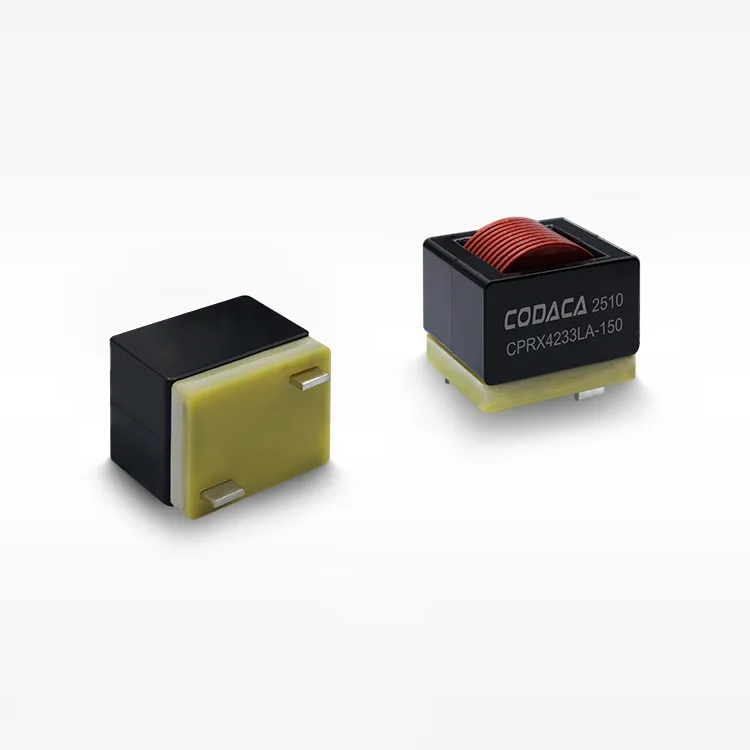
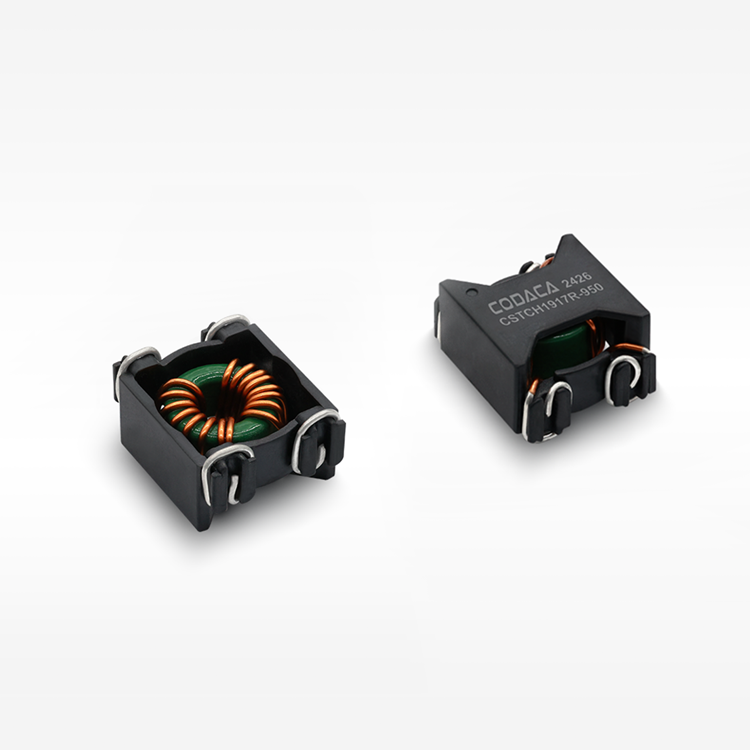
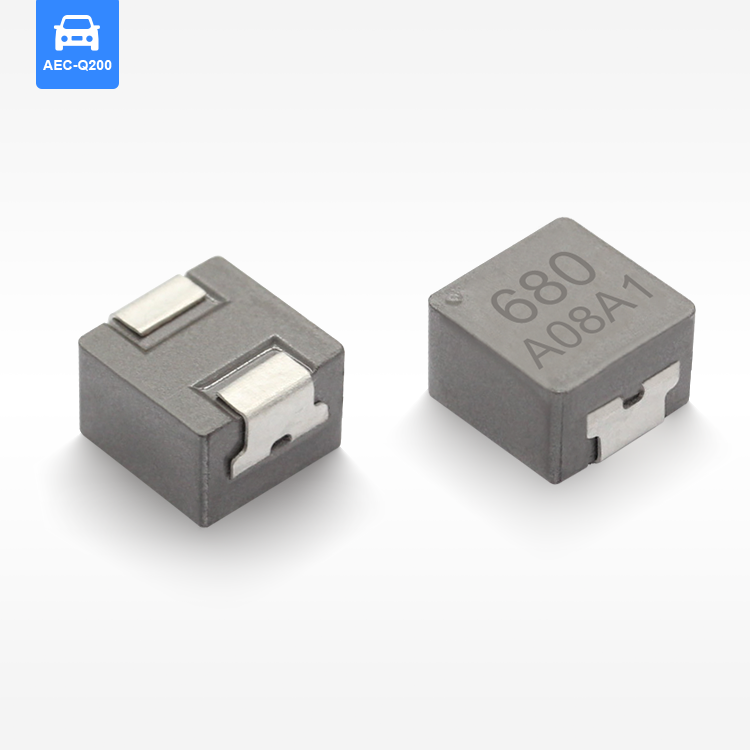
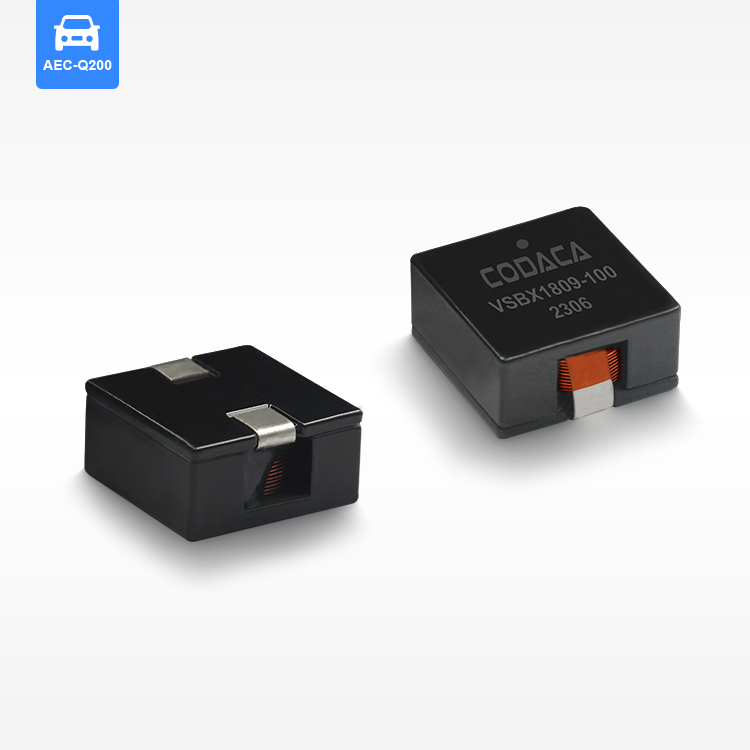
The high current automotive inductor represents a critical component in modern vehicle electrical systems, designed to handle substantial electrical loads while maintaining optimal performance and reliability. These specialized inductors serve as energy storage devices that manage current flow in various automotive applications, from power management systems to electric drivetrain components. The high current automotive inductor operates by storing electrical energy in its magnetic field when current flows through its coiled wire structure, then releasing this energy as needed to maintain consistent power delivery throughout the vehicle's electrical network. Modern automotive environments demand components that can withstand extreme temperatures, vibrations, and electromagnetic interference while processing high amperage loads safely and efficiently. The high current automotive inductor meets these demanding requirements through advanced materials and engineering techniques that ensure long-term durability and consistent performance. These inductors typically feature robust ferrite cores or powdered iron cores that can handle significant magnetic flux without saturation, allowing them to maintain their inductive properties even under heavy electrical loads. The wire windings in a high current automotive inductor are carefully designed with appropriate gauge and insulation materials to prevent overheating and electrical breakdown during operation. Automotive manufacturers rely on these components to regulate voltage fluctuations, filter electrical noise, and provide smooth power transitions in critical systems such as engine control units, battery management systems, and electric motor controllers. The high current automotive inductor also plays a vital role in electromagnetic compatibility, helping vehicles meet stringent regulatory standards for electromagnetic emissions. Advanced manufacturing processes ensure that each high current automotive inductor maintains tight tolerances and consistent electrical characteristics, enabling reliable performance across diverse operating conditions and extended service life in automotive applications.

New Product Releases

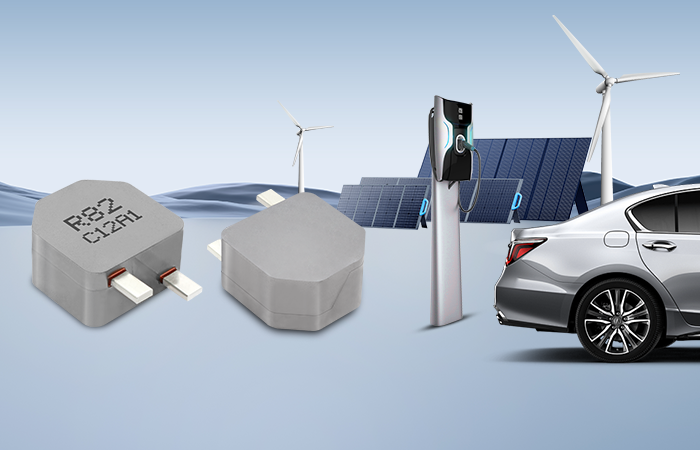
The high current automotive inductor delivers exceptional benefits that make it indispensable for modern vehicle electrical systems, providing reliable power management solutions that enhance overall vehicle performance and longevity. One primary advantage involves superior current handling capabilities that allow these inductors to manage substantial electrical loads without compromising performance or reliability, ensuring consistent power delivery to critical vehicle systems even during peak demand periods. The high current automotive inductor demonstrates remarkable thermal stability, maintaining its electrical properties across wide temperature ranges commonly encountered in automotive environments, from extreme cold during winter starts to intense heat generated by engine compartments and electronic systems. This thermal resilience translates into consistent performance and extended component life, reducing maintenance requirements and vehicle downtime. Another significant benefit centers on the compact design of the high current automotive inductor, which maximizes space efficiency in increasingly crowded vehicle electrical systems while delivering superior performance compared to larger, less efficient alternatives. The reduced size enables automotive engineers to optimize vehicle layouts and incorporate additional features without compromising electrical system integrity. The high current automotive inductor also provides excellent electromagnetic interference suppression, protecting sensitive electronic components from electrical noise that could disrupt critical vehicle functions such as engine management, safety systems, and infotainment networks. This interference protection ensures reliable operation of complex automotive electronics and helps manufacturers meet regulatory compliance requirements for electromagnetic emissions. Furthermore, the high current automotive inductor offers outstanding energy efficiency, minimizing power losses during electrical conversion and regulation processes, which directly contributes to improved fuel economy in traditional vehicles and extended range in electric vehicles. The robust construction of these inductors ensures exceptional durability under harsh automotive conditions, including constant vibration, temperature cycling, and exposure to contaminants, resulting in reliable long-term performance that reduces warranty claims and maintenance costs. The high current automotive inductor also provides excellent voltage regulation capabilities, maintaining stable power delivery to sensitive electronic components despite fluctuations in electrical demand throughout the vehicle, ensuring consistent performance of critical systems and enhancing overall vehicle reliability and user experience.

Tips And Tricks

Innovations in Automotive Grade Molding Power Choke Technology

31

Mar

Innovations in Automotive Grade Molding Power Choke Technology

Introduction The evolution of automotive power chokes is a testament to the significant advancements in vehicle performance enhancement. Historically, these components, often referred to as "inductors", have played a pivotal role in stabilizing elec...
View More
Molding Power Chokes vs. Traditional Chokes: What's the Difference?

13

May

Molding Power Chokes vs. Traditional Chokes: What's the Difference?

Core Construction Differences Between Molding Power Chokes and Traditional Chokes Materials: Ferrite vs. Iron Core Composition The primary difference between molding power chokes and traditional chokes lies in the material composition of their cores...
View More
Inductors: A Solution for Noise Reduction in Digital Amplifiers

13

May

Inductors: A Solution for Noise Reduction in Digital Amplifiers

Understanding Noise Challenges in Digital Amplifiers Sources of Switching Noise in Digital Amplifiers Remedying the problem of switching noise, and the EMI it can cause is one of the hardest parts of digital amplifiers. High frequency switching...
View More
The Digital Power Amplifier Inductor is applied to the Infineon EVAL_AUDAMP24 Reference Design

29

Sep

The Digital Power Amplifier Inductor is applied to the Infineon EVAL_AUDAMP24 Reference Design

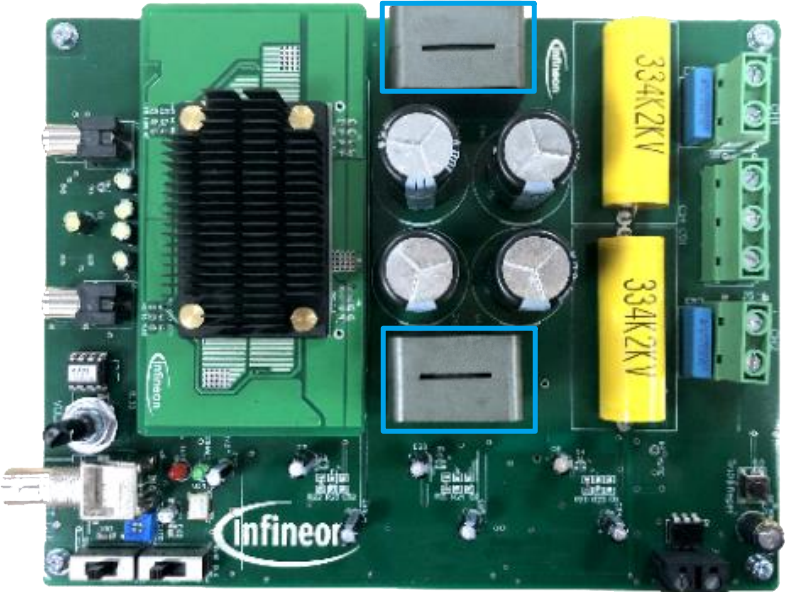
Preface Digital power amplifiers feature low distortion, low noise, and a wide dynamic range. In terms of sound warmth/coolness, resolution, and the impact force of low frequencies, they are incomparable to traditional power amplifiers. Development ...
View More

Get a Free Quote

Our representative will contact you soon.
Email
Name
Company Name
Message
0/1000

high current automotive inductor

Advanced Thermal Management and Reliability

Advanced Thermal Management and Reliability

The high current automotive inductor incorporates sophisticated thermal management technologies that ensure consistent performance across extreme temperature variations commonly encountered in automotive applications. This advanced thermal capability stems from carefully engineered core materials and specialized wire insulation systems that maintain their electrical properties from sub-zero temperatures during cold weather starts to elevated temperatures exceeding 150 degrees Celsius in engine compartments and under-hood environments. The thermal stability of the high current automotive inductor prevents performance degradation that could compromise critical vehicle systems, ensuring reliable operation throughout the vehicle's service life. The sophisticated core materials used in these inductors resist thermal expansion and contraction cycles that could otherwise cause mechanical stress and eventual component failure, while the specialized insulation systems prevent wire degradation even under sustained high-temperature operation. This thermal resilience directly translates to reduced warranty claims and maintenance requirements, providing significant cost savings for both manufacturers and vehicle owners. The high current automotive inductor also features advanced heat dissipation characteristics that prevent localized hot spots from developing during high-current operation, distributing thermal energy evenly throughout the component structure to maintain optimal performance. This thermal management capability becomes particularly critical in electric and hybrid vehicles where power electronics generate substantial heat during operation, requiring components that can function reliably in these demanding thermal environments. The enhanced reliability of the high current automotive inductor under thermal stress ensures consistent performance of critical vehicle systems such as engine management, transmission control, and safety systems, contributing to overall vehicle dependability and user confidence. Additionally, the thermal stability enables automotive manufacturers to implement higher power density designs without compromising component reliability, allowing for more compact and efficient electrical system layouts that optimize vehicle performance and packaging efficiency while maintaining the robust reliability standards required for automotive applications.
Superior Current Handling and Power Efficiency

Superior Current Handling and Power Efficiency

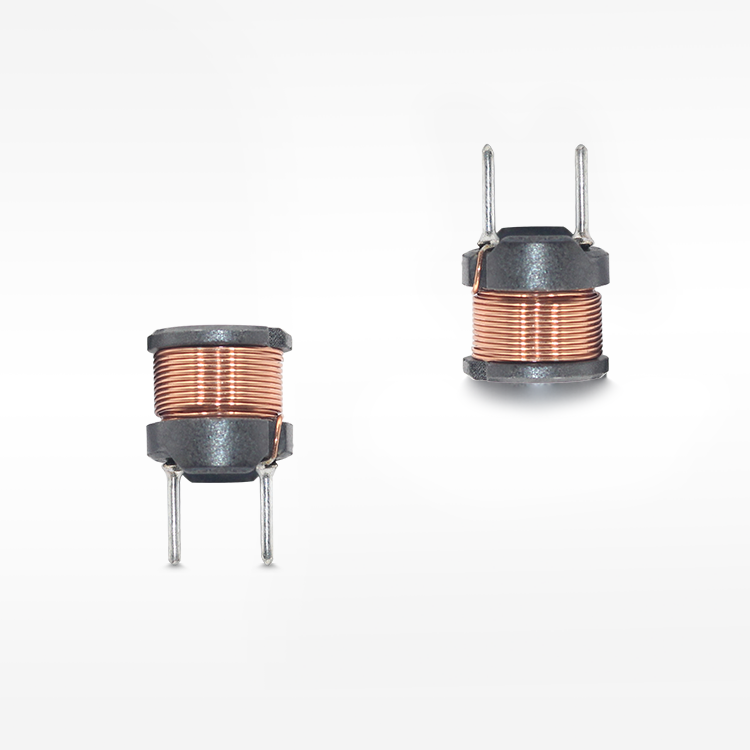
The high current automotive inductor delivers exceptional current handling capabilities that enable it to manage substantial electrical loads while maintaining optimal power efficiency, making it essential for modern vehicle electrical systems that demand reliable high-power performance. This superior current capacity results from advanced core materials and precision winding techniques that minimize electrical resistance and magnetic losses, allowing the high current automotive inductor to handle amperage levels that would overwhelm conventional inductors while maintaining stable electrical characteristics. The enhanced current handling directly translates to improved system efficiency and reduced power losses, which becomes particularly important in electric and hybrid vehicles where energy conservation directly impacts driving range and performance. The high current automotive inductor achieves this superior performance through optimized core geometry and high-permeability materials that concentrate magnetic flux efficiently, reducing core losses and enabling higher current densities without magnetic saturation. This design approach allows automotive systems to operate at higher efficiency levels while reducing the physical size requirements for inductive components, enabling more compact and lightweight vehicle electrical systems. The power efficiency benefits of the high current automotive inductor extend beyond simple energy conservation, contributing to reduced heat generation that simplifies thermal management requirements and improves overall system reliability. Lower operating temperatures resulting from improved efficiency also extend component life and reduce the need for additional cooling systems, providing cost savings and improved packaging flexibility for automotive designers. The high current automotive inductor also enables more precise control of electrical systems by providing stable inductance values across varying current levels, ensuring consistent performance of power conversion and regulation circuits that rely on predictable inductive behavior. This stability becomes crucial in applications such as DC-DC converters, motor controllers, and battery charging systems where precise electrical control directly impacts system performance and efficiency, making the high current automotive inductor an essential component for optimizing vehicle electrical system performance.
Electromagnetic Compatibility and Signal Integrity

Electromagnetic Compatibility and Signal Integrity

The high current automotive inductor provides exceptional electromagnetic compatibility performance that protects sensitive vehicle electronics from interference while ensuring compliance with stringent automotive electromagnetic emission standards, making it crucial for reliable operation of modern vehicle systems. This electromagnetic compatibility stems from carefully designed core materials and winding configurations that minimize electromagnetic field leakage while effectively filtering unwanted electrical noise from power systems, preventing interference with critical vehicle functions such as engine management, safety systems, and communication networks. The high current automotive inductor achieves superior noise suppression through optimized core permeability and specialized winding techniques that create effective electromagnetic barriers, isolating sensitive circuits from power switching transients and other sources of electrical interference commonly found in automotive environments. This interference protection becomes increasingly important as vehicles incorporate more sophisticated electronic systems that rely on precise signal processing for functions ranging from collision avoidance to autonomous driving capabilities. The electromagnetic shielding properties of the high current automotive inductor also help automotive manufacturers meet regulatory requirements for electromagnetic emissions, ensuring that vehicle electrical systems do not interfere with external communications or navigation systems while maintaining internal system integrity. The component's ability to maintain signal integrity extends to protecting low-level sensor signals from corruption by high-current switching activities, ensuring accurate data transmission throughout the vehicle's electronic network. This signal protection capability proves essential for maintaining the precision required by advanced driver assistance systems, engine management computers, and safety-critical applications where signal corruption could result in system malfunctions or reduced performance. The high current automotive inductor also contributes to electromagnetic compatibility by providing stable impedance characteristics across wide frequency ranges, enabling consistent filtering performance that adapts to varying operating conditions and electrical loads. This frequency stability ensures that the electromagnetic protection remains effective throughout the vehicle's operating envelope, from idle conditions with minimal electrical activity to high-demand situations where multiple high-power systems operate simultaneously, maintaining system reliability and performance consistency across all operating scenarios while ensuring compliance with automotive electromagnetic compatibility standards.