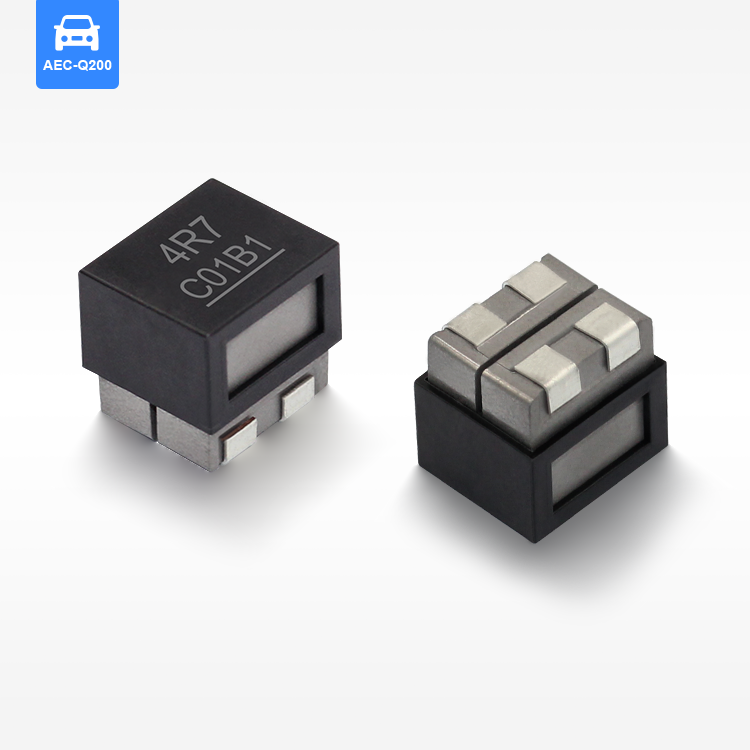
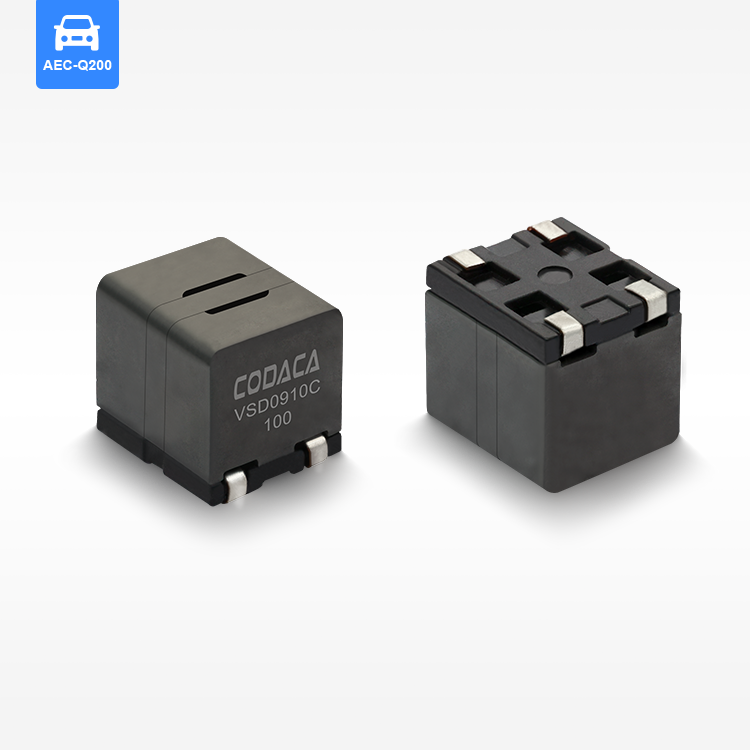
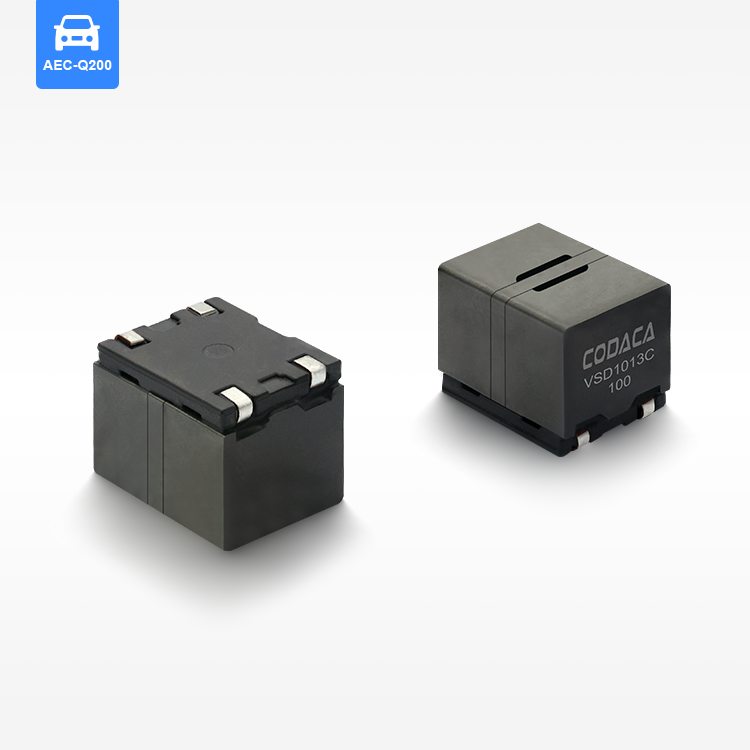
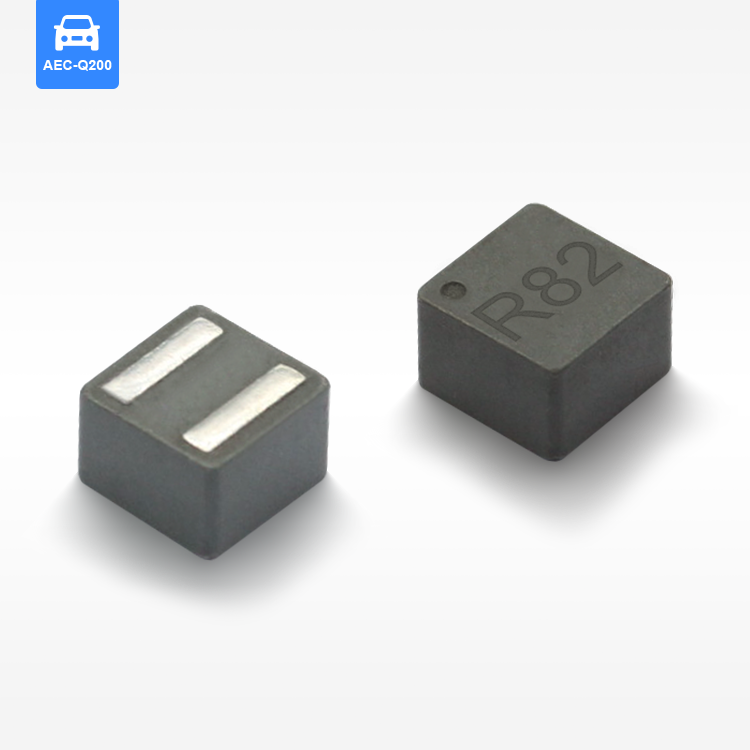
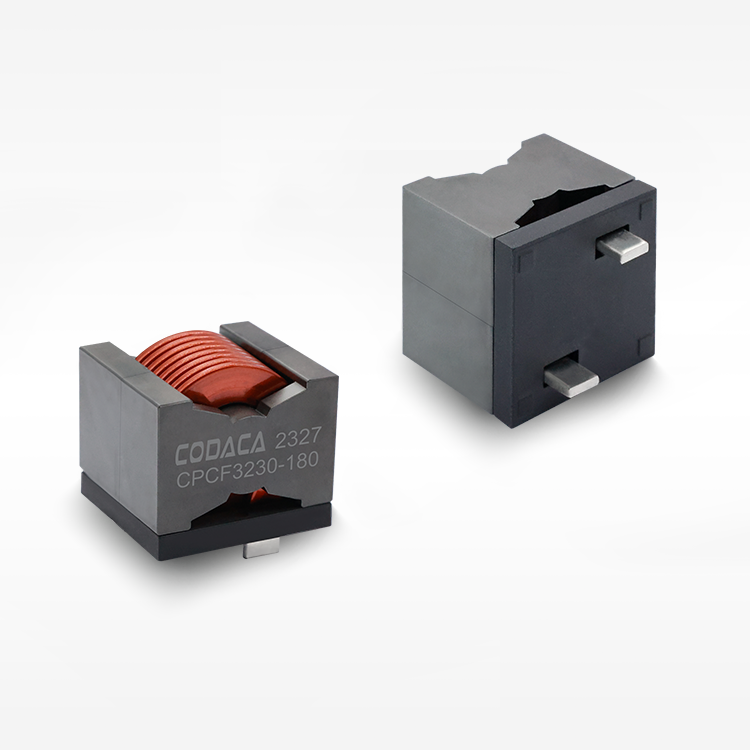
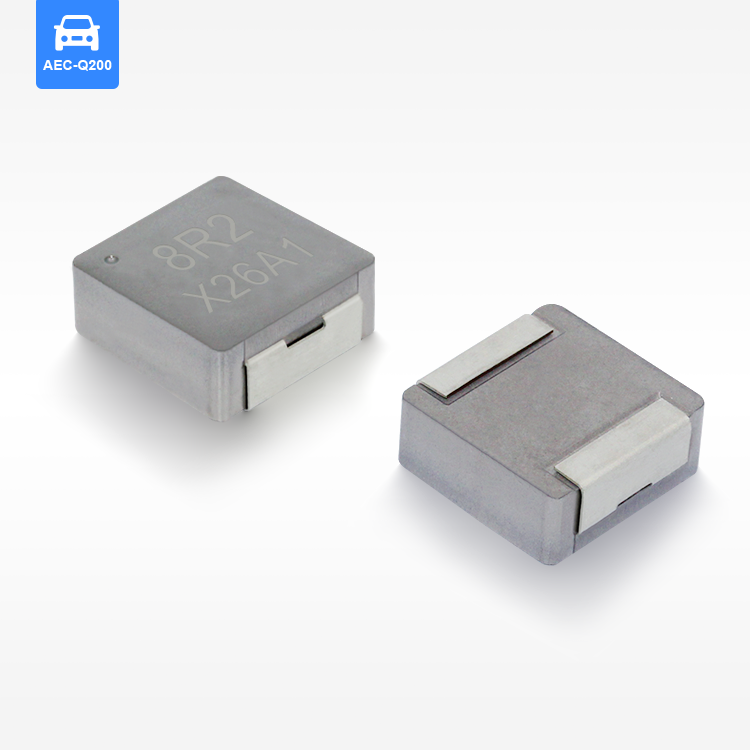
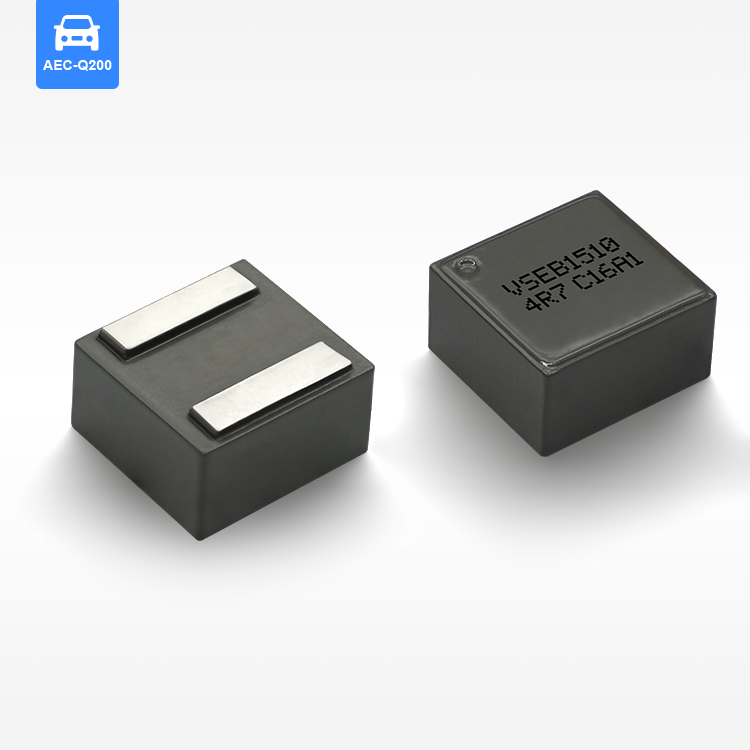
automotive inductor for led driver
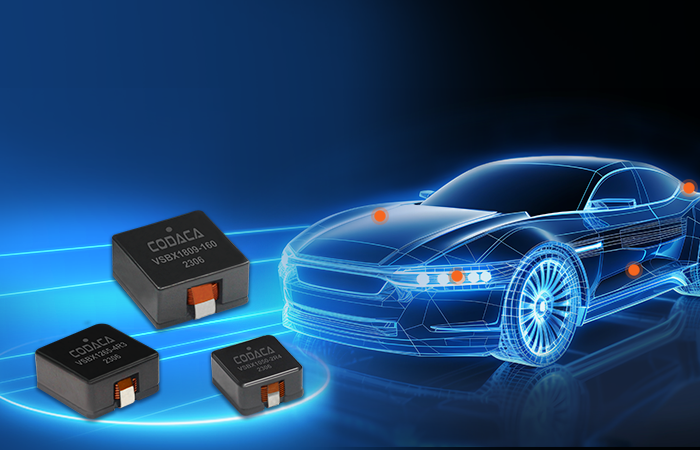
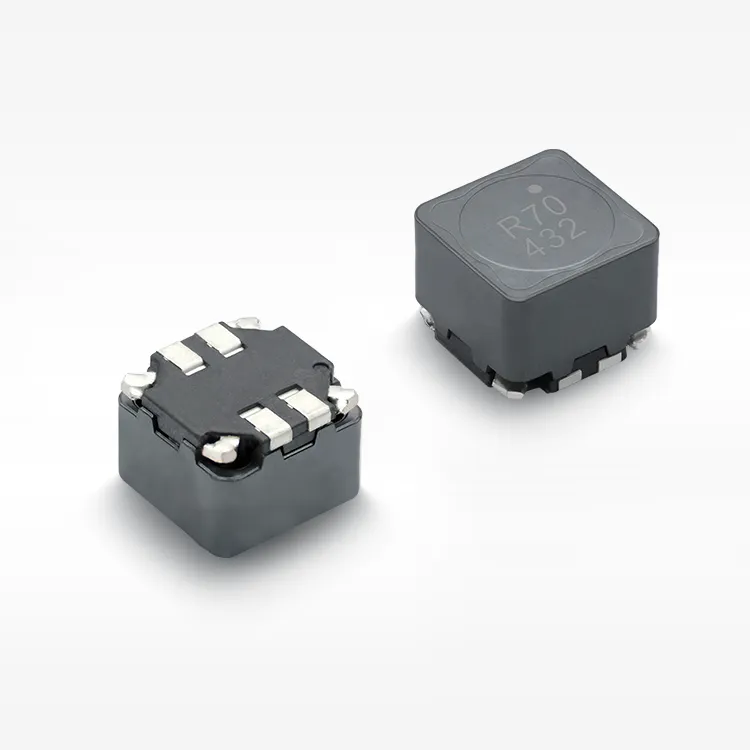
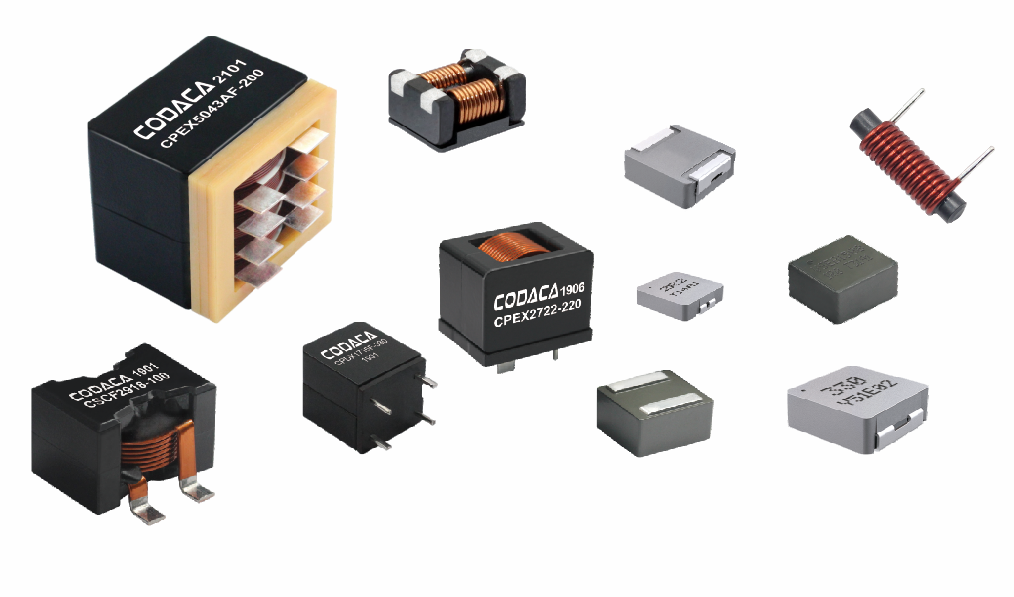
The automotive inductor for led driver represents a critical component in modern vehicle lighting systems, serving as the cornerstone for efficient LED illumination across various automotive applications. This specialized electronic component operates by storing energy in its magnetic field and releasing it in a controlled manner to regulate current flow to LED arrays. In automotive environments, these inductors must withstand extreme temperatures, vibrations, and electrical stress while maintaining consistent performance throughout the vehicle's operational lifetime. The automotive inductor for led driver incorporates advanced magnetic core materials and precision-wound coils designed specifically for the demanding requirements of vehicular lighting systems. These components feature compact form factors that accommodate space constraints within modern vehicle designs while delivering optimal electrical characteristics. The magnetic cores typically utilize ferrite or powdered iron materials that provide excellent permeability and low core losses, ensuring efficient energy conversion and minimal heat generation. Manufacturing processes for automotive inductor for led driver components involve stringent quality control measures to meet automotive industry standards such as AEC-Q200 qualification requirements. Temperature stability remains paramount, with these inductors capable of operating reliably across temperature ranges from negative forty degrees Celsius to positive one hundred fifty degrees Celsius. The electrical specifications include precise inductance values, controlled direct current resistance, and high current handling capabilities necessary for driving multiple LED strings simultaneously. Automotive inductor for led driver applications span headlights, taillights, interior illumination, dashboard displays, and ambient lighting systems. Each application demands specific electrical characteristics, with headlight systems requiring higher power handling capabilities compared to interior accent lighting. The inductors contribute to electromagnetic compatibility by suppressing switching noise and harmonics generated by LED driver circuits. Advanced shielding techniques and core geometries minimize electromagnetic interference while maintaining compact package sizes essential for modern automotive electronics integration.