High Current Ferrite Inductors - Advanced Magnetic Components for Power Applications

All Categories

Get a Free Quote

Our representative will contact you soon.
Email
Name
Company Name
Message
0/1000

high current ferrite inductor

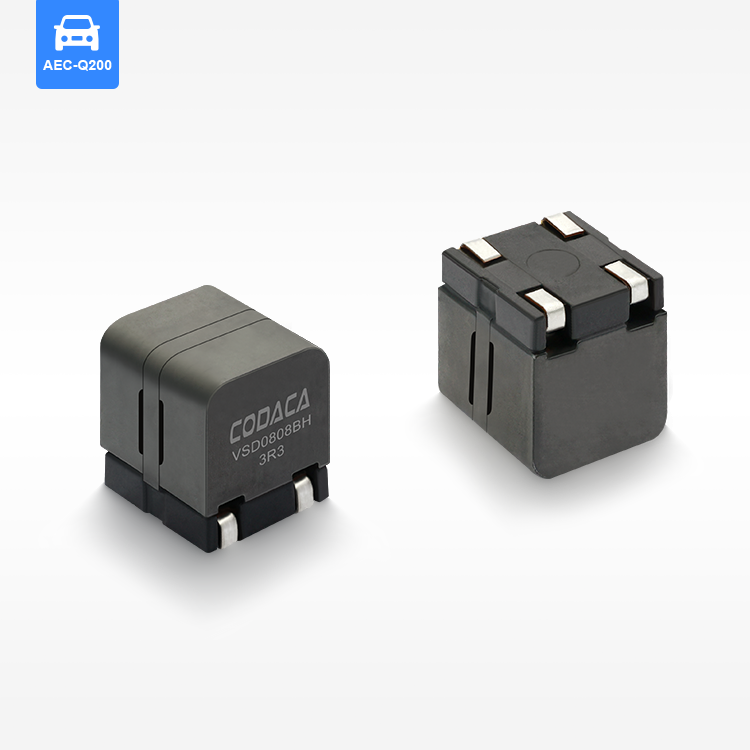
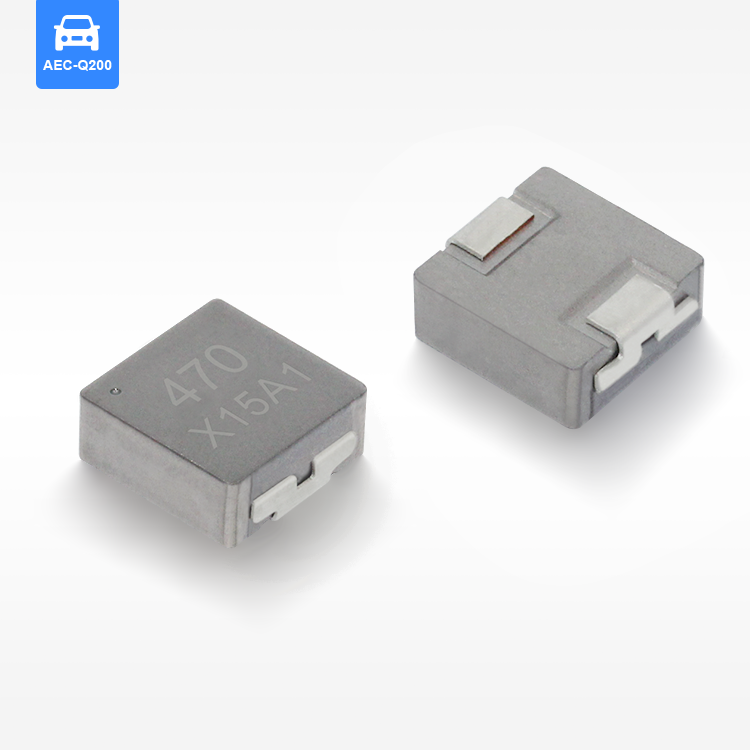
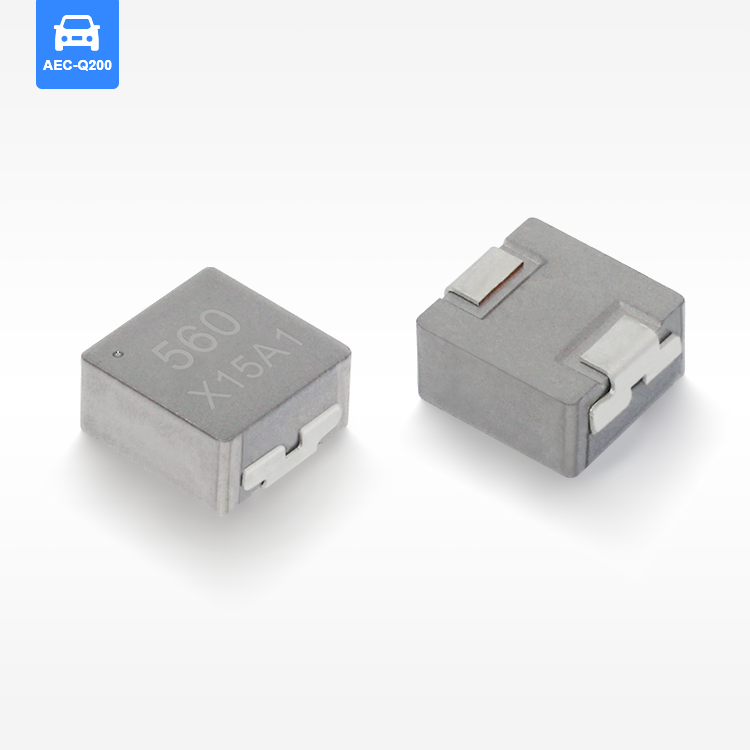
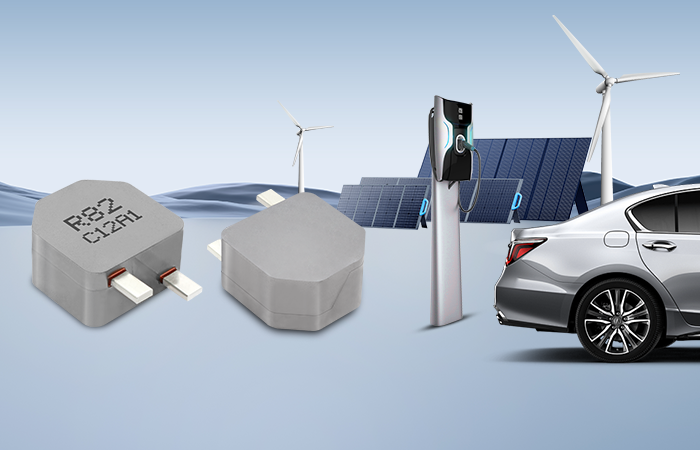
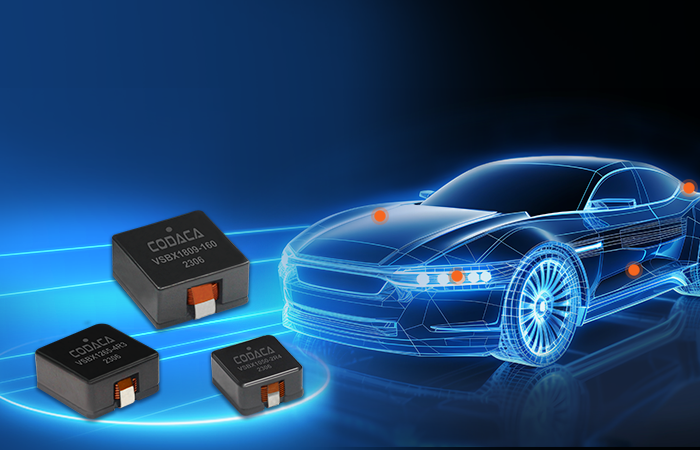
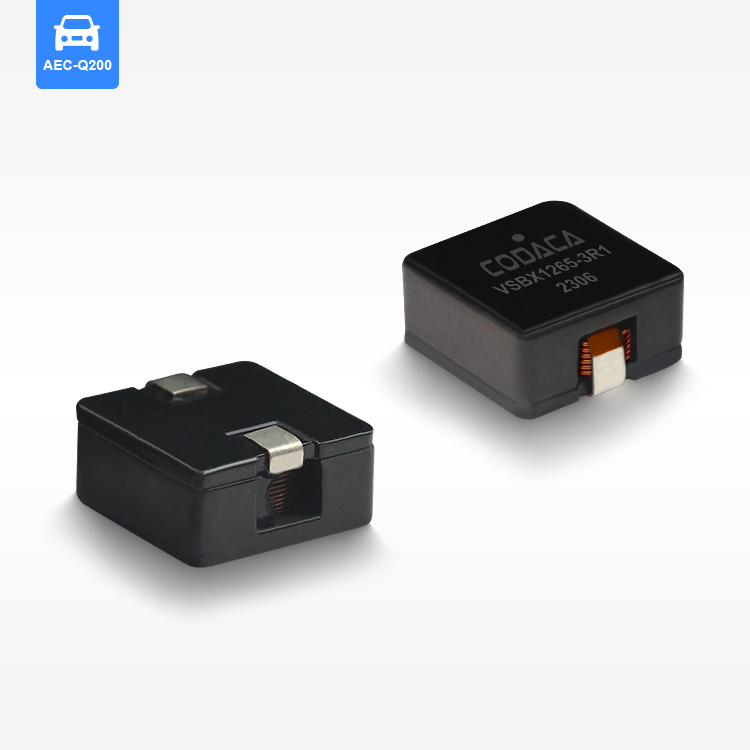
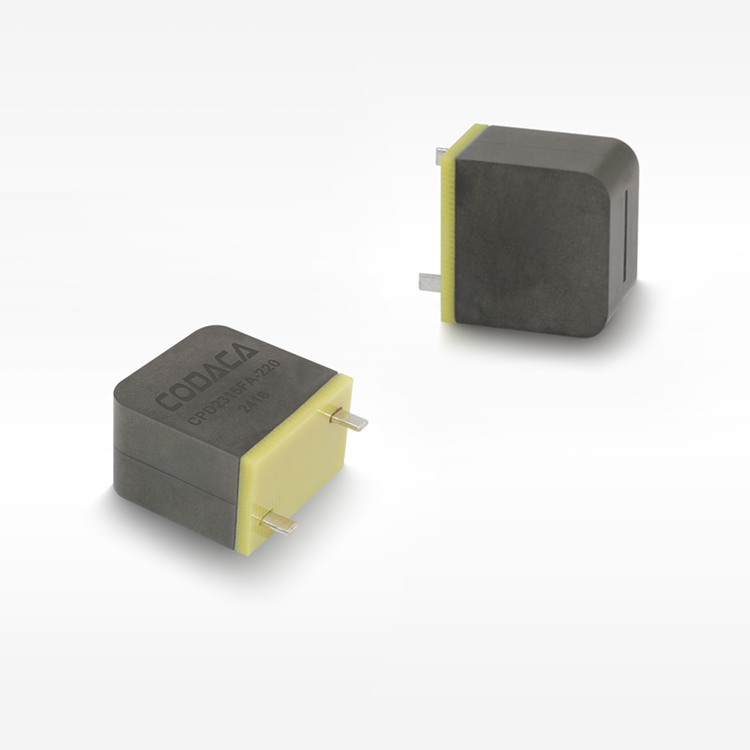
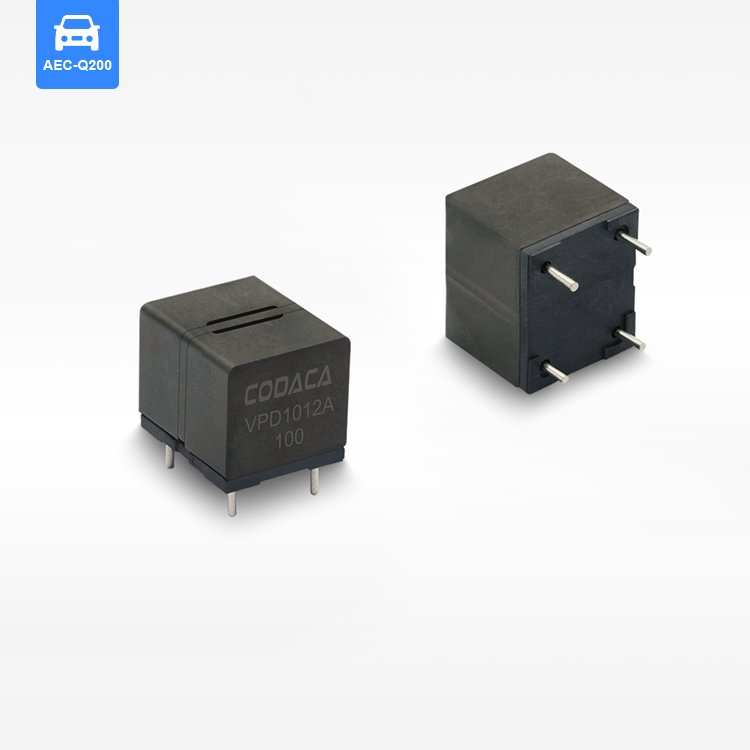
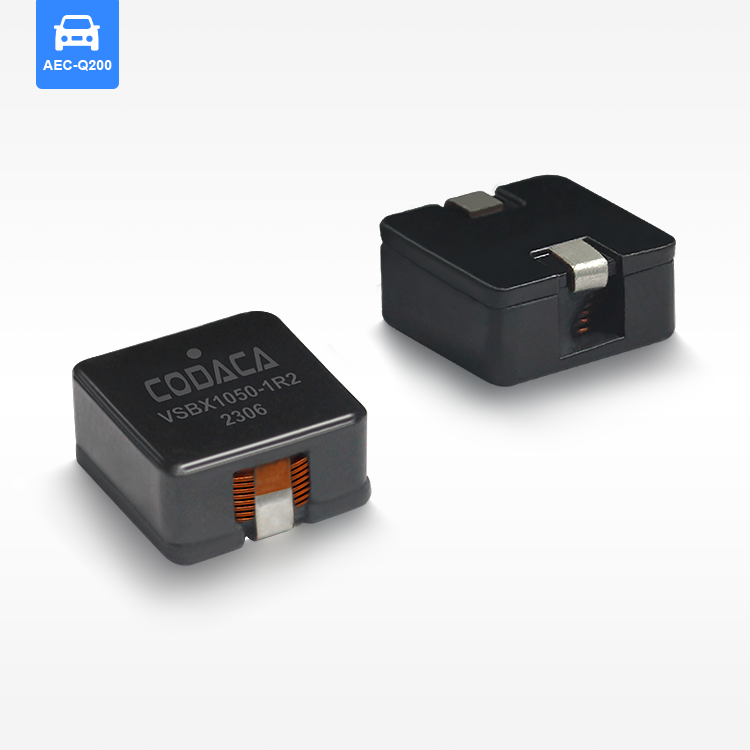
The high current ferrite inductor represents a critical electronic component engineered to handle substantial electrical currents while maintaining exceptional performance characteristics. This specialized inductor utilizes ferrite core materials, which are ceramic compounds made from iron oxide combined with other metallic elements, creating a magnetic core that offers superior electromagnetic properties. The primary function of a high current ferrite inductor involves storing energy in its magnetic field when current flows through its windings, then releasing this energy when the current changes direction or magnitude. This fundamental operation makes it indispensable in power management applications where current regulation and filtering are essential. Technologically, the high current ferrite inductor incorporates advanced design features that distinguish it from conventional inductors. The ferrite core material exhibits high magnetic permeability, allowing the component to achieve substantial inductance values in compact form factors. The core's composition provides excellent frequency response characteristics, making these inductors particularly effective in switching power supplies and high-frequency applications. Manufacturing processes involve precision winding techniques using high-grade copper wire, ensuring minimal resistance and optimal current-carrying capacity. The core geometry is carefully engineered to prevent magnetic saturation even under heavy current loads, maintaining stable inductance values across varying operational conditions. Applications for high current ferrite inductors span numerous industries and electronic systems. Power supply circuits extensively utilize these components for output filtering, energy storage, and current smoothing in both AC-DC and DC-DC converter topologies. Automotive electronics incorporate high current ferrite inductors in electric vehicle charging systems, motor drive circuits, and power distribution networks. Renewable energy systems, including solar inverters and wind power converters, depend on these inductors for efficient power conversion and grid synchronization. Industrial automation equipment, telecommunications infrastructure, and consumer electronics also benefit from the reliable performance characteristics that high current ferrite inductors provide in demanding operational environments.

New Product Releases

High current ferrite inductors offer numerous compelling benefits that make them the preferred choice for engineers and designers working with power-intensive applications. These components deliver exceptional current-handling capabilities while maintaining compact physical dimensions, allowing designers to create more efficient and space-conscious electronic systems. The superior current capacity stems from optimized core materials and precision manufacturing techniques that minimize losses and heat generation during operation. Users experience significant improvements in system efficiency because high current ferrite inductors exhibit lower DC resistance compared to alternative inductor technologies. This reduced resistance translates directly into decreased power losses, improved thermal management, and enhanced overall system performance. The efficiency gains become particularly pronounced in high-power applications where even small resistance reductions can yield substantial energy savings over time. Reliability represents another major advantage of high current ferrite inductors, as these components demonstrate excellent stability across wide temperature ranges and varying environmental conditions. The ferrite core material maintains its magnetic properties consistently, ensuring predictable inductance values throughout the component's operational lifespan. This stability reduces the need for frequent calibrations or component replacements, resulting in lower maintenance costs and improved system uptime. Cost-effectiveness emerges as a practical benefit for organizations implementing high current ferrite inductors in their designs. While the initial component cost may be higher than basic alternatives, the long-term value proposition includes reduced system complexity, fewer supporting components, and decreased cooling requirements. The ability to handle higher currents means designers can use fewer parallel components, simplifying circuit layouts and reducing assembly costs. Manufacturing advantages include standardized form factors and established supply chains, ensuring consistent availability and competitive pricing. The mature technology behind high current ferrite inductors provides confidence in component sourcing and reduces risks associated with obsolescence or supply disruptions. Installation and integration prove straightforward because these inductors utilize standard mounting configurations and connection methods. Engineers can easily incorporate them into existing designs without requiring specialized assembly techniques or additional tooling. The predictable electrical characteristics simplify circuit analysis and simulation, accelerating development timelines and reducing design iteration cycles. Performance benefits extend to electromagnetic compatibility, as high current ferrite inductors help suppress unwanted noise and interference in electronic systems. This filtering capability reduces the need for additional EMC components, further streamlining system designs and improving overall electromagnetic performance. The combination of these practical advantages makes high current ferrite inductors an intelligent choice for applications demanding reliable, efficient, and cost-effective current management solutions.

Practical Tips

Innovations in Automotive Grade Molding Power Choke Technology

31

Mar

Innovations in Automotive Grade Molding Power Choke Technology

Introduction The evolution of automotive power chokes is a testament to the significant advancements in vehicle performance enhancement. Historically, these components, often referred to as "inductors", have played a pivotal role in stabilizing elec...
View More
How to Select the Best Automotive Grade High Current Power Inductors for Your Needs

31

Mar

How to Select the Best Automotive Grade High Current Power Inductors for Your Needs

Understanding Automotive Grade Requirements for Power Inductors AEC-Q200 Compliance and Certification AEC-Q200 is an essential industry standard for automotive components, ensuring products meet high-quality, reliability, and safety thresholds. This...
View More
Molding Power Chokes: A Comprehensive Review of the Market

13

May

Molding Power Chokes: A Comprehensive Review of the Market

What Are Molding Power Chokes? Definition and Core Functionality Molding power chokes are inductive elements that control current flow within circuits. For the transport of electrical power, energy is advantageously stored in magnetic fields, w...
View More
The Digital Power Amplifier Inductor is applied to the Infineon EVAL_AUDAMP24 Reference Design

29

Sep

The Digital Power Amplifier Inductor is applied to the Infineon EVAL_AUDAMP24 Reference Design

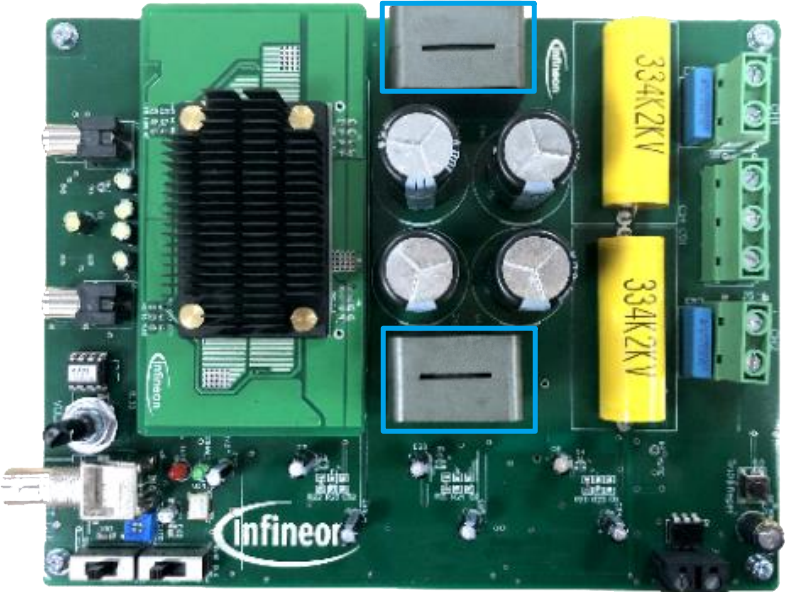
Preface Digital power amplifiers feature low distortion, low noise, and a wide dynamic range. In terms of sound warmth/coolness, resolution, and the impact force of low frequencies, they are incomparable to traditional power amplifiers. Development ...
View More

Get a Free Quote

Our representative will contact you soon.
Email
Name
Company Name
Message
0/1000

high current ferrite inductor

Superior Magnetic Core Technology

Superior Magnetic Core Technology

The advanced ferrite core technology integrated into high current ferrite inductors represents a breakthrough in magnetic component design, delivering unmatched performance characteristics that set these components apart from traditional alternatives. This sophisticated core material combines iron oxide with carefully selected metallic additives, creating a ceramic compound with exceptional magnetic properties specifically optimized for high-current applications. The engineered ferrite composition achieves remarkably high magnetic permeability, enabling the inductor to store substantial magnetic energy within a compact physical footprint. This high permeability directly translates into increased inductance values per unit volume, allowing designers to achieve desired electrical characteristics while minimizing space requirements in their circuits. The core material demonstrates exceptional stability across wide frequency ranges, maintaining consistent magnetic properties from DC through high-frequency switching applications. This broad frequency response makes high current ferrite inductors versatile components suitable for diverse applications ranging from power line filtering to high-speed switching converters. The ferrite material exhibits superior thermal characteristics, maintaining its magnetic properties even under elevated temperature conditions commonly encountered in high-power applications. This thermal stability ensures reliable performance throughout the component's operational range, preventing inductance drift or magnetic saturation that could compromise system performance. The core geometry receives careful optimization during the manufacturing process, with precise control over dimensions and magnetic gap configurations. This attention to detail ensures uniform magnetic field distribution throughout the core volume, preventing localized saturation points that could limit current-handling capacity. The result is a component capable of maintaining stable inductance values even when subjected to substantial current loads that would saturate conventional inductor cores. Quality control measures during production include rigorous testing of core materials to verify magnetic properties, ensuring consistent performance across production batches. This manufacturing precision provides engineers with confidence in component specifications and reduces variability in circuit performance. The advanced core technology also contributes to improved electromagnetic interference suppression, as the ferrite material naturally attenuates high-frequency noise components that can disrupt sensitive electronic circuits.
Exceptional Current Handling Capacity

Exceptional Current Handling Capacity

The outstanding current handling capacity of high current ferrite inductors stems from innovative design approaches and premium materials that work together to manage substantial electrical currents without compromising performance or reliability. This exceptional capability begins with carefully selected conductor materials, typically high-purity copper wire with optimized cross-sectional areas that minimize resistive losses while maximizing current-carrying capacity. The conductor configuration utilizes advanced winding techniques that ensure uniform current distribution throughout the coil structure, preventing hot spots or localized heating that could limit operational capacity. Thermal management plays a crucial role in achieving superior current handling, with design features that promote efficient heat dissipation during high-current operation. The component structure incorporates materials and geometries that facilitate heat transfer away from critical areas, maintaining safe operating temperatures even under demanding load conditions. This thermal design extends the component's operational lifespan and ensures consistent performance characteristics throughout its service life. The magnetic core design specifically addresses the challenges associated with high-current operation, utilizing core materials and geometries that resist magnetic saturation. Traditional inductors may experience significant inductance reduction or complete saturation when subjected to high currents, but high current ferrite inductors maintain stable inductance values across their entire operational range. This stability is crucial for applications requiring predictable electrical behavior under varying load conditions. Advanced manufacturing processes ensure precise control over critical dimensions and material properties that affect current-handling capacity. Quality assurance procedures include comprehensive testing under actual high-current conditions, verifying that each component meets or exceeds specified performance criteria. This testing approach provides confidence that the inductors will perform reliably in real-world applications where current levels may approach or reach maximum ratings. The exceptional current capacity enables system designers to reduce component count in parallel configurations, simplifying circuit layouts and reducing overall system complexity. Fewer components mean fewer potential failure points and reduced assembly costs, while maintaining the same effective current-handling capability. This design flexibility proves particularly valuable in space-constrained applications where component count and physical size are critical considerations. Applications benefit from the headroom provided by generous current ratings, allowing systems to operate safely below maximum component limits while maintaining substantial safety margins for transient conditions or unexpected load variations.
Optimized Power Efficiency Performance

Optimized Power Efficiency Performance

High current ferrite inductors deliver exceptional power efficiency performance through carefully engineered design elements that minimize energy losses and maximize system effectiveness across diverse operating conditions. The efficiency optimization begins with ultra-low DC resistance characteristics achieved through premium conductor materials and advanced winding configurations that reduce resistive losses to absolute minimum levels. This low resistance directly translates into reduced I²R losses, which represent the primary source of power dissipation in inductive components. The efficiency gains become increasingly significant as current levels increase, making these inductors particularly valuable in high-power applications where energy conservation is paramount. Core loss minimization represents another critical aspect of the efficiency optimization, with ferrite materials specifically selected for their superior loss characteristics across relevant frequency ranges. The core composition and processing techniques minimize hysteresis losses and eddy current losses, two primary mechanisms that can reduce efficiency in magnetic components. Advanced core materials maintain low loss characteristics even at elevated frequencies, enabling efficient operation in switching power supplies and other high-frequency applications where traditional materials might exhibit prohibitive losses. The geometric design of high current ferrite inductors incorporates features that optimize magnetic flux distribution and minimize unwanted loss mechanisms. Careful attention to core shape, air gap configuration, and winding arrangement ensures maximum energy storage capability while minimizing parasitic effects that could reduce efficiency. The result is a component that converts electrical energy to magnetic energy and back again with minimal losses throughout the conversion process. Thermal efficiency receives equal attention in the design process, with materials and configurations selected to minimize temperature rise during operation. Lower operating temperatures not only improve component reliability but also maintain optimal electrical characteristics throughout the operational range. The thermal design includes considerations for heat dissipation pathways and thermal interface materials that facilitate efficient heat transfer to surrounding environments. Manufacturing processes incorporate precision controls that ensure consistent efficiency performance across production quantities. Statistical process control methods verify that efficiency characteristics remain within tight tolerances, providing designers with confidence in component specifications and system performance predictions. This manufacturing consistency enables accurate system modeling and optimization during the design phase. The efficiency benefits extend beyond the inductor itself to impact overall system performance, as reduced losses mean less heat generation, smaller cooling requirements, and improved power supply efficiency. These system-level improvements often justify the selection of high current ferrite inductors based purely on operational cost savings achieved through improved efficiency over the component's operational lifespan.