High Current SMD Inductors - Superior Performance Power Components for Modern Electronics

All Categories

Get a Free Quote

Our representative will contact you soon.
Email
Name
Company Name
Message
0/1000

high current smd inductor

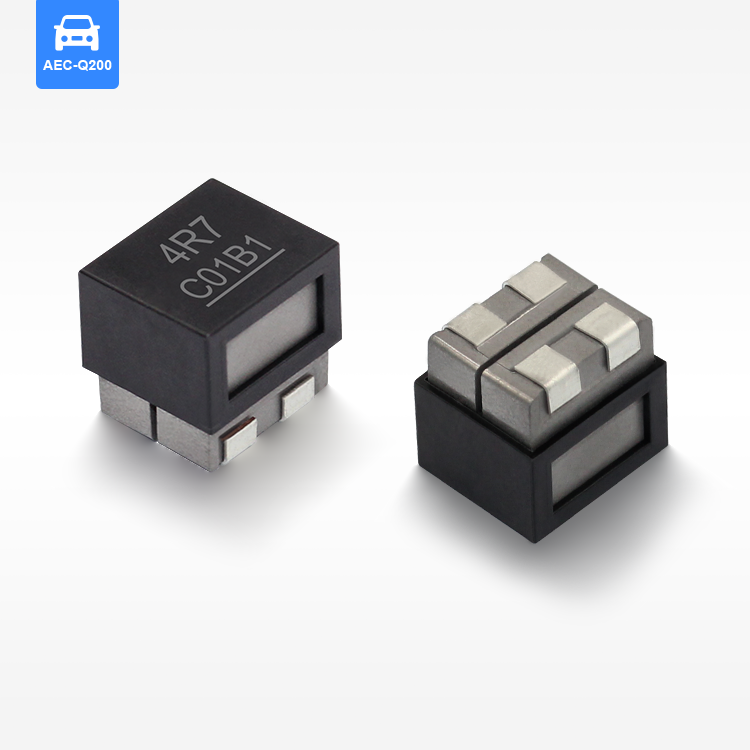
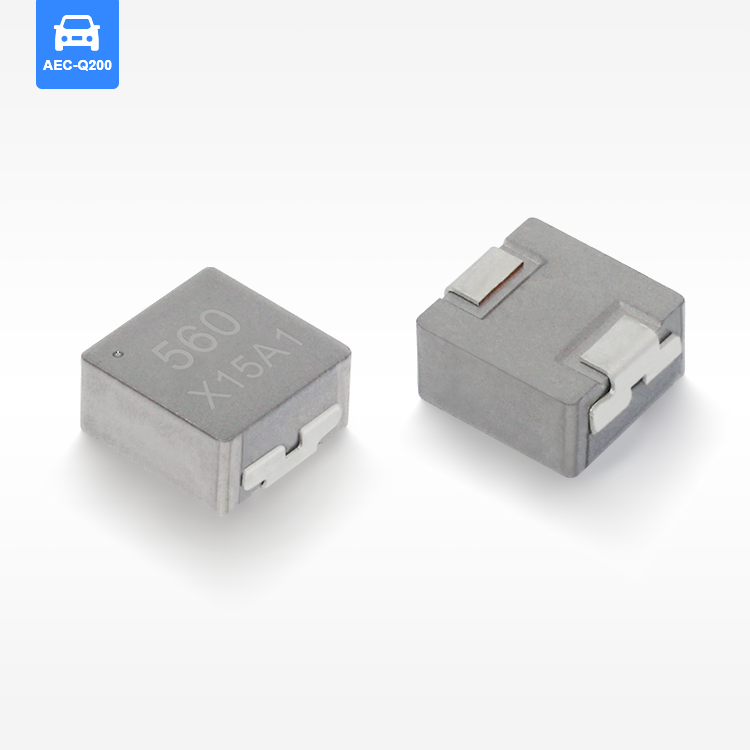
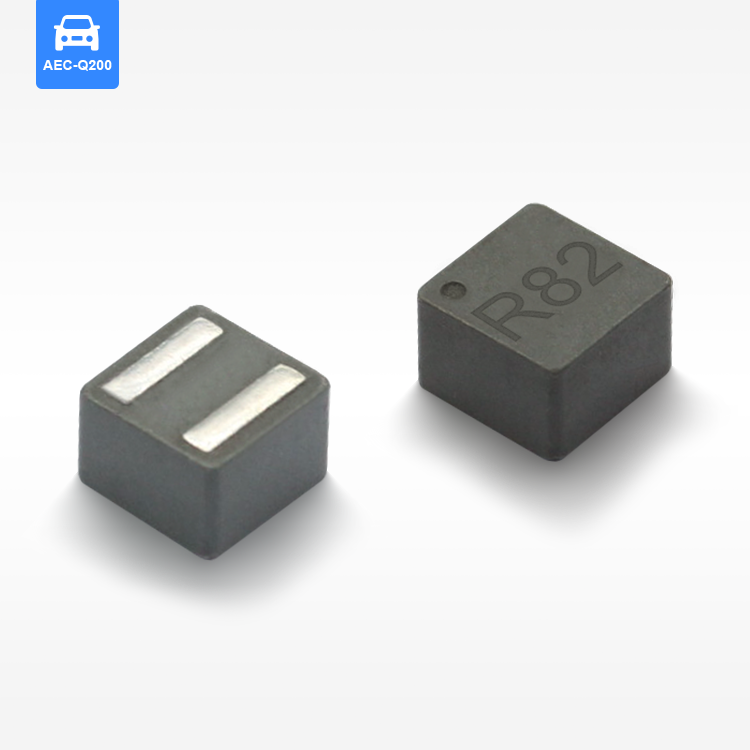
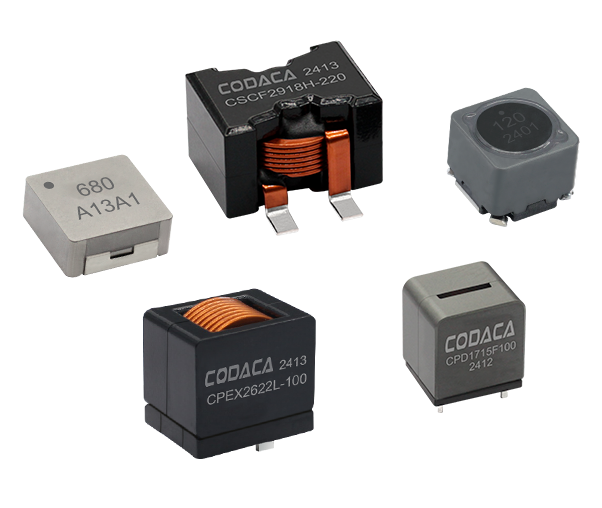
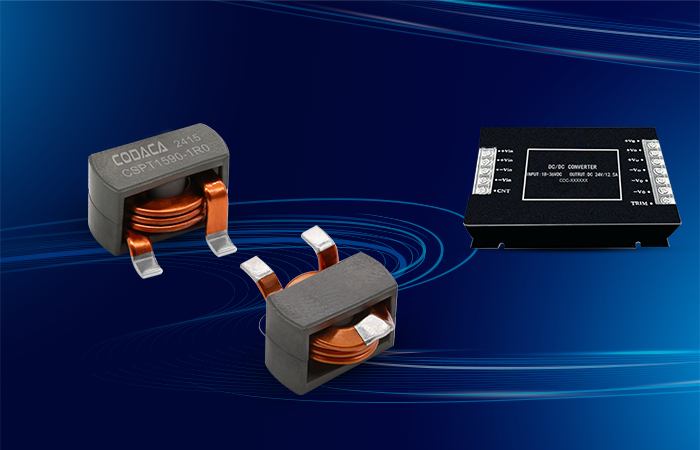
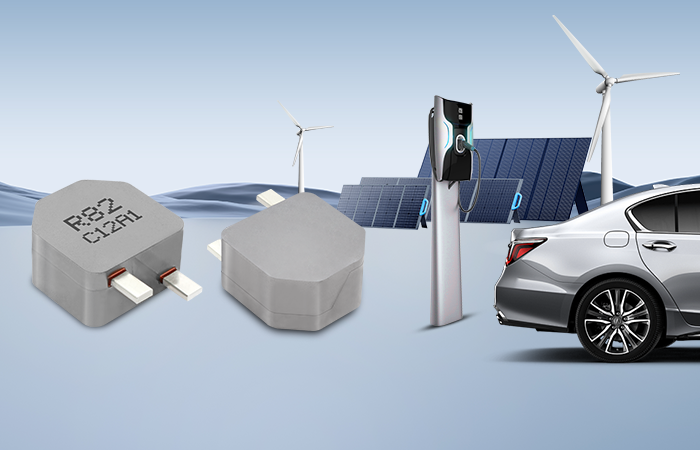
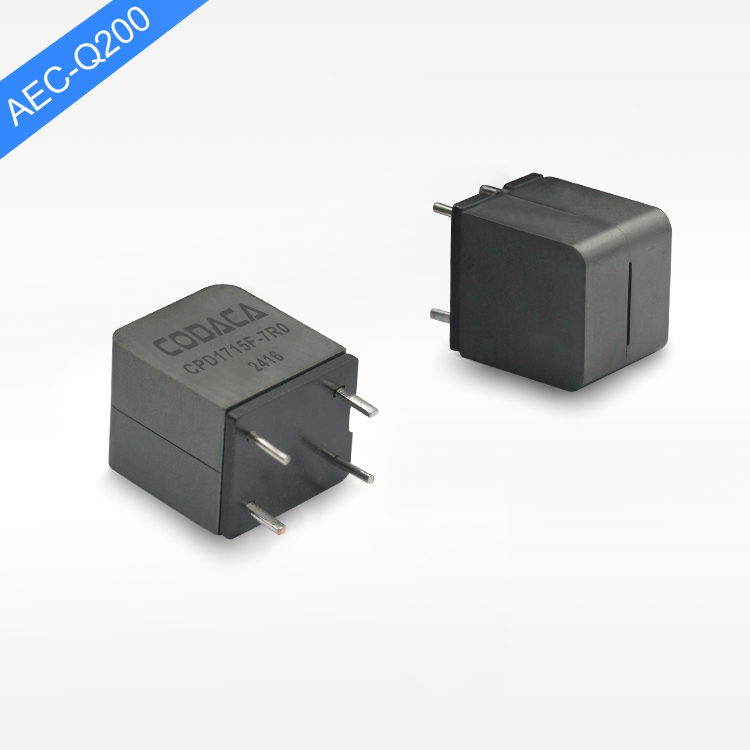
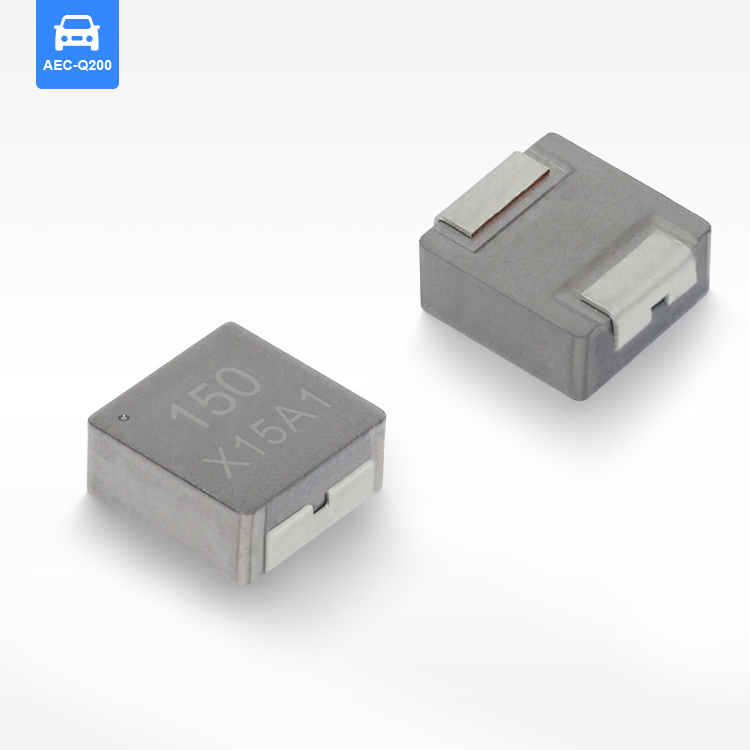
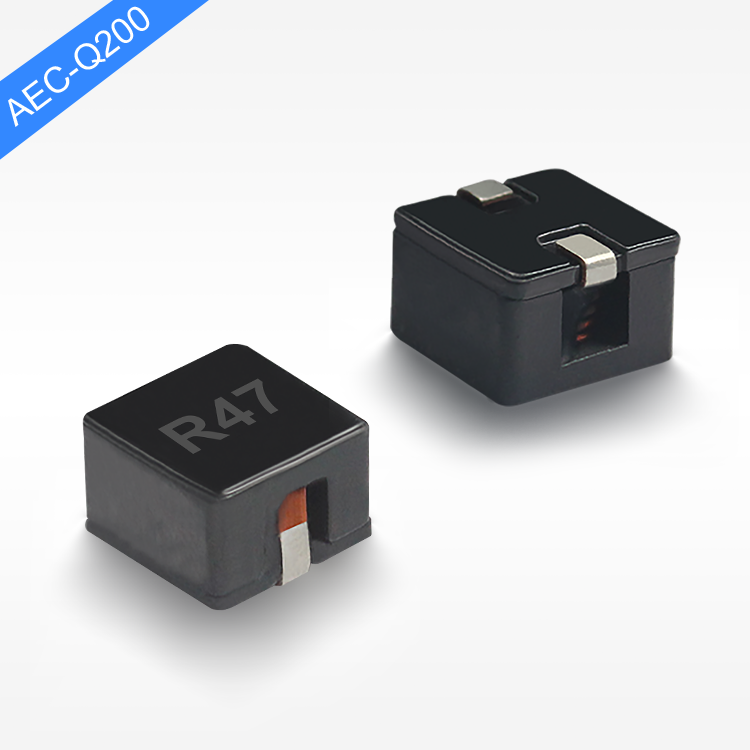
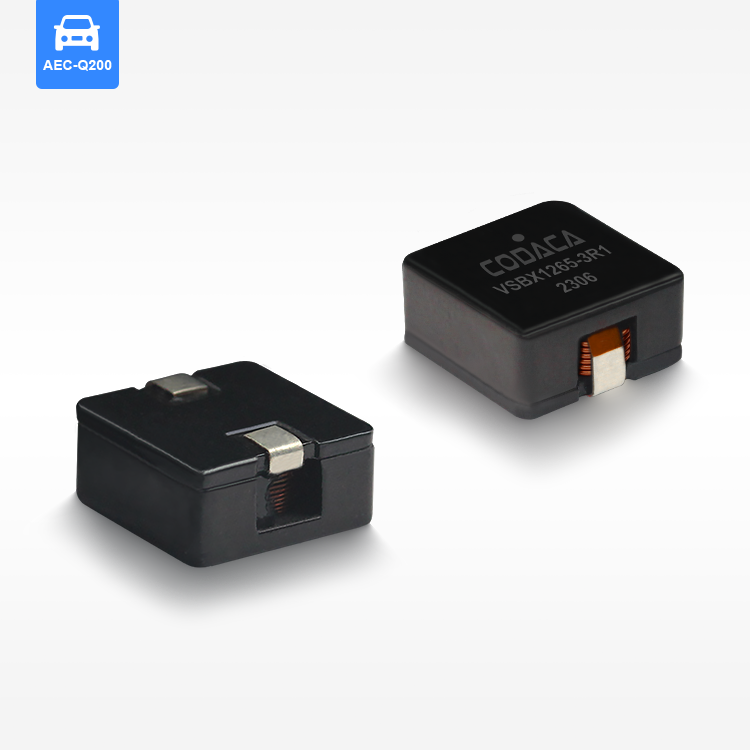
The high current smd inductor represents a crucial electronic component designed to handle substantial electrical currents while maintaining compact surface-mount device packaging. These specialized inductors serve as essential elements in power management circuits, offering superior performance in applications requiring high amperage handling capabilities. The primary function of a high current smd inductor involves storing magnetic energy when current flows through its coil, releasing this energy when needed to regulate power flow and filter unwanted electrical noise. Modern high current smd inductors incorporate advanced core materials and optimized winding techniques to achieve exceptional current-carrying capacity within miniaturized form factors. The technological features of these components include low DC resistance values, high saturation current ratings, and excellent thermal performance characteristics. Manufacturing processes utilize ferrite or powdered iron cores combined with precision-wound copper conductors to create inductors capable of handling currents ranging from several amperes to hundreds of amperes depending on specific design requirements. Surface-mount technology enables direct placement onto printed circuit boards using automated assembly equipment, eliminating the need for through-hole mounting and reducing overall system footprint. Temperature stability remains a critical consideration, with high current smd inductors engineered to maintain consistent performance across wide operating temperature ranges typically spanning from negative forty to positive one hundred twenty-five degrees Celsius. Applications for high current smd inductors span numerous industries including automotive electronics, telecommunications infrastructure, renewable energy systems, and consumer electronics. These components prove particularly valuable in switching power supplies, DC-DC converters, motor drive circuits, and LED lighting systems where efficient power conversion and current regulation are paramount. The compact nature of surface-mount packaging allows engineers to design smaller, lighter electronic products without compromising electrical performance or reliability standards.

New Product Releases

High current smd inductors deliver numerous practical benefits that make them superior choices for modern electronic design applications. The compact surface-mount design significantly reduces board space requirements compared to traditional through-hole inductors, allowing engineers to create smaller, more efficient products while maintaining excellent electrical performance. This space-saving advantage translates directly into cost reductions for manufacturers who can fit more circuitry into smaller enclosures or reduce overall product dimensions. The superior current-handling capabilities of these inductors eliminate the need for parallel configurations or oversized components that would otherwise be required to manage high amperage applications. Heat dissipation represents another major advantage, as high current smd inductors feature optimized thermal management properties that prevent excessive temperature buildup during operation. This thermal efficiency extends component lifespan and improves overall system reliability, reducing maintenance requirements and warranty claims for end customers. Installation advantages include compatibility with automated pick-and-place assembly equipment, which speeds production processes and reduces manufacturing costs compared to manual insertion methods required for through-hole components. The low profile design of surface-mount packages enables use in thin electronic devices where height restrictions would prohibit larger inductor formats. Electrical performance benefits encompass lower parasitic capacitance and reduced electromagnetic interference compared to bulkier alternatives, resulting in cleaner signal integrity and improved circuit efficiency. High current smd inductors also demonstrate excellent frequency response characteristics, maintaining stable inductance values across wide frequency ranges essential for switching power supply applications. Quality control advantages emerge from standardized surface-mount packaging that ensures consistent placement accuracy and reliable solder joint formation during reflow processes. Cost benefits extend beyond initial component pricing to include reduced assembly time, fewer inspection requirements, and improved yield rates in production environments. Environmental advantages include RoHS compliance and lead-free construction that meets modern regulatory requirements while supporting sustainable manufacturing practices. Long-term reliability proves superior due to robust construction methods and materials that withstand thermal cycling, mechanical stress, and environmental conditions commonly encountered in industrial and automotive applications.

Tips And Tricks

Industrial Power Inductors: The Key to Improving Power Conversion Efficiency

07

Apr

Industrial Power Inductors: The Key to Improving Power Conversion Efficiency

Power inductors play a vital role in modern power electronics. They store energy efficiently and release it when needed, ensuring smooth energy transfer. You rely on them to reduce energy losses in systems like DC-DC converters. This improves overall...
View More
Compact High Current Power Inductor: A Comparison of Materials and Designs

01

Apr

Compact High Current Power Inductor: A Comparison of Materials and Designs

Mn-Zn Ferrite: High Permeability and Frequency Response Mn-Zn ferrite is highly regarded in the field of inductors due to its high permeability, which facilitates an efficient magnetic flux path. This characteristic translates into improved inductan...
View More
The Most Durable Automotive Grade Digital Power Amplifier Inductor

01

Apr

The Most Durable Automotive Grade Digital Power Amplifier Inductor

Introduction Automotive-grade digital power amplifier inductors are essential components in modern vehicle audio systems. These inductors are designed to handle large currents and provide stable performance under various environmental conditions, en...
View More
Innovations in Automotive Grade Molding Power Choke Technology

31

Mar

Innovations in Automotive Grade Molding Power Choke Technology

Introduction The evolution of automotive power chokes is a testament to the significant advancements in vehicle performance enhancement. Historically, these components, often referred to as "inductors", have played a pivotal role in stabilizing elec...
View More

Get a Free Quote

Our representative will contact you soon.
Email
Name
Company Name
Message
0/1000

high current smd inductor

Superior Current Density and Thermal Management

Superior Current Density and Thermal Management

High current smd inductors excel in delivering exceptional current density performance while maintaining optimal thermal characteristics that ensure reliable operation under demanding conditions. The advanced core materials used in these inductors, typically consisting of ferrite or specialized powder metal compositions, provide superior magnetic permeability that enables higher current handling within compact form factors. This technological advancement allows a single high current smd inductor to replace multiple smaller components, simplifying circuit design and reducing component count. The thermal management capabilities represent a significant breakthrough in inductor technology, incorporating innovative heat dissipation techniques that prevent performance degradation even under continuous high-current operation. Advanced manufacturing processes create optimized core geometries that maximize magnetic flux density while minimizing core losses, resulting in reduced heat generation compared to conventional inductors. The copper winding construction utilizes high-purity materials and precise manufacturing techniques to achieve minimal DC resistance values, further reducing power losses and heat buildup during operation. Thermal interface materials and specialized packaging techniques enhance heat transfer from the inductor core to the surrounding environment, enabling sustained operation at elevated current levels without compromising reliability. This superior thermal performance translates into extended component lifespan, reduced system cooling requirements, and improved overall efficiency in power conversion applications. The combination of high current density and excellent thermal management makes these inductors particularly valuable in automotive electronics, where space constraints and harsh operating environments demand maximum performance from every component. Applications in electric vehicle charging systems, renewable energy inverters, and high-power LED drivers benefit significantly from the ability to handle substantial currents while maintaining stable operating temperatures. The thermal stability also ensures consistent inductance values across varying load conditions, providing predictable circuit behavior that simplifies design validation and reduces the need for complex compensation circuits.
Enhanced Electromagnetic Performance and Signal Integrity

Enhanced Electromagnetic Performance and Signal Integrity

The electromagnetic performance characteristics of high current smd inductors represent a significant advancement over traditional inductor designs, delivering superior signal integrity and reduced electromagnetic interference in sensitive electronic applications. The compact surface-mount construction minimizes parasitic effects that can degrade circuit performance, including reduced parasitic capacitance between windings and lower series resistance that improves quality factor measurements. Advanced core materials exhibit excellent frequency stability, maintaining consistent inductance values across wide frequency ranges typically encountered in switching power supply and RF applications. The optimized magnetic core geometry concentrates magnetic flux within the core structure, reducing external magnetic field radiation that could interfere with nearby sensitive circuits or components. This contained magnetic field design proves particularly beneficial in densely packed electronic assemblies where multiple inductors operate in close proximity without mutual interference. High current smd inductors demonstrate superior linearity characteristics, maintaining stable inductance values even as current levels approach maximum ratings, unlike many conventional inductors that exhibit significant inductance variation under high current conditions. The precision manufacturing processes ensure tight tolerance control, typically achieving inductance accuracy within plus or minus twenty percent, which enables predictable circuit behavior and reduces the need for component sorting or matching procedures. Temperature coefficient performance remains exceptionally stable, with inductance variations typically limited to less than fifteen percent across the full operating temperature range. This stability eliminates the need for temperature compensation circuits and ensures consistent performance in applications subject to wide temperature variations. The low electromagnetic signature makes these inductors ideal for use in sensitive measurement equipment, medical devices, and communication systems where electromagnetic interference must be minimized. Shielding options are available for applications requiring even greater electromagnetic compatibility, incorporating magnetic shielding materials that virtually eliminate external field radiation while maintaining excellent electrical performance characteristics.
Manufacturing Efficiency and Cost-Effective Implementation

Manufacturing Efficiency and Cost-Effective Implementation

High current smd inductors provide substantial manufacturing efficiency advantages and cost-effective implementation benefits that make them preferred choices for high-volume production environments and cost-sensitive applications. The standardized surface-mount packaging ensures compatibility with existing automated assembly equipment, eliminating the need for specialized handling fixtures or modified production processes that would increase manufacturing complexity and costs. Pick-and-place machines can accurately position these components using standard vacuum nozzles and vision systems, achieving placement accuracy within plus or minus fifty micrometers that ensures reliable solder joint formation during reflow processes. The automated assembly compatibility reduces labor costs and improves production throughput compared to through-hole alternatives that require manual insertion and wave soldering processes. Inventory management benefits emerge from standardized packaging formats that utilize industry-standard tape and reel configurations, enabling efficient storage and automated feeding systems that reduce handling errors and material waste. Quality control processes benefit from consistent component dimensions and standardized electrical specifications that simplify incoming inspection procedures and reduce testing time requirements. The surface-mount design eliminates the need for drilling operations required for through-hole components, reducing printed circuit board manufacturing costs and improving board density utilization. Solder joint reliability proves superior due to the large thermal mass and controlled thermal expansion characteristics of surface-mount packages that resist thermal cycling stress common in automotive and industrial applications. Design flexibility advantages include the ability to place components on both sides of printed circuit boards, maximizing circuit density and enabling more compact product designs. Supply chain benefits encompass broader vendor availability and standardized specifications that reduce procurement complexity and enable competitive sourcing strategies. Long-term cost advantages include reduced field failure rates due to superior construction methods and materials that extend product lifespan and reduce warranty expenses. The combination of lower initial costs, reduced assembly expenses, and improved reliability creates compelling total cost of ownership advantages that benefit manufacturers and end customers throughout the product lifecycle.