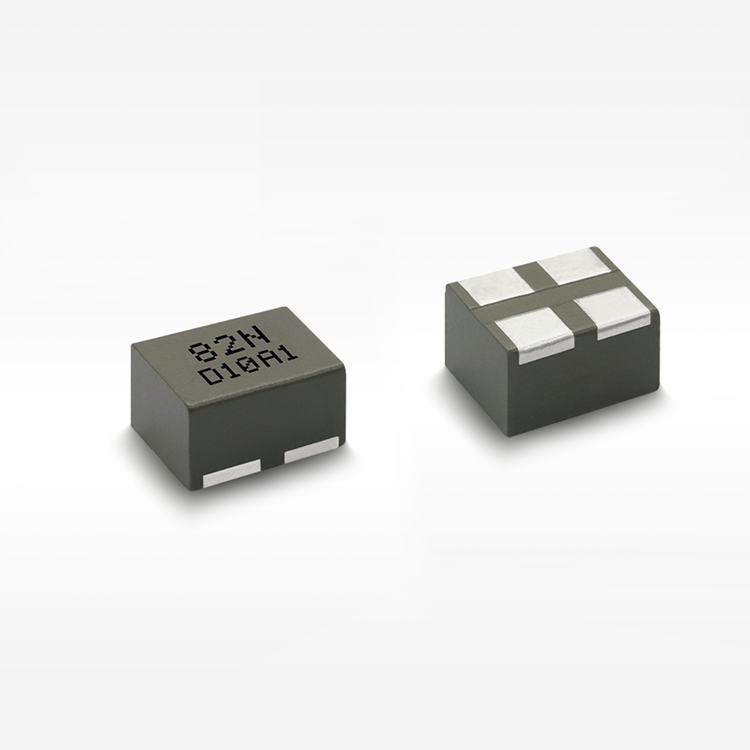
High Current Low Resistance Inductors - Superior Power Management Solutions

All Categories

Get a Free Quote

Our representative will contact you soon.
Email
Name
Company Name
Message
0/1000

high current low resistance inductor

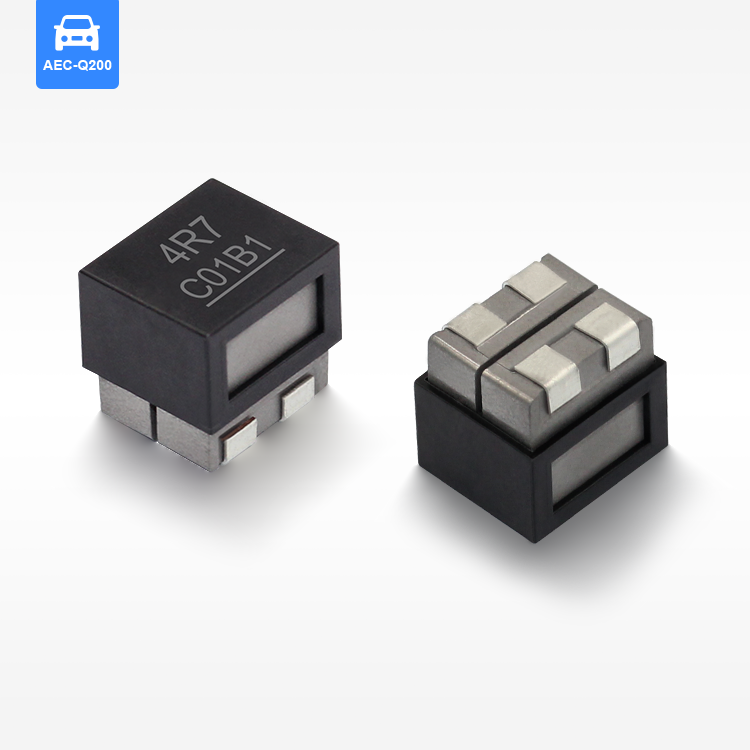
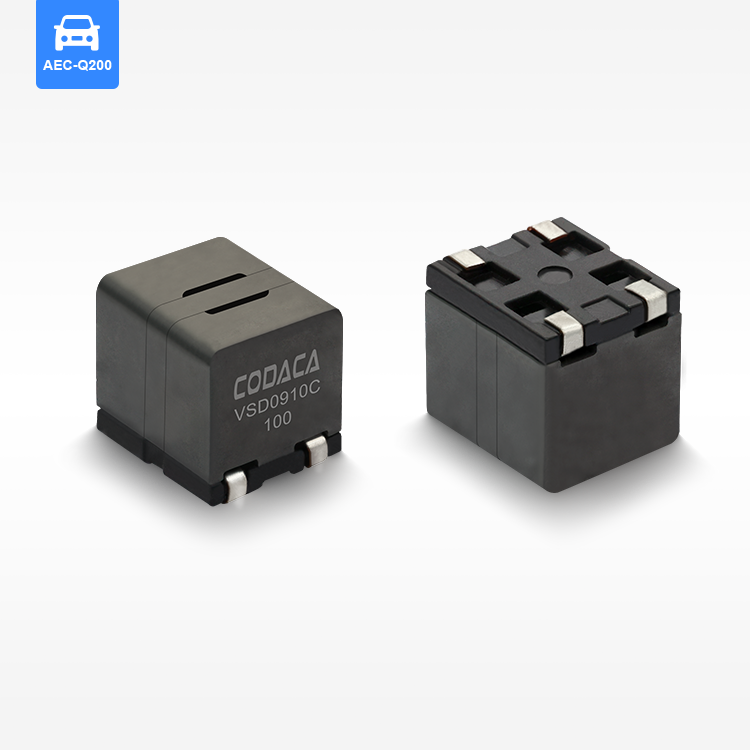
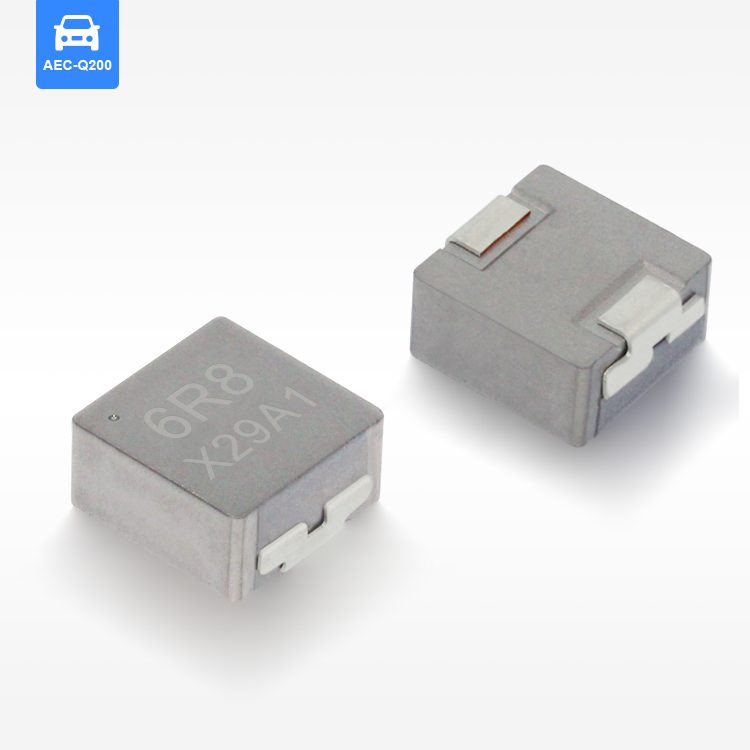
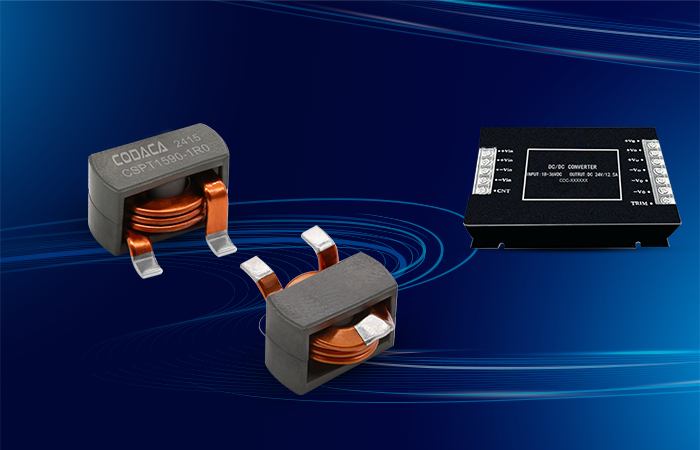
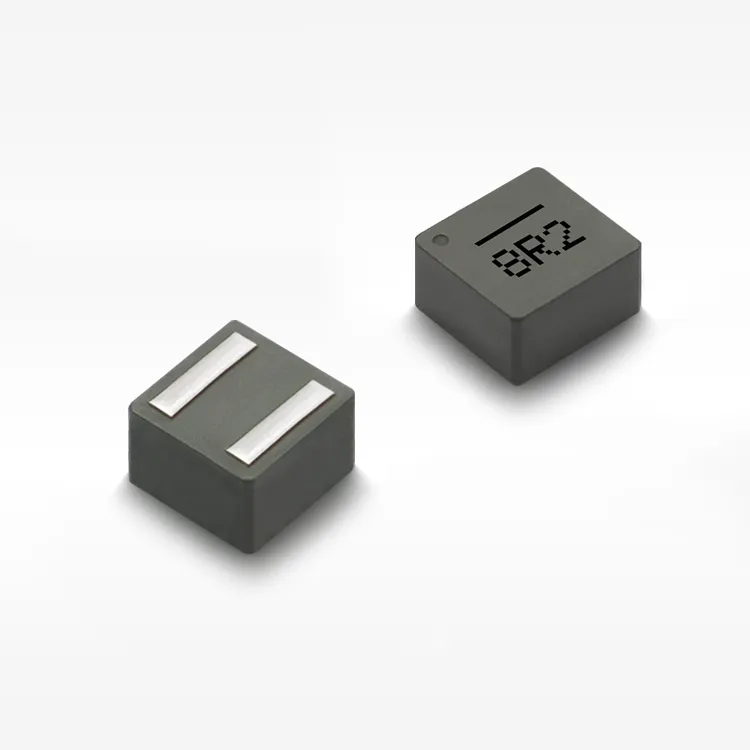
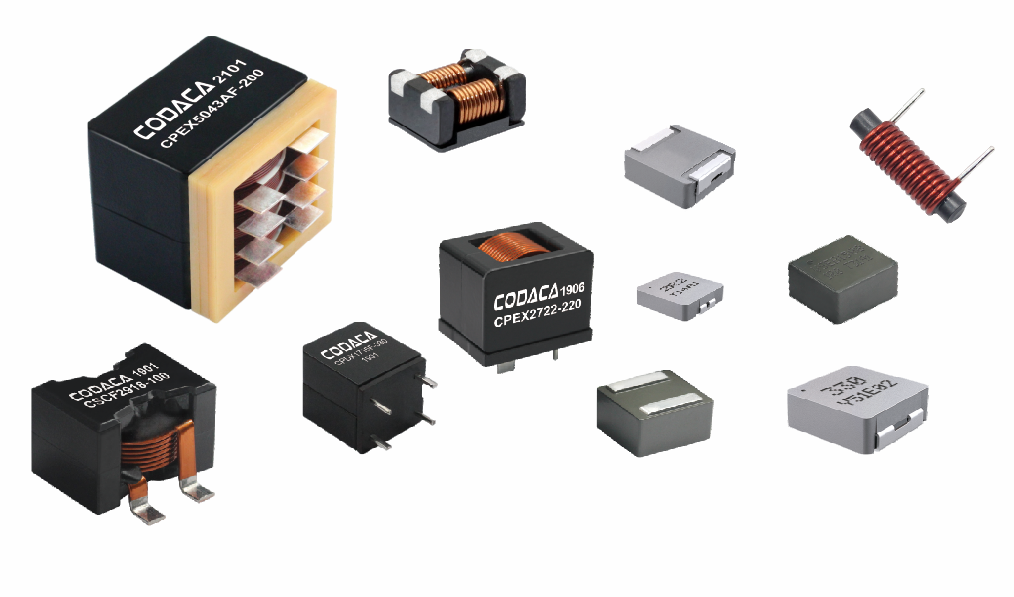
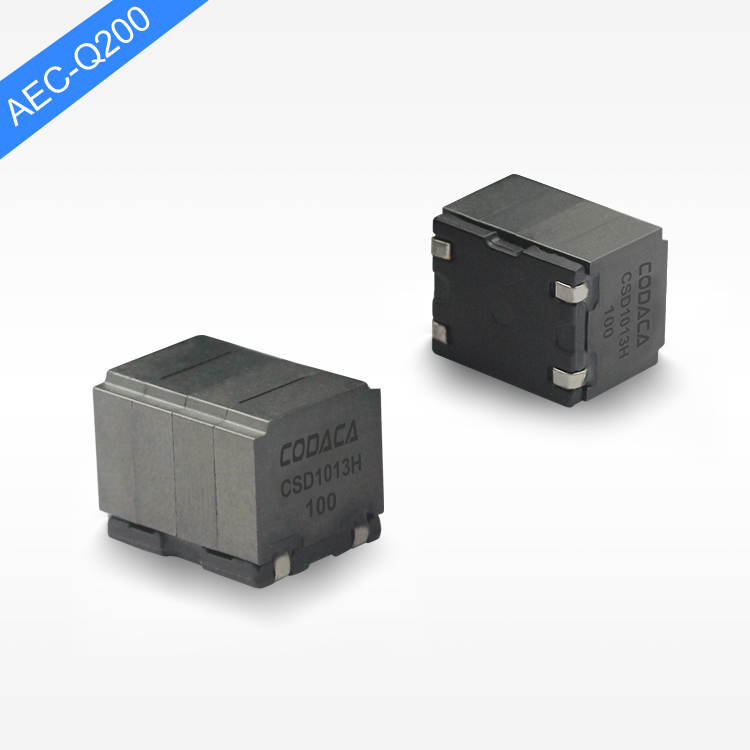
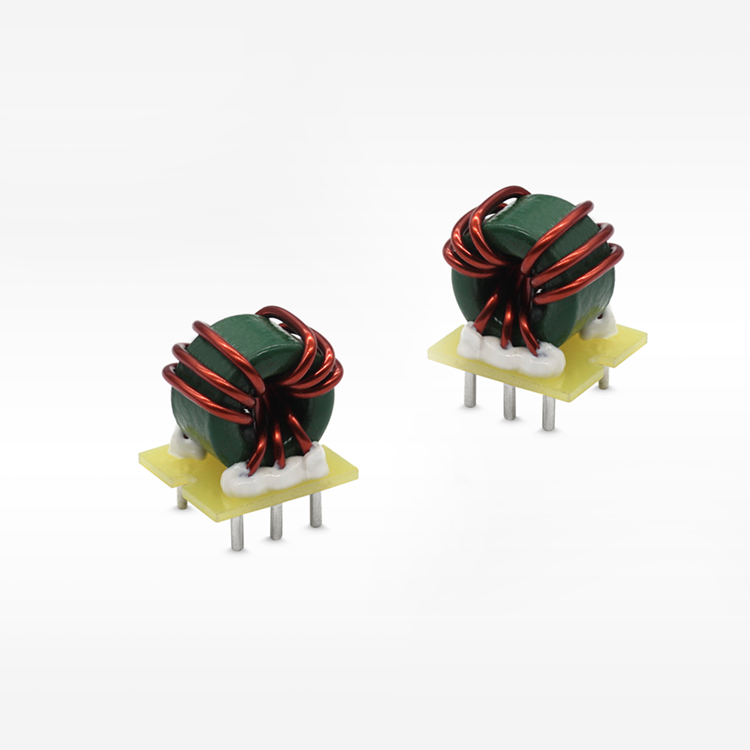
A high current low resistance inductor is an essential electronic component designed to handle substantial electrical currents while maintaining minimal resistance levels. These specialized inductors serve as energy storage devices that create magnetic fields when current flows through their coils, enabling efficient power management in various electronic systems. The primary function of a high current low resistance inductor involves filtering electrical signals, smoothing power supplies, and storing energy in switching circuits. Unlike conventional inductors, these components excel in high-power applications where current levels can reach several amperes or even hundreds of amperes. The technological features of high current low resistance inductors include advanced core materials such as ferrite, iron powder, or specialized alloys that enhance magnetic permeability while reducing core losses. The winding construction utilizes thick copper wire or multiple parallel conductors to minimize resistance and handle high currents effectively. Many designs incorporate innovative cooling mechanisms, including heat sinks or thermal pads, to dissipate generated heat during operation. These inductors maintain stable inductance values across varying current levels, ensuring consistent performance in demanding applications. The low resistance characteristic, typically measured in milliohms, reduces power losses and improves overall system efficiency. Applications for high current low resistance inductors span across numerous industries and electronic systems. Power supplies rely on these components for output filtering and energy storage, while DC-DC converters utilize them for voltage regulation and current smoothing. Electric vehicle charging systems incorporate high current low resistance inductors to manage power flow safely and efficiently. Renewable energy systems, including solar inverters and wind power converters, depend on these inductors for power conditioning and grid synchronization. Industrial motor drives, welding equipment, and battery management systems also benefit from their superior current handling capabilities and minimal resistance characteristics.

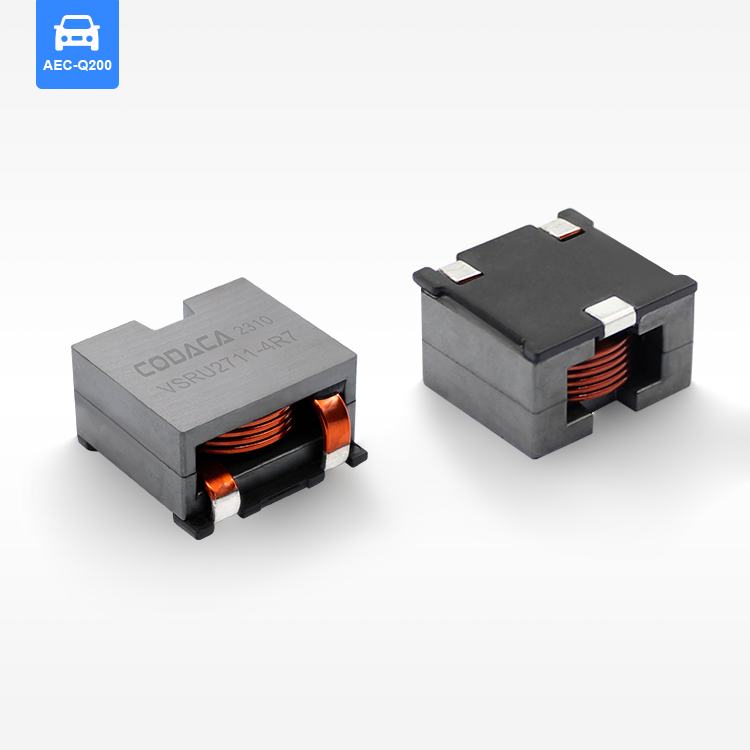
New Product Recommendations

High current low resistance inductors deliver exceptional performance benefits that make them indispensable for modern electronic applications. These components significantly improve system efficiency by minimizing power losses during operation. The low resistance design reduces heat generation, which translates to better thermal management and extended component lifespan. This efficiency improvement directly impacts energy consumption, leading to lower operating costs and reduced environmental impact for businesses and consumers alike. The superior current handling capability allows engineers to design more compact and powerful electronic systems. Traditional inductors often require parallel connections or oversized components to handle high currents, but high current low resistance inductors accomplish the same task with a single component. This simplification reduces board space requirements, lowers manufacturing costs, and improves system reliability by eliminating additional connection points that could fail over time. These inductors exhibit excellent stability across varying operating conditions, maintaining consistent inductance values even under high current stress. This stability ensures predictable circuit behavior and reduces the need for complex compensation circuits. Engineers can rely on consistent performance parameters throughout the component's operational life, simplifying design calculations and reducing development time. The robust construction of high current low resistance inductors enables them to withstand harsh operating environments, including extreme temperatures, vibrations, and electromagnetic interference. This durability makes them suitable for automotive, industrial, and aerospace applications where reliability is paramount. The components undergo rigorous testing to meet stringent quality standards, providing peace of mind for critical applications. Cost-effectiveness represents another significant advantage, as these inductors often eliminate the need for multiple standard inductors or additional cooling systems. The reduced component count simplifies procurement, inventory management, and assembly processes. Long-term reliability reduces maintenance costs and minimizes system downtime, providing excellent return on investment. The improved electromagnetic compatibility characteristics help systems meet regulatory requirements while reducing interference with nearby electronic devices. This benefit is particularly valuable in densely packed electronic environments where multiple systems operate in close proximity.

Tips And Tricks

Compact High Current Power Inductor: A Comparison of Materials and Designs

01

Apr

Compact High Current Power Inductor: A Comparison of Materials and Designs

Mn-Zn Ferrite: High Permeability and Frequency Response Mn-Zn ferrite is highly regarded in the field of inductors due to its high permeability, which facilitates an efficient magnetic flux path. This characteristic translates into improved inductan...
View More
Molding Power Chokes: A Comprehensive Review of the Market

13

May

Molding Power Chokes: A Comprehensive Review of the Market

What Are Molding Power Chokes? Definition and Core Functionality Molding power chokes are inductive elements that control current flow within circuits. For the transport of electrical power, energy is advantageously stored in magnetic fields, w...
View More
A Comprehensive Review of the SMD Power Inductor Market

13

May

A Comprehensive Review of the SMD Power Inductor Market

Overview of the SMD Power Inductor Market Defining SMD Power Inductors and Core Functionality SMD power inductor is a kind of basic components in electronic circuit which always used as a anti interference in electronics. They are parts of...
View More
How to Select the Right Inductor for Switching Power Supplies

26

May

How to Select the Right Inductor for Switching Power Supplies

An inductor is a common energy-storing passive component in circuits, playing roles such as filtering, boosting, and bucking in the design of switching power supplies. In the early stage of scheme design, engineers not only need to select appropriate...
View More

Get a Free Quote

Our representative will contact you soon.
Email
Name
Company Name
Message
0/1000

high current low resistance inductor

Superior Current Handling Capacity with Minimal Heat Generation

Superior Current Handling Capacity with Minimal Heat Generation

The exceptional current handling capacity of high current low resistance inductors sets them apart from conventional magnetic components in today's demanding electronic landscape. These specialized inductors can efficiently manage currents ranging from several amperes to hundreds of amperes without experiencing saturation or performance degradation. This remarkable capability stems from carefully engineered core materials and optimized winding configurations that maximize magnetic flux density while maintaining linear operating characteristics. The advanced ferrite or powder core materials used in these inductors provide superior magnetic permeability, allowing them to store more energy in smaller packages compared to traditional air-core or standard ferrite inductors. The minimal heat generation characteristic proves crucial for system reliability and efficiency. Traditional high-current applications often suffer from excessive heat buildup, requiring elaborate cooling systems and thermal management solutions. High current low resistance inductors address this challenge through their inherently low resistance design, typically featuring resistance values measured in milliohms rather than ohms. This dramatic resistance reduction directly translates to lower I²R losses, where even small resistance reductions yield significant heat reduction at high current levels. The thermal benefits extend beyond simple heat reduction, enabling more compact system designs and reducing the need for expensive cooling infrastructure. Engineers can place these inductors in tighter spaces without concern for thermal runaway or performance degradation. The stable temperature operation also ensures consistent electrical parameters throughout the operating range, eliminating the need for temperature compensation circuits that add complexity and cost to electronic systems. This superior thermal performance makes high current low resistance inductors ideal for automotive applications, where under-hood temperatures can exceed 125°C, and for industrial equipment that must operate reliably in harsh environmental conditions without active cooling systems.
Enhanced System Efficiency and Energy Conservation

Enhanced System Efficiency and Energy Conservation

High current low resistance inductors deliver outstanding energy efficiency improvements that directly impact both operational costs and environmental sustainability. The fundamental principle behind their efficiency advantage lies in the dramatic reduction of resistive losses during current flow. While conventional inductors may exhibit resistance values in the tens or hundreds of milliohms, high current low resistance inductors achieve resistance levels as low as single-digit milliohms or even sub-milliohm values. This resistance reduction becomes exponentially more important as current levels increase, since power loss follows the I²R relationship. For applications handling 50 amperes or more, even small resistance improvements can reduce power losses by hundreds of watts, translating to substantial energy savings over the component's operational lifetime. The efficiency improvements extend beyond simple resistive loss reduction to encompass improved magnetic performance characteristics. These inductors maintain higher Q-factors at operating frequencies, reducing losses from magnetic hysteresis and eddy currents within the core material. Advanced core geometries and specialized magnetic materials minimize these parasitic losses while maximizing energy storage capability. The result is an inductor that not only handles high currents efficiently but also maintains excellent frequency response characteristics essential for switching power supply applications. Energy conservation benefits become particularly pronounced in battery-powered applications, where every percentage point of efficiency improvement directly translates to extended operating time. Electric vehicle charging systems, renewable energy inverters, and portable power equipment all benefit significantly from the improved efficiency characteristics. The reduced power consumption also means lower heat generation throughout the entire system, creating a positive feedback loop where improved efficiency leads to better thermal performance, which in turn maintains optimal electrical characteristics. This efficiency advantage often allows system designers to specify smaller power supplies, reduce cooling requirements, and improve overall system power density while maintaining or improving performance specifications.
Compact Design Flexibility and Space Optimization

Compact Design Flexibility and Space Optimization

The space-saving design advantages of high current low resistance inductors revolutionize how engineers approach power electronics layout and system integration. These components achieve remarkable power density improvements by delivering high current handling capability in significantly smaller form factors compared to traditional inductor solutions. The compact design stems from advanced materials science and innovative winding techniques that maximize copper utilization while minimizing overall component dimensions. Modern high current low resistance inductors often incorporate flat wire or litz wire constructions that improve space efficiency and reduce AC resistance effects at higher frequencies. The space optimization benefits extend far beyond simple size reduction to encompass improved electromagnetic compatibility and thermal management characteristics. Smaller inductor footprints allow for more strategic component placement on printed circuit boards, enabling better separation between sensitive analog circuits and high-power switching elements. This improved layout capability reduces electromagnetic interference and allows designers to meet stringent EMC requirements without additional shielding or filtering components. The reduced component height also enables thinner overall product profiles, crucial for applications in tablets, laptops, and slim-profile industrial equipment where every millimeter of thickness matters. Design flexibility improvements manifest in multiple dimensions, allowing engineers to optimize their layouts for specific application requirements. Some high current low resistance inductors feature low-profile designs ideal for space-constrained applications, while others prioritize high current density in standard footprints. Modular designs enable easy scaling for different power levels without requiring complete circuit redesign. The improved form factors also simplify manufacturing and assembly processes, as smaller components require less precise placement tolerances and generate less mechanical stress on printed circuit boards during thermal cycling. This manufacturing advantage reduces production costs while improving yield rates and long-term reliability. The space efficiency ultimately enables more functionality in smaller products, allowing manufacturers to add features or improve performance without increasing product size or weight, providing significant competitive advantages in consumer electronics and portable equipment markets.