High Current Switching Inductors - Advanced Power Components for Efficient Energy Conversion

All Categories

Get a Free Quote

Our representative will contact you soon.
Email
Name
Company Name
Message
0/1000

high current switching inductor

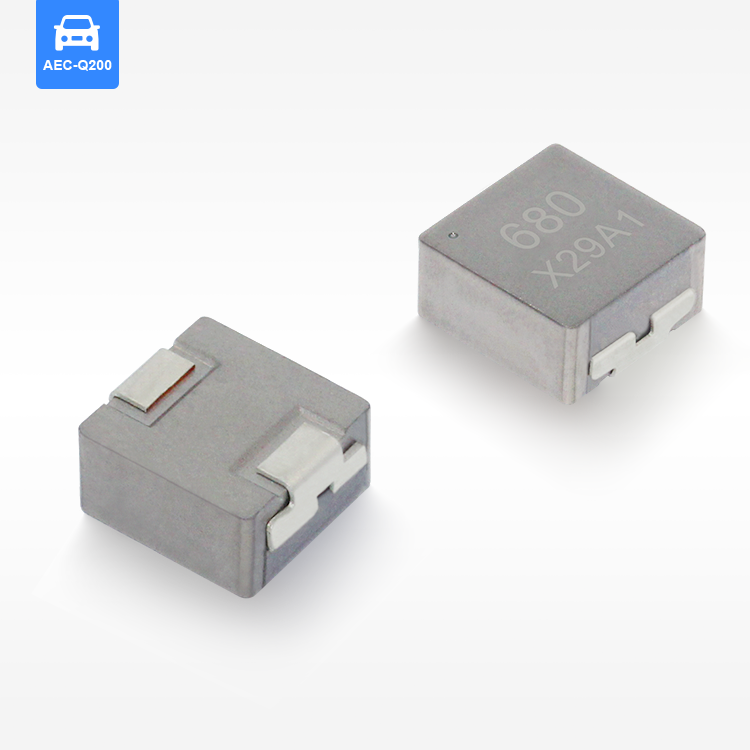
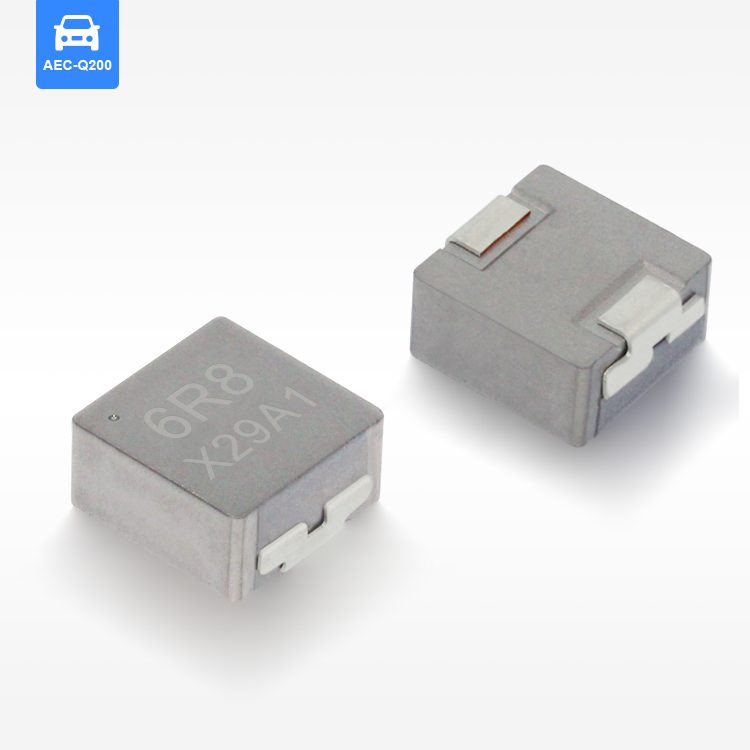
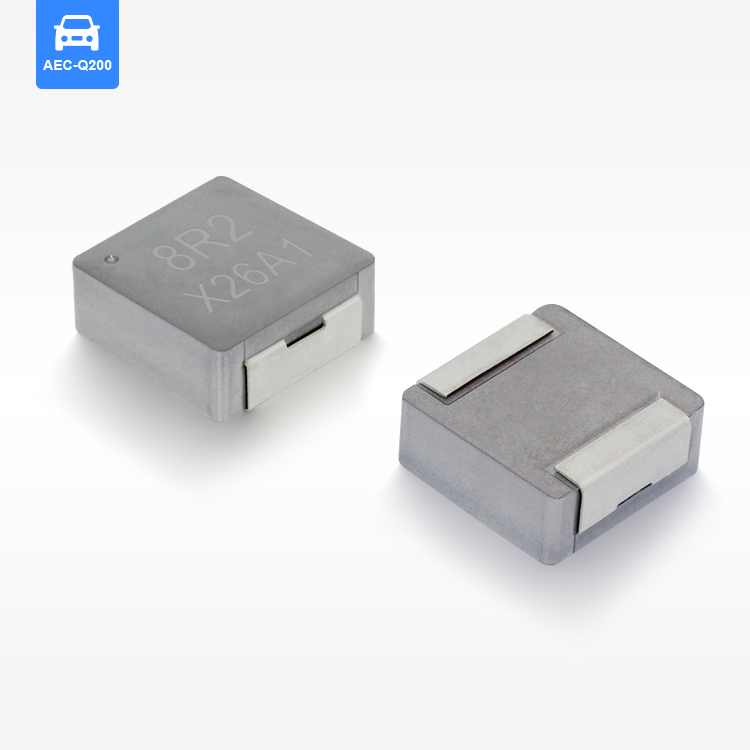
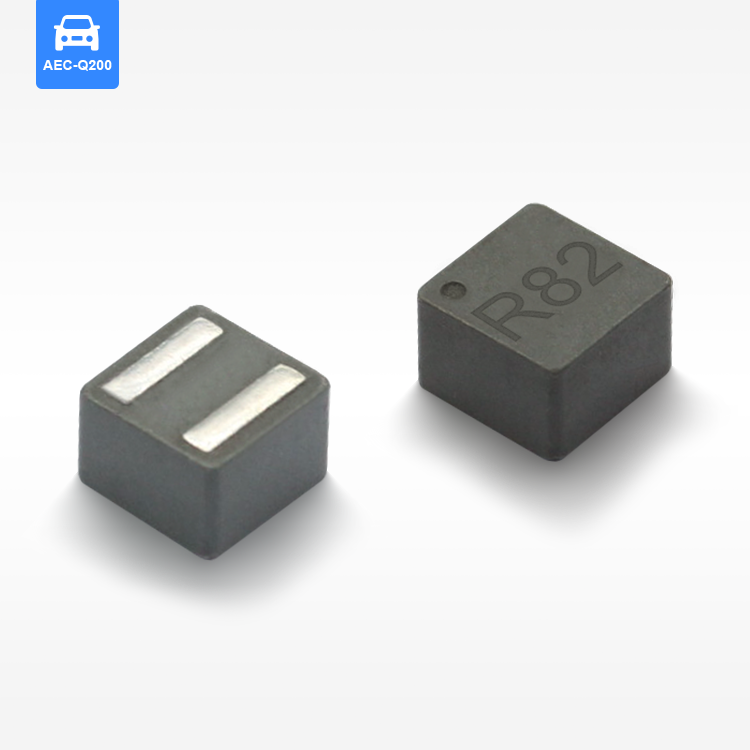
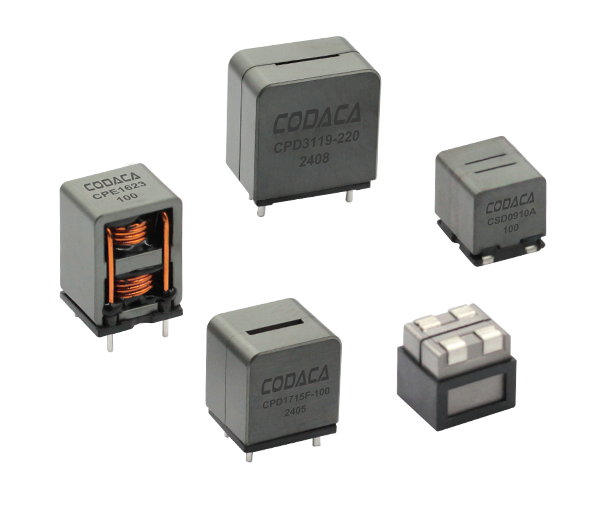
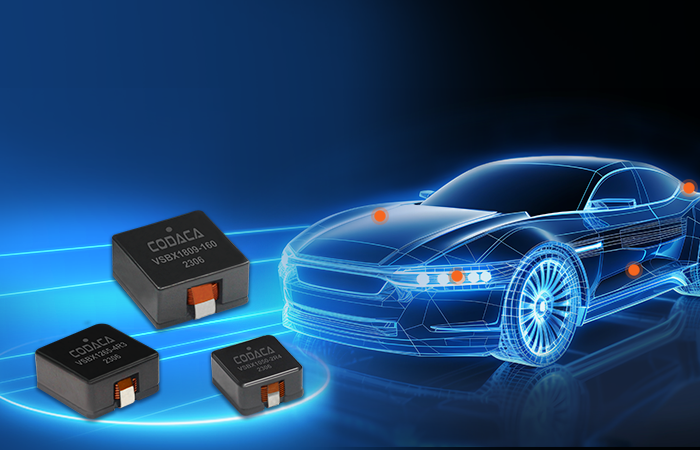
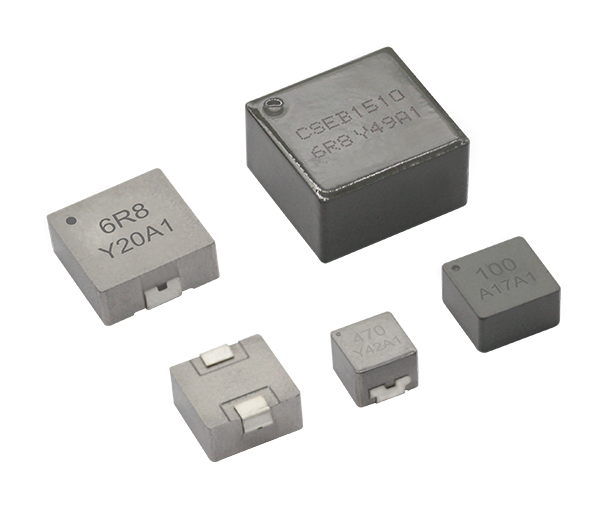
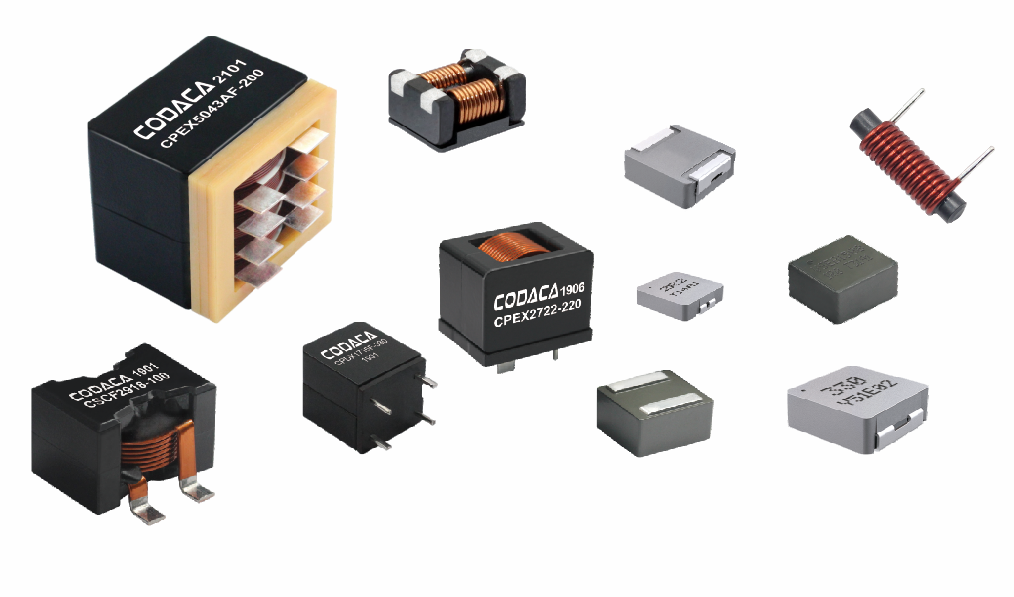
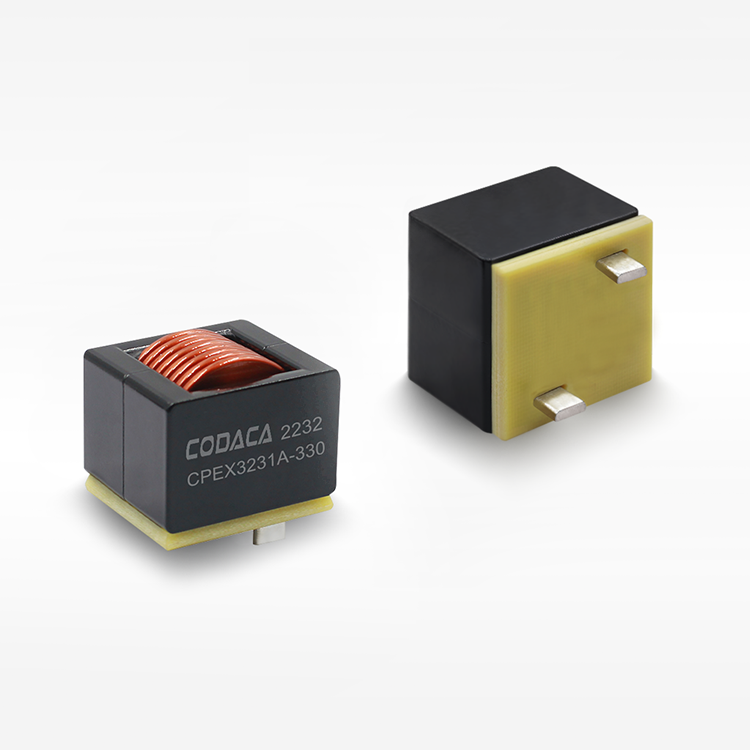
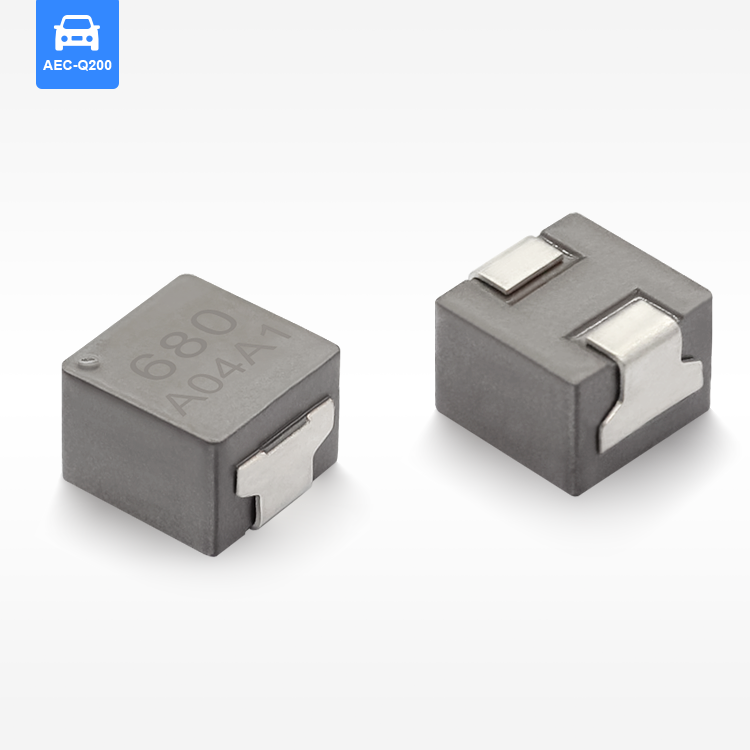
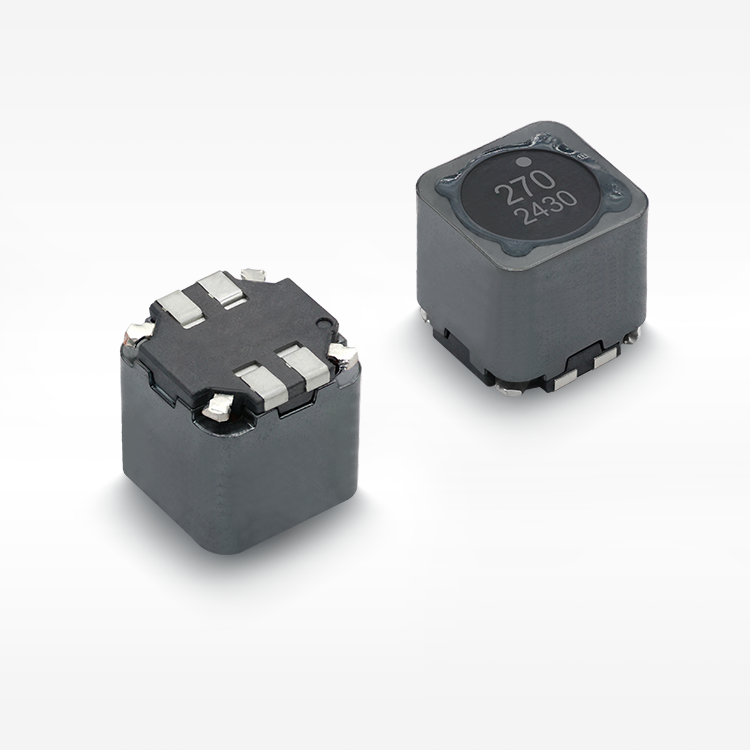
A high current switching inductor represents a critical component in modern power electronics, designed to handle substantial electrical currents while maintaining efficient energy conversion and minimal power losses. These specialized inductors serve as energy storage devices that temporarily store electrical energy in their magnetic field during switching operations, making them indispensable in various power management systems. The primary function of a high current switching inductor involves smoothing current ripples, filtering electromagnetic interference, and providing energy storage capabilities in switching power supplies, DC-DC converters, and motor drive circuits. These components excel at managing high-frequency switching operations while sustaining elevated current levels without experiencing saturation or thermal degradation. The technological foundation of high current switching inductors incorporates advanced core materials such as ferrite, powdered iron, or specialized alloys that exhibit superior magnetic properties and reduced core losses at high frequencies. The winding configuration utilizes heavy-gauge copper wire or specialized conductors designed to minimize resistance and heat generation while accommodating substantial current flow. Advanced manufacturing techniques ensure precise inductance values, tight tolerances, and consistent performance across varying temperature ranges. Modern high current switching inductors feature innovative core geometries that maximize magnetic coupling while minimizing electromagnetic interference. The applications for these components span across numerous industries including automotive electronics, renewable energy systems, industrial automation, telecommunications infrastructure, and consumer electronics. In electric vehicles, these inductors manage battery charging systems and motor control circuits. Solar power inverters rely on high current switching inductors for efficient DC-AC conversion processes. Data centers utilize these components in power factor correction circuits and voltage regulation modules. The robust construction of high current switching inductors enables reliable operation in demanding environments while maintaining stable electrical characteristics throughout their operational lifespan.

New Product Releases

High current switching inductors deliver exceptional performance benefits that directly translate into improved system reliability and operational efficiency for users across various applications. These components provide superior current handling capabilities compared to standard inductors, enabling designers to create more compact and powerful electronic systems without compromising performance or safety margins. The enhanced current capacity reduces the need for parallel inductor configurations, simplifying circuit design and reducing component count while lowering overall system costs. Users benefit from improved thermal management characteristics as high current switching inductors incorporate advanced cooling technologies and materials that dissipate heat more effectively, preventing temperature-related performance degradation and extending component lifespan. The low DCR (Direct Current Resistance) design minimizes power losses during operation, resulting in higher system efficiency and reduced energy consumption, which translates into lower operating costs and improved battery life in portable applications. These inductors demonstrate excellent magnetic shielding properties that reduce electromagnetic interference between circuit components, leading to cleaner power delivery and improved signal integrity throughout the system. The stable inductance characteristics across wide temperature ranges ensure consistent performance in varying environmental conditions, providing users with reliable operation regardless of ambient temperature fluctuations. High current switching inductors offer superior transient response capabilities, enabling faster switching speeds and improved dynamic load response in power conversion applications. This responsiveness enhances system performance during rapid load changes and improves overall power quality. The robust mechanical construction withstands vibration and shock conditions commonly encountered in automotive, industrial, and aerospace applications, reducing maintenance requirements and improving long-term reliability. Users appreciate the wide operating frequency range that accommodates various switching frequencies without significant performance penalties, providing design flexibility and optimization opportunities. The compact form factors available in high current switching inductors enable space-efficient designs while maintaining high power density, allowing engineers to create smaller products without sacrificing electrical performance. These advantages collectively result in improved product reliability, enhanced user experience, and reduced total cost of ownership across diverse applications.

Latest News

The Role of Inductors in Digital Amplifier Performance

14

May

The Role of Inductors in Digital Amplifier Performance

Inductors in amplifier circuits help you manage current flow effectively. They stabilize electrical signals and reduce unwanted noise. By doing so, they enhance the performance of your amplifier. These components also improve energy efficiency, ensur...
View More
How to Select the Best Automotive Grade High Current Power Inductors for Your Needs

31

Mar

How to Select the Best Automotive Grade High Current Power Inductors for Your Needs

Understanding Automotive Grade Requirements for Power Inductors AEC-Q200 Compliance and Certification AEC-Q200 is an essential industry standard for automotive components, ensuring products meet high-quality, reliability, and safety thresholds. This...
View More
Features of Painted and Unpainted Integrated Molded Inductors

26

May

Features of Painted and Unpainted Integrated Molded Inductors

Overview Integrated molded inductors are characterized by high saturation, low loss, strong electromagnetic interference (EMI) resistance, ultra-low buzzing noise, and high automation, making them widely used in various electronic devices. In the cur...
View More
How to Select the Right Inductor for Switching Power Supplies

26

May

How to Select the Right Inductor for Switching Power Supplies

An inductor is a common energy-storing passive component in circuits, playing roles such as filtering, boosting, and bucking in the design of switching power supplies. In the early stage of scheme design, engineers not only need to select appropriate...
View More

Get a Free Quote

Our representative will contact you soon.
Email
Name
Company Name
Message
0/1000

high current switching inductor

Advanced Core Technology for Maximum Current Handling

Advanced Core Technology for Maximum Current Handling

The revolutionary core technology employed in high current switching inductors represents a significant advancement in magnetic component design, offering users unprecedented current handling capabilities while maintaining exceptional efficiency and reliability. These inductors utilize proprietary core materials engineered specifically for high-current applications, featuring optimized magnetic permeability and saturation characteristics that prevent core saturation even under extreme current conditions. The advanced ferrite compositions incorporate rare earth elements and specialized additives that enhance magnetic flux density while reducing core losses at high frequencies. This technology enables the inductor to maintain stable inductance values across wide current ranges, ensuring consistent performance from light load to full load conditions. The innovative core geometry maximizes the effective magnetic path length while minimizing air gaps, resulting in superior magnetic coupling and reduced fringing effects that can cause unwanted electromagnetic emissions. Users benefit from this advanced core technology through improved power conversion efficiency, as the reduced core losses translate directly into lower heat generation and higher overall system efficiency. The enhanced magnetic properties allow for smaller core volumes compared to conventional designs while maintaining equivalent electrical performance, enabling more compact product designs without sacrificing functionality. Temperature stability represents another crucial advantage, as the advanced core materials maintain consistent magnetic properties across extended temperature ranges, ensuring reliable operation in harsh environmental conditions. The specialized manufacturing processes used to create these cores ensure exceptional quality control and consistent electrical parameters, reducing component-to-component variation and improving manufacturing yields for end users. This core technology also provides superior linearity characteristics, minimizing inductance variation with current changes and reducing harmonic distortion in switching applications. The result is cleaner power conversion with reduced electromagnetic interference and improved compliance with regulatory standards. Additionally, the robust core construction demonstrates excellent mechanical integrity, withstanding thermal cycling and mechanical stress without degradation, which translates into longer component lifespans and reduced maintenance requirements for users investing in these high-performance inductors.
Ultra-Low DCR Design for Enhanced Efficiency

Ultra-Low DCR Design for Enhanced Efficiency

The ultra-low DCR (Direct Current Resistance) design philosophy implemented in high current switching inductors delivers transformative efficiency improvements that directly impact system performance, operating costs, and environmental sustainability for users across diverse applications. This innovative design approach minimizes resistive losses through advanced conductor technologies, specialized winding techniques, and optimized thermal management solutions that collectively reduce power dissipation while maximizing current carrying capacity. The low resistance characteristics are achieved through carefully selected copper conductors with superior conductivity ratings, often utilizing oxygen-free copper or silver-plated variants that provide enhanced electrical performance and corrosion resistance. Advanced winding methodologies, including optimized layer arrangements and specialized insulation systems, minimize parasitic resistance while maintaining proper electrical isolation and mechanical stability. Users experience immediate benefits through improved power conversion efficiency, as the reduced DCR directly translates into lower I²R losses during operation, resulting in significant energy savings over the component's operational lifetime. This efficiency improvement becomes particularly valuable in battery-powered applications where extended runtime and reduced charging frequency enhance user experience and operational convenience. The thermal advantages of ultra-low DCR design extend beyond mere efficiency gains, as reduced power dissipation results in lower operating temperatures throughout the entire system. This thermal improvement enhances component reliability, extends service life, and reduces the need for elaborate cooling systems, simplifying overall system design and reducing manufacturing costs. In high-current applications, even small DCR reductions yield substantial power savings due to the quadratic relationship between current and resistive losses, making this technology especially valuable for power-hungry applications such as motor drives, battery chargers, and high-power DC-DC converters. The improved thermal performance also enables higher current density designs, allowing engineers to specify smaller inductors for given power levels or achieve higher power ratings in existing form factors. Users benefit from enhanced system stability as the reduced temperature rise improves long-term parameter stability and reduces thermal stress on surrounding components. The ultra-low DCR design also contributes to improved transient response characteristics, as the reduced resistance enables faster current rise and fall times during switching transitions, resulting in better dynamic performance and reduced switching losses throughout the power conversion system.

Electromagnetic Compatibility and Interference Suppression

Electromagnetic Compatibility and Interference Suppression

The sophisticated electromagnetic compatibility and interference suppression capabilities integrated into high current switching inductors provide users with superior signal integrity and regulatory compliance advantages that are essential in today's increasingly complex electronic environments. These inductors incorporate advanced shielding technologies and optimized magnetic circuit designs that effectively contain electromagnetic fields while suppressing conducted and radiated interference, ensuring clean power delivery and minimal impact on sensitive circuit components. The electromagnetic design utilizes carefully engineered core geometries and winding configurations that minimize leakage inductance and reduce parasitic capacitance, resulting in superior high-frequency performance and reduced electromagnetic emissions. Specialized shielding techniques, including magnetic shielding cores and conductive barriers, contain magnetic fields within the component structure, preventing interference with nearby circuits and sensitive components such as analog amplifiers, precision measurement circuits, and communication modules. Users benefit significantly from these EMC features through simplified system-level compliance with international electromagnetic compatibility standards, reducing the need for additional filtering components and expensive shielding enclosures while accelerating product certification processes. The interference suppression capabilities extend beyond mere containment, as these inductors actively filter high-frequency noise and switching harmonics generated by power conversion circuits, resulting in cleaner DC outputs and reduced ripple voltage that improves overall system performance. This filtering action protects sensitive downstream components from switching noise and voltage transients, enhancing system reliability and extending component lifespans throughout the electronic system. The optimized magnetic circuit design also provides excellent common-mode noise rejection, effectively suppressing ground loops and conducted interference that can propagate through power distribution networks and cause system-wide performance degradation. Users appreciate the reduced need for external EMI filtering components, as the inductor's inherent interference suppression capabilities often eliminate the requirement for separate common-mode chokes and differential-mode filters, simplifying circuit designs and reducing component costs. The electromagnetic compatibility features also contribute to improved measurement accuracy in precision instrumentation applications, as the reduced noise floor enables more accurate signal processing and data acquisition. In communication systems, the superior EMC performance prevents interference with radio frequency circuits and ensures compliance with strict electromagnetic emission limits required for wireless device certification. These comprehensive electromagnetic compatibility and interference suppression capabilities make high current switching inductors ideal for applications in automotive electronics, medical devices, aerospace systems, and industrial automation where electromagnetic compatibility requirements are particularly stringent and system reliability is paramount.