High Frequency Inductance: Advanced Electronic Components for Superior Performance and Efficiency

All Categories

Get a Free Quote

Our representative will contact you soon.
Email
Name
Company Name
Message
0/1000

high frequency inductance

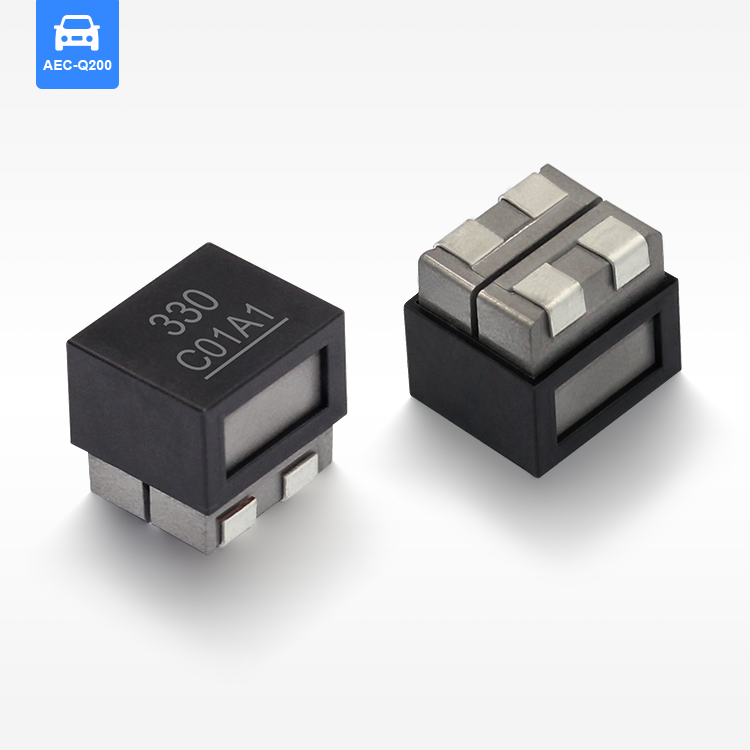
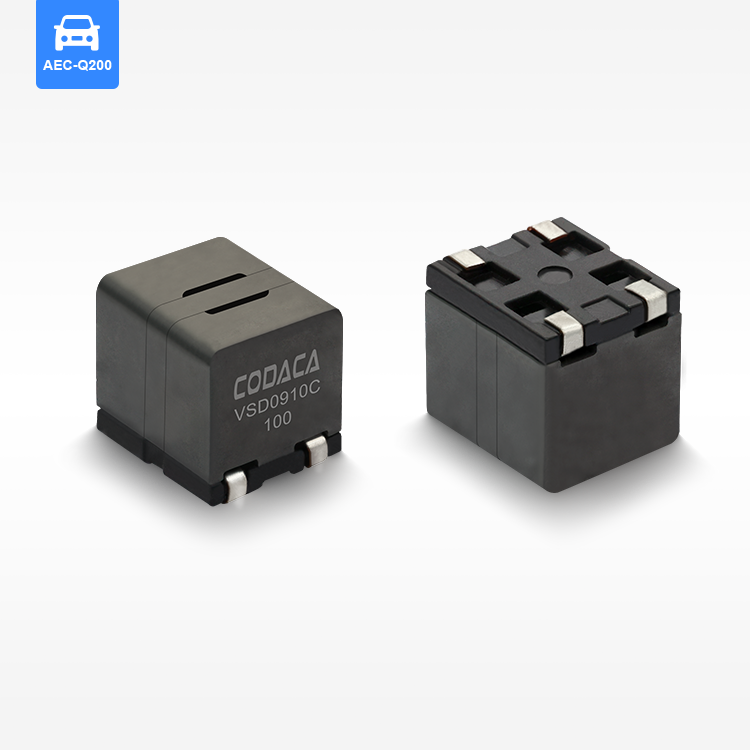
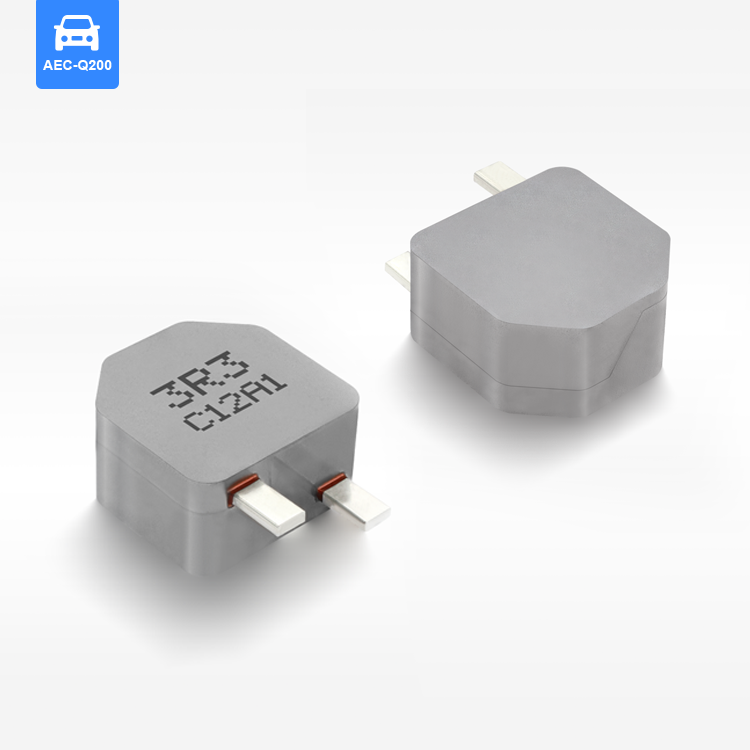
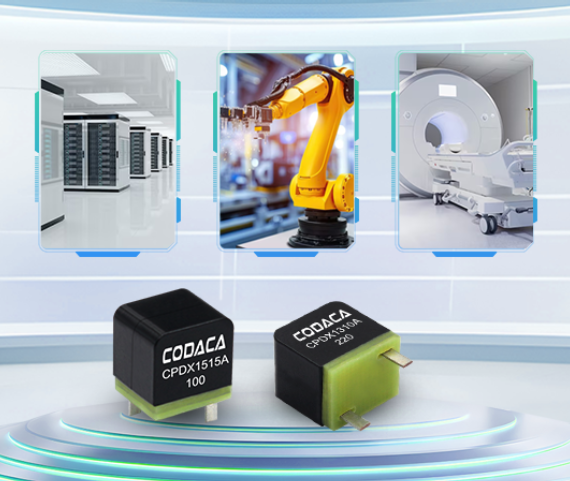
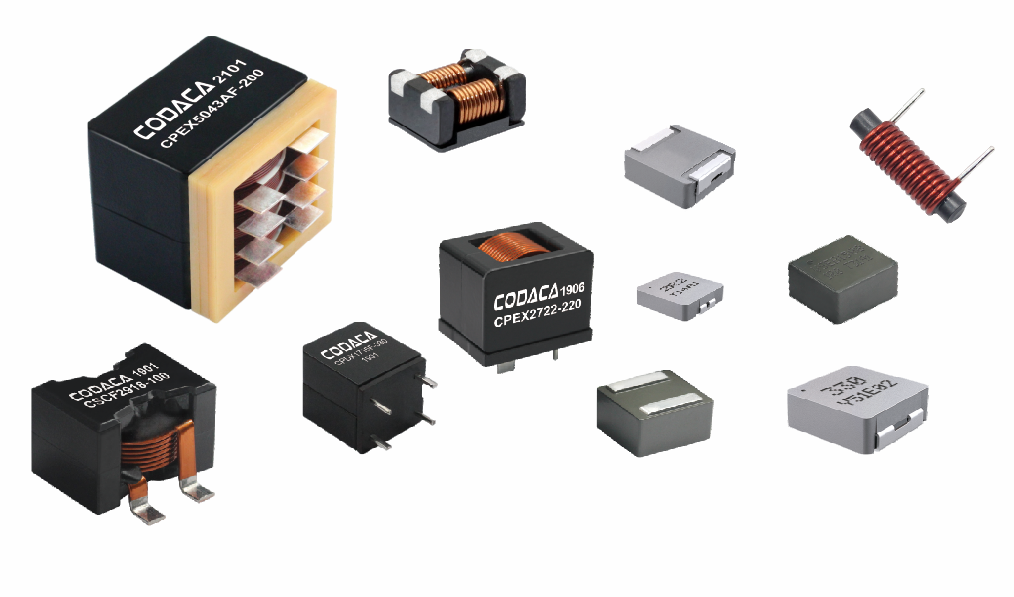
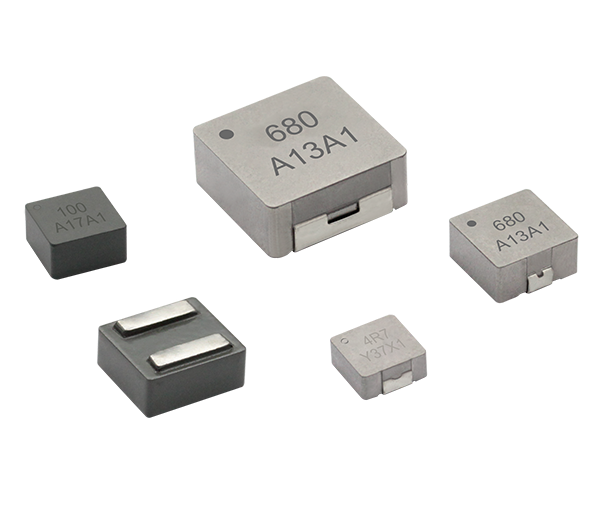
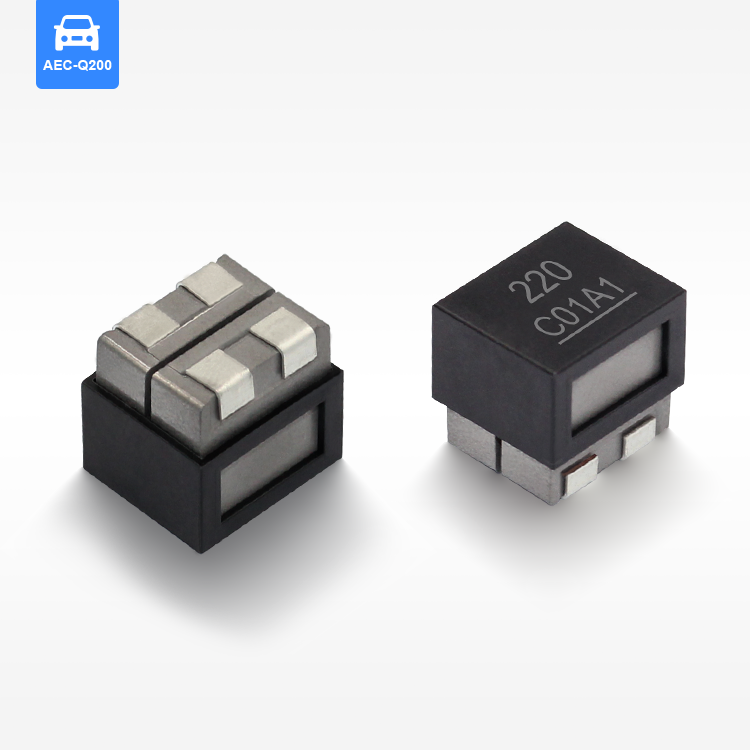
High frequency inductance represents a critical component in modern electronic systems, designed to handle electromagnetic energy at elevated frequencies ranging from several kilohertz to hundreds of megahertz. This specialized electronic component stores energy in magnetic fields while maintaining exceptional performance characteristics across demanding frequency ranges. The high frequency inductance operates by creating magnetic flux linkages through carefully engineered core materials and winding configurations that minimize parasitic effects commonly found in standard inductors. Core construction typically utilizes ferrite materials, powdered iron, or air-core designs to achieve optimal permeability characteristics while reducing eddy current losses that plague conventional inductors at elevated frequencies. The technological architecture incorporates precision-wound conductors arranged in specific geometries to minimize skin effect phenomena and proximity losses that become pronounced at higher operational frequencies. Advanced manufacturing processes ensure consistent electrical parameters including inductance values, quality factors, and resonant frequency characteristics. Primary functions encompass energy storage, current smoothing, noise filtering, impedance matching, and oscillation control within switching power supplies, radio frequency circuits, telecommunications equipment, and high-speed digital systems. The high frequency inductance maintains stable electrical characteristics across wide temperature ranges while exhibiting minimal drift in inductance values under varying environmental conditions. Applications span diverse industries including automotive electronics, medical devices, aerospace systems, consumer electronics, and industrial automation equipment. Modern high frequency inductance designs incorporate shielding technologies to minimize electromagnetic interference while maximizing power handling capabilities. These components enable efficient power conversion, signal processing, and frequency selective filtering essential for contemporary electronic device functionality. The evolution of high frequency inductance technology continues advancing through materials science innovations, manufacturing precision improvements, and design optimization techniques that enhance performance metrics while reducing physical dimensions and manufacturing costs.

New Products

High frequency inductance offers substantial performance benefits that directly translate into improved system efficiency and operational reliability for end users. These components deliver superior energy storage capabilities while maintaining minimal power losses across extended frequency ranges, resulting in enhanced overall system efficiency that reduces operating costs and extends battery life in portable applications. The advanced core materials and optimized winding techniques employed in high frequency inductance construction provide exceptional stability under varying temperature conditions, ensuring consistent performance throughout diverse environmental scenarios without requiring complex compensation circuits. Users benefit from reduced electromagnetic interference thanks to integrated shielding technologies that prevent unwanted signal coupling while maintaining compact form factors suitable for space-constrained applications. The high frequency inductance exhibits excellent current handling capabilities that support robust power delivery requirements in demanding applications such as motor drives, power converters, and high-current switching circuits. Manufacturing precision ensures tight tolerance specifications that eliminate the need for manual adjustment or calibration procedures, reducing assembly time and production costs while improving manufacturing yield rates. These components demonstrate exceptional longevity through materials engineering that resists degradation from thermal cycling, humidity exposure, and mechanical stress, minimizing maintenance requirements and replacement frequency throughout extended service periods. The high frequency inductance supports wide bandwidth operation that accommodates multiple frequency ranges within single designs, simplifying circuit architecture while reducing component count and associated costs. Advanced magnetic core technologies enable higher energy density storage compared to conventional alternatives, allowing designers to achieve superior performance in smaller physical packages that support miniaturization trends in modern electronics. Quality factor optimization ensures minimal energy dissipation during operation, contributing to cooler running temperatures that enhance overall system reliability while reducing cooling requirements. The standardized package options and industry-standard footprints facilitate easy integration into existing designs while supporting automated assembly processes that reduce labor costs. These advantages combine to deliver measurable improvements in system performance, operational efficiency, and long-term reliability that provide tangible value propositions for equipment manufacturers and end users across diverse application segments.

Tips And Tricks

How High Current Power Inductors Enhance Energy Efficiency

31

Mar

How High Current Power Inductors Enhance Energy Efficiency

Introduction High current power inductors are crucial components in power electronics, designed to store energy in a magnetic field while allowing significant currents to pass through. These inductors are essential for a variety of applications, inc...
View More
Molding Power Chokes: A Comprehensive Review of the Market

13

May

Molding Power Chokes: A Comprehensive Review of the Market

What Are Molding Power Chokes? Definition and Core Functionality Molding power chokes are inductive elements that control current flow within circuits. For the transport of electrical power, energy is advantageously stored in magnetic fields, w...
View More
How to Select the Right Inductor for Switching Power Supplies

26

May

How to Select the Right Inductor for Switching Power Supplies

An inductor is a common energy-storing passive component in circuits, playing roles such as filtering, boosting, and bucking in the design of switching power supplies. In the early stage of scheme design, engineers not only need to select appropriate...
View More
How to Select Wires in the Preparation Process of Integrated Molding Power Choke

26

May

How to Select Wires in the Preparation Process of Integrated Molding Power Choke

Wires are one of the crucial raw materials in the preparation of integrated molded inductors. Selecting appropriate wires exerts a significant impact on their manufacturing process. The following content will provide a brief introduction to wire sele...
View More

Get a Free Quote

Our representative will contact you soon.
Email
Name
Company Name
Message
0/1000

high frequency inductance

Superior Frequency Response and Stability

Superior Frequency Response and Stability

The exceptional frequency response characteristics of high frequency inductance represent a fundamental advantage that sets these components apart from conventional inductor technologies. This superior performance stems from advanced core material selection and precision engineering that minimizes parasitic effects typically encountered at elevated frequencies. The high frequency inductance maintains consistent electrical parameters across wide frequency bands, preventing the inductance roll-off and quality factor degradation that plague standard inductors when operating beyond their optimal frequency ranges. Specialized ferrite core formulations exhibit controlled permeability characteristics that remain stable across temperature variations and frequency changes, ensuring predictable circuit behavior under diverse operating conditions. The optimized winding geometries employed in high frequency inductance construction minimize inter-turn capacitance and reduce skin effect losses that become increasingly problematic as frequencies rise above several kilohertz. This stability translates into improved signal integrity for high-speed digital circuits, enhanced filtering effectiveness in power conversion applications, and superior oscillation control in radio frequency systems. Users benefit from reduced design complexity since circuit compensation networks typically required to address frequency-dependent parameter variations become unnecessary when implementing high frequency inductance solutions. The consistent performance characteristics enable accurate circuit modeling and simulation, reducing development time and improving first-pass design success rates. Manufacturing processes incorporate stringent quality control measures that ensure batch-to-batch consistency in frequency response characteristics, eliminating the parameter variations that can compromise system performance in mass production scenarios. The superior frequency stability of high frequency inductance components supports advanced modulation schemes and high-data-rate communications protocols that demand precise timing and minimal signal distortion. Applications in switching power supplies benefit from stable inductance values across load variations and input voltage changes, resulting in improved regulation accuracy and reduced output ripple. This frequency response superiority enables designers to push operating frequencies higher while maintaining efficiency and performance standards, supporting the ongoing trend toward increased switching frequencies that enable smaller magnetic components and improved transient response in power conversion systems.
Enhanced Power Handling and Thermal Management

Enhanced Power Handling and Thermal Management

The enhanced power handling capabilities of high frequency inductance components deliver exceptional performance advantages through advanced thermal management and current density optimization that exceed conventional inductor specifications. These components utilize specialized conductor materials and winding techniques that maximize current carrying capacity while minimizing resistive losses and hot spot formation that can lead to premature component failure. The high frequency inductance incorporates optimized core geometries that provide superior heat dissipation pathways, enabling higher power operation without exceeding safe temperature limits that could degrade magnetic properties or damage insulation systems. Advanced core materials exhibit excellent thermal conductivity characteristics that facilitate rapid heat transfer from internal hot spots to external surfaces where cooling systems can effectively remove excess thermal energy. The enhanced current handling capability stems from carefully selected wire gauges and parallel conductor configurations that reduce current density while maintaining compact form factors suitable for space-constrained applications. Specialized insulation systems withstand elevated temperatures while providing excellent dielectric strength that prevents breakdown under high voltage stress conditions common in power conversion applications. Users benefit from improved system efficiency through reduced copper losses and core losses that translate into lower operating temperatures and extended component life expectancy. The superior power handling characteristics enable single high frequency inductance components to replace multiple smaller inductors in parallel configurations, reducing complexity and improving reliability while decreasing overall system costs. Thermal modeling and finite element analysis during design optimization ensure that temperature distributions remain within acceptable limits across all operational scenarios, preventing thermal runaway conditions that could compromise system integrity. The enhanced thermal management capabilities support higher switching frequencies in power conversion applications, enabling smaller magnetic components and improved dynamic response characteristics. Applications in automotive electronics benefit from the ability to handle surge currents and thermal cycling without performance degradation, ensuring reliable operation throughout extended service intervals under harsh environmental conditions. Industrial motor drive systems utilize the enhanced power handling capabilities to achieve higher efficiency ratings while maintaining compact enclosure sizes that reduce installation space requirements and material costs.
Compact Design with Superior Performance Density

Compact Design with Superior Performance Density

The compact design philosophy behind high frequency inductance technology achieves remarkable performance density improvements that enable significant space savings while maintaining or exceeding the electrical characteristics of larger conventional components. This miniaturization advantage results from advanced core materials that provide higher permeability values per unit volume, allowing designers to achieve required inductance values in substantially smaller physical packages. The high frequency inductance utilizes optimized magnetic circuit designs that maximize flux density utilization while minimizing core material requirements, resulting in components that deliver equivalent or superior performance in packages up to sixty percent smaller than traditional alternatives. Precision manufacturing techniques enable tighter winding geometries and improved fill factors that increase energy storage density while maintaining excellent thermal dissipation characteristics essential for reliable operation. The compact form factor supports modern electronics miniaturization trends by reducing board space requirements, enabling more functionality integration within existing enclosure constraints while improving overall system packaging efficiency. Surface mount package options provide excellent mechanical stability and automated assembly compatibility that reduces manufacturing costs while improving production throughput rates. The superior performance density characteristics enable portable electronics manufacturers to extend battery life through improved efficiency while reducing overall device weight and dimensions that enhance user experience. High frequency inductance components achieve these compact dimensions without compromising electrical isolation or safety margins, maintaining industry standard clearance and creepage distances essential for regulatory compliance. Advanced materials engineering incorporates high-strength magnetic cores that resist mechanical stress and vibration damage while supporting miniaturized package designs suitable for harsh operating environments. The compact design enables higher component density on printed circuit boards, reducing interconnection lengths that improve signal integrity while decreasing electromagnetic interference susceptibility. Applications in aerospace and medical devices particularly benefit from the weight and space savings achieved through compact high frequency inductance implementations that maintain stringent performance and reliability requirements. Manufacturing economies of scale associated with standardized compact packages reduce component costs while improving availability and supply chain reliability. The performance density advantages support next-generation product development initiatives that demand continuous miniaturization while maintaining or improving functional capabilities, enabling competitive advantages in rapidly evolving technology markets.