High-Performance Low DCR Inductance: Superior Efficiency & Advanced Technology Solutions

All Categories

Get a Free Quote

Our representative will contact you soon.
Email
Name
Company Name
Message
0/1000

low dcr inductance

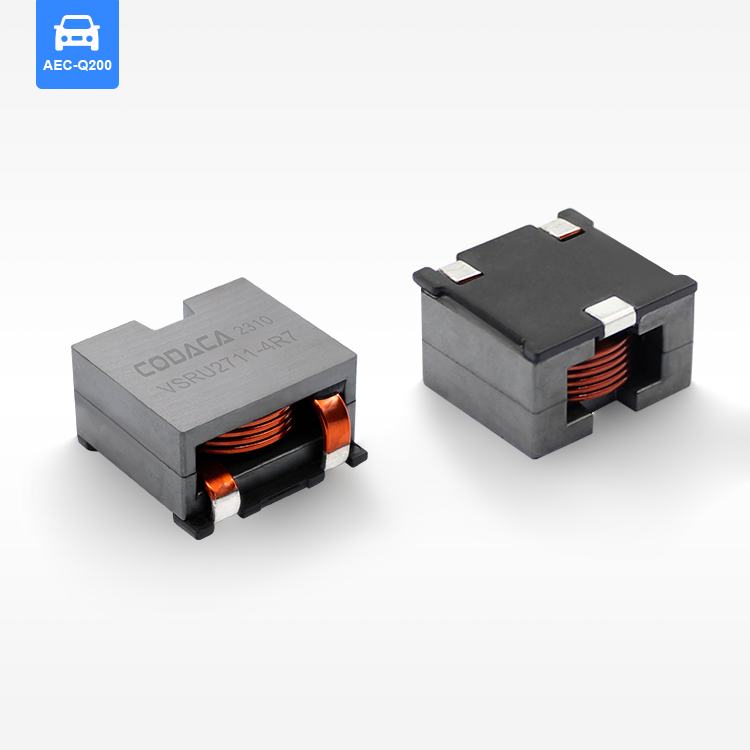
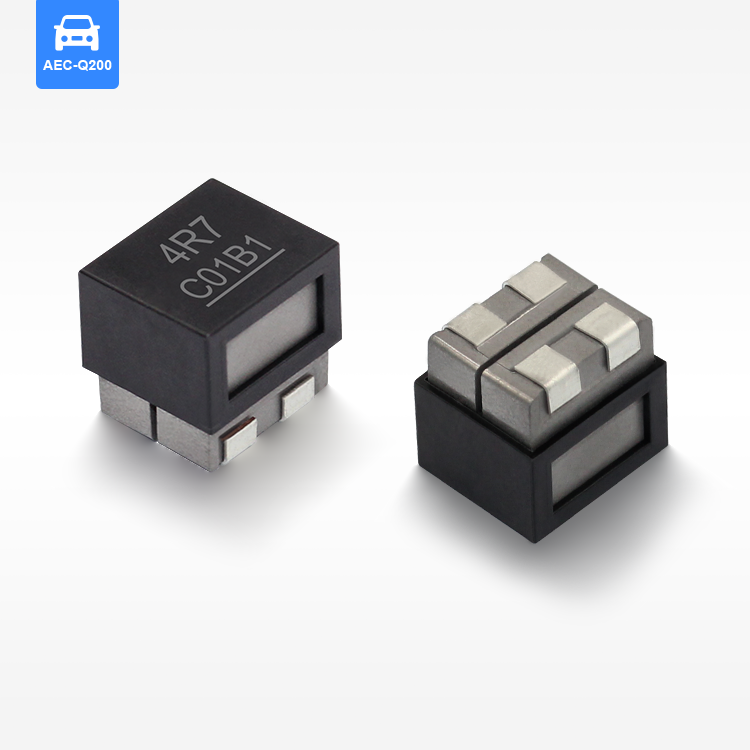
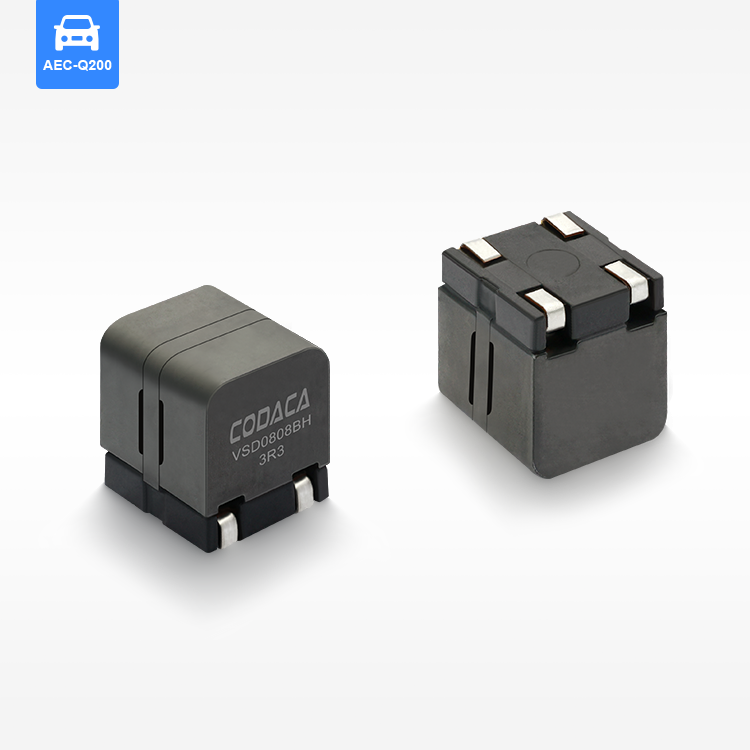
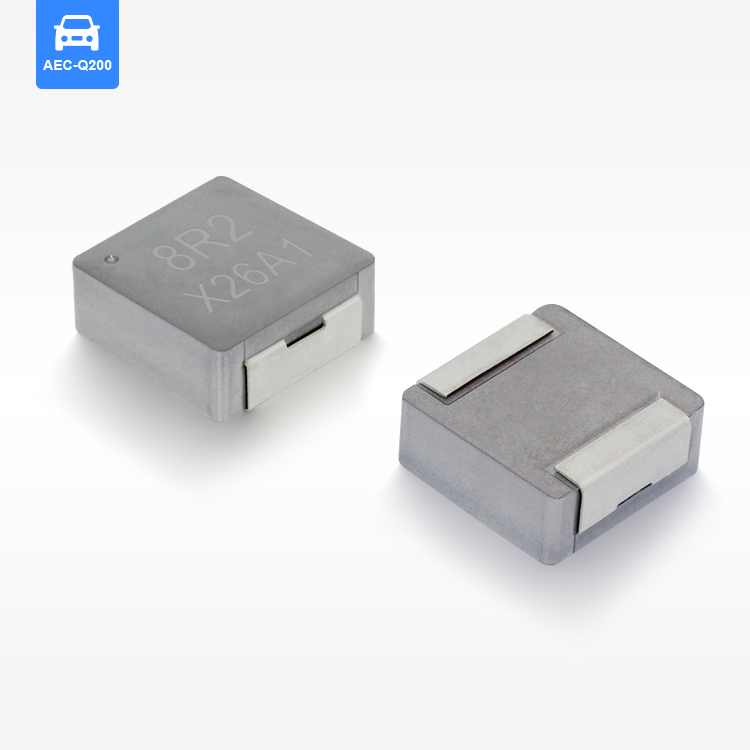
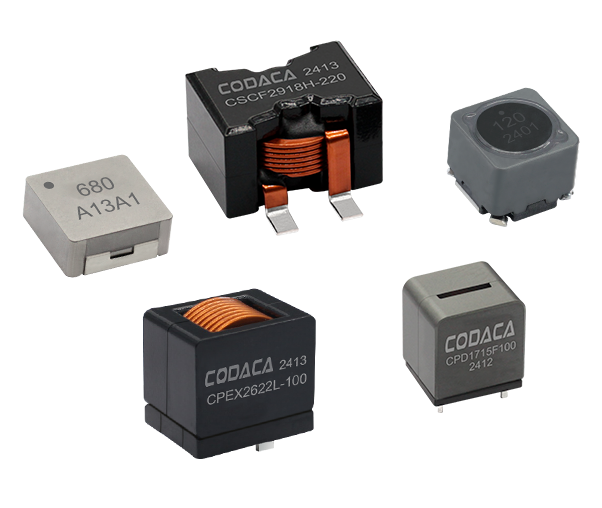
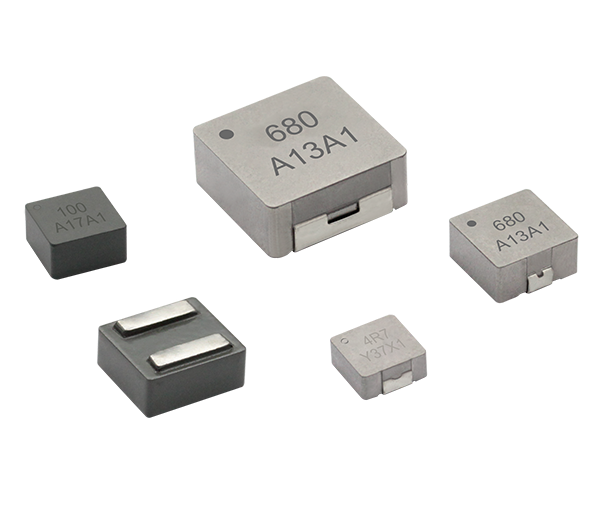
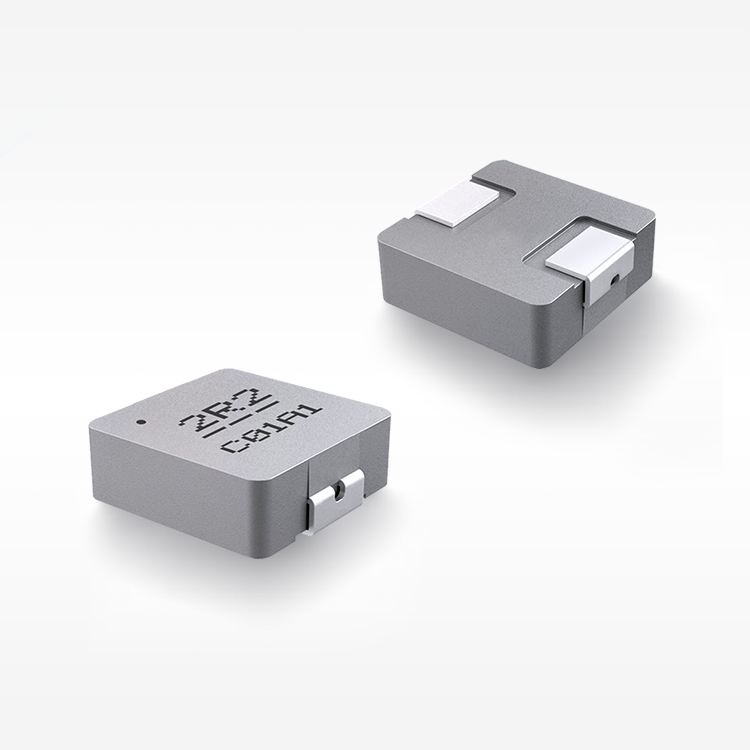
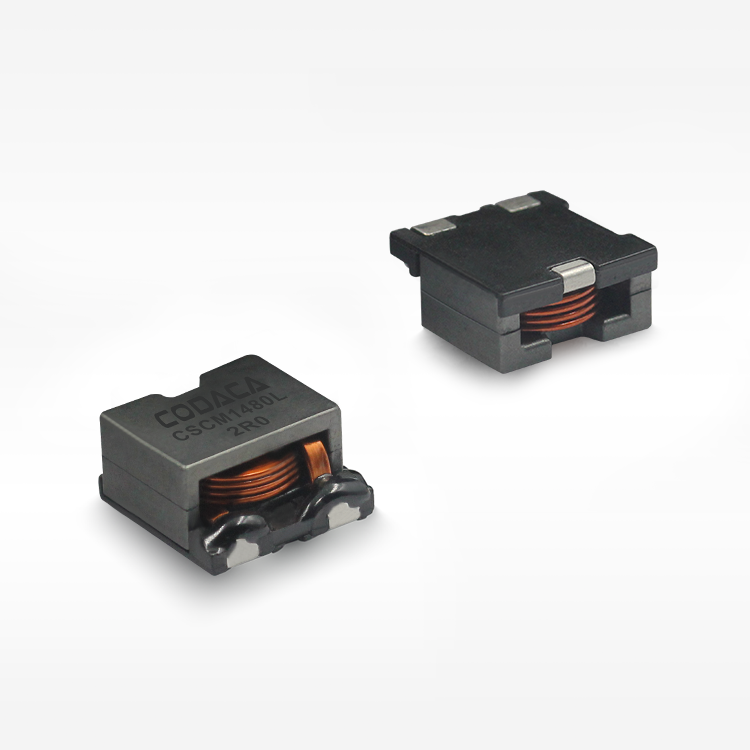
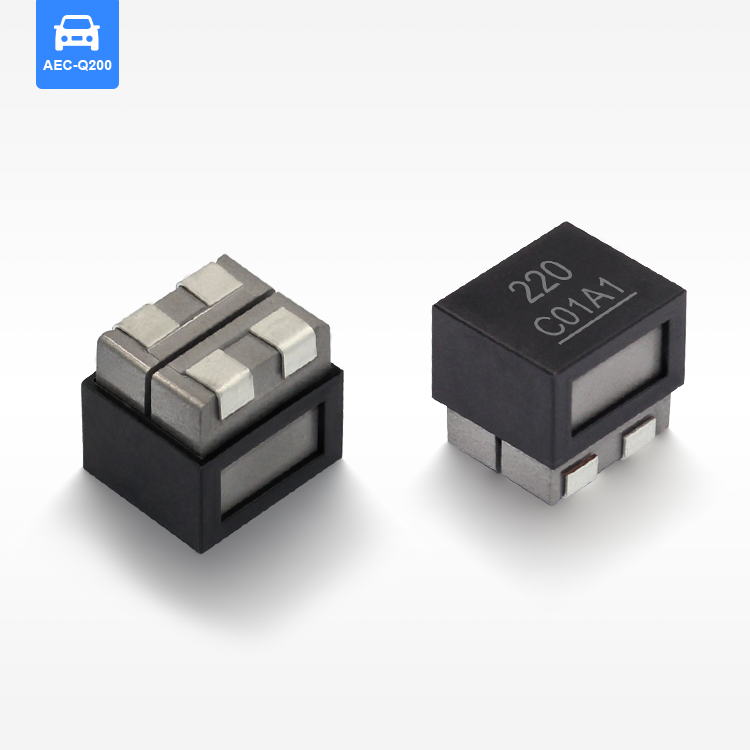
Low DCR inductance represents a revolutionary advancement in electromagnetic component technology, specifically engineered to minimize DC resistance while maintaining optimal inductance values. These sophisticated components play a crucial role in power management systems, voltage regulation circuits, and energy-efficient electronic devices. The primary function of low DCR inductance components centers on reducing power losses that typically occur due to resistance in traditional inductors. By minimizing the DC resistance, these inductors significantly improve overall system efficiency and thermal performance. The technological foundation of low DCR inductance relies on advanced materials science and precision manufacturing techniques. Engineers utilize high-permeability ferrite cores combined with specially designed copper windings that feature larger cross-sectional areas and optimized conductor geometries. This approach reduces the resistance path while preserving the magnetic properties essential for proper inductance operation. Modern low DCR inductance designs incorporate multi-layer construction techniques, where multiple thin conductors replace single thick wires, effectively reducing skin effect losses at higher frequencies. Surface-mount technology compatibility ensures seamless integration into compact electronic assemblies. The applications for low DCR inductance span across numerous industries, including automotive electronics, renewable energy systems, telecommunications infrastructure, and portable consumer devices. In automotive applications, these components enhance the efficiency of electric vehicle charging systems and power steering modules. Renewable energy systems benefit from improved power conversion efficiency in solar inverters and wind turbine controllers. Telecommunications equipment relies on low DCR inductance for stable power delivery in base stations and networking hardware. The manufacturing process involves precise control of core materials, winding techniques, and quality assurance protocols to ensure consistent performance across temperature variations and operational stress conditions. These components represent a critical advancement in achieving higher efficiency standards demanded by modern electronic systems.

Popular Products

The advantages of low DCR inductance technology deliver substantial benefits that directly impact system performance and operational costs. The most significant advantage lies in dramatically improved energy efficiency, where reduced DC resistance translates to lower power losses during operation. This efficiency improvement becomes particularly valuable in battery-powered devices, where every watt saved extends operational time and reduces charging frequency requirements. The enhanced efficiency also reduces heat generation, which eliminates the need for extensive cooling systems and improves component reliability over extended periods. Cost savings emerge as another major advantage, as lower power consumption reduces electricity bills in large-scale installations and extends battery life in portable applications. The superior thermal management capabilities of low DCR inductance components allow for more compact system designs without compromising performance or reliability. This space-saving benefit becomes crucial in modern electronics where miniaturization drives market competitiveness. The improved power handling capacity enables engineers to design more robust systems that can manage higher current loads without excessive heating or performance degradation. Low DCR inductance components exhibit excellent frequency response characteristics, maintaining stable performance across wide frequency ranges, which proves essential in switching power supplies and RF applications. The manufacturing quality and consistency of these components ensure predictable performance, reducing design iterations and accelerating product development cycles. Installation and maintenance advantages include standard footprint compatibility with existing designs, allowing for easy upgrades without requiring circuit board modifications. The long-term reliability of low DCR inductance components reduces maintenance costs and system downtime, providing significant value in critical applications where continuous operation is mandatory. Environmental benefits include reduced carbon footprint due to lower energy consumption and decreased waste heat generation. The advanced materials used in low DCR inductance construction resist degradation from temperature cycling and mechanical stress, ensuring consistent performance throughout the component lifecycle. These practical advantages make low DCR inductance an intelligent investment for engineers seeking to optimize system performance while controlling operational costs.

Latest News

Industrial Power Inductors: The Key to Improving Power Conversion Efficiency

07

Apr

Industrial Power Inductors: The Key to Improving Power Conversion Efficiency

Power inductors play a vital role in modern power electronics. They store energy efficiently and release it when needed, ensuring smooth energy transfer. You rely on them to reduce energy losses in systems like DC-DC converters. This improves overall...
View More
The Role of Industrial Power Inductors in Modern Electronics

07

Apr

The Role of Industrial Power Inductors in Modern Electronics

Industrial power inductors play a vital role in modern electronics. They store energy, filter signals, and convert power to ensure your devices operate efficiently. These components stabilize circuits by controlling current flow and reducing noise. Y...
View More
How High Current Power Inductors Enhance Energy Efficiency

31

Mar

How High Current Power Inductors Enhance Energy Efficiency

Introduction High current power inductors are crucial components in power electronics, designed to store energy in a magnetic field while allowing significant currents to pass through. These inductors are essential for a variety of applications, inc...
View More
How to Select Wires in the Preparation Process of Integrated Molding Power Choke

26

May

How to Select Wires in the Preparation Process of Integrated Molding Power Choke

Wires are one of the crucial raw materials in the preparation of integrated molded inductors. Selecting appropriate wires exerts a significant impact on their manufacturing process. The following content will provide a brief introduction to wire sele...
View More

Get a Free Quote

Our representative will contact you soon.
Email
Name
Company Name
Message
0/1000

low dcr inductance

Superior Energy Efficiency and Power Loss Reduction

Superior Energy Efficiency and Power Loss Reduction

The exceptional energy efficiency of low DCR inductance components represents a paradigm shift in power management technology, delivering unprecedented performance improvements that directly benefit end users and system operators. The fundamental principle behind this efficiency lies in the dramatically reduced DC resistance, which minimizes the power losses that plague traditional inductors during operation. When current flows through conventional inductors, the inherent resistance converts electrical energy into waste heat, reducing overall system efficiency and requiring additional cooling mechanisms. Low DCR inductance technology addresses this challenge through innovative design approaches that reduce resistance paths while maintaining optimal magnetic properties. The engineering achievement involves utilizing advanced core materials with higher permeability ratings, combined with conductor designs that maximize cross-sectional area while minimizing length. This approach reduces the resistance encountered by current flow, resulting in power loss reductions of up to 70 percent compared to standard inductors. The practical implications of this efficiency improvement extend far beyond simple energy savings. In battery-powered applications, such as smartphones, tablets, and electric vehicles, reduced power losses translate directly to extended operational time between charges. For grid-connected systems like solar inverters and industrial motor drives, the efficiency gains result in measurable cost savings on electricity bills and reduced environmental impact. The superior thermal performance eliminates hot spots that commonly develop in traditional inductors, allowing for more reliable operation and extended component lifespan. System designers benefit from the ability to implement more compact thermal management solutions, reducing overall system size and weight. The consistent efficiency performance across varying load conditions ensures optimal energy utilization regardless of operational demands, making low DCR inductance components ideal for applications with fluctuating power requirements.

Advanced Manufacturing Technology and Quality Assurance

Advanced Manufacturing Technology and Quality Assurance

The manufacturing excellence behind low DCR inductance components represents cutting-edge production technology that ensures consistent performance and reliability across demanding applications. The sophisticated manufacturing process begins with precision-controlled core material preparation, where high-permeability ferrite materials undergo specialized treatment to optimize their magnetic properties while maintaining dimensional stability. Advanced automated winding techniques utilize computer-controlled machinery to achieve precise conductor placement and tension control, ensuring uniform magnetic field distribution and minimal parasitic effects. The multi-layer conductor approach employed in low DCR inductance manufacturing involves depositing thin copper layers through electroplating processes that achieve superior conductor uniformity compared to traditional wire-wound methods. Quality assurance protocols implement comprehensive testing at multiple production stages, including automated optical inspection systems that verify winding integrity and dimensional accuracy. Electrical parameter testing validates inductance values, DC resistance measurements, and frequency response characteristics using calibrated precision instruments. Environmental stress testing exposes components to temperature cycling, humidity variations, and mechanical vibration to ensure reliable performance under real-world operating conditions. The manufacturing facility maintains strict contamination control standards, utilizing cleanroom environments during critical assembly processes to prevent particulate interference with magnetic properties. Advanced material traceability systems track each component from raw materials through final testing, ensuring complete manufacturing history documentation for quality control and reliability analysis. Statistical process control methods monitor production consistency, automatically adjusting manufacturing parameters to maintain tight tolerance specifications. The investment in state-of-the-art production equipment enables high-volume manufacturing while preserving the precision required for optimal low DCR inductance performance. Continuous improvement programs incorporate feedback from field applications to refine manufacturing processes and enhance component reliability. This commitment to manufacturing excellence ensures that each low DCR inductance component meets stringent performance standards and provides consistent results across diverse applications.
Versatile Applications and System Integration Benefits

Versatile Applications and System Integration Benefits

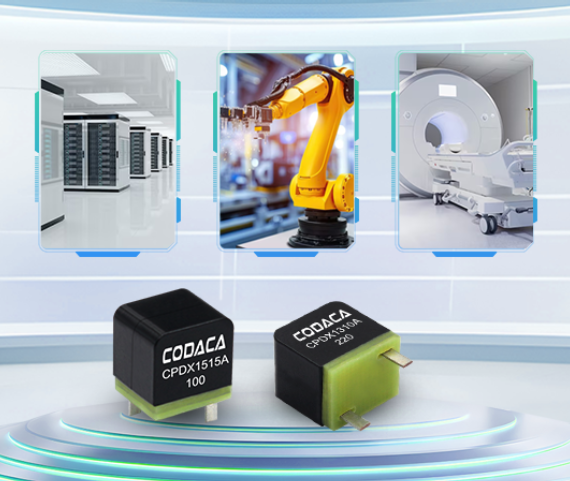
The remarkable versatility of low DCR inductance components enables seamless integration across diverse applications, from consumer electronics to industrial power systems, delivering consistent performance benefits regardless of the specific implementation requirements. This adaptability stems from the standardized footprint compatibility that allows direct replacement of conventional inductors without requiring circuit board modifications or system redesigns. The wide range of available inductance values and current ratings ensures optimal component selection for specific application requirements, whether supporting low-power sensor circuits or high-current motor drive systems. In automotive applications, low DCR inductance components excel in electric vehicle charging systems, where efficiency improvements directly impact charging time and energy costs. The enhanced thermal performance proves crucial in engine bay environments where temperature extremes challenge conventional components. Telecommunications infrastructure benefits significantly from the frequency response characteristics of low DCR inductance, maintaining signal integrity in high-speed data transmission systems while reducing power consumption in base station equipment. Industrial automation systems utilize these components in variable frequency drives and servo controllers, where the improved efficiency reduces heat generation and enables more compact control panel designs. Renewable energy applications showcase the environmental benefits of low DCR inductance technology, with solar inverters achieving higher conversion efficiency and wind turbine controllers operating more reliably under varying load conditions. The medical electronics sector values the consistent performance and low electromagnetic interference characteristics, essential for sensitive diagnostic equipment and patient monitoring systems. Consumer electronics manufacturers appreciate the space-saving benefits and extended battery life enabled by low DCR inductance components in smartphones, tablets, and wearable devices. The integration advantages extend to simplified thermal management requirements, allowing engineers to reduce heatsink sizes and eliminate cooling fans in many applications. This thermal efficiency particularly benefits server farms and data centers, where reduced cooling requirements translate to significant operational cost savings and improved environmental sustainability.