High-Performance Ferrite Shielded Power Inductors - Superior EMI Shielding and Power Efficiency

All Categories

Get a Free Quote

Our representative will contact you soon.
Email
Name
Company Name
Message
0/1000

ferrite shielded power inductor

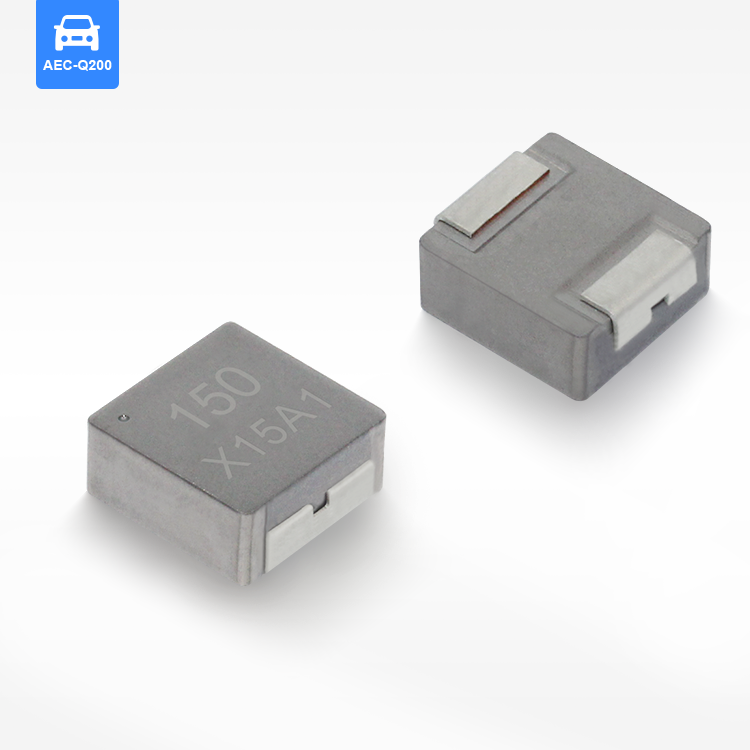
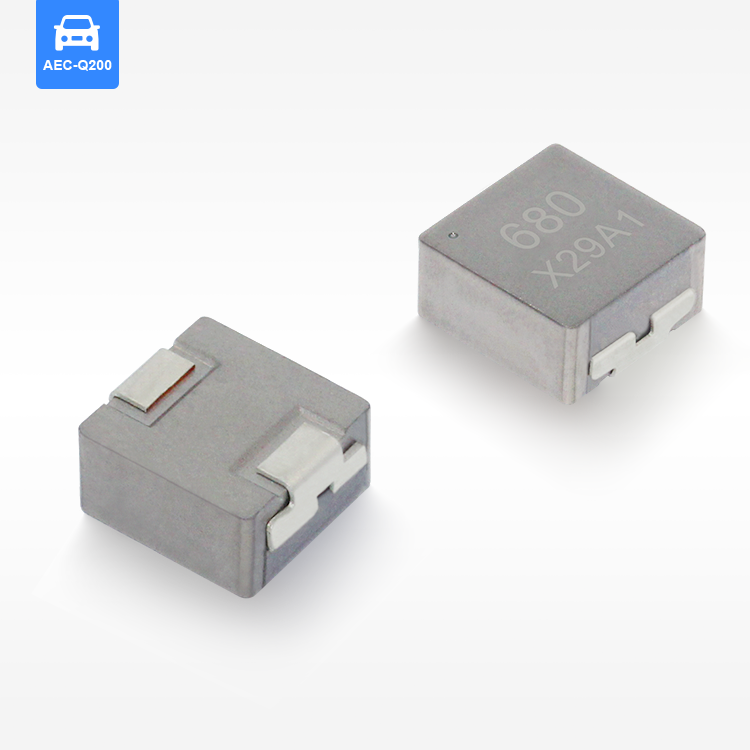
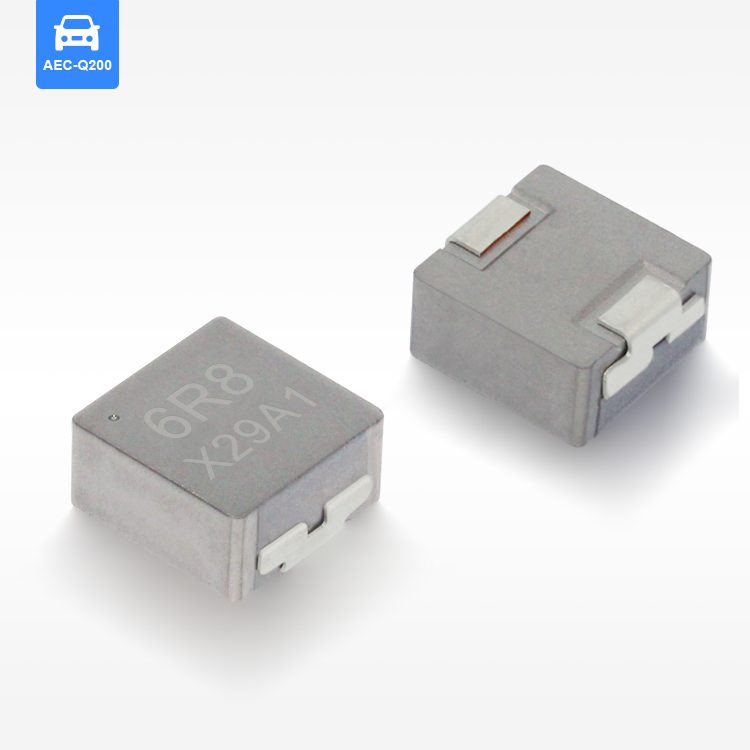
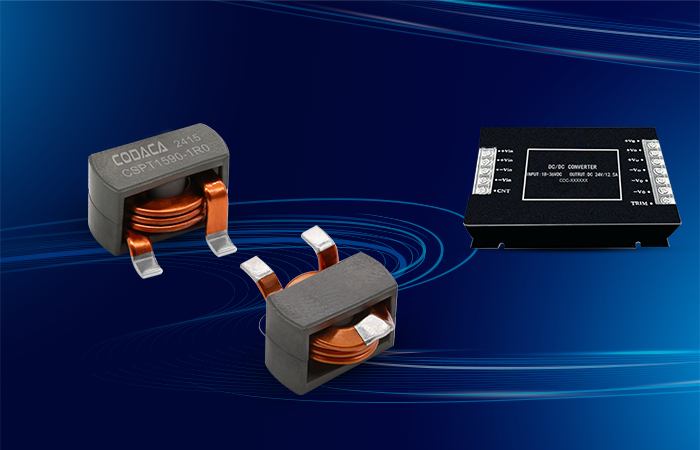
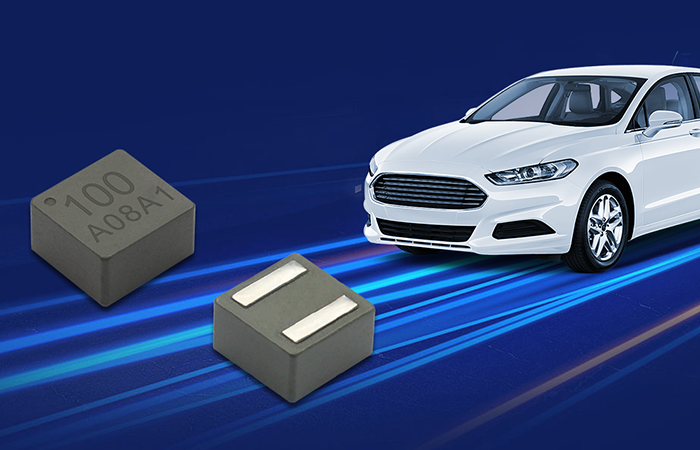
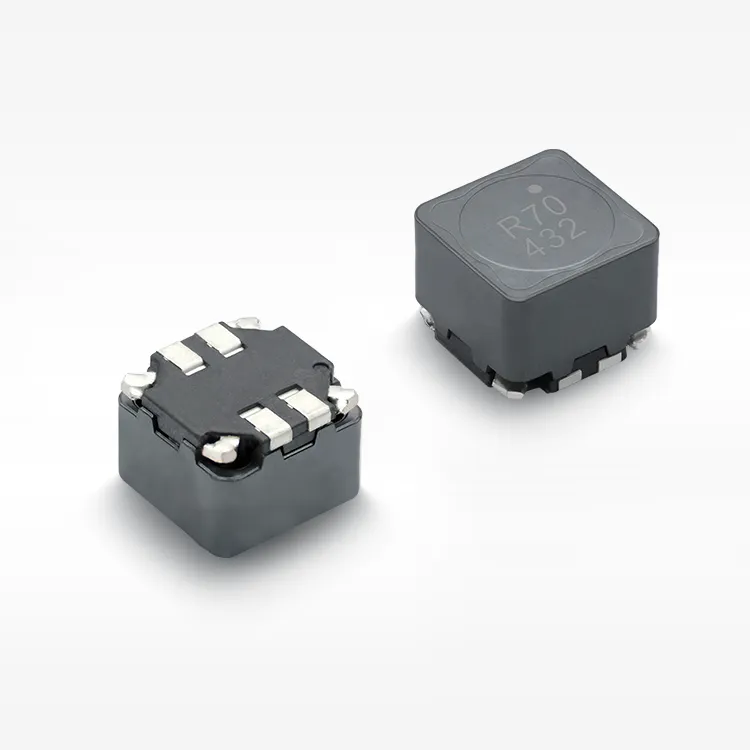
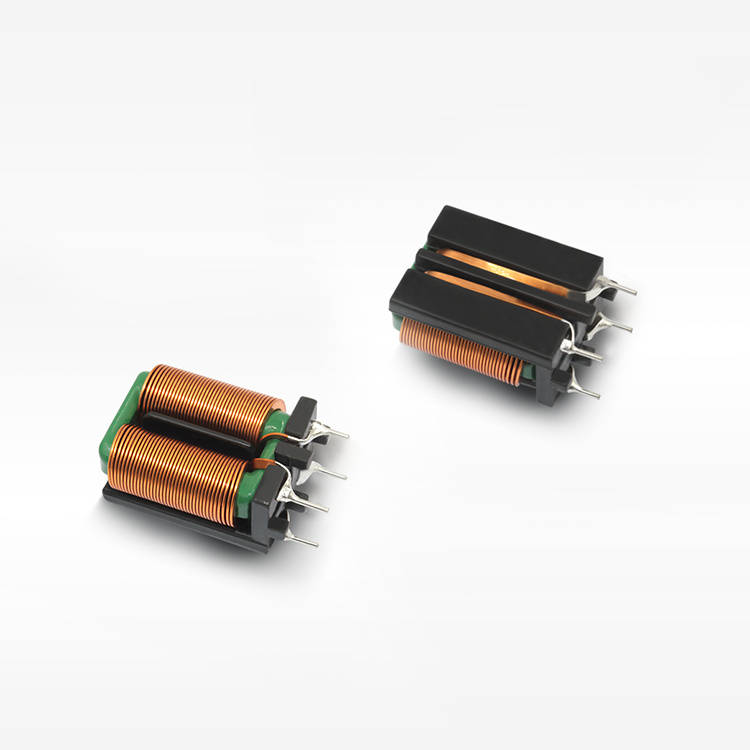
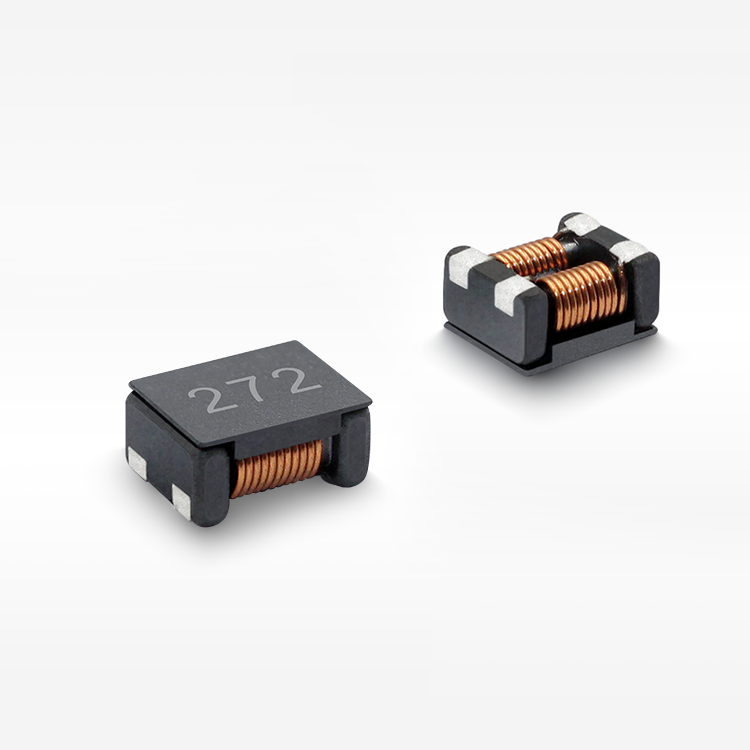
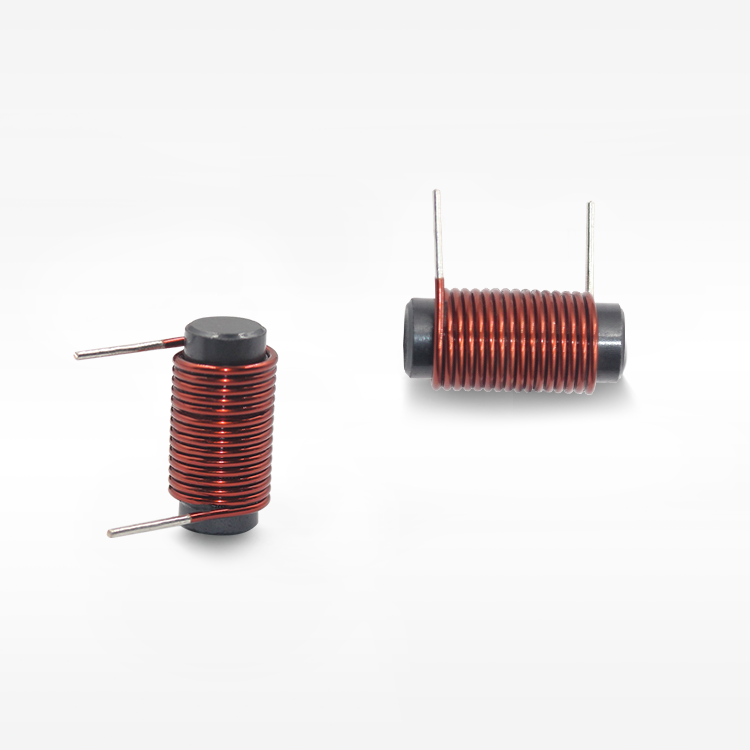
The ferrite shielded power inductor represents a critical component in modern electronic systems, designed to manage electromagnetic interference while delivering exceptional power handling capabilities. This sophisticated electronic component combines ferrite core technology with advanced shielding mechanisms to create a robust solution for various power management applications. The ferrite shielded power inductor operates by storing energy in its magnetic field when current flows through its windings, effectively smoothing current fluctuations and reducing electrical noise in circuits. The ferrite core material provides high magnetic permeability, enabling efficient energy storage while maintaining compact dimensions. The integrated shielding design minimizes electromagnetic interference between adjacent components, ensuring optimal circuit performance in densely packed electronic assemblies. These inductors feature carefully engineered wire windings wrapped around ferrite cores, with specialized shielding materials that contain magnetic flux within the component boundaries. The technological architecture incorporates saturation-resistant ferrite materials that maintain stable inductance values across varying current levels, temperature ranges, and operating frequencies. Modern ferrite shielded power inductor designs utilize advanced manufacturing processes that ensure consistent electrical characteristics and mechanical reliability. The shielding technology typically employs magnetic materials or metallic enclosures that redirect electromagnetic fields, preventing interference with nearby sensitive components. Applications for ferrite shielded power inductor solutions span across switching power supplies, DC-DC converters, LED drivers, automotive electronics, telecommunications equipment, and consumer electronics. In switching power supplies, these inductors smooth output currents and reduce ripple voltages, improving overall system efficiency. Telecommunications infrastructure relies on ferrite shielded power inductor components for signal conditioning and power regulation in base stations and networking equipment. Automotive applications utilize these inductors in electric vehicle charging systems, engine control units, and advanced driver assistance systems where electromagnetic compatibility requirements are stringent.

New Product Recommendations

The ferrite shielded power inductor delivers numerous practical benefits that directly impact system performance and design flexibility for engineers and manufacturers. Superior electromagnetic interference suppression stands as the primary advantage, enabling designers to place sensitive components closer together without experiencing cross-talk or signal degradation. This shielding capability reduces the need for additional spacing between circuit elements, allowing for more compact product designs and lower manufacturing costs. The enhanced magnetic containment provided by ferrite shielded power inductor technology prevents magnetic flux leakage, which can interfere with nearby inductors, transformers, or sensitive analog circuits. Temperature stability represents another significant benefit, as ferrite materials maintain consistent electrical properties across wide temperature ranges, ensuring reliable operation in demanding environments from automotive applications to industrial equipment. The saturation characteristics of ferrite cores allow ferrite shielded power inductor components to handle higher current levels without experiencing dramatic inductance drops, maintaining circuit stability under varying load conditions. Lower core losses compared to alternative magnetic materials result in improved efficiency and reduced heat generation, contributing to longer component lifespans and better thermal management in electronic systems. The manufacturing consistency of ferrite shielded power inductor products ensures predictable electrical characteristics, simplifying design processes and reducing the need for extensive component matching or selection procedures. Mechanical robustness emerges from the solid ferrite core structure and protective shielding, providing resistance to vibration, shock, and environmental stresses commonly encountered in portable electronics and automotive applications. The wide frequency response characteristics of ferrite materials make these inductors suitable for various switching frequencies, offering design flexibility for different power supply topologies and control schemes. Cost-effectiveness becomes apparent when considering the reduced need for additional shielding components, simplified PCB layouts, and improved manufacturing yields resulting from more predictable component behavior. The standardized form factors and mounting options available for ferrite shielded power inductor components facilitate easy integration into existing designs and support automated assembly processes, reducing production complexity and time-to-market considerations.

Tips And Tricks

How High Current Power Inductors Enhance Energy Efficiency

31

Mar

How High Current Power Inductors Enhance Energy Efficiency

Introduction High current power inductors are crucial components in power electronics, designed to store energy in a magnetic field while allowing significant currents to pass through. These inductors are essential for a variety of applications, inc...
View More
Compact High Current Power Inductor: A Comparison of Materials and Designs

01

Apr

Compact High Current Power Inductor: A Comparison of Materials and Designs

Mn-Zn Ferrite: High Permeability and Frequency Response Mn-Zn ferrite is highly regarded in the field of inductors due to its high permeability, which facilitates an efficient magnetic flux path. This characteristic translates into improved inductan...
View More
Choosing the Right Automotive grade Molded Power Inductor for Your Application

02

Apr

Choosing the Right Automotive grade Molded Power Inductor for Your Application

Inductance and Current Ratings: Balancing Ripple and Saturation In automotive applications, understanding the balance between inductance and current ratings is essential. These benchmarks ensure that ripple voltage is minimized and saturation curren...
View More
The Role of Molding Power Chokes in Energy Storage Systems

13

May

The Role of Molding Power Chokes in Energy Storage Systems

Understanding Molding Power Chokes in Energy Storage Definition and Core Components Power Chokes are important inductive devices used in energy storage systems and they are commonly used to filter high frequency signals. These chokes are mainly...
View More

Get a Free Quote

Our representative will contact you soon.
Email
Name
Company Name
Message
0/1000

ferrite shielded power inductor

Advanced Electromagnetic Shielding Technology

Advanced Electromagnetic Shielding Technology

The electromagnetic shielding technology integrated into ferrite shielded power inductor designs represents a breakthrough in component engineering that addresses critical challenges in modern electronics. This sophisticated shielding system employs multiple techniques to contain magnetic fields within the inductor structure, preventing interference with adjacent components and sensitive circuits. The shielding mechanism typically combines ferrite core properties with additional magnetic barriers or conductive enclosures that redirect electromagnetic energy away from surrounding areas. This containment technology becomes increasingly important as electronic devices become more compact and component densities increase on printed circuit boards. The ferrite shielded power inductor utilizes carefully selected ferrite compositions that naturally provide magnetic shielding while maintaining high permeability for efficient energy storage. Advanced manufacturing processes ensure uniform magnetic properties throughout the ferrite core, creating consistent shielding effectiveness across all production units. The shielding design prevents magnetic coupling between inductors, transformers, and other magnetic components that could cause unwanted oscillations, noise, or performance degradation in power supply circuits. Testing demonstrates that properly implemented shielding in ferrite shielded power inductor components can reduce electromagnetic emissions by significant margins compared to unshielded alternatives, helping electronic products meet stringent EMC compliance requirements. The technology proves particularly valuable in sensitive applications such as medical devices, precision instrumentation, and communication systems where electromagnetic interference can compromise functionality or safety. Design engineers benefit from the predictable shielding performance, enabling more accurate electromagnetic modeling and simulation during the development process. The integrated shielding approach eliminates the need for external magnetic shields or increased component spacing, resulting in more efficient use of PCB real estate and reduced overall system costs. Manufacturing advantages include simplified assembly processes since the shielding is built into the ferrite shielded power inductor component rather than requiring separate shielding elements that must be positioned and secured during production.
Superior Power Handling and Efficiency

Superior Power Handling and Efficiency

The power handling capabilities of ferrite shielded power inductor components exceed those of many alternative inductor technologies through optimized magnetic core design and thermal management features. These inductors demonstrate exceptional current handling capacity while maintaining stable inductance values, even under high-power operating conditions that would cause performance degradation in conventional inductors. The ferrite core material composition specifically targets high saturation flux density, allowing the ferrite shielded power inductor to store more magnetic energy before reaching saturation limits that cause inductance collapse. Advanced winding techniques and conductor selection optimize current density distribution, minimizing resistive losses and hot spots that could limit power handling capacity. The thermal characteristics of ferrite materials contribute to efficient heat dissipation, preventing excessive temperature rise that could damage the inductor or affect nearby components. Efficiency improvements result from lower core losses inherent in properly formulated ferrite materials, particularly at the switching frequencies commonly used in modern power supply designs. The ferrite shielded power inductor maintains high efficiency across wide operating ranges, reducing energy waste and heat generation in battery-powered applications where power conservation is critical. Saturation behavior remains gradual rather than abrupt, providing more predictable performance characteristics that simplify circuit design and control loop compensation in switching regulators. The combination of high current handling and stable electrical parameters enables designers to specify smaller inductance values while maintaining adequate energy storage, leading to more compact inductor sizes and reduced PCB footprint requirements. Quality ferrite materials resist demagnetization effects that can occur in high-power applications, ensuring long-term stability and reliability throughout the component's operational lifetime. Temperature coefficients remain well-controlled across the specified operating range, maintaining circuit performance consistency in applications subject to varying environmental conditions. The robust power handling capabilities make ferrite shielded power inductor components suitable for demanding applications including electric vehicle systems, renewable energy converters, and industrial motor drives where reliability and efficiency are paramount concerns.
Compact Design and Integration Flexibility

Compact Design and Integration Flexibility

The compact form factor and integration flexibility of ferrite shielded power inductor technology addresses space constraints and design challenges prevalent in modern electronic product development. These components achieve high inductance values and current ratings within smaller physical dimensions compared to air-core or iron-powder alternatives, enabling more efficient use of available PCB space. The ferrite core's high magnetic permeability allows for fewer winding turns to achieve target inductance values, resulting in lower DC resistance and improved efficiency while maintaining compact size. Standardized package formats facilitate easy integration into existing designs and support automated pick-and-place assembly equipment, reducing manufacturing complexity and associated costs. The low profile designs available in many ferrite shielded power inductor series accommodate space-constrained applications such as smartphone chargers, tablet computers, and wearable devices where component height restrictions are critical. Multiple mounting options including surface-mount and through-hole configurations provide design flexibility to meet various assembly requirements and mechanical constraints. The predictable electrical characteristics and standardized footprints enable direct replacement of existing inductors during design upgrades or component obsolescence situations without requiring extensive circuit modifications. Integration benefits extend to thermal management, as the compact ferrite shielded power inductor designs often include enhanced heat dissipation features such as exposed thermal pads or heat-conductive packaging materials. The reduced component count possible with these efficient inductors simplifies inventory management and reduces the total number of unique part numbers required in production. Magnetic shielding integration eliminates the need for additional spacing between components or external shielding hardware, maximizing the utilization of available PCB area for other critical circuits or features. Design rule simplification results from the contained magnetic fields, allowing standard PCB layout practices without special considerations for magnetic component placement or orientation. The versatility of ferrite shielded power inductor components supports various circuit topologies and control schemes, from simple linear regulators to complex multi-phase switching converters, providing design engineers with flexible solutions for diverse power management requirements across multiple application categories and market segments.