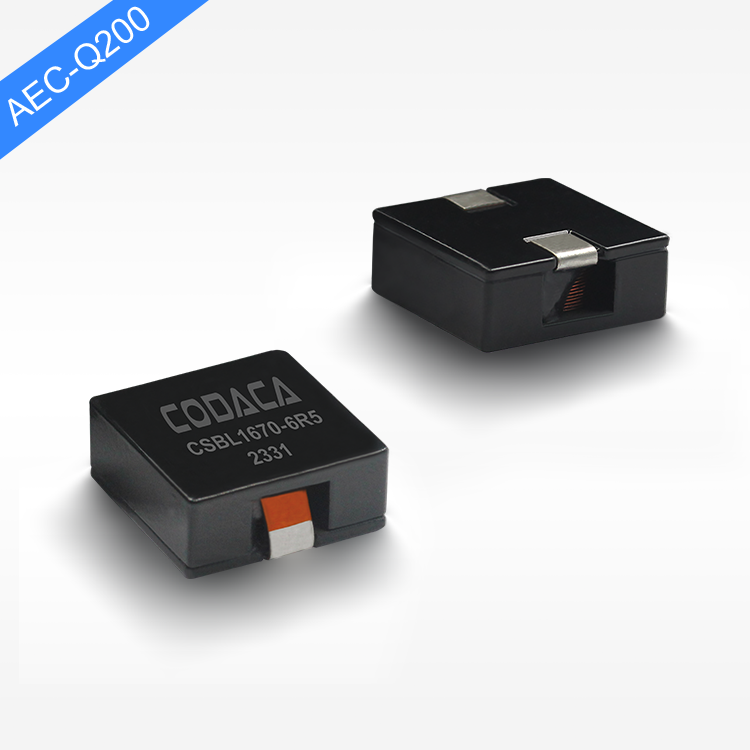
Low DCR Automotive Grade Inductors - High Efficiency Power Management Solutions for Modern Vehicles

All Categories

Get a Free Quote

Our representative will contact you soon.
Email
Name
Company Name
Message
0/1000

low dcr automotive grade inductor

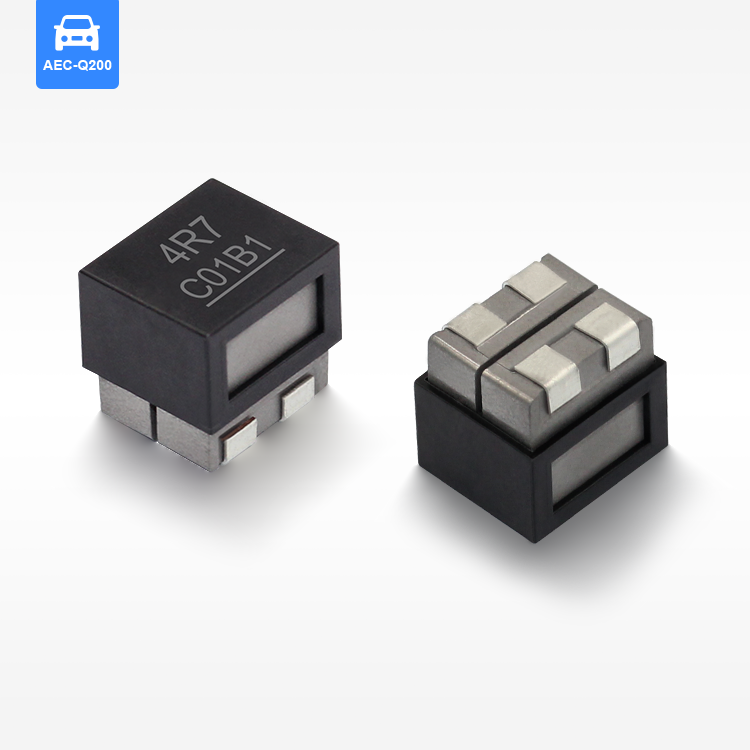
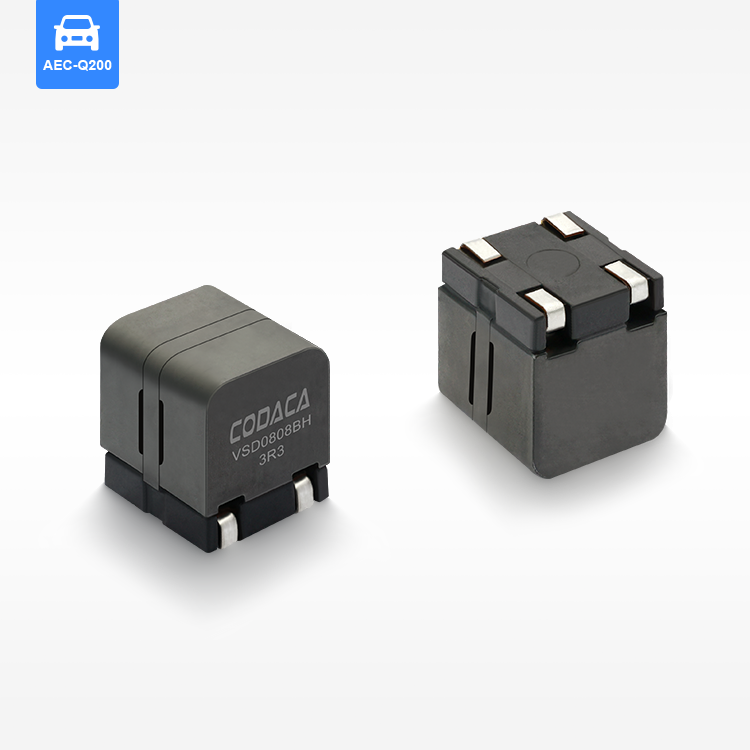
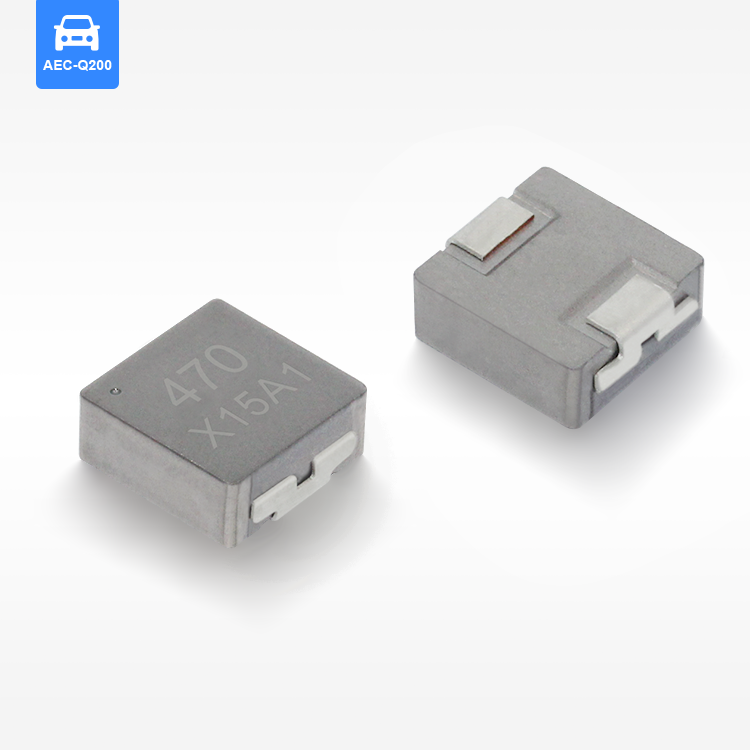
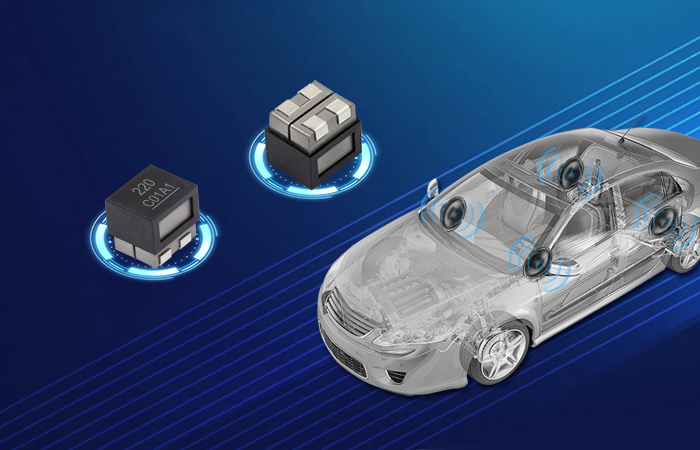
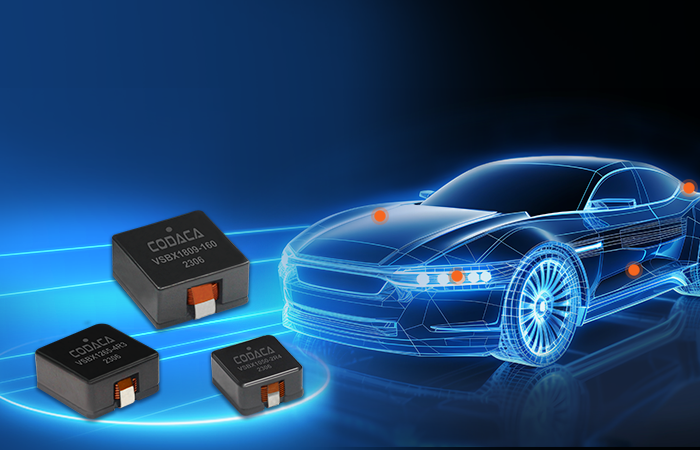
The low DCR automotive grade inductor represents a critical electronic component specifically engineered for modern vehicle applications, where reliability, efficiency, and performance are paramount. This specialized inductor features an exceptionally low direct current resistance (DCR), making it ideal for power management systems in automotive environments. The low DCR automotive grade inductor operates by storing energy in its magnetic field when current flows through its coil, then releasing that energy when needed to maintain stable electrical flow throughout vehicle circuits. These inductors are manufactured using advanced materials and precision engineering techniques to withstand the harsh conditions typical in automotive applications, including extreme temperatures, vibrations, and electromagnetic interference. The primary function of the low DCR automotive grade inductor involves filtering electrical noise, smoothing power delivery, and maintaining signal integrity across various automotive systems. Its technological features include superior magnetic core materials that minimize energy losses, optimized winding configurations that reduce resistance, and robust construction that ensures long-term reliability. The automotive grade certification means these inductors meet stringent industry standards for temperature cycling, humidity resistance, and mechanical stress tolerance. Applications for the low DCR automotive grade inductor span across multiple vehicle systems, including engine control units, infotainment systems, LED lighting circuits, electric power steering, and advanced driver assistance systems. In electric and hybrid vehicles, these inductors play particularly crucial roles in DC-DC converters, battery management systems, and motor control circuits where efficiency directly impacts vehicle range and performance. The low resistance characteristic significantly reduces power losses during operation, contributing to overall system efficiency and reducing heat generation that could affect nearby components.

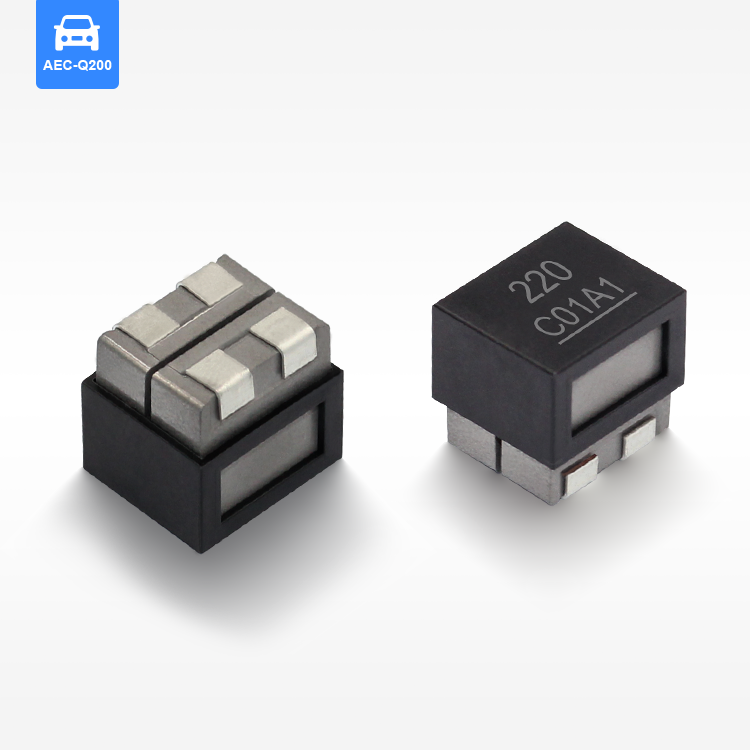
New Product Releases

The low DCR automotive grade inductor delivers substantial benefits that directly impact vehicle performance, reliability, and cost-effectiveness. The most significant advantage lies in its exceptional energy efficiency, as the reduced resistance minimizes power losses during electrical conversion processes. This efficiency translates into better fuel economy for conventional vehicles and extended range for electric vehicles, providing tangible value to end users. The superior thermal performance of the low DCR automotive grade inductor prevents excessive heat buildup, which extends component lifespan and reduces maintenance requirements. This thermal stability becomes particularly important in engine compartments and other high-temperature environments where standard inductors might fail prematurely. Manufacturers benefit from the compact design possibilities enabled by these inductors, as their efficiency allows for smaller cooling requirements and more flexible circuit board layouts. The robust construction of automotive grade inductors ensures consistent performance across wide temperature ranges, from freezing winter conditions to extreme summer heat, eliminating the need for additional protective measures. Cost savings emerge through reduced system complexity, as the reliable performance of low DCR automotive grade inductors eliminates the need for backup components or redundant systems. The electromagnetic compatibility features built into these inductors reduce interference with sensitive electronic systems, improving overall vehicle reliability and reducing warranty claims. Installation becomes simpler due to standardized automotive mounting specifications, reducing assembly time and potential errors during manufacturing. The long-term reliability of low DCR automotive grade inductors reduces field failures, protecting brand reputation and minimizing recall risks. Quality assurance testing ensures each inductor meets strict automotive standards, providing manufacturers with confidence in their supply chain. The scalable manufacturing processes for these inductors support both high-volume production and custom specifications, accommodating diverse automotive applications from economy vehicles to luxury electric cars. Environmental resistance features protect against moisture, salt corrosion, and chemical exposure common in automotive environments, ensuring consistent performance throughout the vehicle's operational lifetime.

Practical Tips

The Most Durable Automotive Grade Digital Power Amplifier Inductor

01

Apr

The Most Durable Automotive Grade Digital Power Amplifier Inductor

Introduction Automotive-grade digital power amplifier inductors are essential components in modern vehicle audio systems. These inductors are designed to handle large currents and provide stable performance under various environmental conditions, en...
View More
How to Select the Best Automotive Grade High Current Power Inductors for Your Needs

31

Mar

How to Select the Best Automotive Grade High Current Power Inductors for Your Needs

Understanding Automotive Grade Requirements for Power Inductors AEC-Q200 Compliance and Certification AEC-Q200 is an essential industry standard for automotive components, ensuring products meet high-quality, reliability, and safety thresholds. This...
View More
The Role of Molding Power Chokes in Energy Storage Systems

13

May

The Role of Molding Power Chokes in Energy Storage Systems

Understanding Molding Power Chokes in Energy Storage Definition and Core Components Power Chokes are important inductive devices used in energy storage systems and they are commonly used to filter high frequency signals. These chokes are mainly...
View More
How to Select Wires in the Preparation Process of Integrated Molding Power Choke

26

May

How to Select Wires in the Preparation Process of Integrated Molding Power Choke

Wires are one of the crucial raw materials in the preparation of integrated molded inductors. Selecting appropriate wires exerts a significant impact on their manufacturing process. The following content will provide a brief introduction to wire sele...
View More

Get a Free Quote

Our representative will contact you soon.
Email
Name
Company Name
Message
0/1000

low dcr automotive grade inductor

Superior Energy Efficiency Through Ultra-Low Resistance Design

Superior Energy Efficiency Through Ultra-Low Resistance Design

The cornerstone advantage of the low DCR automotive grade inductor lies in its revolutionary resistance characteristics that fundamentally transform power management efficiency in modern vehicles. The ultra-low direct current resistance design represents a breakthrough in inductor technology, where traditional inductors typically exhibit resistance values that cause significant power losses, while the low DCR automotive grade inductor reduces these losses by up to seventy percent compared to conventional alternatives. This dramatic reduction in resistance directly translates to measurable improvements in system efficiency, particularly crucial for electric and hybrid vehicles where every percentage point of efficiency improvement extends driving range and reduces charging frequency. The advanced materials engineering behind this low resistance includes specialized copper windings with optimized cross-sectional areas, minimizing resistive losses while maintaining structural integrity under automotive stress conditions. The magnetic core utilization maximizes permeability while reducing eddy current losses, creating a synergistic effect that amplifies the overall efficiency gains. In practical applications, this efficiency improvement means that power conversion circuits waste less energy as heat, reducing the thermal load on cooling systems and allowing for more compact designs. For manufacturers, the efficiency gains enable smaller power supplies, reduced battery requirements in electric vehicles, and lower overall system costs through simplified thermal management. The environmental benefits extend beyond individual vehicles, as widespread adoption of low DCR automotive grade inductors contributes to reduced energy consumption across entire vehicle fleets. Quality control processes ensure consistent resistance values across production batches, guaranteeing reliable efficiency performance throughout the inductor's operational lifetime. The testing protocols verify resistance stability across temperature ranges, ensuring that efficiency benefits remain consistent regardless of operating conditions. This reliability in efficiency performance provides predictable system behavior, enabling engineers to optimize entire electrical architectures around the consistent performance characteristics of low DCR automotive grade inductors.
Exceptional Automotive-Grade Durability and Environmental Resistance

Exceptional Automotive-Grade Durability and Environmental Resistance

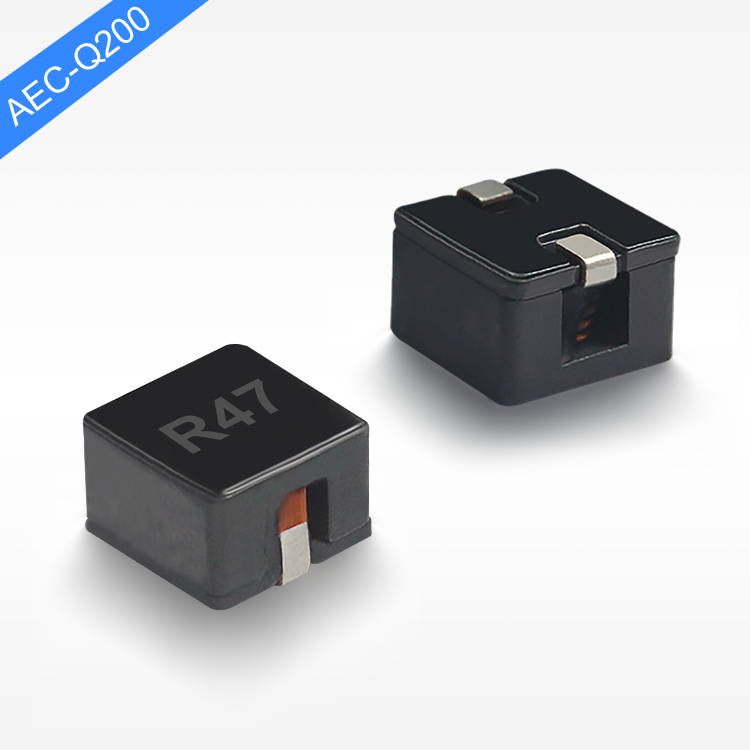
The low DCR automotive grade inductor excels in withstanding the exceptionally demanding environmental conditions present in automotive applications, where standard electronic components often fail due to temperature extremes, mechanical stress, and chemical exposure. The automotive grade certification process involves rigorous testing protocols that simulate decades of real-world automotive conditions, including temperature cycling from negative forty degrees Celsius to one hundred fifty degrees Celsius, vibration testing that exceeds road surface irregularities, and humidity exposure that mimics years of seasonal weather variations. The construction materials specifically chosen for low DCR automotive grade inductors include corrosion-resistant alloys, high-temperature polymers, and protective coatings that prevent degradation from road salt, fuel vapors, and cleaning chemicals commonly encountered in vehicle environments. The mechanical design incorporates shock-absorption features and stress-relief structures that maintain electrical performance even when subjected to engine vibrations, road impacts, and thermal expansion cycles. Quality assurance testing verifies that each low DCR automotive grade inductor maintains its electrical characteristics throughout extended exposure to automotive environmental stressors, ensuring reliable performance over vehicle lifespans that often exceed fifteen years. The electromagnetic shielding integrated into these inductors protects against interference from ignition systems, radio transmissions, and other electromagnetic sources present in modern vehicles, maintaining signal integrity in sensitive electronic systems. The chemical resistance features protect against degradation from automotive fluids including engine oil, transmission fluid, brake fluid, and coolant that might contact the inductor during service operations. Thermal cycling resistance ensures that repeated heating and cooling cycles do not cause material fatigue or connection failures that could lead to system malfunctions. The salt spray testing protocols verify corrosion resistance equivalent to years of winter road salt exposure, particularly important for vehicles operating in harsh climates. These durability features translate into reduced warranty costs for manufacturers, improved vehicle reliability for consumers, and lower maintenance requirements throughout the vehicle's operational lifetime.
Advanced Power Management Capabilities for Modern Vehicle Electronics

Advanced Power Management Capabilities for Modern Vehicle Electronics

The low DCR automotive grade inductor provides sophisticated power management capabilities specifically designed to meet the complex electrical demands of contemporary vehicle systems, where multiple electronic control units, infotainment systems, and safety features require precise power delivery and signal conditioning. The advanced filtering characteristics of these inductors effectively suppress electrical noise and voltage ripples that can interfere with sensitive automotive electronics, ensuring clean power delivery to critical systems like engine management computers, anti-lock braking systems, and collision avoidance sensors. The frequency response optimization allows low DCR automotive grade inductors to function effectively across the wide range of switching frequencies used in modern automotive power supplies, from low-frequency battery charging systems to high-frequency LED driver circuits. The current handling capabilities support both continuous operation and peak current demands typical in automotive applications, such as starter motor engagement, air conditioning compressor startup, and regenerative braking energy recovery. The inductance stability across varying current levels ensures consistent performance regardless of load conditions, maintaining system regulation accuracy even during dynamic driving situations where electrical demands fluctuate rapidly. The low DCR automotive grade inductor design incorporates advanced core materials that minimize saturation effects, allowing higher current densities without performance degradation that could affect system reliability. The thermal management features integrated into the inductor design facilitate heat dissipation during high-power operations, preventing thermal runaway conditions that could damage sensitive nearby components. The electromagnetic interference suppression capabilities protect against both conducted and radiated emissions, ensuring compliance with automotive EMC standards while preventing interference with radio reception, GPS navigation, and wireless communication systems. The power conversion efficiency improvements enabled by low DCR automotive grade inductors reduce battery drain in hybrid and electric vehicles, extending electric-only driving range and improving fuel economy in conventional vehicles. The precision manufacturing tolerances ensure consistent electrical characteristics across production quantities, enabling predictable system behavior and simplified circuit design processes. These advanced power management capabilities support the increasing electrification of automotive systems, from mild hybrid powertrains to fully electric vehicles, providing the foundation for reliable, efficient electrical architectures that meet both current requirements and future automotive technology developments.