Premium Automotive Inductors for DC-DC Converters - High Performance Power Management Solutions

All Categories

Get a Free Quote

Our representative will contact you soon.
Email
Name
Company Name
Message
0/1000

automotive inductor for dc-dc converter

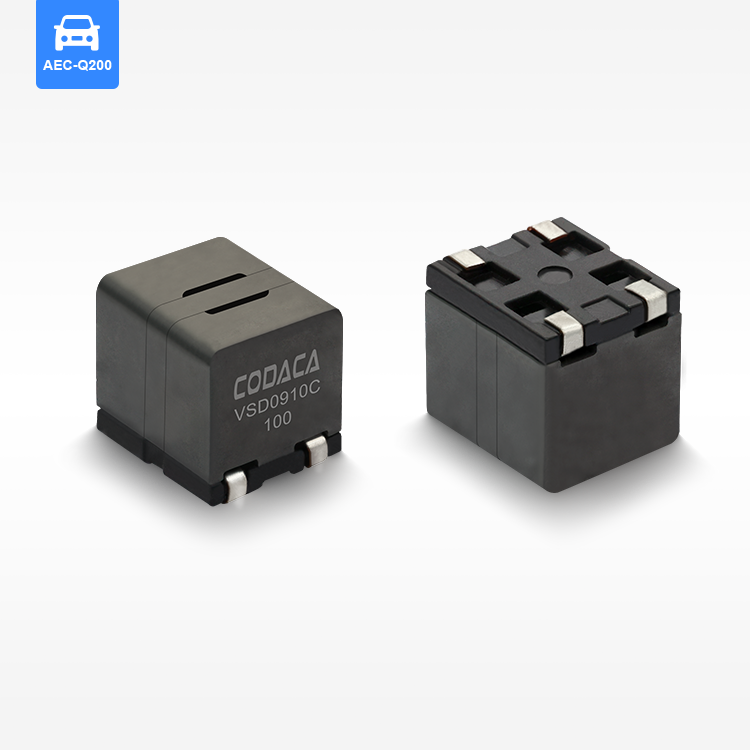
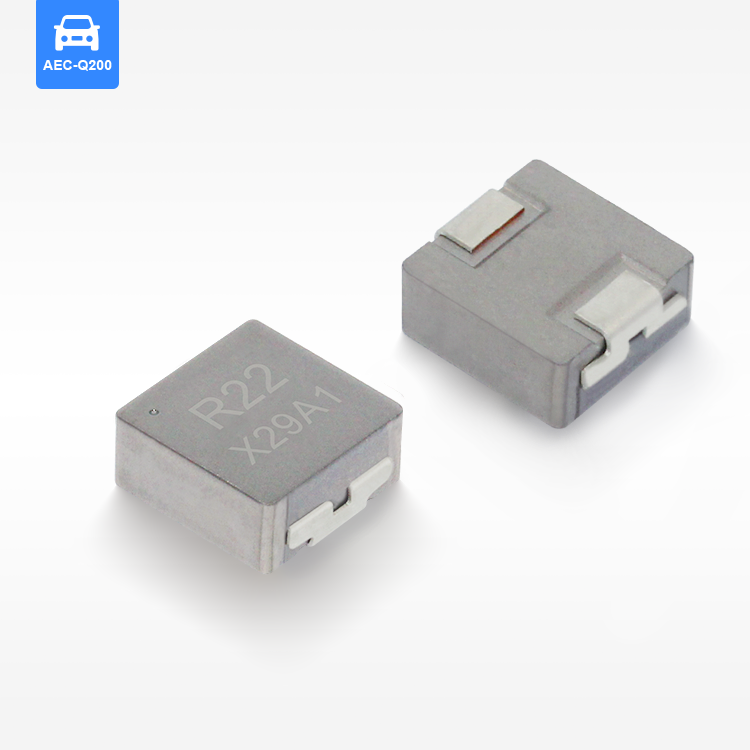
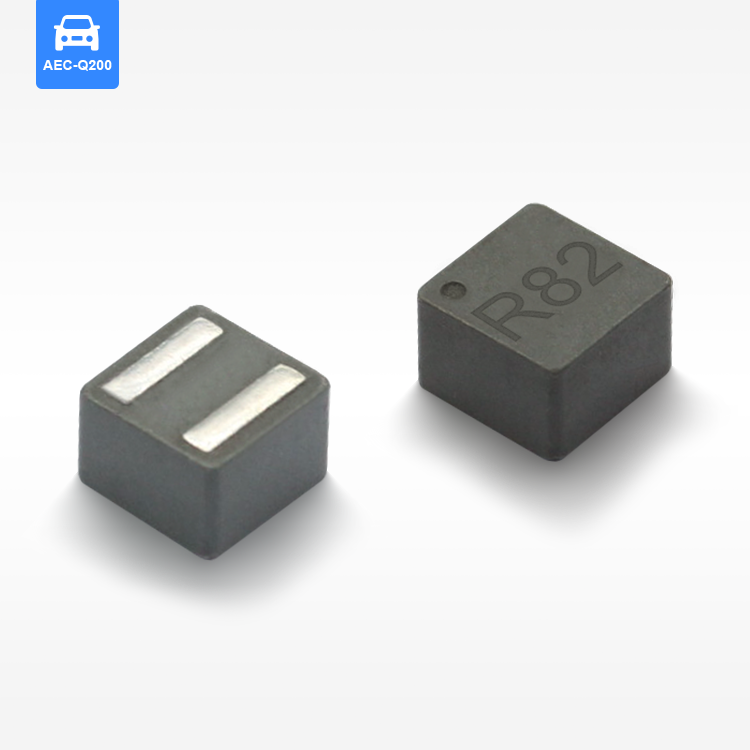
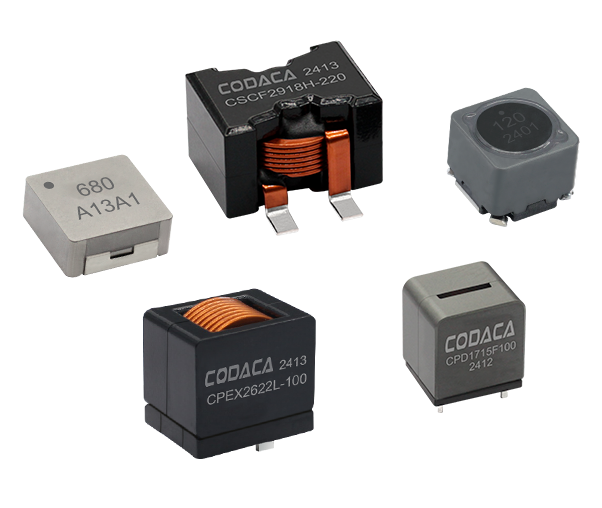
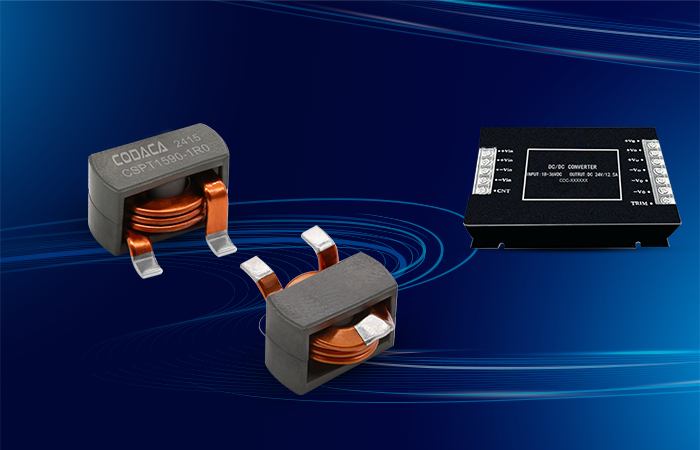
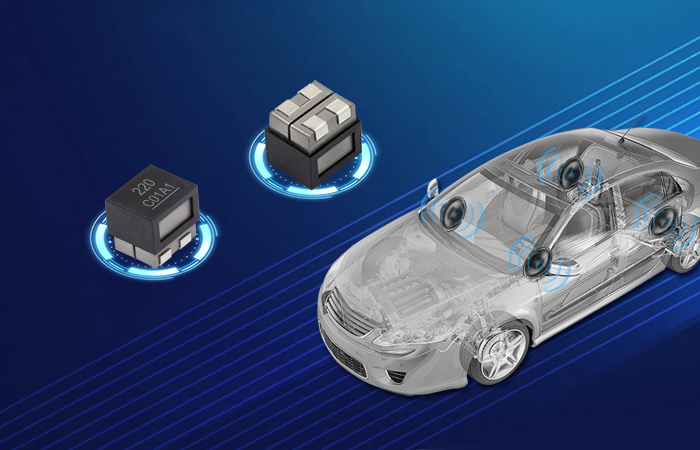
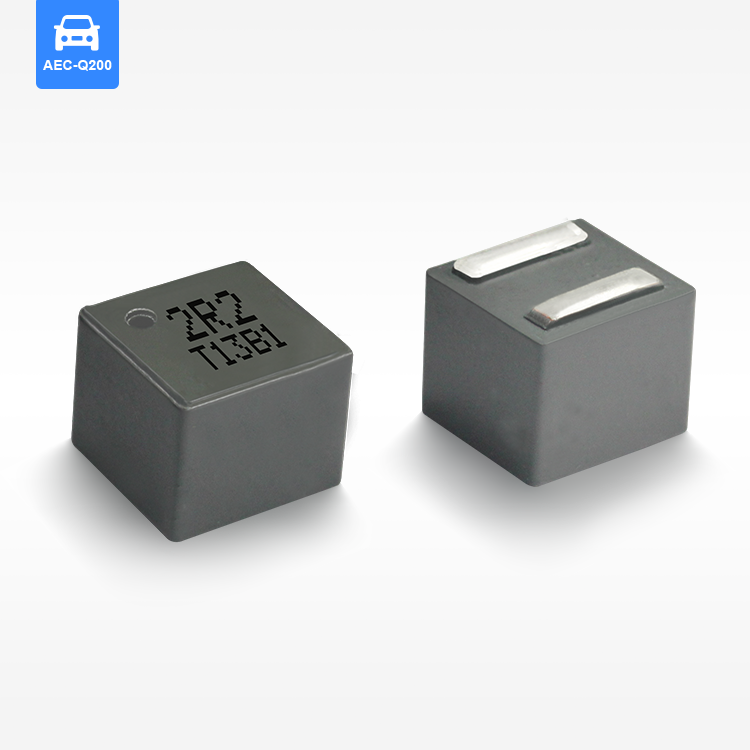
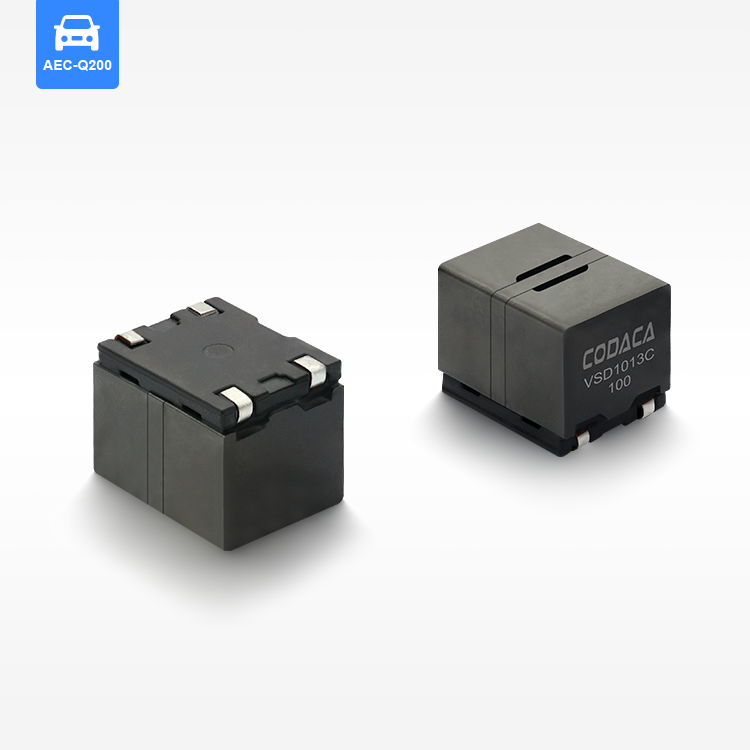
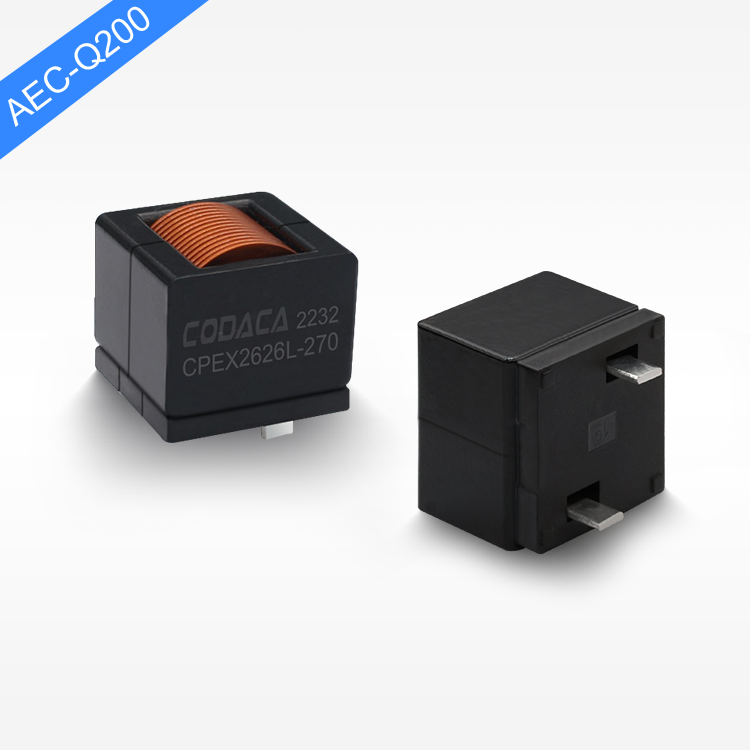
The automotive inductor for dc-dc converter represents a critical component in modern vehicle electrical systems, serving as the cornerstone of power management technology. This specialized inductor operates by storing energy in its magnetic field when current flows through its coil, then releasing this energy to maintain consistent power output during switching cycles. The primary function involves smoothing voltage fluctuations and reducing electromagnetic interference while ensuring stable power delivery to various automotive subsystems. These inductors handle the demanding requirements of automotive environments, including extreme temperatures ranging from -40°C to 150°C, vibration resistance, and long-term reliability over vehicle lifespans exceeding 15 years. The technological features of automotive inductors for dc-dc converters include ferrite or powder iron cores that provide high permeability and low core losses, ensuring efficient energy conversion. Advanced winding techniques utilize high-grade copper wire with specialized insulation materials that withstand thermal cycling and chemical exposure common in automotive applications. The compact design philosophy maximizes inductance density while minimizing physical footprint, addressing space constraints in modern vehicle architectures. Applications span across multiple automotive systems including LED lighting circuits, infotainment systems, advanced driver assistance systems, electric power steering, and hybrid vehicle battery management. In electric and hybrid vehicles, these inductors play particularly crucial roles in managing power flow between high-voltage battery systems and low-voltage auxiliary circuits. The automotive inductor for dc-dc converter must meet stringent automotive quality standards such as AEC-Q200 qualification, ensuring consistent performance under harsh operating conditions including salt spray exposure, thermal shock, and mechanical stress testing.

Popular Products

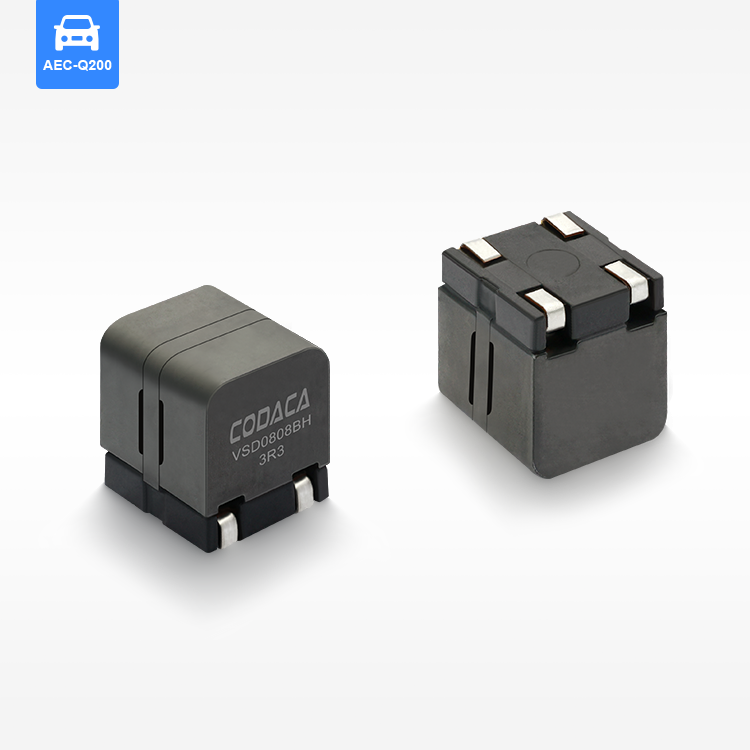
The automotive inductor for dc-dc converter delivers exceptional performance benefits that directly translate into improved vehicle reliability and operational efficiency. These components provide superior electromagnetic interference suppression, protecting sensitive electronic systems from power supply noise that could disrupt critical functions like engine management, safety systems, and communication modules. The robust construction ensures consistent operation across extreme temperature variations, maintaining stable electrical characteristics whether vehicles operate in arctic conditions or desert heat. This temperature stability prevents power supply fluctuations that could cause system malfunctions or component damage. Energy efficiency represents another significant advantage, as modern automotive inductors for dc-dc converters achieve efficiency ratings exceeding 95 percent, reducing power waste and extending battery life in electric vehicles while minimizing heat generation that could stress other components. The compact form factor enables designers to implement sophisticated power management solutions without compromising vehicle interior space or adding excessive weight, contributing to overall fuel efficiency and performance optimization. Reliability improvements stem from advanced materials and manufacturing processes that eliminate common failure modes associated with inferior inductors, such as core saturation, thermal runaway, and insulation breakdown. These inductors feature enhanced current handling capabilities, supporting the increasing power demands of modern automotive electronics without performance degradation. The standardized footprints and electrical specifications simplify integration into existing circuit designs, reducing development time and costs for automotive manufacturers. Long service life characteristics ensure consistent performance throughout vehicle operational lifespans, minimizing warranty claims and maintenance requirements. The automotive inductor for dc-dc converter also provides excellent transient response, quickly adapting to sudden load changes without voltage overshoots or undershoots that could damage sensitive semiconductor components. Cost-effectiveness emerges from the combination of competitive pricing, reduced system complexity, and elimination of additional filtering components that would otherwise be necessary with inferior inductors.

Latest News

Industrial Power Inductors: The Key to Improving Power Conversion Efficiency

07

Apr

Industrial Power Inductors: The Key to Improving Power Conversion Efficiency

Power inductors play a vital role in modern power electronics. They store energy efficiently and release it when needed, ensuring smooth energy transfer. You rely on them to reduce energy losses in systems like DC-DC converters. This improves overall...
View More
Compact High Current Power Inductor: A Comparison of Materials and Designs

01

Apr

Compact High Current Power Inductor: A Comparison of Materials and Designs

Mn-Zn Ferrite: High Permeability and Frequency Response Mn-Zn ferrite is highly regarded in the field of inductors due to its high permeability, which facilitates an efficient magnetic flux path. This characteristic translates into improved inductan...
View More
The Most Durable Automotive Grade Digital Power Amplifier Inductor

01

Apr

The Most Durable Automotive Grade Digital Power Amplifier Inductor

Introduction Automotive-grade digital power amplifier inductors are essential components in modern vehicle audio systems. These inductors are designed to handle large currents and provide stable performance under various environmental conditions, en...
View More
How to Select the Right Inductor for Switching Power Supplies

26

May

How to Select the Right Inductor for Switching Power Supplies

An inductor is a common energy-storing passive component in circuits, playing roles such as filtering, boosting, and bucking in the design of switching power supplies. In the early stage of scheme design, engineers not only need to select appropriate...
View More

Get a Free Quote

Our representative will contact you soon.
Email
Name
Company Name
Message
0/1000

automotive inductor for dc-dc converter

Advanced Thermal Management and Temperature Stability

Advanced Thermal Management and Temperature Stability

The automotive inductor for dc-dc converter incorporates sophisticated thermal management technologies that ensure optimal performance across the full automotive temperature range. This critical feature addresses one of the most challenging aspects of automotive electronics, where components must function reliably from frigid winter conditions to extreme engine bay temperatures. The advanced core materials, typically ferrite or specialized powder metals, maintain consistent magnetic properties across temperature variations, preventing inductance drift that could destabilize power supply circuits. Thermal management extends beyond core selection to include specialized winding techniques that distribute heat effectively throughout the component structure. The copper windings utilize advanced insulation systems engineered specifically for automotive applications, incorporating materials that resist thermal degradation, chemical attack from automotive fluids, and mechanical stress from thermal expansion cycles. Heat dissipation capabilities receive enhancement through optimized package designs that maximize surface area contact with mounting surfaces, facilitating efficient thermal transfer to vehicle chassis ground planes. Temperature coefficient specifications remain tightly controlled, ensuring that electrical parameters stay within acceptable ranges even during extreme thermal cycling events common in automotive service. The automotive inductor for dc-dc converter benefits from extensive thermal modeling during design phases, utilizing finite element analysis to predict thermal behavior under various operating scenarios. This proactive approach identifies potential thermal stress points and enables design modifications that enhance long-term reliability. Advanced manufacturing processes ensure consistent thermal interface materials application, eliminating air gaps that could impede heat transfer efficiency. Quality assurance testing includes accelerated thermal cycling protocols that simulate years of automotive service in compressed timeframes, validating thermal performance and identifying potential failure modes before products reach market deployment.
Superior Electromagnetic Compatibility and Noise Suppression

Superior Electromagnetic Compatibility and Noise Suppression

The electromagnetic compatibility characteristics of automotive inductors for dc-dc converters represent a fundamental advantage in managing the increasingly complex electromagnetic environment within modern vehicles. These inductors incorporate advanced shielding technologies and core geometries specifically engineered to minimize electromagnetic interference generation while maximizing immunity to external electromagnetic fields. The magnetic field containment achieved through optimized core shapes and materials prevents interference with nearby sensitive circuits such as radio frequency systems, GPS navigation, and wireless communication modules. Specialized core materials exhibit controlled frequency response characteristics that naturally attenuate switching noise generated by dc-dc converter circuits, reducing the need for additional filtering components and simplifying overall system design. The automotive inductor for dc-dc converter utilizes carefully controlled winding techniques that minimize parasitic capacitance and resistance, parameters that directly influence electromagnetic signature and noise generation. Advanced manufacturing processes ensure consistent wire spacing and layer arrangement, maintaining predictable electromagnetic characteristics across production quantities. Shielding effectiveness receives enhancement through integrated magnetic shields or specialized packaging techniques that contain magnetic fields within defined boundaries, preventing coupling to adjacent circuits or components. Common mode noise suppression capabilities address interference that travels along both power supply conductors simultaneously, a particularly problematic form of electromagnetic interference in automotive systems. Differential mode filtering characteristics handle noise that appears between positive and negative supply rails, ensuring clean power delivery to sensitive load circuits. The frequency response optimization covers the critical spectrum from switching frequencies through harmonic content, providing comprehensive noise suppression across the entire electromagnetic spectrum of concern. Testing protocols validate electromagnetic compatibility performance using automotive-specific standards that simulate real-world electromagnetic environments including ignition system interference, alternator noise, and external radio frequency fields.
Enhanced Power Density and Compact Integration Solutions

Enhanced Power Density and Compact Integration Solutions

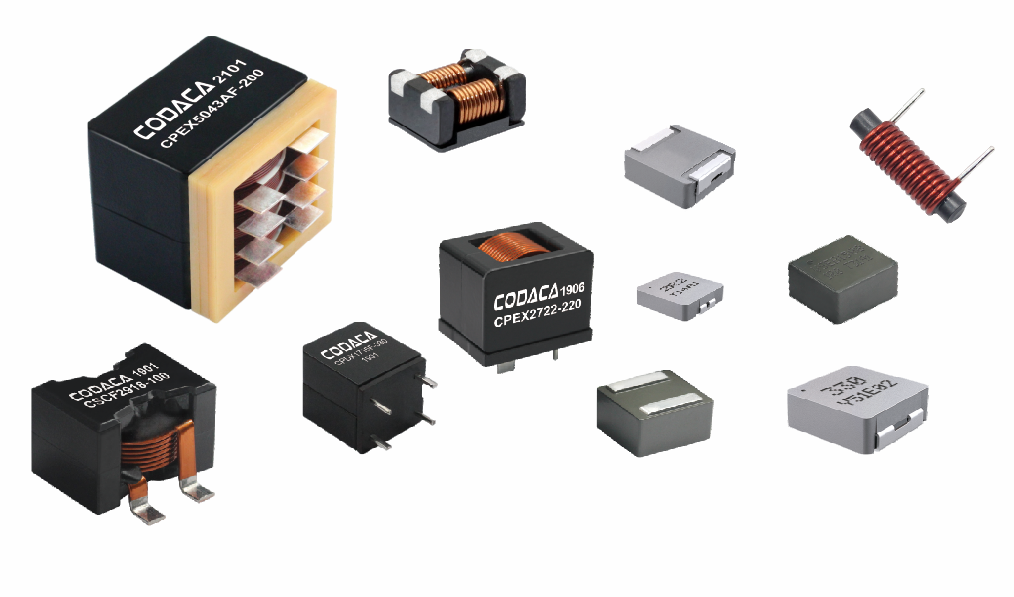
The power density optimization achieved in automotive inductors for dc-dc converters enables sophisticated power management solutions within the constrained physical environments typical of modern vehicle designs. This advancement addresses the growing challenge of implementing increasingly complex electrical systems while maintaining compact vehicle architectures and minimizing component weight impacts on fuel efficiency. Advanced core materials provide higher permeability values that enable greater inductance achievements within smaller physical volumes, allowing designers to meet electrical requirements without compromising space allocation for other critical vehicle systems. The magnetic core geometries undergo extensive optimization using computer modeling techniques that maximize magnetic flux density while minimizing core losses, achieving superior power handling capabilities within compact packages. Manufacturing precision ensures consistent air gap dimensions in gapped core designs, maintaining tight inductance tolerances essential for predictable circuit operation across production quantities. The automotive inductor for dc-dc converter benefits from innovative packaging technologies that integrate multiple magnetic components within single assemblies, reducing overall system component counts and simplifying circuit board layouts. Surface mount packaging options facilitate automated assembly processes while providing excellent mechanical stability under automotive vibration and shock conditions. Standardized footprint dimensions enable direct replacement compatibility across different power rating requirements, simplifying inventory management and design flexibility for automotive manufacturers. Weight optimization techniques incorporate materials selection and structural design approaches that minimize component mass while maintaining mechanical integrity and electrical performance standards. Thermal integration capabilities allow these compact inductors to share thermal management resources with adjacent components, maximizing cooling efficiency within space-constrained environments. The power density improvements translate directly into cost savings through reduced circuit board area requirements, simplified assembly processes, and elimination of additional supporting components. Integration flexibility supports both discrete component implementations and embedded solutions within power module assemblies, providing design options that match specific automotive application requirements and manufacturing preferences.