Automotive Inductor for EV Charger - High-Efficiency Power Components for Electric Vehicle Charging Systems

All Categories

Get a Free Quote

Our representative will contact you soon.
Email
Name
Company Name
Message
0/1000

automotive inductor for ev charger

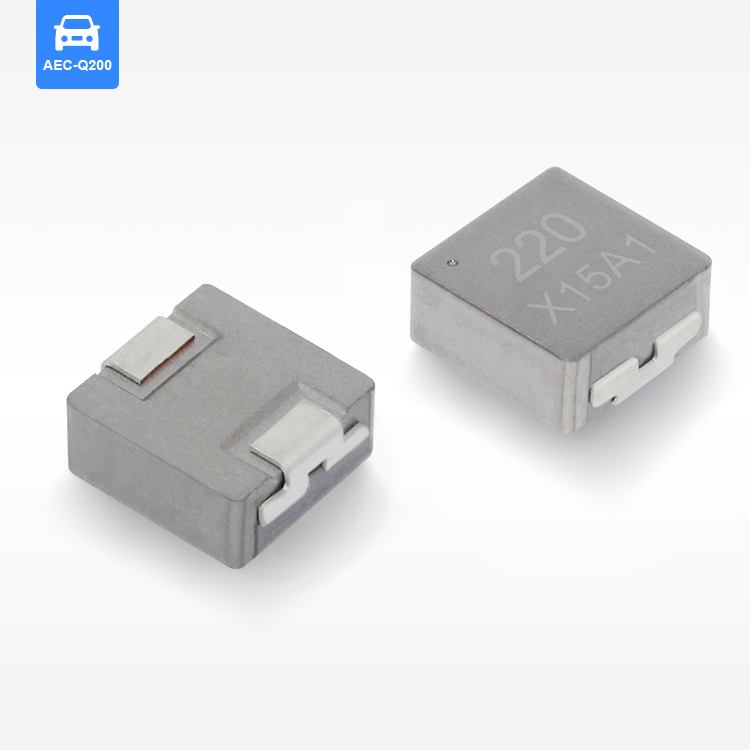
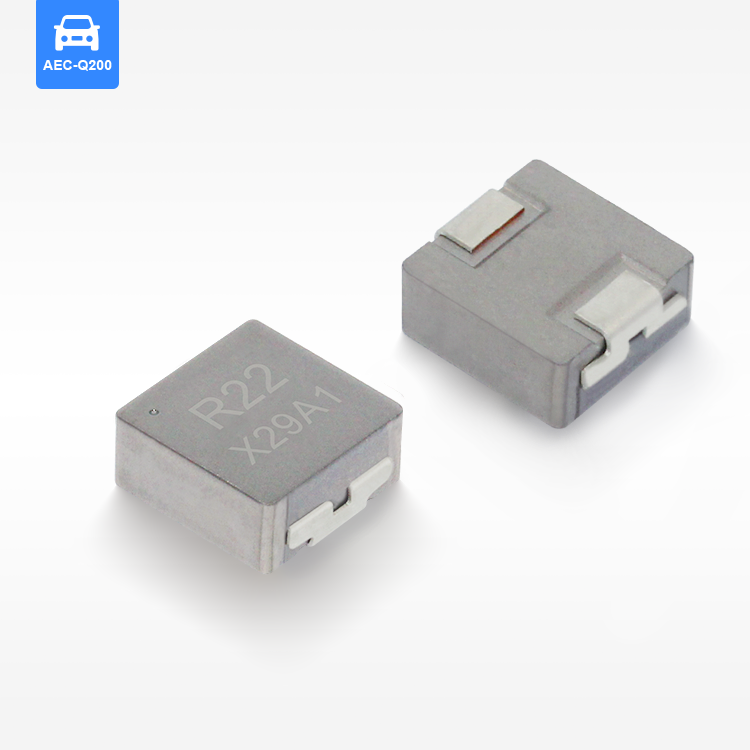
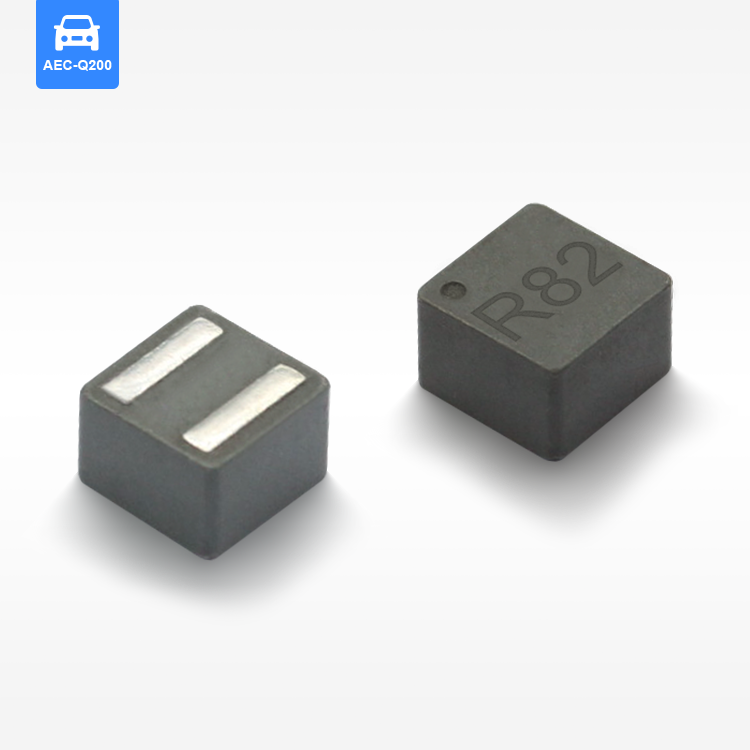
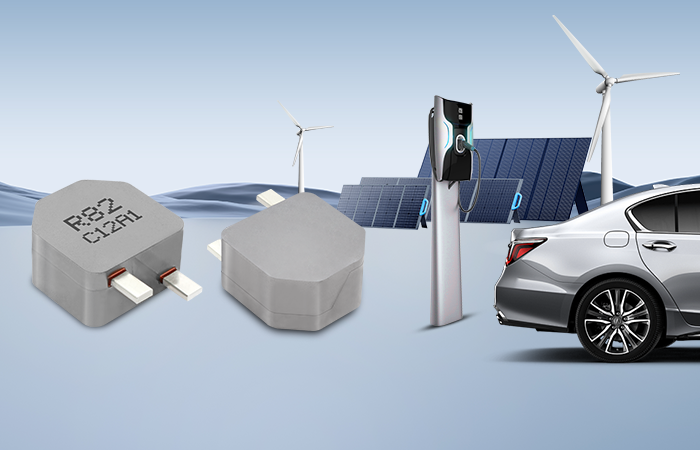
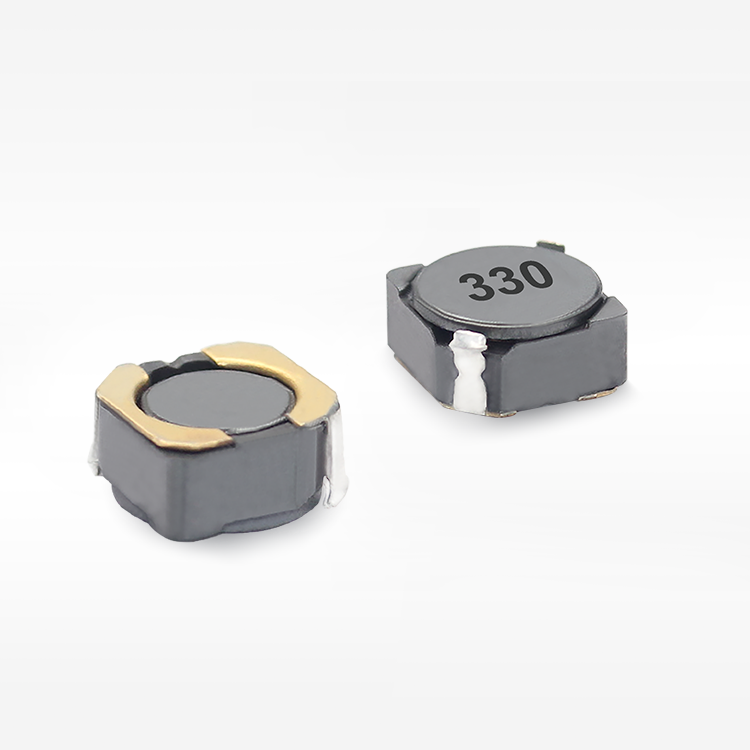
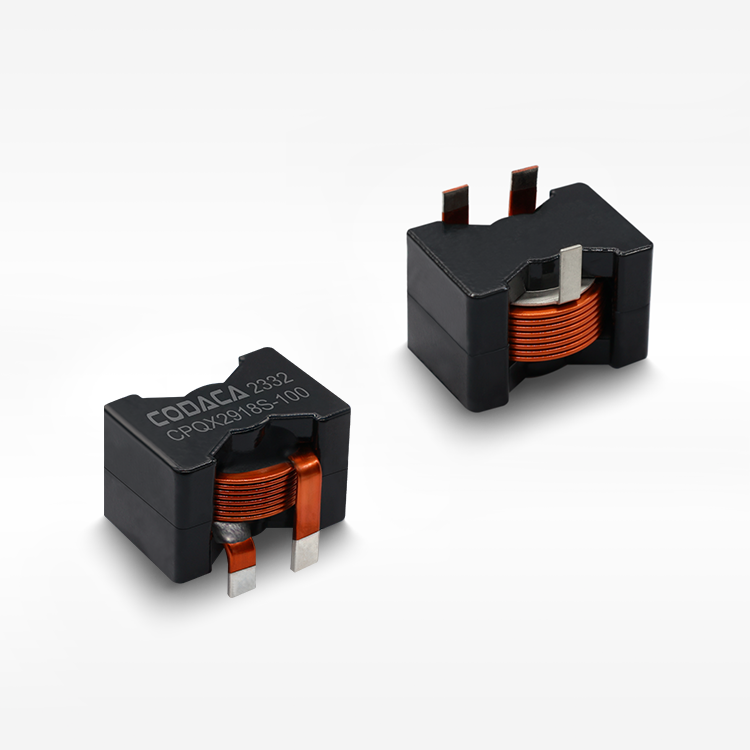
The automotive inductor for EV charger represents a critical component in the rapidly evolving electric vehicle charging infrastructure. This specialized electromagnetic device serves as the backbone of efficient power conversion systems, facilitating the smooth transfer of electrical energy from charging stations to electric vehicle batteries. An automotive inductor for EV charger operates by storing energy in its magnetic field when current flows through its coiled wire construction, then releasing this energy in a controlled manner to regulate voltage and current levels throughout the charging process. The primary functions of an automotive inductor for EV charger include power factor correction, electromagnetic interference suppression, and voltage regulation. These inductors work seamlessly within DC-DC converters and AC-DC rectifiers to ensure stable power delivery while minimizing electrical noise that could disrupt sensitive vehicle electronics. The technological features of modern automotive inductors for EV chargers incorporate advanced ferrite core materials that maximize magnetic permeability while reducing core losses. These components utilize precision-wound copper conductors with specialized insulation systems designed to withstand high-frequency switching operations typical in contemporary charging systems. Temperature stability remains paramount, with automotive inductors for EV chargers engineered to maintain consistent performance across extreme operating conditions from -40°C to +125°C. Applications span residential Level 2 chargers, commercial DC fast charging stations, and onboard vehicle charging systems. The automotive inductor for EV charger ensures optimal energy efficiency during battery charging cycles while protecting expensive vehicle electronics from power surges and electromagnetic interference. Modern designs incorporate compact form factors that enable space-efficient installation in both portable and stationary charging equipment, supporting the growing demand for versatile EV charging solutions across diverse automotive applications.

Popular Products

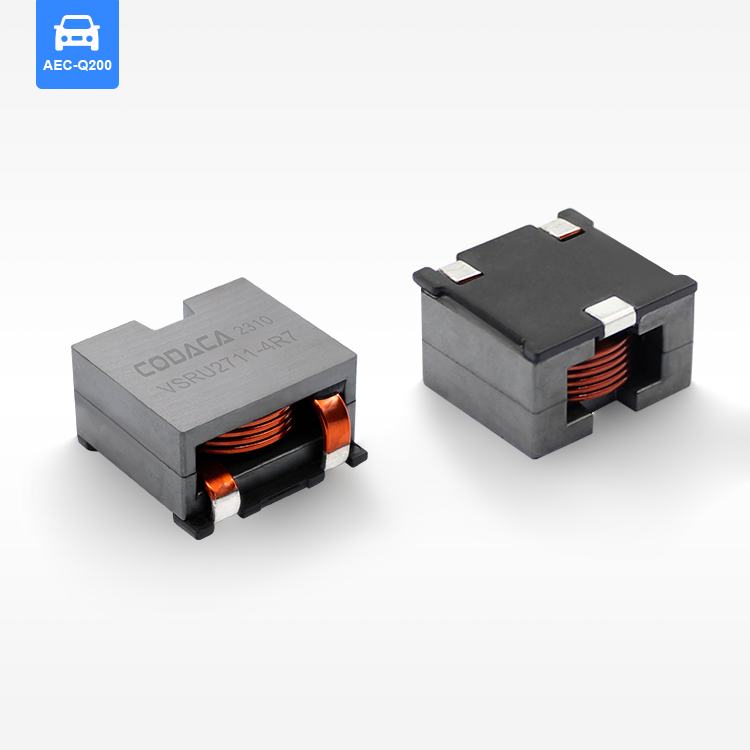
The automotive inductor for EV charger delivers exceptional energy efficiency that directly translates to reduced electricity costs and faster charging times for electric vehicle owners. These components achieve efficiency ratings exceeding 95 percent, meaning minimal energy waste during the charging process. This high efficiency stems from advanced core materials and optimized winding techniques that minimize resistive losses and magnetic hysteresis. Users experience shorter charging sessions while consuming less grid power, making electric vehicle ownership more economical and environmentally sustainable. The automotive inductor for EV charger provides superior electromagnetic compatibility that protects sensitive vehicle electronics from power-related damage. Modern electric vehicles contain sophisticated computer systems, sensors, and communication modules that require clean, stable power delivery. These inductors effectively filter out electrical noise and voltage spikes that could otherwise disrupt vehicle operations or cause permanent component failure. This protection capability saves vehicle owners from expensive repair bills while ensuring reliable vehicle performance throughout the charging process. Durability represents another significant advantage of automotive inductors for EV chargers, with components engineered to withstand millions of charge cycles without performance degradation. The robust construction includes moisture-resistant encapsulation, vibration-resistant mounting systems, and thermal management features that prevent overheating during intensive charging operations. This longevity ensures consistent charging performance over many years of regular use, providing excellent return on investment for both individual consumers and commercial charging station operators. The automotive inductor for EV charger offers flexible installation options that accommodate various charging infrastructure requirements. These components support both single-phase and three-phase power systems, enabling deployment in residential garages, workplace parking areas, and public charging networks. The compact design allows integration into space-constrained environments while maintaining optimal thermal dissipation. Additionally, these inductors support scalable power levels from basic 3.3kW home chargers to high-power 350kW commercial fast-charging stations, providing versatility for diverse market segments and future expansion needs.

Tips And Tricks

Compact High Current Power Inductor: A Comparison of Materials and Designs

01

Apr

Compact High Current Power Inductor: A Comparison of Materials and Designs

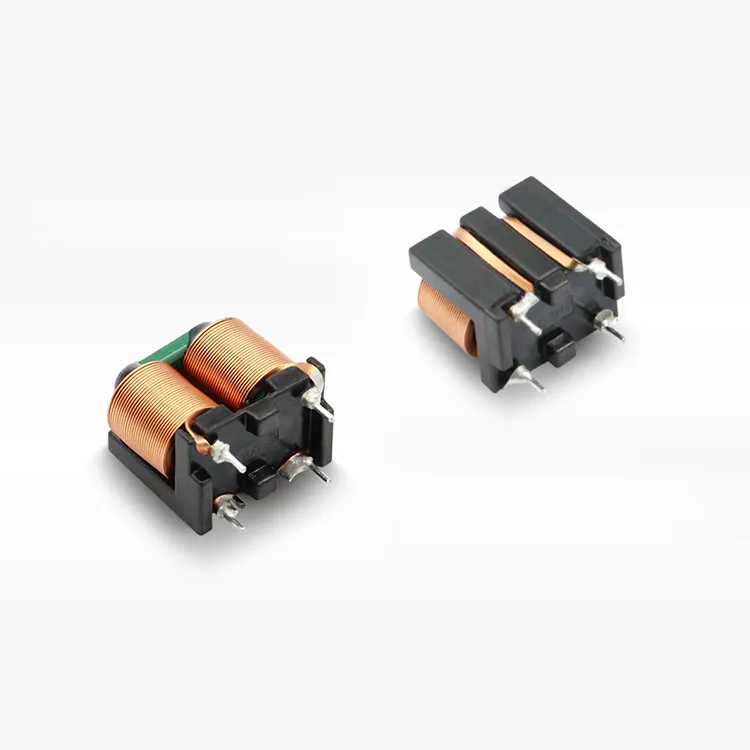
Mn-Zn Ferrite: High Permeability and Frequency Response Mn-Zn ferrite is highly regarded in the field of inductors due to its high permeability, which facilitates an efficient magnetic flux path. This characteristic translates into improved inductan...
View More
Innovations in Automotive Grade Molding Power Choke Technology

31

Mar

Innovations in Automotive Grade Molding Power Choke Technology

Introduction The evolution of automotive power chokes is a testament to the significant advancements in vehicle performance enhancement. Historically, these components, often referred to as "inductors", have played a pivotal role in stabilizing elec...
View More
Molding Power Chokes vs. Traditional Chokes: What's the Difference?

13

May

Molding Power Chokes vs. Traditional Chokes: What's the Difference?

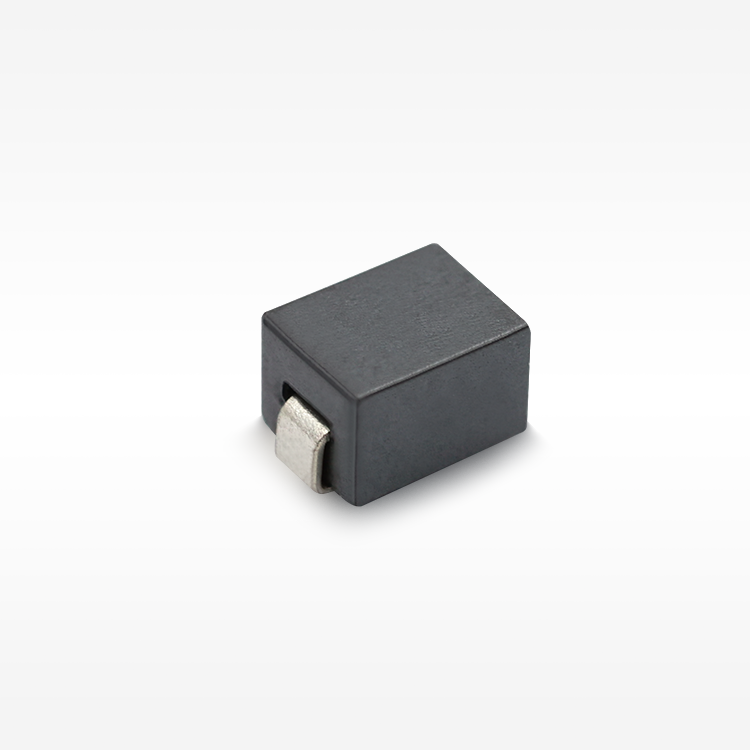
Core Construction Differences Between Molding Power Chokes and Traditional Chokes Materials: Ferrite vs. Iron Core Composition The primary difference between molding power chokes and traditional chokes lies in the material composition of their cores...
View More
A Brief Analysis of Inductor Noise and Solutions

26

May

A Brief Analysis of Inductor Noise and Solutions

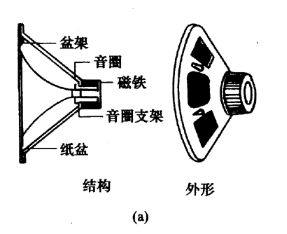
1.The principle of noise generation Noise is generated by the vibration of objects. Let's take a speaker as an example to understand the principle of vibration.A speaker does not directly convert electrical energy into sound energy. Instead, it uses ...
View More

Get a Free Quote

Our representative will contact you soon.
Email
Name
Company Name
Message
0/1000

automotive inductor for ev charger

Advanced Magnetic Core Technology Maximizes Charging Efficiency

Advanced Magnetic Core Technology Maximizes Charging Efficiency

The automotive inductor for EV charger incorporates cutting-edge ferrite core technology that revolutionizes energy conversion efficiency in electric vehicle charging systems. This advanced magnetic core design utilizes high-permeability materials specifically engineered for high-frequency switching applications common in modern EV charging infrastructure. The ferrite cores feature optimized grain structures that minimize eddy current losses while maximizing magnetic flux density, resulting in superior energy transfer characteristics compared to traditional inductor designs. The automotive inductor for EV charger benefits from these advanced cores through reduced power dissipation, enabling higher charging currents without excessive heat generation. The specialized core geometry incorporates distributed air gaps that linearize the magnetic characteristics, preventing core saturation even during peak charging demands. This design approach ensures consistent inductance values across varying load conditions, maintaining stable voltage regulation throughout the entire charging cycle. Temperature coefficient optimization within the core materials ensures that the automotive inductor for EV charger maintains consistent performance across extreme operating environments, from desert heat to arctic cold conditions. The low-loss characteristics of these advanced cores directly contribute to overall system efficiency improvements, reducing energy waste and minimizing cooling requirements in charging station designs. Furthermore, the automotive inductor for EV charger leveraging this technology demonstrates exceptional reliability under continuous operation scenarios typical in commercial fast-charging environments. The enhanced core materials resist magnetic degradation over extended periods, ensuring long-term performance stability that benefits both charging station operators and electric vehicle users through consistent, efficient charging experiences year after year.
Precision-Engineered Winding Systems Deliver Superior Performance

Precision-Engineered Winding Systems Deliver Superior Performance

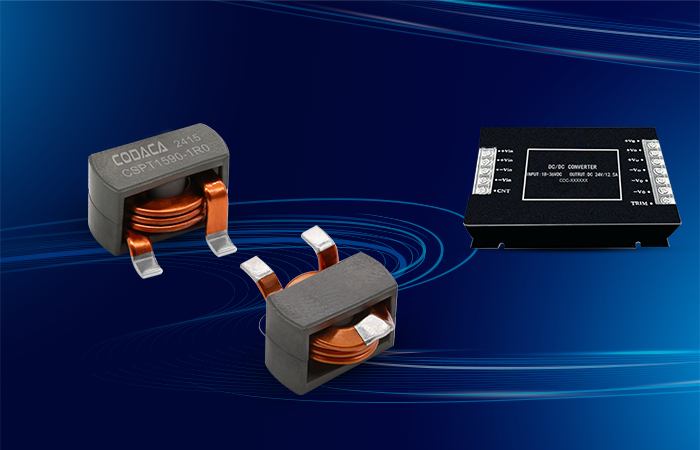
The automotive inductor for EV charger features meticulously designed winding systems that optimize electrical performance while ensuring exceptional reliability under demanding automotive conditions. These precision-engineered windings utilize high-grade oxygen-free copper conductors with specialized cross-sectional geometries that minimize skin effect losses at high switching frequencies. The automotive inductor for EV charger incorporates advanced winding techniques including interleaved configurations and optimized layer arrangements that reduce parasitic capacitance and enhance frequency response characteristics. Each conductor strand features premium-grade insulation systems rated for continuous operation at elevated temperatures, ensuring long-term dielectric integrity even under thermal cycling stress. The winding design process for automotive inductors for EV chargers employs computer-aided optimization algorithms that calculate optimal wire placement for maximum magnetic coupling while minimizing proximity effects between adjacent conductors. This scientific approach results in inductors with superior current handling capabilities and reduced AC resistance compared to conventional winding methods. The automotive inductor for EV charger benefits from specialized termination techniques that provide low-resistance connections capable of handling high charging currents without voltage drops or heating issues. Quality control processes include comprehensive electrical testing of each winding assembly to verify inductance accuracy, quality factor measurements, and insulation resistance verification. The winding systems incorporate stress-relief features that accommodate thermal expansion during operation, preventing mechanical failure due to repeated heating and cooling cycles. Additionally, the automotive inductor for EV charger utilizes moisture-resistant impregnation compounds that protect windings from environmental contamination while maintaining flexibility for thermal expansion, ensuring reliable operation throughout the product lifecycle.
Comprehensive Safety Features Protect Vehicle Electronics

Comprehensive Safety Features Protect Vehicle Electronics

The automotive inductor for EV charger integrates multiple layers of safety protection that safeguard expensive vehicle electronics while ensuring reliable charging operations under all conditions. These safety systems begin with overvoltage protection capabilities that automatically limit voltage spikes during grid disturbances or switching transients, preventing damage to sensitive battery management systems and onboard computers. The automotive inductor for EV charger incorporates current limiting features that prevent excessive charging currents during fault conditions, protecting both the vehicle's electrical systems and the charging infrastructure from potential damage. Advanced thermal protection mechanisms monitor component temperatures continuously, automatically reducing power output or initiating shutdown sequences if safe operating limits are approached. The automotive inductor for EV charger features robust insulation systems that exceed automotive safety standards for electrical isolation, ensuring user safety even during component failures or environmental contamination events. Ground fault detection capabilities built into these inductors provide additional protection against electrical hazards while maintaining compliance with international safety regulations. The automotive inductor for EV charger utilizes flame-retardant materials and encapsulation compounds that prevent fire propagation in extreme failure scenarios, protecting both vehicles and charging infrastructure. Electromagnetic compatibility features ensure that the automotive inductor for EV charger operates without interfering with vehicle communication systems, GPS navigation, or wireless connectivity functions. These inductors undergo extensive testing including vibration resistance verification, moisture ingress protection validation, and electromagnetic interference assessment to ensure reliable operation in harsh automotive environments. The safety architecture includes redundant protection circuits that maintain operational integrity even if primary safety systems experience failures, providing multiple levels of protection for valuable vehicle electronics and ensuring user confidence in EV charging reliability.