Premium Low Distortion Class D Inductor - Superior Audio Performance & Reliability

All Categories

Get a Free Quote

Our representative will contact you soon.
Email
Name
Company Name
Message
0/1000

low distortion class d inductor

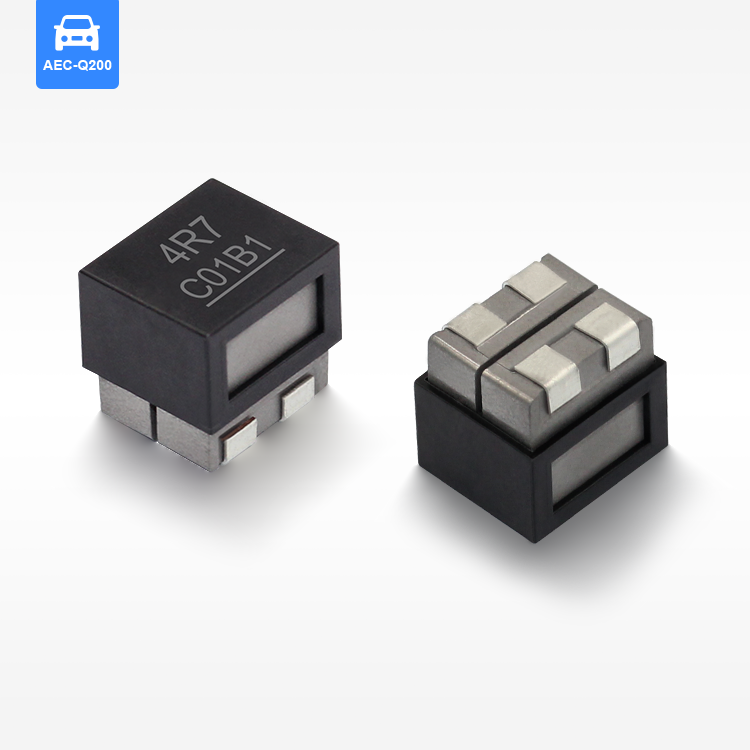
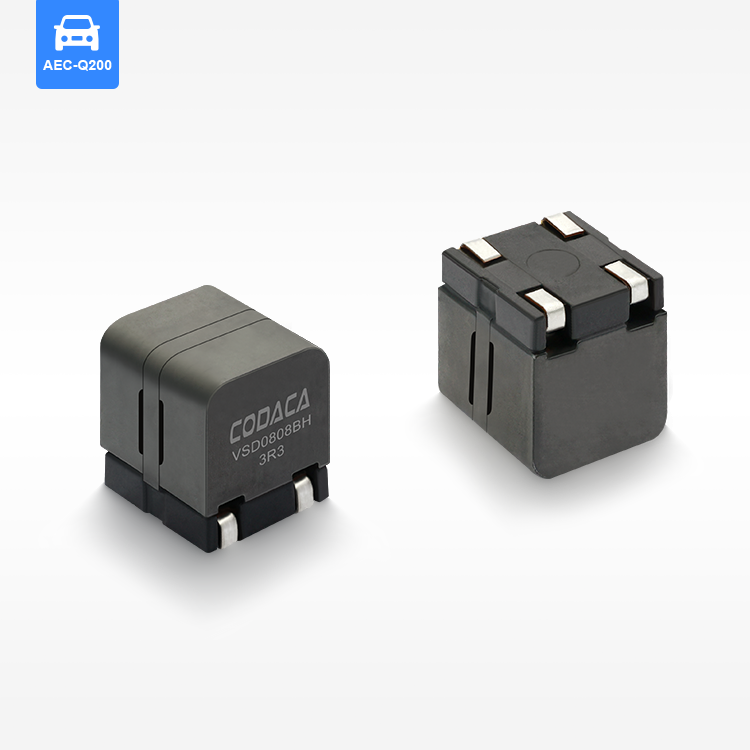
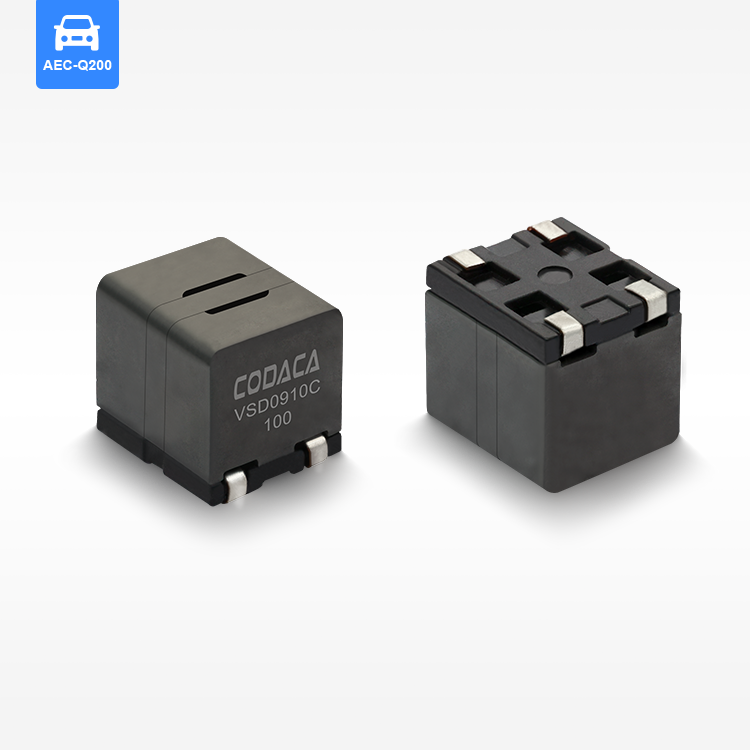
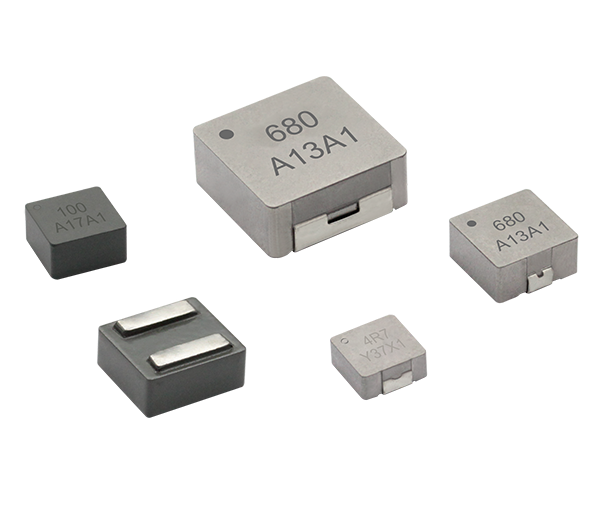
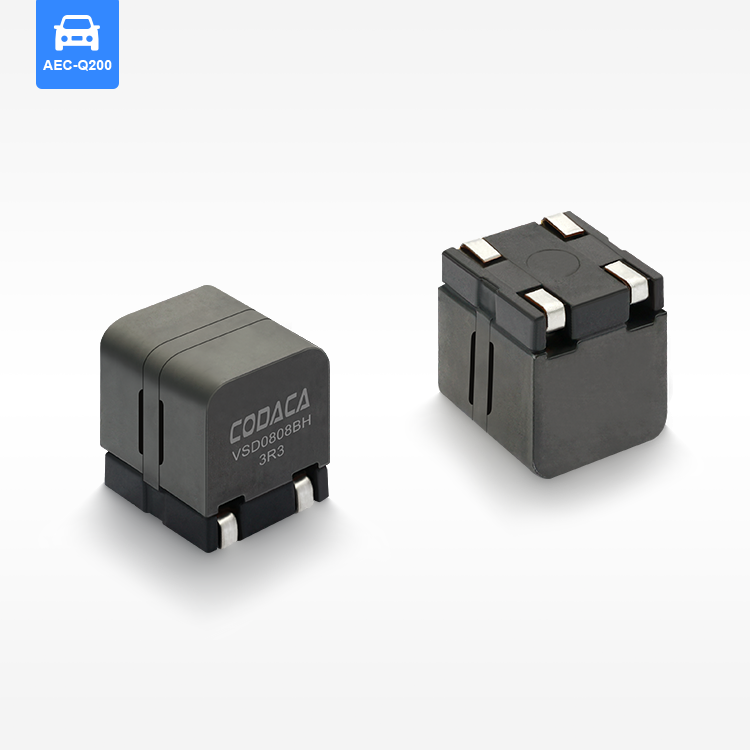
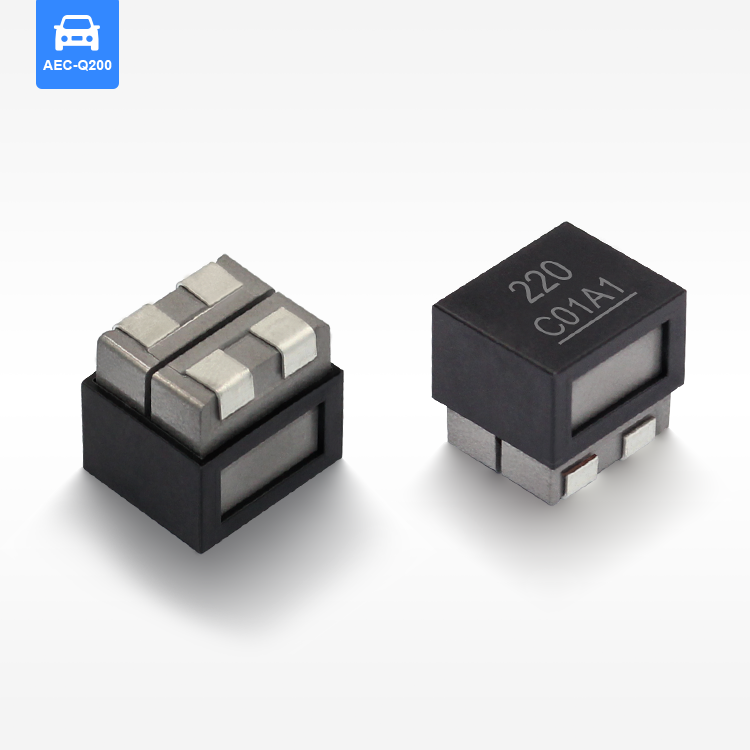
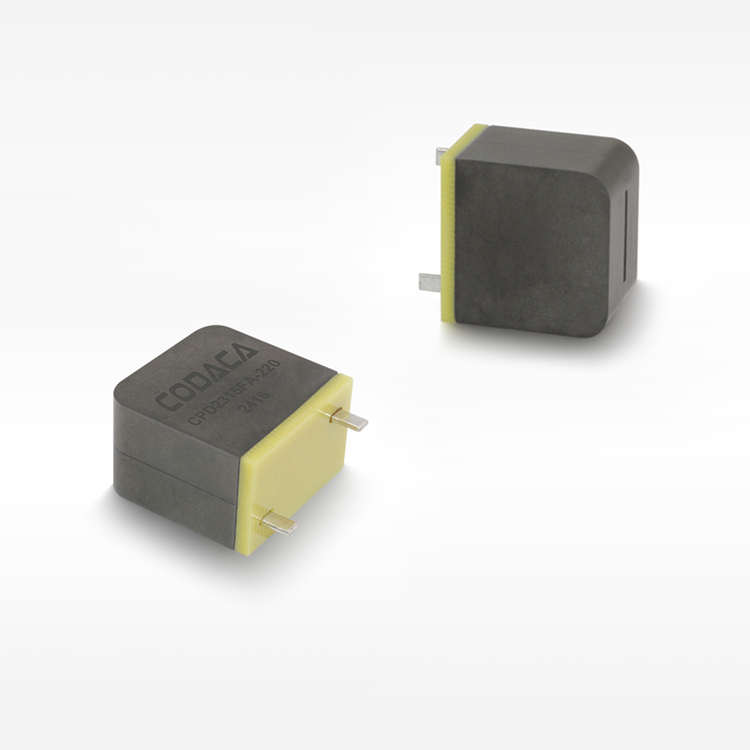
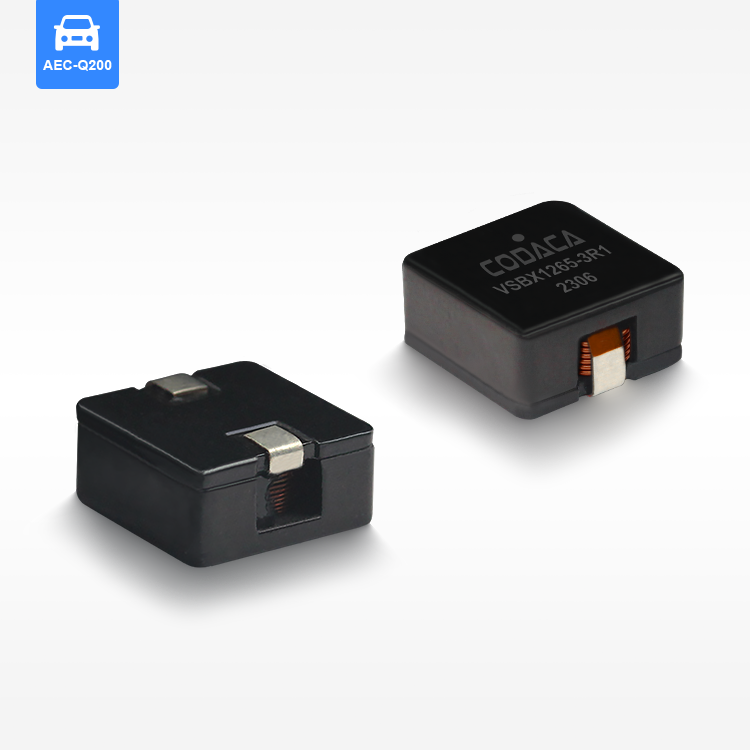
The low distortion class d inductor represents a critical component in modern audio amplification systems, specifically designed to minimize signal distortion while maintaining exceptional performance characteristics. This specialized inductor plays a fundamental role in Class D amplifier circuits, where it serves as an essential element in the output filter stage. The primary function of this component involves smoothing the pulse-width modulated signals generated by Class D amplifiers, converting them into clean, continuous audio signals that can drive speakers effectively. The low distortion class d inductor achieves this through its carefully engineered magnetic core design and precise winding techniques that reduce harmonic distortion to minimal levels. Technologically, these inductors feature advanced core materials such as ferrite or powdered iron cores that exhibit superior magnetic properties and thermal stability. The winding structure employs high-quality copper wire with optimized gauge selection to minimize resistance losses while maximizing current handling capability. Many low distortion class d inductor designs incorporate air gaps or distributed gaps within the core structure to prevent magnetic saturation, ensuring linear performance across varying current levels. The applications for these specialized inductors span across numerous sectors including professional audio equipment, automotive sound systems, home theater amplifiers, portable audio devices, and high-end consumer electronics. In professional recording studios, the low distortion class d inductor enables crystal-clear audio reproduction essential for critical listening applications. Automotive manufacturers rely on these components to deliver premium sound quality in vehicle entertainment systems while meeting stringent electromagnetic compatibility requirements. The construction methodology of the low distortion class d inductor emphasizes precision manufacturing techniques that ensure consistent electrical characteristics and long-term reliability. Advanced testing procedures verify that each inductor meets strict specifications for inductance tolerance, quality factor, and distortion performance. These components undergo rigorous quality control measures to guarantee optimal performance in demanding operating environments.

New Product Releases

The low distortion class d inductor offers substantial benefits that directly translate into superior audio performance and enhanced system reliability for end users. One of the most significant advantages lies in its ability to dramatically reduce total harmonic distortion, resulting in cleaner, more accurate sound reproduction that audiophiles and professional engineers demand. This reduction in distortion means listeners experience music and audio content exactly as intended by the original creators, without unwanted coloration or artifacts that can diminish the listening experience. The improved efficiency characteristics of the low distortion class d inductor contribute to reduced power consumption and heat generation within amplifier circuits, leading to extended battery life in portable devices and lower operating costs in professional installations. This efficiency advantage becomes particularly valuable in battery-powered applications where every milliwatt of saved power extends operational time significantly. The thermal performance benefits of these inductors ensure stable operation across wide temperature ranges, making them suitable for challenging environments such as automotive applications or outdoor sound systems. Users benefit from consistent audio quality regardless of ambient temperature conditions, eliminating the performance degradation often associated with traditional inductor designs. The compact form factor achievable with low distortion class d inductor technology allows engineers to design smaller, lighter amplifier systems without sacrificing performance, enabling the development of portable high-quality audio equipment that was previously impossible. This size advantage proves especially valuable in space-constrained applications such as smartphones, tablets, and compact home audio systems. The enhanced current handling capability of these specialized inductors supports higher power output levels while maintaining low distortion characteristics, enabling the creation of powerful amplifier systems suitable for large venue sound reinforcement or home theater applications. The superior electromagnetic interference suppression provided by the low distortion class d inductor helps ensure compliance with international EMC standards while reducing the potential for interference with other electronic devices. This advantage proves crucial in modern environments where multiple electronic devices operate in close proximity. The long-term reliability and stability of these inductors reduce maintenance requirements and replacement costs, providing excellent value for professional audio installations and consumer equipment alike.

Latest News

The Role of Industrial Power Inductors in Modern Electronics

07

Apr

The Role of Industrial Power Inductors in Modern Electronics

Industrial power inductors play a vital role in modern electronics. They store energy, filter signals, and convert power to ensure your devices operate efficiently. These components stabilize circuits by controlling current flow and reducing noise. Y...
View More
Molding Power Chokes: A Comprehensive Review of the Market

13

May

Molding Power Chokes: A Comprehensive Review of the Market

What Are Molding Power Chokes? Definition and Core Functionality Molding power chokes are inductive elements that control current flow within circuits. For the transport of electrical power, energy is advantageously stored in magnetic fields, w...
View More
A Brief Analysis of Inductor Noise and Solutions

26

May

A Brief Analysis of Inductor Noise and Solutions

1.The principle of noise generation Noise is generated by the vibration of objects. Let's take a speaker as an example to understand the principle of vibration.A speaker does not directly convert electrical energy into sound energy. Instead, it uses ...
View More
How to Select Wires in the Preparation Process of Integrated Molding Power Choke

26

May

How to Select Wires in the Preparation Process of Integrated Molding Power Choke

Wires are one of the crucial raw materials in the preparation of integrated molded inductors. Selecting appropriate wires exerts a significant impact on their manufacturing process. The following content will provide a brief introduction to wire sele...
View More

Get a Free Quote

Our representative will contact you soon.
Email
Name
Company Name
Message
0/1000

low distortion class d inductor

Advanced Magnetic Core Technology for Superior Signal Integrity

Advanced Magnetic Core Technology for Superior Signal Integrity

The revolutionary magnetic core technology employed in the low distortion class d inductor represents a significant breakthrough in audio component design, delivering unprecedented signal integrity and performance characteristics. This advanced core utilizes specially formulated ferrite materials or optimized powdered iron compositions that exhibit exceptional magnetic permeability while maintaining minimal hysteresis losses. The sophisticated core geometry incorporates precisely controlled air gaps or distributed gap structures that prevent magnetic saturation even at high current levels, ensuring linear inductance characteristics across the entire operating range. This innovative design approach eliminates the non-linear distortion typically associated with conventional inductors, where magnetic saturation introduces harmonic distortion that degrades audio quality. The core material selection process involves extensive testing and characterization to identify compositions that provide optimal temperature stability, ensuring consistent performance across varying environmental conditions. The manufacturing process for these advanced cores employs precision molding techniques that achieve tight dimensional tolerances, resulting in predictable magnetic properties and consistent electrical characteristics from unit to unit. The surface treatment and finishing processes applied to the core materials enhance their resistance to environmental factors such as humidity and temperature cycling, contributing to long-term reliability in demanding applications. The magnetic flux distribution within the core is carefully optimized through computer modeling and simulation, ensuring uniform magnetic field patterns that minimize losses and distortion. This attention to magnetic design detail results in improved efficiency and reduced heat generation, allowing for more compact amplifier designs while maintaining superior performance. The low coercivity characteristics of the core materials enable rapid magnetic switching, essential for high-frequency Class D amplifier operation where switching speeds exceed hundreds of kilohertz. The advanced core technology also provides excellent electromagnetic shielding properties, reducing interference with nearby components and improving overall system performance in complex electronic environments.
Precision Winding Techniques for Optimal Electrical Performance

Precision Winding Techniques for Optimal Electrical Performance

The precision winding techniques employed in manufacturing the low distortion class d inductor represent a masterclass in electromagnetic component engineering, utilizing advanced methodologies that optimize electrical performance while minimizing parasitic effects. These sophisticated winding processes employ computer-controlled machinery that achieves consistent tension control and precise wire placement, ensuring uniform inductance distribution and minimal inter-turn capacitance. The wire selection process involves careful consideration of conductor material, gauge, and insulation properties to achieve optimal performance characteristics for Class D amplifier applications. High-purity oxygen-free copper conductors provide minimal resistance losses while specialized insulation materials ensure reliable operation at elevated temperatures and voltages. The winding pattern optimization utilizes mathematical modeling to determine the ideal configuration that minimizes proximity effects and skin effect losses at high frequencies, critical considerations for Class D amplifier operation where switching frequencies often exceed 200 kilohertz. Layer-to-layer insulation systems employ advanced polymer films that provide excellent dielectric properties while maintaining mechanical integrity under thermal cycling conditions. The termination methods utilize robust soldering techniques and mechanical connections that ensure reliable electrical contact throughout the component's operational lifetime. Special attention is paid to minimizing the physical size of connection points to reduce parasitic inductance and resistance that could degrade performance. The quality control processes for winding operations include automated testing systems that verify electrical parameters such as inductance, resistance, and quality factor for every manufactured unit. Advanced laser measurement systems monitor wire placement accuracy during the winding process, ensuring consistent mechanical construction that translates into predictable electrical characteristics. The winding support structures utilize temperature-stable materials that maintain their mechanical properties across the operating temperature range, preventing dimensional changes that could affect electrical performance. These precision manufacturing techniques result in inductors that exhibit excellent batch-to-batch consistency, enabling reliable circuit design and simplified quality assurance processes for equipment manufacturers.
Enhanced Thermal Management for Extended Reliability

Enhanced Thermal Management for Extended Reliability

The enhanced thermal management capabilities integrated into the low distortion class d inductor design provide exceptional reliability and performance stability under demanding operating conditions, addressing one of the critical challenges in high-power audio amplifier applications. The thermal design philosophy encompasses multiple engineering approaches that work synergistically to minimize temperature rise while maximizing heat dissipation efficiency. The core material selection prioritizes compositions with low magnetic losses and high thermal conductivity, ensuring that heat generated by magnetic hysteresis and eddy current losses is efficiently conducted away from critical areas. The physical construction incorporates thermal pathways that facilitate heat transfer from the inductor core to external mounting surfaces or heat sinks, utilizing materials with optimized thermal conductivity properties. Advanced finite element analysis modeling guides the thermal design process, predicting temperature distributions and identifying potential hot spots before physical prototypes are manufactured. This computational approach enables optimization of the thermal performance while maintaining the electrical characteristics required for low distortion operation. The wire insulation systems employ high-temperature polymer materials that maintain their dielectric properties and mechanical integrity at elevated temperatures, ensuring reliable operation even during sustained high-power operation. The bobbin or former materials utilize thermally stable plastics or ceramics that resist dimensional changes across the operating temperature range, maintaining consistent magnetic gap dimensions and electrical characteristics. Specialized cooling techniques may include integrated heat spreaders or thermal interface materials that enhance heat transfer to external cooling systems. The thermal time constants of the low distortion class d inductor are carefully characterized to ensure compatibility with amplifier protection circuits that monitor temperature conditions. Quality assurance testing includes thermal cycling procedures that verify performance stability across multiple heating and cooling cycles, simulating years of normal operation in accelerated test conditions. The enhanced thermal management extends component lifetime significantly compared to conventional designs, reducing maintenance requirements and replacement costs in professional audio installations. This thermal robustness enables the low distortion class d inductor to operate reliably in challenging environments such as automotive applications where ambient temperatures may vary dramatically, or in compact equipment designs where thermal management presents significant engineering challenges.