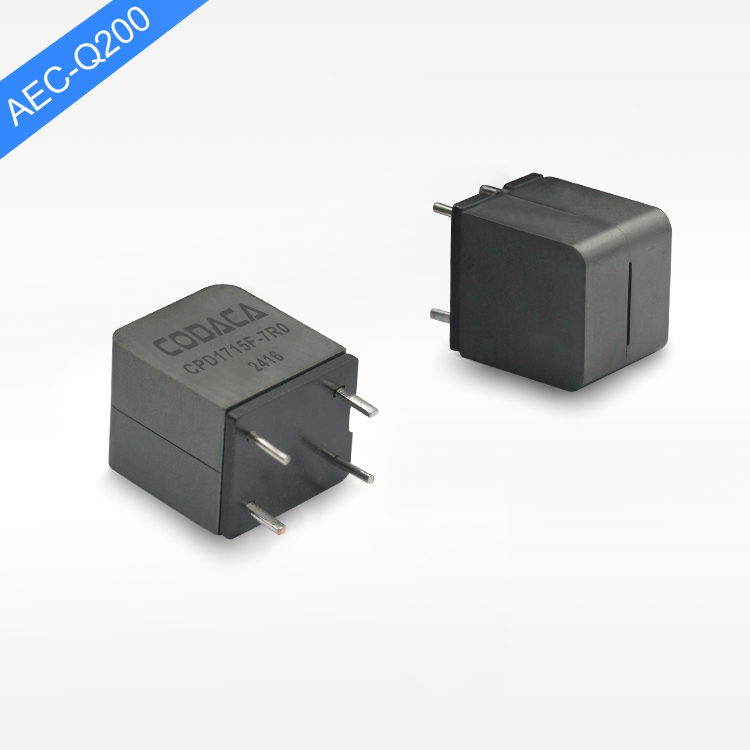
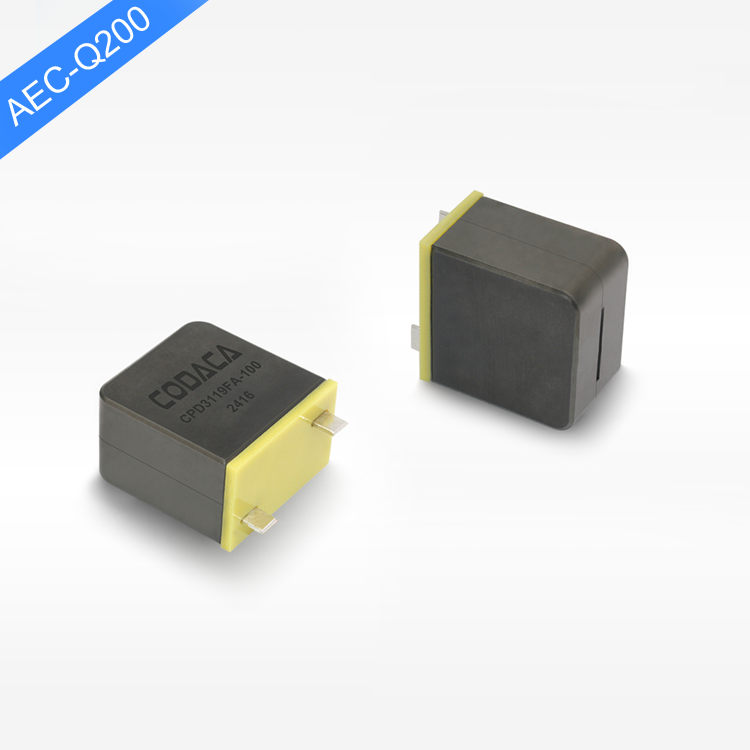
Low DCR Class D Inductor - High Efficiency Power Solutions for Modern Electronics

All Categories

Get a Free Quote

Our representative will contact you soon.
Email
Name
Company Name
Message
0/1000

low dcr class d inductor

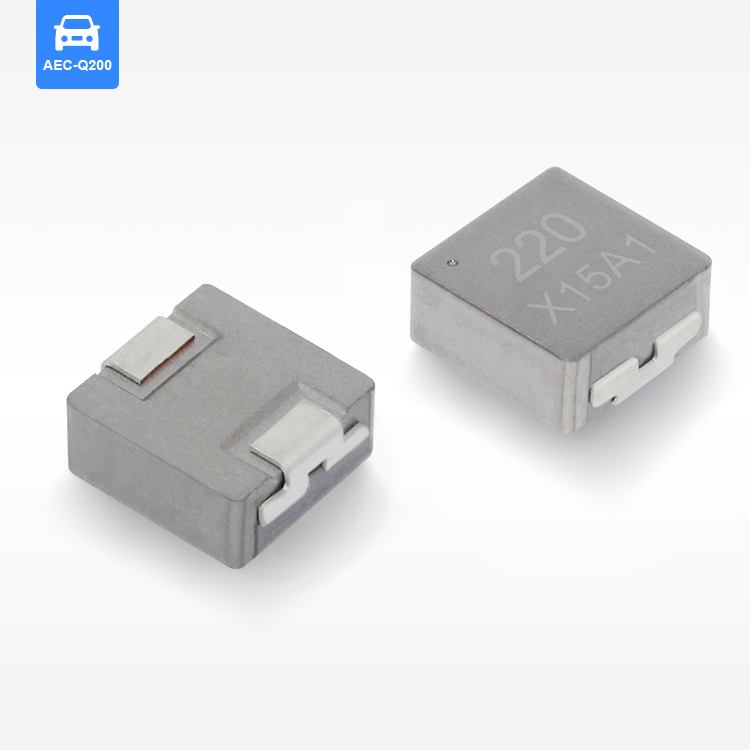
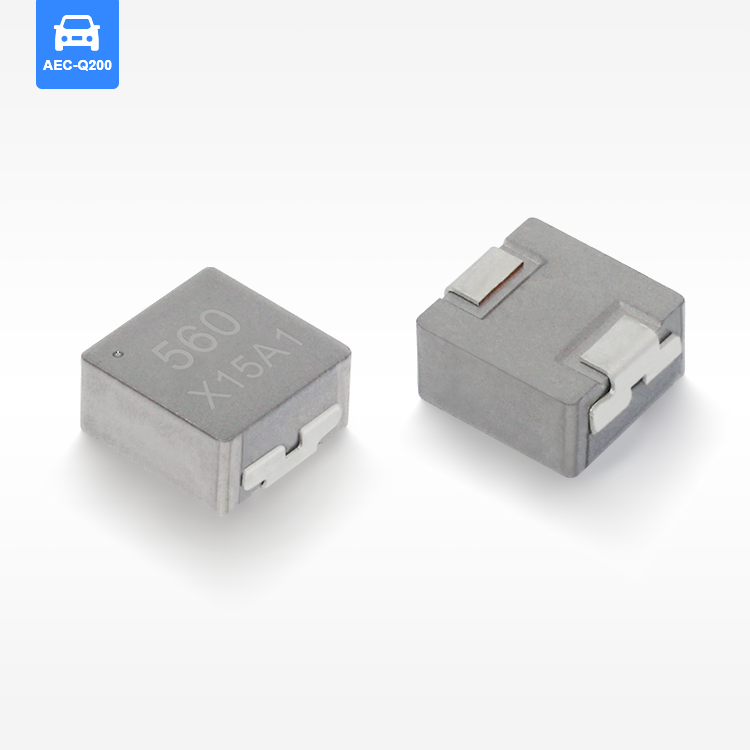
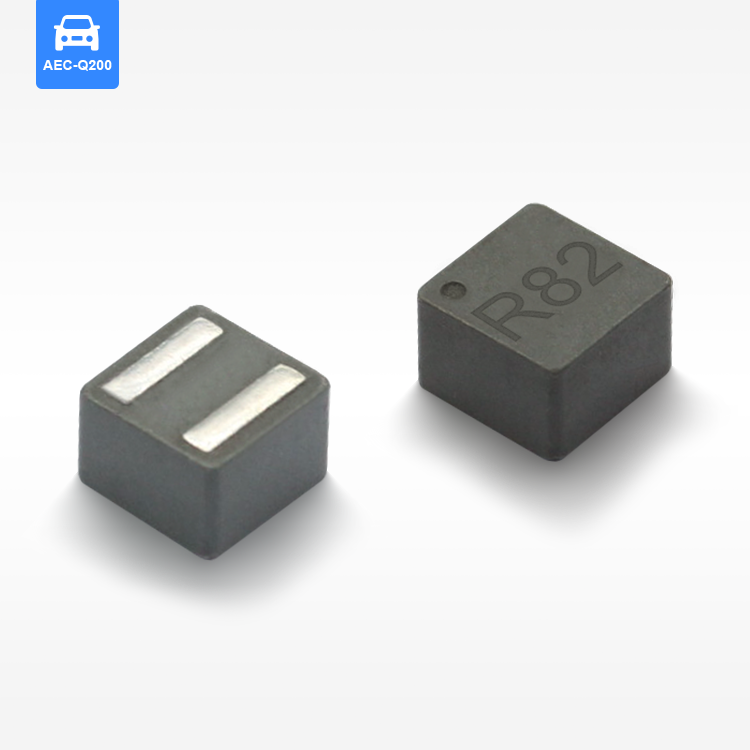
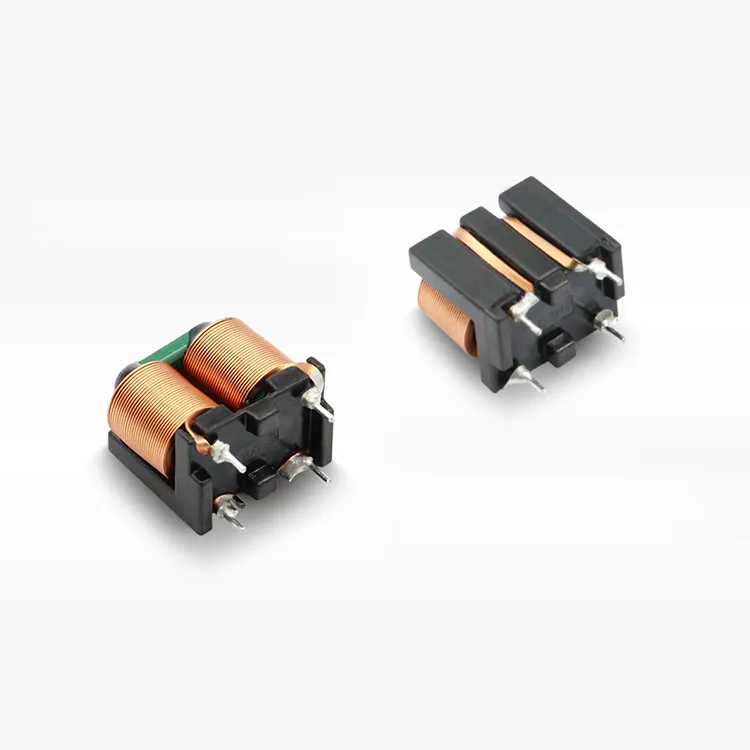
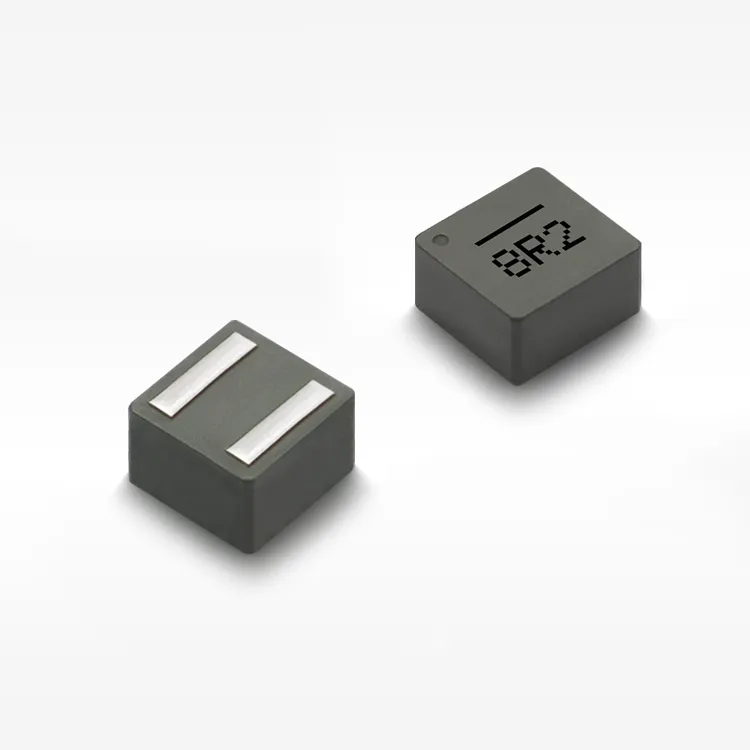
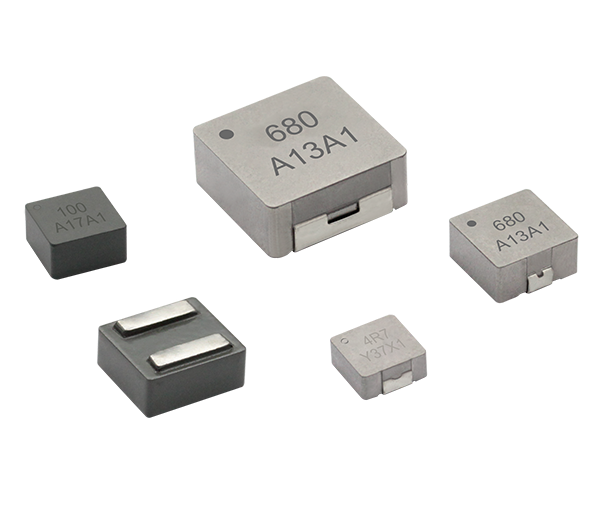
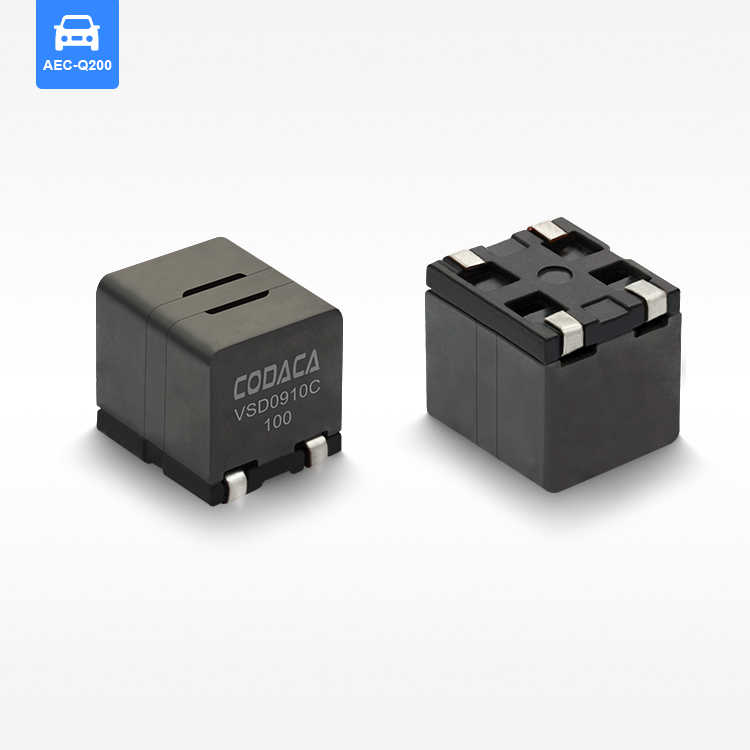
The low DCR Class D inductor represents a significant advancement in power electronics technology, specifically designed to meet the demanding requirements of modern switching power supplies and audio amplification systems. DCR, which stands for Direct Current Resistance, is a critical parameter that determines the efficiency and thermal performance of inductors in high-frequency applications. The low DCR Class D inductor minimizes power losses by reducing the resistance that current encounters when flowing through the component, making it an essential element in energy-efficient circuit designs. These inductors are engineered with specialized core materials and optimized winding techniques to achieve superior performance characteristics. The primary function of a low DCR Class D inductor involves energy storage and filtering in switching circuits, where it smooths current ripples and maintains stable power delivery. In Class D amplifier applications, these inductors play a crucial role in the output filter stage, converting pulse-width modulated signals back into clean analog audio signals while minimizing distortion and power consumption. The technological features of low DCR Class D inductors include advanced ferrite core compositions that provide excellent magnetic permeability while maintaining low core losses at high frequencies. The winding construction typically employs larger gauge wire or multiple parallel conductors to reduce the overall DCR value. Many designs incorporate shielded construction to minimize electromagnetic interference and improve circuit performance. Temperature stability is another key feature, with these inductors maintaining consistent electrical properties across wide operating temperature ranges. The compact form factors available make them suitable for space-constrained applications while delivering high current handling capabilities. Applications for low DCR Class D inductors span across various industries including consumer electronics, automotive systems, industrial power supplies, and renewable energy converters. They are particularly valuable in battery-powered devices where efficiency directly impacts operating time, and in high-power applications where reduced losses translate to improved thermal management and system reliability.

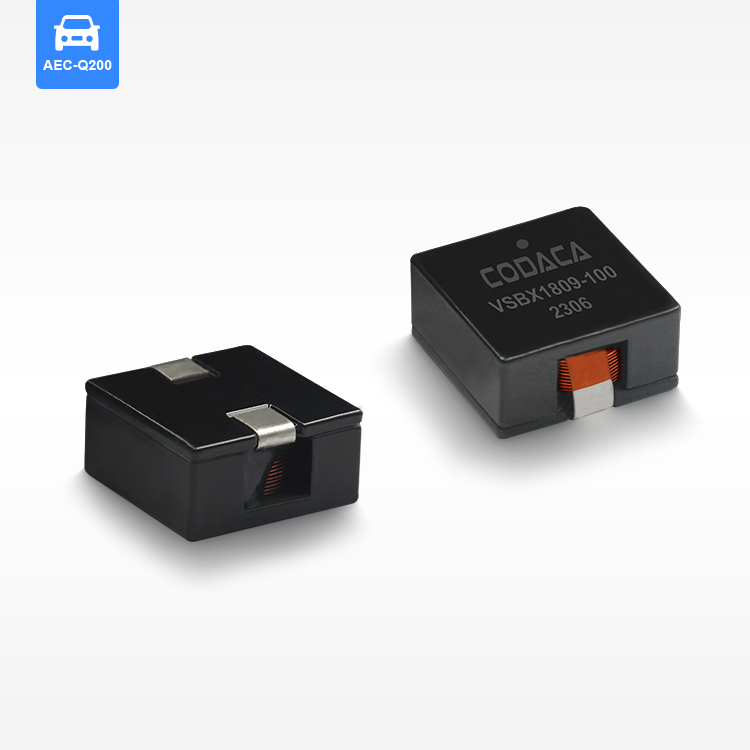
New Products

The low DCR Class D inductor offers numerous practical benefits that directly translate into improved system performance and cost savings for engineers and manufacturers. The most significant advantage lies in enhanced energy efficiency, where reduced DC resistance means less power is wasted as heat during normal operation. This efficiency improvement becomes particularly valuable in battery-powered applications, where every watt saved extends operational time and reduces the frequency of charging cycles. Users can expect efficiency gains of 2-5% compared to standard inductors, which may seem modest but represents substantial energy savings in high-power applications running continuously. The reduced heat generation also eliminates the need for additional cooling components in many designs, simplifying circuit layouts and reducing overall system costs. Another major advantage involves improved power density capabilities, allowing designers to handle higher current levels within the same physical footprint. This benefit proves especially important in modern electronics where miniaturization demands continue to increase while power requirements grow. The low DCR Class D inductor enables more compact designs without compromising performance, giving product developers greater flexibility in mechanical design choices. The superior current handling capability also means better transient response, which improves system stability during sudden load changes or startup conditions. Cost effectiveness represents another compelling advantage, as the improved efficiency often allows designers to use smaller power supplies and reduce cooling requirements. While the initial component cost may be slightly higher than standard inductors, the overall system cost typically decreases due to reduced supporting components and simplified thermal management. The longer operational life resulting from lower operating temperatures also reduces maintenance costs and improves system reliability. Manufacturing benefits include easier assembly processes due to the consistent electrical characteristics and robust construction of these inductors. Quality control becomes more predictable, and production yields improve when using components with tight tolerances and stable performance parameters. The reduced electromagnetic interference characteristics of shielded low DCR Class D inductors also simplify compliance with regulatory requirements, reducing development time and certification costs. These practical benefits combine to deliver tangible value in real-world applications, making the low DCR Class D inductor an intelligent choice for performance-critical designs.

Latest News

The Science Behind Automotive Grade Molding Power Choke Design

31

Mar

The Science Behind Automotive Grade Molding Power Choke Design

Introduction Automotive grade molding power chokes, also known as molded power inductors, are essential components in electrical circuits particularly within the automotive industry. These chokes consist of a coil of wire wound around a ferrite core...
View More
Molding Power Chokes vs. Traditional Chokes: What's the Difference?

13

May

Molding Power Chokes vs. Traditional Chokes: What's the Difference?

Core Construction Differences Between Molding Power Chokes and Traditional Chokes Materials: Ferrite vs. Iron Core Composition The primary difference between molding power chokes and traditional chokes lies in the material composition of their cores...
View More
A Comprehensive Review of the SMD Power Inductor Market

13

May

A Comprehensive Review of the SMD Power Inductor Market

Overview of the SMD Power Inductor Market Defining SMD Power Inductors and Core Functionality SMD power inductor is a kind of basic components in electronic circuit which always used as a anti interference in electronics. They are parts of...
View More
How to Select Wires in the Preparation Process of Integrated Molding Power Choke

26

May

How to Select Wires in the Preparation Process of Integrated Molding Power Choke

Wires are one of the crucial raw materials in the preparation of integrated molded inductors. Selecting appropriate wires exerts a significant impact on their manufacturing process. The following content will provide a brief introduction to wire sele...
View More

Get a Free Quote

Our representative will contact you soon.
Email
Name
Company Name
Message
0/1000

low dcr class d inductor

Maximum Energy Efficiency Through Ultra-Low Resistance Design

Maximum Energy Efficiency Through Ultra-Low Resistance Design

The cornerstone feature of the low DCR Class D inductor lies in its revolutionary resistance minimization technology, which fundamentally transforms how power conversion systems operate. Traditional inductors often suffer from significant resistance losses that convert valuable electrical energy into unwanted heat, reducing overall system efficiency and requiring additional cooling measures. The low DCR Class D inductor addresses this challenge through innovative design approaches that achieve resistance values as low as a few milliohms, representing improvements of 50-70% over conventional alternatives. This dramatic reduction in DC resistance directly translates into measurable efficiency gains across the entire operating range of the circuit. The engineering behind this achievement involves multiple complementary technologies working together. Advanced wire selection utilizes high-purity copper conductors with optimized cross-sectional areas, while parallel winding techniques effectively multiply the current-carrying capacity while dividing the resistance. The core material selection focuses on low-loss ferrite compositions that maintain excellent magnetic properties without adding parasitic resistance. These technical improvements deliver concrete benefits that users can immediately recognize in their applications. Power supplies incorporating low DCR Class D inductors demonstrate measurably lower operating temperatures, often reducing thermal stress on surrounding components and extending overall system lifespan. The efficiency improvements become particularly pronounced in high-current applications where even small resistance reductions yield substantial power savings. For example, a 10-amp current through a 5-milliohm inductor generates only 0.5 watts of heat, compared to 2.5 watts from a 25-milliohm standard inductor. This five-fold reduction in power loss translates directly into energy cost savings and reduced cooling requirements. Battery-powered systems benefit enormously from this efficiency enhancement, as the extended operating time can make the difference between a product that meets market expectations and one that falls short. The cumulative effect of these efficiency gains often enables designers to specify smaller power sources or achieve longer battery life targets, providing significant competitive advantages in the marketplace.
Superior Current Handling with Excellent Thermal Management

Superior Current Handling with Excellent Thermal Management

The exceptional current handling capabilities of low DCR Class D inductors represent a breakthrough in power density optimization, enabling engineers to design more compact and powerful systems without compromising reliability or performance. This capability stems from the fundamental relationship between resistance, current, and heat generation, where lower resistance allows higher currents to flow without exceeding thermal limits. The low DCR Class D inductor leverages this principle to achieve current ratings that often exceed traditional inductors by 30-50% within identical physical dimensions. The thermal management advantages extend beyond simple current capacity improvements. The reduced heat generation creates a positive feedback effect throughout the entire system, where lower component temperatures improve reliability and allow for more aggressive performance parameters. Components operating at lower temperatures typically exhibit longer lifespans, more stable electrical characteristics, and reduced drift over time. This thermal advantage becomes particularly critical in automotive applications where ambient temperatures can reach extreme levels, or in industrial environments where 24/7 operation demands maximum reliability. The construction techniques employed in low DCR Class D inductors specifically address thermal management challenges. Optimized core materials feature excellent thermal conductivity, efficiently transferring heat away from the winding to the surrounding environment. The larger conductor cross-sections not only reduce resistance but also provide better heat dissipation paths. Many designs incorporate specialized packaging techniques that enhance thermal coupling to printed circuit boards or heat sinks. The practical implications of superior current handling extend across multiple application domains. Switch-mode power supplies benefit from higher power density, allowing more compact designs or higher output capabilities within existing form factors. Class D audio amplifiers achieve better dynamic range and lower distortion while maintaining cooler operation. Electric vehicle charging systems can deliver faster charging rates while maintaining safe operating temperatures. The reliability improvements associated with better thermal management also reduce warranty costs and improve customer satisfaction. Engineers can design with greater confidence margins, knowing that the thermal characteristics of low DCR Class D inductors provide additional safety buffers during peak operating conditions. This reliability advantage often justifies the component cost difference through reduced field failures and extended product lifecycles.
Advanced Electromagnetic Compatibility and Signal Integrity

Advanced Electromagnetic Compatibility and Signal Integrity

The sophisticated electromagnetic compatibility features of low DCR Class D inductors address one of the most challenging aspects of modern electronic design, where increasing switching frequencies and power densities create complex interference scenarios that can compromise system performance. These inductors incorporate advanced shielding techniques and optimized magnetic circuit designs that significantly reduce electromagnetic emissions while maintaining excellent inductance characteristics across wide frequency ranges. The electromagnetic benefits extend beyond simple compliance requirements to encompass fundamental improvements in circuit performance and reliability. Traditional inductors often generate significant magnetic field leakage that can interfere with nearby sensitive components, particularly in densely packed circuit boards common in mobile devices and compact power supplies. The low DCR Class D inductor addresses these challenges through carefully engineered magnetic shielding that contains the magnetic field within the component structure. This containment reduces crosstalk between circuit elements and improves overall signal integrity throughout the system. The advanced core geometry and material selection contribute significantly to the electromagnetic performance advantages. Optimized core shapes minimize magnetic field fringing effects, while specialized ferrite formulations provide consistent magnetic permeability across temperature and frequency variations. These characteristics ensure stable inductance values during operation, which directly impacts filter performance and switching regulator stability. The consistent electrical parameters also simplify circuit design and reduce the need for extensive compensation techniques. Signal integrity improvements manifest in multiple ways that benefit system designers. Reduced electromagnetic interference simplifies board layout requirements, allowing more flexible component placement and potentially smaller board sizes. The stable inductance characteristics improve filter response predictability, enabling more precise control of ripple currents and output voltage regulation. In audio applications, the improved electromagnetic compatibility translates directly into lower noise floors and better signal-to-noise ratios. The regulatory compliance advantages of superior electromagnetic compatibility cannot be understated in commercial product development. Low DCR Class D inductors with excellent EMC characteristics often enable products to pass electromagnetic compatibility testing with minimal additional filtering or shielding requirements. This advantage reduces development time, lowers certification costs, and simplifies manufacturing processes. The global nature of modern electronics markets makes EMC compliance increasingly complex, as products must often meet multiple regional standards simultaneously. Components that inherently exhibit excellent electromagnetic behavior provide significant advantages in these challenging regulatory environments, often reducing the need for expensive custom solutions or extensive design modifications.