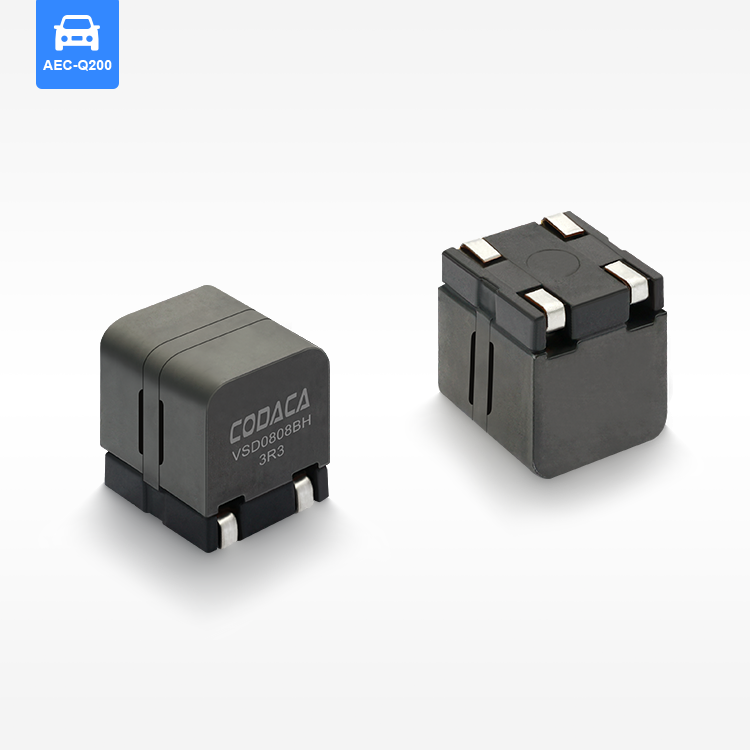
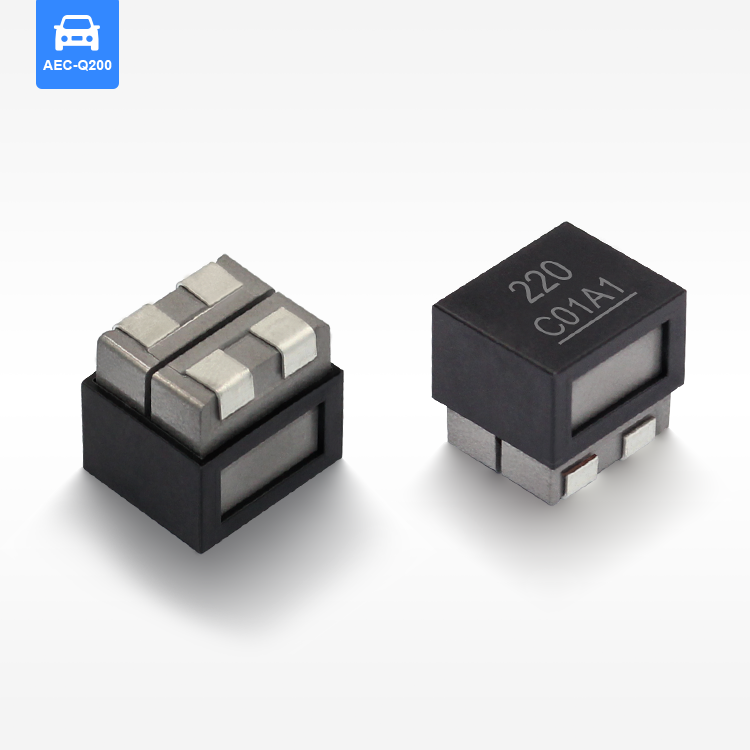
High-Performance Power Inductor for Class D Amplifier - Superior EMI Suppression & Efficiency

All Categories

Get a Free Quote

Our representative will contact you soon.
Email
Name
Company Name
Message
0/1000

power inductor for class d amplifier

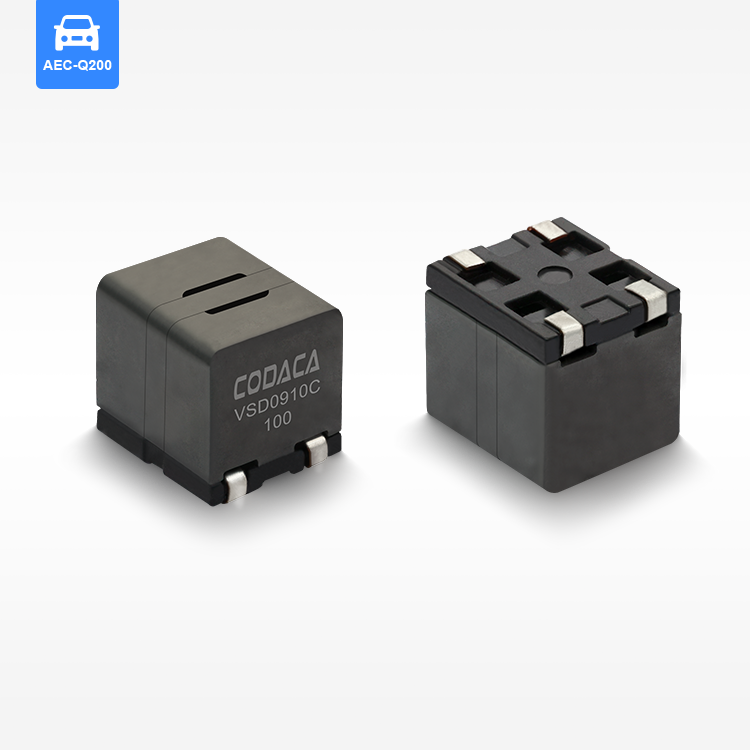
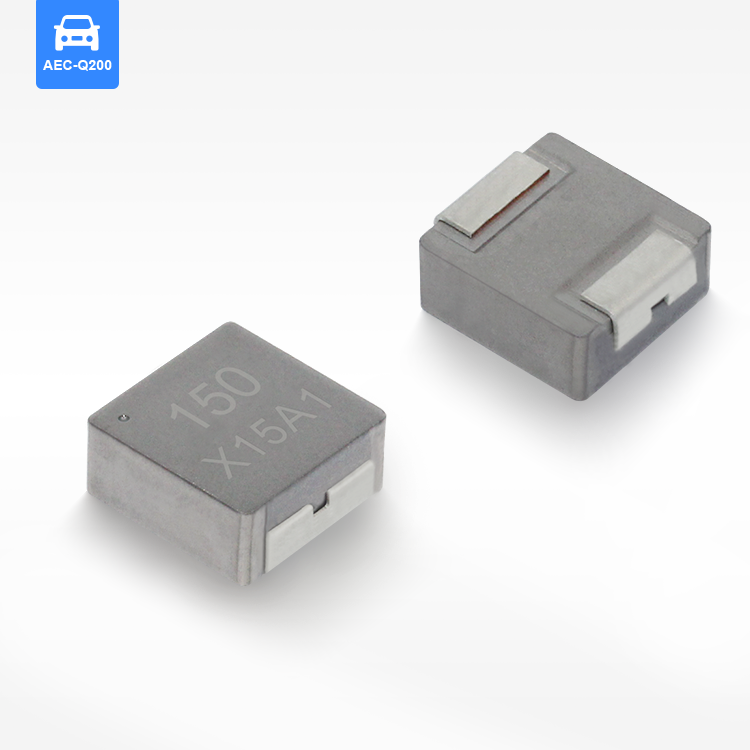
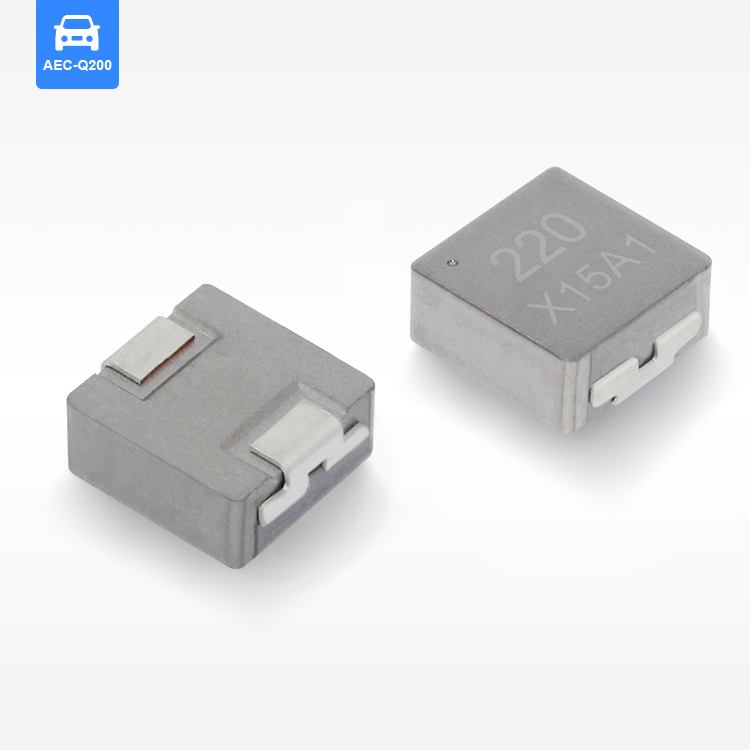
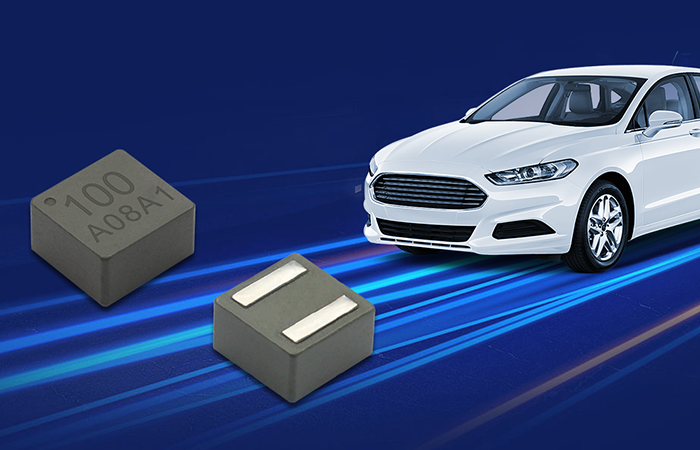
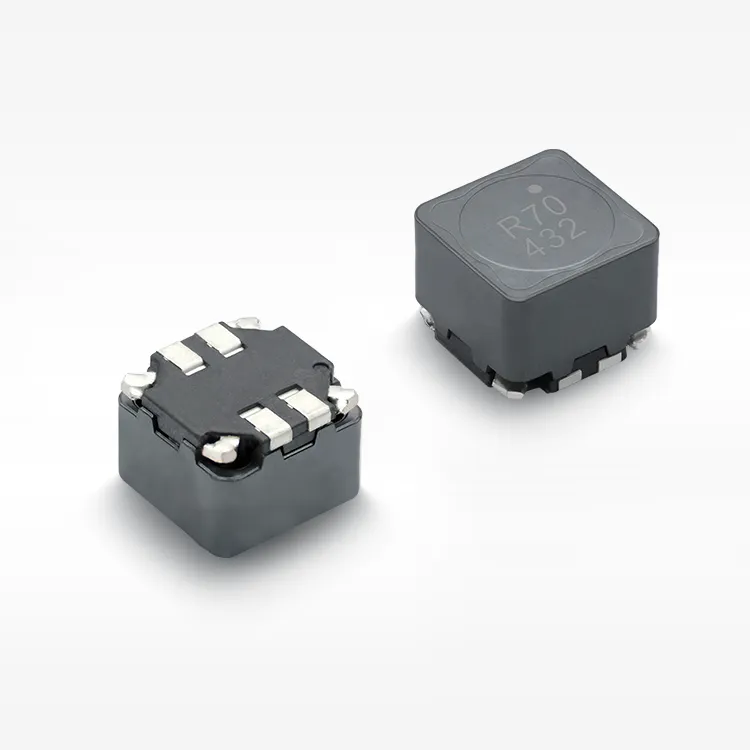
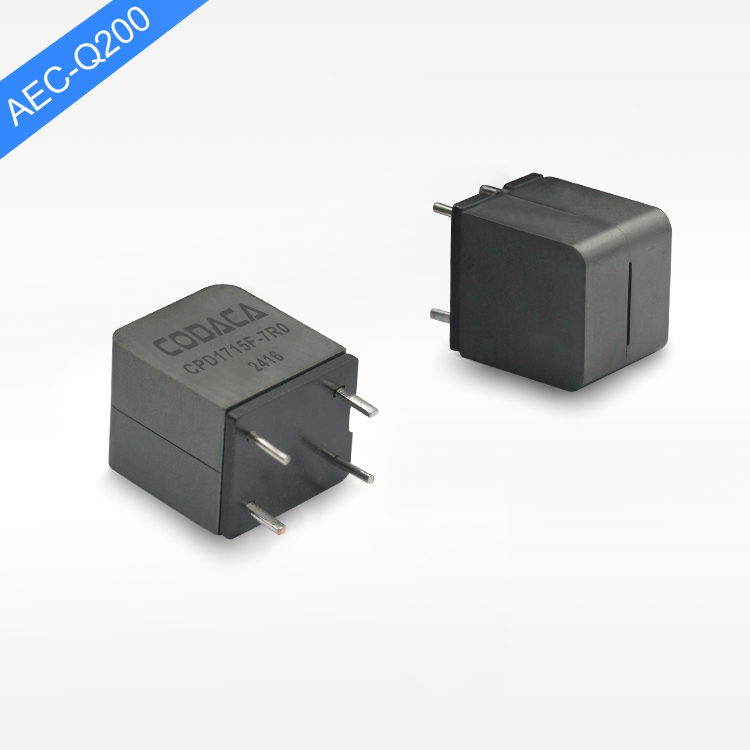
A power inductor for class d amplifier represents a critical component that ensures optimal performance in modern audio systems and switching power applications. This specialized electronic component serves as an energy storage device that manages current flow and reduces electromagnetic interference in class D amplifier circuits. The power inductor for class d amplifier operates by storing magnetic energy when current flows through its windings and releasing this energy to maintain continuous current flow during switching operations. Class D amplifiers rely heavily on these inductors to filter high-frequency switching noise and provide clean, stable power delivery to connected loads. The technological features of a power inductor for class d amplifier include high saturation current ratings, low DC resistance, and excellent thermal performance characteristics. These inductors typically feature ferrite or powdered iron cores that provide superior magnetic properties while maintaining compact form factors. The winding construction utilizes high-quality copper wire or flat conductors to minimize losses and improve heat dissipation. Advanced manufacturing techniques ensure consistent inductance values and tight tolerance specifications across production batches. Modern power inductor for class d amplifier designs incorporate shielded construction to reduce electromagnetic emissions and prevent interference with nearby sensitive circuits. The frequency response characteristics are optimized for switching frequencies commonly used in class D amplifier designs, typically ranging from 200kHz to several megahertz. Applications for power inductor for class d amplifier span across automotive audio systems, consumer electronics, professional sound equipment, and portable devices. In automotive applications, these inductors must withstand harsh environmental conditions including temperature extremes and vibration while maintaining reliable performance. Consumer electronics benefit from the compact size and high efficiency that power inductor for class d amplifier technology provides, enabling smaller device designs without compromising audio quality.

New Products

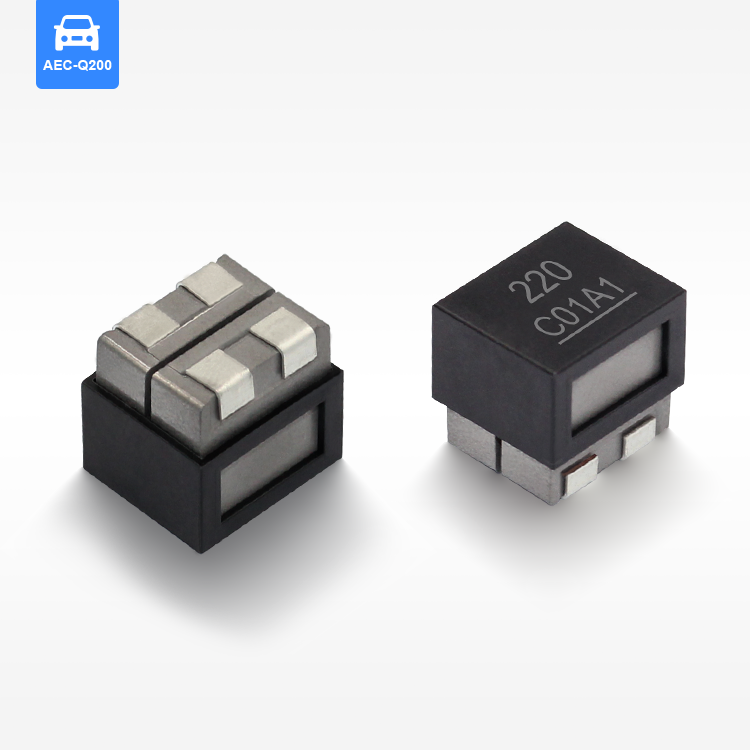
The power inductor for class d amplifier delivers numerous practical benefits that directly impact system performance and user experience. First, these inductors significantly improve audio quality by effectively filtering switching noise and harmonics generated during the amplification process. Users experience cleaner sound reproduction with reduced distortion and improved signal-to-noise ratios compared to systems without proper inductive filtering. The enhanced audio clarity becomes particularly noticeable during dynamic musical passages where traditional amplifiers might introduce unwanted artifacts. Energy efficiency represents another major advantage of implementing a power inductor for class d amplifier in audio systems. These components help maintain high conversion efficiency by minimizing power losses during switching operations. The improved efficiency translates to longer battery life in portable devices and reduced heat generation in stationary systems. Users benefit from cooler operating temperatures and extended device longevity while enjoying consistent performance levels. The compact design characteristics of modern power inductor for class d amplifier solutions enable manufacturers to create smaller, lighter products without sacrificing performance capabilities. This space-saving advantage allows for more portable audio devices and streamlined system designs that appeal to contemporary consumer preferences. The reduced footprint also facilitates easier integration into existing circuit boards and system architectures. Thermal management capabilities of power inductor for class d amplifier components contribute to system reliability and longevity. These inductors effectively dissipate heat generated during operation, preventing thermal buildup that could damage sensitive electronic components. Users experience more reliable operation and reduced maintenance requirements over the product lifecycle. Cost-effectiveness emerges as a significant advantage when considering the overall system benefits provided by power inductor for class d amplifier implementation. While representing an initial investment, these components deliver long-term value through improved system performance, reduced component stress, and enhanced reliability. The extended operational lifespan and reduced failure rates result in lower total cost of ownership for end users. Installation simplicity represents another practical benefit, as power inductor for class d amplifier components integrate seamlessly into existing circuit designs without requiring extensive modifications or specialized mounting hardware.

Latest News

Choosing the Right Automotive grade Molded Power Inductor for Your Application

02

Apr

Choosing the Right Automotive grade Molded Power Inductor for Your Application

Inductance and Current Ratings: Balancing Ripple and Saturation In automotive applications, understanding the balance between inductance and current ratings is essential. These benchmarks ensure that ripple voltage is minimized and saturation curren...
View More
The Role of Molding Power Chokes in Energy Storage Systems

13

May

The Role of Molding Power Chokes in Energy Storage Systems

Understanding Molding Power Chokes in Energy Storage Definition and Core Components Power Chokes are important inductive devices used in energy storage systems and they are commonly used to filter high frequency signals. These chokes are mainly...
View More
A Brief Analysis of Inductor Noise and Solutions

26

May

A Brief Analysis of Inductor Noise and Solutions

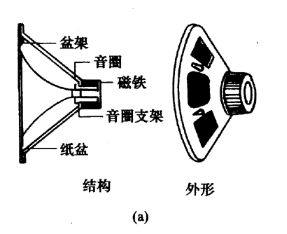
1.The principle of noise generation Noise is generated by the vibration of objects. Let's take a speaker as an example to understand the principle of vibration.A speaker does not directly convert electrical energy into sound energy. Instead, it uses ...
View More
The Digital Power Amplifier Inductor is applied to the Infineon EVAL_AUDAMP24 Reference Design

29

Sep

The Digital Power Amplifier Inductor is applied to the Infineon EVAL_AUDAMP24 Reference Design

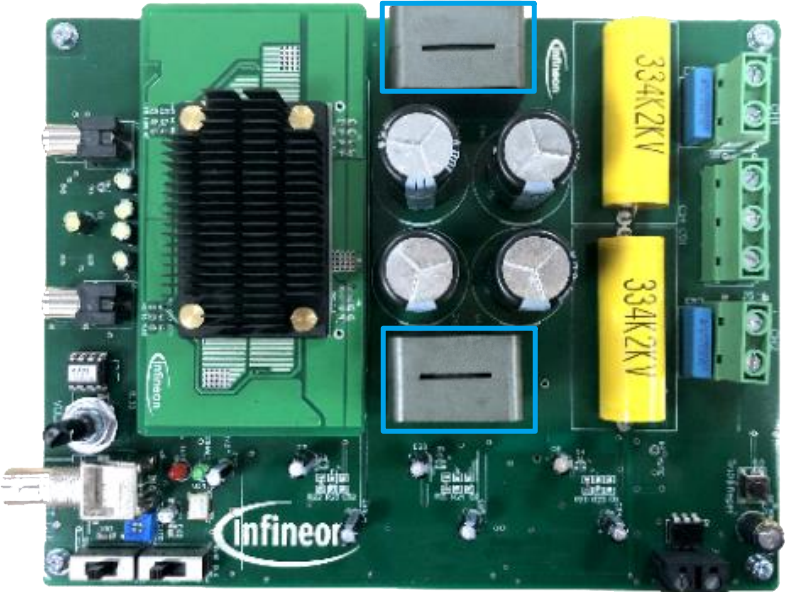
Preface Digital power amplifiers feature low distortion, low noise, and a wide dynamic range. In terms of sound warmth/coolness, resolution, and the impact force of low frequencies, they are incomparable to traditional power amplifiers. Development ...
View More

Get a Free Quote

Our representative will contact you soon.
Email
Name
Company Name
Message
0/1000

power inductor for class d amplifier

Superior Electromagnetic Interference Suppression

Superior Electromagnetic Interference Suppression

The power inductor for class d amplifier excels in electromagnetic interference suppression, providing exceptional filtering capabilities that ensure clean power delivery and optimal system performance. This critical feature addresses one of the primary challenges in class D amplifier design, where high-frequency switching operations generate significant electromagnetic noise that can interfere with other circuit components and degrade overall system performance. The advanced core materials and winding configurations used in power inductor for class d amplifier designs create effective barriers against EMI propagation while maintaining high inductance values across wide frequency ranges. The shielded construction techniques employed in modern power inductor for class d amplifier products utilize specialized magnetic materials that contain electromagnetic fields within the component structure, preventing radiation of interference signals to surrounding circuits. This containment capability proves especially valuable in densely packed electronic systems where multiple circuits operate in close proximity. The filtering action of the power inductor for class d amplifier occurs through its inherent impedance characteristics, which increase with frequency and effectively block high-frequency noise while allowing desired audio signals to pass through with minimal attenuation. Users benefit from significantly reduced background noise levels, improved dynamic range, and enhanced audio clarity that becomes particularly apparent when listening to quiet musical passages or spoken content. The EMI suppression capabilities of power inductor for class d amplifier components also contribute to regulatory compliance, helping manufacturers meet stringent electromagnetic compatibility standards required for consumer electronics and automotive applications. This compliance advantage simplifies product certification processes and enables broader market access for finished products. The reduced interference levels also improve the performance of nearby sensitive circuits such as radio receivers, wireless communication modules, and precision measurement instruments that might otherwise be affected by switching noise from class D amplifiers.
High Current Handling and Low Resistance Design

High Current Handling and Low Resistance Design

The power inductor for class d amplifier incorporates advanced design features that enable superior current handling capabilities while maintaining exceptionally low DC resistance values, delivering outstanding electrical performance for demanding amplifier applications. This combination of high current capacity and minimal resistance losses represents a critical advantage for class D amplifier systems that must efficiently handle substantial power levels while preserving signal integrity and maximizing energy conversion efficiency. The specialized core materials used in power inductor for class d amplifier construction provide high saturation flux density characteristics that prevent magnetic saturation even under peak current conditions, ensuring consistent inductance values and preventing distortion during high-power operation. The carefully engineered winding configurations utilize large cross-sectional area conductors that minimize ohmic losses while providing adequate current carrying capacity for continuous operation at rated power levels. The low resistance characteristics of power inductor for class d amplifier components directly translate to reduced power dissipation and improved thermal performance, allowing systems to operate at higher efficiency levels while generating less waste heat. This efficiency improvement becomes particularly significant in battery-powered applications where extended operating time depends on minimizing unnecessary power consumption. The high current handling capability enables power inductor for class d amplifier designs to support more powerful amplifier outputs without requiring parallel component configurations that would increase system complexity and cost. Users experience more reliable operation with reduced risk of component failure due to overcurrent conditions, while manufacturers benefit from simplified circuit designs that require fewer components and less complex thermal management solutions. The robust current handling characteristics also provide design margin that accommodates peak current demands during transient conditions such as sudden volume changes or dynamic musical passages. The combination of low resistance and high current capacity in power inductor for class d amplifier products enables superior power transfer efficiency that directly impacts overall system performance and user satisfaction through improved audio quality and system reliability.
Compact Form Factor with Enhanced Thermal Performance

Compact Form Factor with Enhanced Thermal Performance

The power inductor for class d amplifier achieves remarkable space efficiency through innovative packaging technologies that deliver maximum performance within minimal physical footprints while providing exceptional thermal management capabilities essential for reliable operation in modern electronic systems. This combination of compact design and superior heat dissipation addresses critical challenges in contemporary device miniaturization trends where manufacturers must balance performance requirements with increasingly stringent size constraints. The advanced core geometries employed in power inductor for class d amplifier designs optimize magnetic flux paths to achieve required inductance values while minimizing overall component dimensions, enabling integration into space-constrained applications such as portable audio devices, automotive infotainment systems, and compact consumer electronics. The thermal performance characteristics of power inductor for class d amplifier components result from careful material selection and construction techniques that promote efficient heat transfer from the magnetic core and windings to the surrounding environment. Specialized core materials with enhanced thermal conductivity properties work in conjunction with optimized winding configurations to create effective heat dissipation paths that prevent localized hot spots and ensure uniform temperature distribution across the component structure. The compact form factor advantages extend beyond simple space savings to include reduced electromagnetic coupling between components, simplified PCB layout requirements, and improved manufacturing efficiency through automated placement processes. Users benefit from smaller, lighter products that maintain full performance capabilities while offering enhanced portability and aesthetic appeal. The enhanced thermal performance of power inductor for class d amplifier designs contributes significantly to system reliability by preventing thermal stress conditions that could lead to premature component failure or performance degradation over time. The effective heat management capabilities allow for higher power density operations while maintaining safe operating temperatures, enabling more powerful amplifier designs within existing size constraints. This thermal efficiency also reduces the need for additional cooling solutions such as heat sinks or fans, further contributing to system simplification and cost reduction while improving overall reliability through reduced mechanical complexity and potential failure points.