Low Loss Class D Amplifier Inductors - High Efficiency Audio Components for Superior Performance

All Categories

Get a Free Quote

Our representative will contact you soon.
Email
Name
Company Name
Message
0/1000

low loss class d amplifier inductor

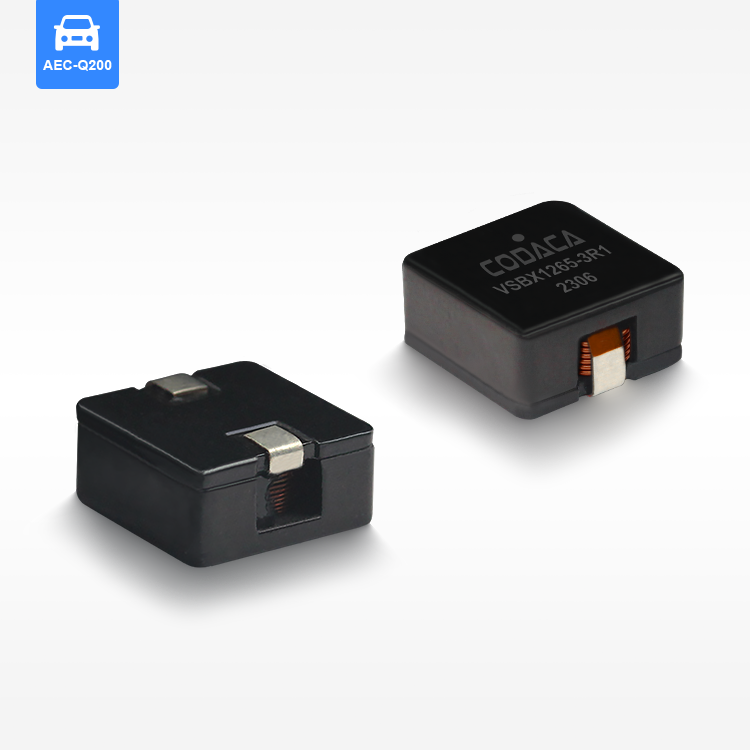
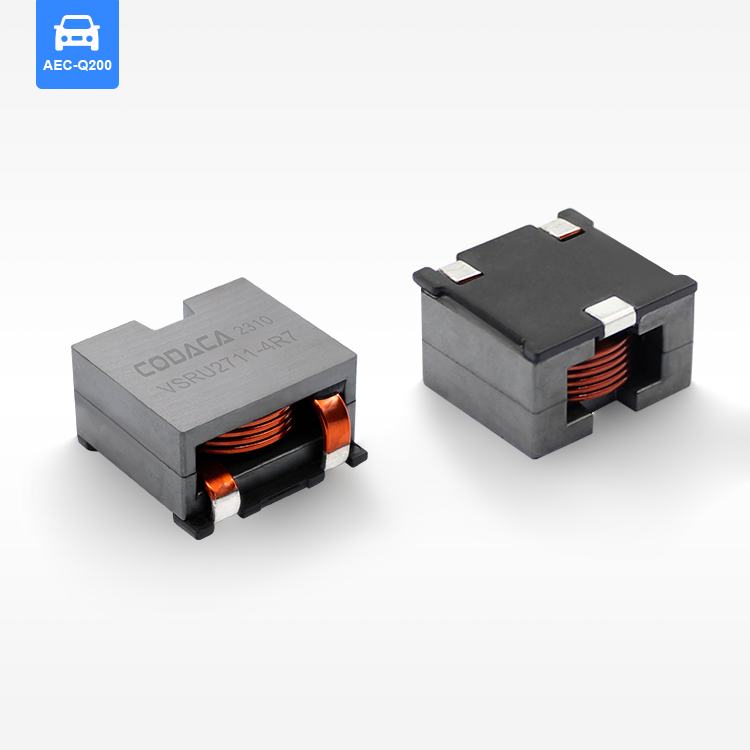
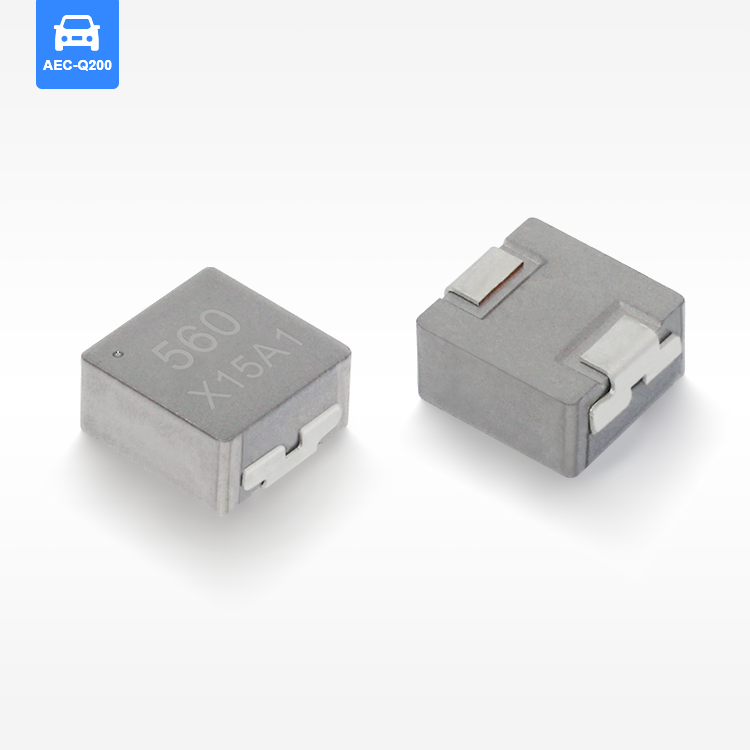
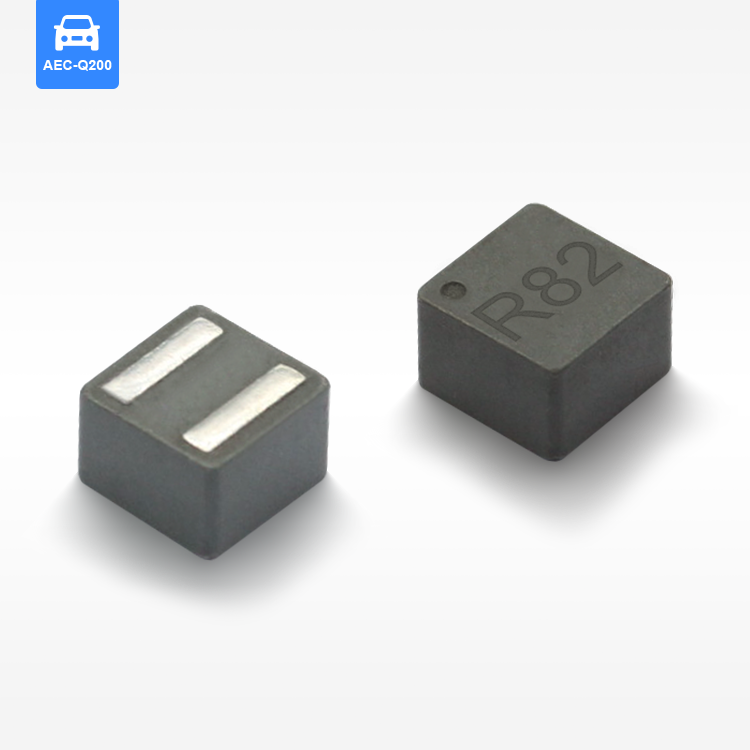
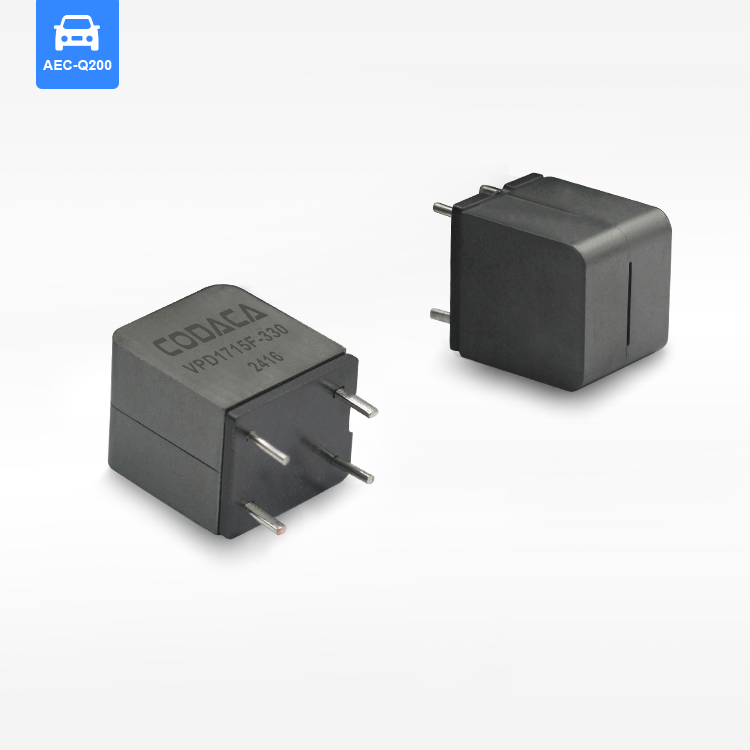
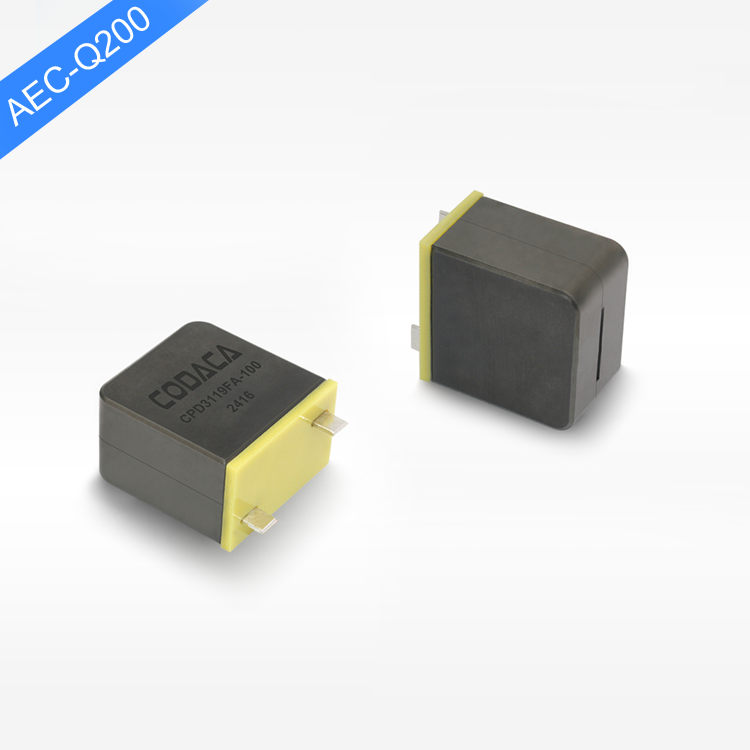
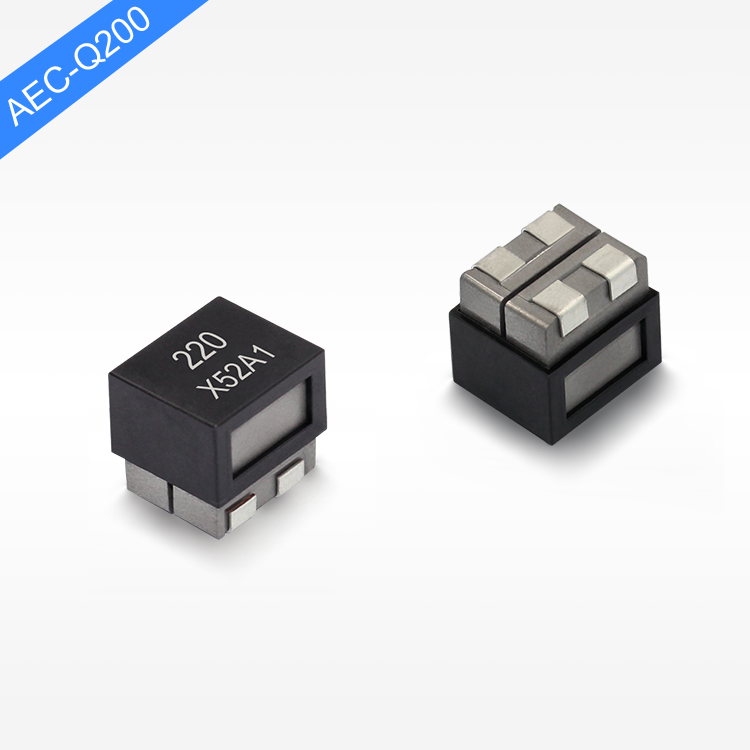
The low loss class d amplifier inductor represents a critical component in modern audio amplification systems, specifically designed to optimize performance in Class D amplifier circuits. These specialized inductors serve as essential filtering elements that smooth the high-frequency switching signals generated by Class D amplifiers, converting them into clean, high-quality audio output. The primary function of a low loss class d amplifier inductor involves managing the rapid switching transitions while minimizing energy dissipation, thereby enhancing overall system efficiency. These components utilize advanced core materials and precision winding techniques to achieve superior magnetic properties and reduced resistance. The technological features of low loss class d amplifier inductors include optimized core geometries, specialized ferrite materials, and carefully engineered wire configurations that collectively minimize both AC and DC resistance losses. Modern manufacturing processes ensure consistent magnetic permeability and thermal stability across varying operating conditions. The inductor's design incorporates low-loss ferrite cores that maintain stable performance across wide frequency ranges, typically spanning from audio frequencies up to several hundred kilohertz. Temperature compensation features ensure reliable operation in demanding thermal environments. Applications for low loss class d amplifier inductors span numerous industries, including professional audio equipment, automotive sound systems, home theater installations, and portable electronic devices. These inductors prove particularly valuable in high-power amplification scenarios where efficiency directly impacts battery life and thermal management. The automotive sector relies heavily on these components for infotainment systems and premium audio installations where space constraints and power efficiency remain paramount. Consumer electronics manufacturers integrate low loss class d amplifier inductors into soundbars, wireless speakers, and mobile devices to achieve compact form factors without sacrificing audio quality. Professional audio applications benefit from the inductor's ability to maintain signal integrity while supporting high output power levels required for concert venues and recording studios.

New Products

The low loss class d amplifier inductor delivers exceptional efficiency improvements that directly translate into measurable performance benefits for users. These inductors reduce power consumption significantly compared to conventional alternatives, enabling longer battery life in portable devices and lower operational costs in commercial installations. The enhanced efficiency stems from carefully engineered core materials that minimize eddy current losses and hysteresis effects, resulting in less wasted energy and reduced heat generation. Users experience cooler operation temperatures, which extends component lifespan and improves system reliability. The superior magnetic properties of low loss class d amplifier inductors contribute to cleaner audio reproduction by effectively filtering switching noise and harmonics. This filtering capability ensures that high-frequency artifacts from the amplifier's switching circuits do not interfere with the desired audio signal, producing crystal-clear sound quality that meets professional standards. The inductors maintain consistent performance across wide temperature ranges, ensuring stable operation in challenging environments from automotive applications to outdoor sound systems. Manufacturing precision guarantees tight tolerance specifications, enabling predictable performance characteristics that simplify system design and reduce development time. The compact design of low loss class d amplifier inductors allows engineers to create smaller, lighter products without compromising performance. This size advantage proves particularly valuable in mobile applications where space and weight constraints significantly impact user experience. The inductors' low profile construction facilitates integration into thin devices such as tablets and smartphones while maintaining thermal performance. Cost-effectiveness represents another significant advantage, as the improved efficiency reduces cooling requirements and allows for smaller power supply components, offsetting the inductor's initial cost through system-level savings. Quality control measures ensure consistent manufacturing standards, reducing field failures and warranty claims. The inductors demonstrate excellent electromagnetic compatibility, minimizing interference with nearby electronic components and ensuring compliance with regulatory standards. Long-term stability characteristics mean that performance specifications remain consistent throughout the product lifecycle, providing reliable operation for years without degradation. These practical benefits combine to deliver superior value propositions for manufacturers and end-users alike.

Latest News

The Science Behind Automotive Grade Molding Power Choke Design

31

Mar

The Science Behind Automotive Grade Molding Power Choke Design

Introduction Automotive grade molding power chokes, also known as molded power inductors, are essential components in electrical circuits particularly within the automotive industry. These chokes consist of a coil of wire wound around a ferrite core...
View More
How to Select the Best Automotive Grade High Current Power Inductors for Your Needs

31

Mar

How to Select the Best Automotive Grade High Current Power Inductors for Your Needs

Understanding Automotive Grade Requirements for Power Inductors AEC-Q200 Compliance and Certification AEC-Q200 is an essential industry standard for automotive components, ensuring products meet high-quality, reliability, and safety thresholds. This...
View More
Choosing the Right Automotive grade Molded Power Inductor for Your Application

02

Apr

Choosing the Right Automotive grade Molded Power Inductor for Your Application

Inductance and Current Ratings: Balancing Ripple and Saturation In automotive applications, understanding the balance between inductance and current ratings is essential. These benchmarks ensure that ripple voltage is minimized and saturation curren...
View More
Features of Painted and Unpainted Integrated Molded Inductors

26

May

Features of Painted and Unpainted Integrated Molded Inductors

Overview Integrated molded inductors are characterized by high saturation, low loss, strong electromagnetic interference (EMI) resistance, ultra-low buzzing noise, and high automation, making them widely used in various electronic devices. In the cur...
View More

Get a Free Quote

Our representative will contact you soon.
Email
Name
Company Name
Message
0/1000

low loss class d amplifier inductor

Superior Thermal Management and Energy Efficiency

Superior Thermal Management and Energy Efficiency

The low loss class d amplifier inductor excels in thermal management through innovative design principles that significantly reduce heat generation during operation. This superior thermal performance stems from advanced core materials specifically formulated to minimize energy losses at switching frequencies typical in Class D amplifiers. The inductor's core utilizes high-permeability ferrite materials with optimized grain structures that reduce both eddy current and hysteresis losses, resulting in substantially lower operating temperatures compared to standard inductors. This thermal advantage directly benefits system designers by reducing cooling requirements and enabling more compact product designs. The enhanced efficiency translates to measurable energy savings, with typical power loss reductions of 30-40% compared to conventional inductors. This efficiency improvement becomes particularly significant in battery-powered applications where every milliwatt of saved power extends operational time. The low loss class d amplifier inductor maintains its superior thermal characteristics across wide frequency ranges, ensuring consistent performance whether handling bass-heavy music content or high-frequency audio signals. Temperature coefficient specifications remain stable across operating ranges from -40°C to +125°C, making these inductors suitable for automotive and industrial applications with demanding environmental requirements. The thermal benefits extend beyond immediate efficiency gains to long-term reliability improvements. Lower operating temperatures reduce thermal stress on the inductor's materials and surrounding components, significantly extending product lifespan and reducing warranty claims. This thermal stability allows the low loss class d amplifier inductor to maintain its electrical characteristics over thousands of operating hours without performance degradation. Manufacturing processes ensure consistent thermal properties across production batches, enabling predictable thermal modeling during product development. The inductor's thermal mass and heat dissipation characteristics integrate seamlessly with modern thermal management strategies, including heat sinks and thermal interface materials, to optimize overall system cooling efficiency.
Exceptional Audio Quality and Signal Integrity

Exceptional Audio Quality and Signal Integrity

The low loss class d amplifier inductor delivers uncompromising audio quality through precision engineering that preserves signal integrity throughout the amplification process. This component's primary responsibility involves filtering the high-frequency switching artifacts generated by Class D amplifiers while maintaining the fidelity of the desired audio signal. The inductor achieves this through carefully controlled inductance values and minimal parasitic capacitance, ensuring that the filter network properly attenuates switching frequencies without affecting audible frequencies. Advanced winding techniques minimize inter-turn capacitance and optimize current distribution, reducing magnetic field irregularities that could introduce distortion. The low loss class d amplifier inductor's core material exhibits exceptional linearity characteristics, preventing magnetic saturation even at high current levels typical in high-power audio applications. This linearity ensures that harmonic distortion remains below audible thresholds across the entire dynamic range, from whisper-quiet passages to peak transients. The inductor's frequency response characteristics maintain phase coherence across the audio spectrum, preserving the temporal relationships between different frequency components that define musical timbre and spatial imaging. Quality control processes verify that each low loss class d amplifier inductor meets stringent specifications for inductance tolerance, quality factor, and self-resonant frequency. These parameters directly influence the filter's cutoff characteristics and determine how effectively switching noise is suppressed. The inductor's low DC resistance minimizes voltage drop across the component, ensuring that amplifier damping factor remains high for tight bass response and accurate transient reproduction. Electromagnetic shielding properties prevent the inductor from radiating magnetic fields that could interfere with sensitive analog circuits or introduce ground loops. The component's construction includes features that minimize microphonic effects, preventing mechanical vibrations from modulating the magnetic field and introducing noise into the audio signal. Professional audio engineers value these characteristics for applications requiring pristine signal quality, from mastering studios to high-end consumer audio systems.
Versatile Applications and Design Flexibility

Versatile Applications and Design Flexibility

The low loss class d amplifier inductor demonstrates remarkable versatility across diverse applications, providing design engineers with flexible solutions for various audio amplification challenges. This adaptability stems from comprehensive product families offering different inductance values, current ratings, and package sizes to accommodate applications ranging from miniature portable devices to high-power professional amplifiers. The inductor's standardized footprints ensure compatibility with automated assembly processes while offering multiple mounting options including surface mount, through-hole, and chassis mount configurations. Design flexibility extends to the low loss class d amplifier inductor's ability to operate effectively in both single-ended and differential amplifier topologies. Engineers can implement these inductors in traditional LC output filters, coupled inductors for multi-phase designs, or integrated magnetic solutions that combine filtering and energy storage functions. The component's electrical characteristics remain stable across varying load impedances, making it suitable for driving different speaker types from high-efficiency compression drivers to low-impedance subwoofers. Automotive applications benefit from the inductor's robust construction and wide operating temperature range, enabling integration into dashboard entertainment systems, door-mounted speakers, and trunk-mounted amplifiers. The low loss class d amplifier inductor meets automotive qualification standards including vibration resistance, humidity tolerance, and electromagnetic compatibility requirements. Consumer electronics designers appreciate the component's ability to maintain performance in space-constrained environments while meeting cost targets for mass production. The inductor's low profile enables integration into thin devices without compromising thermal or electrical performance. Professional audio applications leverage the inductor's high current handling capability and low distortion characteristics for touring sound systems, installed sound reinforcement, and broadcast equipment. The component's reliability under continuous high-power operation makes it suitable for 24/7 commercial installations. Industrial applications utilize the low loss class d amplifier inductor in public address systems, machine monitoring equipment, and process control applications where audio clarity and system reliability are essential. Manufacturing scalability ensures consistent availability for both prototype development and high-volume production requirements, supporting product lifecycles from initial design through end-of-life manufacturing.