Advanced Winding Construction
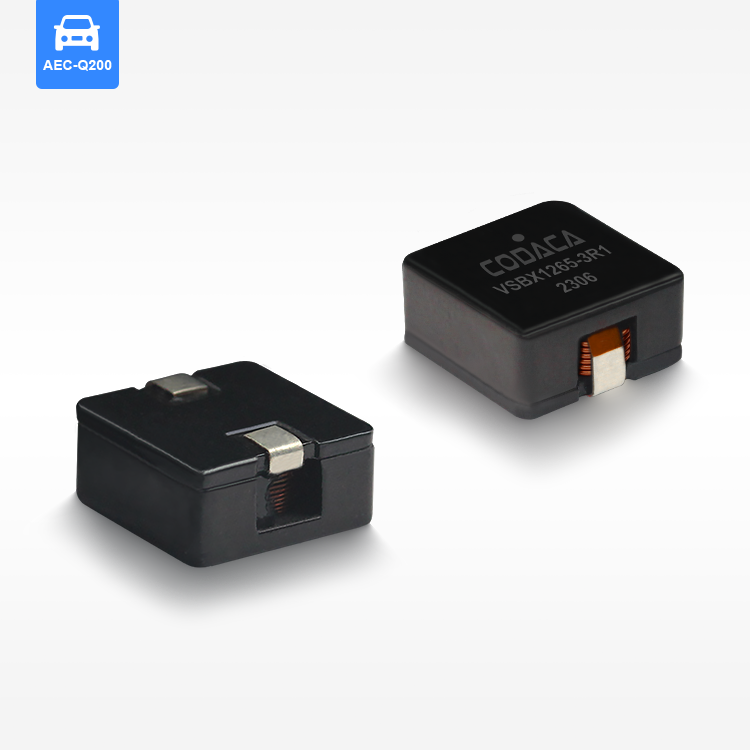
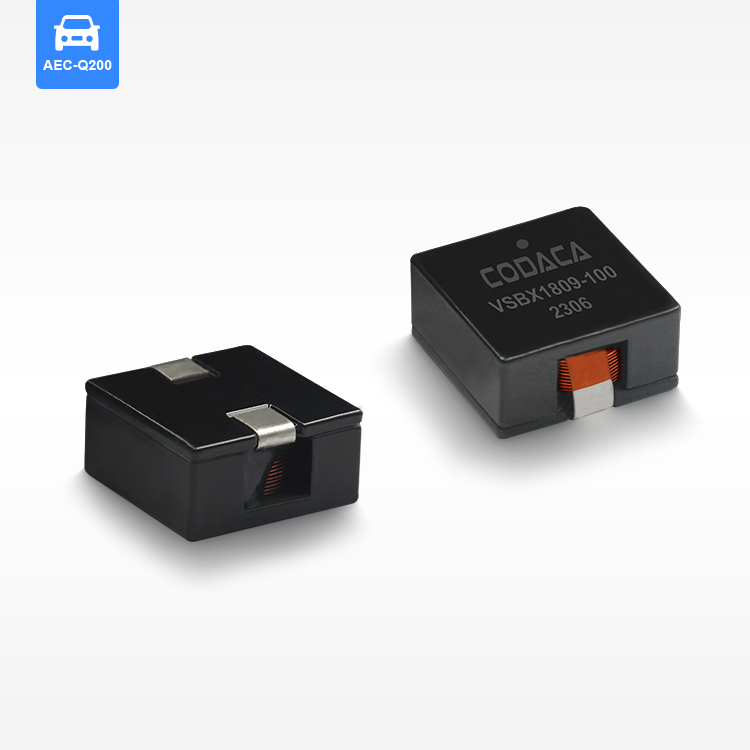
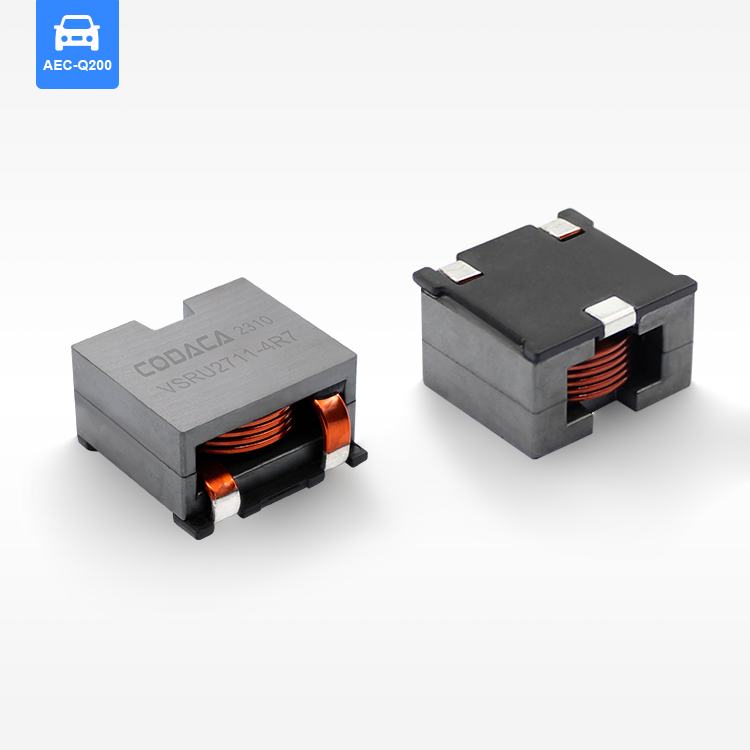
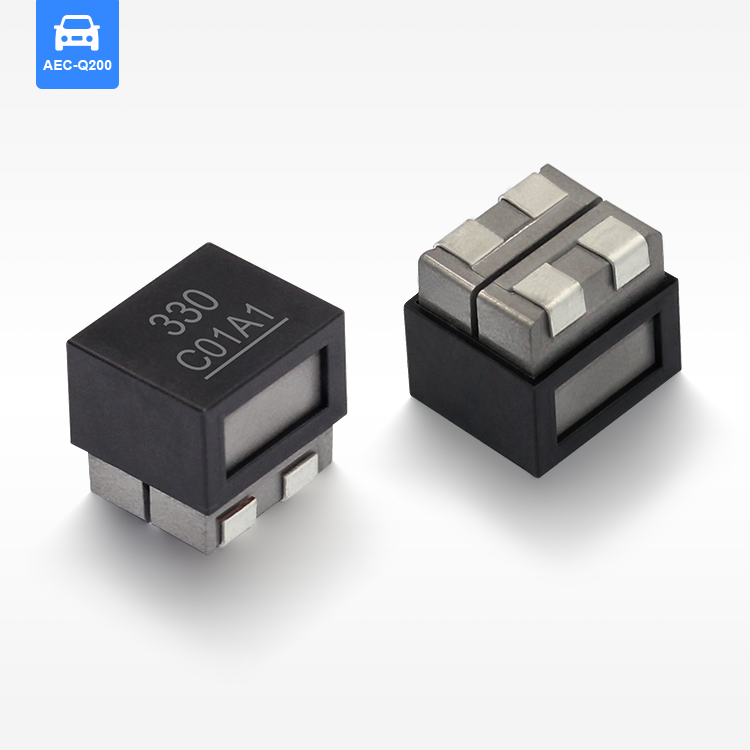
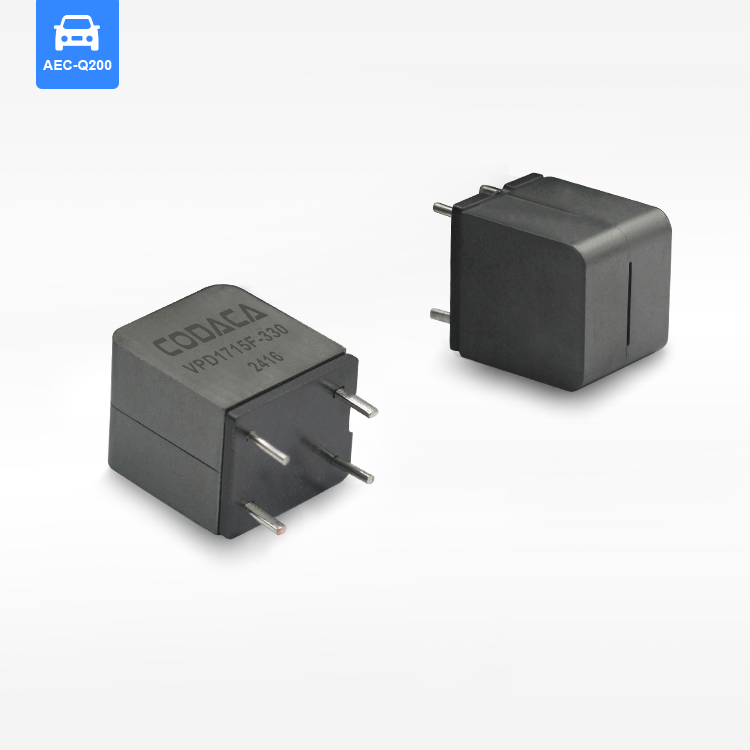
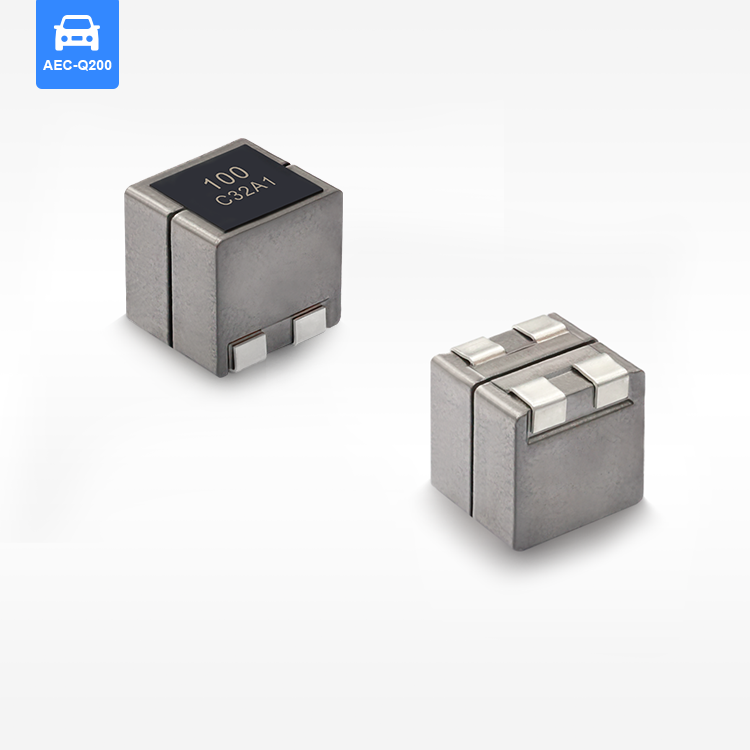
The winding architecture of the high efficiency class d inductor represents a significant advancement in conductor design and manufacturing techniques, delivering unprecedented performance through innovative construction methods. The primary winding utilizes high-purity copper conductors with optimized cross-sectional areas that minimize resistance losses while maximizing current-carrying capacity. Advanced wire drawing processes ensure consistent conductor diameter and surface finish, eliminating irregularities that could increase resistance or create hot spots during operation. The winding pattern employs sophisticated techniques that minimize proximity effects and skin effect losses, which typically degrade performance at higher frequencies. Each turn placement follows precise geometric relationships that optimize magnetic coupling while reducing interwinding capacitance, crucial for maintaining stable performance across wide frequency ranges. The high efficiency class d inductor incorporates specialized insulation systems that provide excellent electrical isolation while maintaining minimal thickness to maximize copper fill factor. Temperature-resistant materials ensure insulation integrity throughout the component's operational lifetime, even under extreme thermal cycling conditions. Multi-strand conductor configurations, where applicable, further reduce AC resistance and improve current distribution uniformity. The winding termination methods employ advanced soldering or welding techniques that create reliable, low-resistance connections capable of withstanding mechanical stress and thermal expansion. Wire tension control during winding ensures consistent coil geometry and prevents deformation that could affect electrical characteristics. The conductor surface treatment includes specialized coatings that enhance conductivity and resist oxidation, maintaining low resistance values over time. Precise layer-to-layer insulation prevents inter-turn shorts while maintaining compact construction. Quality assurance testing includes resistance measurements, insulation testing, and mechanical stress verification to ensure each high efficiency class d inductor meets demanding performance standards.