Class D Audio Inductor: High-Performance Components for Superior Sound Quality and Efficiency

All Categories

Get a Free Quote

Our representative will contact you soon.
Email
Name
Company Name
Message
0/1000

class d audio inductor

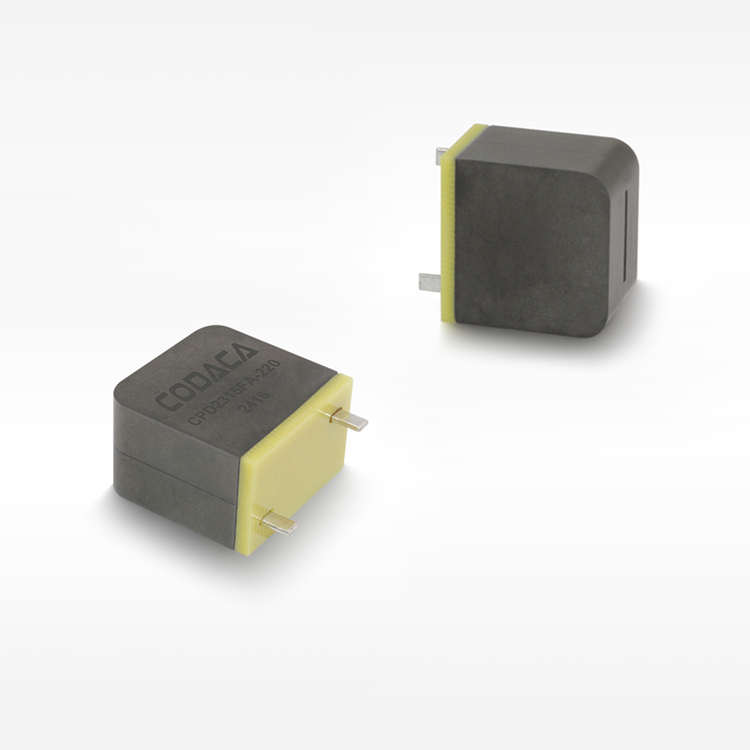
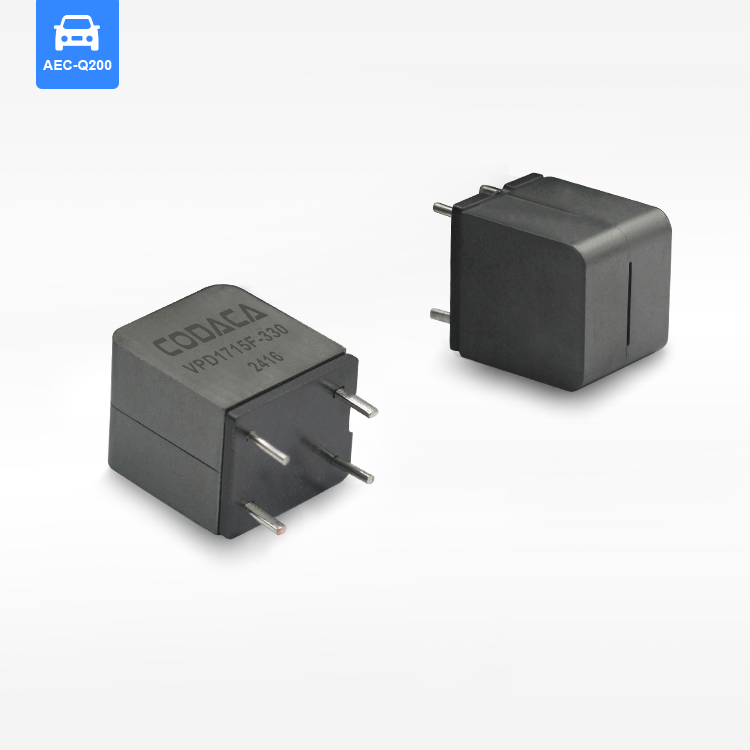
A class d audio inductor represents a critical component specifically engineered for modern switching amplifier systems, where precise signal processing and energy management are paramount. This specialized inductor operates within the high-frequency environment typical of class D amplification circuits, handling the unique demands of pulse-width modulated signals with exceptional efficiency. The class d audio inductor serves multiple essential functions within audio amplification systems, primarily focusing on filtering, energy storage, and signal conditioning. Its core responsibility involves smoothing the high-frequency switching signals generated by class D amplifiers, converting them into clean, continuous audio waveforms that speakers can effectively reproduce. The technological sophistication of the class d audio inductor stems from its carefully optimized magnetic core materials and precision-wound copper conductors. These components work together to minimize electromagnetic interference while maximizing power transfer efficiency. The inductor's design incorporates low-resistance pathways that reduce power losses, ensuring that more electrical energy converts into acoustic output rather than dissipating as heat. Advanced core materials, such as ferrite or powdered iron compositions, provide superior magnetic permeability characteristics essential for high-frequency operation. Modern class d audio inductor designs feature compact form factors that accommodate space-constrained applications without compromising performance. The inductance values are meticulously calibrated to match specific amplifier requirements, typically ranging from microhenries to several millihenries depending on the application. Temperature stability represents another crucial aspect, with quality inductors maintaining consistent performance across wide thermal ranges. Applications for the class d audio inductor span numerous audio equipment categories, including portable speakers, automotive sound systems, home theater amplifiers, and professional audio equipment. The versatility of these components makes them indispensable in both consumer electronics and industrial audio applications where reliability and performance cannot be compromised.

New Product Recommendations

The class d audio inductor delivers substantial performance benefits that directly translate into superior audio experiences for end users. Energy efficiency stands as the primary advantage, with these inductors enabling amplifier systems to achieve efficiency ratings exceeding ninety percent. This remarkable efficiency means that less electrical power converts to waste heat, resulting in cooler operating temperatures and extended equipment lifespan. Users benefit from reduced electricity consumption and lower cooling requirements, making their audio systems more environmentally friendly and cost-effective to operate. Heat reduction capabilities of the class d audio inductor significantly improve system reliability and longevity. By minimizing thermal stress on surrounding components, these inductors help prevent premature failures and maintain consistent performance over extended periods. This thermal management advantage becomes particularly important in compact devices where heat dissipation space is limited, such as portable speakers and automotive applications. Size optimization represents another compelling advantage of the class d audio inductor design. Modern inductors achieve higher inductance values in smaller physical packages compared to traditional alternatives, enabling manufacturers to create more compact audio products without sacrificing performance. This miniaturization benefit allows for sleeker product designs and improved portability, meeting consumer demands for space-efficient audio solutions. The superior filtering capabilities of class d audio inductors eliminate unwanted high-frequency noise that could otherwise interfere with audio quality. This noise reduction ensures cleaner signal reproduction, resulting in improved sound clarity and reduced electromagnetic interference with other electronic devices. Users experience better audio fidelity with less background noise and distortion. Cost effectiveness emerges through the combination of improved efficiency, reduced cooling requirements, and enhanced reliability. While the initial investment in quality class d audio inductors might be higher, the long-term operational savings and reduced maintenance needs provide excellent value proposition for both manufacturers and consumers. The reduced component count in amplifier designs also contributes to overall system cost optimization. Performance consistency across varying load conditions ensures that class d audio inductors maintain their specifications regardless of output demands. This stability means that audio systems deliver consistent performance whether operating at low background levels or high-power peak outputs, providing users with reliable performance across all listening scenarios.

Practical Tips

Industrial Power Inductors: The Key to Improving Power Conversion Efficiency

07

Apr

Industrial Power Inductors: The Key to Improving Power Conversion Efficiency

Power inductors play a vital role in modern power electronics. They store energy efficiently and release it when needed, ensuring smooth energy transfer. You rely on them to reduce energy losses in systems like DC-DC converters. This improves overall...
View More
How to Select the Best Automotive Grade High Current Power Inductors for Your Needs

31

Mar

How to Select the Best Automotive Grade High Current Power Inductors for Your Needs

Understanding Automotive Grade Requirements for Power Inductors AEC-Q200 Compliance and Certification AEC-Q200 is an essential industry standard for automotive components, ensuring products meet high-quality, reliability, and safety thresholds. This...
View More
A Comprehensive Review of the SMD Power Inductor Market

13

May

A Comprehensive Review of the SMD Power Inductor Market

Overview of the SMD Power Inductor Market Defining SMD Power Inductors and Core Functionality SMD power inductor is a kind of basic components in electronic circuit which always used as a anti interference in electronics. They are parts of...
View More
Features of Painted and Unpainted Integrated Molded Inductors

26

May

Features of Painted and Unpainted Integrated Molded Inductors

Overview Integrated molded inductors are characterized by high saturation, low loss, strong electromagnetic interference (EMI) resistance, ultra-low buzzing noise, and high automation, making them widely used in various electronic devices. In the cur...
View More

Get a Free Quote

Our representative will contact you soon.
Email
Name
Company Name
Message
0/1000

class d audio inductor

Superior Thermal Management and Energy Efficiency

Superior Thermal Management and Energy Efficiency

The class d audio inductor excels in thermal management through its advanced core materials and optimized winding techniques that significantly reduce power losses during operation. This superior thermal performance stems from the inductor's ability to minimize eddy current losses and hysteresis effects that typically generate unwanted heat in traditional magnetic components. The specialized ferrite or powdered iron cores used in class d audio inductors exhibit exceptional magnetic properties that maintain stability across wide temperature ranges, ensuring consistent performance even under demanding operating conditions. The energy efficiency advantage of the class d audio inductor becomes apparent when examining its impact on overall amplifier performance. These inductors enable switching amplifiers to achieve efficiency levels that were previously unattainable with conventional linear amplification methods, often exceeding ninety-five percent efficiency in optimal conditions. This remarkable efficiency translates directly into reduced power consumption, making audio systems more environmentally sustainable while simultaneously reducing operational costs for consumers. The thermal benefits extend beyond simple heat reduction, creating a cascading effect of improved reliability throughout the entire audio system. Lower operating temperatures reduce stress on capacitors, semiconductors, and other heat-sensitive components, effectively extending the operational lifespan of the complete amplifier assembly. This thermal advantage becomes particularly crucial in automotive applications where ambient temperatures can vary dramatically, and in portable devices where battery life depends heavily on power efficiency. The engineering behind these thermal improvements involves careful consideration of magnetic flux density, core saturation characteristics, and conductor sizing to optimize heat dissipation while maintaining electrical performance. Quality class d audio inductors incorporate thermal modeling during their design phase, ensuring that heat generation remains within acceptable limits even during sustained high-power operation. This proactive thermal management approach results in audio equipment that operates cooler, lasts longer, and delivers more consistent performance throughout its operational lifetime, providing exceptional value for manufacturers and end users alike.
Compact Design with Enhanced Audio Performance

Compact Design with Enhanced Audio Performance

The compact design philosophy of the class d audio inductor revolutionizes space utilization in modern audio equipment without compromising acoustic performance quality. This miniaturization achievement results from innovative core geometries and advanced materials science that pack higher inductance values into progressively smaller physical footprints. The engineering challenge of maintaining electrical performance while reducing size has been addressed through sophisticated magnetic circuit design and precision manufacturing techniques that optimize every aspect of the inductor's construction. Modern class d audio inductors achieve remarkable power density improvements compared to traditional alternatives, enabling manufacturers to create sleeker, more portable audio products that meet contemporary consumer expectations for compact, lightweight devices. This size reduction capability proves especially valuable in applications such as wireless speakers, soundbars, and mobile audio devices where internal space comes at a premium. The compact nature of these inductors allows designers greater flexibility in product layouts, enabling better heat dissipation pathways and improved component accessibility for manufacturing and maintenance procedures. The audio performance enhancements delivered by these compact class d audio inductors extend far beyond simple size advantages. The optimized magnetic circuits reduce parasitic effects that can degrade signal quality, resulting in lower distortion levels and improved frequency response characteristics. The precision-wound conductors minimize resistance variations that could introduce nonlinearities into the audio signal path, ensuring that the reproduced sound maintains fidelity to the original source material across the entire audible spectrum. Quality control measures in manufacturing ensure that each class d audio inductor meets strict tolerance requirements for inductance values, resistance characteristics, and magnetic properties. This consistency enables predictable circuit behavior and simplifies the amplifier design process, allowing engineers to optimize their circuits for maximum performance with confidence in component specifications. The combination of compact size and enhanced performance creates opportunities for innovative product designs that were previously impossible with larger, less efficient components, driving continued evolution in audio equipment miniaturization while simultaneously improving sound quality standards across all market segments.
Electromagnetic Interference Suppression and Signal Integrity

Electromagnetic Interference Suppression and Signal Integrity

The electromagnetic interference suppression capabilities of the class d audio inductor represent a critical advancement in maintaining signal integrity within modern audio systems that operate in increasingly complex electromagnetic environments. These specialized inductors incorporate sophisticated shielding techniques and optimized magnetic circuit designs that effectively contain electromagnetic fields while preventing external interference from degrading audio signals. The importance of this interference suppression becomes evident when considering the proliferation of wireless devices, digital electronics, and switching power supplies that create challenging electromagnetic environments for sensitive audio circuits. The class d audio inductor achieves superior interference suppression through carefully engineered core materials that exhibit controlled permeability characteristics and minimal magnetic leakage. These properties enable the inductor to maintain its filtering effectiveness while avoiding the creation of electromagnetic fields that could interfere with nearby components or circuits. The result is cleaner audio reproduction with reduced background noise, improved dynamic range, and enhanced overall listening experiences for end users who demand high-quality sound reproduction. Signal integrity preservation through the class d audio inductor involves multiple technical mechanisms working in coordination to maintain audio fidelity throughout the amplification process. The inductor's ability to smooth high-frequency switching artifacts while preserving essential audio information ensures that the reconstructed analog signal accurately represents the original digital input. This filtering function requires precise inductance values and controlled frequency response characteristics that prevent both under-filtering, which allows noise through, and over-filtering, which removes desired audio content. The practical benefits of improved electromagnetic interference suppression extend beyond immediate audio quality improvements to encompass system reliability and regulatory compliance considerations. Audio equipment incorporating effective class d audio inductors demonstrates better immunity to external interference sources, reducing the likelihood of performance degradation in challenging installation environments. Additionally, the reduced electromagnetic emissions from properly filtered amplifier outputs help manufacturers meet increasingly stringent electromagnetic compatibility regulations while avoiding interference with other electronic devices in proximity to the audio system. This comprehensive approach to interference management positions the class d audio inductor as an essential component for maintaining professional-grade audio performance standards in both consumer and commercial applications.