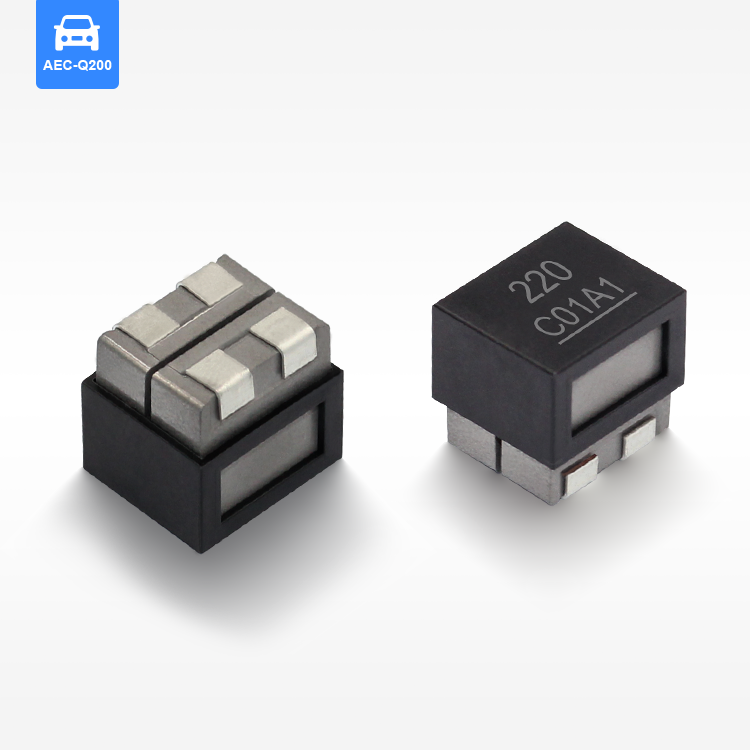
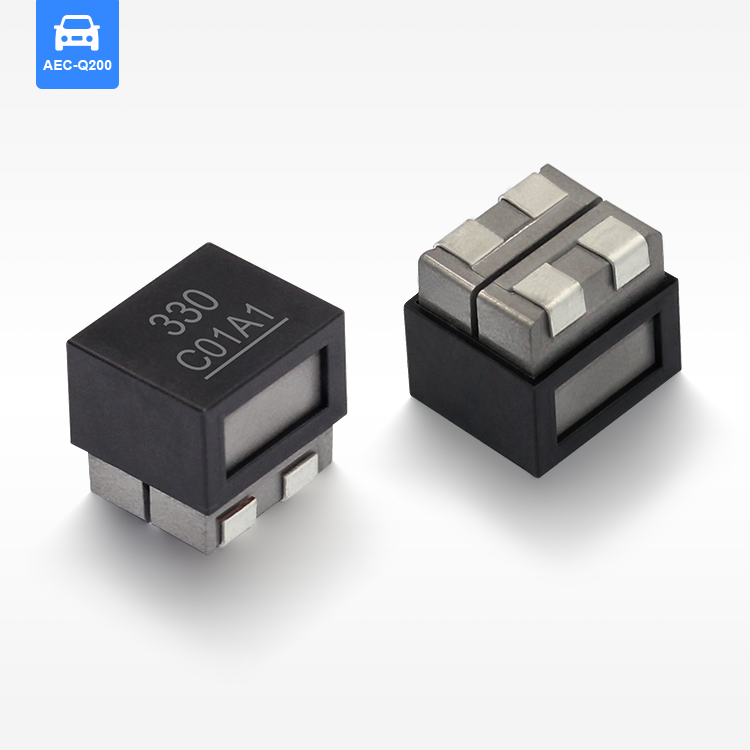
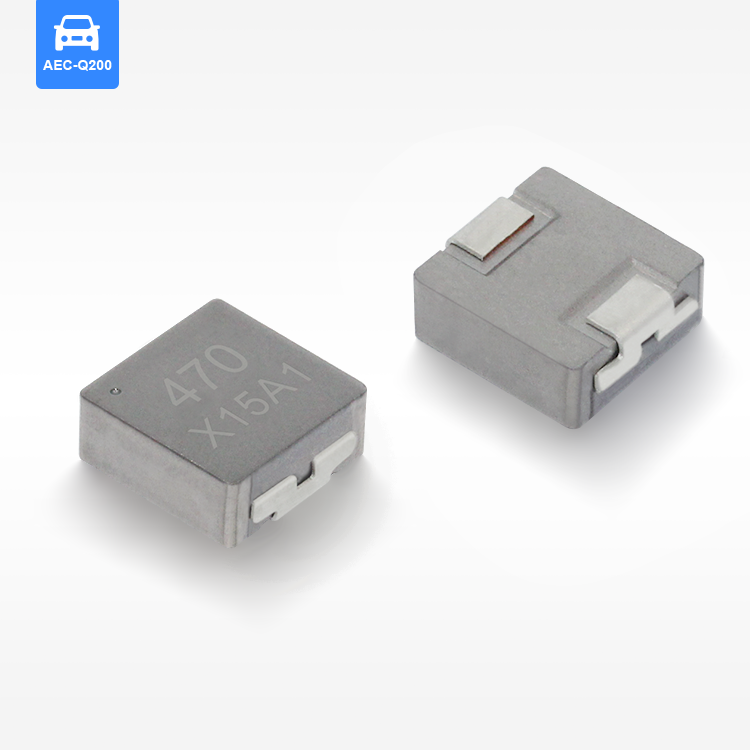
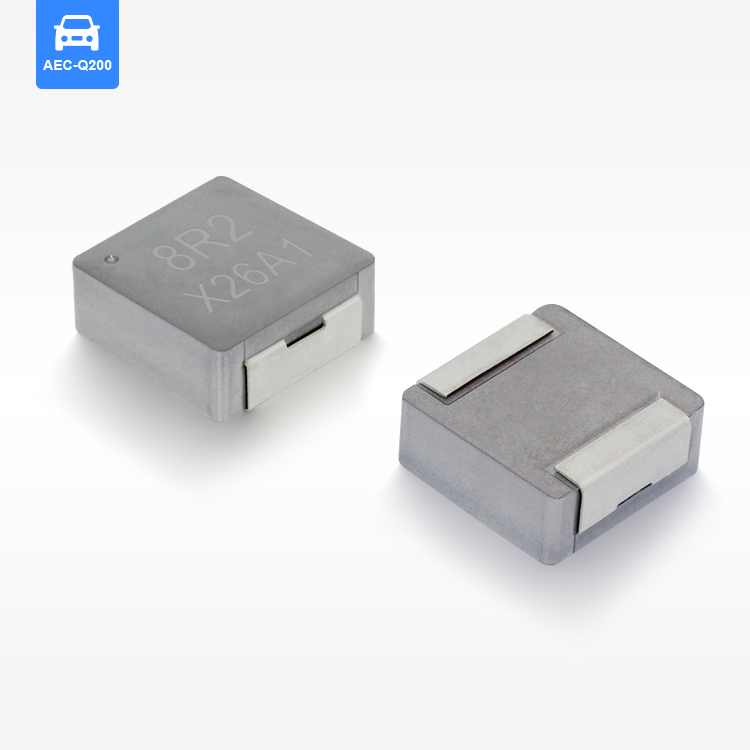
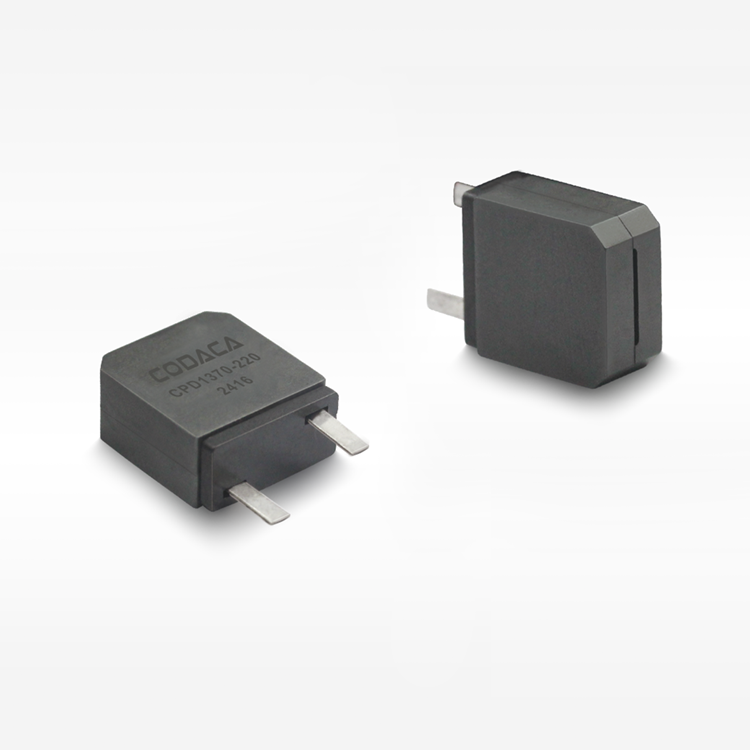
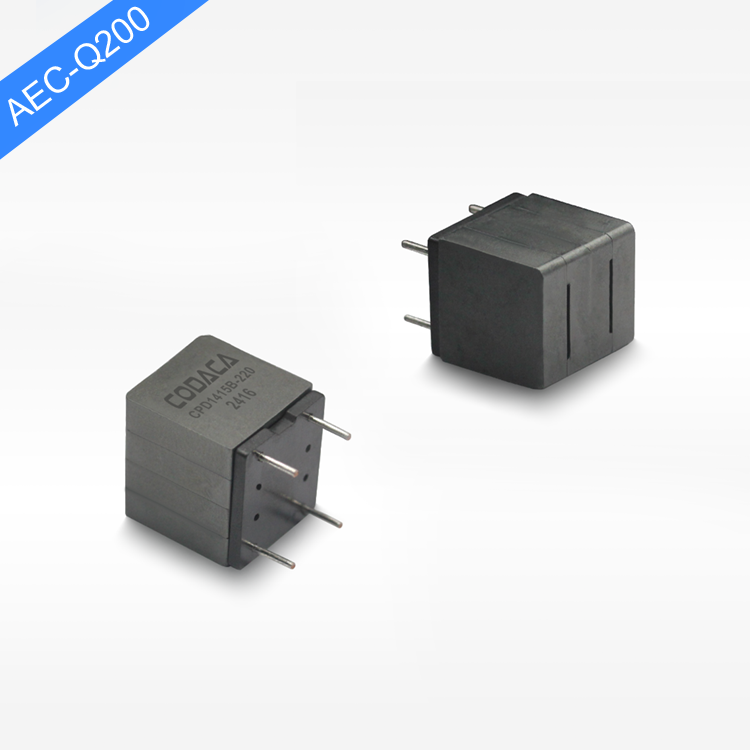
high frequency class d power inductor
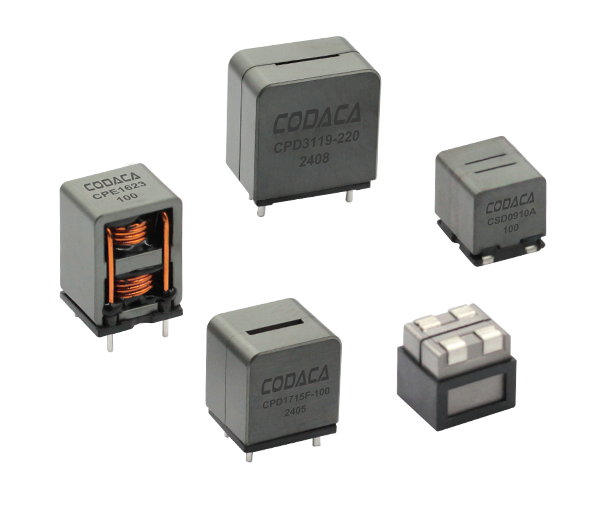
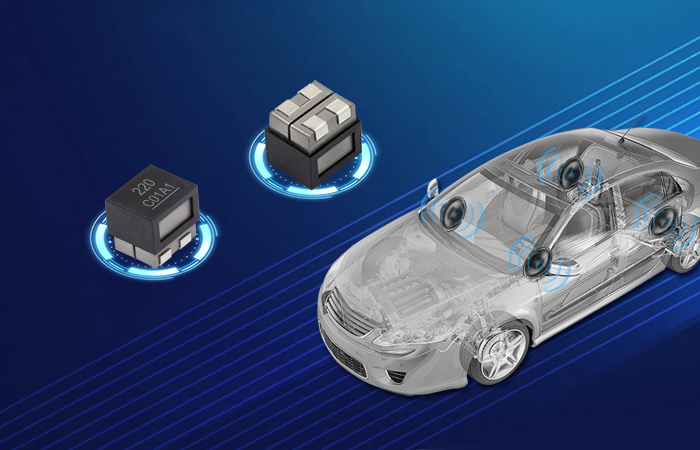
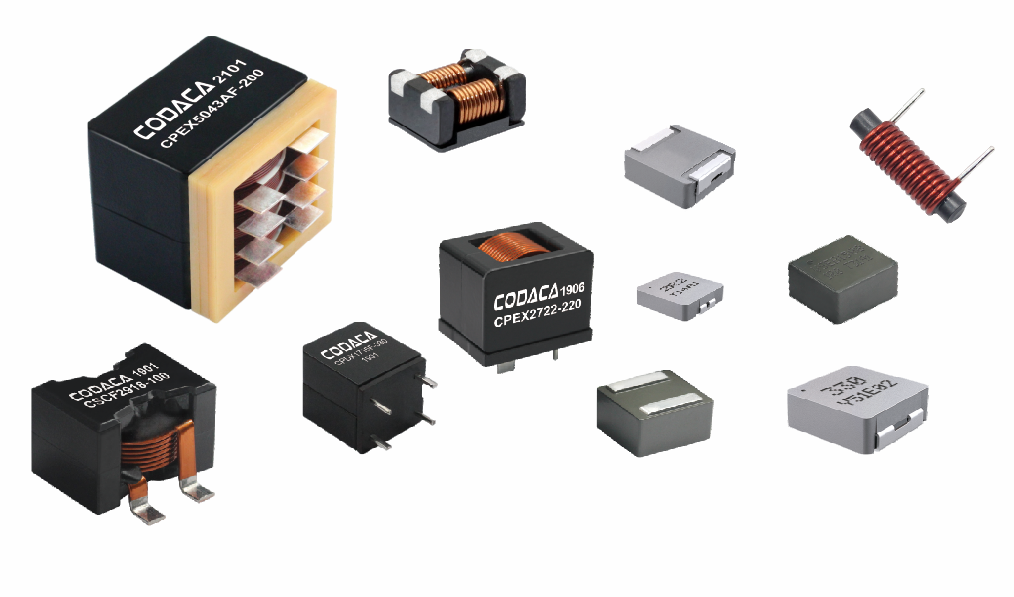
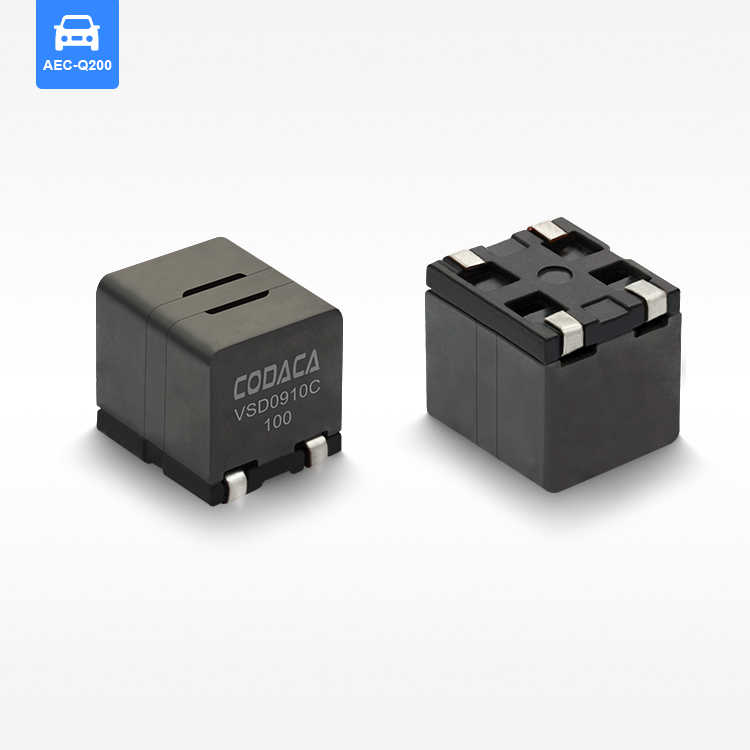
The high frequency class d power inductor represents a critical component in modern power electronics, specifically engineered to support switching power supplies and amplification systems operating at elevated frequencies. This specialized inductor serves as an energy storage element that manages current flow while minimizing losses in high-frequency applications ranging from 100 kHz to several MHz. The primary function of the high frequency class d power inductor involves storing magnetic energy during switching cycles and releasing it smoothly to maintain continuous current flow, effectively filtering ripple currents generated by rapid switching operations. These inductors feature advanced core materials, typically utilizing ferrite or powdered iron compositions that maintain low core losses at high frequencies while providing excellent magnetic permeability. The technological architecture incorporates carefully selected wire gauging and winding techniques that minimize both DC resistance and AC losses caused by skin effect and proximity effect phenomena. Modern high frequency class d power inductor designs employ sophisticated magnetic core geometries, including toroidal, drum core, and shielded configurations that optimize magnetic flux distribution while reducing electromagnetic interference. The inductance values typically range from microhenries to several millihenries, precisely calibrated to match specific circuit requirements and switching frequencies. Advanced manufacturing processes ensure tight tolerance control, maintaining inductance stability across temperature variations and aging cycles. The high frequency class d power inductor demonstrates exceptional thermal performance through innovative cooling solutions and materials that dissipate heat efficiently, preventing saturation and maintaining consistent electrical characteristics. These components find extensive applications in switch-mode power supplies, DC-DC converters, LED drivers, motor controllers, and audio amplification systems where efficient energy conversion and minimal electromagnetic noise are paramount requirements for optimal system performance.