Low Resistance Molding Power Choke - High Efficiency Electromagnetic Components for Power Applications

All Categories

Get a Free Quote

Our representative will contact you soon.
Email
Name
Company Name
Message
0/1000

low resistance molding power choke

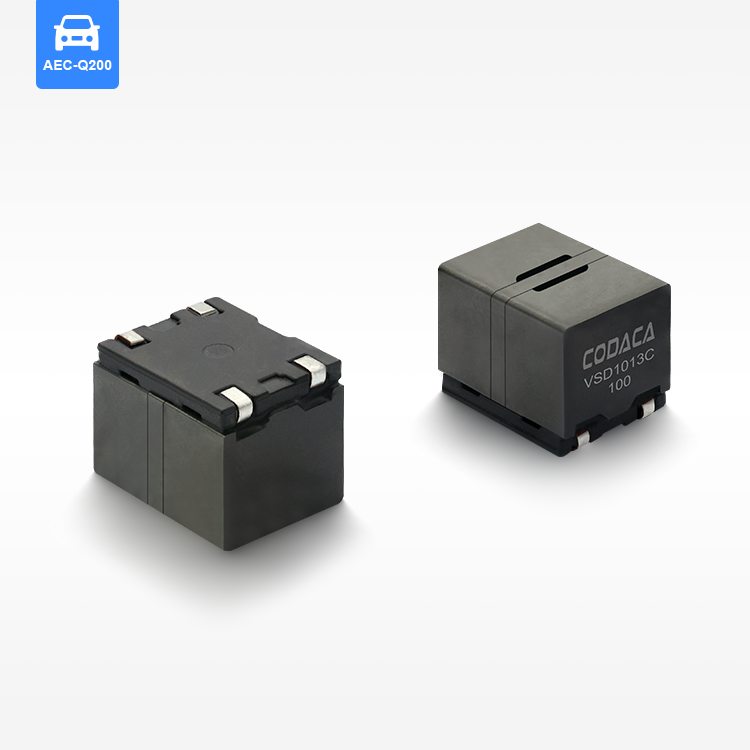
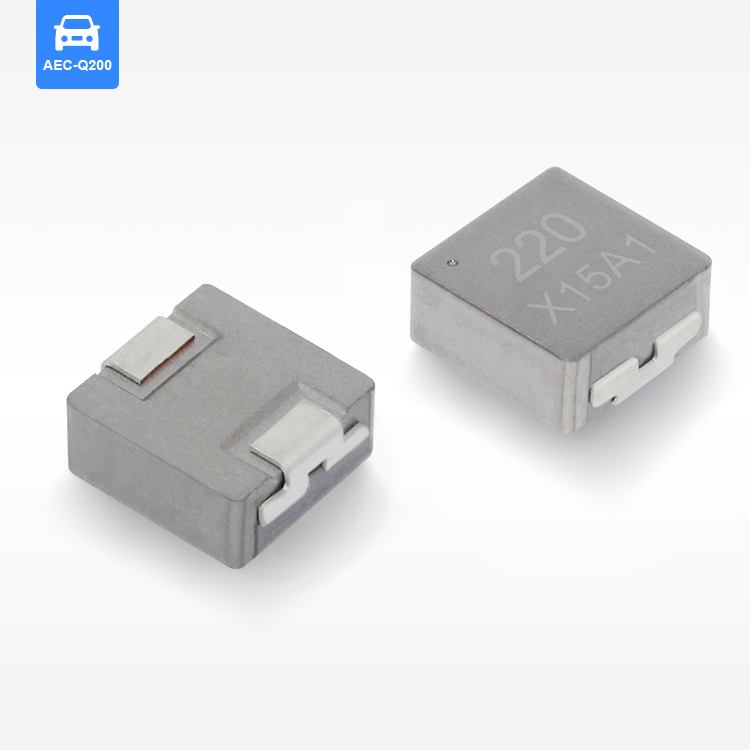
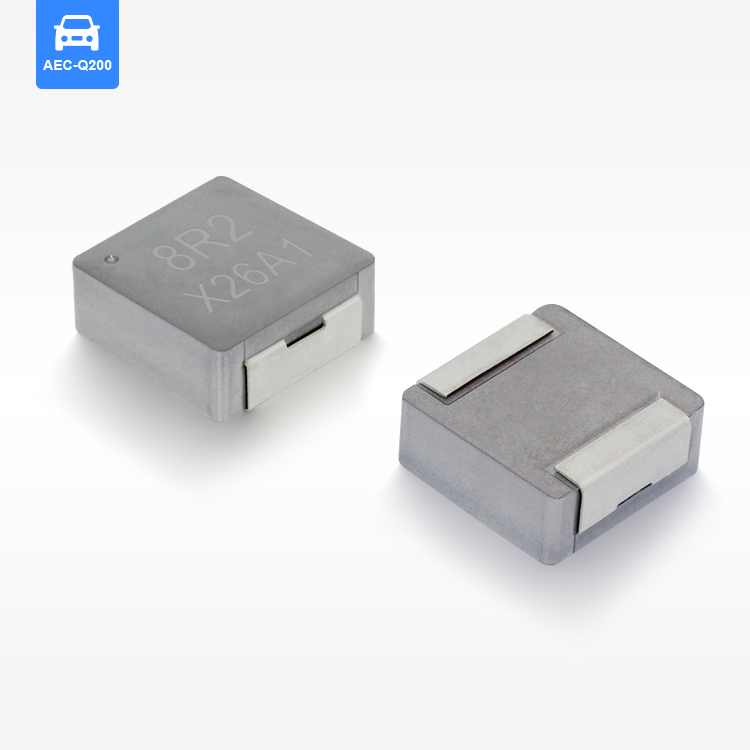
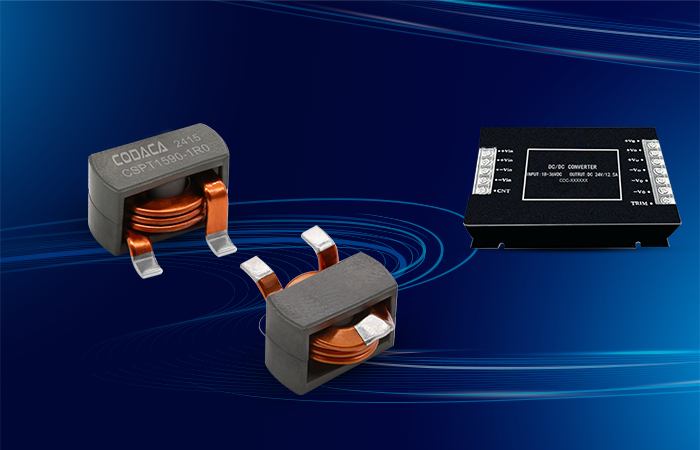
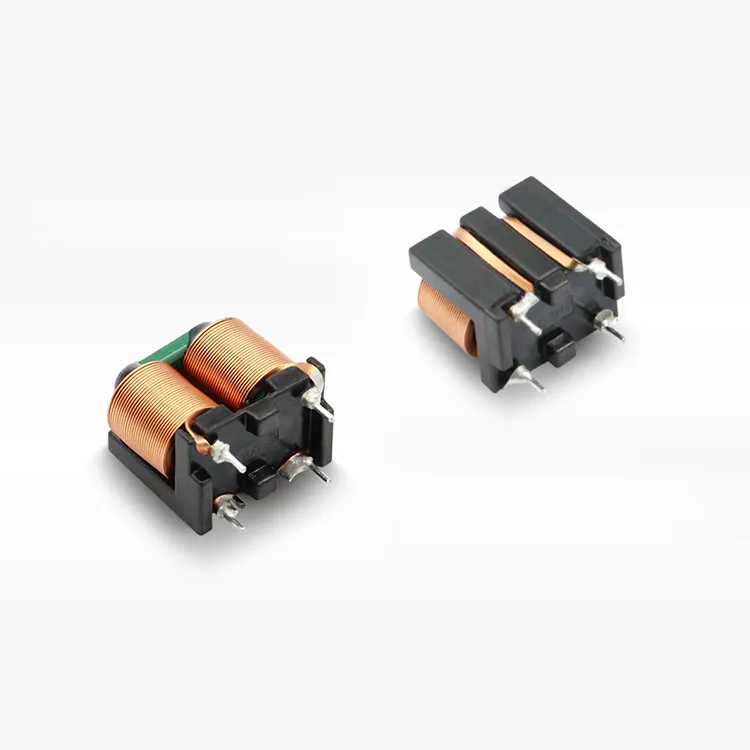
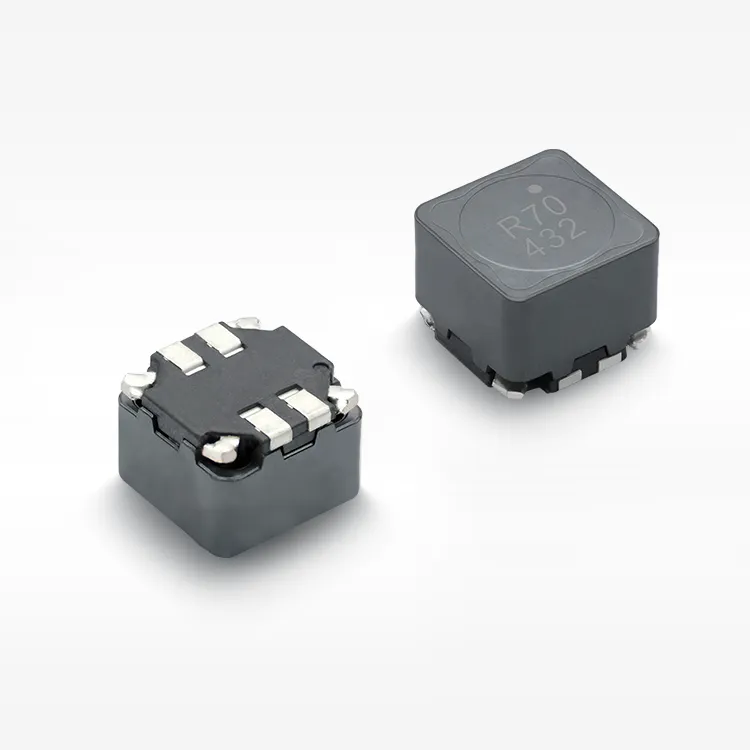
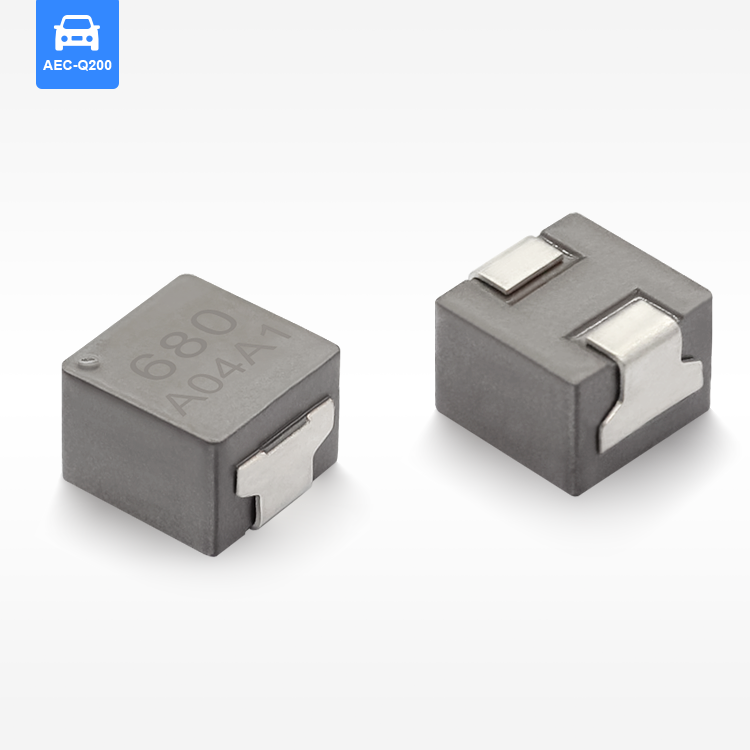
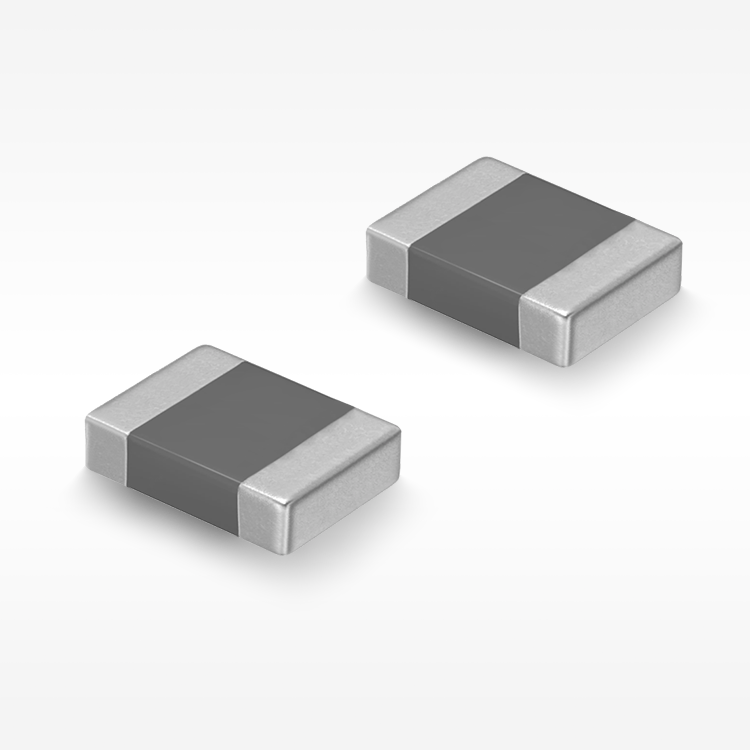
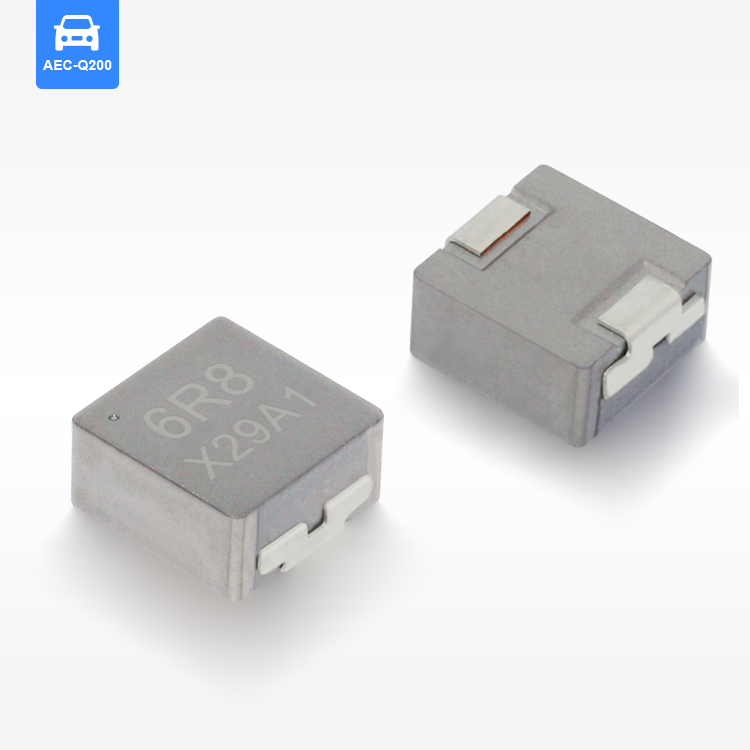
The low resistance molding power choke represents a cutting-edge electromagnetic component designed to deliver superior performance in power conversion and filtering applications. This advanced inductor combines innovative molding technology with optimized electrical characteristics to provide exceptional efficiency and reliability. The low resistance molding power choke features a specially engineered core material and precision winding techniques that minimize electrical losses while maintaining excellent magnetic properties. Its molded construction offers enhanced durability and thermal management capabilities, making it ideal for demanding industrial and commercial environments. The primary function of this component involves energy storage, current smoothing, and electromagnetic interference suppression in various electronic circuits. The low resistance molding power choke operates by storing magnetic energy when current flows through its windings and releasing this energy to maintain continuous current flow during switching operations. This characteristic proves essential in switch-mode power supplies, DC-DC converters, and voltage regulators where consistent power delivery remains critical. The technological features include high-grade ferrite or powder iron cores that provide excellent permeability and low core losses. The molding process encapsulates the entire component in a protective housing that shields against environmental factors such as moisture, dust, and mechanical stress. Advanced winding configurations ensure optimal current distribution and minimize proximity effects that could increase resistance. The low resistance molding power choke finds extensive applications across multiple industries including telecommunications equipment, automotive electronics, renewable energy systems, and consumer electronics. In power management circuits, these components facilitate efficient energy conversion while reducing heat generation and improving overall system reliability. The compact design and standardized form factors enable easy integration into space-constrained applications while maintaining excellent electrical performance characteristics.

Popular Products

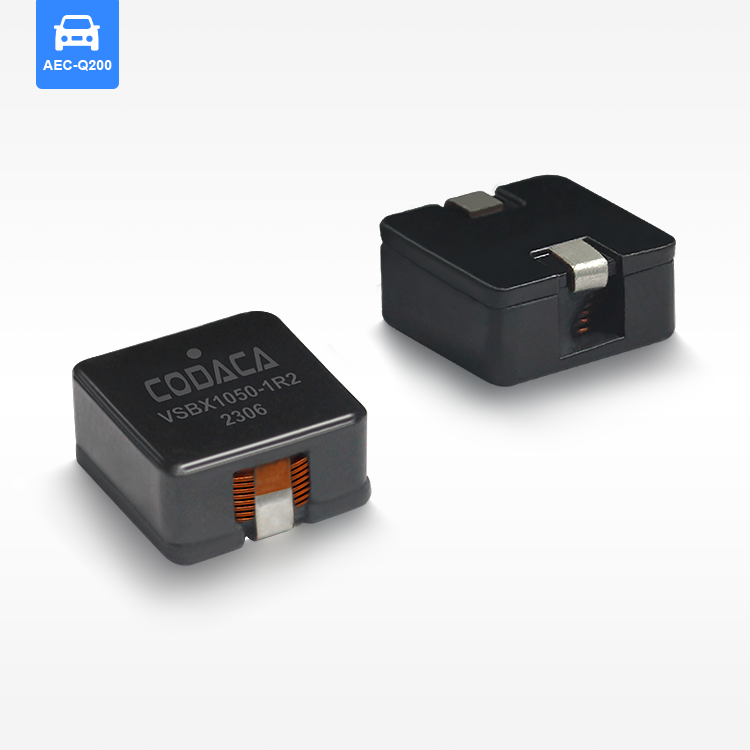
The low resistance molding power choke delivers numerous practical benefits that directly impact system performance and cost-effectiveness for customers across various industries. The most significant advantage stems from its exceptionally low DC resistance, which dramatically reduces power losses and heat generation during operation. This characteristic translates to improved energy efficiency, lower operating temperatures, and extended component lifespan, ultimately reducing maintenance costs and system downtime. The molded construction provides superior protection against environmental hazards compared to traditional open-core inductors. This robust design withstands vibration, shock, moisture, and temperature fluctuations without compromising electrical performance, making the low resistance molding power choke ideal for harsh operating conditions. Customers benefit from reduced failure rates and improved reliability in critical applications where component failure could result in significant operational disruptions or safety concerns. The compact form factor and standardized mounting options simplify integration into existing circuit designs while optimizing board space utilization. Engineers appreciate the predictable electrical characteristics and consistent performance across production batches, which streamlines design validation and reduces time-to-market for new products. The low resistance molding power choke exhibits excellent current handling capabilities, allowing designers to specify smaller components for given power requirements or achieve higher power density in their applications. This advantage proves particularly valuable in portable devices and space-constrained installations where weight and volume considerations remain paramount. The superior thermal management properties enable sustained operation at higher current levels without derating, maximizing system performance under demanding load conditions. Manufacturing benefits include automated assembly compatibility and consistent quality control, reducing production costs and improving yield rates. The low resistance molding power choke maintains stable inductance values across wide temperature and frequency ranges, ensuring predictable circuit behavior under varying operating conditions. These advantages combine to deliver tangible value through reduced total cost of ownership, improved system reliability, enhanced performance metrics, and simplified design implementation processes.

Practical Tips

The Science Behind Automotive Grade Molding Power Choke Design

31

Mar

The Science Behind Automotive Grade Molding Power Choke Design

Introduction Automotive grade molding power chokes, also known as molded power inductors, are essential components in electrical circuits particularly within the automotive industry. These chokes consist of a coil of wire wound around a ferrite core...
View More
Compact High Current Power Inductor: A Comparison of Materials and Designs

01

Apr

Compact High Current Power Inductor: A Comparison of Materials and Designs

Mn-Zn Ferrite: High Permeability and Frequency Response Mn-Zn ferrite is highly regarded in the field of inductors due to its high permeability, which facilitates an efficient magnetic flux path. This characteristic translates into improved inductan...
View More
Molding Power Chokes vs. Traditional Chokes: What's the Difference?

13

May

Molding Power Chokes vs. Traditional Chokes: What's the Difference?

Core Construction Differences Between Molding Power Chokes and Traditional Chokes Materials: Ferrite vs. Iron Core Composition The primary difference between molding power chokes and traditional chokes lies in the material composition of their cores...
View More
The Role of Molding Power Chokes in Energy Storage Systems

13

May

The Role of Molding Power Chokes in Energy Storage Systems

Understanding Molding Power Chokes in Energy Storage Definition and Core Components Power Chokes are important inductive devices used in energy storage systems and they are commonly used to filter high frequency signals. These chokes are mainly...
View More

Get a Free Quote

Our representative will contact you soon.
Email
Name
Company Name
Message
0/1000

low resistance molding power choke

Superior Thermal Management and Heat Dissipation

Superior Thermal Management and Heat Dissipation

The low resistance molding power choke incorporates advanced thermal management technologies that set it apart from conventional inductors in high-power applications. The molding compound used in construction provides excellent heat conduction properties, efficiently transferring generated heat away from the core and windings to the surrounding environment. This enhanced thermal performance allows the component to operate at higher current densities without experiencing thermal runaway or performance degradation. The uniform heat distribution achieved through the molding process eliminates hot spots that could cause premature component failure or reduced efficiency. Engineers designing power management systems benefit significantly from this thermal advantage, as it enables more aggressive design parameters and higher power density solutions. The low resistance molding power choke can sustain continuous operation at elevated temperatures while maintaining stable electrical characteristics, making it suitable for automotive under-hood applications, industrial motor drives, and high-performance computing systems where ambient temperatures may exceed standard operating ranges. The improved thermal management translates directly to extended component lifespan and reduced maintenance requirements, providing substantial cost savings over the product lifecycle. Additionally, the consistent temperature distribution prevents thermal stress on the core material and windings, maintaining inductance stability and reducing the risk of wire bond failures or insulation breakdown. This thermal superiority enables system designers to implement more compact cooling solutions or eliminate additional heat sinks in many applications, further reducing system complexity and cost. The molded construction also provides a predictable thermal interface for thermal modeling and simulation, allowing engineers to accurately predict operating temperatures and optimize thermal management strategies during the design phase.
Exceptional Electrical Performance and Efficiency

Exceptional Electrical Performance and Efficiency

The electrical performance characteristics of the low resistance molding power choke deliver unmatched efficiency and precision in power conversion applications. The carefully engineered core materials and optimized winding configurations result in minimal DC resistance values, typically 30-50% lower than comparable traditional inductors. This reduction in resistance directly translates to decreased power losses, improved conversion efficiency, and reduced heat generation during operation. The low resistance molding power choke maintains excellent saturation characteristics, providing stable inductance values even under high current conditions where traditional inductors might experience significant performance degradation. The precision manufacturing process ensures tight tolerance control over inductance values, typically within ±10% or better, enabling predictable circuit behavior and simplified design calculations. High-frequency performance remains exceptional due to optimized core materials and advanced winding techniques that minimize parasitic capacitance and skin effect losses. This makes the low resistance molding power choke suitable for switching frequencies up to several hundred kilohertz while maintaining efficiency and thermal performance. The component exhibits excellent linearity across its operating range, providing consistent performance regardless of load variations or input voltage fluctuations. Quality factor measurements demonstrate superior performance compared to alternative inductor technologies, resulting in better filtering effectiveness and reduced electromagnetic interference generation. The low resistance characteristics enable higher current handling capabilities without proportional increases in power dissipation, allowing for more compact system designs or higher power output from existing form factors. Temperature coefficient specifications remain stable across wide operating ranges, ensuring consistent performance in applications subject to varying environmental conditions. These electrical advantages combine to provide measurable improvements in overall system efficiency, often resulting in 2-5% efficiency gains in switch-mode power supplies and DC-DC converter applications.
Enhanced Durability and Reliability for Demanding Applications

Enhanced Durability and Reliability for Demanding Applications

The molded construction of the low resistance molding power choke provides exceptional durability and reliability characteristics that exceed the performance of traditional wound inductors in challenging operating environments. The encapsulation process completely seals the core and windings within a protective polymer housing that prevents contamination from dust, moisture, chemicals, and other environmental hazards. This protection ensures consistent electrical performance throughout the component's operational life, even in harsh industrial settings or outdoor applications where exposure to extreme conditions remains unavoidable. The molding material exhibits excellent resistance to thermal cycling, maintaining structural integrity through repeated heating and cooling cycles without developing cracks or delamination that could compromise performance. Mechanical shock and vibration resistance far exceeds industry standards, making the low resistance molding power choke suitable for automotive, aerospace, and mobile equipment applications where mechanical stress represents a significant reliability concern. The molded housing provides additional benefits including improved electromagnetic shielding, which reduces both radiated and conducted electromagnetic interference compared to open-core designs. This shielding characteristic proves particularly valuable in sensitive electronic systems where EMI compliance remains critical for proper operation and regulatory approval. The uniform molding process eliminates air gaps and voids that could serve as failure initiation points, resulting in more predictable failure modes and extended mean time between failures. Quality assurance testing demonstrates superior performance in accelerated life testing protocols, with minimal degradation in electrical parameters after thousands of hours of operation under stress conditions. The low resistance molding power choke maintains consistent performance characteristics throughout its rated lifetime, providing engineers with confidence in long-term system reliability and reducing warranty costs associated with component failures. Manufacturing consistency achieved through automated molding processes results in lower part-to-part variation and improved quality control compared to hand-wound alternatives, further enhancing overall system reliability and reducing the need for extensive component screening or selection procedures.