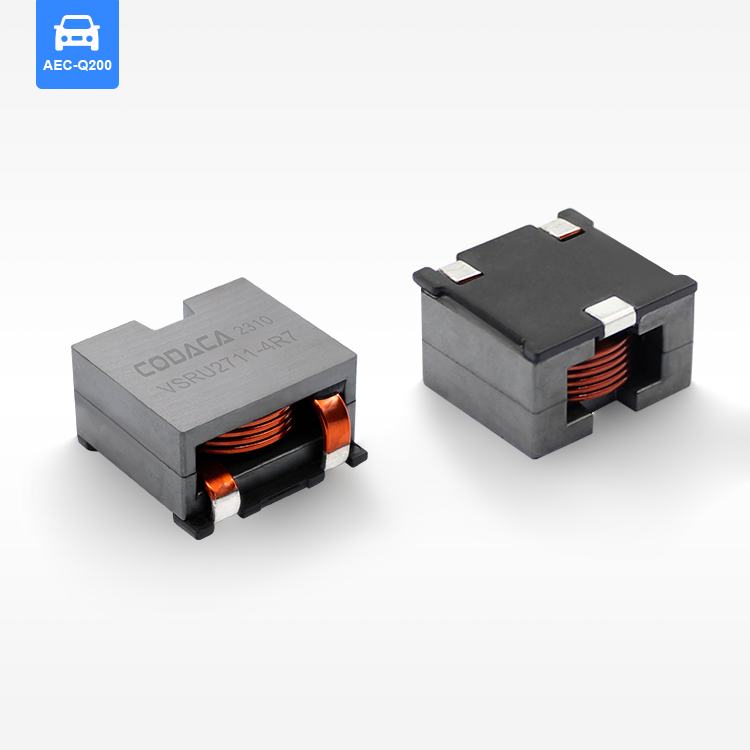
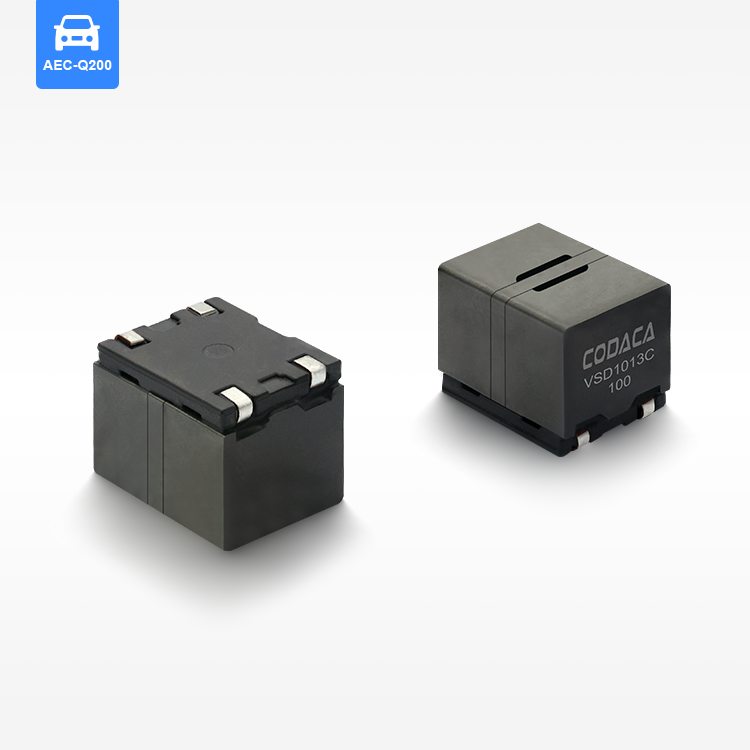
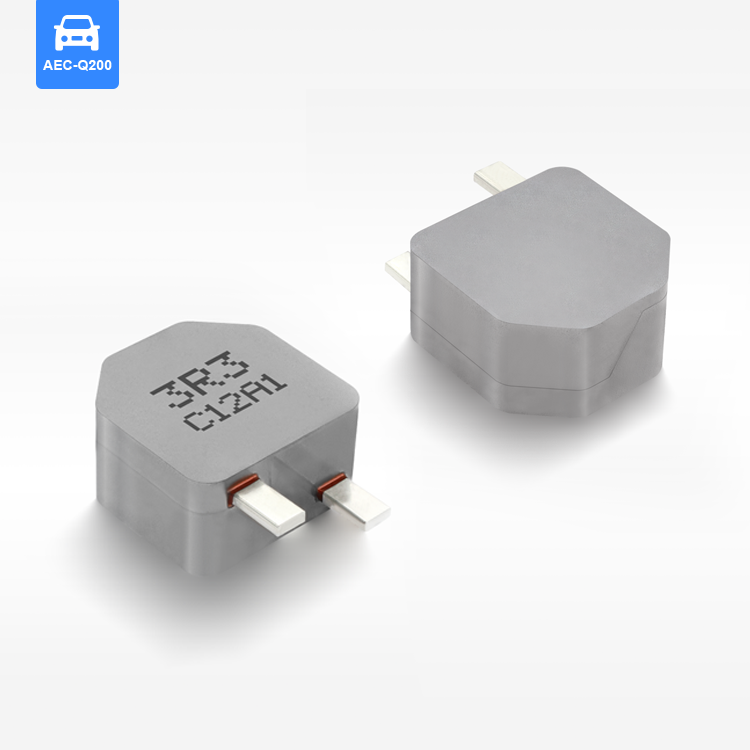
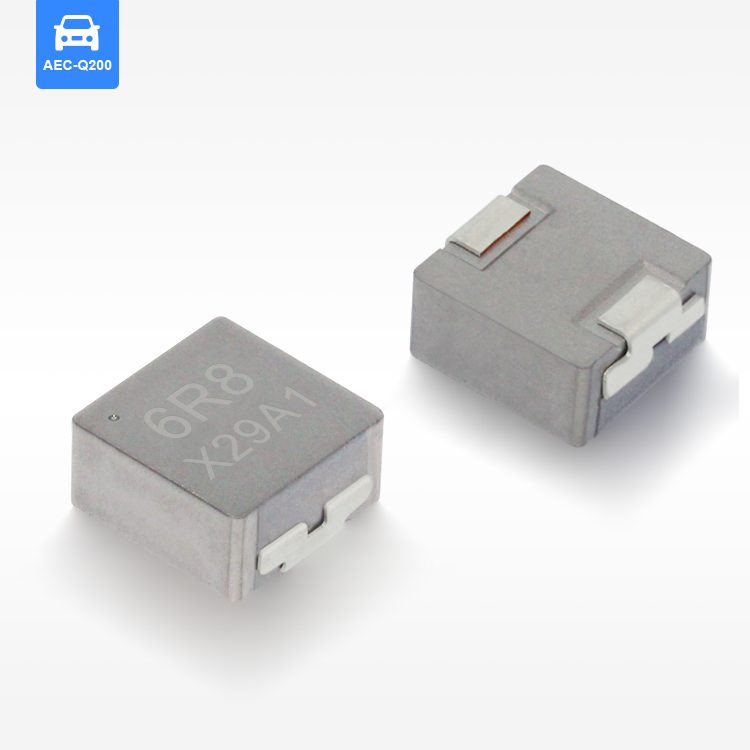
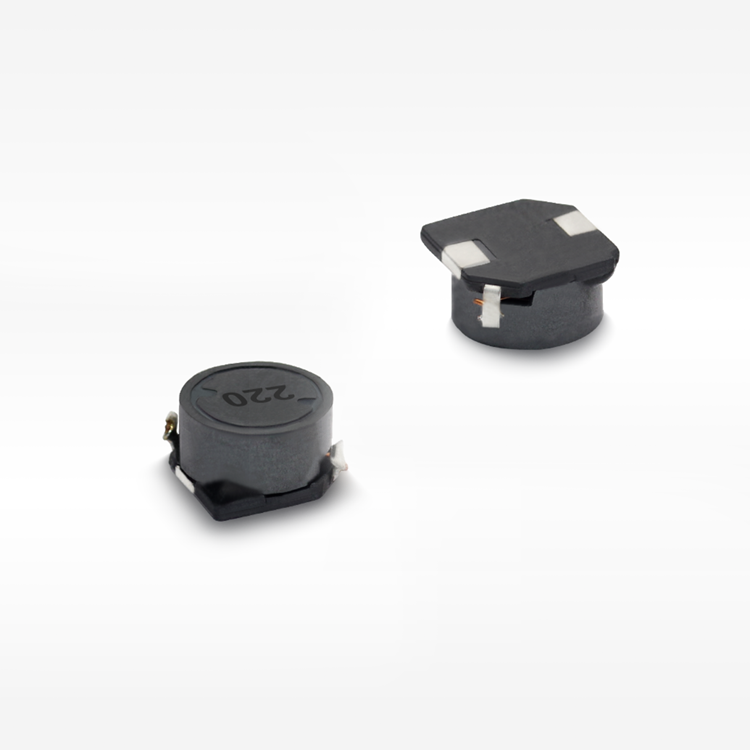
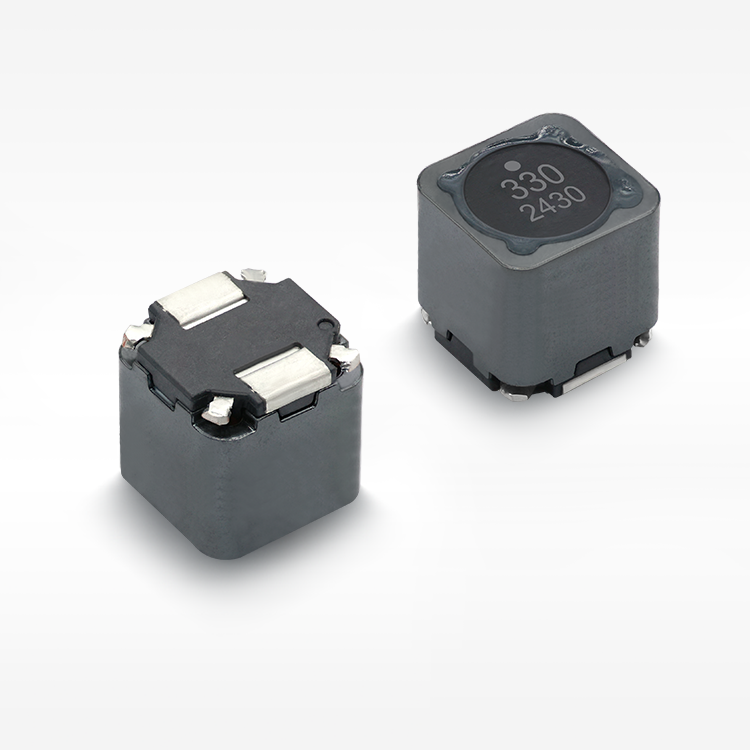
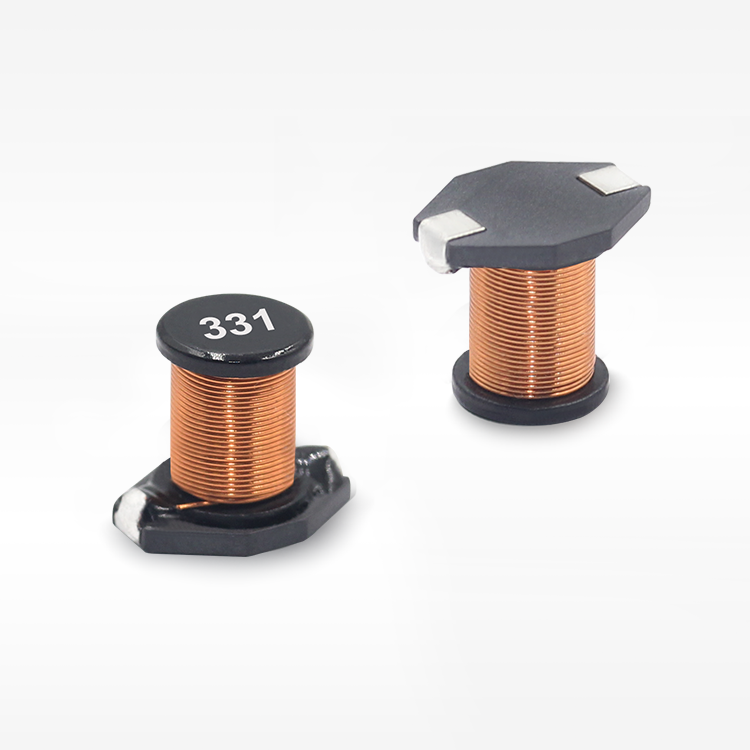
מנגן אינדוקטור SMD מותאם אישית
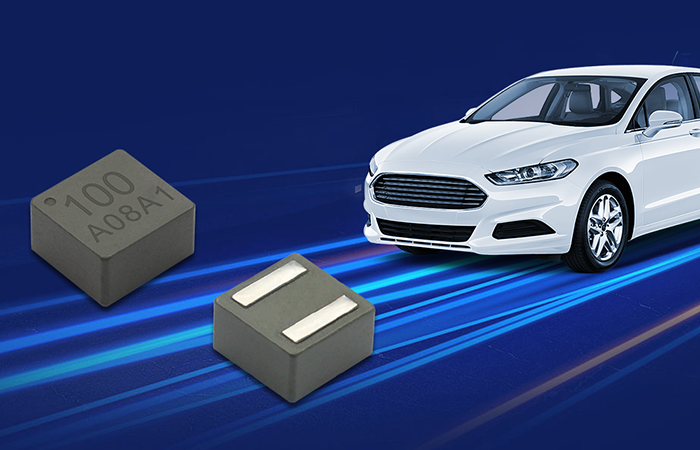
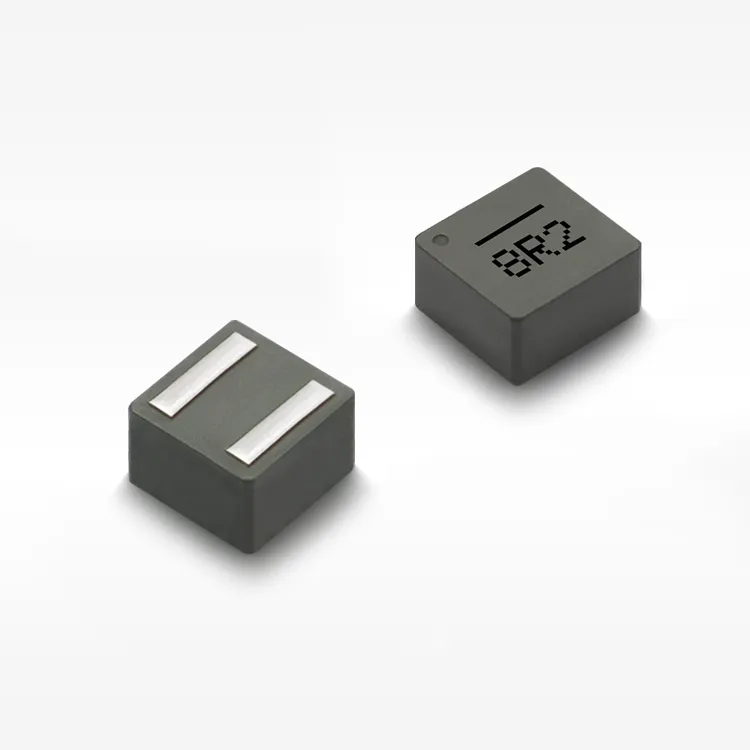
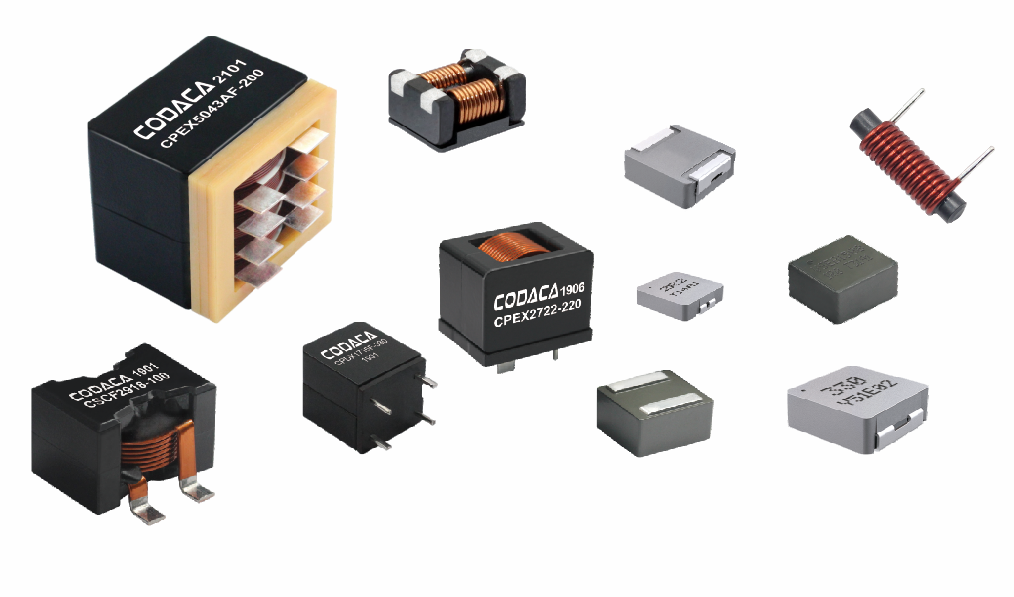
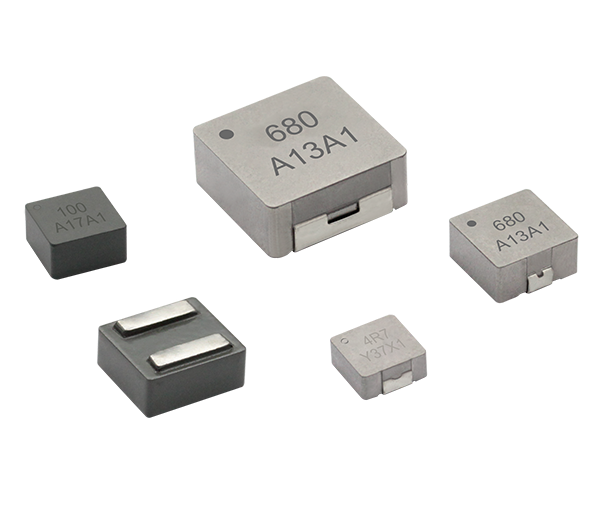
הסליל SMD ניתן להתאמה представляет התקדמות מהפכנית בעיצוב רכיבי אלקטרוניקה, ומציע גמישות לא תיאמן וביצועים מובילים ליישומי מעגלים מודרניים. סלילי ההתקנה על משטח (SMD) מעוצבים כדי לעמוד בדרישות חשמליות ומיכניות ספציפיות בתחומים תעשייתיים שונים. בניגוד לרכיבים סטנדרטיים המוכנים, סליל SMD ניתן להתאמה ניתן להתאים לערכים מדויקים של השראות, תדרי עבודה, דירוגי זרם ומימדים פיזיים. גמישות זו הופכת אותם לרכיבים חיוניים בציוד תקשורת, אלקטרוניקה לרכב, מערכות ניהול חשמל והתקנים לצרכנים. התכונות הטכנולוגיות המרכזיות של יחידות סליל SMD ניתנות להתאמה כוללות חומרי ליבה מגנטיים מתקדמים, סלילים מפותלים במדויק ושיטות סיום מיוחדות. סלילים אלו משתמשים בליבות פריט בפרמיאביליות גבוהה או ליבות אויר, בהתאם לדרישות היישום, ומבטיחים ניהול אופטימלי של שטף מגנטי ואיבודים מינימליים. תהליך הייצור כולל טכניקות פיתול אוטומטיות שמгарנות ערכי השראות עקביים ופיקוח איכותי מוגבר. יציבות טמפרטורה נשארת היבט קריטי, ועיצובי סליל SMD ניתנים להתאמה מסוגלים לפעול בטווחי טמפרטורה מורחבים מ-40° צלזיוס עד 125° צלזיוס. הגודל הקטן של סלילים אלו מאפשר תצורי מעגלים בצפיפות גבוהה תוך שמירה על תיאום אלקטרומגנטי מצוין. היישומים המרכזיים משתרעים על פני מקורות כוח מתחלפים, מעגלי RF, סינון אותות ומערכות איחסון אנרגיה. באלקטרוניקה חשמלית, רכיבי סליל SMD ניתנים להתאמה משמשים כאלמנטים חיוניים במתagli DC-DC, ומספקים זרימה חלקה של זרם ורגולציה של מתח. התקני תקשורת אלחוטית מסתמכים על סלילים אלו להתאמת עכבות, איזון אנטנות ועיבוד אותות. התעשייה האוטומобильית סומכת ביתר שאת על פתרונות סליל SMD ניתנים להתאמה למערכות טעינה של רכבים חשמליים, מודולי בקרת מנוע ומערכות עזר מתקדמות לנהג. יצרני ציוד רפואי משתמשים ברכיבים אלו בהתקנים דיאגנוסטיים ניידים, מערכות ניתנות שתילה וציוד ניטור, בהם מגבלות גודל ואמינות הן עקרוניות.