Automotive Grade Molded Power Inductors: High-Performance Components for Vehicle Electronics

All Categories

Get a Free Quote

Our representative will contact you soon.
Email
Name
Company Name
Message
0/1000

automotive grade molded power inductor

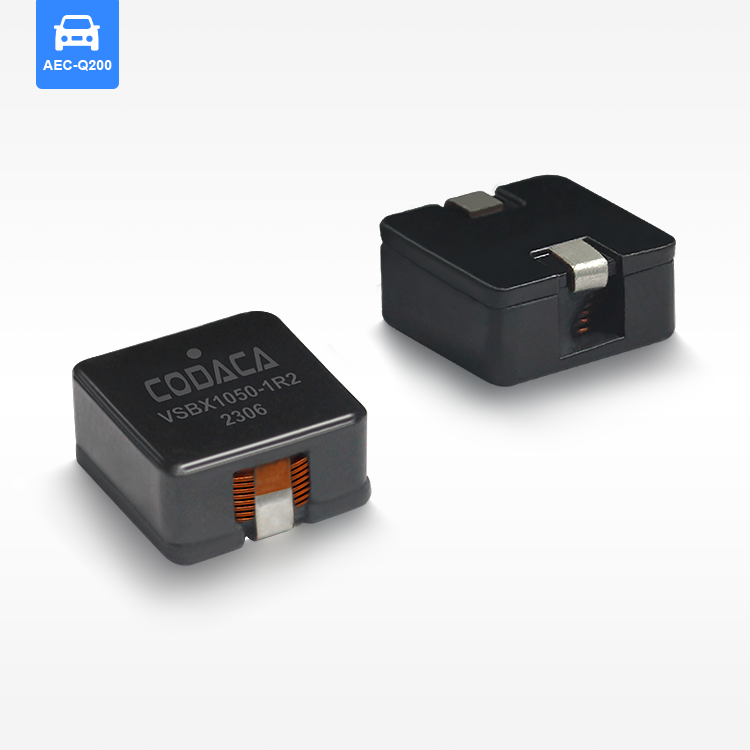
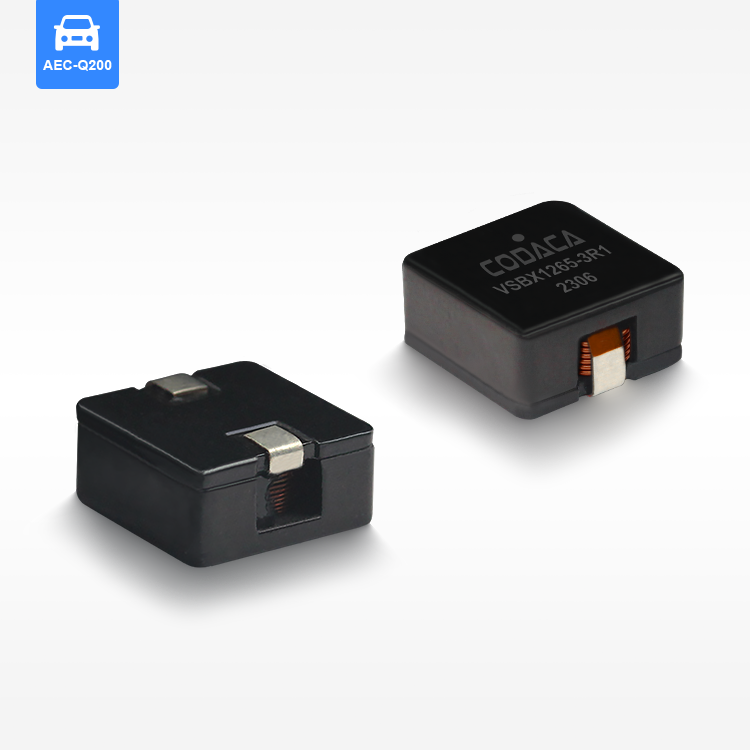
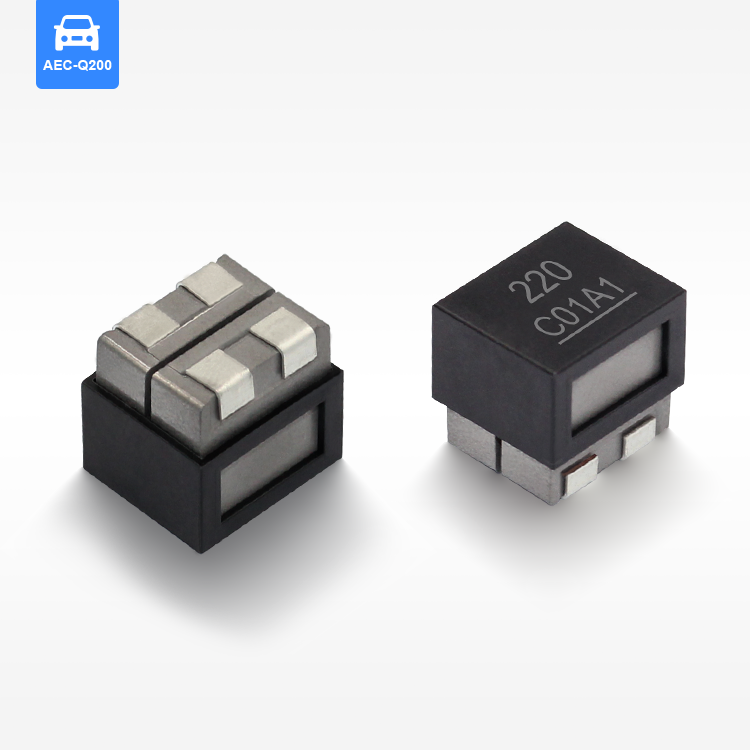
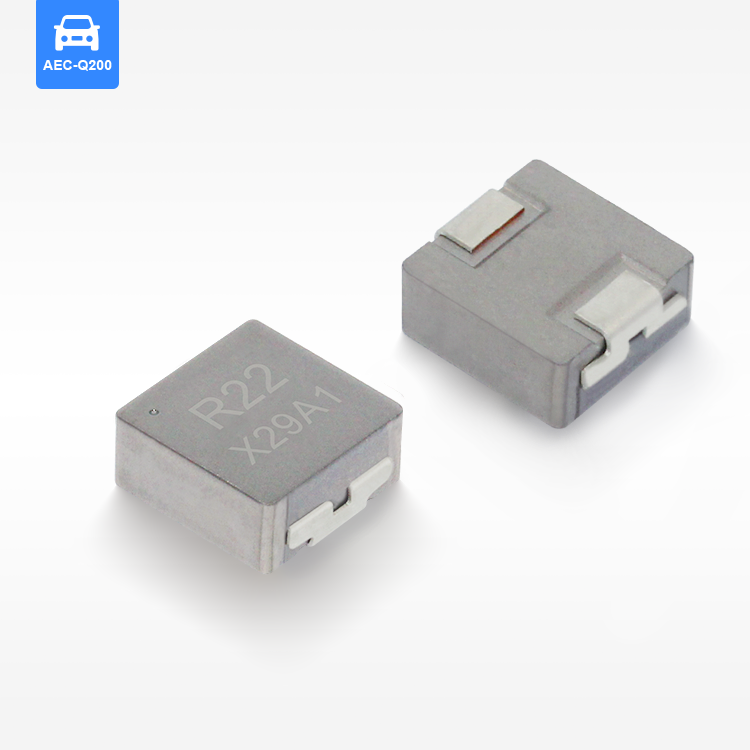
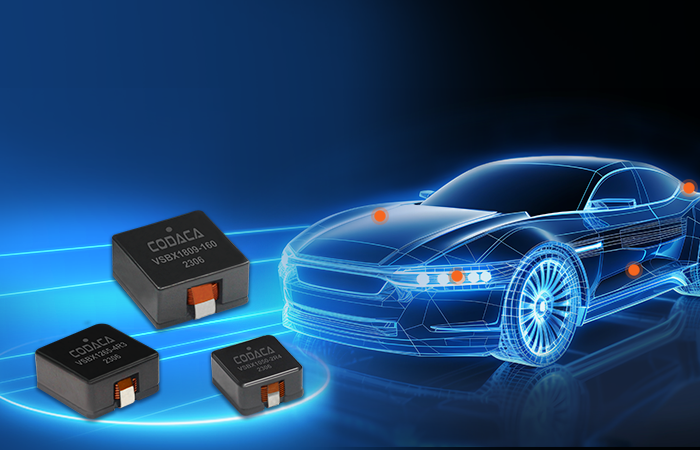
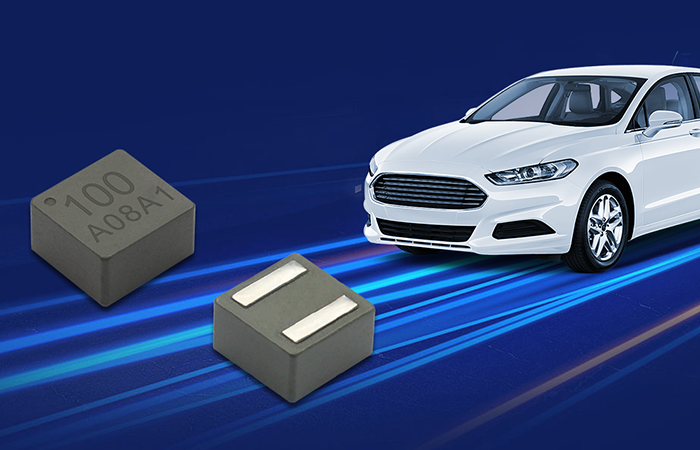
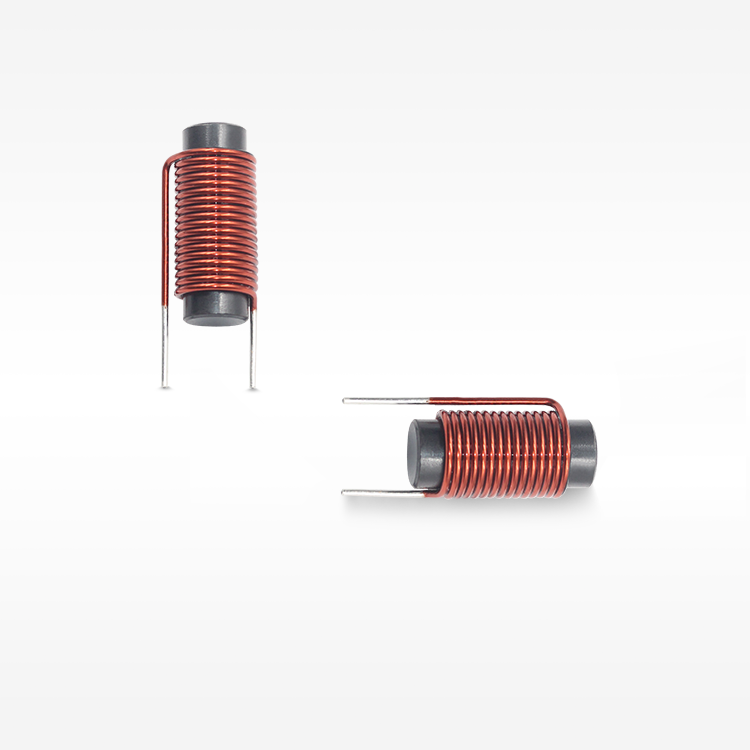
The automotive grade molded power inductor represents a critical component in modern vehicle electronics, designed specifically to meet the demanding requirements of automotive applications. This specialized electronic component serves as an energy storage device that manages electrical current flow within various automotive systems, ensuring stable power delivery and electromagnetic interference suppression. The automotive grade molded power inductor features a robust construction utilizing high-quality magnetic materials encased in a protective molding compound, providing exceptional durability against harsh environmental conditions commonly encountered in vehicular environments. These inductors operate by storing energy in their magnetic field when current flows through their windings, then releasing this energy to maintain consistent power flow during electrical demand fluctuations. The technological architecture of automotive grade molded power inductors incorporates advanced core materials such as ferrite or powdered iron, which deliver superior magnetic permeability and low core losses. The molding process encapsulates the entire component in thermoplastic or thermoset materials, creating a sealed unit that resists moisture, vibration, temperature extremes, and chemical exposure. Modern automotive grade molded power inductors utilize precision winding techniques and automated manufacturing processes to achieve tight tolerance specifications and consistent performance characteristics. These components typically operate across wide temperature ranges from negative forty to one hundred fifty degrees Celsius, making them suitable for engine bay installations and other challenging automotive environments. The automotive industry relies heavily on these inductors for various applications including DC-DC converters, LED lighting systems, infotainment electronics, engine control units, battery management systems, and electric vehicle charging circuits. Their compact form factor and high power density make automotive grade molded power inductors ideal for space-constrained automotive applications where reliability cannot be compromised.

Popular Products

Automotive grade molded power inductors deliver exceptional reliability that surpasses standard electronic components, providing vehicle manufacturers with confidence in long-term performance under extreme operating conditions. These inductors undergo rigorous testing protocols that simulate decades of automotive use, including thermal cycling, vibration testing, salt spray exposure, and humidity testing to ensure consistent operation throughout a vehicle's operational lifetime. The superior construction quality of automotive grade molded power inductors translates directly into reduced warranty claims and improved customer satisfaction for automotive manufacturers. Vehicle owners benefit from enhanced electrical system stability, which manifests as improved fuel efficiency, smoother engine operation, and more reliable electronic features. The robust molding process creates a protective barrier that prevents moisture ingress, chemical contamination, and physical damage from road debris or engine bay conditions that would typically damage unprotected components. This protection extends component lifespan significantly compared to non-automotive grade alternatives, reducing maintenance costs and improving overall vehicle reliability. Automotive grade molded power inductors provide excellent electromagnetic interference suppression, which ensures proper operation of sensitive electronic systems including navigation equipment, communication devices, and safety systems. This EMI suppression capability becomes increasingly important as vehicles incorporate more electronic features and wireless connectivity options. The thermal management properties of these inductors allow for consistent performance across extreme temperature variations, from arctic cold starts to desert heat conditions, ensuring reliable vehicle operation regardless of climate. Manufacturing efficiency improves when using automotive grade molded power inductors because their standardized form factors and consistent electrical characteristics simplify design processes and reduce testing requirements. These components also offer excellent power density, meaning they can handle substantial electrical loads while maintaining compact dimensions that fit modern vehicle design constraints. The automotive qualification process ensures that these inductors meet or exceed industry standards for electromagnetic compatibility, safety, and environmental resistance, providing peace of mind for both manufacturers and consumers. Additionally, the automated manufacturing processes used to produce automotive grade molded power inductors result in consistent quality and competitive pricing, making them an economically viable choice for high-volume automotive production.

Tips And Tricks

How to Select the Best Automotive Grade High Current Power Inductors for Your Needs

31

Mar

How to Select the Best Automotive Grade High Current Power Inductors for Your Needs

Understanding Automotive Grade Requirements for Power Inductors AEC-Q200 Compliance and Certification AEC-Q200 is an essential industry standard for automotive components, ensuring products meet high-quality, reliability, and safety thresholds. This...
View More
Choosing the Right Automotive grade Molded Power Inductor for Your Application

02

Apr

Choosing the Right Automotive grade Molded Power Inductor for Your Application

Inductance and Current Ratings: Balancing Ripple and Saturation In automotive applications, understanding the balance between inductance and current ratings is essential. These benchmarks ensure that ripple voltage is minimized and saturation curren...
View More
A Brief Analysis of Inductor Noise and Solutions

26

May

A Brief Analysis of Inductor Noise and Solutions

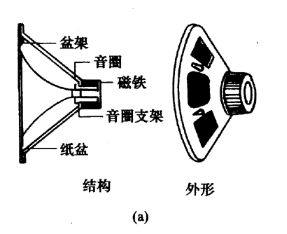
1.The principle of noise generation Noise is generated by the vibration of objects. Let's take a speaker as an example to understand the principle of vibration.A speaker does not directly convert electrical energy into sound energy. Instead, it uses ...
View More
How to Select the Right Inductor for Switching Power Supplies

26

May

How to Select the Right Inductor for Switching Power Supplies

An inductor is a common energy-storing passive component in circuits, playing roles such as filtering, boosting, and bucking in the design of switching power supplies. In the early stage of scheme design, engineers not only need to select appropriate...
View More

Get a Free Quote

Our representative will contact you soon.
Email
Name
Company Name
Message
0/1000

automotive grade molded power inductor

Superior Environmental Resistance and Durability

Superior Environmental Resistance and Durability

Automotive grade molded power inductors excel in environmental resistance, representing a fundamental advantage for automotive applications where components face continuous exposure to challenging conditions. The specialized molding compound used in these inductors creates an impermeable barrier that protects the internal windings and core materials from moisture, corrosive chemicals, road salt, and other environmental contaminants that can degrade performance over time. This protective molding undergoes extensive chemical resistance testing to ensure compatibility with automotive fluids including engine oils, brake fluids, coolants, and cleaning solvents commonly encountered in vehicle maintenance. The thermal stability of automotive grade molded power inductors enables operation across temperature ranges that exceed standard electronic component specifications, typically from negative forty to positive one hundred fifty degrees Celsius, accommodating installation in engine compartments, transmission housings, and other high-temperature automotive environments. Vibration resistance represents another critical aspect of environmental durability, as these inductors must withstand constant mechanical stress from engine vibration, road conditions, and vehicle movement without experiencing structural failure or electrical parameter drift. The molding process creates a monolithic structure that distributes mechanical stresses evenly throughout the component, preventing crack formation and maintaining electrical integrity under severe vibration conditions. UV radiation resistance ensures that automotive grade molded power inductors maintain their protective properties even when exposed to direct sunlight through transparent engine bay covers or during outdoor storage. The comprehensive environmental testing protocols applied to these components include accelerated aging tests that simulate years of operation in compressed timeframes, providing confidence in long-term reliability. This superior environmental resistance translates into extended service life, reduced maintenance requirements, and improved overall vehicle reliability, making automotive grade molded power inductors an essential choice for modern automotive electronics where failure is not an option.

Optimized Electrical Performance for Automotive Applications

Optimized Electrical Performance for Automotive Applications

The electrical performance characteristics of automotive grade molded power inductors are specifically optimized to meet the unique demands of automotive electrical systems, delivering superior efficiency and reliability compared to general-purpose inductors. These components feature carefully engineered inductance values and current handling capabilities that align with automotive power conversion requirements, including DC-DC converters for various voltage rails, LED driver circuits, and battery management systems. The core materials used in automotive grade molded power inductors are selected for their low core losses and high saturation flux density, enabling efficient energy transfer while minimizing heat generation during operation. This thermal efficiency becomes particularly important in automotive applications where ambient temperatures are already elevated and additional heat generation can compromise system reliability. The frequency response characteristics of these inductors are tailored for automotive switching frequencies, typically ranging from several hundred kilohertz to several megahertz, ensuring optimal performance in modern automotive power management circuits. Quality factor optimization ensures minimal energy losses during operation, contributing to improved fuel economy in conventional vehicles and extended range in electric vehicles. The automotive grade molded power inductor design incorporates low DC resistance windings that minimize power losses and improve overall system efficiency, directly benefiting vehicle performance and energy consumption. Magnetic shielding properties reduce electromagnetic interference between adjacent components, preventing cross-talk and ensuring proper operation of sensitive automotive electronics including engine control modules, transmission controllers, and safety systems. The inductance stability of these components remains consistent across their entire operating temperature range, preventing circuit instability and ensuring predictable system behavior under all operating conditions. Current handling capabilities are designed with appropriate safety margins to accommodate automotive load variations and transient conditions without saturation or thermal damage. The precise inductance tolerance specifications of automotive grade molded power inductors enable accurate circuit design and consistent performance across production volumes, simplifying quality control processes for automotive manufacturers.
Cost-Effective Manufacturing and Design Integration

Cost-Effective Manufacturing and Design Integration

Automotive grade molded power inductors provide exceptional value through cost-effective manufacturing processes and simplified design integration, offering automotive engineers practical solutions that balance performance requirements with economic constraints. The standardized form factors and pin configurations of these inductors streamline the design process by providing consistent mechanical interfaces that work with standard PCB layouts and automated assembly equipment. This standardization reduces engineering time and eliminates the need for custom tooling or specialized assembly processes, accelerating time-to-market for new automotive electronic systems. The automotive grade molded power inductor manufacturing process utilizes high-volume automated production techniques that achieve excellent consistency while maintaining competitive pricing, making these components economically viable for mass production automotive applications. Quality assurance processes integrated into the manufacturing workflow ensure that each inductor meets automotive quality standards without requiring extensive incoming inspection processes, reducing overall system costs and complexity. The compact dimensions of automotive grade molded power inductors enable efficient use of printed circuit board real estate, allowing designers to create more compact electronic modules that fit within the space constraints of modern vehicle designs. This space efficiency translates into material cost savings and enables the integration of additional features within existing enclosure dimensions. The thermal management characteristics of these inductors reduce the need for additional cooling measures in many applications, eliminating heat sinks, cooling fans, or other thermal management components that add cost and complexity to automotive systems. Supplier relationships for automotive grade molded power inductors often include technical support services that assist with component selection, circuit optimization, and troubleshooting, reducing development costs and improving design success rates. The long-term availability guarantees provided by automotive component suppliers ensure that these inductors remain available throughout vehicle production lifecycles and aftermarket support periods, eliminating obsolescence concerns and reducing lifecycle management costs. Compatibility with lead-free soldering processes and RoHS compliance requirements ensures that automotive grade molded power inductors meet environmental regulations without requiring special handling or processing, simplifying manufacturing operations and reducing compliance costs.