High-Performance Molded Power Inductors for Industrial Electronics - Superior Thermal Management and EMI Suppression

All Categories

Get a Free Quote

Our representative will contact you soon.
Email
Name
Company Name
Message
0/1000

molded power inductor for industrial electronics

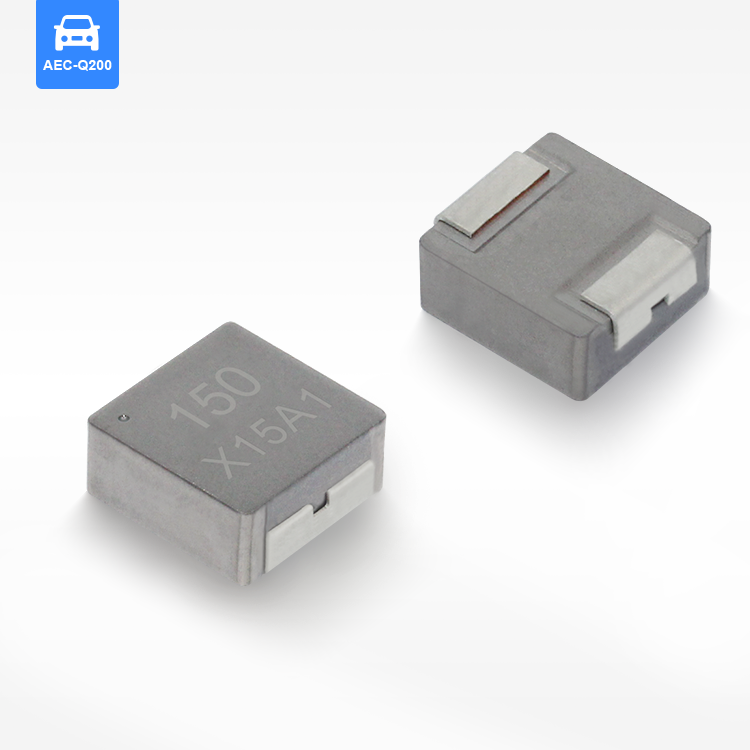
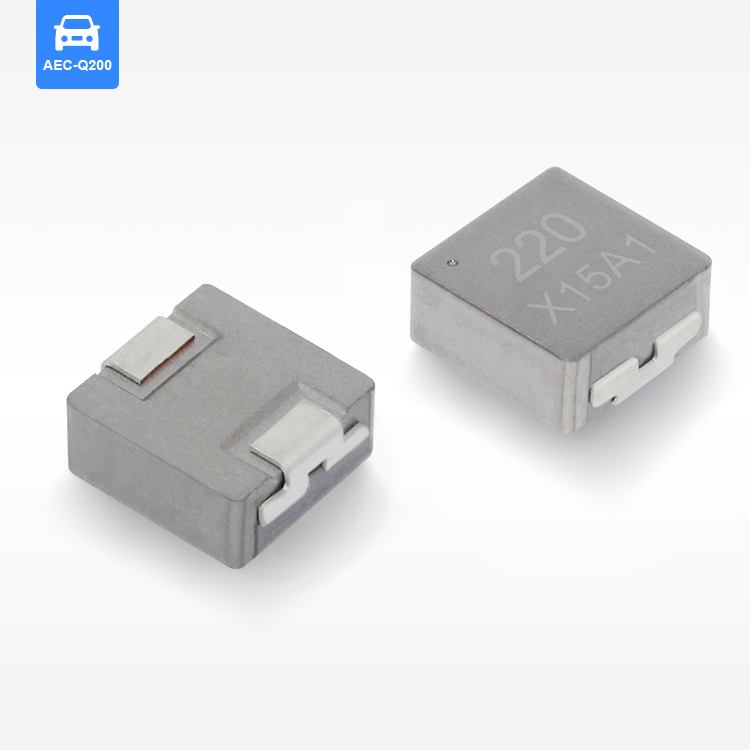
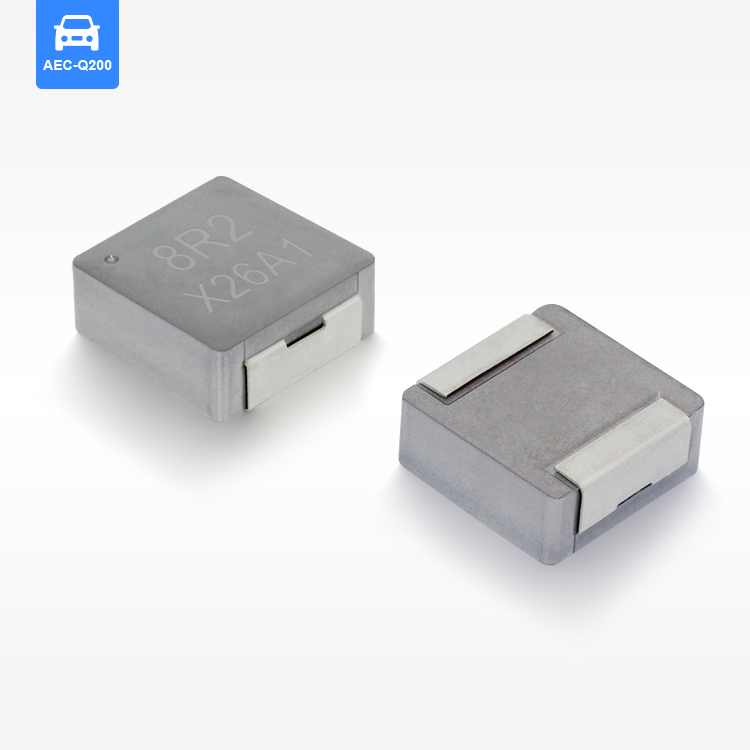
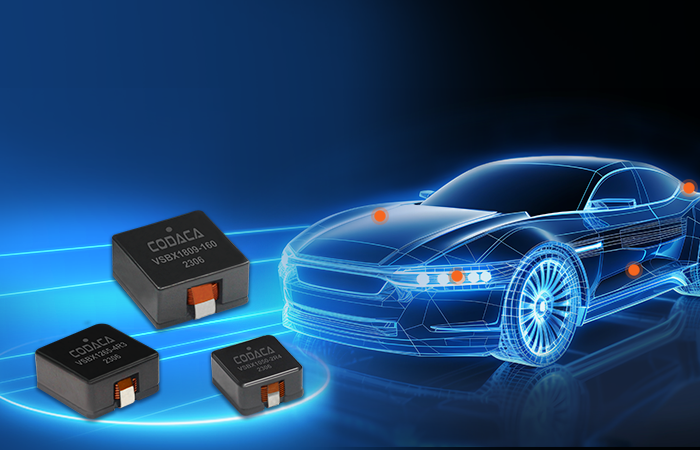
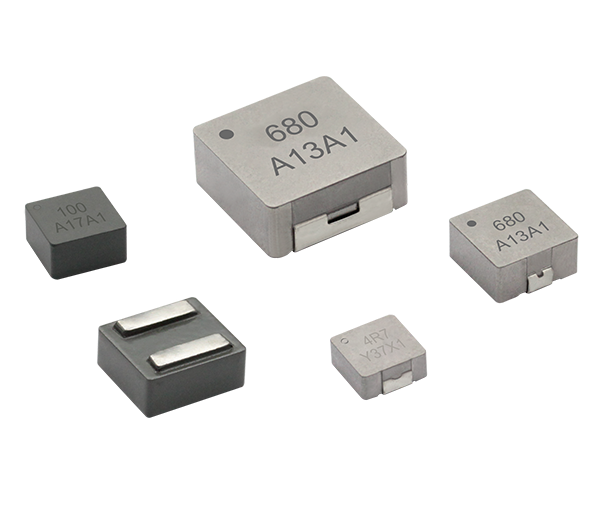
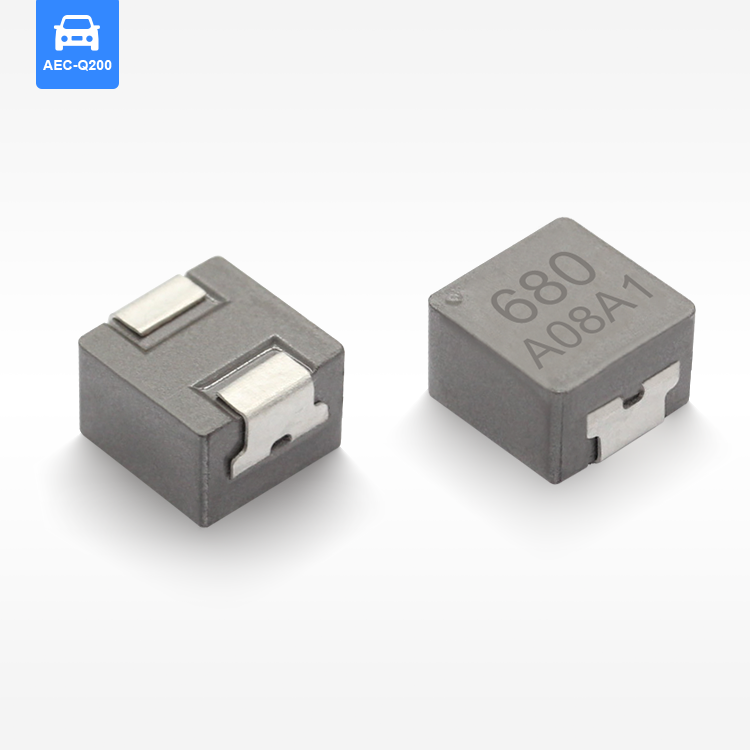
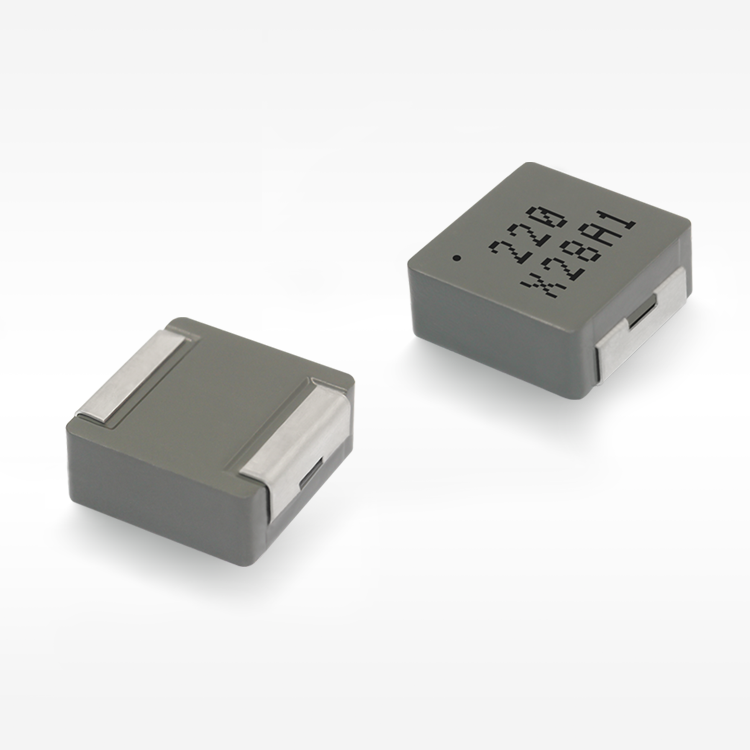
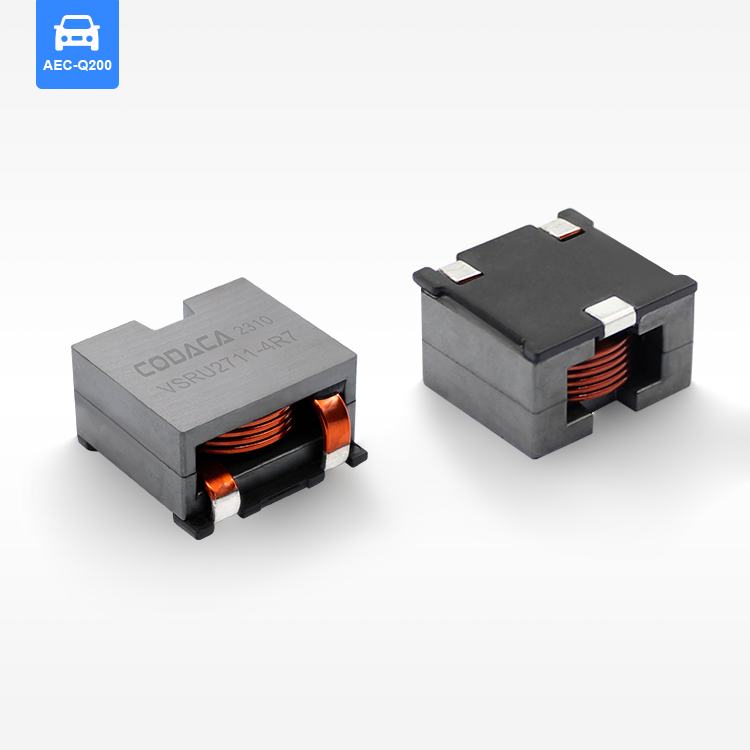
Molded power inductors for industrial electronics represent a critical component in modern power management systems, delivering exceptional electromagnetic interference suppression and energy storage capabilities. These specialized components feature a ferrite or iron powder core encased in a robust molded housing, providing superior mechanical protection and thermal dissipation properties essential for demanding industrial environments. The primary function of a molded power inductor for industrial electronics centers on controlling current flow, filtering noise, and storing magnetic energy within switching power supplies, DC-DC converters, and motor drive circuits. The technological architecture incorporates advanced magnetic materials that enable high saturation current handling while maintaining low core losses across wide frequency ranges. Manufacturing processes utilize precision winding techniques combined with high-temperature molding compounds that ensure consistent electrical parameters and long-term reliability. Key technological features include excellent thermal conductivity, minimal electromagnetic interference generation, and superior vibration resistance compared to traditional wire-wound alternatives. The compact form factor allows for dense circuit board layouts while maintaining optimal power density ratios crucial for space-constrained industrial applications. Operating temperature ranges typically span from negative forty to one hundred twenty-five degrees Celsius, accommodating harsh environmental conditions common in factory automation, renewable energy systems, and telecommunications infrastructure. Applications encompass power factor correction circuits, buck-boost converters, flyback transformers, and common-mode chokes within industrial motor controllers, uninterruptible power supplies, and LED lighting systems. The molded construction provides excellent moisture resistance and mechanical shock absorption, essential characteristics for automotive electronics, railway systems, and outdoor industrial equipment. Advanced shielding properties minimize crosstalk between adjacent components while the low profile design facilitates automated assembly processes and reduces manufacturing costs for high-volume production requirements.

New Product Recommendations

The molded power inductor for industrial electronics delivers substantial operational benefits that directly impact system performance and manufacturing efficiency. Enhanced thermal management represents a primary advantage, as the molded housing efficiently dissipates heat generated during high-current operations, preventing component degradation and extending operational lifespan significantly beyond conventional alternatives. This superior heat dissipation capability enables higher power density applications while maintaining stable electrical characteristics across temperature variations commonly encountered in industrial settings. Cost-effectiveness emerges through simplified assembly processes, as the molded structure eliminates additional shielding requirements and reduces component count within power supply designs. The standardized footprints facilitate automated pick-and-place operations, accelerating production throughput while minimizing assembly errors that could compromise system reliability. Electromagnetic compatibility improvements result from integrated shielding properties that reduce radiated emissions and susceptibility to external interference, ensuring compliance with industrial electromagnetic compatibility standards without additional filtering components. The robust mechanical construction withstands vibration, shock, and thermal cycling stresses typical of industrial environments, reducing warranty claims and maintenance requirements throughout the product lifecycle. Electrical performance advantages include lower DC resistance values that minimize power losses, higher saturation current ratings enabling compact circuit designs, and improved frequency response characteristics supporting advanced switching topologies. Design flexibility increases through available inductance ranges, current ratings, and package sizes that accommodate diverse application requirements from low-power sensor circuits to high-power motor drives. Manufacturing consistency benefits from automated production processes that deliver tight parameter tolerances, ensuring predictable circuit behavior and simplified design validation procedures. The molded power inductor for industrial electronics also provides superior moisture protection, preventing corrosion and electrical degradation in humid environments common to industrial facilities. Long-term stability characteristics reduce component drift over time, maintaining circuit performance specifications throughout extended operational periods. Additionally, the compact form factor enables miniaturization of power supply modules while the standardized mounting configurations simplify inventory management and reduce procurement costs for manufacturers utilizing multiple inductor specifications across product portfolios.

Latest News

The Most Durable Automotive Grade Digital Power Amplifier Inductor

01

Apr

The Most Durable Automotive Grade Digital Power Amplifier Inductor

Introduction Automotive-grade digital power amplifier inductors are essential components in modern vehicle audio systems. These inductors are designed to handle large currents and provide stable performance under various environmental conditions, en...
View More
How to Select the Best Automotive Grade High Current Power Inductors for Your Needs

31

Mar

How to Select the Best Automotive Grade High Current Power Inductors for Your Needs

Understanding Automotive Grade Requirements for Power Inductors AEC-Q200 Compliance and Certification AEC-Q200 is an essential industry standard for automotive components, ensuring products meet high-quality, reliability, and safety thresholds. This...
View More
Molding Power Chokes: A Comprehensive Review of the Market

13

May

Molding Power Chokes: A Comprehensive Review of the Market

What Are Molding Power Chokes? Definition and Core Functionality Molding power chokes are inductive elements that control current flow within circuits. For the transport of electrical power, energy is advantageously stored in magnetic fields, w...
View More
How to Select Wires in the Preparation Process of Integrated Molding Power Choke

26

May

How to Select Wires in the Preparation Process of Integrated Molding Power Choke

Wires are one of the crucial raw materials in the preparation of integrated molded inductors. Selecting appropriate wires exerts a significant impact on their manufacturing process. The following content will provide a brief introduction to wire sele...
View More

Get a Free Quote

Our representative will contact you soon.
Email
Name
Company Name
Message
0/1000

molded power inductor for industrial electronics

Superior Thermal Performance and Reliability

Superior Thermal Performance and Reliability

The molded power inductor for industrial electronics achieves exceptional thermal performance through advanced materials engineering and optimized construction techniques that address critical reliability challenges in demanding industrial applications. The molded housing incorporates thermally conductive compounds that efficiently transfer heat from the magnetic core to the ambient environment, preventing hotspot formation that could degrade magnetic properties or cause premature component failure. This thermal management capability becomes particularly crucial in high-current applications where traditional wire-wound inductors experience significant temperature rise that limits power handling capacity. The molded construction eliminates air gaps and irregular surfaces that create thermal barriers, establishing uniform heat distribution across the component structure. Industrial electronics applications often require continuous operation under elevated ambient temperatures, making thermal stability a paramount concern for system designers. The molded power inductor for industrial electronics addresses these requirements through materials selection that maintains stable permeability characteristics across wide temperature ranges, ensuring consistent inductance values regardless of operating conditions. The thermal expansion coefficients of the molded housing and internal components are carefully matched to prevent mechanical stress that could fracture windings or compromise electrical connections during thermal cycling. Reliability testing demonstrates superior performance under accelerated aging conditions, with minimal parameter drift after thousands of thermal cycles between operational temperature extremes. The enhanced thermal dissipation capability enables higher switching frequencies in power conversion applications, supporting more compact and efficient circuit designs while maintaining acceptable component temperatures. This thermal advantage translates directly into improved system reliability, reduced cooling requirements, and extended maintenance intervals that lower total cost of ownership for industrial equipment manufacturers. The molded power inductor for industrial electronics also provides consistent thermal impedance characteristics that simplify thermal modeling and enable accurate prediction of component temperatures during circuit simulation phases, facilitating robust thermal management system design and validation procedures essential for industrial applications.
Enhanced Electromagnetic Compatibility and Noise Suppression

Enhanced Electromagnetic Compatibility and Noise Suppression

The molded power inductor for industrial electronics delivers superior electromagnetic compatibility performance through integrated shielding properties and optimized magnetic circuit design that effectively suppresses electromagnetic interference while maintaining excellent electrical characteristics. The molded construction inherently provides electromagnetic shielding that contains magnetic fields within the component boundary, preventing coupling with adjacent circuitry and reducing system-level electromagnetic interference emissions significantly compared to open-core alternatives. Industrial environments present challenging electromagnetic conditions with numerous interference sources including motor drives, switching power supplies, and wireless communication systems that can disrupt sensitive electronic circuits. The molded power inductor for industrial electronics addresses these challenges through careful attention to magnetic flux containment and common-mode noise suppression capabilities built into the component design. The ferrite core material selection optimizes permeability characteristics across relevant frequency ranges while minimizing core losses that could generate additional electromagnetic noise sources. Manufacturing processes ensure consistent magnetic properties and dimensional tolerances that provide predictable electromagnetic performance essential for meeting industrial electromagnetic compatibility standards. The compact magnetic circuit design concentrates flux density within the core structure, minimizing stray magnetic fields that could induce voltages in nearby conductors or interfere with sensitive analog circuits. Common-mode noise suppression becomes particularly important in industrial applications where long cable runs and switching transients create electromagnetic disturbances that can propagate throughout electrical systems. The molded power inductor for industrial electronics incorporates winding techniques and core geometries that effectively attenuate common-mode currents while preserving differential-mode signal integrity required for proper circuit operation. Frequency response characteristics are optimized to provide maximum impedance at problematic frequencies commonly generated by industrial switching circuits, enabling effective filtering without compromising power transfer efficiency. The integrated electromagnetic compatibility features eliminate requirements for additional shielding components, reducing system complexity and manufacturing costs while improving overall electromagnetic performance through optimized magnetic field management inherent in the molded power inductor for industrial electronics design approach.
Compact Design and Manufacturing Efficiency

Compact Design and Manufacturing Efficiency

The molded power inductor for industrial electronics achieves exceptional space efficiency and manufacturing advantages through innovative packaging techniques and standardized form factors that optimize board utilization while simplifying assembly processes critical for industrial electronics production. The low-profile construction minimizes component height requirements, enabling dense circuit layouts essential for compact industrial control modules and power supply designs where space constraints drive miniaturization efforts. Advanced molding techniques create precise dimensional tolerances and consistent footprint geometries that facilitate automated assembly operations while ensuring reliable electrical connections throughout the manufacturing process. Industrial electronics manufacturers benefit from standardized package sizes that accommodate multiple inductance values and current ratings within identical footprints, simplifying inventory management and enabling component substitution without circuit board modifications. The molded power inductor for industrial electronics incorporates terminal designs optimized for surface-mount assembly processes, providing robust mechanical attachment and excellent electrical connectivity that withstands thermal stress and mechanical vibration common in industrial applications. Manufacturing efficiency improvements result from elimination of manual winding and assembly steps required for traditional inductor construction, enabling consistent quality and reduced production costs essential for competitive industrial electronics products. The molded housing protects internal components from environmental contamination during assembly and operation, preventing flux residue accumulation and moisture ingress that could compromise electrical performance over time. Automated testing capabilities benefit from standardized electrical characteristics and consistent manufacturing processes that enable rapid parameter verification during production quality control procedures. The compact form factor enables higher component density on printed circuit boards, reducing overall system size and materials costs while maintaining required electrical performance specifications. Design standardization facilitates component qualification processes and reduces validation time for new product development cycles common in industrial electronics markets. The molded power inductor for industrial electronics also provides excellent mechanical stability during automated assembly operations, resisting displacement forces generated by pick-and-place equipment while maintaining precise positioning accuracy required for reliable solder joint formation and long-term connection integrity essential for industrial application reliability requirements and extended operational lifespans.