SMD Molded Power Inductors - High-Performance Magnetic Components for Compact Power Management Solutions

All Categories

Get a Free Quote

Our representative will contact you soon.
Email
Name
Company Name
Message
0/1000

smd molded power inductor

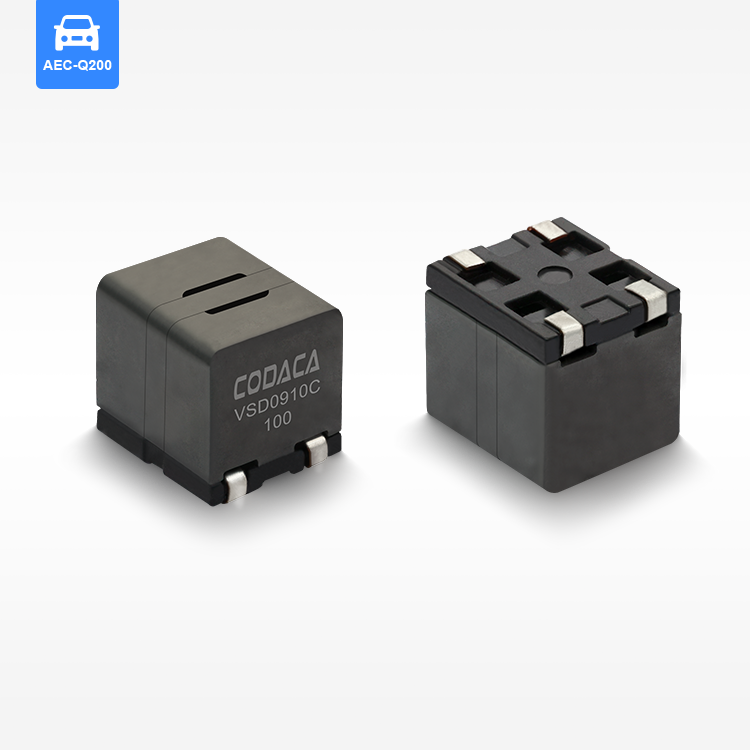
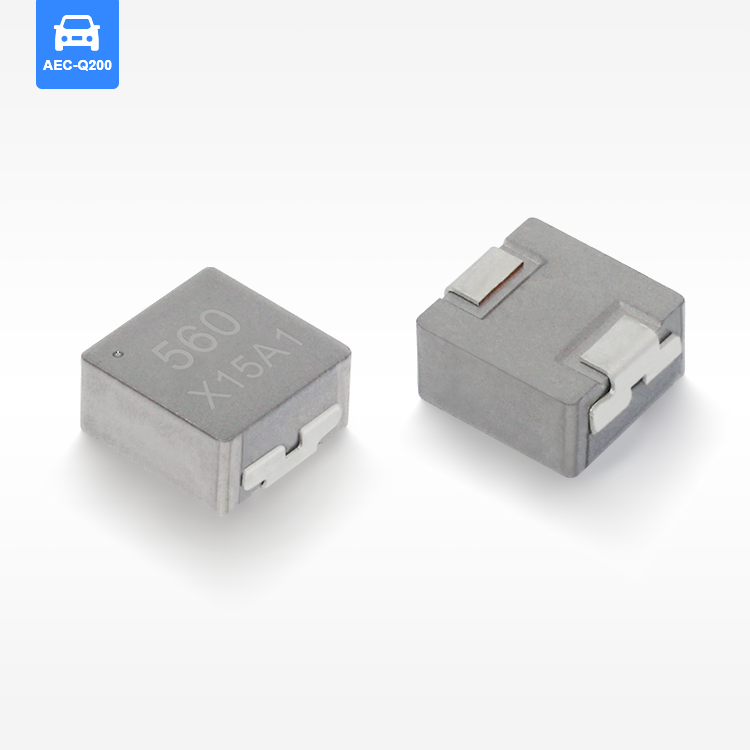
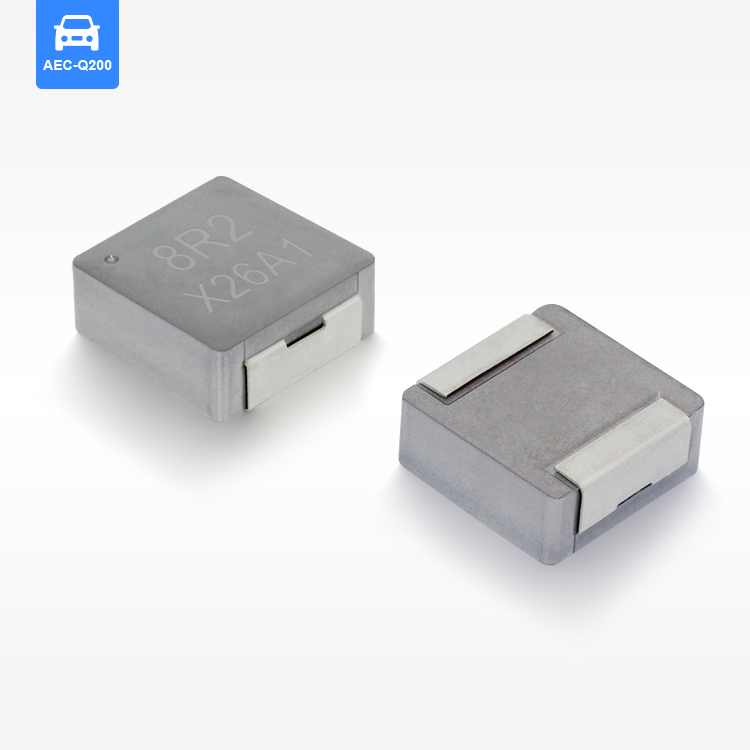
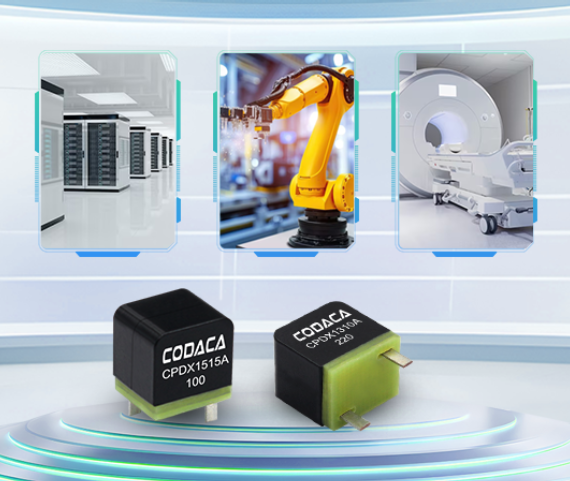
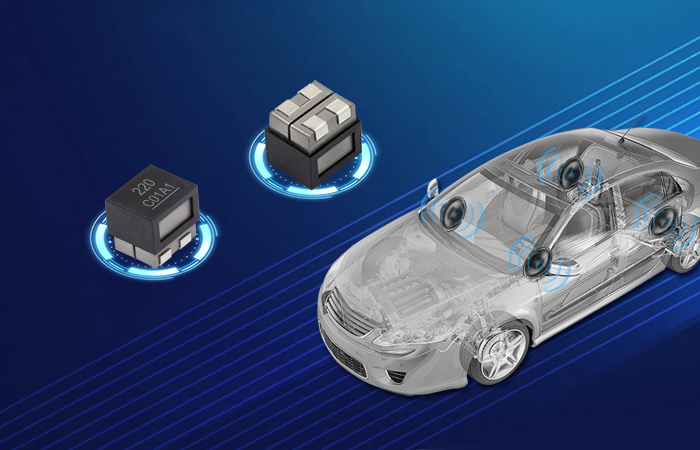
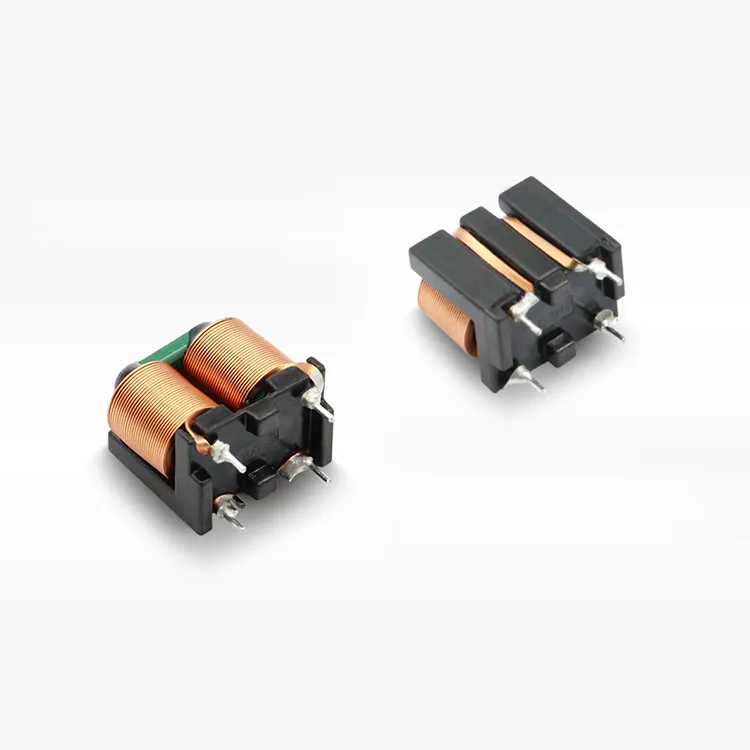
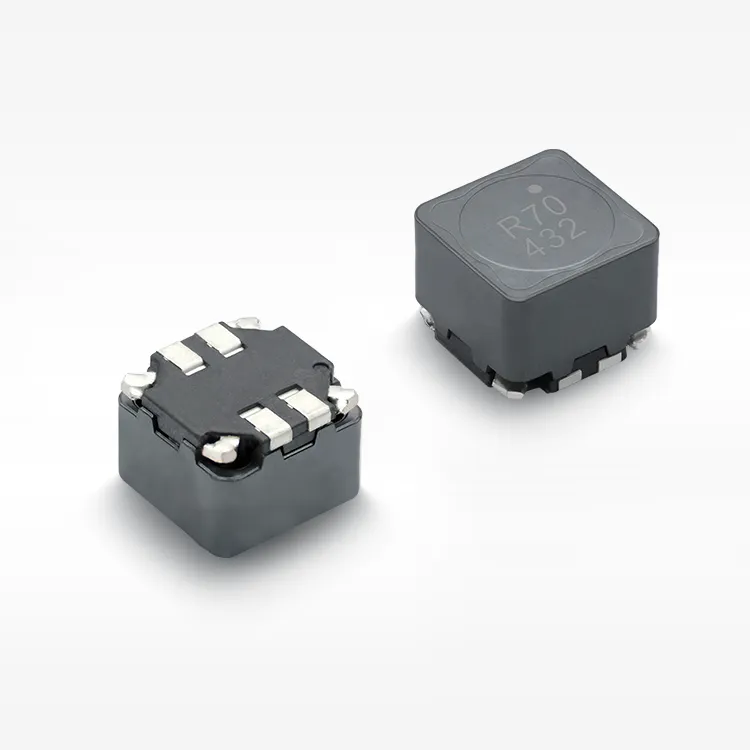
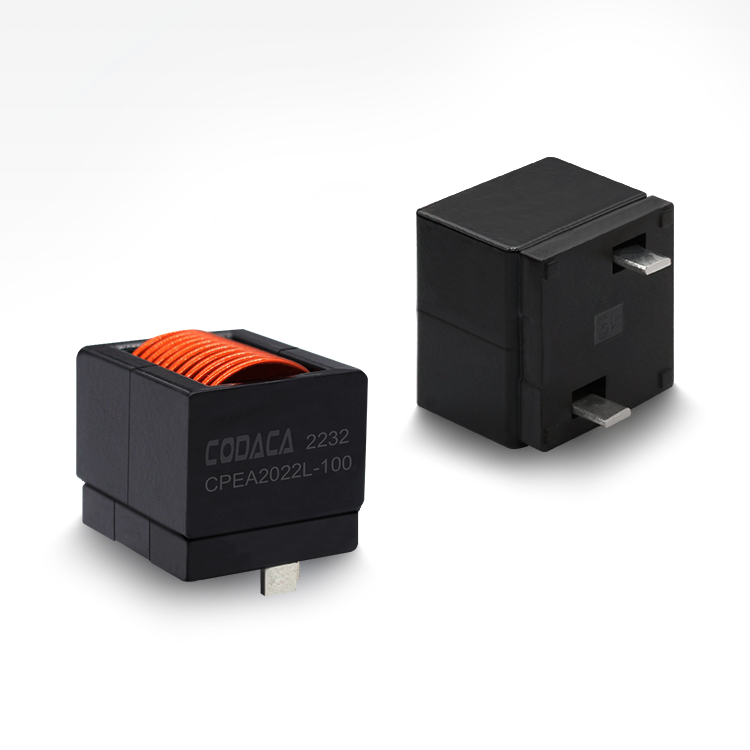
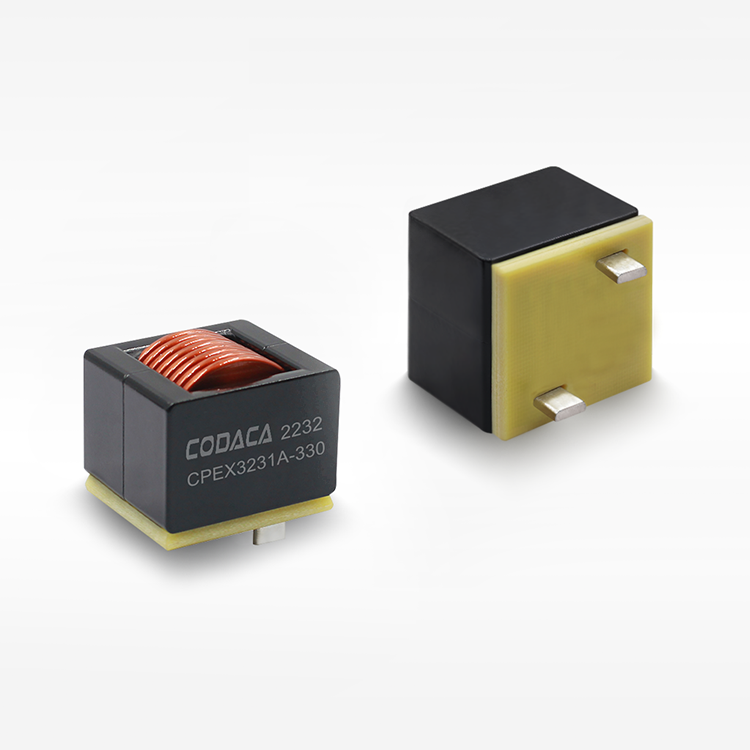
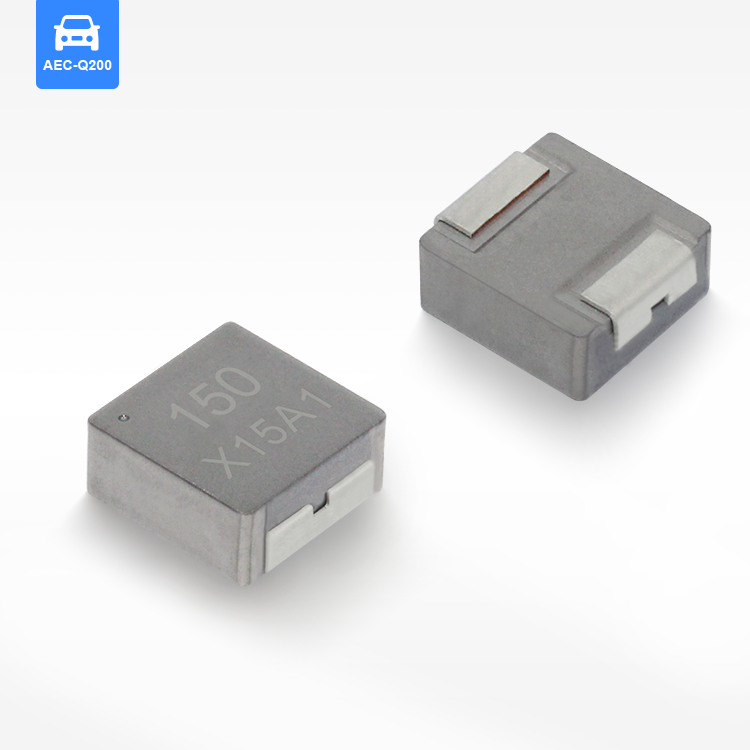
The SMD molded power inductor represents a cutting-edge solution in modern electronic circuit design, specifically engineered to meet the demanding requirements of contemporary power management systems. This surface-mount device combines advanced magnetic core technology with precision molding techniques to deliver exceptional electromagnetic performance in an extremely compact form factor. The primary function of the SMD molded power inductor centers on energy storage and filtering within switching power supplies, DC-DC converters, and various power regulation circuits. Its core technology utilizes high-permeability ferrite materials encased in a thermally stable resin compound, creating a robust component capable of handling significant power loads while maintaining electrical integrity. The molded construction technique ensures consistent magnetic properties and provides superior protection against environmental factors such as moisture, temperature fluctuations, and mechanical stress. Key technological features include low DC resistance, high saturation current capability, and excellent thermal management characteristics. The magnetic shielding properties of the SMD molded power inductor minimize electromagnetic interference, making it ideal for densely packed circuit boards where component interaction could compromise performance. Applications span across multiple industries, including automotive electronics, telecommunications infrastructure, consumer electronics, industrial automation, and renewable energy systems. In automotive applications, these inductors support power management in electric vehicle charging systems, LED lighting circuits, and advanced driver assistance systems. Telecommunications equipment relies on SMD molded power inductors for base station power supplies, network switches, and data center infrastructure. Consumer electronics benefit from their integration in smartphones, tablets, laptops, and gaming consoles, where space constraints and power efficiency are paramount. The manufacturing process involves precise winding of copper wire around a ferrite core, followed by injection molding with specialized polymer compounds that enhance mechanical stability and thermal dissipation. This construction method ensures consistent electrical characteristics across production batches while maintaining cost-effectiveness for high-volume applications.

New Product Releases

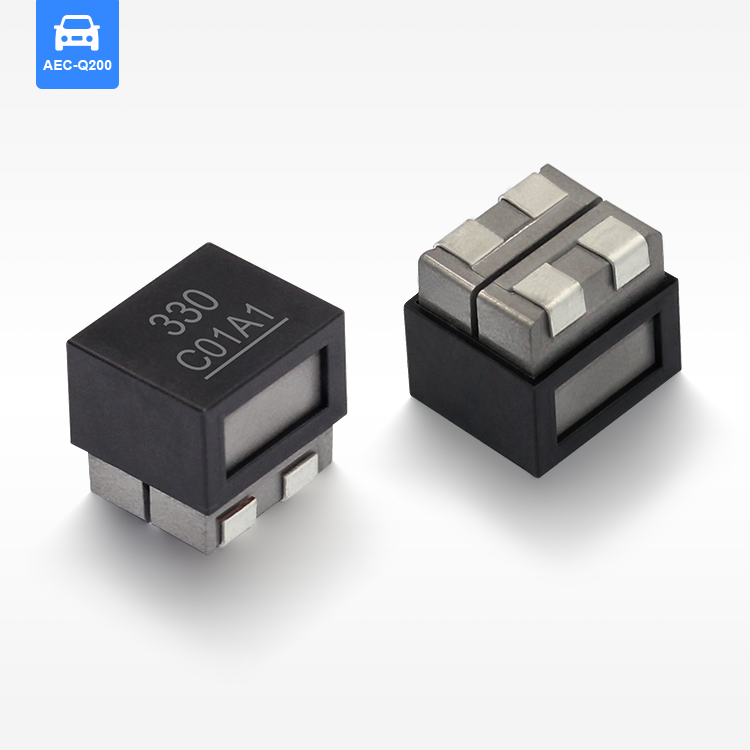
SMD molded power inductors offer remarkable space efficiency compared to traditional wire-wound alternatives, enabling engineers to design more compact electronic devices without sacrificing performance. The surface-mount technology eliminates the need for through-hole mounting, reducing board space requirements by up to sixty percent while simplifying automated assembly processes. This space optimization proves invaluable in portable electronics where every millimeter counts toward achieving sleeker product designs. The molded construction provides exceptional mechanical stability, withstanding vibration and shock conditions that would damage conventional inductors. Manufacturing processes ensure precise magnetic core alignment, resulting in consistent inductance values and reduced component variation across production runs. The molded housing protects internal components from environmental contamination, extending operational lifespan significantly beyond unprotected alternatives. Thermal management capabilities excel due to the direct contact between the molded compound and the magnetic core, facilitating efficient heat dissipation during high-current operations. This thermal efficiency prevents hot spots that could degrade performance or cause premature component failure. The low profile design suits high-density circuit board layouts, allowing designers to place components closer together without creating electromagnetic interference issues. Cost advantages emerge through automated manufacturing compatibility, reducing assembly time and labor expenses compared to manual wire-wound inductor installation. Quality control benefits from the molded construction, which eliminates common failure modes associated with exposed wire connections and core movement. The SMD molded power inductor delivers superior current handling capacity relative to its physical size, enabling higher power density in compact applications. Electrical performance characteristics remain stable across wide temperature ranges, ensuring consistent operation in harsh environmental conditions. The standardized footprint dimensions facilitate easy component substitution during design iterations or component obsolescence situations. Assembly reliability improves through consistent solder joint formation enabled by the standardized termination design. Testing and inspection processes become more efficient due to the uniform external appearance and standardized electrical characteristics. Long-term reliability benefits from the encapsulated design that prevents moisture ingress and oxidation of internal components. The manufacturing scalability supports both prototype quantities and high-volume production requirements without significant cost penalties.

Tips And Tricks

How High Current Power Inductors Enhance Energy Efficiency

31

Mar

How High Current Power Inductors Enhance Energy Efficiency

Introduction High current power inductors are crucial components in power electronics, designed to store energy in a magnetic field while allowing significant currents to pass through. These inductors are essential for a variety of applications, inc...
View More
The Most Durable Automotive Grade Digital Power Amplifier Inductor

01

Apr

The Most Durable Automotive Grade Digital Power Amplifier Inductor

Introduction Automotive-grade digital power amplifier inductors are essential components in modern vehicle audio systems. These inductors are designed to handle large currents and provide stable performance under various environmental conditions, en...
View More
Molding Power Chokes vs. Traditional Chokes: What's the Difference?

13

May

Molding Power Chokes vs. Traditional Chokes: What's the Difference?

Core Construction Differences Between Molding Power Chokes and Traditional Chokes Materials: Ferrite vs. Iron Core Composition The primary difference between molding power chokes and traditional chokes lies in the material composition of their cores...
View More
The Role of Molding Power Chokes in Energy Storage Systems

13

May

The Role of Molding Power Chokes in Energy Storage Systems

Understanding Molding Power Chokes in Energy Storage Definition and Core Components Power Chokes are important inductive devices used in energy storage systems and they are commonly used to filter high frequency signals. These chokes are mainly...
View More

Get a Free Quote

Our representative will contact you soon.
Email
Name
Company Name
Message
0/1000

smd molded power inductor

Superior Power Density and Thermal Performance

Superior Power Density and Thermal Performance

The SMD molded power inductor achieves exceptional power density through innovative core materials and advanced thermal management design, delivering maximum performance within minimal board space. The ferrite core composition utilizes high-saturation flux density materials that maintain magnetic properties under extreme operating conditions, enabling higher current handling capacity than traditional inductor designs. The molded housing incorporates thermally conductive compounds that create direct thermal pathways from the magnetic core to the circuit board, facilitating efficient heat dissipation during high-power operations. This thermal optimization prevents temperature-related performance degradation and extends component lifespan significantly. The low thermal resistance design ensures stable inductance values across wide temperature ranges, maintaining circuit performance consistency in applications ranging from automotive engine compartments to outdoor telecommunications equipment. Advanced core geometries minimize magnetic flux leakage, concentrating magnetic field energy within the core structure and reducing electromagnetic interference with nearby components. The power density achievements enable designers to reduce component count and board space requirements while maintaining or improving overall system efficiency. Manufacturing precision ensures consistent magnetic gap dimensions, resulting in predictable saturation characteristics and reliable current handling specifications. The thermal performance advantages become particularly evident in switching power supply applications, where rapid current changes generate significant heat that must be effectively managed to prevent performance degradation. Quality testing procedures verify thermal cycling performance, ensuring components maintain electrical specifications after thousands of temperature fluctuation cycles. The combination of high power density and superior thermal management makes these inductors ideal for applications requiring maximum performance in constrained spaces, such as portable medical devices, aerospace electronics, and high-efficiency power conversion systems.
Electromagnetic Shielding and Signal Integrity

Electromagnetic Shielding and Signal Integrity

The molded construction of SMD power inductors provides exceptional electromagnetic shielding capabilities that protect sensitive circuit elements from magnetic field interference while containing the inductor's own electromagnetic emissions. The ferrite core material naturally absorbs and redirects magnetic flux, preventing field lines from extending beyond the component boundaries and interfering with adjacent circuit elements. The molded housing acts as an additional barrier against external electromagnetic influences, creating a controlled magnetic environment that maintains inductor performance even in high-interference applications. This shielding effectiveness proves crucial in modern electronics where component density creates multiple potential sources of electromagnetic interference. The closed magnetic core design concentrates magnetic field energy within the component structure, minimizing stray magnetic fields that could induce unwanted currents in nearby conductors or sensitive analog circuits. Signal integrity benefits from the reduced electromagnetic coupling between the SMD molded power inductor and other circuit elements, preventing crosstalk and maintaining clean power delivery to load circuits. The shielding characteristics remain effective across wide frequency ranges, providing protection against both low-frequency power line interference and high-frequency switching noise. Manufacturing processes ensure consistent magnetic permeability throughout the core material, creating uniform shielding effectiveness across all components in a production batch. Testing procedures verify electromagnetic compatibility performance, ensuring components meet stringent regulatory requirements for electromagnetic emission and susceptibility. The shielding advantages enable designers to place power inductors closer to sensitive circuits without compromising performance, facilitating more compact board layouts and improved system integration. Applications in RF communication equipment particularly benefit from the electromagnetic containment properties, which prevent power management circuits from interfering with sensitive receiver and transmitter circuits. The reliable shielding performance supports compliance with international electromagnetic compatibility standards, simplifying product certification processes and reducing time-to-market for new electronic designs.
Manufacturing Reliability and Cost Optimization

Manufacturing Reliability and Cost Optimization

The SMD molded power inductor manufacturing process delivers exceptional reliability through controlled production techniques that eliminate common failure modes while optimizing costs for high-volume applications. The injection molding process creates a hermetically sealed environment around the magnetic core and windings, protecting internal components from moisture, contamination, and mechanical stress that could cause performance degradation over time. Quality control procedures monitor critical parameters throughout production, ensuring consistent electrical characteristics and dimensional accuracy across all manufactured units. The automated winding process maintains precise wire tension and spacing, creating uniform magnetic field distribution and predictable electrical behavior. Molding compound selection focuses on materials that provide excellent adhesion to both ferrite cores and copper windings while maintaining dimensional stability across temperature extremes. The standardized manufacturing approach enables economies of scale that reduce per-unit costs while maintaining high quality standards essential for critical applications. Testing protocols verify electrical performance parameters including inductance accuracy, current handling capability, and DC resistance specifications before component shipment. The molded construction eliminates potential failure points associated with exposed wire connections and mechanical core movement common in traditional inductor designs. Statistical process control methods track production variations and implement corrective measures to maintain consistent component performance. Material traceability systems ensure component reliability through comprehensive tracking of raw material sources and processing conditions. The manufacturing reliability extends to assembly processes, where the SMD format enables high-speed automated placement and soldering operations that reduce assembly costs and improve consistency. Burn-in testing procedures identify potential early failures before components reach end customers, ensuring field reliability and reducing warranty costs. The cost optimization benefits from standardized tooling and materials that support multiple inductance values and current ratings within a common physical package size. Long-term availability commitments provide design security for products with extended lifecycles, reducing redesign costs associated with component obsolescence. The manufacturing excellence supports both prototype development and high-volume production requirements, enabling smooth transitions from design validation to full-scale manufacturing.