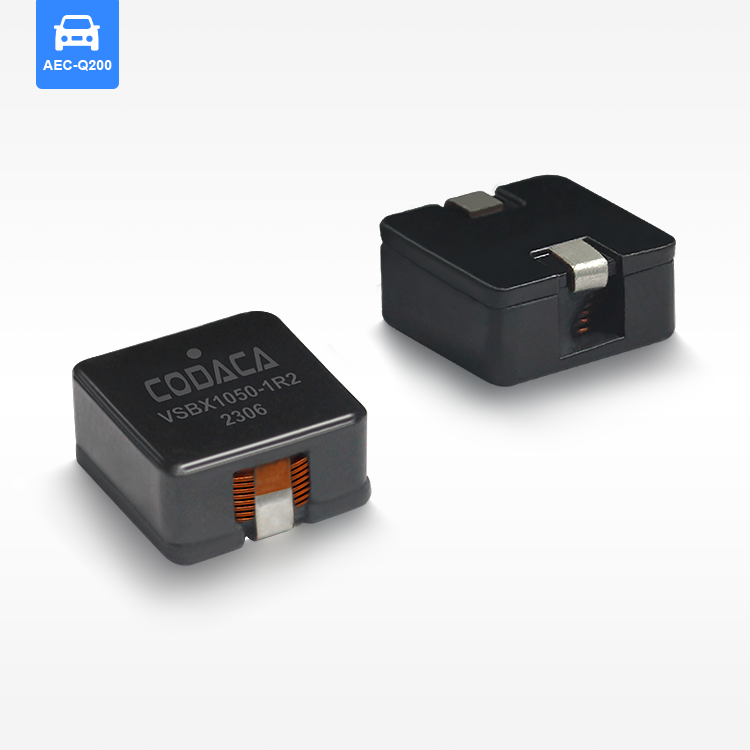
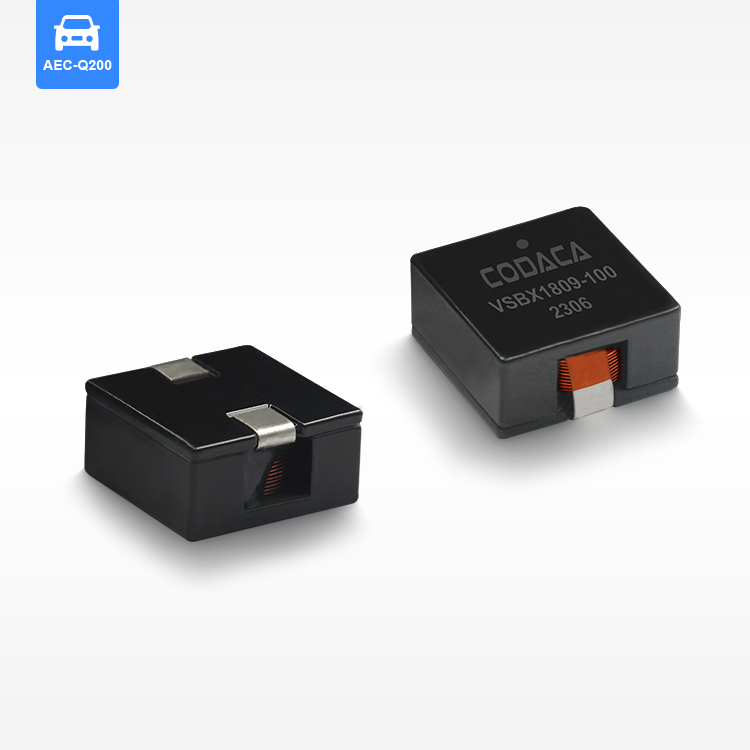
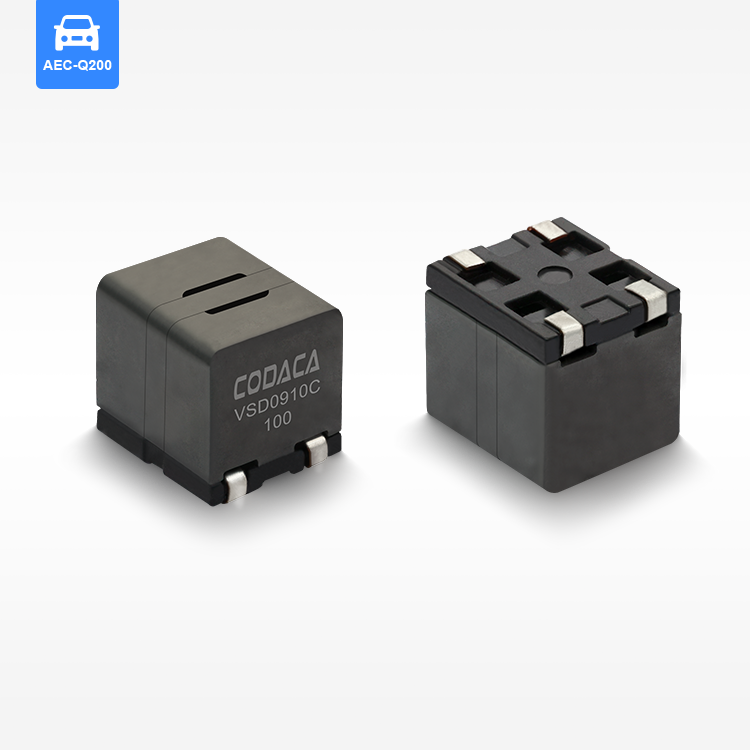
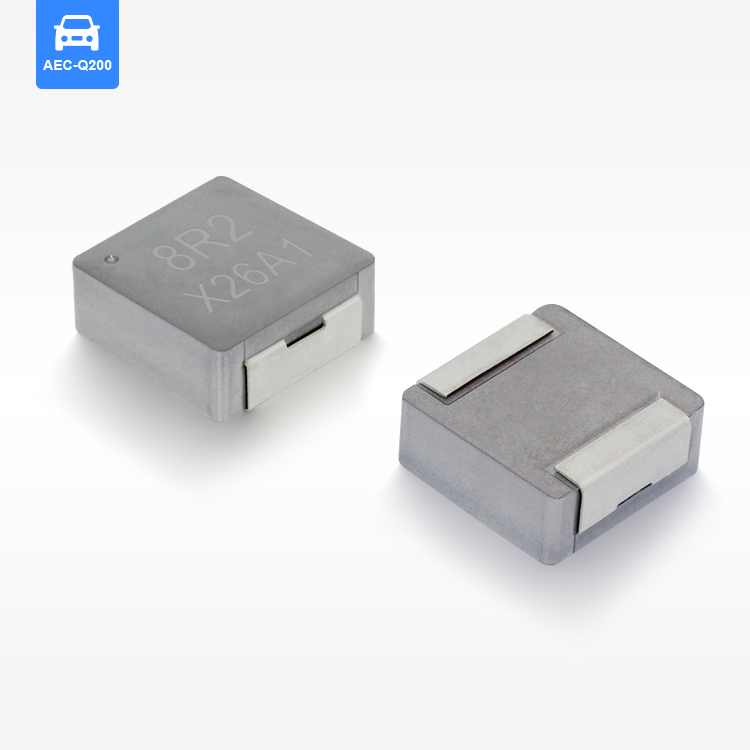
high frequency molded power inductor
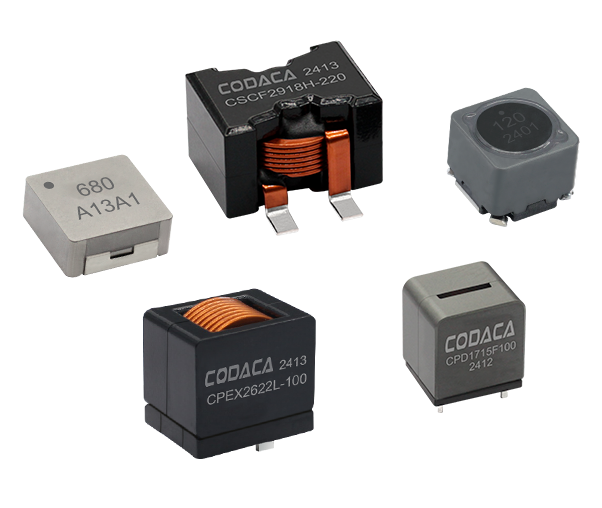
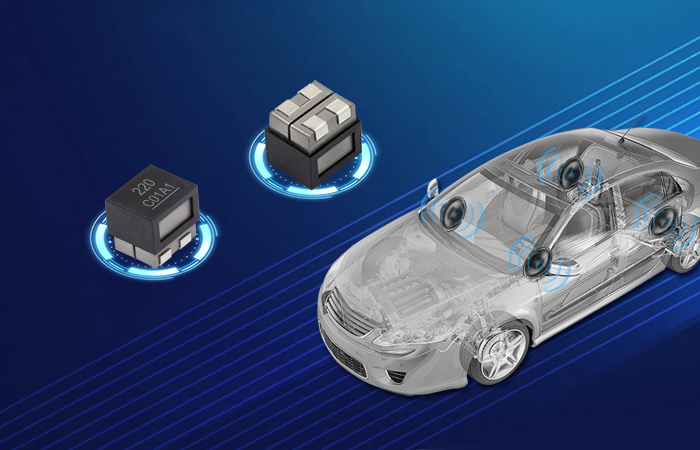
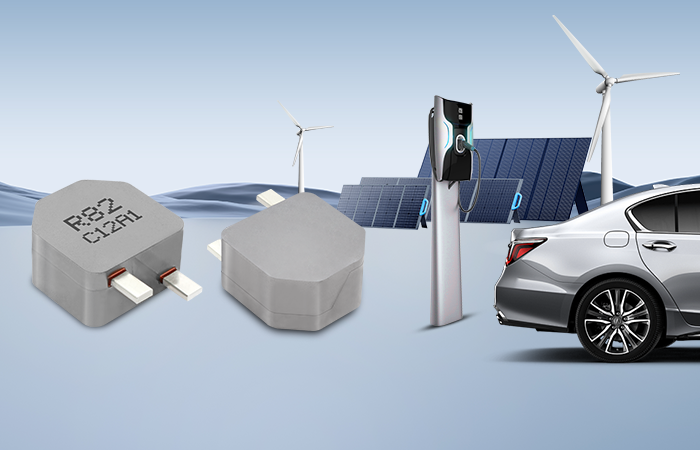
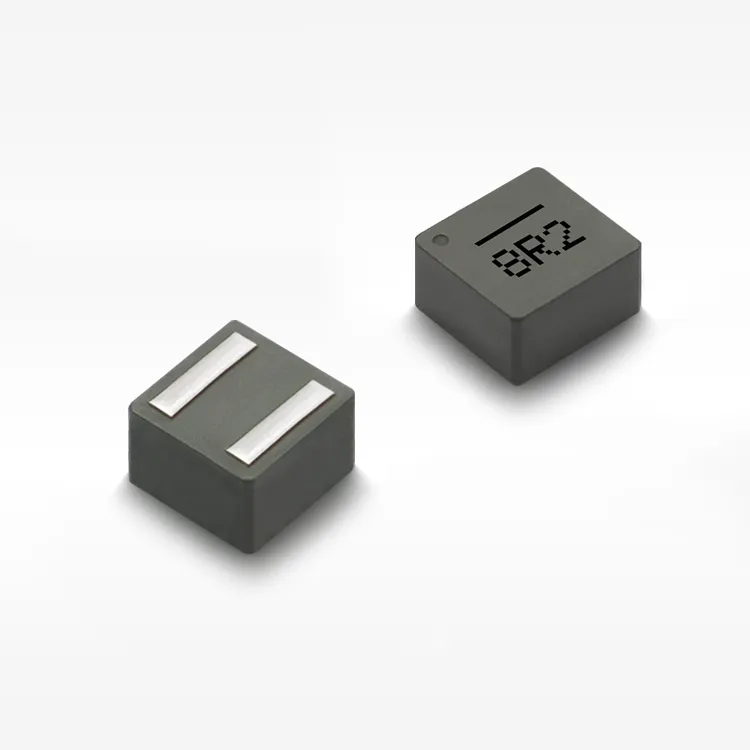
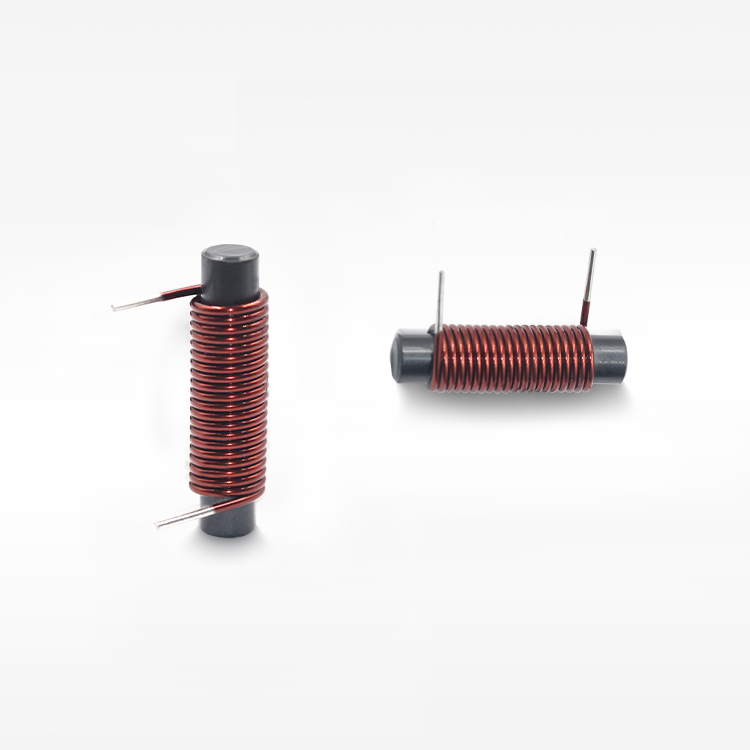
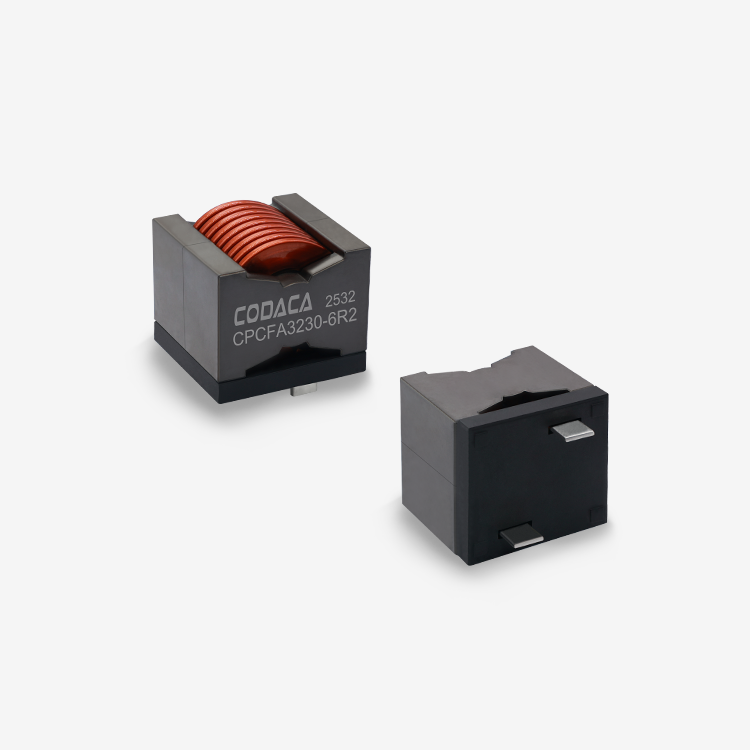
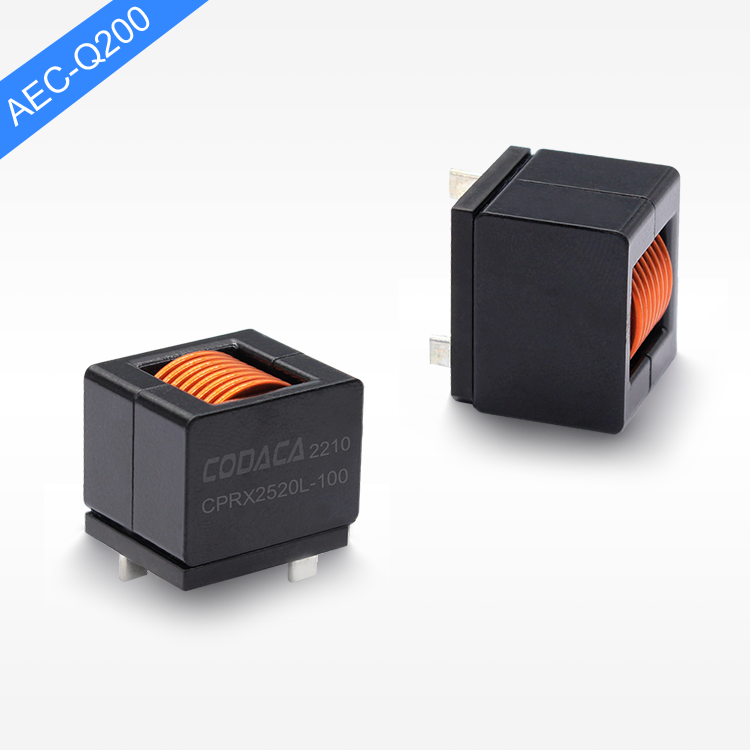
The high frequency molded power inductor represents a critical component in modern electronic systems, designed to store and regulate electrical energy in high-speed switching applications. This specialized device operates by creating a magnetic field when current flows through its coiled wire, effectively managing power conversion and filtering in circuits operating at elevated frequencies. The high frequency molded power inductor features a unique construction that combines precision-wound copper wire with advanced magnetic core materials, all encapsulated within a protective molded housing that ensures durability and performance stability. These inductors excel in applications where traditional wire-wound inductors fall short, particularly in compact electronic devices requiring efficient power management at frequencies exceeding several hundred kilohertz. The molded design provides superior mechanical protection while maintaining excellent thermal characteristics, allowing the high frequency molded power inductor to operate reliably in demanding environments. Key technological features include low DC resistance, high saturation current capability, and minimal electromagnetic interference generation. The manufacturing process involves careful selection of core materials, often ferrite-based compounds, optimized for high-frequency performance with reduced core losses. The molded encapsulation not only protects the internal components from environmental factors but also provides consistent magnetic shielding properties. Applications span across telecommunications equipment, automotive electronics, renewable energy systems, and consumer electronics where efficient power conversion is paramount. The high frequency molded power inductor finds extensive use in switch-mode power supplies, DC-DC converters, and voltage regulation modules where space constraints and performance requirements demand compact, reliable solutions. These components play essential roles in maintaining power quality, reducing ripple current, and ensuring stable voltage output across various load conditions, making them indispensable in contemporary electronic design.