High-Performance Automotive Inductors for Powertrain Control - Enhanced Efficiency & Reliability

All Categories

Get a Free Quote

Our representative will contact you soon.
Email
Name
Company Name
Message
0/1000

automotive inductor for powertrain control

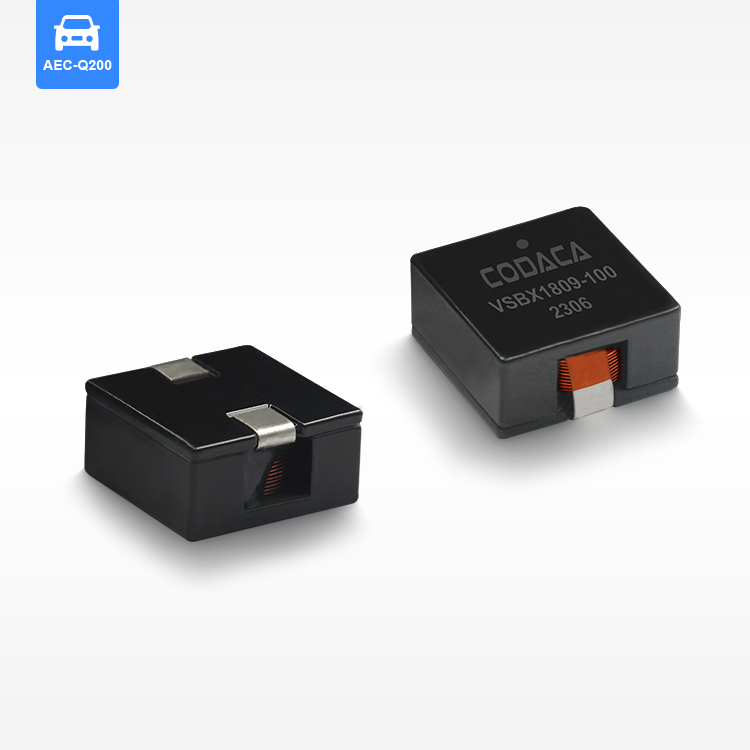
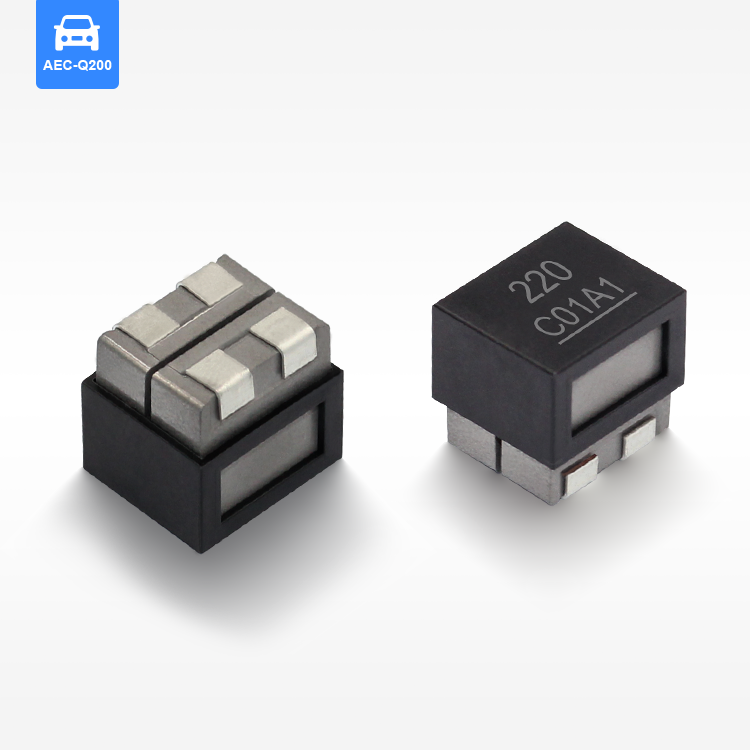
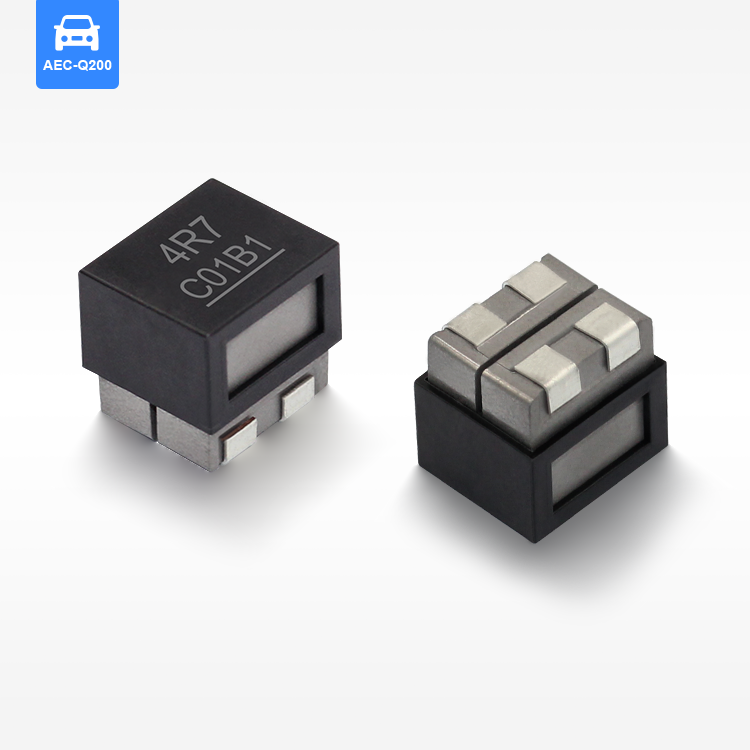
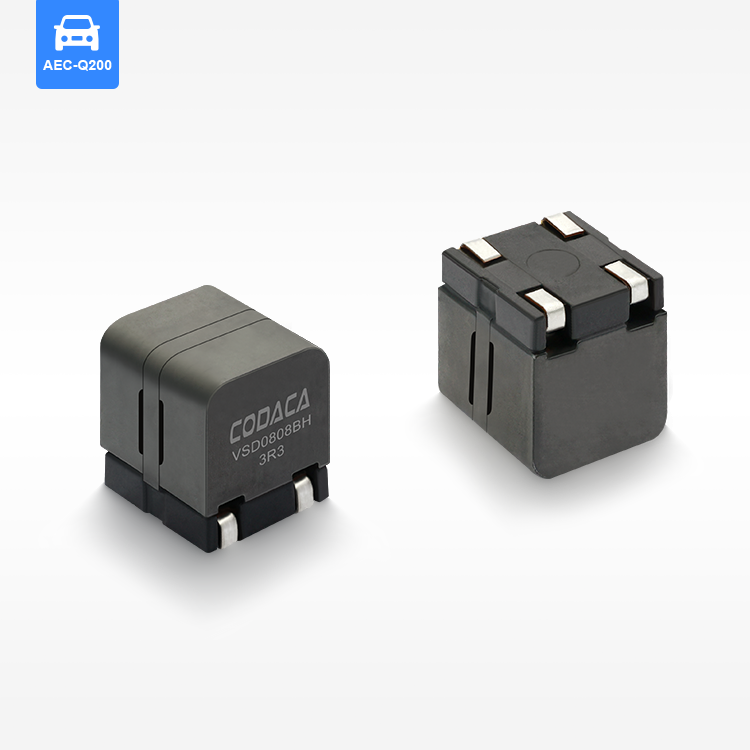
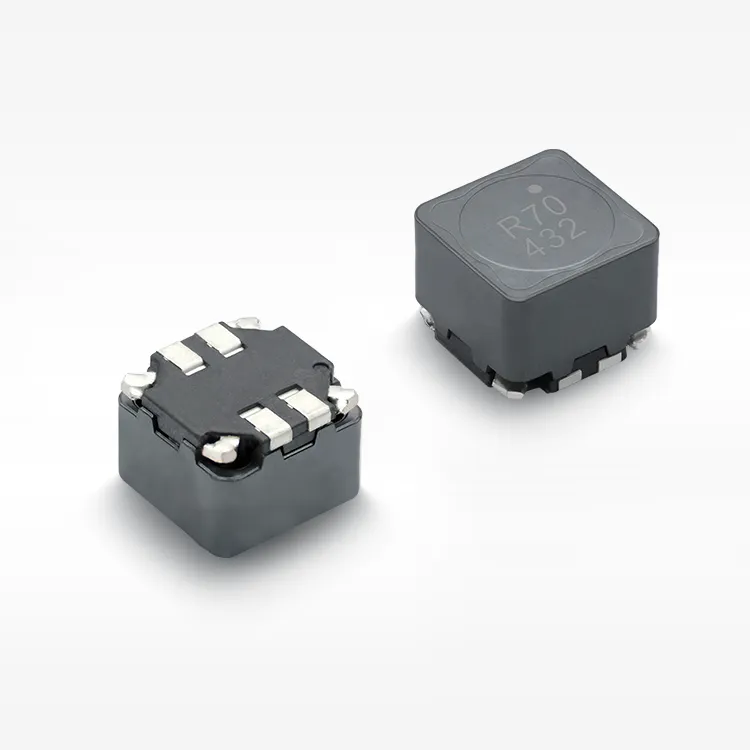
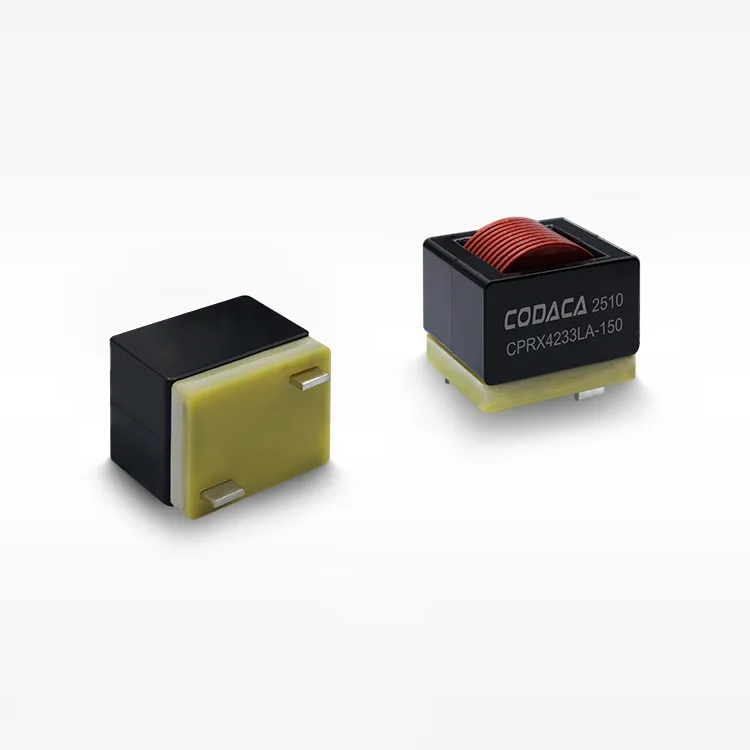
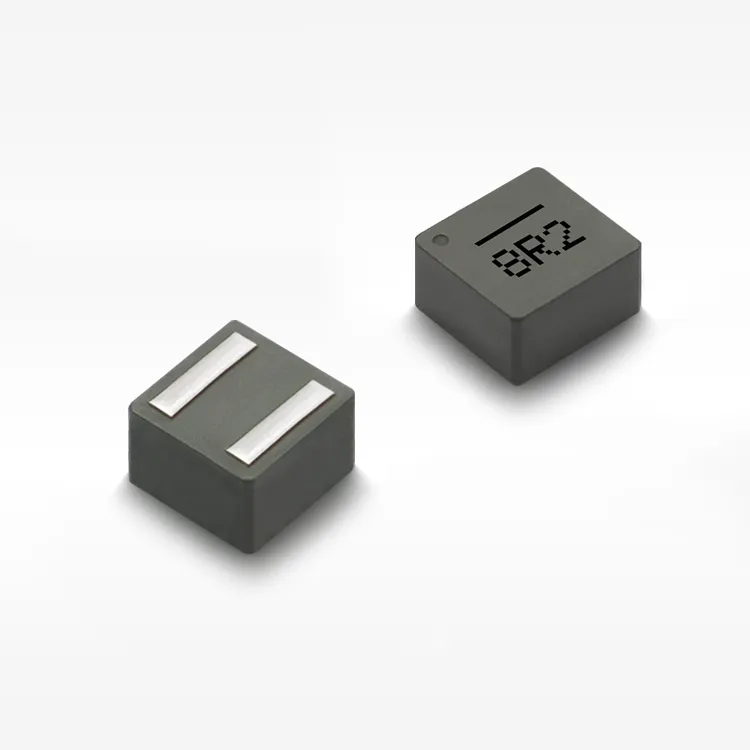
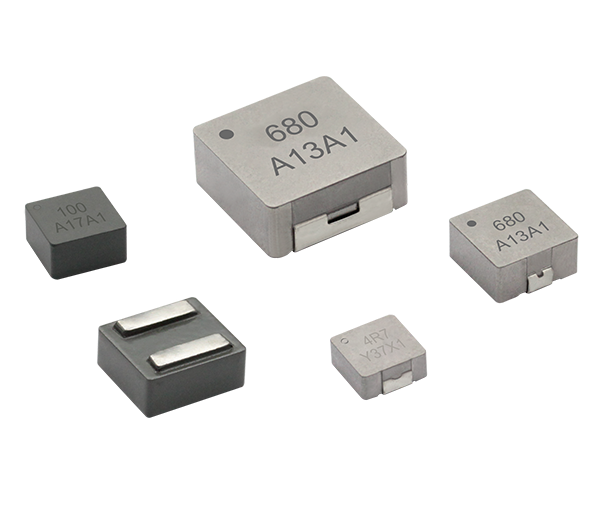
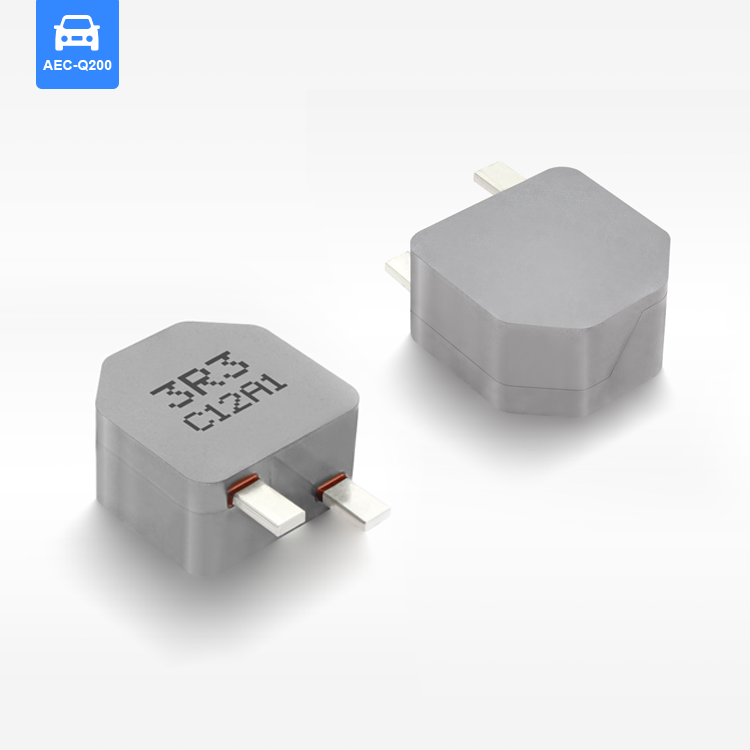
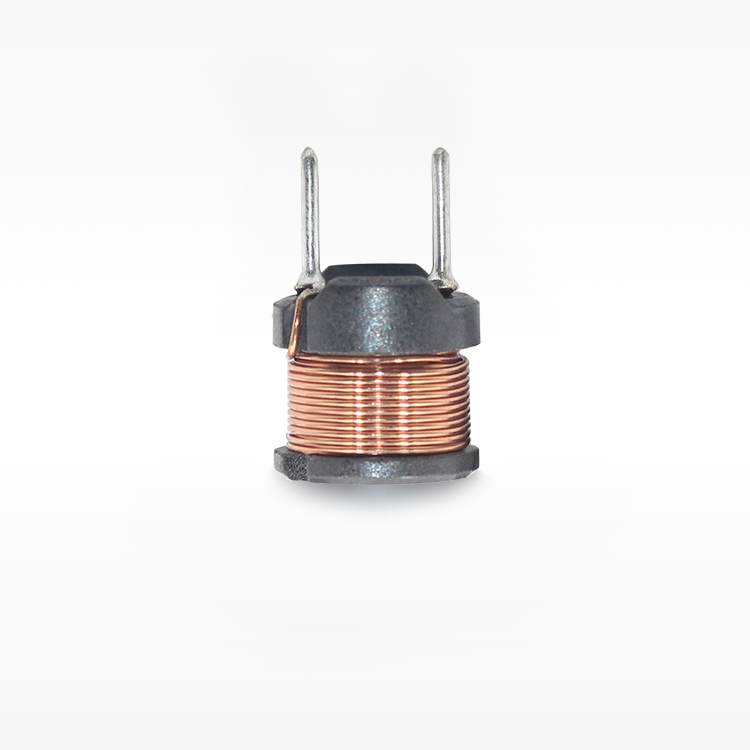
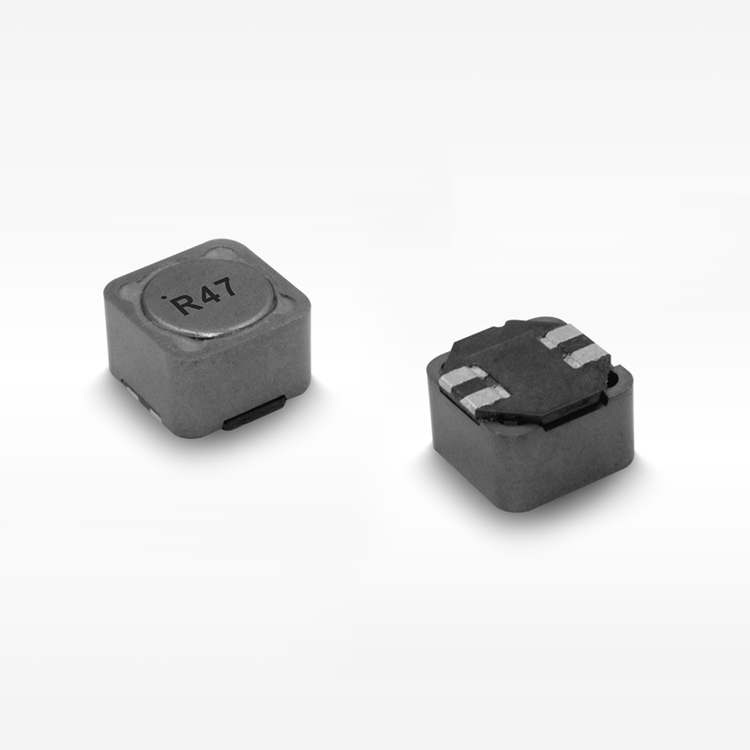
The automotive inductor for powertrain control represents a critical electronic component that ensures optimal performance and efficiency in modern vehicle power management systems. These specialized inductors serve as essential elements in the electromagnetic circuitry that regulates power distribution throughout the vehicle's drivetrain, contributing significantly to overall system reliability and operational effectiveness. The primary function of an automotive inductor for powertrain control involves energy storage and release through electromagnetic field generation, enabling smooth power transitions and voltage regulation across various powertrain components. This electromagnetic component works by storing electrical energy in its magnetic field when current flows through its coiled conductor, then releasing this stored energy to maintain consistent power delivery during fluctuating demand cycles. The technological features of automotive inductors for powertrain control include high-temperature resistance capabilities, robust construction materials designed to withstand harsh automotive environments, and precise inductance values calibrated for specific powertrain applications. These components typically incorporate ferrite or iron powder cores wrapped with specialized copper wire configurations that optimize magnetic flux density while minimizing energy losses. Advanced manufacturing processes ensure these inductors maintain stable performance characteristics across wide temperature ranges, from extreme cold conditions to high-heat engine bay environments. The applications of automotive inductors for powertrain control span across multiple vehicle systems, including electric motor drives, battery management circuits, DC-DC converters, and hybrid vehicle power electronics. In electric vehicles, these inductors play crucial roles in managing power flow between battery packs and electric motors, ensuring efficient energy conversion and extending battery life. Traditional internal combustion engines also benefit from these components in fuel injection systems, ignition circuits, and emission control electronics, where precise power regulation directly impacts engine performance and environmental compliance.

New Product Recommendations

The automotive inductor for powertrain control delivers substantial benefits that directly enhance vehicle performance, reliability, and cost-effectiveness for customers. These advantages translate into tangible improvements that drivers experience daily, making these components valuable investments for automotive manufacturers and end users alike. Energy efficiency stands as the most significant advantage, as automotive inductors for powertrain control minimize power losses during electrical conversion processes. This efficiency improvement results in better fuel economy for traditional vehicles and extended range for electric vehicles, directly saving money at the gas pump or charging station. The precise power regulation capabilities ensure that electrical systems operate at optimal levels, preventing energy waste and reducing strain on battery systems. Reliability improvements represent another major advantage, as these inductors provide stable power delivery under varying load conditions. This stability prevents electrical fluctuations that could damage sensitive electronic components, reducing maintenance costs and unexpected breakdowns. Vehicle owners benefit from fewer repair visits and longer component lifespans, translating into significant cost savings over the vehicle's lifetime. The robust construction of automotive inductors for powertrain control ensures consistent performance across extreme temperature ranges and challenging environmental conditions. Performance enhancement becomes evident through improved engine response, smoother electric motor operation, and more precise control system functionality. These inductors enable faster throttle response, better acceleration characteristics, and more refined power delivery across all driving conditions. The electromagnetic filtering properties reduce electrical noise that could interfere with other vehicle systems, ensuring clear communication between electronic control units and optimal system coordination. Cost-effectiveness emerges from the combination of improved efficiency, enhanced reliability, and reduced maintenance requirements. While the initial investment in quality automotive inductors for powertrain control may seem significant, the long-term savings from reduced fuel consumption, fewer repairs, and extended component life far outweigh the upfront costs. Additionally, these components contribute to meeting increasingly stringent emission standards, helping vehicle manufacturers avoid regulatory penalties while providing customers with environmentally responsible transportation solutions. The scalability of these inductors allows manufacturers to use similar components across multiple vehicle platforms, reducing production costs that ultimately benefit consumers through more affordable vehicle prices.

Tips And Tricks

The Role of Molding Power Chokes in Energy Storage Systems

13

May

The Role of Molding Power Chokes in Energy Storage Systems

Understanding Molding Power Chokes in Energy Storage Definition and Core Components Power Chokes are important inductive devices used in energy storage systems and they are commonly used to filter high frequency signals. These chokes are mainly...
View More
Inductors: A Solution for Noise Reduction in Digital Amplifiers

13

May

Inductors: A Solution for Noise Reduction in Digital Amplifiers

Understanding Noise Challenges in Digital Amplifiers Sources of Switching Noise in Digital Amplifiers Remedying the problem of switching noise, and the EMI it can cause is one of the hardest parts of digital amplifiers. High frequency switching...
View More
A Comprehensive Review of the SMD Power Inductor Market

13

May

A Comprehensive Review of the SMD Power Inductor Market

Overview of the SMD Power Inductor Market Defining SMD Power Inductors and Core Functionality SMD power inductor is a kind of basic components in electronic circuit which always used as a anti interference in electronics. They are parts of...
View More
How to Select Wires in the Preparation Process of Integrated Molding Power Choke

26

May

How to Select Wires in the Preparation Process of Integrated Molding Power Choke

Wires are one of the crucial raw materials in the preparation of integrated molded inductors. Selecting appropriate wires exerts a significant impact on their manufacturing process. The following content will provide a brief introduction to wire sele...
View More

Get a Free Quote

Our representative will contact you soon.
Email
Name
Company Name
Message
0/1000

automotive inductor for powertrain control

Superior Electromagnetic Performance and Noise Reduction

Superior Electromagnetic Performance and Noise Reduction

The electromagnetic performance characteristics of automotive inductors for powertrain control represent a breakthrough in power management technology, delivering exceptional noise reduction capabilities that significantly enhance overall vehicle system performance. These advanced components utilize sophisticated core materials and winding techniques that maximize magnetic flux density while minimizing electromagnetic interference, creating a cleaner electrical environment throughout the powertrain system. The superior electromagnetic performance directly translates into reduced electrical noise that could otherwise interfere with sensitive control systems, communication networks, and entertainment systems within the vehicle. This noise reduction capability becomes particularly critical in modern vehicles where numerous electronic systems operate simultaneously, requiring pristine electrical conditions for optimal functionality. The automotive inductor for powertrain control achieves this superior performance through carefully engineered core geometries that concentrate magnetic fields efficiently, preventing unwanted electromagnetic radiation that could disrupt nearby circuits. Advanced shielding techniques and optimized winding patterns further enhance the noise reduction capabilities, ensuring that power conversion processes occur without generating harmful electromagnetic interference. Customers benefit directly from this superior electromagnetic performance through improved audio system clarity, more reliable wireless connectivity, and enhanced precision in electronic control systems. The reduction of electromagnetic noise also contributes to better fuel injection timing, more accurate sensor readings, and improved communication between various vehicle control modules. This technological advantage extends beyond immediate performance benefits, as reduced electromagnetic interference helps prevent long-term degradation of sensitive electronic components, ultimately extending their operational lifespan and reducing replacement costs. The automotive inductor for powertrain control with superior electromagnetic performance ensures that vehicles meet strict electromagnetic compatibility standards required by regulatory agencies worldwide, protecting manufacturers from compliance issues while providing customers with reliable, interference-free operation. Additionally, this enhanced electromagnetic performance contributes to improved safety systems functionality, as critical safety-related electronics operate without interference from power conversion processes, ensuring that airbag systems, anti-lock braking systems, and stability control systems maintain optimal responsiveness when needed most.

Enhanced Thermal Management and Environmental Durability

Enhanced Thermal Management and Environmental Durability

The thermal management capabilities and environmental durability of automotive inductors for powertrain control set new standards for component reliability in challenging automotive applications, providing customers with unprecedented confidence in their vehicle's electrical system performance. These exceptional characteristics result from advanced materials science and engineering innovations that address the harsh realities of automotive environments, where components must function reliably across extreme temperature ranges, humidity levels, and vibration conditions. The enhanced thermal management begins with specialized core materials that maintain stable magnetic properties across wide temperature ranges, from arctic cold starts at minus forty degrees Celsius to extreme engine bay heat exceeding one hundred fifty degrees Celsius. The automotive inductor for powertrain control incorporates advanced thermal dissipation designs that efficiently transfer heat away from the active magnetic components, preventing thermal runaway conditions that could compromise performance or cause premature failure. Specialized wire insulation materials resist thermal degradation while maintaining excellent electrical properties, ensuring consistent inductance values regardless of operating temperature fluctuations. Environmental durability extends beyond temperature management to include resistance against moisture, chemical exposure, salt spray corrosion, and mechanical vibration. The protective encapsulation materials used in these automotive inductors for powertrain control provide hermetic sealing against moisture ingress while allowing thermal expansion without compromising structural integrity. This durability directly benefits customers through reduced maintenance requirements, longer component lifespans, and improved reliability in diverse climate conditions and driving environments. Vehicles equipped with these thermally robust inductors experience fewer electrical system failures, particularly in extreme weather conditions where traditional components might struggle to maintain performance. The enhanced durability also translates into better resale value, as vehicles with reliable electrical systems command higher prices in the used car market. Manufacturing quality controls ensure that each automotive inductor for powertrain control meets rigorous environmental testing standards, including thermal cycling, humidity exposure, vibration testing, and accelerated aging protocols that simulate years of real-world operation. This comprehensive testing approach provides customers with confidence that their vehicles will perform reliably throughout their intended service life, regardless of environmental challenges or driving conditions encountered.
Advanced Power Conversion Efficiency and Battery Life Extension

Advanced Power Conversion Efficiency and Battery Life Extension

The advanced power conversion efficiency achieved by automotive inductors for powertrain control represents a technological leap that directly impacts vehicle performance, operating costs, and environmental sustainability through optimized energy management and extended battery life. This efficiency advantage stems from innovative design approaches that minimize energy losses during power conversion processes, ensuring that maximum electrical energy reaches its intended destination rather than being dissipated as waste heat. The automotive inductor for powertrain control incorporates low-loss core materials and optimized geometric configurations that reduce eddy current losses, hysteresis losses, and copper resistance losses that traditionally plague power conversion systems. These efficiency improvements translate directly into tangible customer benefits, including reduced fuel consumption in traditional vehicles and extended driving range in electric vehicles, providing real-world cost savings that accumulate significantly over the vehicle's lifetime. Battery life extension represents perhaps the most valuable long-term benefit, as efficient power conversion reduces stress on battery cells by minimizing charging and discharging losses that contribute to premature battery degradation. The automotive inductor for powertrain control enables more precise control of charging currents and voltages, preventing harmful overcharging conditions while ensuring optimal charging efficiency that maintains battery health over thousands of charge cycles. This battery preservation capability becomes increasingly important as battery replacement costs can represent a significant portion of vehicle value, particularly in electric and hybrid vehicles where battery packs represent major investment components. Advanced power conversion efficiency also enables faster charging capabilities without compromising battery longevity, as efficient inductors manage higher power levels without generating excessive heat that could damage battery cells or other sensitive components. The precision control enabled by these high-efficiency inductors allows for implementation of sophisticated battery management algorithms that optimize charging patterns based on usage patterns, temperature conditions, and battery health status. Customers experience these benefits through reduced charging times, longer intervals between charges, and extended overall battery life that maintains vehicle performance and value retention. Environmental benefits multiply these advantages, as improved efficiency reduces overall energy consumption and extends component lifecycles, contributing to reduced manufacturing demand and waste generation. The automotive inductor for powertrain control with advanced efficiency characteristics supports the transition toward more sustainable transportation by maximizing the effectiveness of renewable energy sources and reducing the environmental impact of vehicle operation throughout the entire ownership period.