Leading Automotive Grade Inductor Manufacturer | High-Performance Components for Vehicle Electronics

All Categories

Get a Free Quote

Our representative will contact you soon.
Email
Name
Company Name
Message
0/1000

automotive grade inductor manufacturer

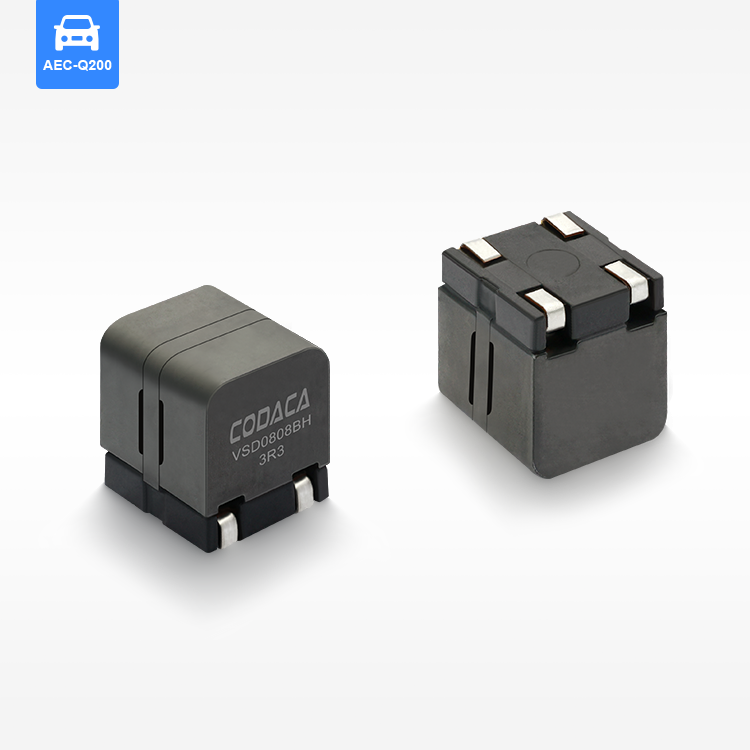
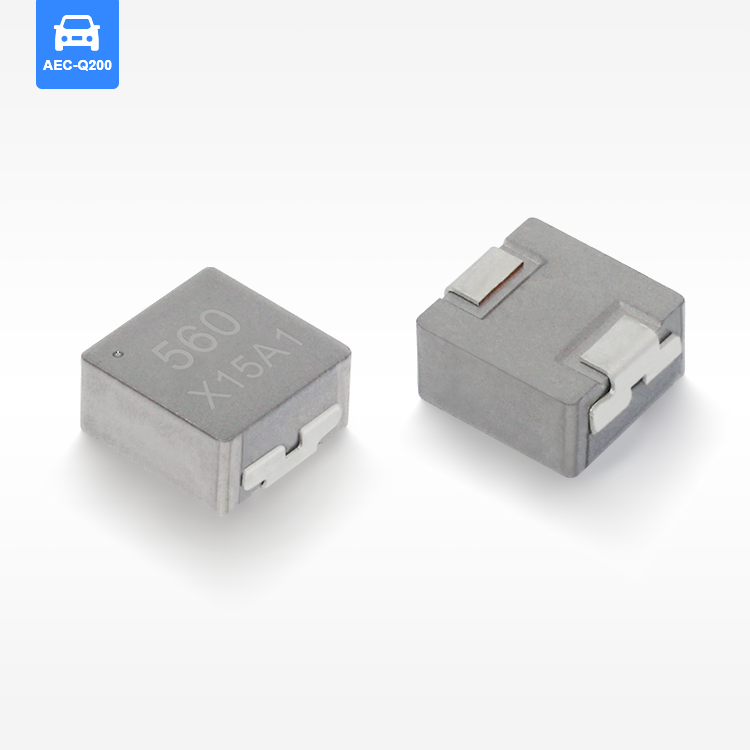
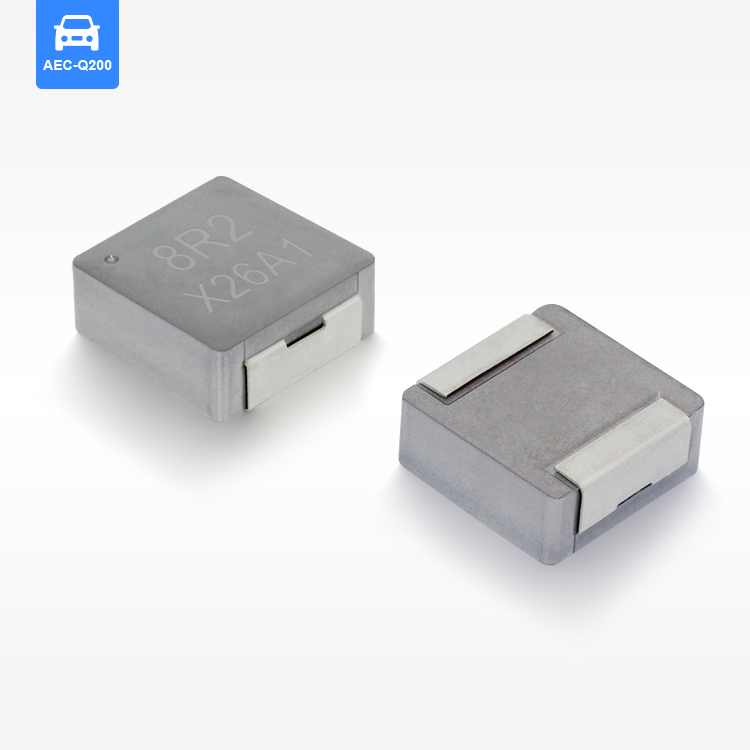
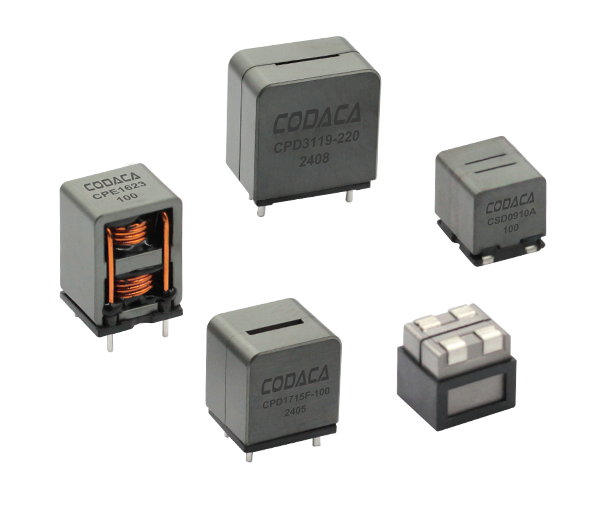
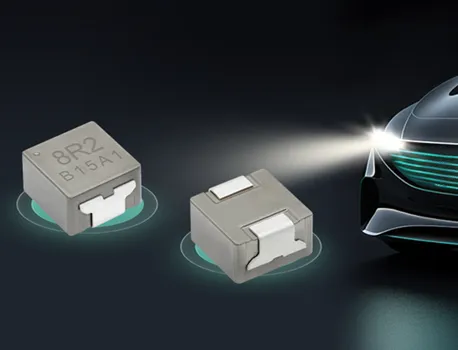
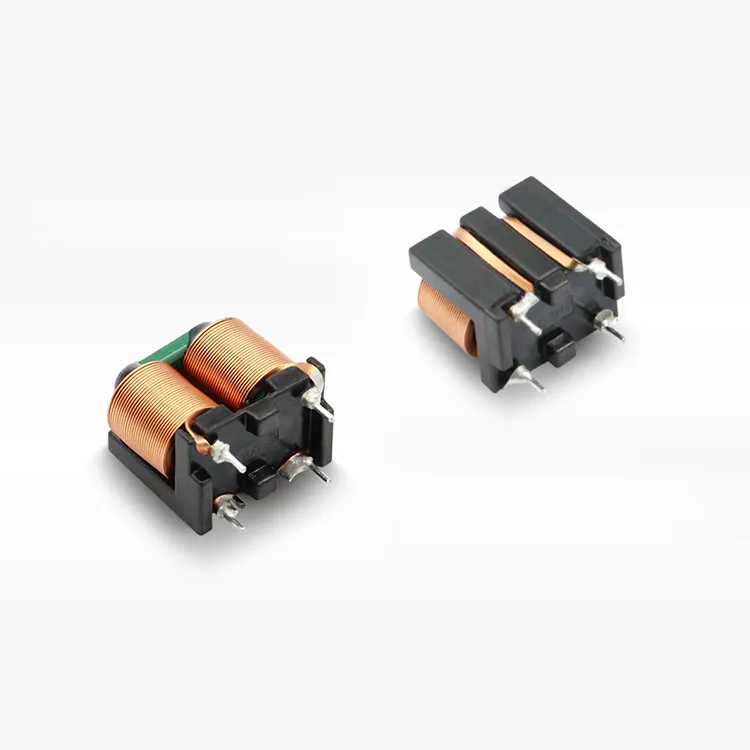
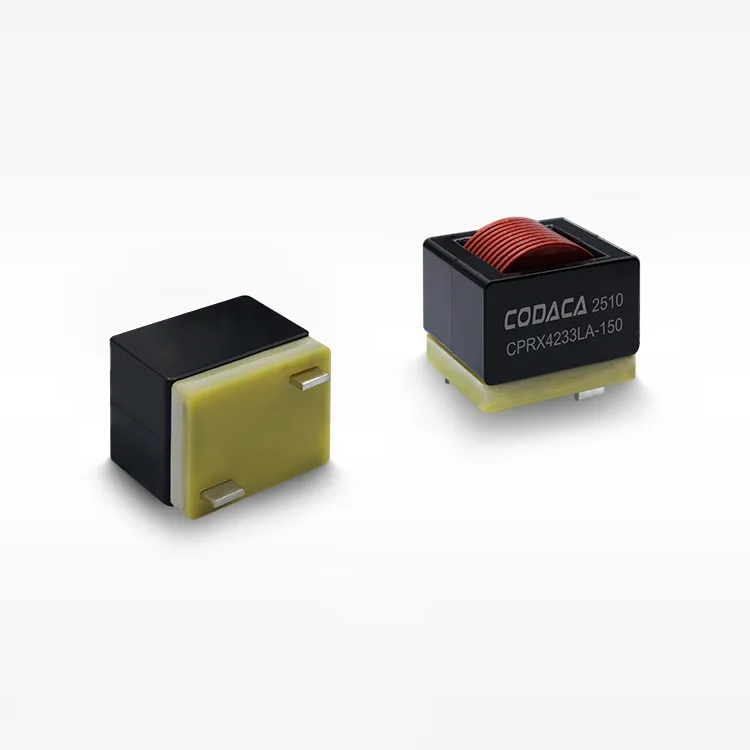
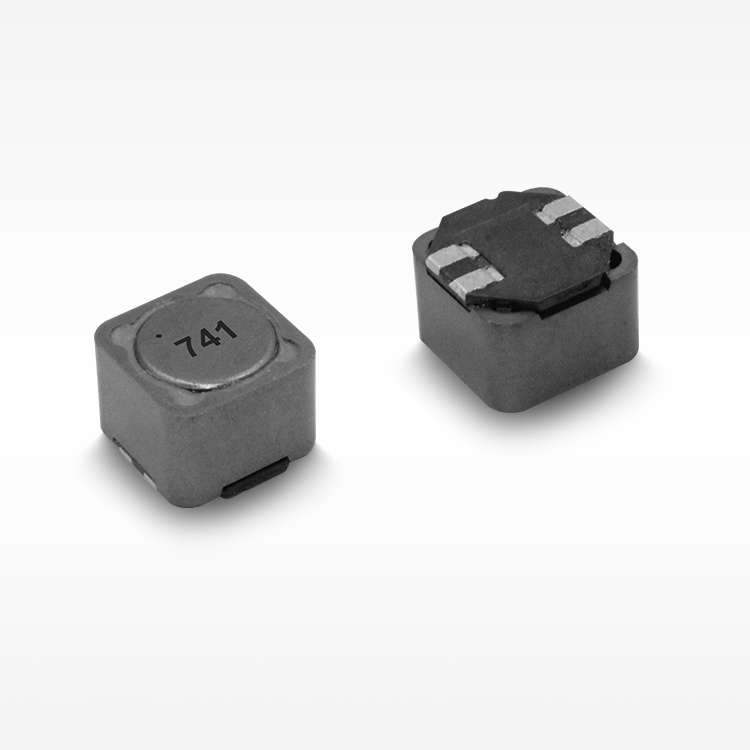
An automotive grade inductor manufacturer represents a specialized entity that designs, develops, and produces high-performance inductive components specifically engineered for the demanding requirements of modern vehicular systems. These manufacturers focus on creating inductors that can withstand the harsh operating conditions inherent in automotive environments, including extreme temperatures ranging from -40°C to +125°C, vibration resistance, electromagnetic interference protection, and long-term reliability over the vehicle's operational lifespan. The primary function of an automotive grade inductor manufacturer involves producing components that store and release electrical energy in magnetic fields, serving critical roles in power management, signal filtering, and energy conversion systems throughout various automotive applications. Technological features that distinguish these manufacturers include advanced material science expertise, utilizing ferrite cores, powder iron cores, and specialized magnetic materials that maintain stable performance under automotive stress conditions. Manufacturing processes incorporate stringent quality control measures, automated production lines with precise winding techniques, and comprehensive testing protocols that ensure compliance with automotive industry standards such as AEC-Q200 qualification requirements. These manufacturers employ sophisticated design methodologies, including electromagnetic simulation software, thermal analysis tools, and mechanical stress testing equipment to optimize inductor performance for specific automotive applications. The applications for automotive grade inductors span across multiple vehicle systems, including engine control units, transmission systems, infotainment electronics, advanced driver assistance systems, electric power steering mechanisms, LED lighting circuits, DC-DC converters for hybrid and electric vehicles, battery management systems, and wireless charging infrastructure. Modern automotive grade inductor manufacturers also focus on emerging technologies such as autonomous driving systems, vehicle-to-everything communication modules, and high-frequency switching applications for electric vehicle powertrains. Their manufacturing capabilities typically encompass both standard product lines and custom-designed solutions tailored to meet specific automotive OEM requirements, ensuring optimal integration within complex vehicular electronic architectures while maintaining cost-effectiveness and production scalability.

Popular Products

The primary advantage of partnering with a dedicated automotive grade inductor manufacturer lies in their specialized expertise and deep understanding of automotive industry requirements, which translates directly into superior product reliability and performance for vehicle manufacturers and Tier-1 suppliers. These manufacturers invest heavily in research and development to create inductors that exceed standard electronic component specifications, ensuring their products can withstand the unique challenges of automotive environments including temperature cycling, mechanical shock, salt spray exposure, and electromagnetic interference from various vehicle systems. Quality assurance represents another significant advantage, as automotive grade inductor manufacturers implement rigorous testing procedures that validate component performance under real-world automotive conditions, reducing the risk of field failures and warranty claims for vehicle manufacturers. Their manufacturing processes incorporate advanced automation and precision control systems that guarantee consistent product quality across large production volumes, essential for automotive supply chain requirements. Cost optimization benefits emerge through their economies of scale and specialized production techniques, allowing them to offer competitive pricing while maintaining high quality standards that would be difficult to achieve with general-purpose inductor suppliers. Technical support advantages include dedicated automotive engineering teams that provide application-specific design assistance, helping customers optimize their circuit designs for maximum efficiency and reliability while reducing overall system costs. Supply chain reliability represents a crucial advantage, as these manufacturers maintain robust inventory management systems, multiple production facilities, and established relationships with raw material suppliers to ensure uninterrupted component availability throughout vehicle production lifecycles. Innovation leadership distinguishes automotive grade inductor manufacturers through their continuous development of next-generation products that anticipate future automotive technology trends, including higher power density requirements for electric vehicles, enhanced thermal management capabilities, and integration with smart vehicle systems. Compliance expertise ensures their products meet evolving automotive standards and regulations across different global markets, simplifying the certification process for vehicle manufacturers. Environmental responsibility advantages include their commitment to sustainable manufacturing practices, lead-free soldering processes, and recyclable materials that align with automotive industry environmental initiatives. Long-term partnership benefits include their ability to provide consistent product availability, technical evolution support, and collaborative development programs that help automotive customers stay competitive in rapidly evolving markets while reducing total cost of ownership through improved component reliability and extended service life.

Tips And Tricks

The Role of Inductors in Digital Amplifier Performance

14

May

The Role of Inductors in Digital Amplifier Performance

Inductors in amplifier circuits help you manage current flow effectively. They stabilize electrical signals and reduce unwanted noise. By doing so, they enhance the performance of your amplifier. These components also improve energy efficiency, ensur...
View More
The Science Behind Automotive Grade Molding Power Choke Design

31

Mar

The Science Behind Automotive Grade Molding Power Choke Design

Introduction Automotive grade molding power chokes, also known as molded power inductors, are essential components in electrical circuits particularly within the automotive industry. These chokes consist of a coil of wire wound around a ferrite core...
View More
Molding Power Chokes vs. Traditional Chokes: What's the Difference?

13

May

Molding Power Chokes vs. Traditional Chokes: What's the Difference?

Core Construction Differences Between Molding Power Chokes and Traditional Chokes Materials: Ferrite vs. Iron Core Composition The primary difference between molding power chokes and traditional chokes lies in the material composition of their cores...
View More
Inductors: A Solution for Noise Reduction in Digital Amplifiers

13

May

Inductors: A Solution for Noise Reduction in Digital Amplifiers

Understanding Noise Challenges in Digital Amplifiers Sources of Switching Noise in Digital Amplifiers Remedying the problem of switching noise, and the EMI it can cause is one of the hardest parts of digital amplifiers. High frequency switching...
View More

Get a Free Quote

Our representative will contact you soon.
Email
Name
Company Name
Message
0/1000

automotive grade inductor manufacturer

Advanced Thermal Management and Reliability Engineering

Advanced Thermal Management and Reliability Engineering

Automotive grade inductor manufacturers distinguish themselves through sophisticated thermal management capabilities and comprehensive reliability engineering approaches that ensure consistent performance throughout the demanding operational life of modern vehicles. These manufacturers utilize advanced thermal modeling software and extensive laboratory testing to design inductors that maintain stable electrical characteristics across the full automotive temperature range, typically spanning from -40°C during harsh winter conditions to +125°C in high-temperature engine compartment applications. Their thermal management expertise encompasses innovative core materials selection, optimized winding configurations, and specialized encapsulation techniques that facilitate efficient heat dissipation while protecting internal components from thermal stress. Reliability engineering protocols implemented by automotive grade inductor manufacturers include accelerated life testing procedures that simulate years of automotive operation within compressed timeframes, mechanical stress testing that validates component durability under vibration and shock conditions typical of vehicular environments, and comprehensive electromagnetic compatibility testing that ensures proper operation alongside other vehicle electronic systems. These manufacturers employ statistical analysis methods and failure mode analysis techniques to identify potential reliability concerns during the design phase, allowing them to implement preventive measures that significantly extend component lifespan and reduce field failure rates. Their quality management systems typically exceed automotive industry standards, incorporating multiple inspection points throughout the manufacturing process, automated optical inspection systems that detect microscopic defects, and comprehensive final testing procedures that validate electrical performance, mechanical integrity, and environmental resistance for every component shipped. Material science expertise enables these manufacturers to select and optimize magnetic core materials, conductor materials, and insulation systems that maintain stable performance characteristics despite exposure to automotive fluids, temperature cycling, and long-term aging effects. Advanced packaging technologies protect sensitive inductor elements from moisture ingress, corrosive substances, and mechanical damage while maintaining compact form factors essential for modern vehicle electronic packaging constraints. This comprehensive approach to thermal management and reliability engineering translates directly into reduced warranty costs for vehicle manufacturers, improved customer satisfaction through enhanced vehicle reliability, and lower total cost of ownership for end users through extended component service life and reduced maintenance requirements.
Customization Capabilities and Application-Specific Design Services

Customization Capabilities and Application-Specific Design Services

Leading automotive grade inductor manufacturers excel in providing comprehensive customization capabilities and specialized design services that address the unique requirements of specific automotive applications, enabling vehicle manufacturers and system integrators to optimize their electronic designs for maximum performance and cost-effectiveness. These manufacturers maintain dedicated automotive engineering teams with deep expertise in vehicular electronic systems, electromagnetic compatibility requirements, and automotive industry standards, allowing them to provide valuable design consultation services that help customers select optimal inductor specifications for their particular applications. Their customization capabilities encompass electrical parameter optimization including inductance values, current ratings, saturation characteristics, and frequency response tailored to specific circuit requirements, mechanical configuration modifications such as custom form factors, mounting arrangements, and connector interfaces that facilitate seamless integration within space-constrained automotive electronic modules, and environmental specification adjustments that address unique operating conditions such as enhanced temperature ranges, improved vibration resistance, or specialized chemical compatibility requirements. Advanced simulation and modeling capabilities enable these manufacturers to predict inductor performance within complete system contexts, allowing them to optimize designs for maximum efficiency while minimizing electromagnetic interference and thermal generation. Prototyping services provide rapid development support, enabling customers to validate their designs through functional testing and integration verification before committing to full-scale production quantities. Manufacturing flexibility allows automotive grade inductor manufacturers to accommodate varying production volumes from low-volume specialty applications to high-volume mass production requirements, while maintaining consistent quality standards across all quantity levels. Their design services extend beyond component specification to include comprehensive documentation support, providing detailed technical specifications, application notes, and integration guidelines that streamline the customer's product development process and reduce time-to-market for new automotive electronic systems. Collaborative development programs enable long-term partnerships between manufacturers and automotive customers, facilitating joint development of next-generation inductor technologies that anticipate future automotive requirements such as higher power densities for electric vehicle applications, enhanced thermal performance for compact electronic modules, and improved electromagnetic compatibility for advanced driver assistance systems. Quality validation services ensure that customized inductors meet all relevant automotive standards and customer-specific requirements through comprehensive testing protocols that validate performance under actual automotive operating conditions, providing customers with confidence in their component selection and reducing the risk of costly design revisions or field failures.
Supply Chain Excellence and Global Manufacturing Support

Supply Chain Excellence and Global Manufacturing Support

Automotive grade inductor manufacturers demonstrate exceptional supply chain excellence through sophisticated global manufacturing networks, comprehensive inventory management systems, and robust quality assurance protocols that ensure reliable component availability and consistent product quality across diverse international markets. These manufacturers typically operate multiple production facilities strategically located near major automotive manufacturing hubs, enabling them to provide responsive local support while maintaining cost-competitive global supply capabilities essential for modern automotive production requirements. Their supply chain management systems incorporate advanced forecasting algorithms that anticipate customer demand patterns, automated inventory replenishment processes that maintain optimal stock levels without excessive carrying costs, and comprehensive supplier qualification programs that ensure consistent raw material quality from multiple sourcing locations worldwide. Manufacturing excellence encompasses lean production methodologies that minimize waste and optimize efficiency, advanced automation systems that ensure consistent product quality while reducing manual handling errors, and flexible production scheduling capabilities that accommodate varying customer demand patterns and urgent delivery requirements typical of automotive industry operations. Global certification capabilities enable these manufacturers to meet diverse regional automotive standards and regulatory requirements, including AEC-Q200 qualification, ISO/TS 16949 quality management compliance, and various regional safety and environmental certifications that facilitate seamless market entry across different geographic regions. Risk management strategies include multiple sourcing arrangements for critical raw materials, geographically distributed production capabilities that provide backup manufacturing capacity, and comprehensive business continuity planning that ensures uninterrupted supply availability even during unexpected disruptions such as natural disasters or supply chain disruptions. Logistics optimization encompasses partnerships with specialized automotive freight carriers, advanced packaging solutions that protect components during shipment while minimizing transportation costs, and sophisticated tracking systems that provide real-time visibility into shipment status and delivery performance. Customer support excellence includes dedicated account management teams that provide personalized service to major automotive customers, technical support capabilities that address application questions and integration challenges, and comprehensive after-sales support that ensures customer satisfaction throughout the entire product lifecycle. Environmental sustainability initiatives encompass responsible sourcing practices, energy-efficient manufacturing processes, waste reduction programs, and recyclable packaging solutions that align with automotive industry environmental responsibility objectives while maintaining cost-effectiveness and operational efficiency. Continuous improvement programs ensure that supply chain performance metrics continue to evolve in response to changing automotive industry requirements, incorporating customer feedback, industry best practices, and emerging technologies to maintain leadership positions in supply chain excellence and customer satisfaction.