Automotive SMD Inductors: High-Performance Electronic Components for Vehicle Applications

All Categories

Get a Free Quote

Our representative will contact you soon.
Email
Name
Company Name
Message
0/1000

automotive smd inductor

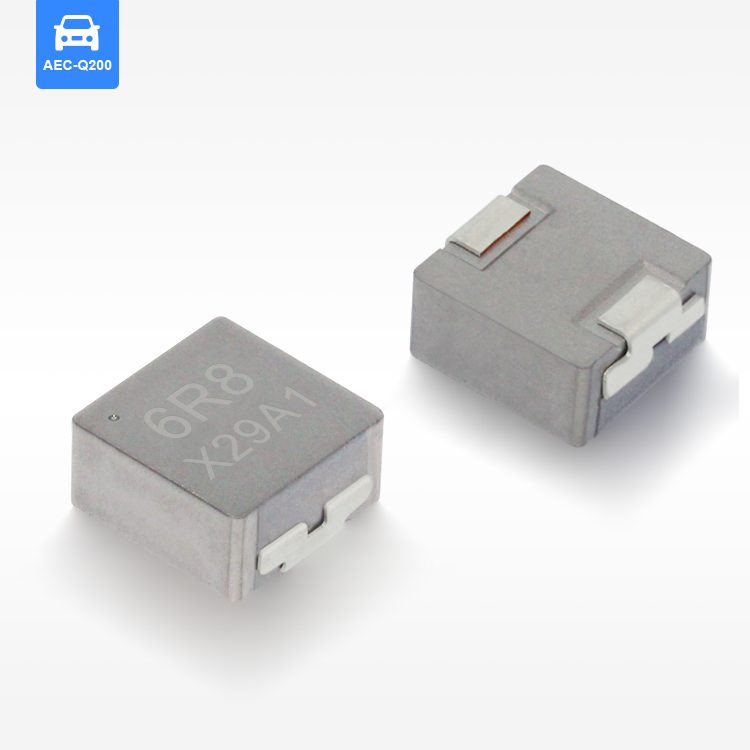
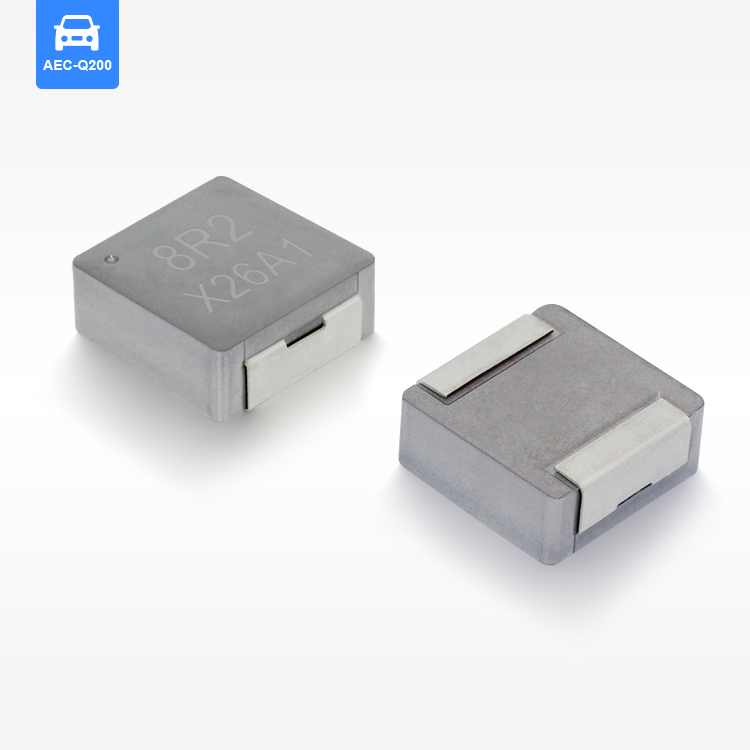
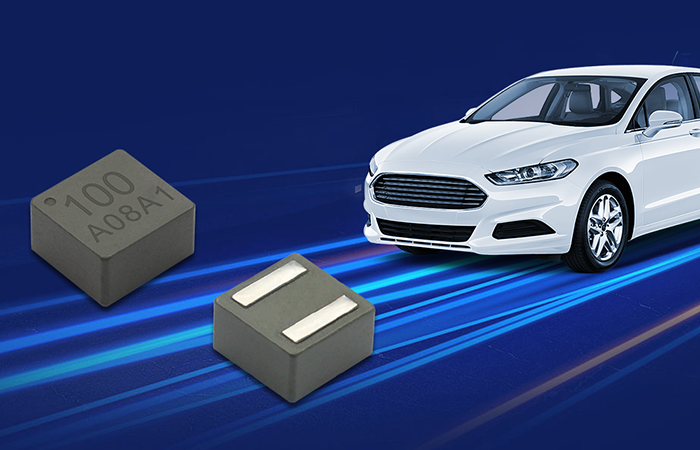
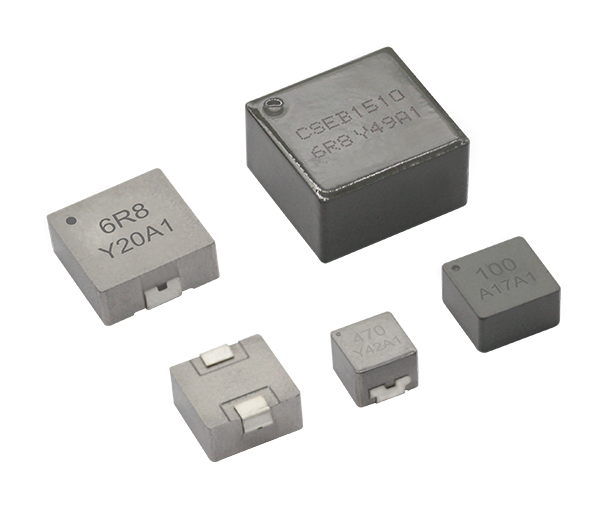
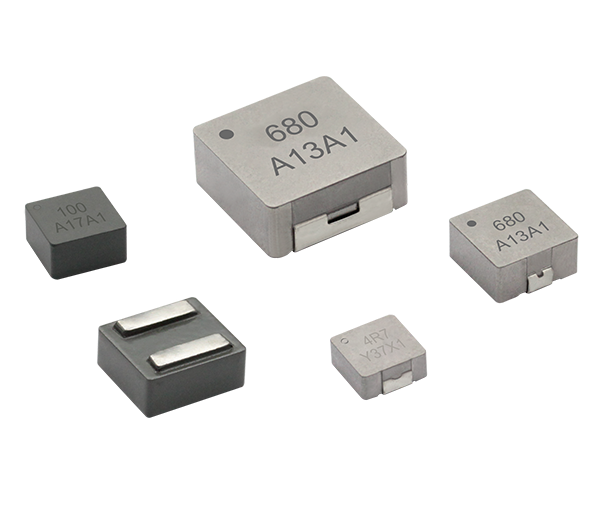
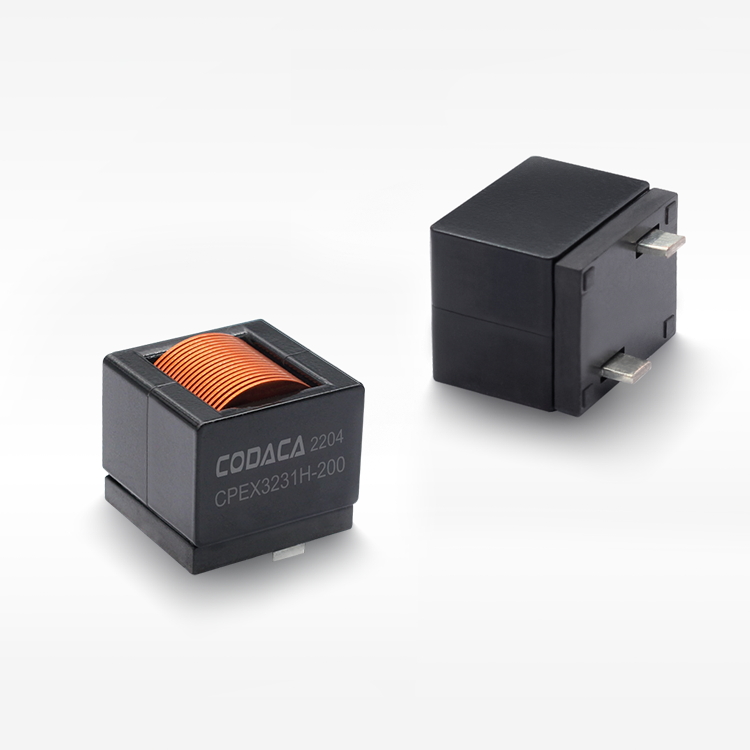
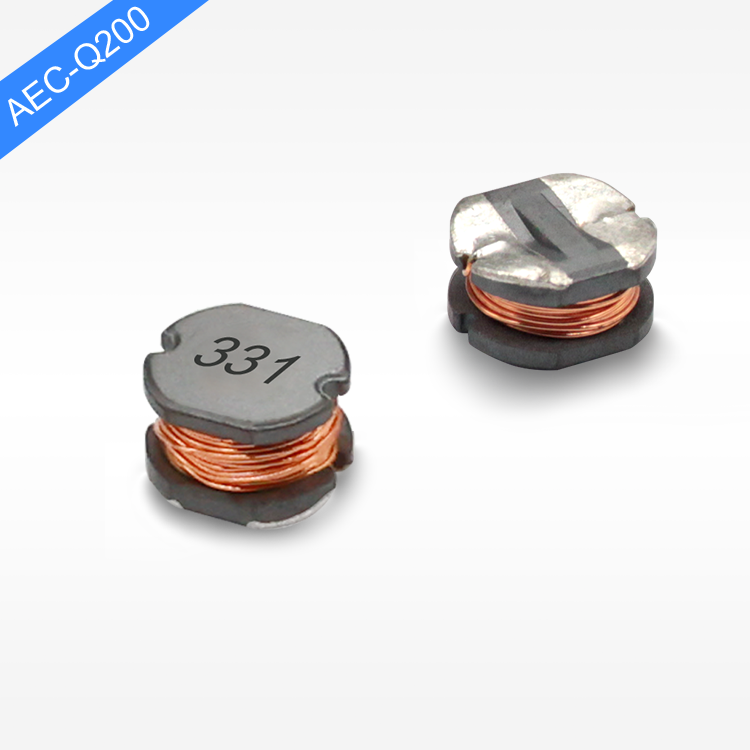
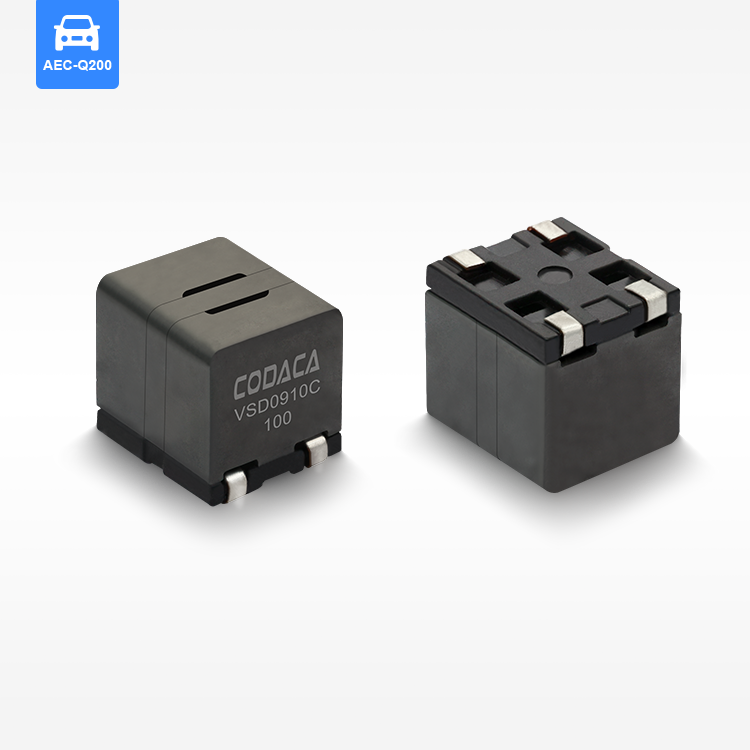
The automotive smd inductor represents a critical electronic component specifically engineered for vehicle applications, where reliability and performance under harsh conditions are paramount. This surface-mount device (SMD) technology enables compact installation directly onto printed circuit boards, making it ideal for modern automotive electronics where space optimization is crucial. An automotive smd inductor functions primarily as an energy storage device that creates magnetic fields when electrical current flows through its coiled wire structure. This fundamental property allows it to filter unwanted electrical noise, smooth power delivery, and regulate current flow throughout various automotive systems. The technological features of automotive smd inductors distinguish them from standard inductors through enhanced durability specifications. These components undergo rigorous testing to withstand extreme temperature variations, typically operating efficiently between -40°C to +150°C, ensuring consistent performance in both arctic and desert driving conditions. The automotive smd inductor also demonstrates superior vibration resistance, maintaining electrical integrity despite constant road vibrations and engine movements that characterize vehicle environments. Advanced magnetic core materials, including ferrite and powdered iron cores, provide exceptional inductance stability while minimizing electromagnetic interference (EMI) that could disrupt sensitive electronic systems. Applications for automotive smd inductors span across numerous vehicle systems, including engine control units, infotainment systems, LED lighting circuits, power management modules, and advanced driver assistance systems (ADAS). In electric and hybrid vehicles, these inductors play increasingly important roles in DC-DC converters, battery management systems, and regenerative braking circuits. The compact form factor of automotive smd inductors allows manufacturers to design smaller, more efficient electronic control units while maintaining the robust performance required for automotive applications. Quality automotive smd inductors meet stringent AEC-Q200 automotive qualification standards, ensuring long-term reliability throughout a vehicle's operational lifetime, typically spanning 15-20 years under normal driving conditions.

New Product Releases

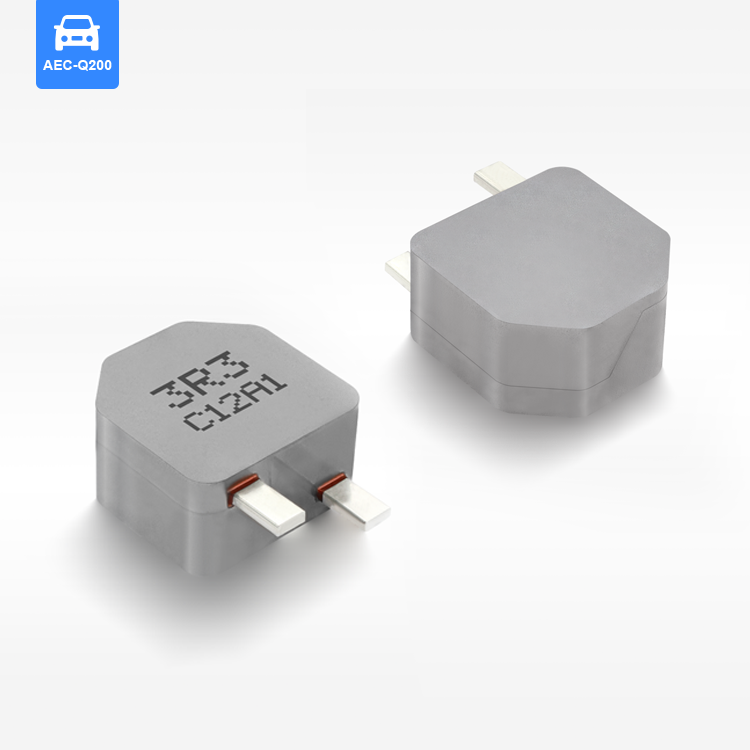
The automotive smd inductor delivers numerous practical benefits that directly impact vehicle performance, reliability, and manufacturing efficiency. Space efficiency represents one of the most significant advantages, as these compact components require minimal printed circuit board real estate compared to traditional through-hole inductors. This space optimization allows automotive engineers to design smaller electronic control modules, reducing overall vehicle weight and creating additional room for other essential components. The surface-mount design eliminates the need for drilling holes in circuit boards, streamlining the manufacturing process and reducing production costs while improving assembly speed and accuracy. Temperature stability provides another crucial advantage of automotive smd inductors, ensuring consistent electrical performance across the extreme temperature ranges encountered in automotive environments. Unlike conventional inductors that may experience significant performance degradation in extreme heat or cold, automotive smd inductors maintain stable inductance values and low electrical resistance throughout their operational temperature range. This stability translates to reliable vehicle operation regardless of climate conditions, from freezing winter starts to summer heat exposure under the hood. Electromagnetic compatibility represents a vital benefit, as automotive smd inductors effectively suppress electromagnetic interference that could disrupt critical vehicle systems. Modern vehicles contain numerous electronic systems operating simultaneously, creating potential for signal interference that could affect engine performance, safety systems, or entertainment functions. The superior filtering capabilities of automotive smd inductors ensure clean power delivery and signal integrity across all vehicle electronics. Durability advantages extend beyond temperature resistance to include exceptional vibration tolerance and mechanical stability. Vehicle environments subject electronic components to constant vibrations from road surfaces, engine operation, and driving dynamics. Automotive smd inductors utilize robust construction techniques and materials that maintain electrical connections and component integrity despite these challenging mechanical stresses. Long-term cost benefits emerge through reduced maintenance requirements and extended component lifespan. The reliability of automotive smd inductors minimizes warranty claims, reduces field failures, and extends vehicle service intervals. Manufacturing efficiency improves through automated assembly compatibility, as surface-mount technology enables high-speed pick-and-place equipment to install these components with precision and consistency. This automation reduces human error, improves quality control, and accelerates production timelines while lowering labor costs associated with manual component installation.

Latest News

The Role of Industrial Power Inductors in Modern Electronics

07

Apr

The Role of Industrial Power Inductors in Modern Electronics

Industrial power inductors play a vital role in modern electronics. They store energy, filter signals, and convert power to ensure your devices operate efficiently. These components stabilize circuits by controlling current flow and reducing noise. Y...
View More
Choosing the Right Automotive grade Molded Power Inductor for Your Application

02

Apr

Choosing the Right Automotive grade Molded Power Inductor for Your Application

Inductance and Current Ratings: Balancing Ripple and Saturation In automotive applications, understanding the balance between inductance and current ratings is essential. These benchmarks ensure that ripple voltage is minimized and saturation curren...
View More
Features of Painted and Unpainted Integrated Molded Inductors

26

May

Features of Painted and Unpainted Integrated Molded Inductors

Overview Integrated molded inductors are characterized by high saturation, low loss, strong electromagnetic interference (EMI) resistance, ultra-low buzzing noise, and high automation, making them widely used in various electronic devices. In the cur...
View More
How to Select Wires in the Preparation Process of Integrated Molding Power Choke

26

May

How to Select Wires in the Preparation Process of Integrated Molding Power Choke

Wires are one of the crucial raw materials in the preparation of integrated molded inductors. Selecting appropriate wires exerts a significant impact on their manufacturing process. The following content will provide a brief introduction to wire sele...
View More

Get a Free Quote

Our representative will contact you soon.
Email
Name
Company Name
Message
0/1000

automotive smd inductor

Exceptional Temperature Performance and Environmental Durability

Exceptional Temperature Performance and Environmental Durability

The automotive smd inductor excels in extreme temperature performance, delivering unwavering electrical characteristics across the demanding thermal conditions found in modern vehicles. This exceptional temperature performance stems from carefully selected materials and advanced manufacturing processes specifically developed for automotive applications. The inductor core materials utilize high-grade ferrite compounds that maintain stable magnetic properties from -40°C to +150°C, ensuring consistent inductance values regardless of external temperature fluctuations. This temperature stability proves crucial for vehicle systems that must operate reliably during cold winter starts when engine bay temperatures drop significantly, as well as during summer operation when under-hood temperatures can exceed 125°C. The wire windings incorporate high-temperature insulation materials that prevent electrical breakdown and maintain proper isolation between turns even under prolonged thermal stress. Environmental durability extends beyond temperature resistance to include humidity protection, salt spray resistance, and chemical compatibility with automotive fluids. The automotive smd inductor features specialized protective coatings that prevent moisture infiltration, which could cause corrosion or electrical shorts in humid climates or during vehicle washing. These protective measures ensure the inductor maintains its electrical properties and physical integrity throughout the vehicle's service life, typically 15-20 years of operation. Thermal cycling testing validates the inductor's ability to withstand repeated temperature changes without developing stress cracks or connection failures. This durability directly benefits customers by eliminating unexpected component failures that could result in costly repairs or vehicle downtime. The robust construction also reduces the need for additional protective measures in the overall system design, simplifying installation and reducing total system costs while maintaining superior reliability standards expected in automotive applications.
Advanced EMI Suppression and Signal Integrity Protection

Advanced EMI Suppression and Signal Integrity Protection

The automotive smd inductor provides superior electromagnetic interference (EMI) suppression capabilities that protect sensitive electronic systems from signal degradation and operational disruptions. This advanced EMI suppression becomes increasingly critical as modern vehicles incorporate more electronic control units, wireless communication systems, and high-frequency digital circuits that operate in close proximity to each other. The inductor's magnetic core design and optimized winding configuration create effective filtering characteristics that attenuate unwanted high-frequency noise while allowing desired signals to pass through unimpeded. This selective filtering capability ensures that power supply lines remain clean and stable, preventing switching noise from power converters from interfering with precision analog sensors or digital communication protocols. The automotive smd inductor demonstrates exceptional common-mode noise rejection, addressing interference that travels along both power conductors simultaneously. This common-mode suppression proves particularly valuable in electric and hybrid vehicles where high-voltage switching inverters generate significant electromagnetic emissions that could disrupt low-voltage control systems. The inductor's construction incorporates balanced winding techniques and symmetrical core geometries that maximize common-mode impedance while minimizing differential-mode signal attenuation. Signal integrity protection extends to shielding sensitive circuits from external electromagnetic fields generated by mobile phones, radio transmitters, and other vehicles' electronic systems. The automotive smd inductor creates an effective barrier against these external interference sources, maintaining consistent operation of critical safety systems like anti-lock braking systems, airbag controllers, and engine management units. This protection capability directly benefits customers by ensuring reliable vehicle operation in electromagnetically challenging environments such as urban areas with high RF activity or industrial zones with strong electromagnetic fields. The superior EMI suppression also simplifies vehicle certification processes by helping manufacturers meet stringent electromagnetic compatibility regulations while reducing the need for additional shielding components or filtered enclosures.
Compact Design with High Power Handling Capability

Compact Design with High Power Handling Capability

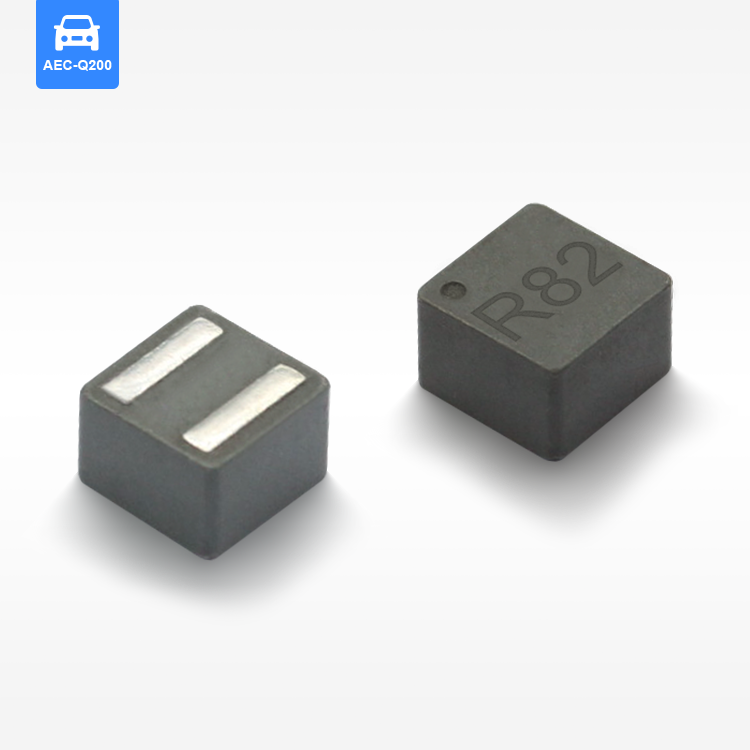
The automotive smd inductor achieves remarkable power handling capacity within an extremely compact form factor, enabling efficient space utilization in densely packed automotive electronic systems. This combination of small size and high power capability results from advanced magnetic core materials and optimized winding techniques that maximize energy storage density while maintaining thermal stability under high current conditions. The compact design allows multiple inductors to be placed on a single circuit board without compromising performance, supporting the miniaturization trends in automotive electronics where space constraints become increasingly challenging. Modern automotive control units must accommodate numerous functions within limited packaging volumes, making the space efficiency of automotive smd inductors essential for practical implementation. The high saturation flux density of the magnetic core materials enables the inductor to handle substantial current levels without entering magnetic saturation, which would cause inductance collapse and performance degradation. This high saturation capability ensures consistent electrical characteristics even during peak current demands such as engine starting, rapid acceleration, or maximum power accessory operation. The power handling capability extends to both continuous and pulsed current scenarios, accommodating the varied operating conditions encountered in automotive applications. Thermal management features integrated into the automotive smd inductor design include optimized core geometries that promote efficient heat dissipation and wire materials with low electrical resistance to minimize power losses. These thermal characteristics enable sustained high-power operation without requiring external cooling measures or derating for temperature concerns. The compact profile also facilitates automated assembly processes, as the low component height allows for efficient pick-and-place installation and reduces mechanical stress on solder joints during thermal cycling. This manufacturing advantage translates to improved production yields and reduced assembly costs while maintaining the high reliability standards required for automotive applications. Customer benefits include reduced system complexity, lower total cost of ownership, and improved packaging efficiency that enables more features to be incorporated into vehicle electronic systems without requiring larger enclosures or additional circuit boards.