Custom Class D Inductor Solutions - High-Performance Audio Filtering Components

All Categories

Get a Free Quote

Our representative will contact you soon.
Email
Name
Company Name
Message
0/1000

custom class d inductor

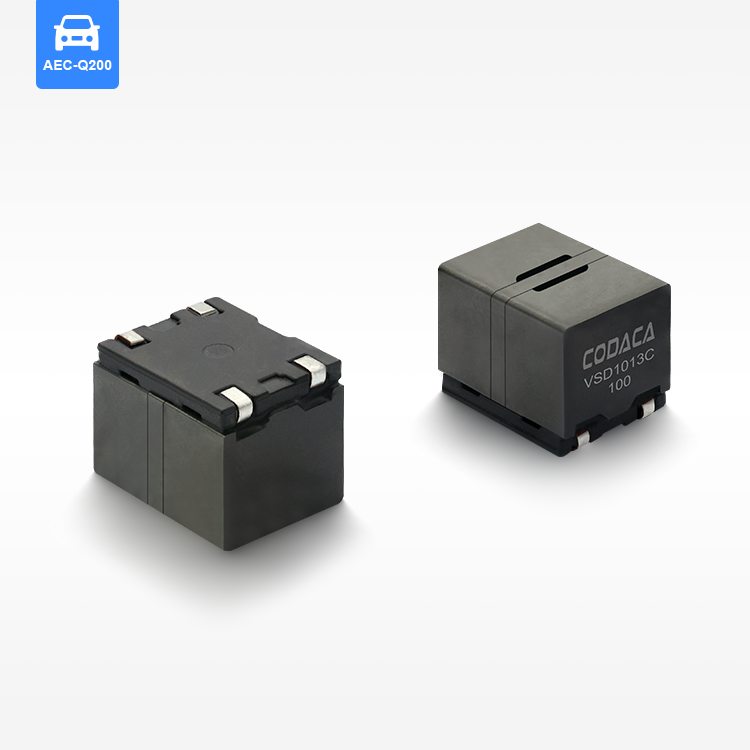
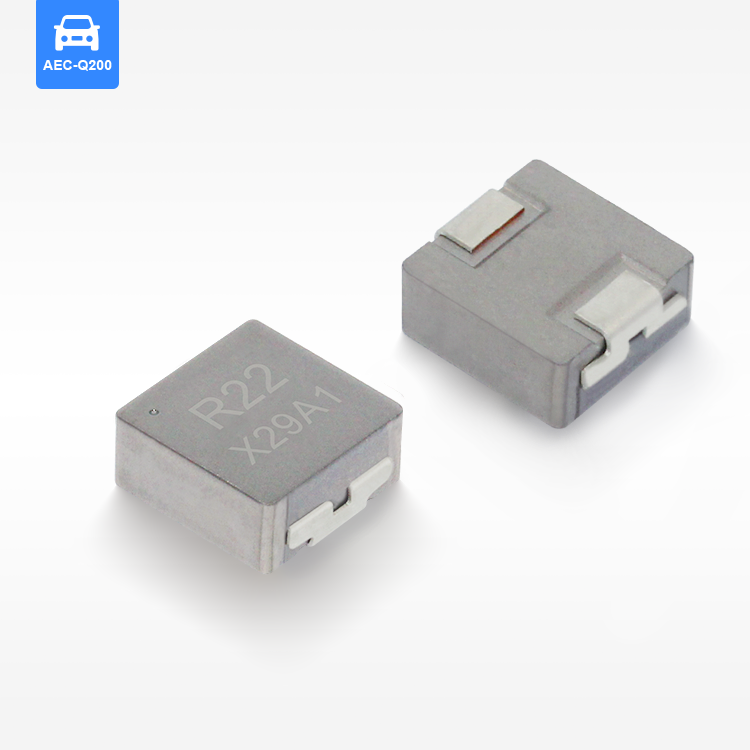
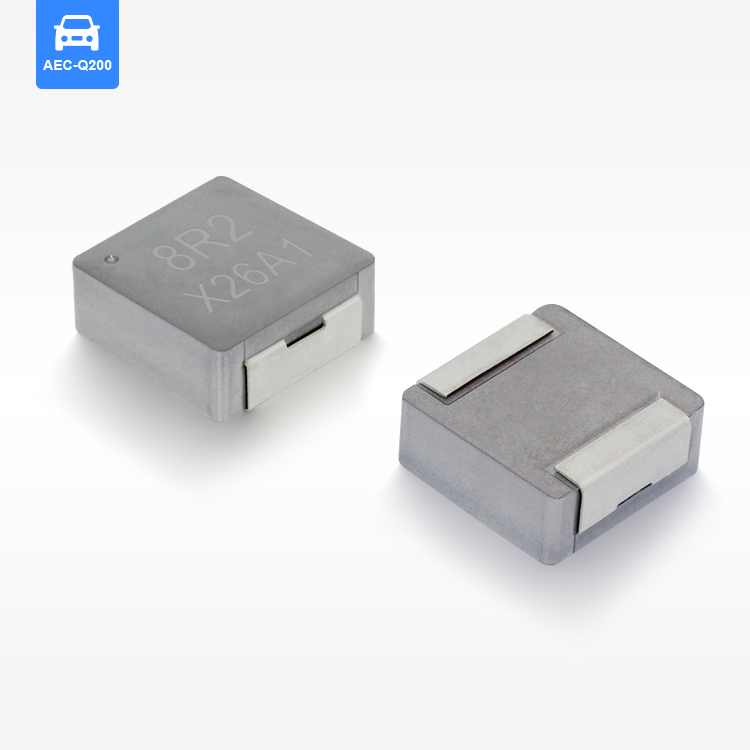
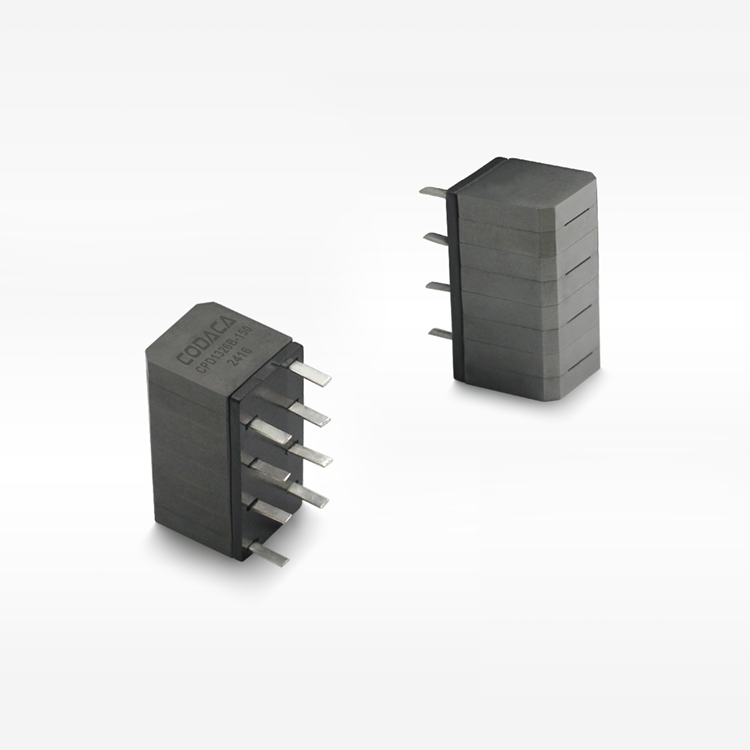
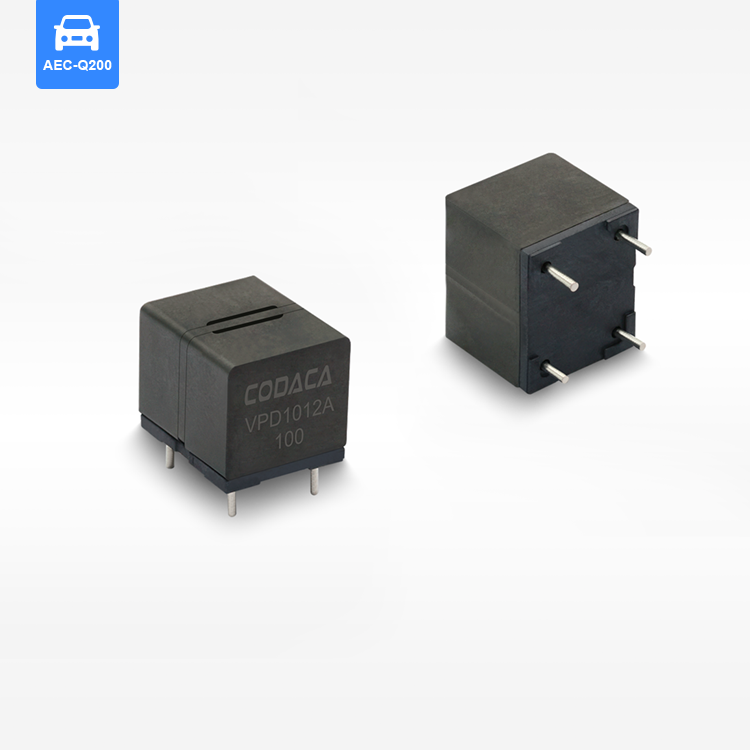
A custom class d inductor represents a specialized electromagnetic component designed specifically for Class D amplifier circuits, which have become increasingly popular in modern audio systems and power electronics applications. This precision-engineered inductor serves as a critical filtering element that smooths the high-frequency switching signals generated by Class D amplifiers, converting pulse-width modulated signals back into clean analog audio output. The custom class d inductor operates by storing energy in its magnetic field during switching cycles and releasing it smoothly to maintain continuous current flow. Unlike standard inductors, these components are meticulously designed to handle the unique characteristics of Class D amplifier outputs, including high switching frequencies typically ranging from 300kHz to several megahertz. The magnetic core material selection plays a crucial role in performance, with manufacturers often utilizing ferrite cores or powdered iron cores to minimize losses and maintain stability across temperature variations. Wire gauge and winding techniques are carefully calculated to handle specific current requirements while minimizing resistance and parasitic capacitance. The custom class d inductor must exhibit low DC resistance to maximize efficiency, high saturation current to prevent core saturation under peak loads, and excellent thermal characteristics to ensure reliable operation. Quality factors and self-resonant frequencies are optimized to prevent unwanted oscillations that could compromise audio fidelity or system stability. These inductors often feature specialized construction techniques including multi-layer windings, optimized core geometries, and advanced insulation materials to achieve superior performance metrics compared to general-purpose inductors in demanding Class D amplifier environments.

New Products

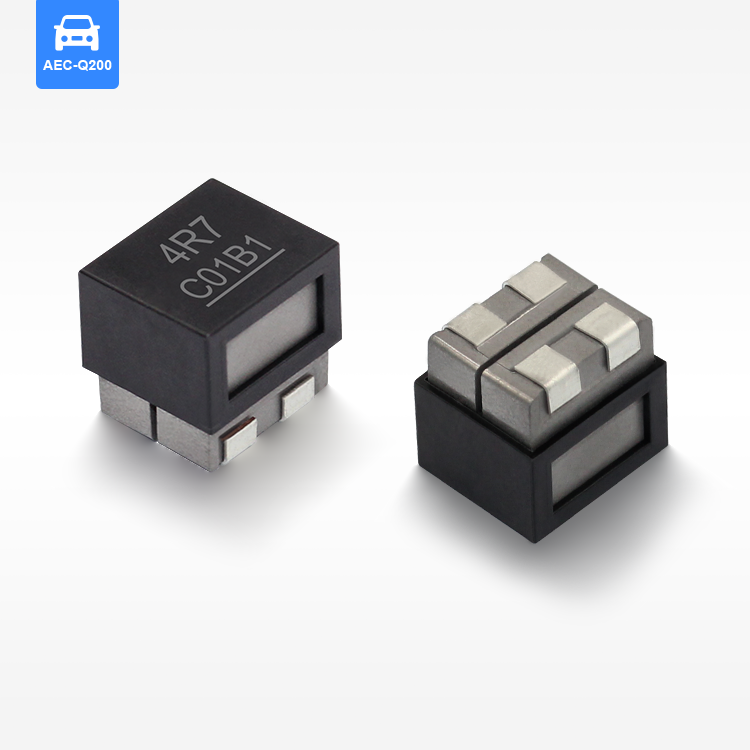
The custom class d inductor delivers substantial performance benefits that directly translate into improved system efficiency and audio quality for end users. Most significantly, these specialized components achieve exceptional efficiency levels often exceeding 95 percent, which means less energy waste and reduced heat generation compared to conventional filtering solutions. This efficiency advantage results in longer battery life for portable devices and lower operating costs for commercial installations. The custom class d inductor provides superior electromagnetic interference suppression, effectively filtering out high-frequency switching noise that would otherwise compromise audio clarity or interfere with nearby electronic devices. This noise reduction capability ensures cleaner audio output with reduced distortion and improved signal-to-noise ratios that audiophiles and professional users demand. Temperature stability represents another crucial advantage, as these inductors maintain consistent performance across wide temperature ranges without significant parameter drift. This reliability ensures predictable operation in automotive, industrial, and consumer applications where environmental conditions vary dramatically. The custom class d inductor offers precise impedance matching capabilities that optimize power transfer efficiency and minimize reflections in the amplifier output stage. This matching precision directly improves overall system performance and reduces stress on amplifier components. Size optimization represents a practical advantage for modern electronic designs, as custom class d inductors can be engineered to specific dimensional requirements while maintaining or improving electrical performance. This space efficiency enables more compact product designs without sacrificing functionality. Longevity benefits include extended service life due to optimized materials and construction techniques that resist degradation under continuous high-frequency switching conditions. The custom class d inductor also provides excellent current handling capabilities without saturation, ensuring consistent performance even during peak audio transients. Manufacturing consistency ensures repeatable performance across production runs, making these components ideal for high-volume applications where performance uniformity is essential. Additionally, these inductors can be tailored to specific application requirements, including custom inductance values, current ratings, and mounting configurations that standard components cannot provide.

Practical Tips

How High Current Power Inductors Enhance Energy Efficiency

31

Mar

How High Current Power Inductors Enhance Energy Efficiency

Introduction High current power inductors are crucial components in power electronics, designed to store energy in a magnetic field while allowing significant currents to pass through. These inductors are essential for a variety of applications, inc...
View More
How to Select the Best Automotive Grade High Current Power Inductors for Your Needs

31

Mar

How to Select the Best Automotive Grade High Current Power Inductors for Your Needs

Understanding Automotive Grade Requirements for Power Inductors AEC-Q200 Compliance and Certification AEC-Q200 is an essential industry standard for automotive components, ensuring products meet high-quality, reliability, and safety thresholds. This...
View More
The Role of Molding Power Chokes in Energy Storage Systems

13

May

The Role of Molding Power Chokes in Energy Storage Systems

Understanding Molding Power Chokes in Energy Storage Definition and Core Components Power Chokes are important inductive devices used in energy storage systems and they are commonly used to filter high frequency signals. These chokes are mainly...
View More
A Brief Analysis of Inductor Noise and Solutions

26

May

A Brief Analysis of Inductor Noise and Solutions

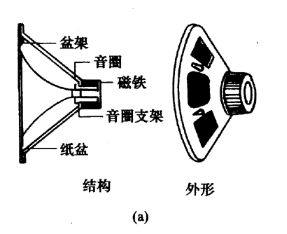
1.The principle of noise generation Noise is generated by the vibration of objects. Let's take a speaker as an example to understand the principle of vibration.A speaker does not directly convert electrical energy into sound energy. Instead, it uses ...
View More

Get a Free Quote

Our representative will contact you soon.
Email
Name
Company Name
Message
0/1000

custom class d inductor

Advanced Thermal Management and Heat Dissipation

Advanced Thermal Management and Heat Dissipation

The custom class d inductor incorporates sophisticated thermal management technologies that significantly outperform standard inductors in high-power applications. Through careful selection of core materials with optimized thermal conductivity and magnetic permeability characteristics, these inductors effectively manage heat buildup that commonly occurs during high-frequency switching operations. The thermal design includes specialized core geometries that maximize surface area for heat dissipation while maintaining compact form factors essential for modern electronic designs. Advanced winding techniques distribute heat sources evenly throughout the component structure, preventing hot spots that could lead to premature failure or performance degradation. The custom class d inductor often features integrated thermal interfaces or heat sink mounting provisions that facilitate efficient heat transfer to external cooling systems or PCB ground planes. This thermal optimization directly benefits end users by ensuring consistent performance across extended operating periods and varying ambient temperatures. Professional audio equipment manufacturers particularly value this thermal stability as it prevents the audio quality degradation that can occur when components operate outside optimal temperature ranges. The improved heat dissipation capabilities enable higher power handling in smaller packages, allowing engineers to design more compact amplifier systems without sacrificing output capability. Temperature coefficient specifications remain stable across operational temperature ranges, ensuring that inductance values and other critical parameters do not drift significantly during normal operation. This thermal management superiority also contributes to extended component lifespan, reducing maintenance requirements and replacement costs in commercial installations. Quality assurance testing includes thermal cycling verification to ensure that the custom class d inductor maintains performance integrity through thousands of heating and cooling cycles that occur during normal equipment operation.
Precision Frequency Response Optimization

Precision Frequency Response Optimization

The custom class d inductor delivers precisely engineered frequency response characteristics that are specifically optimized for Class D amplifier output filtering requirements. This optimization process involves careful analysis of the switching frequency characteristics and harmonic content typical of Class D amplifier designs, allowing engineers to tailor the inductor's electrical properties for maximum filtering effectiveness. The frequency response optimization includes controlling parasitic capacitance and resistance elements that can create unwanted resonances or phase shifts in the audio passband. Through advanced simulation and modeling techniques, manufacturers can predict and control the inductor's behavior across the entire frequency spectrum relevant to audio reproduction. The custom class d inductor maintains consistent impedance characteristics across temperature and frequency variations, ensuring that filter performance remains stable regardless of operating conditions. This precision frequency optimization directly benefits audio quality by maintaining flat frequency response in the audible spectrum while providing steep attenuation of switching frequency components and their harmonics. Professional recording studio applications particularly benefit from this optimization, as any frequency response irregularities can be easily detected and negatively impact recording quality. The controlled frequency response also prevents unwanted oscillations that can occur when inductors with poorly controlled parasitic elements interact with amplifier feedback circuits or speaker loads. Manufacturing quality control includes network analyzer testing to verify that each custom class d inductor meets specified frequency response requirements within tight tolerances. This testing ensures that multiple units will perform identically in parallel amplifier configurations or multi-channel audio systems. The frequency optimization extends beyond basic filtering requirements to include considerations for electromagnetic compatibility and regulatory compliance, helping system designers meet international standards for electromagnetic emissions without additional filtering components.
Enhanced Current Handling and Saturation Resistance

Enhanced Current Handling and Saturation Resistance

The custom class d inductor demonstrates superior current handling capabilities through advanced core materials and winding configurations specifically engineered to resist magnetic saturation under high current conditions. This enhanced current handling directly addresses one of the most critical challenges in Class D amplifier design, where peak audio transients can demand instantaneous current levels that would saturate conventional inductors. The saturation resistance is achieved through careful selection of core materials with high saturation flux density and optimized core geometries that distribute magnetic flux evenly throughout the magnetic circuit. Advanced powder core technologies and distributed gap techniques help maintain linear inductance characteristics even at current levels approaching the component's maximum rating. The custom class d inductor utilizes multi-strand litz wire configurations in many designs to minimize skin effect losses at high frequencies while providing adequate current carrying capacity for demanding applications. This current handling superiority ensures that audio reproduction remains clean and distortion-free even during challenging program material with wide dynamic range and sudden transients. Recording studio monitoring applications benefit significantly from this enhanced current handling, as professional audio signals often contain unexpected peaks that could compromise inductor performance and audio fidelity. The resistance to saturation also improves system reliability by preventing the sudden inductance drop that occurs when conventional inductors saturate, which can lead to increased ripple current and potential amplifier instability. Quality testing includes incremental current testing to verify that inductance remains within specified tolerances across the entire current range, ensuring predictable performance under all operating conditions. The enhanced current handling capability also enables more aggressive amplifier designs with higher output power capabilities, as engineers can rely on consistent inductor performance even at maximum power levels. Thermal considerations are integrated into the current handling design, ensuring that the inductor can maintain its current rating without excessive temperature rise that could affect nearby components or compromise long-term reliability.