High Efficiency Automotive Inductor: Advanced Energy Solutions for Modern Vehicles

All Categories

Get a Free Quote

Our representative will contact you soon.
Email
Name
Company Name
Message
0/1000

high efficiency automotive inductor

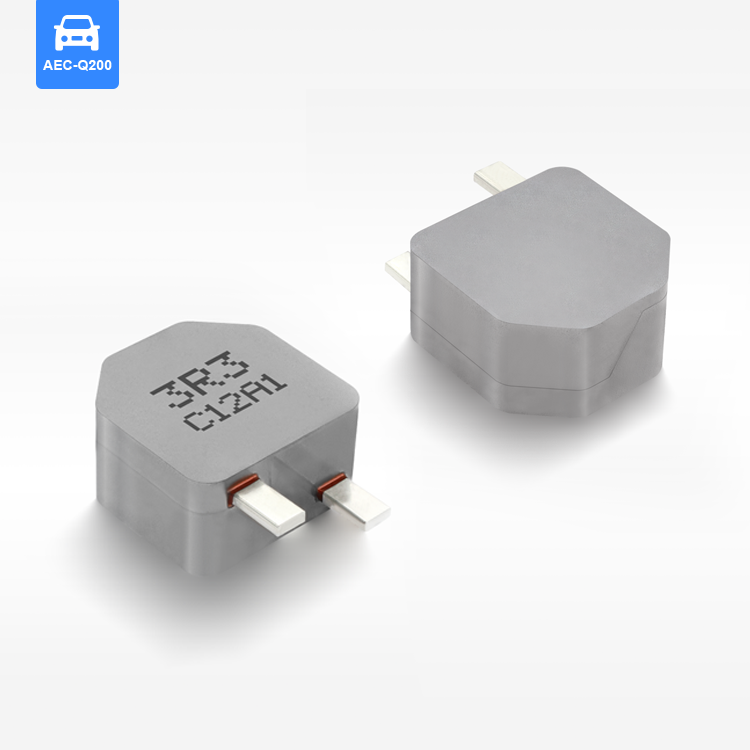
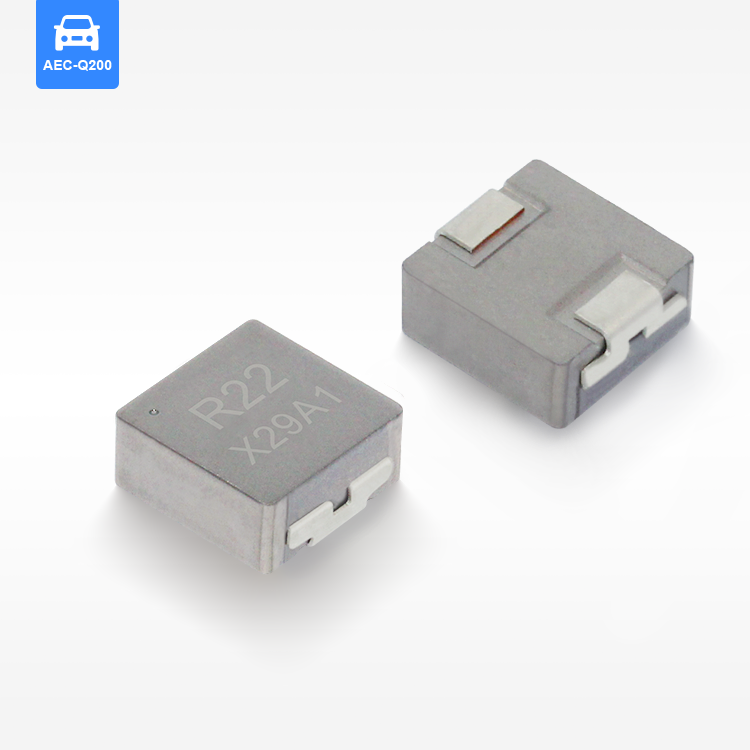
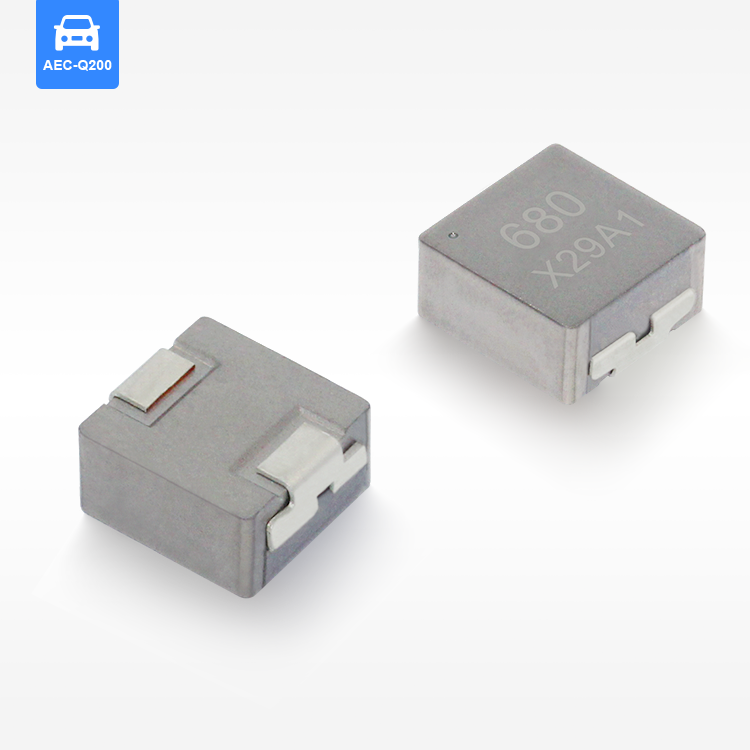
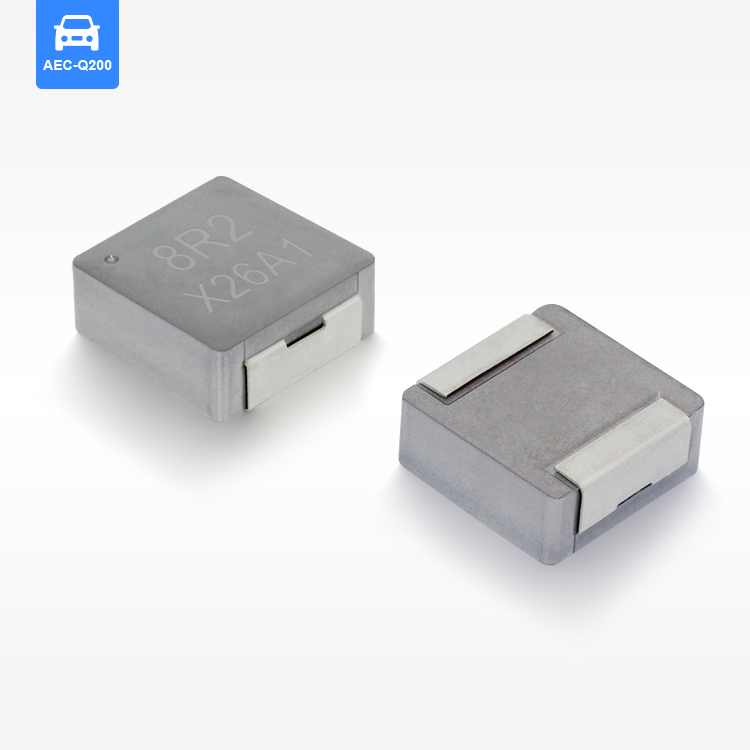
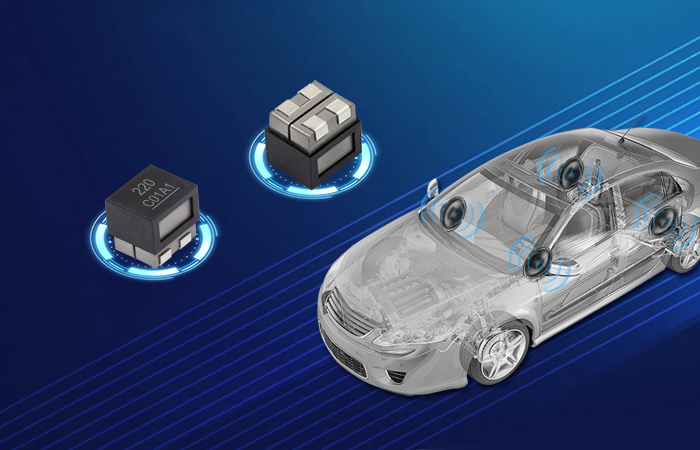
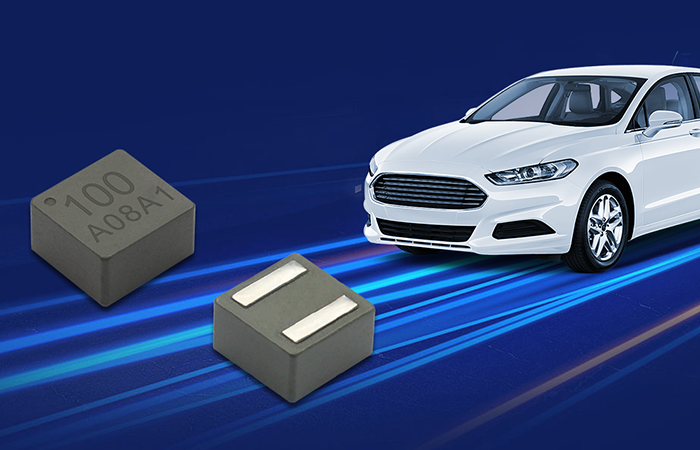
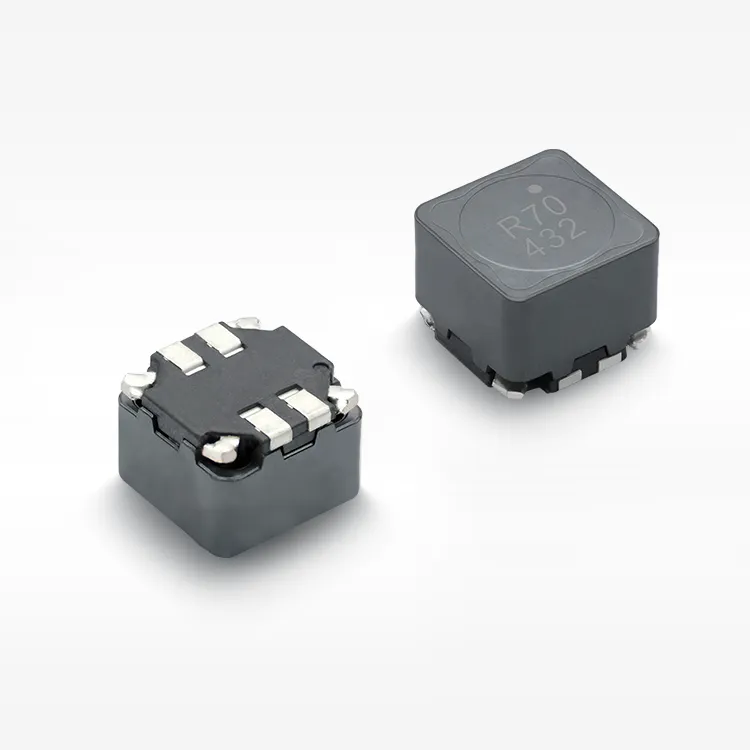
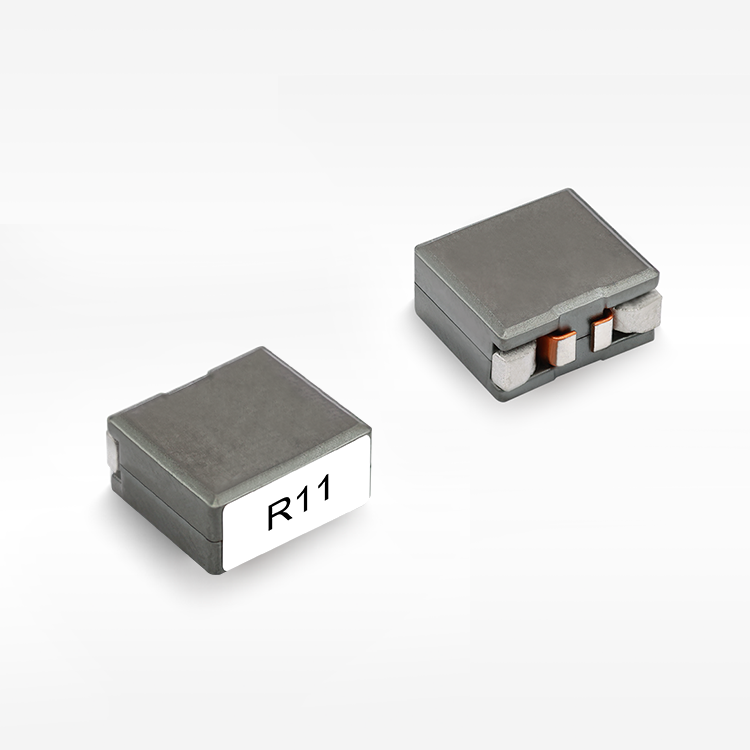
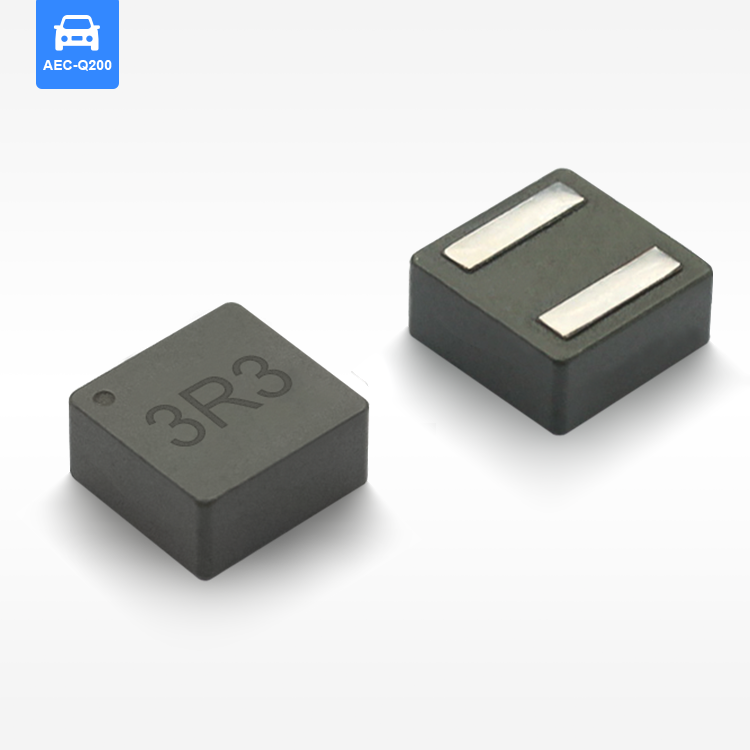
The high efficiency automotive inductor represents a critical component in modern vehicle electrical systems, designed to store and release electrical energy through magnetic fields while maintaining optimal performance under demanding automotive conditions. This specialized electronic component serves multiple essential functions within vehicle power management systems, including energy storage, current filtering, and voltage regulation across various automotive applications. The high efficiency automotive inductor operates by creating magnetic fields when electrical current flows through its coiled conductor, enabling it to smooth out electrical fluctuations and provide stable power delivery to sensitive electronic components. Modern automotive environments present unique challenges for electronic components, including extreme temperature variations, vibrations, electromagnetic interference, and space constraints. The high efficiency automotive inductor addresses these challenges through advanced materials and engineering techniques that maximize performance while minimizing losses. Key technological features include optimized core materials such as ferrite or powdered iron that enhance magnetic permeability, precision-wound copper conductors that reduce resistance losses, and specialized coatings that protect against environmental factors. The compact design of the high efficiency automotive inductor allows for integration into tight spaces within vehicle control modules, while its robust construction ensures reliable operation throughout the vehicle's lifespan. These inductors typically operate across wide frequency ranges, handling both low-frequency power applications and high-frequency switching circuits found in modern automotive electronics. The high efficiency automotive inductor plays a vital role in electric and hybrid vehicle systems, where energy conversion efficiency directly impacts vehicle range and performance. Applications span from engine control units and transmission systems to infotainment networks and advanced driver assistance systems, making the high efficiency automotive inductor an indispensable component in contemporary automotive design and manufacturing processes.

Popular Products

The high efficiency automotive inductor delivers significant benefits that directly translate to improved vehicle performance and reduced operational costs for manufacturers and consumers alike. Energy efficiency stands as the primary advantage, with modern designs achieving efficiency ratings exceeding 95 percent, which means minimal energy waste during electrical conversion processes. This superior efficiency reduces heat generation, eliminating the need for additional cooling systems and contributing to overall vehicle fuel economy or electric range extension. The compact footprint of the high efficiency automotive inductor enables automotive engineers to design more streamlined control units and power management systems, freeing up valuable space for other components or allowing for more compact vehicle designs. Reliability represents another crucial advantage, as these inductors undergo rigorous testing to meet automotive-grade standards, ensuring consistent performance over millions of operating cycles and extreme environmental conditions ranging from sub-zero temperatures to engine bay heat. The high efficiency automotive inductor significantly reduces electromagnetic interference, creating cleaner electrical signals that improve the performance of sensitive electronic systems such as GPS navigation, wireless communications, and sensor networks. Cost effectiveness emerges through reduced component count, as the superior performance of the high efficiency automotive inductor often eliminates the need for additional filtering or protection components, simplifying circuit designs and reducing manufacturing complexity. Long-term durability translates to lower maintenance costs and improved customer satisfaction, as these inductors maintain their performance characteristics throughout the vehicle's operational lifetime without requiring replacement or adjustment. The high efficiency automotive inductor supports faster switching frequencies in power conversion applications, enabling more responsive electronic systems and improved vehicle dynamics. Environmental benefits include reduced material usage through miniaturization and improved recyclability through careful material selection. Quality control during manufacturing ensures consistent specifications across production batches, providing automotive manufacturers with predictable performance characteristics that simplify system design and testing procedures. The high efficiency automotive inductor contributes to meeting increasingly stringent emissions standards by optimizing electrical system efficiency, supporting the automotive industry's transition toward more environmentally sustainable transportation solutions while delivering tangible performance improvements that drivers can experience daily.

Practical Tips

The Most Durable Automotive Grade Digital Power Amplifier Inductor

01

Apr

The Most Durable Automotive Grade Digital Power Amplifier Inductor

Introduction Automotive-grade digital power amplifier inductors are essential components in modern vehicle audio systems. These inductors are designed to handle large currents and provide stable performance under various environmental conditions, en...
View More
Choosing the Right Automotive grade Molded Power Inductor for Your Application

02

Apr

Choosing the Right Automotive grade Molded Power Inductor for Your Application

Inductance and Current Ratings: Balancing Ripple and Saturation In automotive applications, understanding the balance between inductance and current ratings is essential. These benchmarks ensure that ripple voltage is minimized and saturation curren...
View More
The Role of Molding Power Chokes in Energy Storage Systems

13

May

The Role of Molding Power Chokes in Energy Storage Systems

Understanding Molding Power Chokes in Energy Storage Definition and Core Components Power Chokes are important inductive devices used in energy storage systems and they are commonly used to filter high frequency signals. These chokes are mainly...
View More
The Digital Power Amplifier Inductor is applied to the Infineon EVAL_AUDAMP24 Reference Design

29

Sep

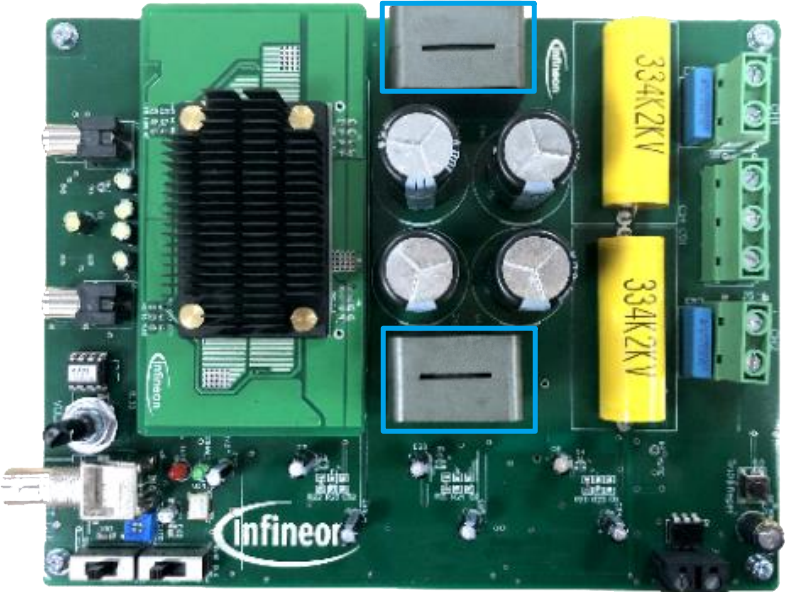
The Digital Power Amplifier Inductor is applied to the Infineon EVAL_AUDAMP24 Reference Design

Preface Digital power amplifiers feature low distortion, low noise, and a wide dynamic range. In terms of sound warmth/coolness, resolution, and the impact force of low frequencies, they are incomparable to traditional power amplifiers. Development ...
View More

Get a Free Quote

Our representative will contact you soon.
Email
Name
Company Name
Message
0/1000

high efficiency automotive inductor

Advanced Core Material Technology for Maximum Performance

Advanced Core Material Technology for Maximum Performance

The high efficiency automotive inductor incorporates cutting-edge core materials that represent the pinnacle of magnetic component engineering, delivering unprecedented performance levels in automotive applications. These advanced materials, including specially formulated ferrites and innovative powdered metal compositions, provide superior magnetic permeability while maintaining stability across extreme temperature ranges encountered in automotive environments. The careful selection of core materials directly impacts the inductor's ability to store magnetic energy efficiently, with modern formulations achieving permeability values that significantly exceed traditional materials. This enhanced permeability translates to better energy storage capacity within smaller physical dimensions, allowing the high efficiency automotive inductor to deliver more power in compact packages suitable for space-constrained automotive applications. Temperature stability represents a critical advantage of these advanced core materials, maintaining consistent performance characteristics from arctic cold starts at minus forty degrees Celsius to under-hood temperatures exceeding one hundred fifty degrees Celsius. The high efficiency automotive inductor benefits from proprietary core material processing techniques that eliminate microscopic inconsistencies and optimize grain structure, resulting in predictable magnetic behavior and reduced core losses. Frequency response characteristics of these advanced materials enable the high efficiency automotive inductor to operate effectively across wide bandwidth ranges, supporting both low-frequency power applications and high-frequency switching circuits found in modern automotive electronics. The magnetic saturation properties of these materials allow the high efficiency automotive inductor to handle high current levels without performance degradation, making them suitable for demanding applications such as electric motor control and battery management systems. Aging characteristics of the core materials ensure long-term stability, with properly designed high efficiency automotive inductors maintaining their specifications throughout decades of automotive service without significant drift or degradation. Manufacturing consistency in core material production enables automotive suppliers to specify precise performance parameters for the high efficiency automotive inductor, supporting predictable system behavior and simplified quality control processes across large-scale automotive production.
Precision Engineering for Automotive Durability Standards

Precision Engineering for Automotive Durability Standards

The high efficiency automotive inductor achieves exceptional reliability through precision engineering techniques specifically developed to meet and exceed rigorous automotive industry durability standards. Every aspect of construction, from wire selection to assembly processes, undergoes careful optimization to ensure consistent performance under the harsh operating conditions typical in automotive environments. The winding techniques employed in manufacturing the high efficiency automotive inductor utilize precision-controlled tension and spacing to minimize parasitic capacitance and resistance while maximizing current-carrying capacity. Advanced wire coating technologies protect the conductors from chemical corrosion, moisture penetration, and mechanical stress, extending operational life well beyond typical automotive component requirements. The high efficiency automotive inductor features specialized termination methods that provide reliable electrical connections capable of withstanding thousands of thermal cycles without degradation or failure. Vibration resistance represents a critical design consideration, with mounting techniques and internal construction methods specifically engineered to handle the constant mechanical stress present in automotive applications without affecting electrical performance. Quality assurance processes for the high efficiency automotive inductor include accelerated aging tests that simulate decades of automotive service in compressed timeframes, ensuring only components meeting strict reliability criteria reach production vehicles. Environmental sealing techniques protect the high efficiency automotive inductor from moisture, dust, salt spray, and chemical contamination commonly encountered in automotive service, maintaining performance integrity throughout the vehicle's operational lifetime. Automated manufacturing processes ensure consistent quality across production batches, with statistical process control monitoring every critical parameter during high efficiency automotive inductor assembly. Compliance with international automotive standards, including AEC-Q200 qualification requirements, validates the high efficiency automotive inductor's suitability for automotive applications through comprehensive testing protocols covering electrical, mechanical, and environmental performance criteria. Traceability systems track every high efficiency automotive inductor from raw materials through final testing, enabling rapid identification and resolution of any quality issues while supporting continuous improvement initiatives. The precision engineering approach extends to package design, with standardized footprints and mounting configurations that simplify integration into automotive circuit boards while maintaining optimal thermal and electrical performance characteristics essential for reliable automotive operation.

Energy Conversion Optimization for Enhanced Vehicle Efficiency

Energy Conversion Optimization for Enhanced Vehicle Efficiency

The high efficiency automotive inductor delivers superior energy conversion optimization that directly contributes to enhanced overall vehicle efficiency, supporting both conventional and electrified powertrain applications through advanced electromagnetic design principles. Energy conversion efficiency exceeding ninety-five percent minimizes power losses during electrical system operation, translating to measurable improvements in fuel economy for conventional vehicles and extended range for electric vehicles. The optimized design of the high efficiency automotive inductor reduces switching losses in power conversion circuits, enabling more responsive electronic control systems that enhance vehicle performance and drivability. Thermal management capabilities of the high efficiency automotive inductor minimize heat generation during operation, reducing cooling requirements and allowing for more compact power electronic packaging that saves weight and space. The superior efficiency characteristics support higher switching frequencies in power conversion applications, enabling more precise control of electric motors, actuators, and other automotive systems while maintaining energy efficiency. Harmonic distortion reduction represents another significant benefit, as the high efficiency automotive inductor filters electrical noise and provides cleaner power delivery to sensitive electronic components, improving system reliability and performance. The energy storage capacity of the high efficiency automotive inductor enables better power factor correction in automotive electrical systems, reducing stress on alternators and generators while improving overall electrical system efficiency. Dynamic response characteristics allow the high efficiency automotive inductor to adapt quickly to changing load conditions, supporting responsive electronic systems that enhance safety and performance features such as electronic stability control and adaptive cruise control. Power density optimization enables the high efficiency automotive inductor to deliver more power handling capability within smaller physical dimensions, supporting the automotive industry's trend toward increased electrification without compromising vehicle packaging or weight targets. The efficiency improvements delivered by the high efficiency automotive inductor contribute to meeting increasingly stringent emissions regulations while supporting advanced vehicle technologies such as regenerative braking systems and hybrid powertrains. Lifecycle energy savings from the high efficiency automotive inductor accumulate over the vehicle's operational lifetime, providing measurable environmental benefits while reducing operating costs for vehicle owners. System-level optimization enabled by the high efficiency automotive inductor allows automotive engineers to design more efficient power management architectures that support future vehicle electrification initiatives while maintaining compatibility with existing automotive infrastructure and manufacturing processes.