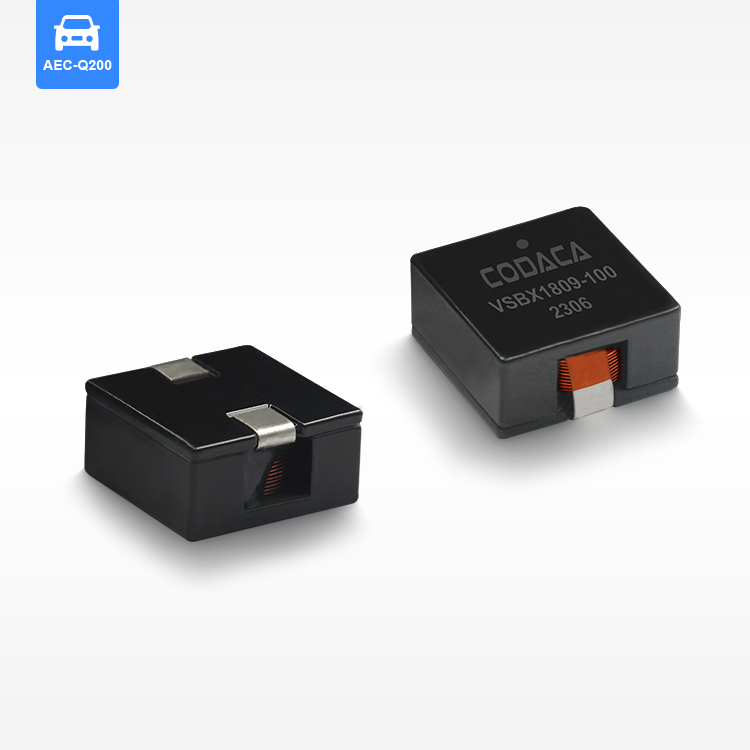
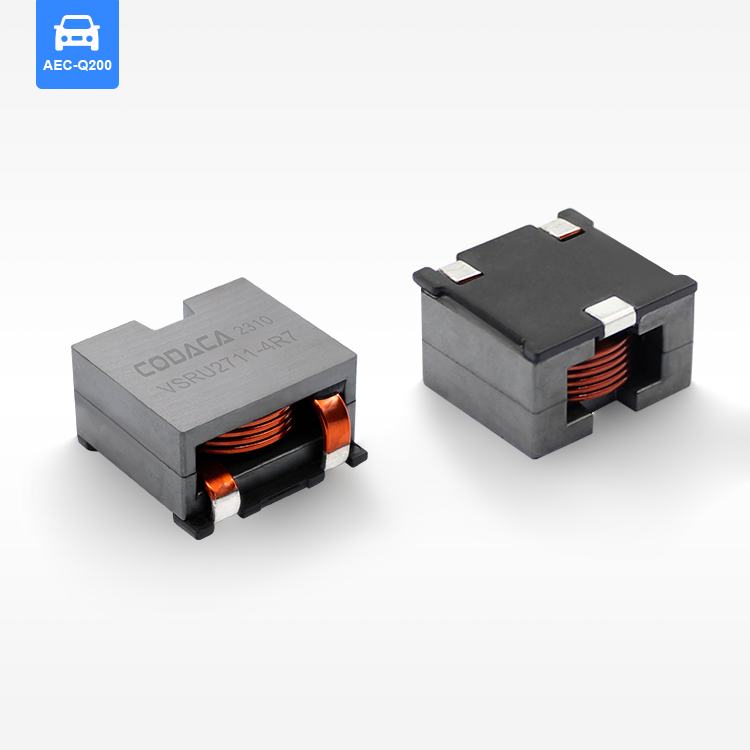
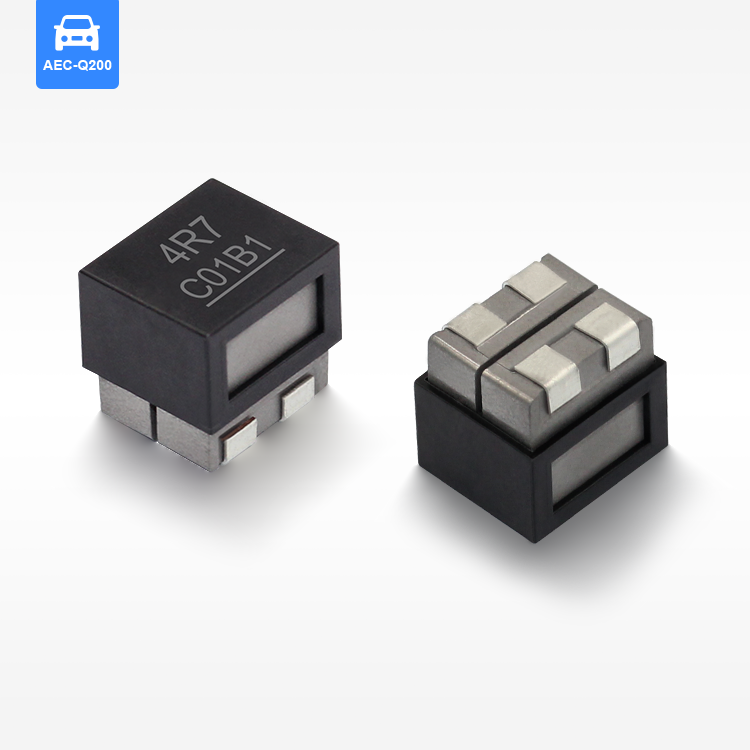
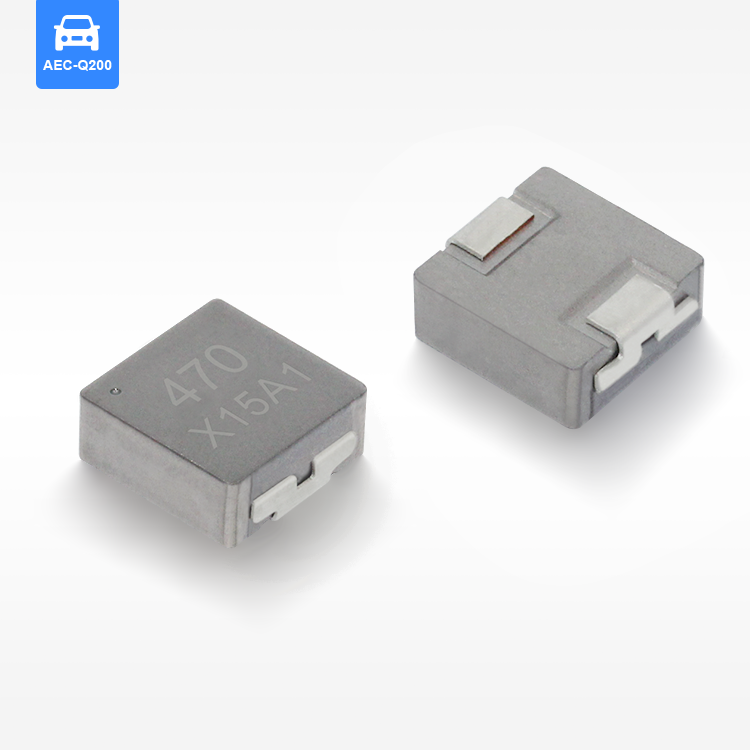
High-Performance Dual Winding Coupled Inductor: Advanced Magnetic Components for Efficient Power Management

All Categories

Get a Free Quote

Our representative will contact you soon.
Email
Name
Company Name
Message
0/1000

dual winding coupled inductor

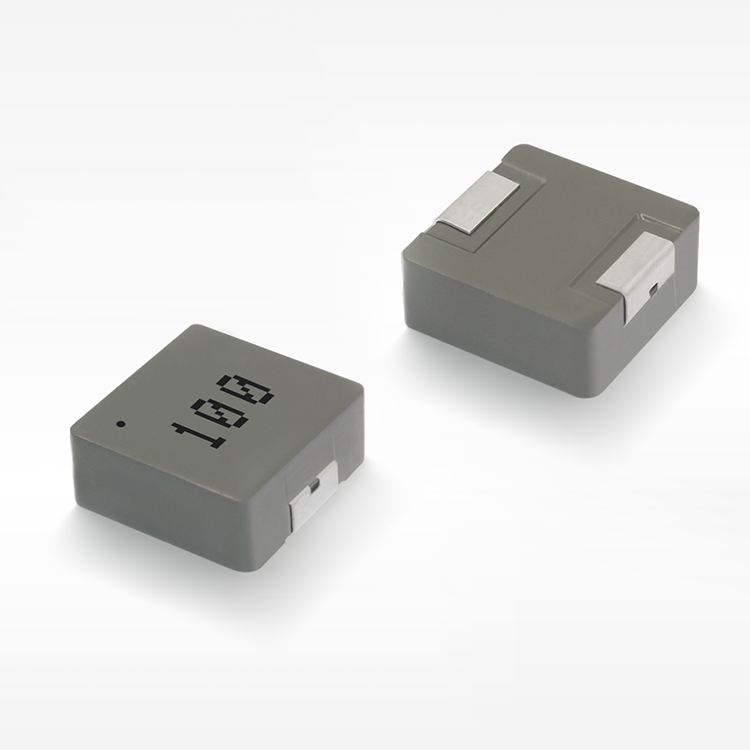
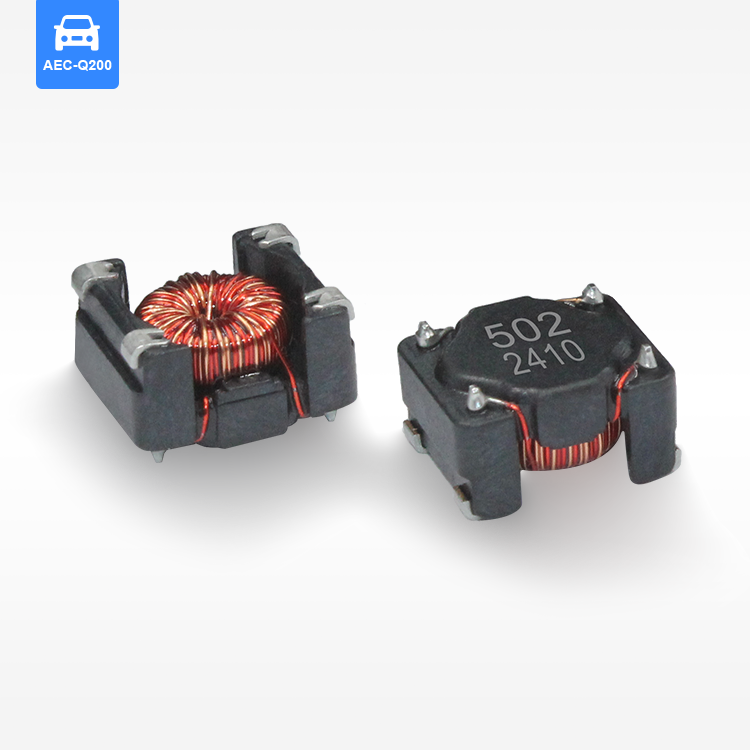
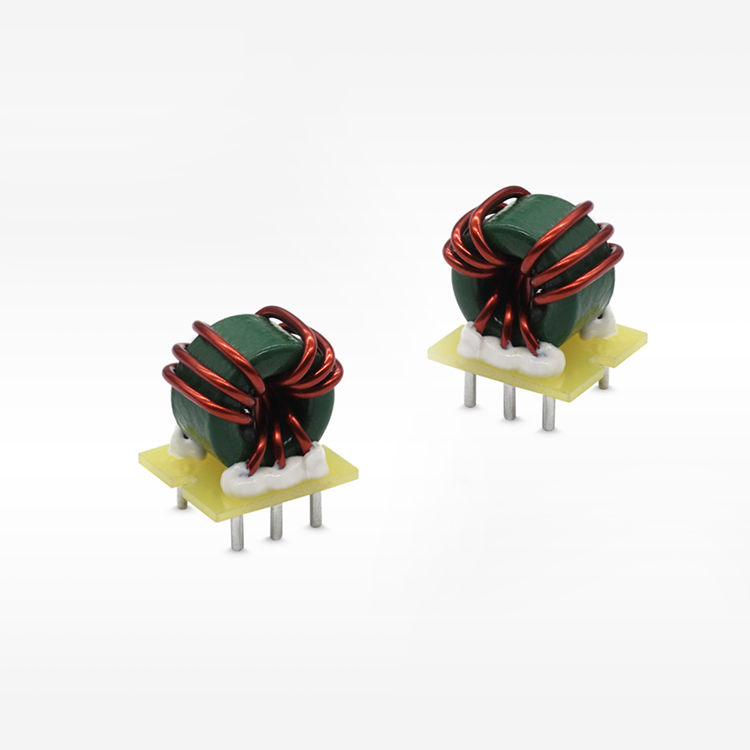
A dual winding coupled inductor represents an advanced electromagnetic component that incorporates two separate windings wound around a shared magnetic core structure. This sophisticated design enables the dual winding coupled inductor to function as both an energy storage device and a magnetic coupling mechanism within electronic circuits. The fundamental principle behind this component lies in the magnetic flux linkage between the two windings, creating mutual inductance that allows energy transfer and signal coupling between different circuit sections. The dual winding coupled inductor operates through electromagnetic induction, where current flowing through one winding generates a magnetic field that influences the second winding, establishing a controlled coupling relationship. This magnetic coupling coefficient can be precisely engineered during manufacturing to achieve specific performance characteristics. The core material typically consists of ferrite or powdered iron, chosen for optimal magnetic permeability and minimal losses at operating frequencies. Modern dual winding coupled inductor designs incorporate advanced materials and manufacturing techniques to enhance performance while maintaining compact form factors. The technological features include precise winding ratios, controlled coupling coefficients, and excellent thermal characteristics. These components find extensive applications in switch-mode power supplies, where they serve as coupled inductors in multi-output converters, providing excellent regulation and reduced component count. DC-DC converters benefit significantly from dual winding coupled inductor implementation, particularly in applications requiring multiple output voltages with tight regulation. The automotive industry utilizes these components in electric vehicle charging systems and power management modules. Telecommunications equipment incorporates dual winding coupled inductors for signal isolation and power distribution. Industrial automation systems rely on these components for motor drive circuits and power factor correction applications. The dual winding coupled inductor also plays crucial roles in renewable energy systems, including solar inverters and wind power converters, where efficient energy transfer and isolation are paramount for system reliability and performance optimization.

New Products

The dual winding coupled inductor delivers exceptional space savings compared to using separate magnetic components, making it ideal for compact electronic designs where board real estate is precious. This space efficiency translates directly into cost reductions for manufacturers who can design smaller products while maintaining performance standards. The coupled design reduces the total component count in circuits, simplifying assembly processes and reducing potential failure points that could compromise system reliability. Energy efficiency represents another significant advantage, as the dual winding coupled inductor minimizes losses through optimized magnetic flux sharing between windings. This efficiency improvement leads to reduced heat generation, extending component lifespan and improving overall system reliability. The shared magnetic core creates excellent magnetic coupling that ensures consistent performance across varying load conditions, providing stable output regulation that users depend on for critical applications. Manufacturing costs decrease substantially when using a single dual winding coupled inductor instead of multiple discrete components, as production requires fewer materials and assembly steps. The integrated design eliminates the need for additional mounting hardware and interconnections, further reducing complexity and potential failure modes. Temperature performance benefits from the unified thermal mass of the shared core, which provides better heat dissipation characteristics compared to separate components. This thermal advantage extends operating life and maintains consistent electrical parameters across temperature ranges. The dual winding coupled inductor offers superior electromagnetic compatibility due to the controlled coupling between windings, reducing unwanted interference and improving signal integrity in sensitive applications. Design flexibility increases significantly as engineers can customize turn ratios and coupling coefficients to meet specific application requirements without compromising performance. The component provides excellent transient response characteristics, essential for applications requiring rapid load changes or dynamic operating conditions. Quality control becomes more manageable with a single component versus multiple discrete parts, reducing testing complexity and ensuring consistent performance across production batches. The dual winding coupled inductor enables innovative circuit topologies that would be impractical or impossible with separate magnetic components, opening new possibilities for power management solutions.

Latest News

The Science Behind Automotive Grade Molding Power Choke Design

31

Mar

The Science Behind Automotive Grade Molding Power Choke Design

Introduction Automotive grade molding power chokes, also known as molded power inductors, are essential components in electrical circuits particularly within the automotive industry. These chokes consist of a coil of wire wound around a ferrite core...
View More
The Role of Molding Power Chokes in Energy Storage Systems

13

May

The Role of Molding Power Chokes in Energy Storage Systems

Understanding Molding Power Chokes in Energy Storage Definition and Core Components Power Chokes are important inductive devices used in energy storage systems and they are commonly used to filter high frequency signals. These chokes are mainly...
View More
A Comprehensive Review of the SMD Power Inductor Market

13

May

A Comprehensive Review of the SMD Power Inductor Market

Overview of the SMD Power Inductor Market Defining SMD Power Inductors and Core Functionality SMD power inductor is a kind of basic components in electronic circuit which always used as a anti interference in electronics. They are parts of...
View More
How to Select the Right Inductor for Switching Power Supplies

26

May

How to Select the Right Inductor for Switching Power Supplies

An inductor is a common energy-storing passive component in circuits, playing roles such as filtering, boosting, and bucking in the design of switching power supplies. In the early stage of scheme design, engineers not only need to select appropriate...
View More

Get a Free Quote

Our representative will contact you soon.
Email
Name
Company Name
Message
0/1000

dual winding coupled inductor

Superior Electromagnetic Coupling Performance

Superior Electromagnetic Coupling Performance

The dual winding coupled inductor excels in electromagnetic coupling performance through its precisely engineered shared magnetic core design that ensures optimal flux linkage between windings. This superior coupling performance stems from the carefully controlled magnetic path that allows maximum energy transfer efficiency while maintaining excellent isolation characteristics when required. The shared core eliminates air gaps and flux leakage that typically occur with separate inductors, resulting in coupling coefficients that can exceed 0.95 in optimized designs. This high coupling coefficient translates into exceptional mutual inductance values that remain stable across varying operating conditions, including temperature fluctuations and load changes. The electromagnetic performance benefits extend to reduced electromagnetic interference generation, as the contained magnetic fields within the shared core structure minimize radiated emissions that could affect nearby sensitive circuits. Advanced core materials used in modern dual winding coupled inductor designs provide superior magnetic permeability while maintaining low core losses at switching frequencies, ensuring that the electromagnetic coupling remains efficient across the entire operating frequency range. The winding arrangement can be optimized for specific applications, with options for bifilar winding for maximum coupling or sectioned windings for controlled coupling coefficients. This flexibility allows engineers to tailor the electromagnetic characteristics to match circuit requirements precisely. The superior electromagnetic coupling performance enables advanced circuit topologies such as coupled inductors in multi-phase converters, where precise phase relationships and energy sharing between phases are critical for optimal performance. Quality electromagnetic coupling also reduces current ripple in power applications, leading to improved output filtering and reduced capacitor requirements in the overall system design. The dual winding coupled inductor maintains consistent electromagnetic properties throughout its operational lifetime, providing reliable performance that engineers can depend on for critical applications requiring long-term stability and predictable behavior.
Enhanced Energy Efficiency and Thermal Management

Enhanced Energy Efficiency and Thermal Management

The dual winding coupled inductor demonstrates exceptional energy efficiency through its innovative design that minimizes losses while maximizing power transfer capabilities between windings. This enhanced efficiency results from the shared magnetic core that eliminates redundant magnetic structures, reducing core losses that would occur in separate inductor configurations. The unified magnetic path ensures that flux generated by either winding contributes to the overall magnetic energy storage, eliminating wasteful flux leakage that typically reduces efficiency in discrete component arrangements. Advanced core materials specifically selected for dual winding coupled inductor applications provide low hysteresis losses and minimal eddy current losses, maintaining high efficiency across wide frequency ranges common in modern switching applications. The copper losses are optimized through careful conductor sizing and winding techniques that minimize resistance while ensuring proper current carrying capacity for each application. Thermal management benefits significantly from the integrated design, as the shared core provides a larger thermal mass that more effectively dissipates heat generated during operation. This improved thermal performance extends component life and maintains stable electrical characteristics even under demanding operating conditions. The dual winding coupled inductor design enables better heat distribution across the component, preventing hot spots that could degrade performance or reduce reliability. Modern manufacturing techniques allow for optimized core geometries that maximize surface area for heat dissipation while maintaining compact form factors essential for space-constrained applications. The enhanced energy efficiency translates directly into reduced power consumption for end users, leading to lower operating costs and improved battery life in portable applications. System-level efficiency improvements result from the reduced component count and simplified thermal management requirements, as fewer components generate less heat and require simpler cooling solutions. The thermal characteristics remain stable across the operating temperature range, ensuring consistent performance in automotive, industrial, and aerospace applications where temperature variations are significant challenges for electronic component reliability and performance maintenance.
Versatile Application Integration and Design Flexibility

Versatile Application Integration and Design Flexibility

The dual winding coupled inductor offers unparalleled versatility in application integration, enabling engineers to implement sophisticated power management solutions across diverse industry sectors with remarkable design flexibility. This versatility stems from the ability to customize turn ratios, coupling coefficients, and core materials to meet specific application requirements without compromising performance or reliability standards. The component seamlessly integrates into various circuit topologies, from simple isolated converters to complex multi-output switching regulators, providing consistent performance across different operating modes and load conditions. Design flexibility extends to mechanical configurations, with options for surface mount, through-hole, and custom mounting solutions that accommodate different board layouts and space constraints common in modern electronic products. The dual winding coupled inductor supports wide input voltage ranges and multiple output configurations, making it suitable for applications ranging from low-power portable devices to high-power industrial systems. This broad application compatibility reduces inventory requirements for manufacturers who can utilize a single component type across multiple product lines. The integration benefits include simplified circuit analysis and design verification, as engineers work with a single magnetic component instead of multiple discrete inductors with complex interactions. Advanced dual winding coupled inductor designs support high-frequency switching operations essential for modern power electronics, enabling compact power supplies with excellent regulation characteristics. The component facilitates innovative power management approaches such as energy recycling between circuit sections, improving overall system efficiency while reducing component stress and extending operational life. Manufacturing integration becomes streamlined through automated placement and reflow soldering processes compatible with standard surface mount technology, reducing production costs and improving manufacturing yield rates. The dual winding coupled inductor enables rapid prototyping and design iterations, as engineers can modify coupling characteristics through simple parameter adjustments rather than redesigning entire magnetic structures. Quality assurance processes benefit from standardized testing procedures applicable across different application scenarios, ensuring consistent performance verification regardless of the specific implementation requirements or operating environment conditions.