Magnetic Shielded Power Inductors: Advanced EMI Protection and Superior Power Management Solutions

All Categories

Get a Free Quote

Our representative will contact you soon.
Email
Name
Company Name
Message
0/1000

magnetic shielded power inductor

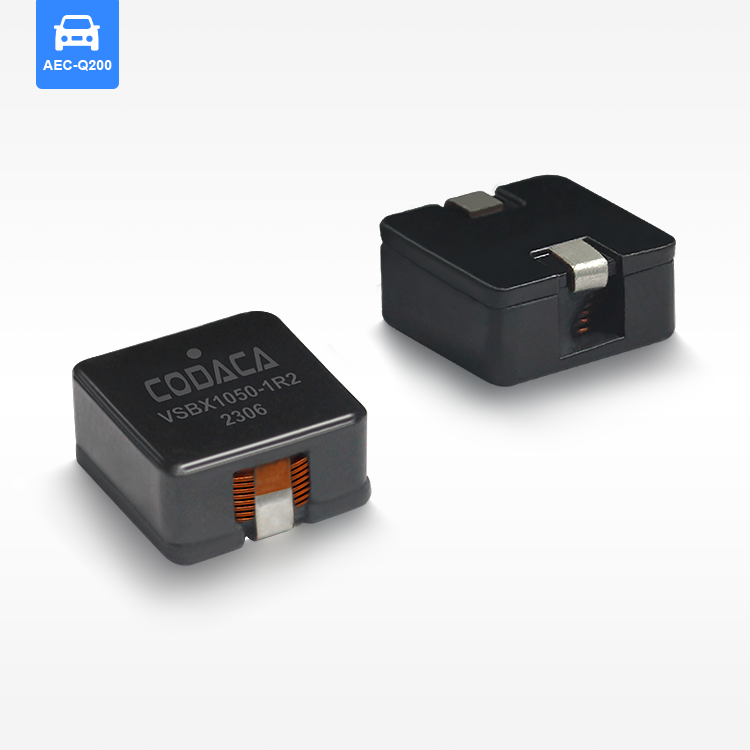
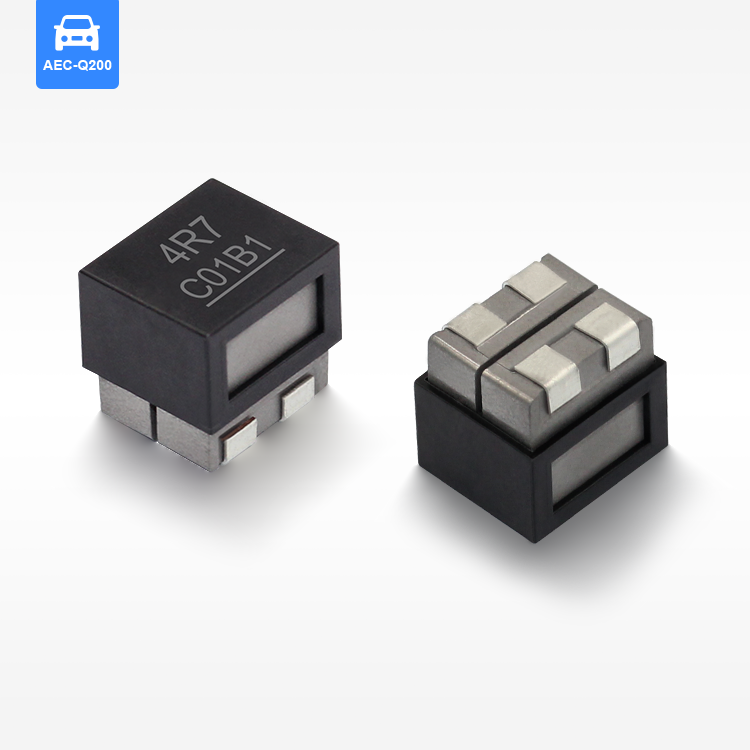
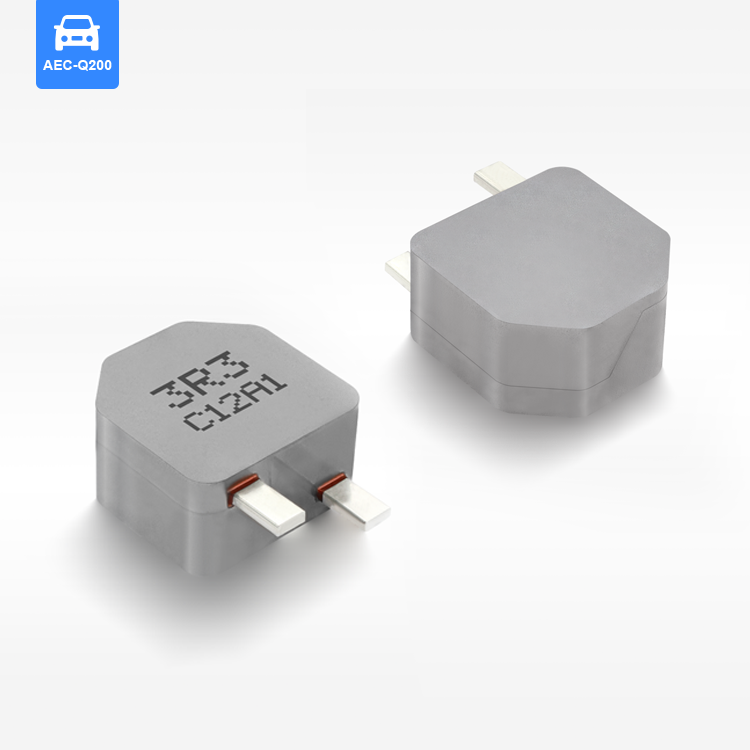
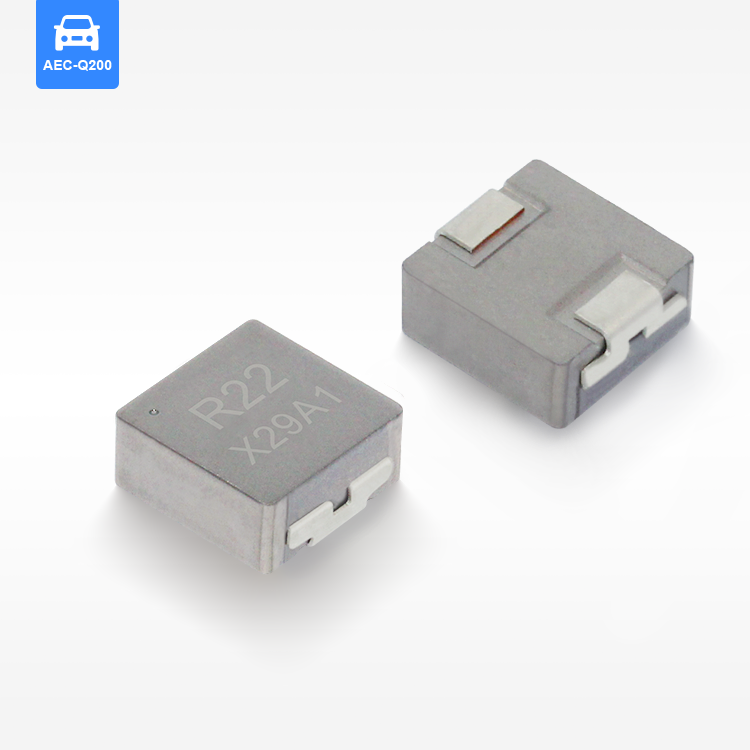
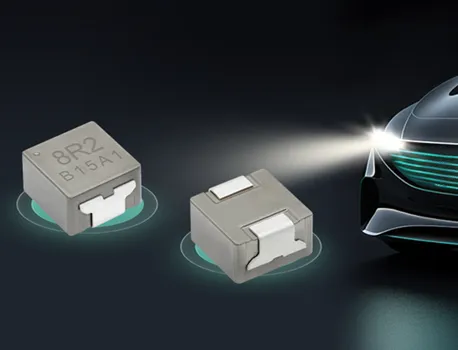
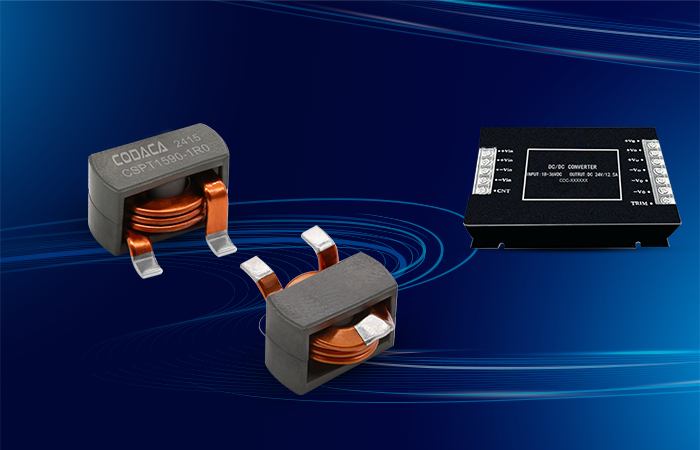
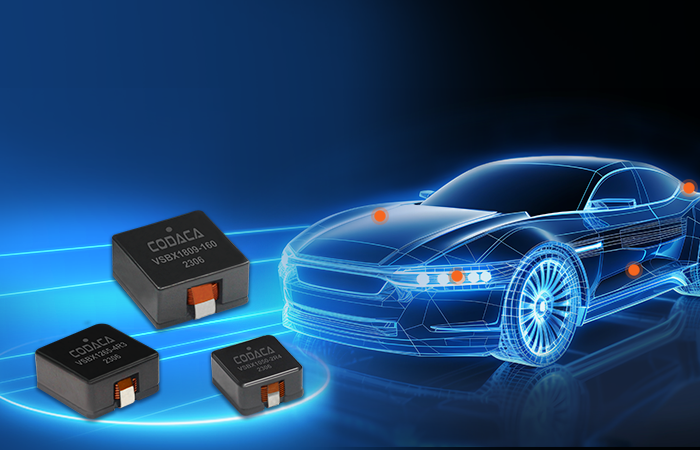
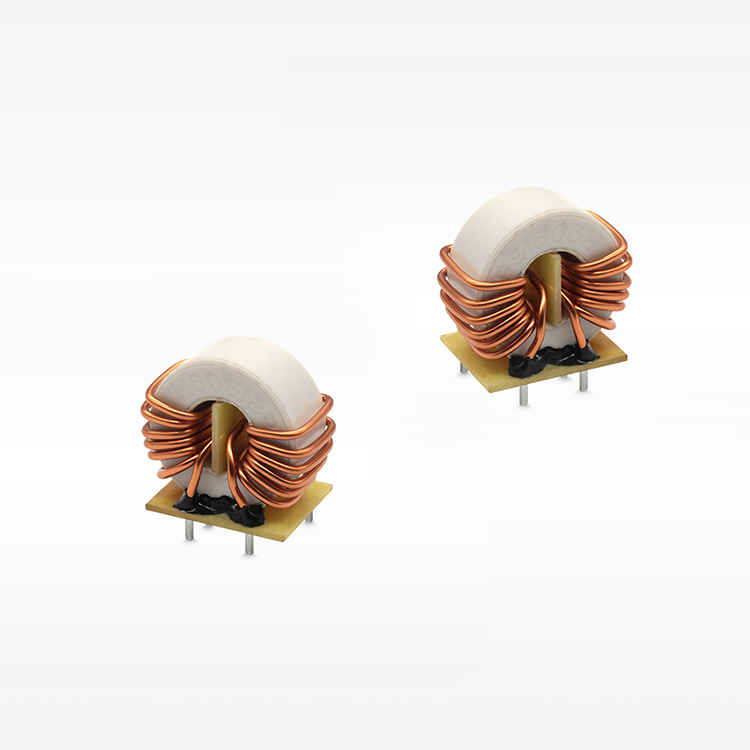
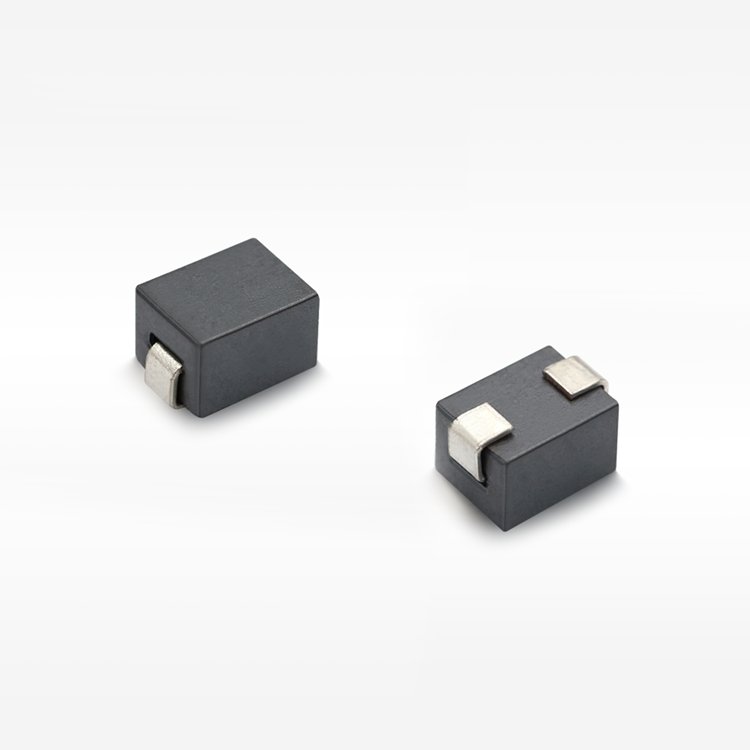
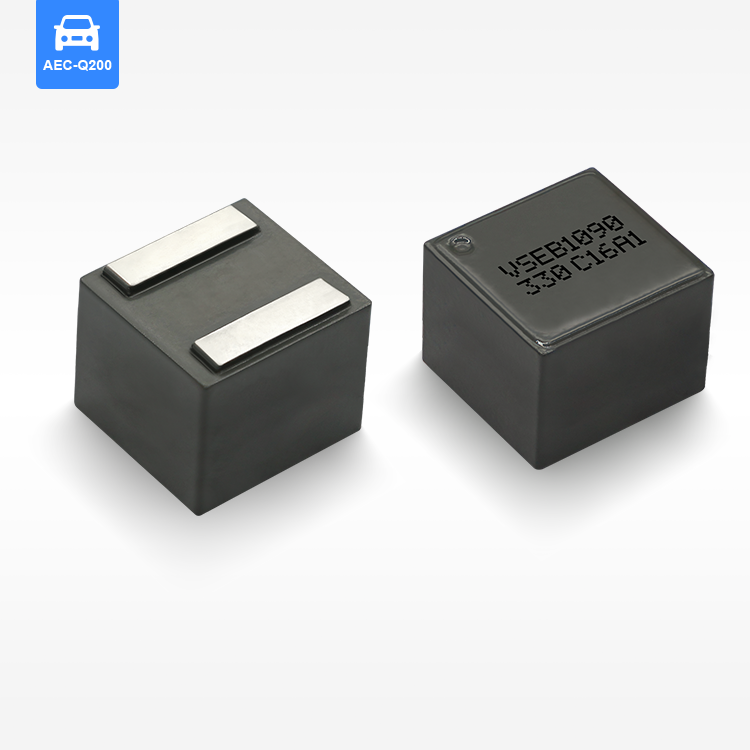
The magnetic shielded power inductor represents a sophisticated passive electronic component designed to store energy in magnetic fields while providing exceptional electromagnetic interference protection. This innovative device combines traditional inductance capabilities with advanced magnetic shielding technology, creating a solution that addresses modern electronic circuit demands. The magnetic shielded power inductor operates by utilizing a specially designed ferrite core encased in magnetic shielding materials that contain electromagnetic fields within the component boundaries. This containment prevents unwanted electromagnetic radiation from escaping and blocks external interference from affecting the inductor's performance. The core construction typically features high-permeability materials that enhance energy storage capacity while maintaining stable electrical characteristics across varying operating conditions. Power management circuits particularly benefit from these components due to their ability to handle substantial current loads without compromising performance or generating excessive heat. The technological architecture incorporates precision-wound copper wire configured to optimize inductance values while minimizing parasitic effects that could degrade circuit efficiency. Manufacturing processes employ automated winding techniques that ensure consistent impedance characteristics and reliable mechanical stability throughout the component's operational lifetime. Temperature compensation features built into the magnetic shielded power inductor design enable stable performance across wide temperature ranges, making them suitable for demanding environmental conditions. Quality control measures during production guarantee that each magnetic shielded power inductor meets stringent electrical specifications and mechanical durability standards. Applications span diverse industries including automotive electronics, telecommunications infrastructure, renewable energy systems, and consumer electronics where reliable power management remains critical. The versatile design accommodates various mounting configurations, enabling engineers to integrate these components seamlessly into both surface-mount and through-hole circuit board layouts. Electrical characteristics remain stable over extended operational periods, providing long-term reliability that reduces maintenance requirements and system downtime costs for end users.

New Products

The magnetic shielded power inductor delivers significant performance improvements that directly benefit engineers and system designers seeking reliable power management solutions. Enhanced electromagnetic compatibility represents the primary advantage, as the integrated shielding technology prevents electromagnetic interference from disrupting nearby sensitive components while simultaneously protecting the inductor from external electromagnetic disturbances. This dual protection capability eliminates the need for additional shielding components, reducing overall system complexity and manufacturing costs. Improved efficiency stands as another compelling benefit, with the magnetic shielded power inductor minimizing energy losses through optimized core materials and precision manufacturing processes. Users experience reduced power consumption, lower operating temperatures, and extended battery life in portable applications. The component's superior thermal management capabilities enable operation at higher current densities without performance degradation, allowing designers to create more compact and powerful electronic systems. Space-saving advantages emerge from the component's integrated design approach, eliminating the requirement for separate shielding solutions and enabling higher component density on circuit boards. This miniaturization capability proves particularly valuable in mobile devices, automotive electronics, and other applications where space constraints drive design decisions. Reliability improvements result from the robust construction methods employed in magnetic shielded power inductor manufacturing, with sealed core structures protecting against environmental contamination and mechanical stress. Extended operational lifespans reduce replacement costs and minimize system downtime, providing substantial long-term value for commercial and industrial applications. Cost-effectiveness manifests through reduced component counts, simplified assembly processes, and decreased electromagnetic compatibility testing requirements during product development phases. The standardized form factors and electrical specifications simplify procurement processes and enable easy component substitution when design modifications become necessary. Manufacturing scalability benefits emerge from established production processes that ensure consistent quality and availability for both prototype development and high-volume production runs. Technical support resources provided by manufacturers include comprehensive design guides, simulation models, and application assistance that accelerate product development timelines and reduce engineering costs for customers implementing magnetic shielded power inductor solutions in their systems.

Tips And Tricks

The Science Behind Automotive Grade Molding Power Choke Design

31

Mar

The Science Behind Automotive Grade Molding Power Choke Design

Introduction Automotive grade molding power chokes, also known as molded power inductors, are essential components in electrical circuits particularly within the automotive industry. These chokes consist of a coil of wire wound around a ferrite core...
View More
Compact High Current Power Inductor: A Comparison of Materials and Designs

01

Apr

Compact High Current Power Inductor: A Comparison of Materials and Designs

Mn-Zn Ferrite: High Permeability and Frequency Response Mn-Zn ferrite is highly regarded in the field of inductors due to its high permeability, which facilitates an efficient magnetic flux path. This characteristic translates into improved inductan...
View More
How to Select the Best Automotive Grade High Current Power Inductors for Your Needs

31

Mar

How to Select the Best Automotive Grade High Current Power Inductors for Your Needs

Understanding Automotive Grade Requirements for Power Inductors AEC-Q200 Compliance and Certification AEC-Q200 is an essential industry standard for automotive components, ensuring products meet high-quality, reliability, and safety thresholds. This...
View More
Molding Power Chokes: A Comprehensive Review of the Market

13

May

Molding Power Chokes: A Comprehensive Review of the Market

What Are Molding Power Chokes? Definition and Core Functionality Molding power chokes are inductive elements that control current flow within circuits. For the transport of electrical power, energy is advantageously stored in magnetic fields, w...
View More

Get a Free Quote

Our representative will contact you soon.
Email
Name
Company Name
Message
0/1000

magnetic shielded power inductor

Superior Electromagnetic Interference Suppression

Superior Electromagnetic Interference Suppression

The magnetic shielded power inductor excels in electromagnetic interference suppression through its innovative multi-layer shielding architecture that provides comprehensive protection against unwanted electromagnetic emissions and external interference. This advanced shielding system incorporates specialized ferrite materials and conductive barriers that create multiple interference suppression mechanisms working in synergy to maintain signal integrity and system performance. The primary shielding layer utilizes high-permeability ferrite materials that effectively contain magnetic fields generated during normal inductor operation, preventing these fields from coupling with adjacent circuit traces and components that could experience performance degradation. Secondary shielding elements provide additional electromagnetic barrier protection, creating a comprehensive containment system that exceeds traditional inductor shielding capabilities. This multi-faceted approach ensures that sensitive analog circuits, radio frequency components, and digital signal processing elements remain isolated from electromagnetic disturbances that could compromise system functionality. The shielding effectiveness measurements demonstrate significant attenuation levels across broad frequency ranges, making the magnetic shielded power inductor suitable for applications operating in electromagnetically challenging environments such as automotive systems, industrial control equipment, and telecommunications infrastructure. Manufacturing precision ensures consistent shielding performance across production batches, providing predictable electromagnetic compatibility characteristics that simplify system-level electromagnetic compliance testing and certification processes. The integrated shielding design eliminates the need for external electromagnetic interference suppression components such as ferrite beads, additional shield cans, or electromagnetic gaskets that would otherwise increase system complexity and manufacturing costs. Engineers benefit from reduced electromagnetic compatibility design iterations and faster time-to-market schedules when incorporating magnetic shielded power inductors into their designs. The comprehensive electromagnetic protection extends component operational reliability by preventing electromagnetic stress conditions that could accelerate component aging or cause intermittent performance issues over extended operational periods.

Enhanced Power Handling and Thermal Performance

Enhanced Power Handling and Thermal Performance

The magnetic shielded power inductor demonstrates exceptional power handling capabilities through advanced thermal management design features that enable sustained high-current operation without performance degradation or reliability concerns. Sophisticated core material selection combines high saturation flux density characteristics with optimized thermal conductivity properties, allowing the component to efficiently dissipate heat generated during power conversion processes while maintaining stable inductance values across varying load conditions. The thermal design incorporates strategic core geometry optimization that maximizes surface area contact with ambient air or thermal interface materials, promoting effective heat transfer from internal component structures to external heat sinking systems. Advanced winding techniques utilize high-grade copper conductors with optimized cross-sectional areas that minimize resistive losses while providing adequate current-carrying capacity for demanding power management applications. Temperature coefficient specifications remain tightly controlled across operational temperature ranges, ensuring predictable electrical performance characteristics that enable accurate circuit behavior modeling and system optimization. The enhanced power handling capabilities translate directly into improved system efficiency metrics, reduced thermal stress on adjacent components, and increased overall system reliability in challenging operational environments. Thermal cycling test results demonstrate superior performance stability compared to conventional inductors, with minimal electrical parameter drift observed across thousands of temperature excursion cycles that simulate real-world operational conditions. The robust thermal performance enables higher switching frequencies in power conversion circuits, facilitating smaller passive component values and more compact overall system designs. Heat generation minimization achieved through optimized core losses and conductor resistance values reduces cooling system requirements, lowering overall system power consumption and mechanical complexity. Long-term reliability benefits emerge from reduced thermal stress accumulation that can cause premature component failure in conventional inductors operating under similar power levels. The superior power handling characteristics make the magnetic shielded power inductor particularly suitable for automotive applications, renewable energy systems, and industrial power supplies where reliable high-power operation remains essential for system success and customer satisfaction.
Compact Design with Versatile Mounting Options

Compact Design with Versatile Mounting Options

The magnetic shielded power inductor features a remarkably compact design architecture that maximizes electrical performance density while providing flexible mounting configurations to accommodate diverse printed circuit board layout requirements and mechanical constraints. The miniaturized form factor results from innovative core design optimization that achieves maximum inductance values within minimal physical dimensions, enabling engineers to create more compact electronic systems without sacrificing electrical performance or reliability characteristics. Surface-mount technology compatibility ensures seamless integration with modern automated assembly processes, reducing manufacturing costs and improving production throughput for high-volume applications. The low-profile construction facilitates integration into space-constrained applications such as tablet computers, smartphones, and wearable electronic devices where vertical clearance limitations drive component selection decisions. Multiple package size options provide design flexibility, allowing engineers to select optimal component dimensions that balance electrical requirements with available board space constraints. The standardized footprint configurations ensure compatibility with existing circuit board layouts, minimizing redesign requirements when upgrading from conventional inductors to magnetic shielded power inductor solutions. Mechanical stability features include robust termination designs that withstand thermal cycling stress, mechanical shock, and vibration conditions commonly encountered in automotive and industrial applications. The compact design reduces parasitic effects such as stray capacitance and resistance that could degrade high-frequency performance characteristics in switching power supply circuits and radio frequency applications. Installation simplicity results from clearly marked orientation indicators and standardized pad layouts that prevent assembly errors and ensure consistent electrical connections during manufacturing processes. The space-efficient design enables higher component density on printed circuit boards, reducing overall system size and material costs while improving electromagnetic compatibility through reduced circuit loop areas. Design engineers benefit from comprehensive mechanical drawings and three-dimensional models that facilitate accurate mechanical integration planning and interference checking during product development phases. The versatile mounting approach accommodates both reflow soldering and wave soldering processes, providing manufacturing flexibility that supports various production volume requirements and assembly equipment configurations commonly used in electronics manufacturing facilities.