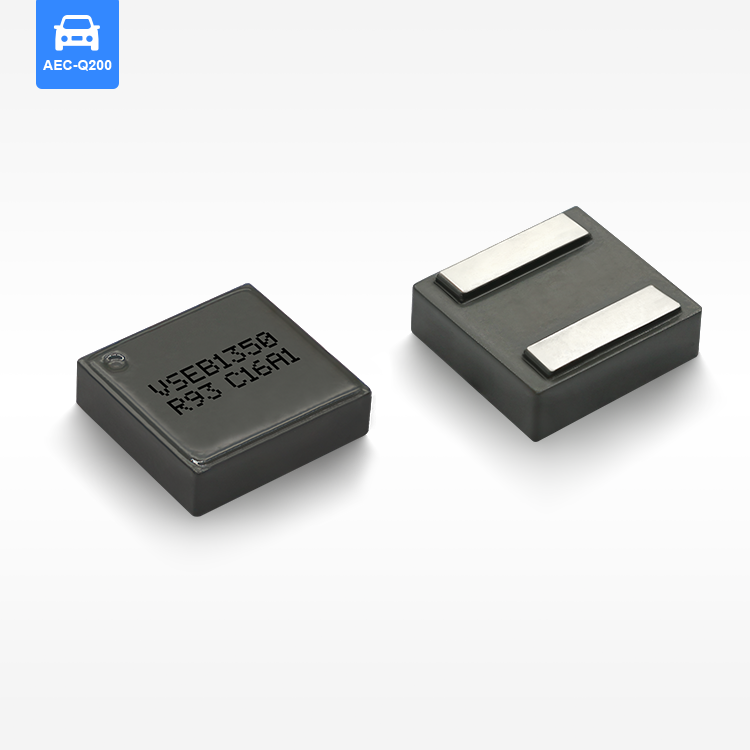
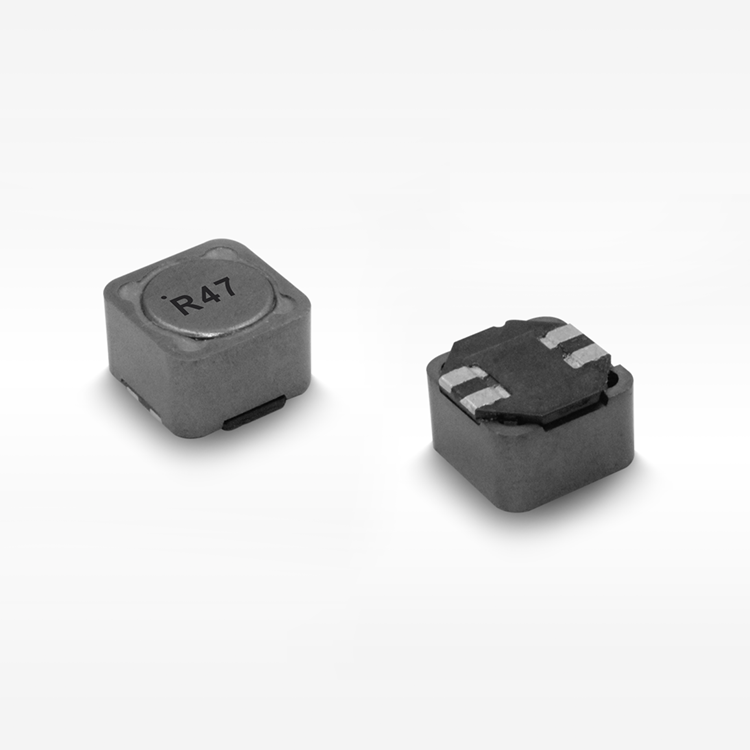
High Efficiency Shielded Power Inductors - Superior EMI Protection & Energy Performance

All Categories

Get a Free Quote

Our representative will contact you soon.
Email
Name
Company Name
Message
0/1000

high efficiency shielded power inductor

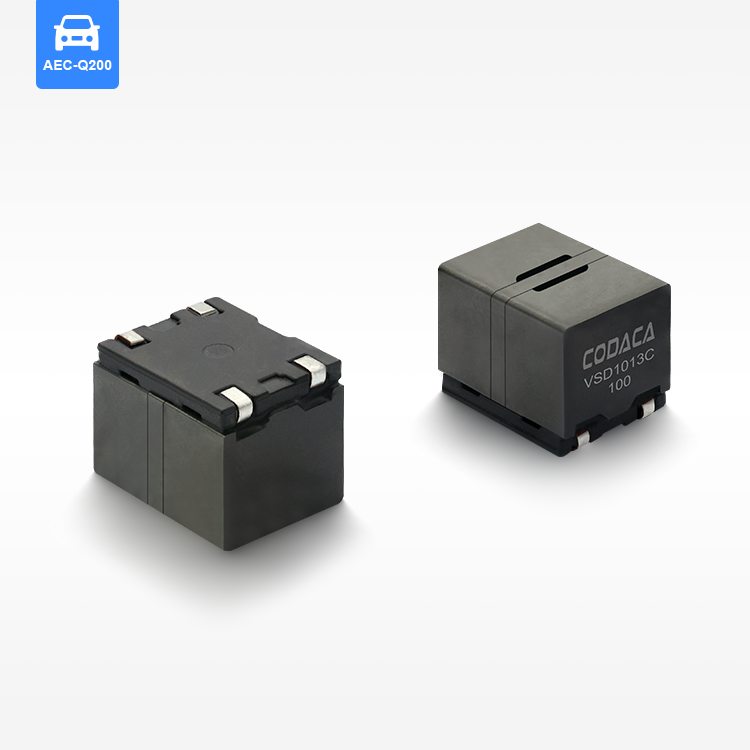
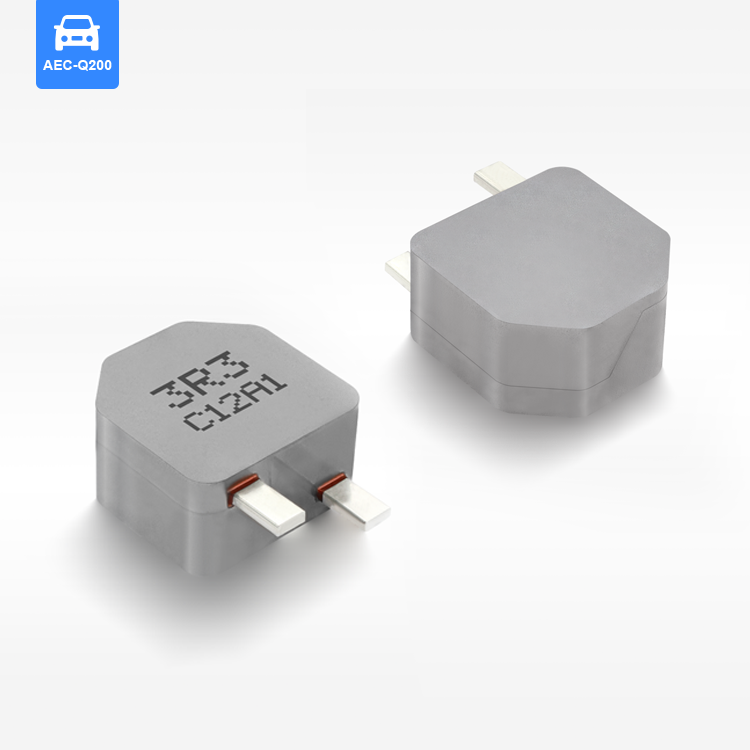
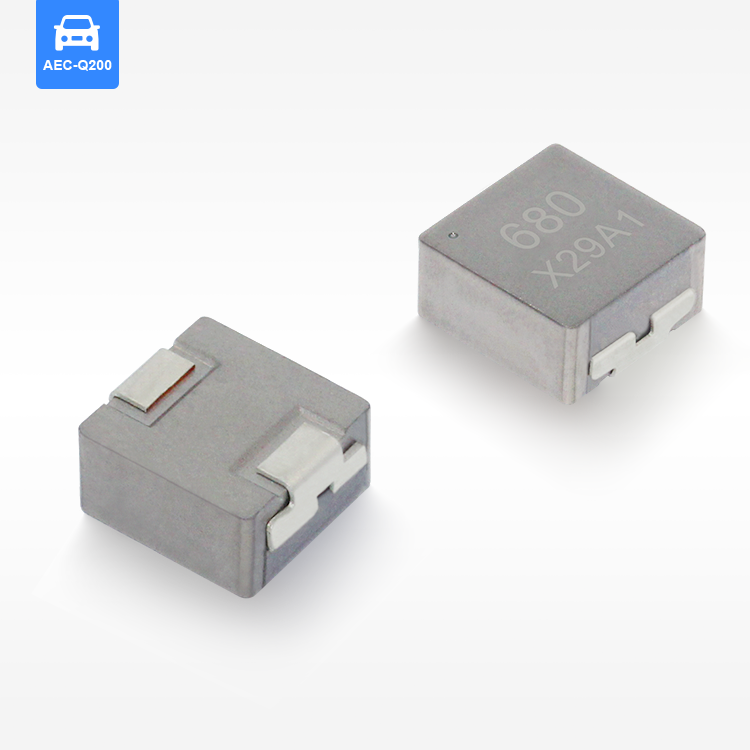
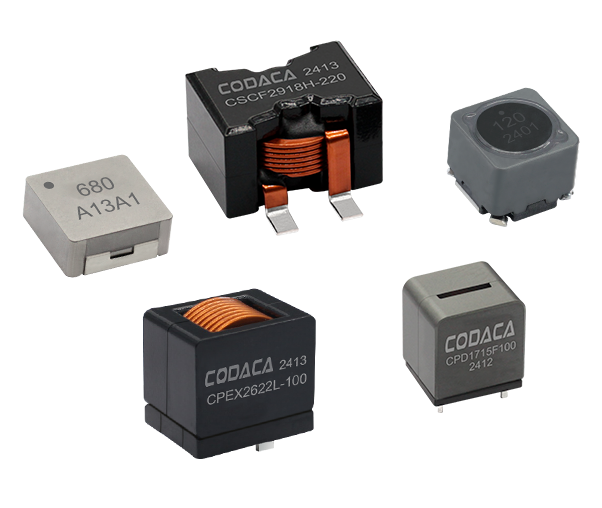
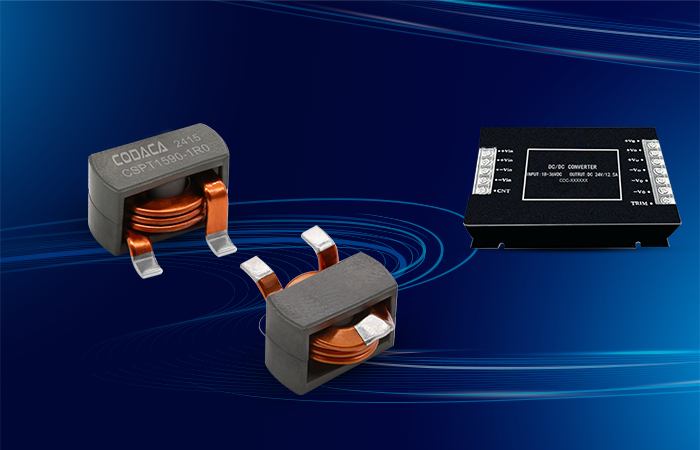
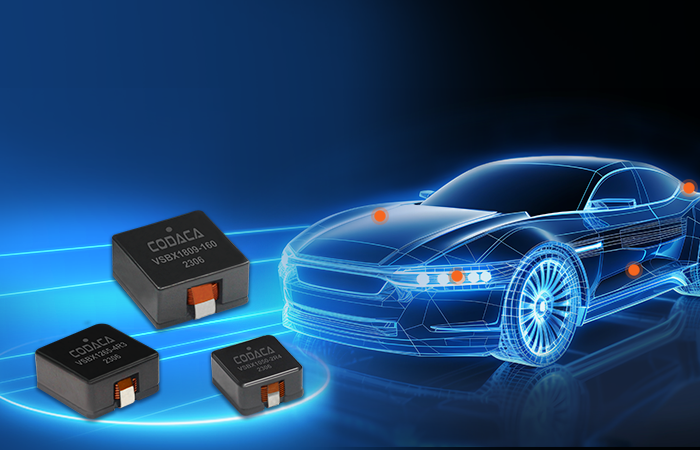
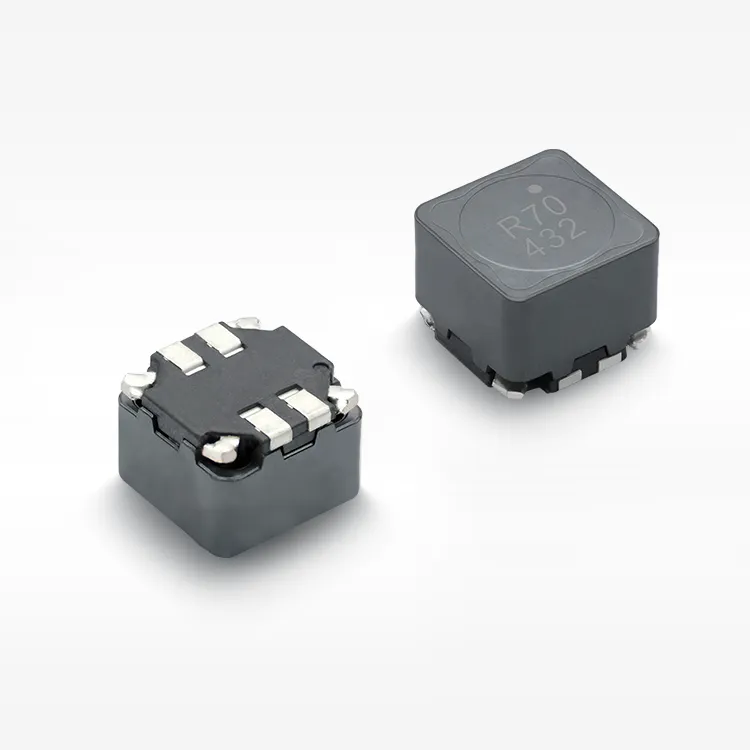
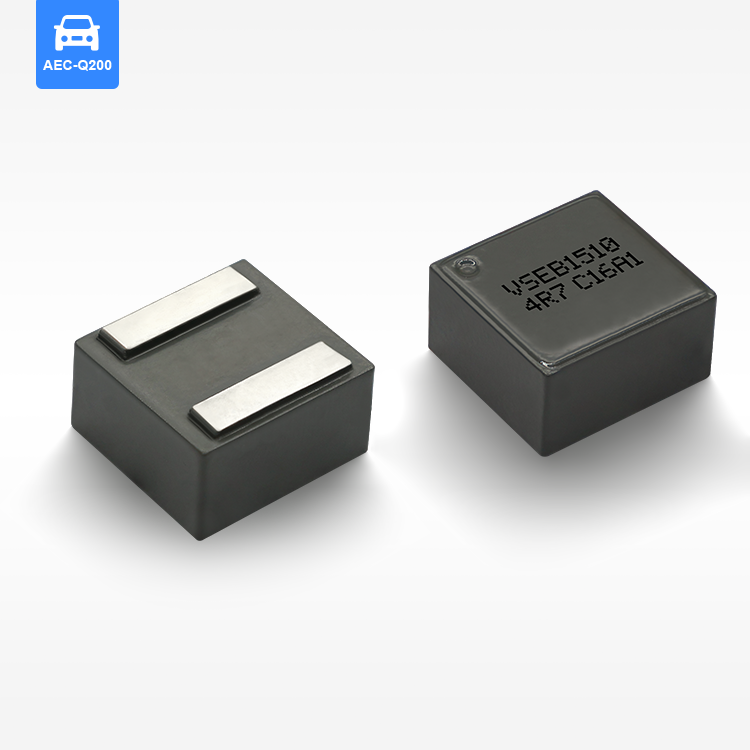
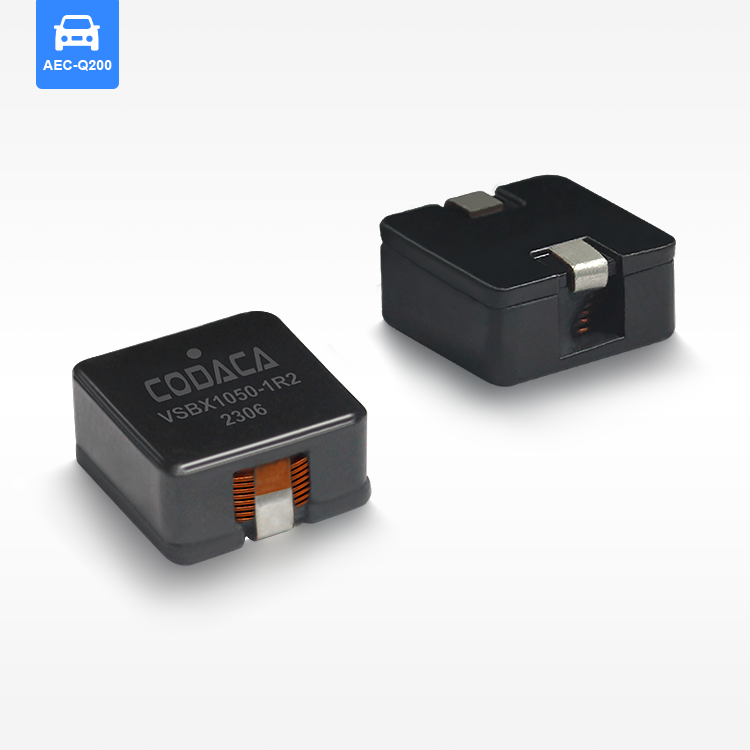
A high efficiency shielded power inductor represents a critical electronic component designed to store and release energy in electrical circuits while maintaining exceptional performance standards. This sophisticated device combines magnetic shielding technology with optimized coil designs to deliver superior electromagnetic interference suppression and enhanced power handling capabilities. The primary function of a high efficiency shielded power inductor centers on energy storage through magnetic fields, current filtering, and voltage regulation in various electronic applications. The magnetic shielding feature distinguishes this component from traditional inductors by containing electromagnetic fields within the device structure, preventing interference with nearby components and circuits. Technological innovations in high efficiency shielded power inductors include advanced core materials such as ferrite and powdered iron, which maximize magnetic permeability while minimizing core losses. Modern manufacturing techniques employ precision winding methods and automated assembly processes to ensure consistent electrical characteristics and mechanical reliability. The shielding mechanism typically utilizes magnetic materials or conductive enclosures that redirect electromagnetic fields, creating a contained environment for optimal inductor performance. These components feature low DC resistance characteristics, high saturation current ratings, and excellent temperature stability across wide operating ranges. Applications for high efficiency shielded power inductors span numerous industries including automotive electronics, telecommunications equipment, computer motherboards, LED lighting systems, and renewable energy converters. In switching power supplies, these inductors serve as energy storage elements in buck, boost, and buck-boost converter topologies. Mobile device manufacturers integrate high efficiency shielded power inductors into battery management systems and power distribution networks to maintain stable voltage levels while minimizing electromagnetic emissions. The automotive sector relies on these components for engine control units, infotainment systems, and electric vehicle charging infrastructure. Industrial automation systems utilize high efficiency shielded power inductors in motor drives, frequency converters, and power factor correction circuits where electromagnetic compatibility requirements demand superior shielding performance.

New Products

High efficiency shielded power inductors offer substantial benefits that directly impact system performance and operational costs for customers across diverse applications. The primary advantage stems from their ability to reduce electromagnetic interference, which eliminates the need for additional filtering components and simplifies circuit board layouts. This interference reduction translates to cleaner power delivery and improved signal integrity throughout electronic systems. Customers experience significant space savings because the integrated shielding eliminates external shielding requirements, allowing for more compact product designs and higher component density on printed circuit boards. The superior thermal management properties of high efficiency shielded power inductors enable reliable operation at elevated temperatures while maintaining stable electrical characteristics over extended periods. This thermal stability reduces the risk of component failure and extends product lifespan, resulting in lower maintenance costs and improved customer satisfaction. Energy efficiency improvements achieved through optimized core materials and winding techniques directly reduce power consumption, leading to longer battery life in portable devices and lower energy bills in stationary applications. The enhanced current handling capabilities allow customers to design systems with higher power densities without compromising reliability or safety margins. Manufacturing advantages include consistent electrical parameters due to automated production processes, which reduce design uncertainties and accelerate time-to-market for new products. The robust construction of high efficiency shielded power inductors provides excellent mechanical shock and vibration resistance, making them ideal for automotive and industrial applications where environmental stresses are common. Customers benefit from reduced electromagnetic compatibility testing requirements because the built-in shielding simplifies regulatory compliance processes. The low profile designs available in high efficiency shielded power inductors enable thinner product form factors, meeting consumer demands for sleeker electronic devices. Cost advantages emerge through simplified assembly processes, reduced component count, and elimination of additional shielding materials. Quality improvements result from tighter manufacturing tolerances and advanced quality control measures implemented during production. Field reliability data demonstrates superior long-term performance compared to conventional inductors, reducing warranty costs and customer support requirements. The wide variety of available inductance values, current ratings, and package sizes provides design flexibility while maintaining the benefits of magnetic shielding technology.

Latest News

Industrial Power Inductors: The Key to Improving Power Conversion Efficiency

07

Apr

Industrial Power Inductors: The Key to Improving Power Conversion Efficiency

Power inductors play a vital role in modern power electronics. They store energy efficiently and release it when needed, ensuring smooth energy transfer. You rely on them to reduce energy losses in systems like DC-DC converters. This improves overall...
View More
Compact High Current Power Inductor: A Comparison of Materials and Designs

01

Apr

Compact High Current Power Inductor: A Comparison of Materials and Designs

Mn-Zn Ferrite: High Permeability and Frequency Response Mn-Zn ferrite is highly regarded in the field of inductors due to its high permeability, which facilitates an efficient magnetic flux path. This characteristic translates into improved inductan...
View More
How to Select the Best Automotive Grade High Current Power Inductors for Your Needs

31

Mar

How to Select the Best Automotive Grade High Current Power Inductors for Your Needs

Understanding Automotive Grade Requirements for Power Inductors AEC-Q200 Compliance and Certification AEC-Q200 is an essential industry standard for automotive components, ensuring products meet high-quality, reliability, and safety thresholds. This...
View More
The Role of Molding Power Chokes in Energy Storage Systems

13

May

The Role of Molding Power Chokes in Energy Storage Systems

Understanding Molding Power Chokes in Energy Storage Definition and Core Components Power Chokes are important inductive devices used in energy storage systems and they are commonly used to filter high frequency signals. These chokes are mainly...
View More

Get a Free Quote

Our representative will contact you soon.
Email
Name
Company Name
Message
0/1000

high efficiency shielded power inductor

Advanced Magnetic Shielding Technology for Superior EMI Protection

Advanced Magnetic Shielding Technology for Superior EMI Protection

The revolutionary magnetic shielding technology integrated into high efficiency shielded power inductors provides unparalleled electromagnetic interference protection that transforms circuit design possibilities for engineers and manufacturers. This sophisticated shielding system employs carefully selected magnetic materials and geometric configurations that effectively contain electromagnetic fields within the inductor structure, preventing unwanted coupling with adjacent components and circuits. The shielding effectiveness typically exceeds 40 dB across critical frequency ranges, ensuring robust protection against electromagnetic interference that could compromise system performance or regulatory compliance. This advanced protection mechanism eliminates the need for external shielding cans, ferrite beads, or additional filtering components that traditionally consume valuable board space and increase manufacturing costs. The magnetic shielding technology enables dense component placement on printed circuit boards without concern for electromagnetic interference between neighboring inductors or sensitive analog circuits. Engineers can position high efficiency shielded power inductors directly adjacent to microprocessors, radio frequency circuits, or precision measurement devices without experiencing performance degradation. The shielding effectiveness remains consistent across temperature variations and aging processes, providing reliable long-term protection throughout the product lifecycle. This technology particularly benefits high-frequency switching applications where electromagnetic emissions tend to be most problematic, allowing designers to implement faster switching frequencies for improved efficiency without compromising electromagnetic compatibility. The contained magnetic field also reduces losses in nearby conductive materials such as copper traces, heat sinks, or metallic enclosures, contributing to overall system efficiency improvements. Customers operating in regulated industries such as medical devices, automotive electronics, or aerospace applications find that high efficiency shielded power inductors simplify compliance with stringent electromagnetic compatibility standards. The advanced shielding technology supports multi-layer circuit board designs where space constraints demand close proximity between power conversion circuits and sensitive digital or analog signal paths. Quality assurance testing validates the shielding effectiveness through rigorous electromagnetic compatibility measurements, ensuring consistent performance across production batches.
Superior Energy Efficiency Through Optimized Core Materials and Design

Superior Energy Efficiency Through Optimized Core Materials and Design

High efficiency shielded power inductors achieve exceptional energy performance through breakthrough core material technologies and precision-engineered designs that maximize power transfer while minimizing losses across diverse operating conditions. The advanced core materials incorporate specialized ferrite compositions and powdered metal alloys that exhibit superior magnetic permeability characteristics combined with minimal hysteresis and eddy current losses. These carefully formulated materials maintain stable magnetic properties across wide temperature ranges, ensuring consistent inductor performance from startup conditions through maximum operating temperatures. The optimized core geometry employs finite element analysis techniques during development to minimize magnetic flux leakage while maximizing energy storage capacity per unit volume. Manufacturing precision ensures uniform core material distribution and eliminates air gaps that could reduce efficiency or create performance variations between production units. The enhanced efficiency directly translates to reduced power consumption in end applications, extending battery life in portable devices and reducing energy costs in stationary systems. Thermal management improvements result from lower core losses, reducing the need for additional cooling mechanisms and enabling higher power density designs. The superior efficiency characteristics become particularly valuable in applications requiring continuous operation, where even small efficiency improvements generate substantial energy savings over time. Switching power supply applications benefit from reduced ripple current and improved transient response characteristics that enhance overall system performance and reliability. The optimized design approach considers the entire magnetic circuit, including winding configuration and termination methods, to minimize parasitic resistances and inductances that could compromise efficiency. Advanced measurement techniques verify efficiency performance under realistic operating conditions, including various load currents, switching frequencies, and temperature environments. Quality control processes monitor core material properties and manufacturing parameters to ensure consistent efficiency performance across production volumes. The superior energy efficiency enables customers to meet increasingly stringent energy consumption regulations while maintaining competitive performance specifications. Environmental benefits emerge through reduced power consumption, contributing to lower carbon footprints for electronic products incorporating these advanced inductors.
Exceptional Reliability and Durability for Demanding Applications

Exceptional Reliability and Durability for Demanding Applications

High efficiency shielded power inductors deliver outstanding reliability and durability characteristics that ensure dependable operation throughout extended service lives in challenging environmental conditions and demanding applications. The robust construction methodology employs advanced materials and manufacturing techniques specifically designed to withstand mechanical stress, thermal cycling, humidity exposure, and chemical contamination that commonly occur in real-world operating environments. Quality assurance processes include accelerated life testing protocols that simulate years of normal operation within compressed timeframes, validating long-term reliability predictions and identifying potential failure modes before production release. The magnetic shielding structure provides additional mechanical protection for internal windings while maintaining electrical isolation and preventing moisture ingress that could compromise performance over time. Specialized wire insulation systems resist thermal degradation and chemical attack, ensuring stable electrical characteristics throughout the specified operating temperature range. Soldering reliability receives particular attention through terminal design optimization and material selection that prevents thermal stress-induced failures during assembly and subsequent thermal cycling. Vibration and shock resistance testing validates mechanical integrity for automotive, aerospace, and industrial applications where environmental stresses exceed typical consumer electronics requirements. The encapsulation materials and processes create hermetic seals that prevent contamination ingress while allowing thermal expansion and contraction without inducing mechanical stress concentrations. Electrical reliability testing encompasses overvoltage conditions, current surge events, and electromagnetic pulse exposure to ensure robust operation under fault conditions and electrical transients. Field failure analysis data from deployed applications confirms laboratory reliability predictions and provides continuous feedback for product improvement initiatives. The superior reliability characteristics reduce maintenance requirements and warranty costs for customers while improving end-user satisfaction through consistent product performance. Manufacturing quality systems implement statistical process control methods that monitor critical parameters and ensure consistent reliability performance across production batches. Environmental compliance testing validates performance under extreme temperature, humidity, and corrosive atmosphere conditions that may be encountered in industrial or automotive applications. The exceptional durability enables customers to design products with extended warranty periods and reduced service requirements, providing competitive advantages in markets where reliability represents a key differentiating factor.