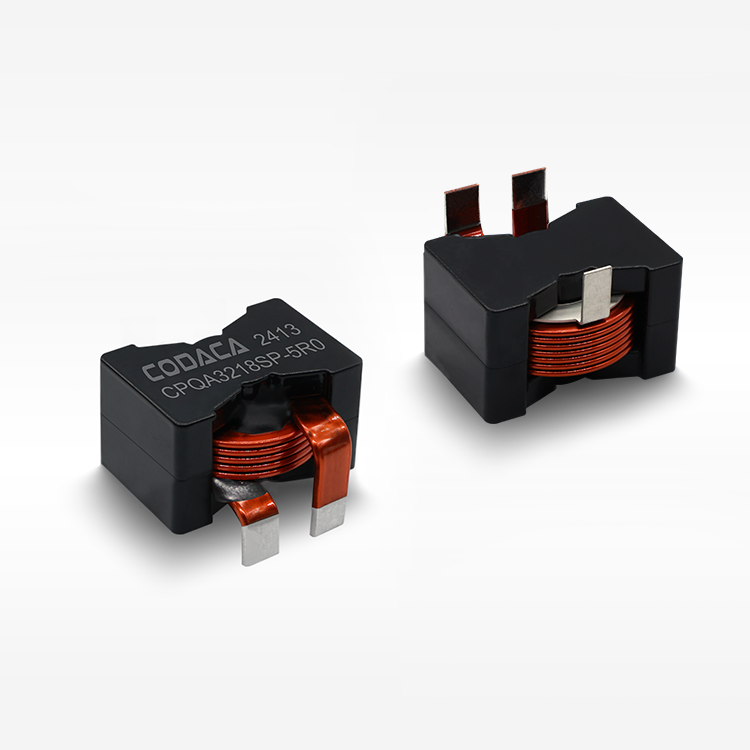
High Saturation Current Shielded Inductors - Superior Power Management Solutions

All Categories

Get a Free Quote

Our representative will contact you soon.
Email
Name
Company Name
Message
0/1000

high saturation current shielded inductor

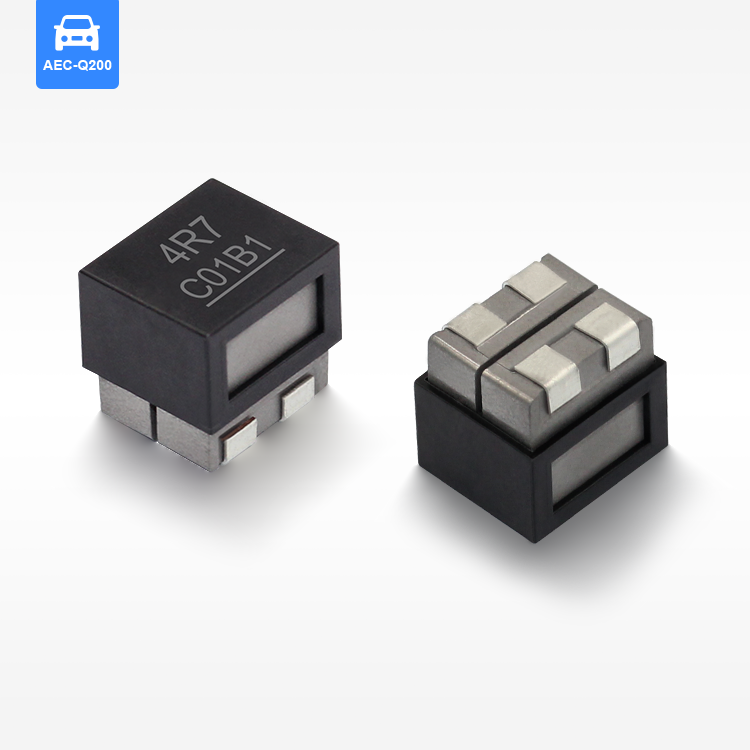
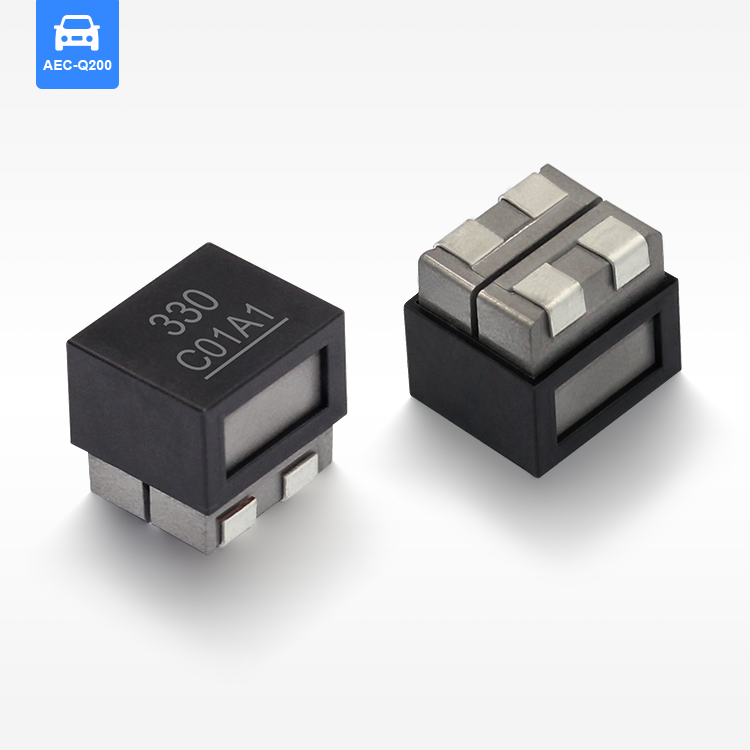
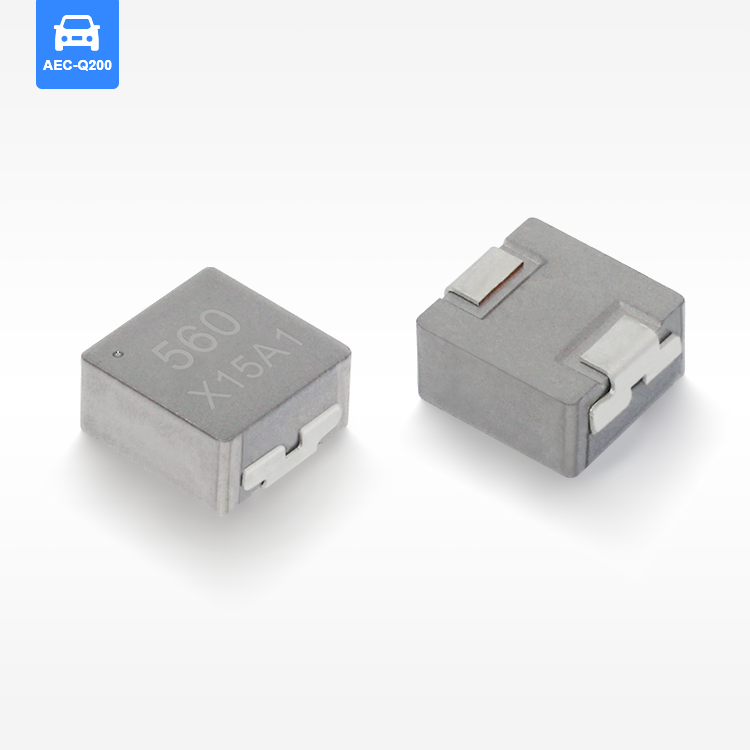
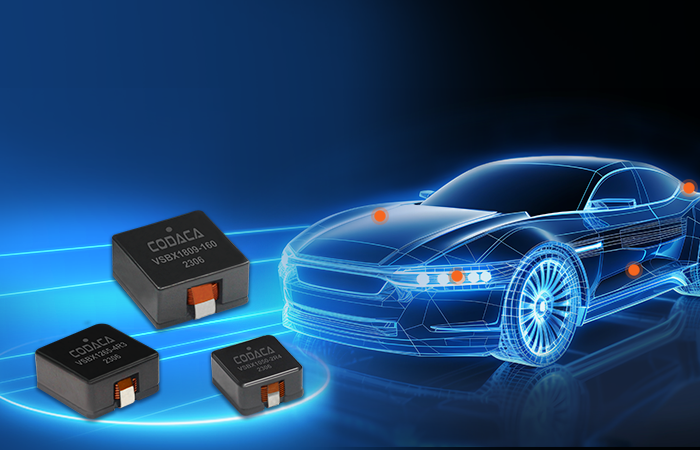
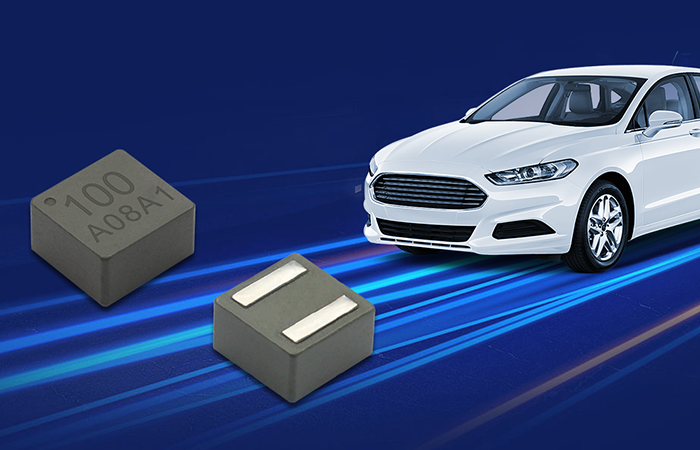
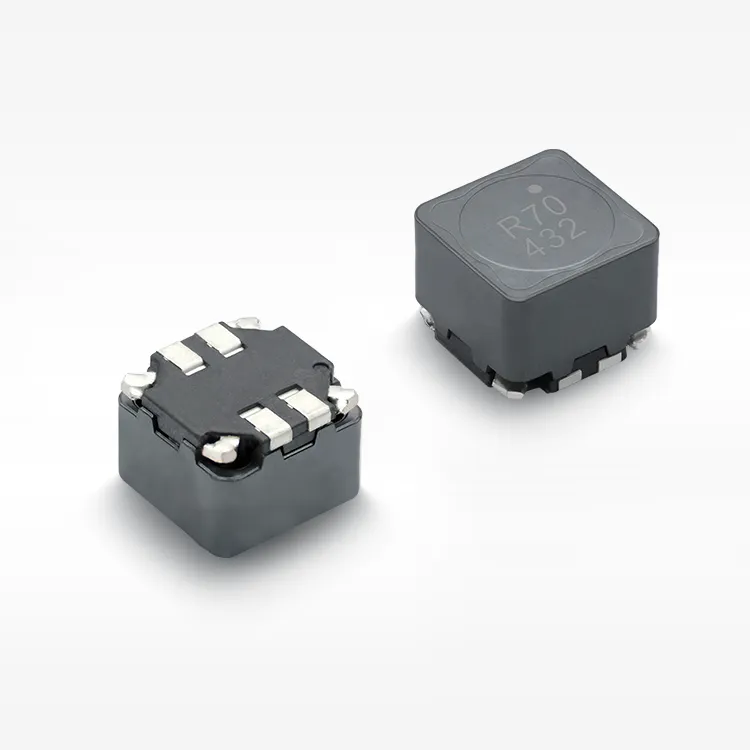
The high saturation current shielded inductor represents a sophisticated electronic component engineered to deliver exceptional performance in power management applications. This specialized inductor combines advanced magnetic core materials with precise winding techniques and integrated magnetic shielding to achieve superior electrical characteristics. The primary function of a high saturation current shielded inductor centers on energy storage and filtering within electronic circuits, particularly in switching power supplies, DC-DC converters, and voltage regulation modules. The component stores electrical energy in its magnetic field when current flows through its windings, then releases this energy as needed to maintain stable circuit operation. The shielding feature provides crucial electromagnetic interference suppression, preventing unwanted signal coupling between adjacent components and ensuring clean power delivery. Technological features include ferrite or powdered iron cores optimized for high magnetic permeability and saturation resistance. The core geometry and material composition allow these inductors to handle significantly higher current levels before magnetic saturation occurs compared to standard inductors. Advanced winding configurations using copper wire or specialized conductive materials minimize resistive losses while maximizing current-carrying capacity. The integrated shield, typically constructed from ferrite material or metal housing, creates a closed magnetic path that contains the magnetic field and reduces external interference. Manufacturing processes involve precision core assembly, controlled winding tension, and automated shield integration to ensure consistent electrical parameters. Applications span automotive electronics, telecommunications equipment, computer power supplies, LED drivers, solar inverters, and industrial motor controls. These inductors excel in high-power density designs where space constraints demand compact components capable of handling substantial current loads. The combination of high saturation current capability and effective shielding makes these components ideal for noise-sensitive applications requiring both power efficiency and electromagnetic compatibility compliance.

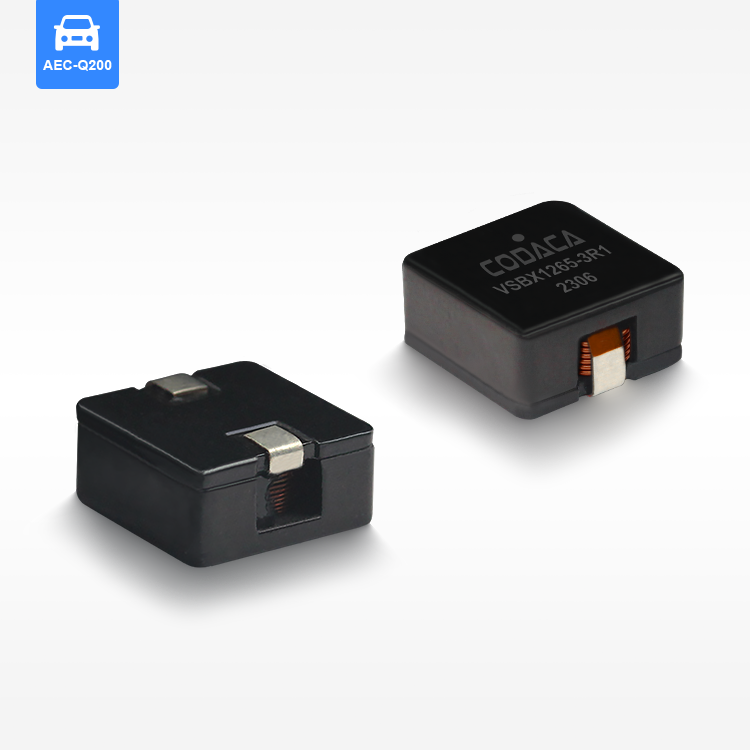
New Product Recommendations

High saturation current shielded inductors deliver numerous practical benefits that directly impact system performance and reliability. The enhanced current handling capability allows engineers to design more compact power circuits without compromising electrical performance. Traditional inductors experience magnetic core saturation at lower current levels, causing inductance value degradation and increased losses. The high saturation current design maintains stable inductance values even under heavy load conditions, ensuring consistent power delivery and improved system efficiency. This stability translates to better voltage regulation and reduced ripple current in power supply applications. The integrated shielding feature provides exceptional electromagnetic interference protection that eliminates the need for additional external shielding components. This reduction in component count simplifies board layout, reduces manufacturing costs, and saves valuable printed circuit board real estate. The shield also prevents magnetic coupling between nearby inductors and sensitive analog circuits, improving overall system performance and reducing design complexity. Thermal management benefits emerge from the optimized core materials and construction techniques used in these inductors. Lower core losses generate less heat, extending component lifespan and reducing cooling requirements in densely packed electronic assemblies. The improved thermal characteristics allow for higher power density designs without thermal management concerns. Manufacturing advantages include consistent electrical parameters across production runs due to automated winding and shield integration processes. This consistency reduces component tolerance requirements and simplifies inventory management for manufacturers. The robust construction provides excellent mechanical stability and vibration resistance, making these inductors suitable for harsh operating environments including automotive and industrial applications. Cost benefits materialize through reduced system complexity, fewer external components, and improved reliability that decreases warranty claims and field failures. The high current capability often allows designers to use fewer parallel inductors, further reducing costs and improving reliability. Energy efficiency improvements result from lower core losses and optimized magnetic characteristics, contributing to reduced operating costs and extended battery life in portable applications. The combination of performance, reliability, and cost advantages makes high saturation current shielded inductors an excellent choice for modern power management systems requiring both high performance and economic viability.

Practical Tips

How to Select the Best Automotive Grade High Current Power Inductors for Your Needs

31

Mar

How to Select the Best Automotive Grade High Current Power Inductors for Your Needs

Understanding Automotive Grade Requirements for Power Inductors AEC-Q200 Compliance and Certification AEC-Q200 is an essential industry standard for automotive components, ensuring products meet high-quality, reliability, and safety thresholds. This...
View More
Choosing the Right Automotive grade Molded Power Inductor for Your Application

02

Apr

Choosing the Right Automotive grade Molded Power Inductor for Your Application

Inductance and Current Ratings: Balancing Ripple and Saturation In automotive applications, understanding the balance between inductance and current ratings is essential. These benchmarks ensure that ripple voltage is minimized and saturation curren...
View More
The Role of Molding Power Chokes in Energy Storage Systems

13

May

The Role of Molding Power Chokes in Energy Storage Systems

Understanding Molding Power Chokes in Energy Storage Definition and Core Components Power Chokes are important inductive devices used in energy storage systems and they are commonly used to filter high frequency signals. These chokes are mainly...
View More
Molding Power Chokes: A Comprehensive Review of the Market

13

May

Molding Power Chokes: A Comprehensive Review of the Market

What Are Molding Power Chokes? Definition and Core Functionality Molding power chokes are inductive elements that control current flow within circuits. For the transport of electrical power, energy is advantageously stored in magnetic fields, w...
View More

Get a Free Quote

Our representative will contact you soon.
Email
Name
Company Name
Message
0/1000

high saturation current shielded inductor

Superior Current Handling Without Performance Degradation

Superior Current Handling Without Performance Degradation

The exceptional current handling capability of high saturation current shielded inductors represents their most significant technological advancement over conventional inductor designs. Traditional ferrite core inductors begin to saturate at relatively low current levels, typically ranging from 30-50 percent of their maximum rated current. When saturation occurs, the magnetic core can no longer store additional magnetic energy effectively, causing the inductance value to drop dramatically and creating unwanted harmonics that degrade circuit performance. High saturation current shielded inductors utilize advanced core materials and optimized magnetic circuit designs that maintain stable inductance values at current levels approaching 80-90 percent of their maximum rating. This extended linear operating range provides engineers with significantly greater design flexibility and allows for more aggressive power density targets without sacrificing electrical performance. The core materials typically consist of distributed air gap ferrite cores or specialized powdered iron formulations that exhibit gradual saturation characteristics rather than the sharp saturation onset found in conventional designs. This gradual saturation behavior ensures predictable performance even under transient conditions or temporary overload situations. The practical implications of this superior current handling capability extend throughout the entire power management system. In DC-DC converter applications, the stable inductance value ensures consistent switching frequency operation and predictable efficiency characteristics across the full load range. This stability eliminates the need for complex compensation circuits that would otherwise be required to maintain regulation accuracy as inductor parameters change with load current. The higher current capability also enables the use of smaller physical inductor sizes for a given power level, contributing to overall system miniaturization goals. Manufacturing benefits include reduced component count requirements, as fewer parallel inductors are needed to achieve desired current ratings. This reduction in component count improves system reliability by eliminating potential failure points and simplifies procurement and inventory management processes. The consistent performance characteristics also reduce the need for extensive design validation testing across various operating conditions, accelerating product development cycles and reducing time-to-market pressures.
Integrated Electromagnetic Shielding for Superior Signal Integrity

Integrated Electromagnetic Shielding for Superior Signal Integrity

The integrated electromagnetic shielding feature of high saturation current shielded inductors provides comprehensive protection against electromagnetic interference while simultaneously containing the component's own magnetic field emissions. This dual-function shielding system addresses two critical design challenges in modern high-density electronic systems: preventing external interference from disrupting sensitive circuits and eliminating mutual coupling between adjacent magnetic components. The shield construction typically employs ferrite sleeves or metal housings that create a complete magnetic circuit path around the inductor windings and core assembly. This closed magnetic path ensures that virtually all magnetic flux remains contained within the component structure rather than radiating into the surrounding environment. The shielding effectiveness typically exceeds 40 decibels across the frequency range most critical for switching power supply applications, providing exceptional protection against both conducted and radiated electromagnetic interference. The practical benefits of integrated shielding extend far beyond simple interference suppression. In high-density circuit board layouts where multiple inductors operate in close proximity, the shielding prevents magnetic coupling that could otherwise cause unpredictable interactions between different power rails or create instability in control loops. This isolation capability allows engineers to place inductors much closer together than would be possible with unshielded components, enabling more compact product designs without performance compromises. The shield also protects sensitive analog circuits, such as voltage references and feedback networks, from magnetic field interference that could introduce noise or offset errors. This protection is particularly valuable in mixed-signal applications where analog and digital circuits share the same printed circuit board real estate. Manufacturing advantages include simplified electromagnetic compatibility compliance testing, as the integrated shielding significantly reduces the component's electromagnetic emissions profile. This reduction often eliminates the need for additional board-level shielding or filtering components, reducing both material costs and assembly complexity. The consistent shielding performance across production lots also ensures predictable electromagnetic compatibility characteristics in final product testing, reducing the risk of compliance failures and associated redesign costs. The integrated nature of the shielding also provides mechanical protection for the inductor windings and core assembly, improving reliability in applications subject to vibration or mechanical stress.
Optimized Thermal Performance and Power Efficiency

Optimized Thermal Performance and Power Efficiency

The thermal performance and power efficiency optimization of high saturation current shielded inductors results from advanced core materials, precision manufacturing techniques, and intelligent thermal management integration. These components achieve significantly lower core losses compared to traditional inductor designs through the use of low-loss ferrite materials and optimized magnetic circuit geometries that minimize eddy current formation and hysteresis losses. The core loss reduction translates directly into improved power efficiency and reduced heat generation, creating a positive feedback effect that enables higher power density operation without thermal management concerns. The thermal characteristics benefit from distributed air gap construction that spreads magnetic flux more evenly throughout the core volume, preventing localized hot spots that could degrade performance or reduce component lifespan. Advanced winding techniques using high-grade copper conductors with optimized cross-sectional areas minimize resistive losses while maintaining excellent thermal conductivity between the windings and external environment. The integrated shielding structure often incorporates thermal management features such as extended surface area or thermally conductive materials that facilitate heat dissipation to the surrounding environment or printed circuit board thermal planes. These thermal enhancements enable continuous operation at higher current levels without exceeding safe operating temperatures, expanding the practical application range of the components. Power efficiency improvements typically range from 2-5 percentage points compared to conventional inductors in equivalent applications, representing significant energy savings in high-power or continuous operation scenarios. This efficiency improvement reduces operating costs and extends battery life in portable applications while contributing to overall system thermal management goals. The lower operating temperatures also improve long-term reliability by reducing thermal stress on component materials and solder joints. Manufacturing quality control processes ensure consistent thermal characteristics across production runs through automated testing and material property verification. The optimized thermal performance enables these inductors to meet demanding automotive and industrial temperature requirements while maintaining full electrical specifications. Environmental benefits include reduced cooling requirements that lower overall system power consumption and enable fanless operation in many applications. The combination of improved efficiency and thermal performance creates opportunities for innovative product designs that push the boundaries of power density while maintaining excellent reliability and performance characteristics across diverse operating conditions and environmental requirements.