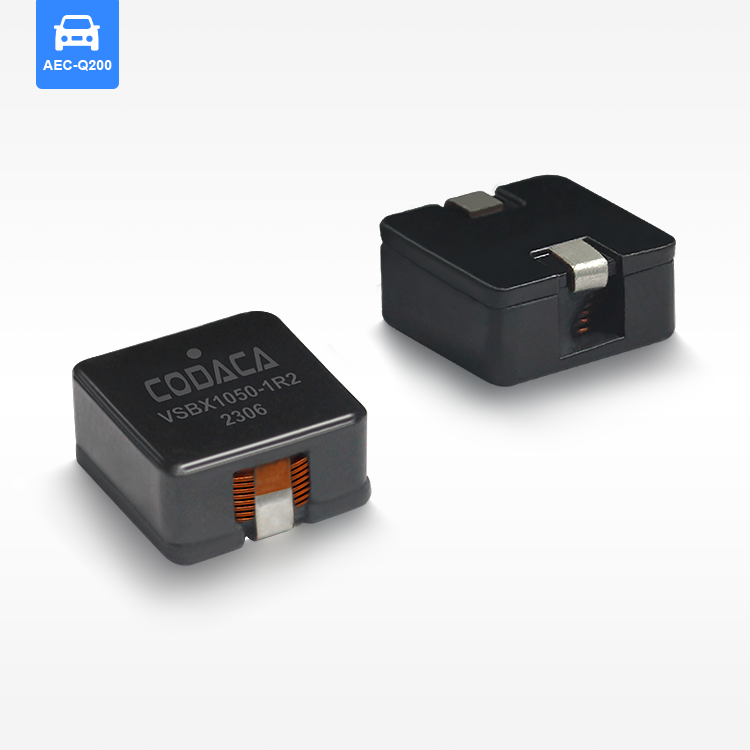
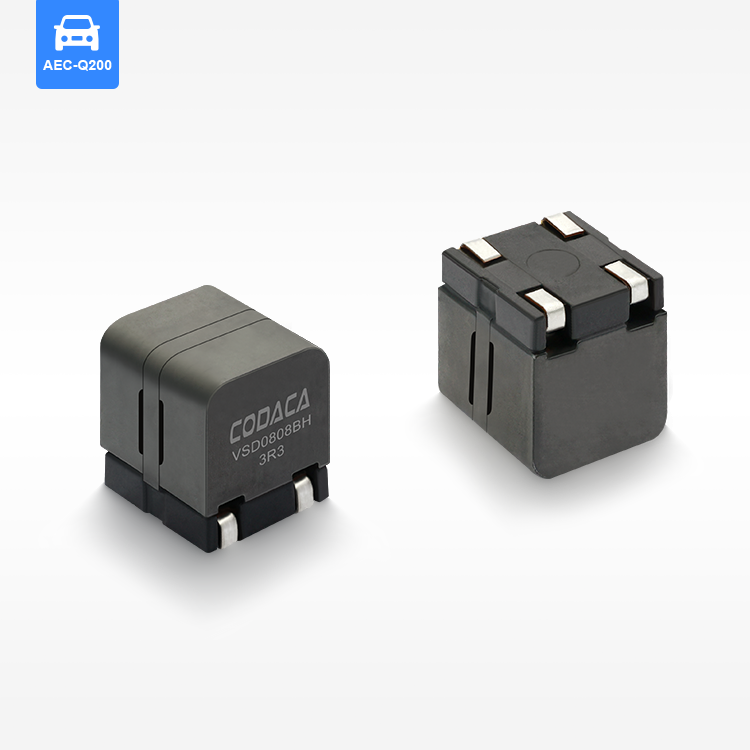
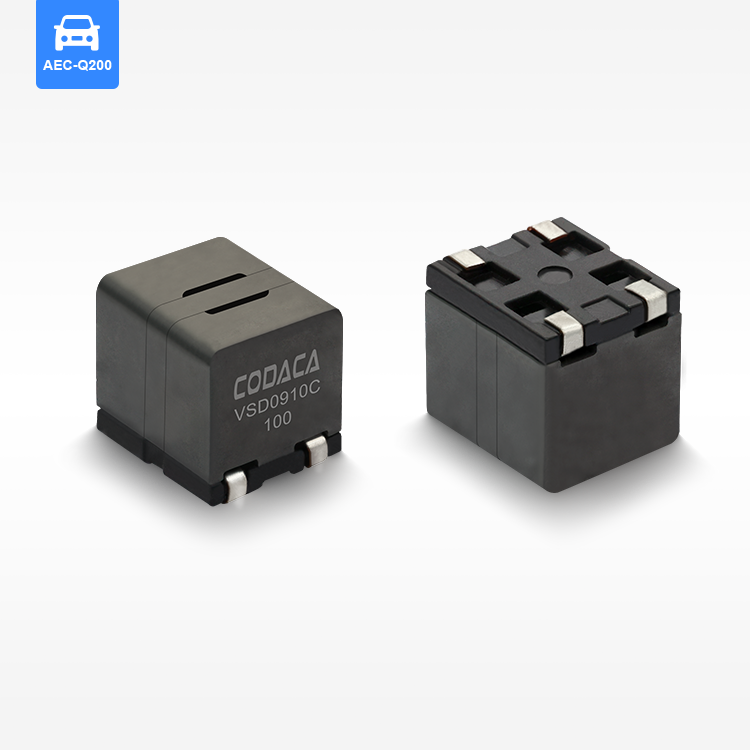
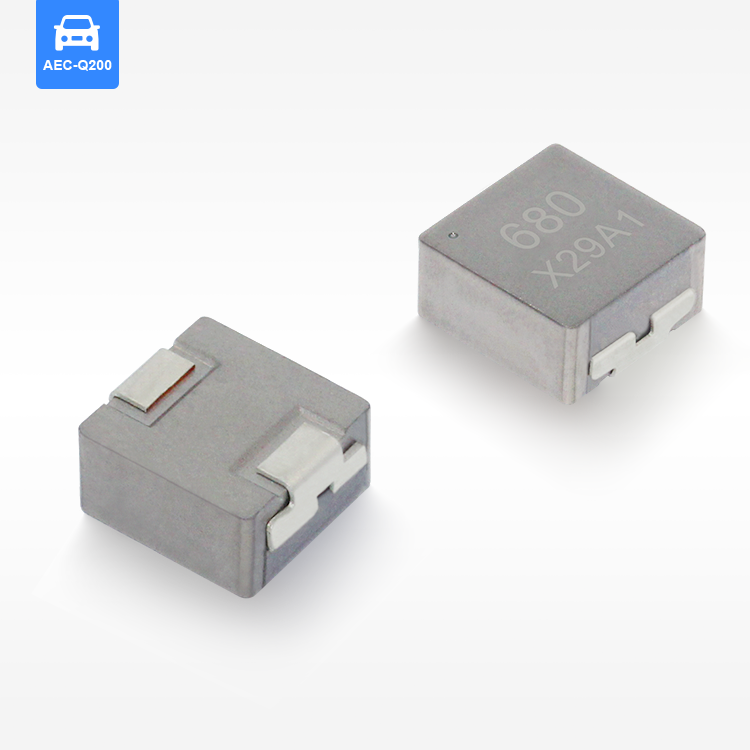
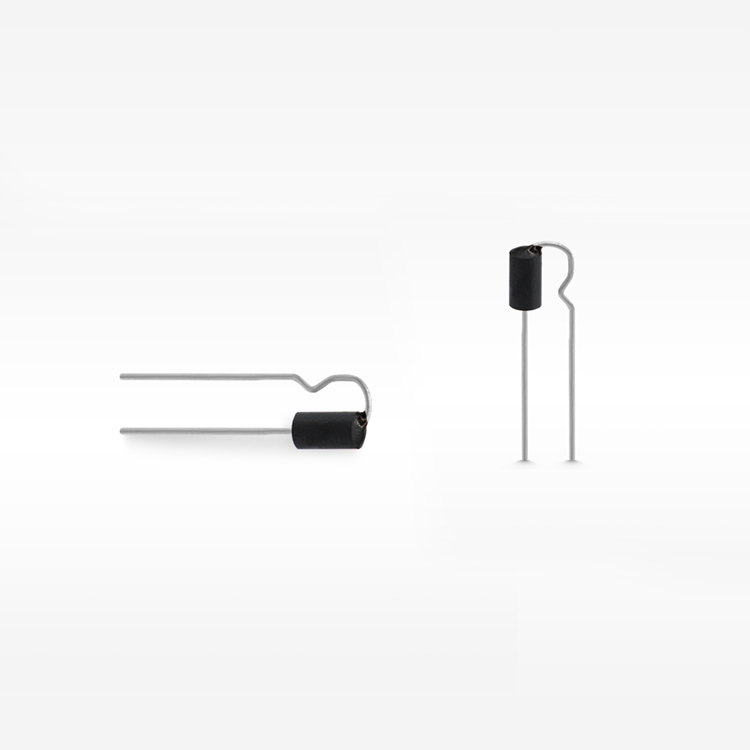
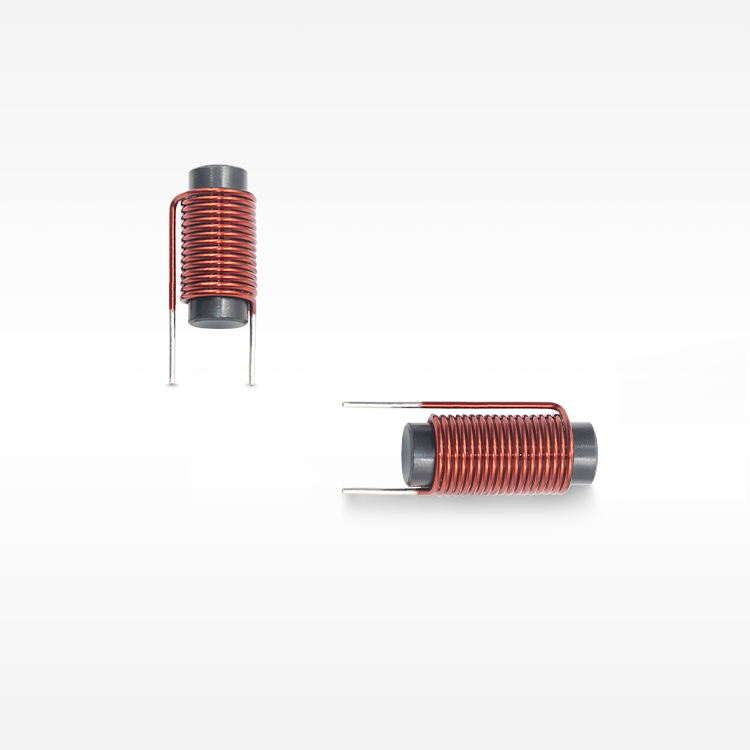
molded power inductor for communication equipment
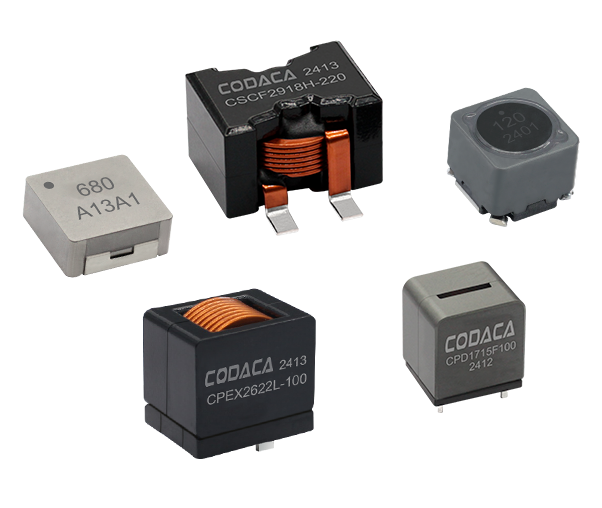
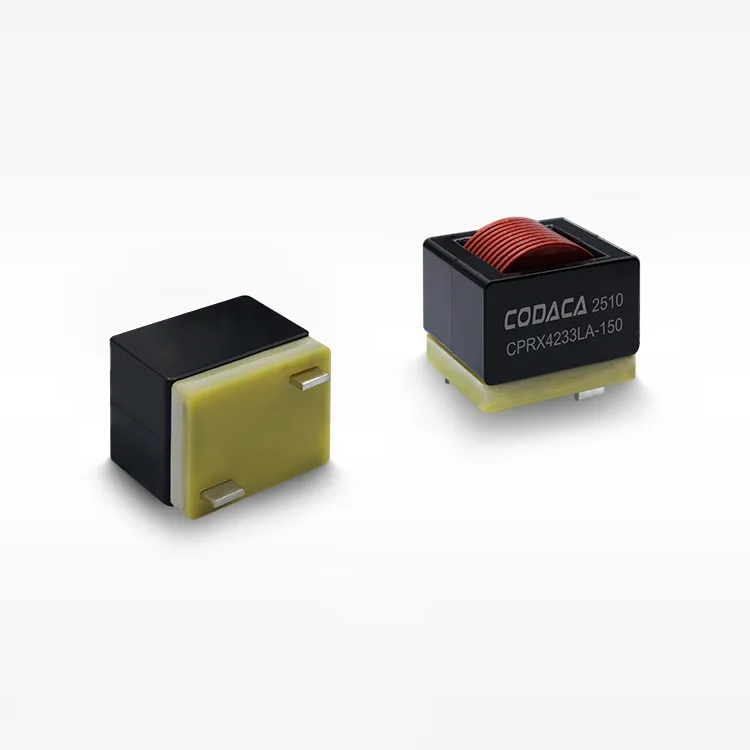
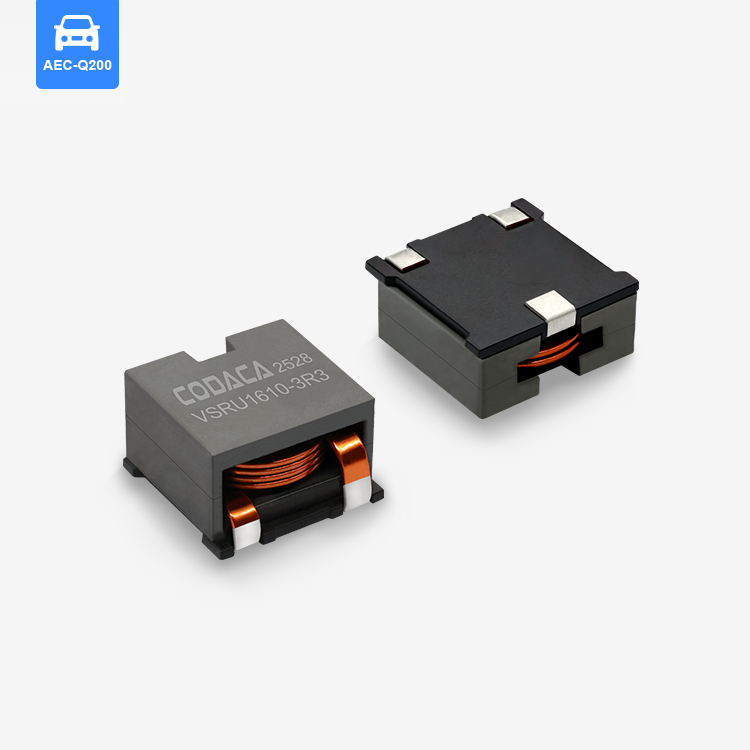
Molded power inductors for communication equipment represent a critical component in modern telecommunications infrastructure, serving as essential elements that regulate current flow and filter electromagnetic interference. These specialized inductors are manufactured using advanced molding techniques that encapsulate the magnetic core and windings in a protective resin or plastic housing, ensuring durability and consistent performance in demanding communication environments. The primary function of a molded power inductor for communication equipment involves storing energy in magnetic fields, smoothing power supply ripples, and providing stable current regulation for sensitive electronic circuits. These components operate by creating inductance through their coiled wire construction around ferromagnetic cores, which resist changes in current flow and help maintain signal integrity across communication networks. Technologically, molded power inductors for communication equipment feature sophisticated design characteristics including high saturation current ratings, low core losses, and excellent thermal stability. The molding process creates a uniform protective barrier that shields internal components from moisture, dust, and mechanical stress while maintaining optimal magnetic properties. Advanced core materials such as ferrite, powdered iron, or composite materials are selected based on specific frequency requirements and power handling capabilities. Modern manufacturing techniques ensure precise inductance values with tight tolerances, typically ranging from microhenries to millihenries depending on application requirements. The magnetic core geometry is optimized to minimize electromagnetic interference while maximizing energy storage capacity. Applications for molded power inductors in communication equipment span across various sectors including cellular base stations, wireless routers, satellite communication systems, fiber optic networks, and broadband infrastructure. These inductors are particularly valuable in power management circuits, DC-DC converters, filtering applications, and signal conditioning modules where reliable performance and long-term stability are paramount for maintaining uninterrupted communication services.