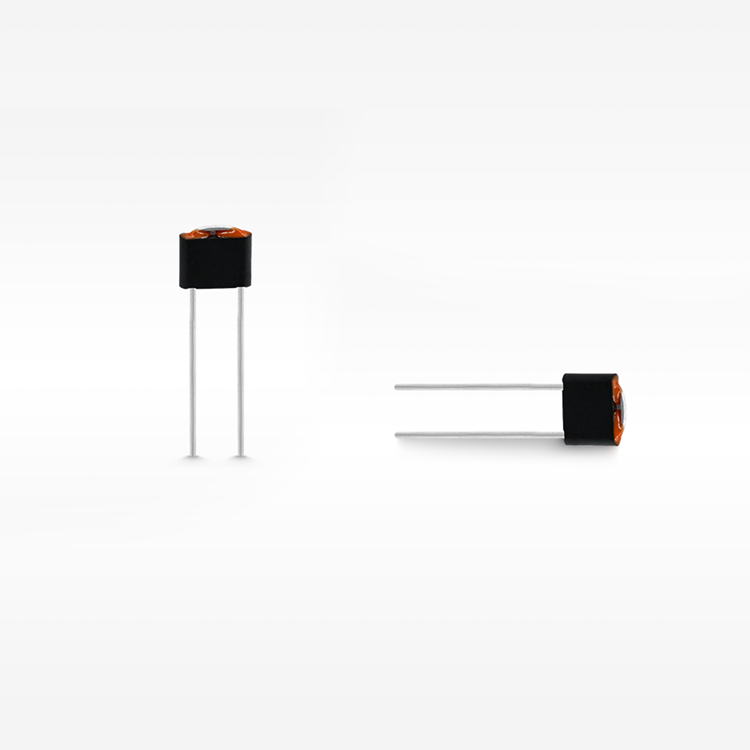
High-Performance Molded Power Inductors for DC-DC Converters - Superior Efficiency & Reliability

All Categories

Get a Free Quote

Our representative will contact you soon.
Email
Name
Company Name
Message
0/1000

molded power inductor for dc-dc converter

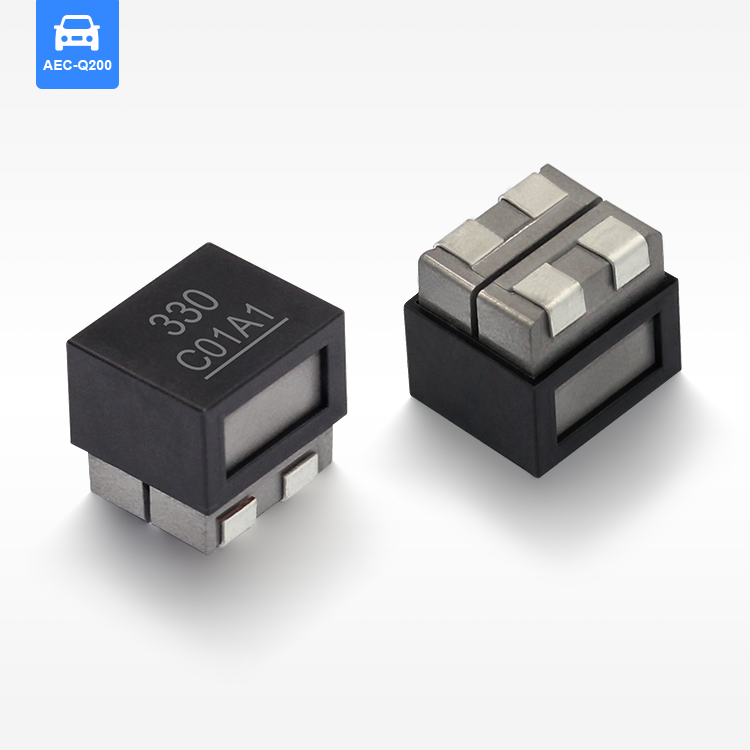
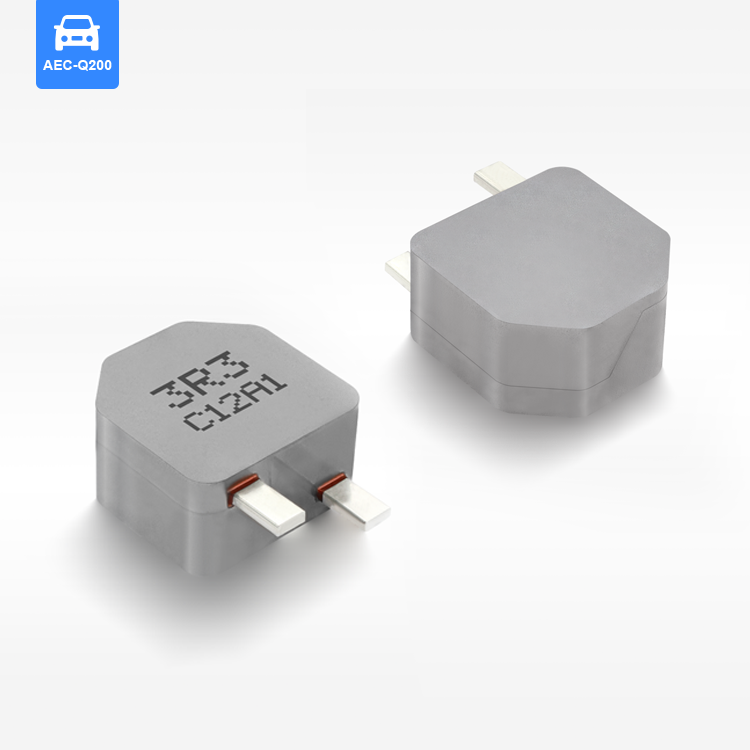
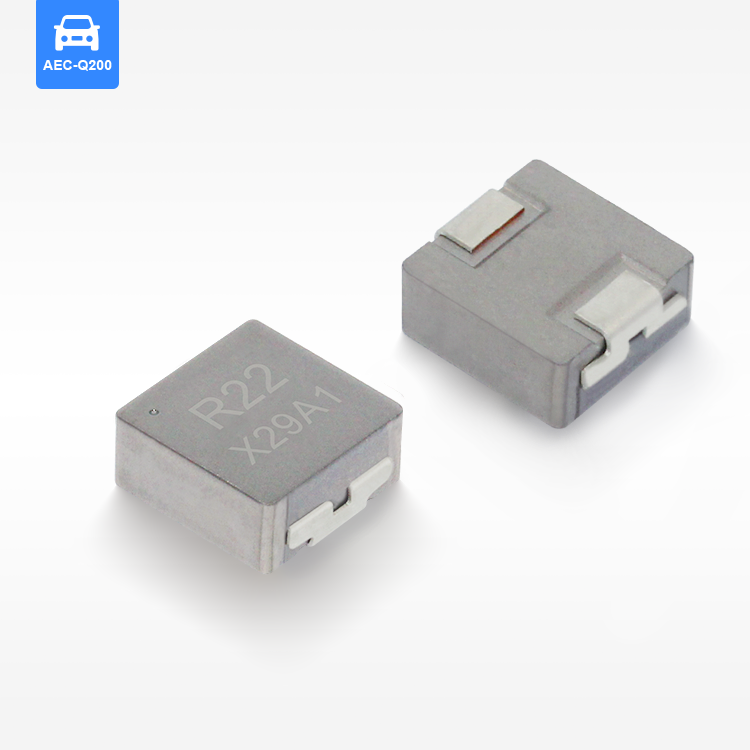
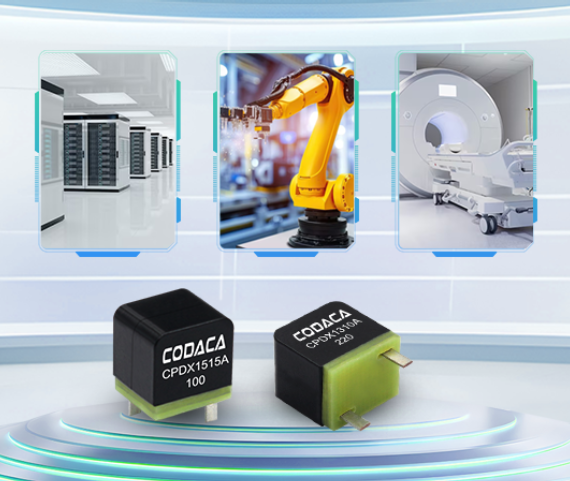
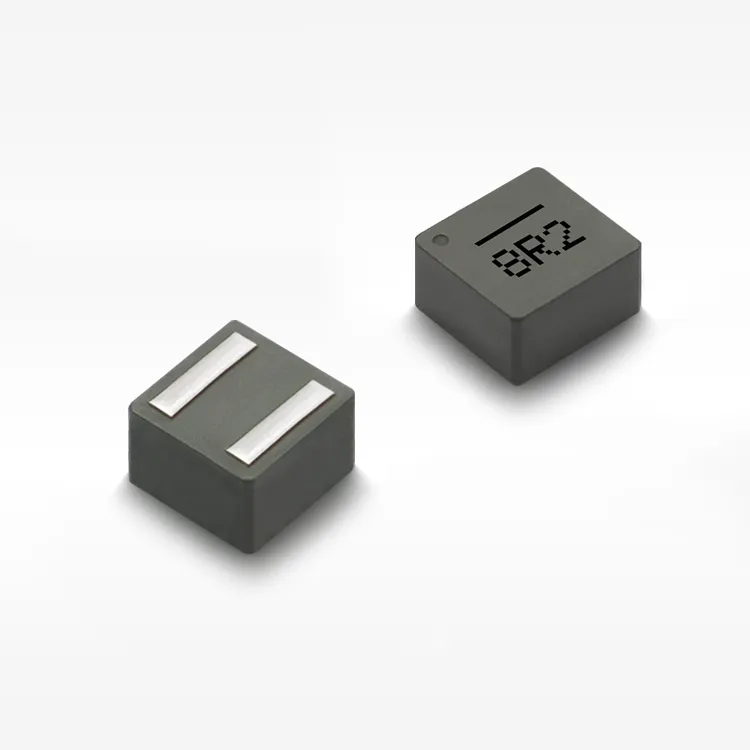
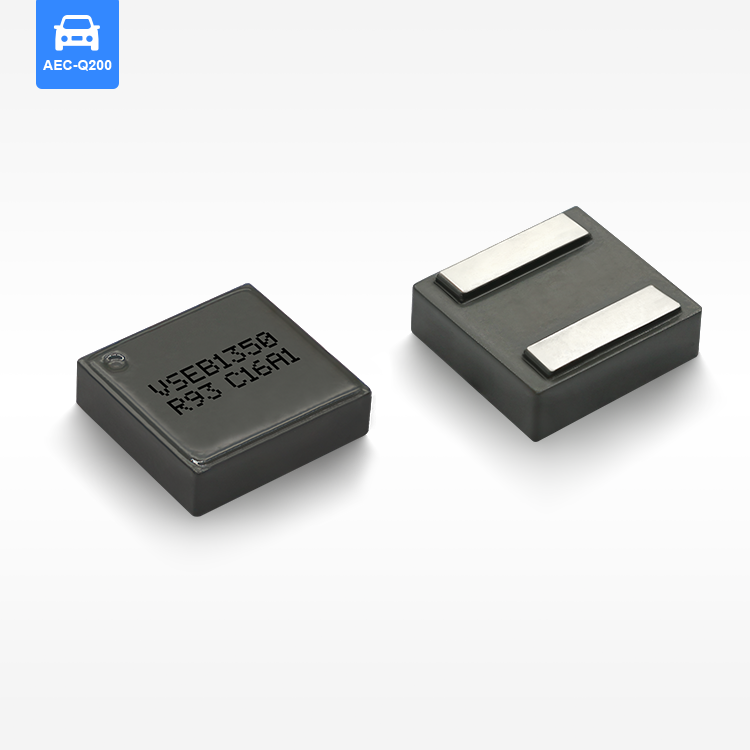
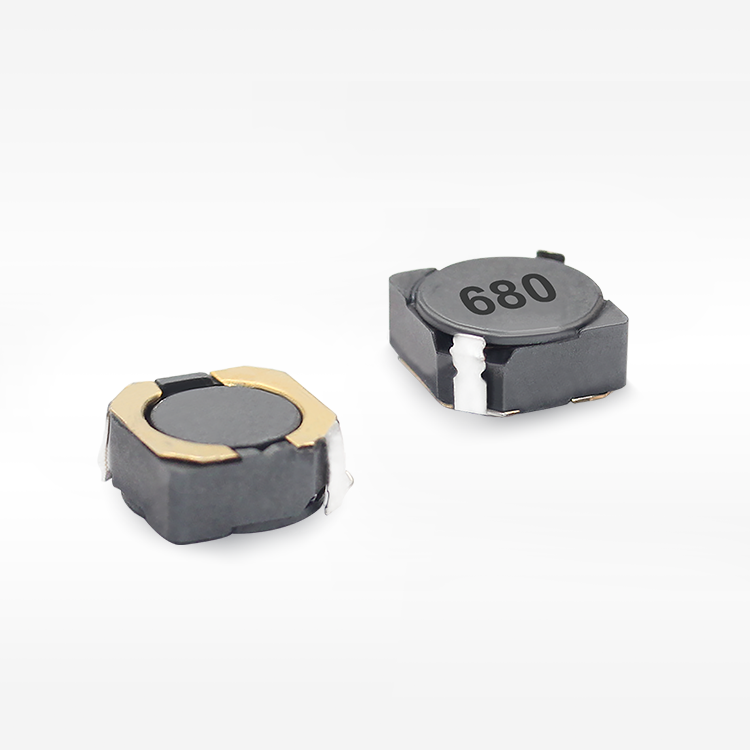
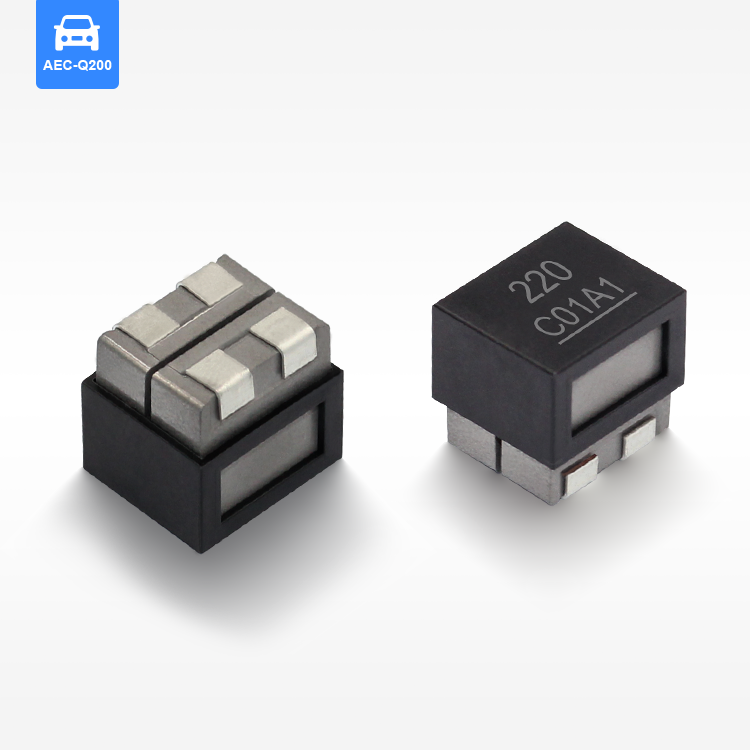
Molded power inductors for dc-dc converters represent a critical component in modern power management systems, designed to store and regulate electrical energy efficiently within switching power supplies. These specialized inductors feature a molded construction that encases the magnetic core and windings in a protective resin or polymer material, providing superior mechanical stability and environmental protection. The primary function of a molded power inductor for dc-dc converter applications involves smoothing current ripples, maintaining continuous power flow, and enabling efficient voltage conversion between different DC voltage levels. The technological features of molded power inductors for dc-dc converters include high saturation current ratings, low DC resistance values, and excellent thermal performance characteristics. These components utilize advanced magnetic materials such as ferrite or powdered iron cores, which are optimized for high-frequency switching operations typically found in dc-dc converter circuits. The molded construction technique ensures consistent magnetic properties while providing excellent protection against moisture, dust, and mechanical stress. Modern molded power inductors for dc-dc converters incorporate innovative winding techniques and core geometries that minimize losses and electromagnetic interference. Applications for molded power inductors in dc-dc converters span across numerous industries including automotive electronics, telecommunications equipment, consumer electronics, industrial automation systems, and renewable energy solutions. In automotive applications, these inductors support power management in electric vehicles, LED lighting systems, and advanced driver assistance systems. Telecommunications infrastructure relies on molded power inductors for dc-dc converters in base stations, network equipment, and data centers where efficiency and reliability are paramount. Consumer electronics such as smartphones, tablets, and laptops utilize these components to manage battery power and provide stable voltage rails for various subsystems. The compact form factor and high power density of molded power inductors make them ideal for space-constrained applications while maintaining excellent electrical performance characteristics.

Popular Products

Molded power inductors for dc-dc converters offer significant advantages that make them superior choices for modern power management applications. These components deliver exceptional thermal performance through their molded construction, which provides enhanced heat dissipation capabilities compared to traditional wire-wound inductors. The molded structure creates a direct thermal path from the core and windings to the external environment, allowing for more efficient heat transfer and improved power handling capacity. This thermal advantage enables molded power inductors for dc-dc converters to operate at higher current levels without experiencing performance degradation or component failure. The mechanical robustness of molded power inductors provides another major benefit for dc-dc converter applications. The protective molding material shields the internal components from environmental factors such as humidity, vibration, and temperature fluctuations, ensuring consistent performance across diverse operating conditions. This protection translates into improved reliability and longer service life compared to exposed inductor designs. Engineers appreciate the predictable performance characteristics of molded power inductors, as the molding process ensures consistent magnetic properties and eliminates variations that can occur with traditional construction methods. Space efficiency represents a crucial advantage of molded power inductors for dc-dc converters, particularly in today's compact electronic designs. The molded construction allows for optimized component geometries that maximize inductance values while minimizing footprint requirements. This space-saving characteristic enables designers to create smaller, more efficient dc-dc converter circuits without sacrificing performance. The low profile design of many molded power inductors makes them suitable for thin form factor applications such as tablets and ultrabooks. Cost-effectiveness emerges as another compelling advantage, as the automated molding process reduces manufacturing costs while maintaining high quality standards. The consistent production methods result in tighter tolerance specifications and reduced component variations, leading to more predictable circuit behavior and simplified design processes. Molded power inductors for dc-dc converters also exhibit superior electromagnetic compatibility characteristics, with the molded construction helping to contain electromagnetic fields and reduce interference with adjacent components. This EMC advantage simplifies circuit board layout requirements and helps systems meet stringent regulatory standards for electromagnetic emissions.

Tips And Tricks

How High Current Power Inductors Enhance Energy Efficiency

31

Mar

How High Current Power Inductors Enhance Energy Efficiency

Introduction High current power inductors are crucial components in power electronics, designed to store energy in a magnetic field while allowing significant currents to pass through. These inductors are essential for a variety of applications, inc...
View More
Molding Power Chokes: A Comprehensive Review of the Market

13

May

Molding Power Chokes: A Comprehensive Review of the Market

What Are Molding Power Chokes? Definition and Core Functionality Molding power chokes are inductive elements that control current flow within circuits. For the transport of electrical power, energy is advantageously stored in magnetic fields, w...
View More
A Comprehensive Review of the SMD Power Inductor Market

13

May

A Comprehensive Review of the SMD Power Inductor Market

Overview of the SMD Power Inductor Market Defining SMD Power Inductors and Core Functionality SMD power inductor is a kind of basic components in electronic circuit which always used as a anti interference in electronics. They are parts of...
View More
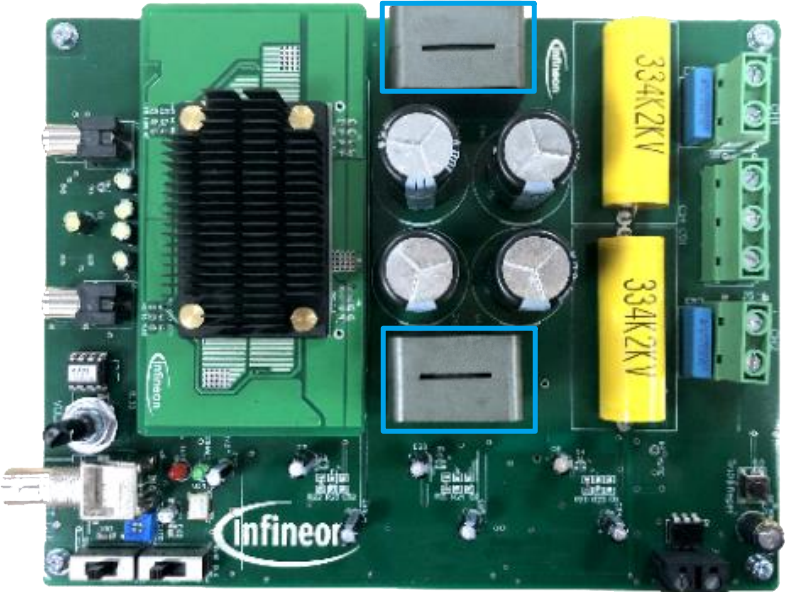
The Digital Power Amplifier Inductor is applied to the Infineon EVAL_AUDAMP24 Reference Design

29

Sep

The Digital Power Amplifier Inductor is applied to the Infineon EVAL_AUDAMP24 Reference Design

Preface Digital power amplifiers feature low distortion, low noise, and a wide dynamic range. In terms of sound warmth/coolness, resolution, and the impact force of low frequencies, they are incomparable to traditional power amplifiers. Development ...
View More

Get a Free Quote

Our representative will contact you soon.
Email
Name
Company Name
Message
0/1000

molded power inductor for dc-dc converter

Superior Thermal Management and Power Handling Capabilities

Superior Thermal Management and Power Handling Capabilities

The thermal management capabilities of molded power inductors for dc-dc converters represent a revolutionary advancement in power component design, offering engineers unprecedented power handling capacity within compact form factors. The molded construction creates an integrated thermal interface that efficiently conducts heat away from the critical magnetic core and copper windings, preventing the formation of hot spots that could degrade performance or cause component failure. This thermal advantage becomes particularly significant in high-current dc-dc converter applications where traditional inductors often struggle with thermal limitations. The molding material itself acts as a thermal reservoir, absorbing transient heat spikes and distributing thermal energy more evenly throughout the component structure. Advanced molding compounds incorporate thermally conductive fillers that further enhance heat dissipation performance, enabling molded power inductors to handle continuous current levels that exceed those of conventional designs by 20-40 percent. This improved thermal performance directly translates into higher power density capabilities for dc-dc converter circuits, allowing designers to achieve more compact solutions without compromising reliability. The consistent thermal characteristics of molded power inductors eliminate the unpredictable thermal behavior often associated with air-core or poorly thermally managed designs, providing engineers with reliable thermal models for simulation and design optimization. Temperature coefficient specifications remain stable across the entire operating range, ensuring predictable inductance values and converter performance under varying thermal conditions. This thermal stability becomes crucial in automotive and industrial applications where ambient temperatures can vary dramatically. The enhanced power handling capability enabled by superior thermal management allows dc-dc converters to operate at higher switching frequencies, reducing the size requirements for associated capacitors and enabling overall system miniaturization. Quality molded power inductors for dc-dc converters maintain their magnetic properties even under sustained high-temperature operation, ensuring long-term reliability in demanding applications.
Enhanced Reliability Through Environmental Protection

Enhanced Reliability Through Environmental Protection

Environmental protection stands as a defining characteristic of molded power inductors for dc-dc converters, providing unmatched reliability in challenging operating conditions where traditional inductors fail to maintain consistent performance. The comprehensive molding process encapsulates the entire magnetic assembly within a protective barrier that shields critical components from moisture infiltration, chemical contamination, and mechanical stress. This protection becomes essential in automotive applications where molded power inductors for dc-dc converters must withstand exposure to road salt, temperature cycling, and vibration loads that would quickly degrade unprotected components. The molding material forms a hermetic seal around the windings and core, preventing oxidation and corrosion that commonly affect exposed copper conductors in harsh environments. Advanced molding compounds resist UV degradation, chemical attack from cleaning solvents, and thermal cycling stress that can cause traditional potting materials to crack or separate. This environmental protection extends the operational lifespan of molded power inductors significantly, with many designs rated for over 100,000 hours of continuous operation under specified conditions. The protection offered by molded construction eliminates the need for additional conformal coatings or protective enclosures that add cost and complexity to dc-dc converter designs. Humidity resistance becomes particularly important in telecommunications and data center applications where molded power inductors for dc-dc converters must maintain stable performance despite varying environmental conditions. The molded protection prevents moisture absorption that could alter magnetic properties or cause electrical leakage paths between windings and core materials. Vibration resistance provided by the solid molded construction ensures that molded power inductors maintain mechanical integrity in mobile applications, preventing wire fatigue and core movement that could cause inductance drift or component failure. Quality testing procedures for molded power inductors include extensive environmental stress screening that validates performance under extreme temperature, humidity, and mechanical stress conditions, providing engineers with confidence in long-term reliability. This environmental protection translates into reduced maintenance requirements and lower total cost of ownership for systems incorporating molded power inductors in their dc-dc converter circuits.
Optimized Electromagnetic Performance and Design Flexibility

Optimized Electromagnetic Performance and Design Flexibility

The electromagnetic performance characteristics of molded power inductors for dc-dc converters deliver exceptional efficiency and design flexibility that enable engineers to create optimized power management solutions across diverse applications. The precisely controlled molding process ensures consistent magnetic coupling between windings and core materials, eliminating the air gaps and irregularities that can degrade performance in traditional inductor constructions. This consistency results in tighter inductance tolerances and more predictable frequency response characteristics that simplify dc-dc converter design and improve overall system performance. Advanced core materials utilized in molded power inductors exhibit superior magnetic properties including high permeability, low core losses, and excellent saturation characteristics that enable efficient operation at switching frequencies exceeding 1 MHz. The molded construction allows for innovative core geometries that optimize magnetic flux distribution while minimizing eddy current losses and skin effect limitations. These electromagnetic improvements translate directly into higher efficiency ratings for dc-dc converters, reducing power dissipation and extending battery life in portable applications. The controlled impedance characteristics of molded power inductors for dc-dc converters provide excellent current handling capabilities with minimal inductance rolloff, maintaining stable performance across the entire operating current range. Low DCR values achieved through optimized winding configurations and high-conductivity materials minimize conduction losses while maintaining compact form factors. The electromagnetic design flexibility of molded power inductors enables engineers to select components that precisely match their specific dc-dc converter requirements, including customized inductance values, current ratings, and packaging options. Parasitic capacitance and resistance values remain consistently low due to the controlled molding process, enabling predictable high-frequency behavior essential for modern switching power supply designs. The molded construction provides excellent electromagnetic shielding properties that reduce interference with adjacent components while containing the inductor's magnetic field within acceptable boundaries. This electromagnetic compatibility advantage simplifies PCB layout requirements and helps systems meet stringent EMI/EMC regulatory standards without requiring additional shielding components. Quality molded power inductors for dc-dc converters undergo comprehensive electromagnetic testing to verify performance parameters and ensure consistency across production lots, providing engineers with reliable component specifications for design optimization.