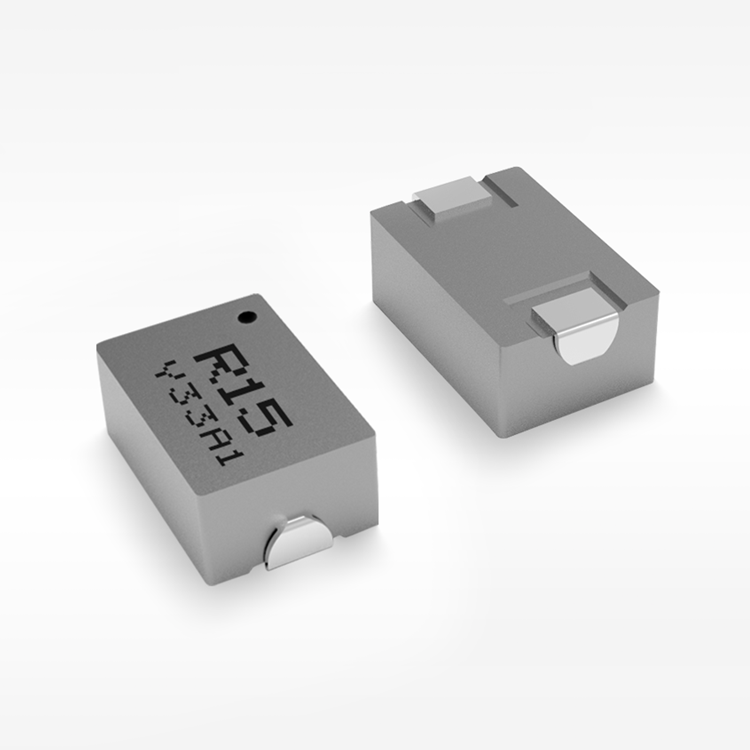
Molded Shielded Power Inductors - High Performance EMI Solutions for Power Electronics

All Categories

Get a Free Quote

Our representative will contact you soon.
Email
Name
Company Name
Message
0/1000

molded shielded power inductor

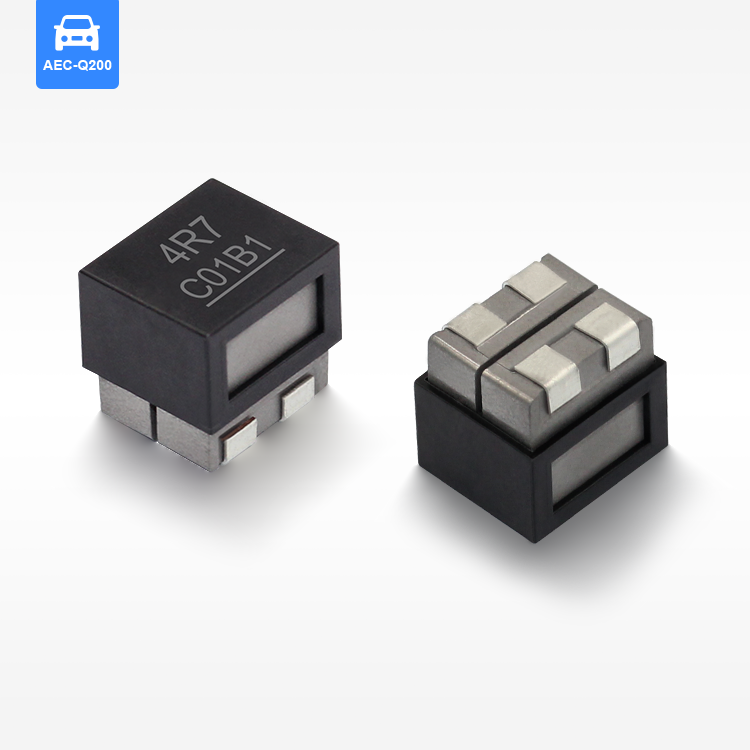
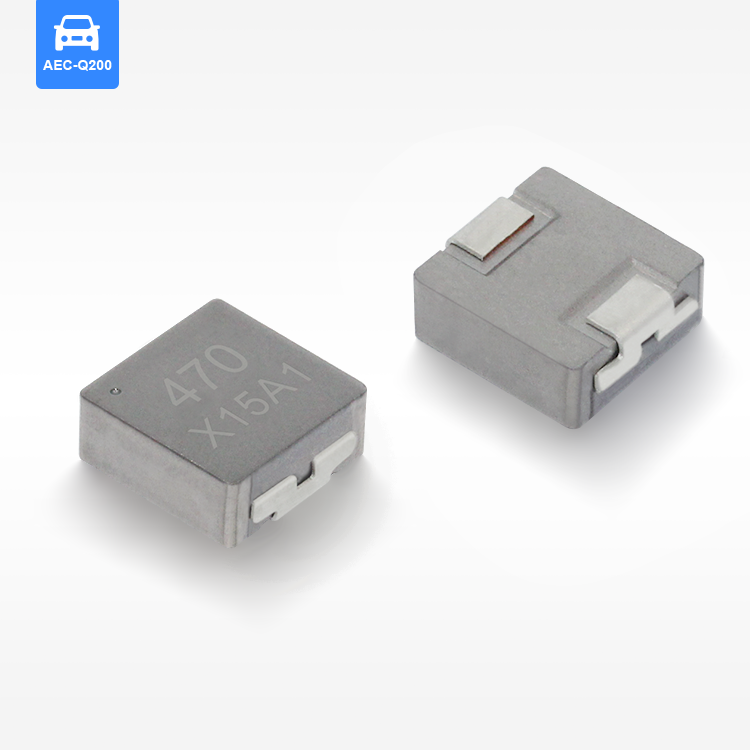
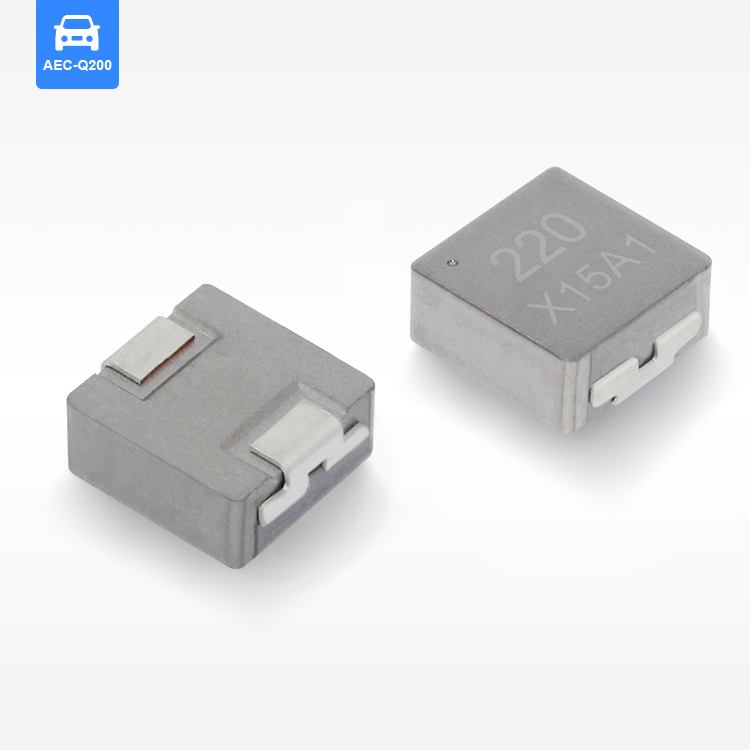
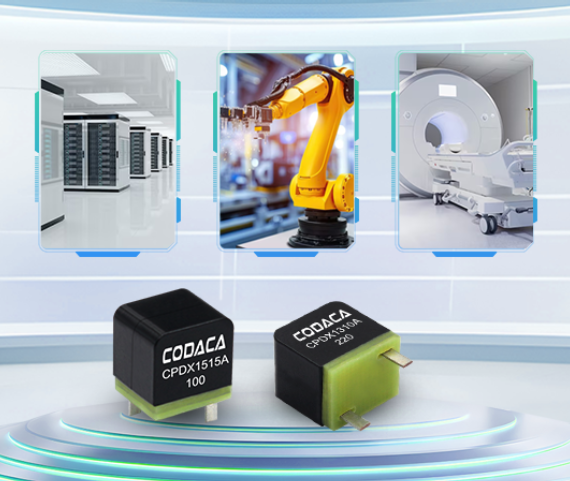
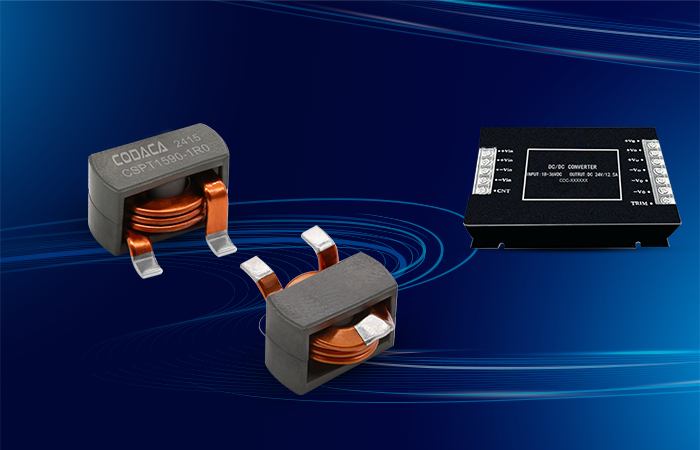
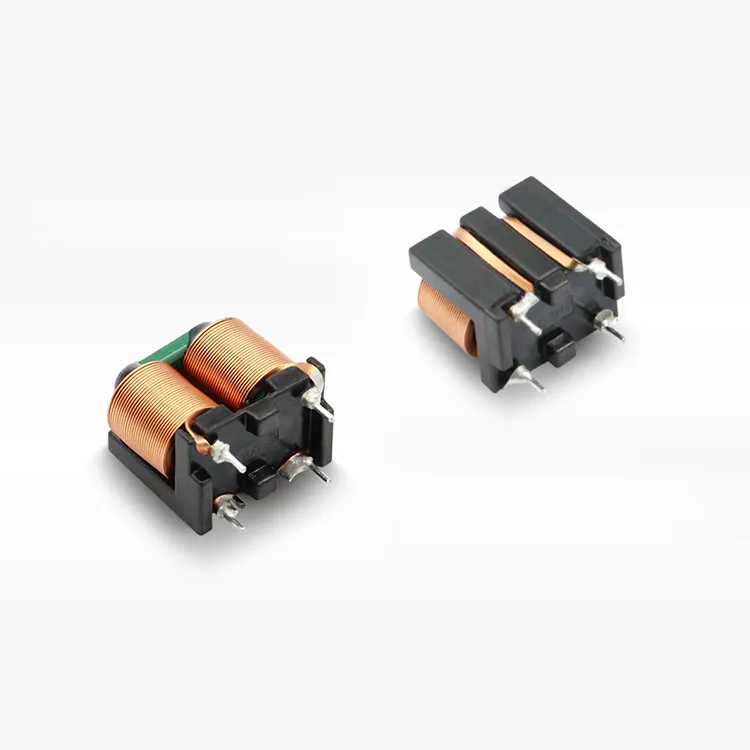
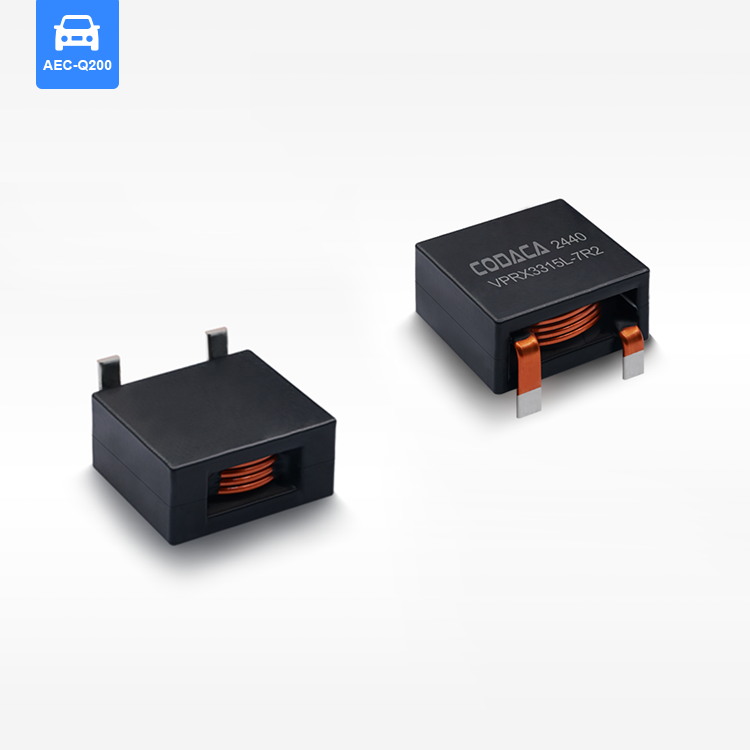
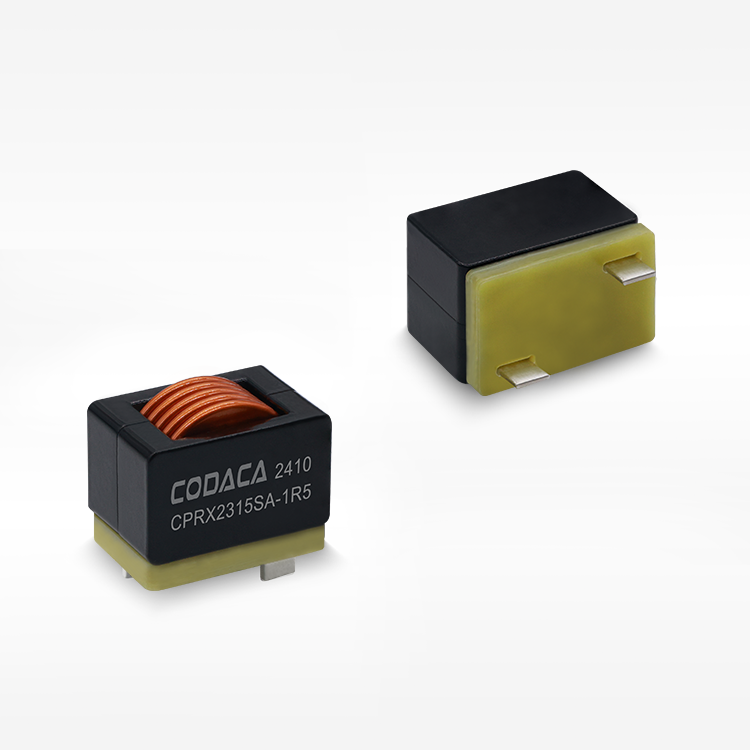
A molded shielded power inductor represents a critical electronic component designed to store energy in magnetic fields while managing electromagnetic interference in power supply circuits. These inductors feature a magnetic core encased in a molded housing with integrated shielding properties that prevent electromagnetic radiation from affecting nearby components. The primary function involves filtering alternating current signals, smoothing voltage ripples, and providing impedance control in switching power supplies, DC-DC converters, and various power management applications. The molded shielded power inductor incorporates advanced ferrite core materials that deliver high saturation current ratings while maintaining stable inductance values across wide temperature ranges. The shielding mechanism utilizes magnetic materials or conductive enclosures that contain magnetic flux within the component, significantly reducing electromagnetic interference emissions. This design approach ensures reliable operation in densely packed electronic systems where space constraints demand compact solutions without compromising performance. Manufacturing processes involve precision winding techniques that create uniform magnetic fields, followed by molded encapsulation using thermally stable polymers that protect against environmental factors including moisture, vibration, and temperature fluctuations. The technological features include low DC resistance characteristics that minimize power losses, excellent thermal management properties that enable high current handling capabilities, and superior frequency response that maintains performance across broad operating ranges. Applications span automotive electronics, telecommunications infrastructure, consumer electronics, industrial automation systems, renewable energy converters, and medical devices where power efficiency and electromagnetic compatibility requirements are paramount. These inductors prove essential in voltage regulator modules, point-of-load converters, battery management systems, LED drivers, and motor control circuits where precise current regulation and noise suppression capabilities determine overall system reliability and performance metrics.

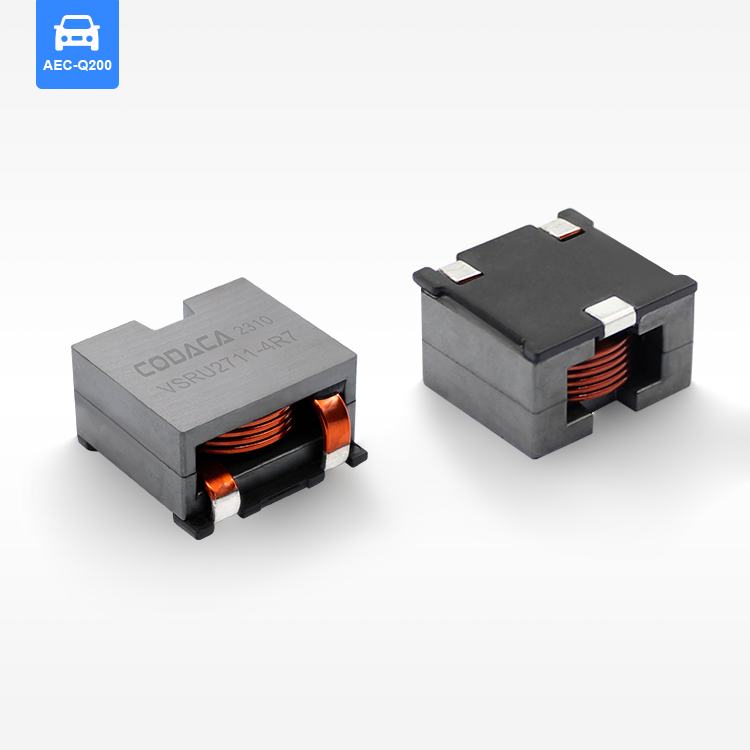
New Product Releases

Molded shielded power inductors deliver exceptional performance benefits that directly impact system efficiency and reliability in demanding applications. These components significantly reduce electromagnetic interference through integrated shielding technology, preventing signal distortion and maintaining clean power delivery throughout electronic systems. The molded construction provides superior mechanical protection against environmental stresses, ensuring consistent operation in harsh conditions where traditional inductors might fail due to moisture ingress or physical damage. Temperature stability represents another crucial advantage, as these inductors maintain precise inductance values across extreme temperature variations, eliminating performance degradation that commonly affects unshielded alternatives. Power efficiency improvements result from optimized core materials and low resistance windings that minimize energy losses during operation, translating to reduced heat generation and extended component lifespan. The compact form factor enables space-efficient designs without sacrificing electrical performance, allowing engineers to create smaller, lighter products that meet modern portability requirements. Manufacturing consistency ensures predictable behavior across production batches, reducing design uncertainties and simplifying quality control processes for large-scale manufacturing operations. These inductors offer excellent current handling capabilities without saturation issues, supporting high-power applications that demand stable performance under peak load conditions. The molded housing provides electrical isolation that enhances safety margins in sensitive circuits while protecting against short circuits caused by conductive debris or component displacement. Frequency response characteristics remain stable across wide bandwidths, ensuring reliable operation in switching applications where frequency variations could otherwise compromise system performance. Cost-effectiveness emerges from reduced system complexity, as integrated shielding eliminates the need for additional EMI suppression components, simplifying circuit designs and reducing overall bill-of-materials expenses. Installation simplicity supports automated assembly processes, reducing manufacturing time and labor costs while improving production yields through consistent placement and soldering characteristics that minimize assembly defects.

Tips And Tricks

The Role of Industrial Power Inductors in Modern Electronics

07

Apr

The Role of Industrial Power Inductors in Modern Electronics

Industrial power inductors play a vital role in modern electronics. They store energy, filter signals, and convert power to ensure your devices operate efficiently. These components stabilize circuits by controlling current flow and reducing noise. Y...
View More
How High Current Power Inductors Enhance Energy Efficiency

31

Mar

How High Current Power Inductors Enhance Energy Efficiency

Introduction High current power inductors are crucial components in power electronics, designed to store energy in a magnetic field while allowing significant currents to pass through. These inductors are essential for a variety of applications, inc...
View More
Compact High Current Power Inductor: A Comparison of Materials and Designs

01

Apr

Compact High Current Power Inductor: A Comparison of Materials and Designs

Mn-Zn Ferrite: High Permeability and Frequency Response Mn-Zn ferrite is highly regarded in the field of inductors due to its high permeability, which facilitates an efficient magnetic flux path. This characteristic translates into improved inductan...
View More
Molding Power Chokes vs. Traditional Chokes: What's the Difference?

13

May

Molding Power Chokes vs. Traditional Chokes: What's the Difference?

Core Construction Differences Between Molding Power Chokes and Traditional Chokes Materials: Ferrite vs. Iron Core Composition The primary difference between molding power chokes and traditional chokes lies in the material composition of their cores...
View More

Get a Free Quote

Our representative will contact you soon.
Email
Name
Company Name
Message
0/1000

molded shielded power inductor

Advanced Electromagnetic Shielding Technology

Advanced Electromagnetic Shielding Technology

The molded shielded power inductor incorporates cutting-edge electromagnetic shielding technology that fundamentally transforms how electronic systems manage interference and maintain signal integrity. This sophisticated shielding mechanism utilizes carefully engineered magnetic materials and conductive barriers that effectively contain electromagnetic fields within the component structure, preventing radiation that could disrupt sensitive nearby circuits. The shielding effectiveness typically exceeds industry standards by substantial margins, providing protection levels that enable reliable operation in electromagnetically noisy environments where conventional inductors would fail to maintain performance specifications. Engineers benefit from this advanced shielding through simplified circuit design processes, as the inherent EMI suppression eliminates the need for additional filtering components or complex shielding arrangements that traditionally consume valuable board space and increase system costs. The integrated approach ensures consistent shielding performance across manufacturing batches, unlike external shielding solutions that may vary in effectiveness due to assembly tolerances or material inconsistencies. This technology proves particularly valuable in automotive applications where electronic control units must operate reliably despite intense electromagnetic fields generated by ignition systems, electric motors, and wireless communication devices. Medical device manufacturers leverage this shielding capability to ensure patient safety and regulatory compliance in sensitive diagnostic equipment where electromagnetic interference could compromise measurement accuracy or device functionality. The shielding design incorporates thermal management features that maintain effectiveness even under high-temperature operating conditions, ensuring long-term reliability in power-intensive applications. Manufacturing processes utilize precision molding techniques that create uniform shielding coverage without gaps or weak points that could compromise electromagnetic containment. Quality control procedures verify shielding effectiveness through rigorous testing protocols that simulate real-world operating conditions, ensuring customers receive components that consistently meet specified EMI suppression requirements throughout their operational lifespan.
Superior Thermal Management and Power Handling

Superior Thermal Management and Power Handling

Exceptional thermal management capabilities distinguish the molded shielded power inductor as an ideal solution for high-power applications where heat dissipation directly impacts component reliability and system performance. The molded construction incorporates thermally conductive materials that efficiently transfer heat away from critical magnetic core and winding areas, preventing hotspots that could degrade inductance values or cause premature component failure. Advanced core materials maintain stable magnetic properties across extended temperature ranges, ensuring consistent inductance characteristics even under extreme thermal stress conditions that would destabilize conventional designs. The thermal design enables sustained high-current operation without performance degradation, supporting applications where power density requirements demand maximum current handling within minimal component footprints. Engineers appreciate the predictable thermal behavior that simplifies system thermal analysis and reduces the need for oversized heat dissipation solutions that add cost and complexity to final products. The molded housing material selection prioritizes thermal conductivity while maintaining excellent electrical insulation properties, creating an optimal balance between heat management and safety requirements. Temperature coefficient specifications remain exceptionally low, ensuring circuit performance stability across automotive temperature ranges from subzero cold starts to extreme summer operating conditions. Power handling capabilities exceed comparable unshielded alternatives by significant margins, enabling system designers to specify smaller components while maintaining safety margins and reliability targets. Thermal cycling durability testing demonstrates superior performance retention after thousands of temperature cycles, confirming long-term reliability in applications subject to frequent thermal stress. The thermal management design incorporates advanced modeling techniques that optimize heat flow paths within the component structure, maximizing heat dissipation efficiency while maintaining compact external dimensions. Manufacturing quality control includes thermal imaging verification to ensure consistent heat distribution patterns across production quantities, guaranteeing customers receive components with uniform thermal performance characteristics that support predictable system behavior.
Compact Design with Enhanced Current Density

Compact Design with Enhanced Current Density

The molded shielded power inductor delivers exceptional current density performance within remarkably compact form factors, addressing the critical need for space-efficient power management solutions in modern electronic designs. This achievement results from innovative core geometry optimization that maximizes magnetic flux utilization while minimizing external dimensions, enabling engineers to implement powerful inductive components in space-constrained applications without compromising electrical performance. The compact design philosophy incorporates advanced magnetic circuit analysis that eliminates inefficient flux paths, concentrating magnetic energy within the smallest possible physical envelope while maintaining specified inductance values and current ratings. Manufacturing precision ensures consistent dimensional tolerances that support automated assembly processes and enable reliable mechanical integration in high-density circuit board layouts where component placement accuracy becomes critical for overall system functionality. The enhanced current density capability enables system designers to reduce component counts in power conversion circuits, simplifying designs while improving overall efficiency through reduced conduction losses and improved magnetic coupling. Space savings translate directly to cost reductions in applications where board real estate represents significant expense factors, particularly in portable devices where miniaturization drives competitive advantages and user acceptance. The compact form factor facilitates improved thermal management through reduced thermal resistance paths between heat-generating elements and heat dissipation structures, supporting higher power densities than traditional larger components. Mechanical robustness remains uncompromised despite size reductions, with molded construction providing excellent vibration resistance and mechanical stability essential for automotive and industrial applications. Design flexibility increases as the compact profile enables component placement in previously inaccessible locations, opening new possibilities for innovative circuit topologies and system architectures. Quality assurance processes verify current density performance through comprehensive testing protocols that validate sustained high-current operation within temperature limits, ensuring customers receive components that reliably deliver specified performance throughout their operational lifespan. The manufacturing approach scalability supports cost-effective production volumes while maintaining the precision required for consistent current density characteristics across large production quantities.