Shielded Class D Inductors: High-Performance Magnetic Components for Power Electronics

All Categories

Get a Free Quote

Our representative will contact you soon.
Email
Name
Company Name
Message
0/1000

shielded class d inductor

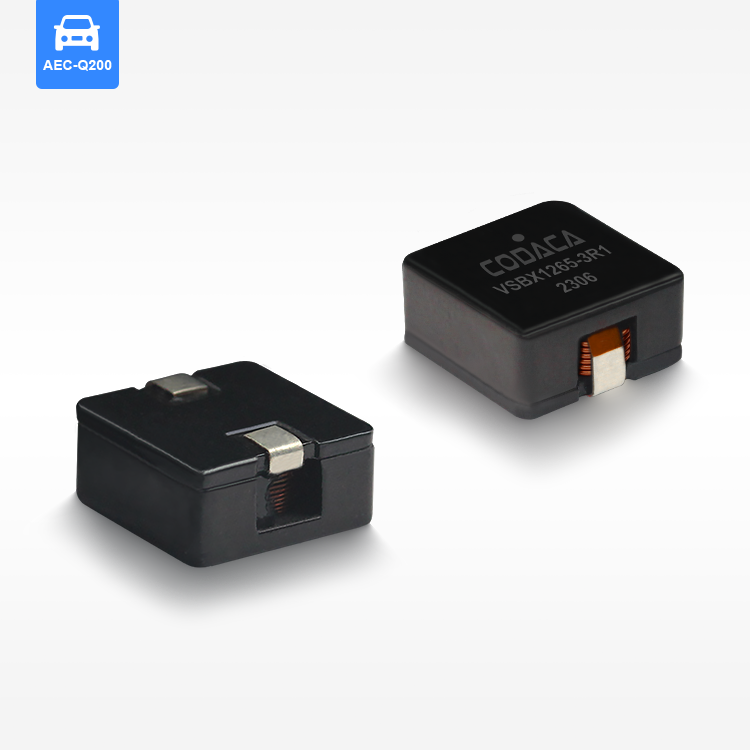
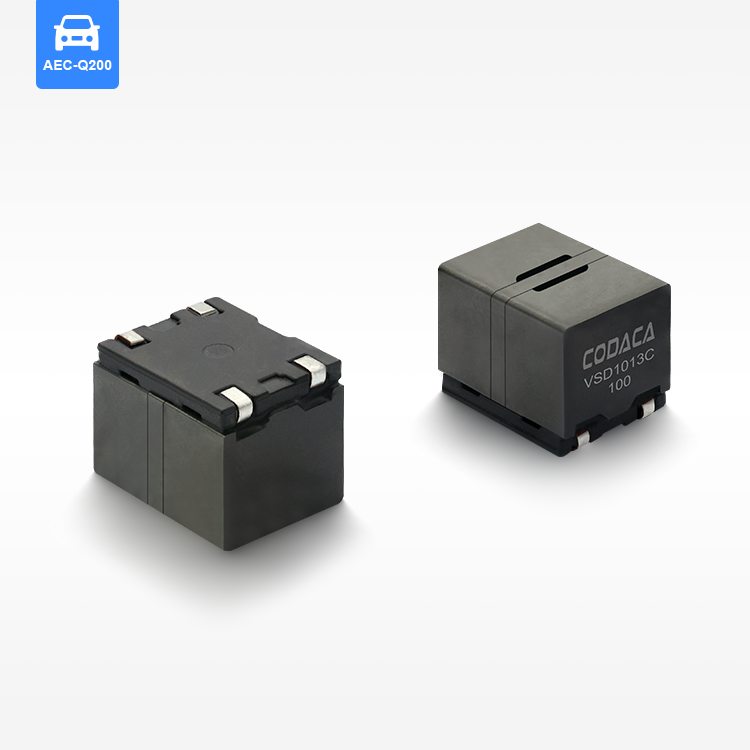
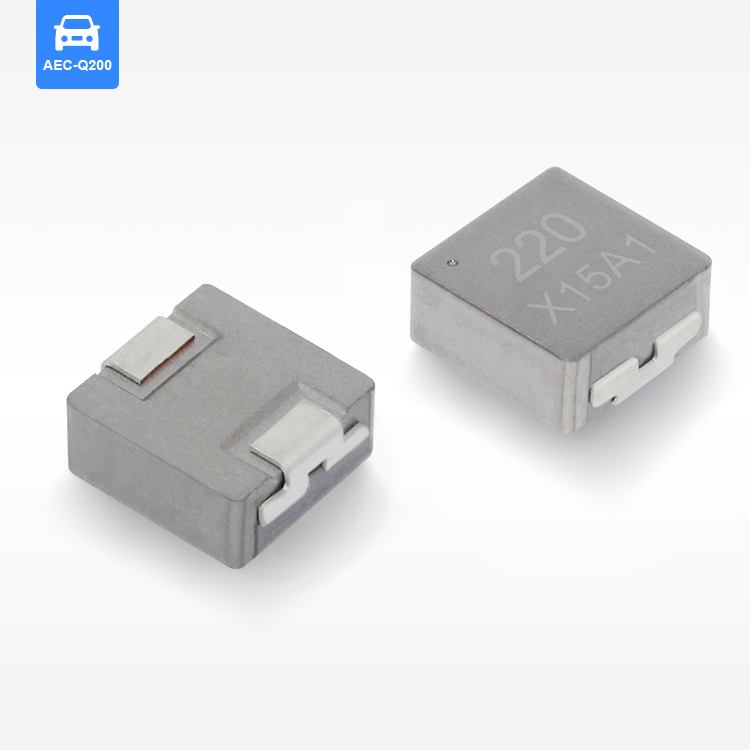
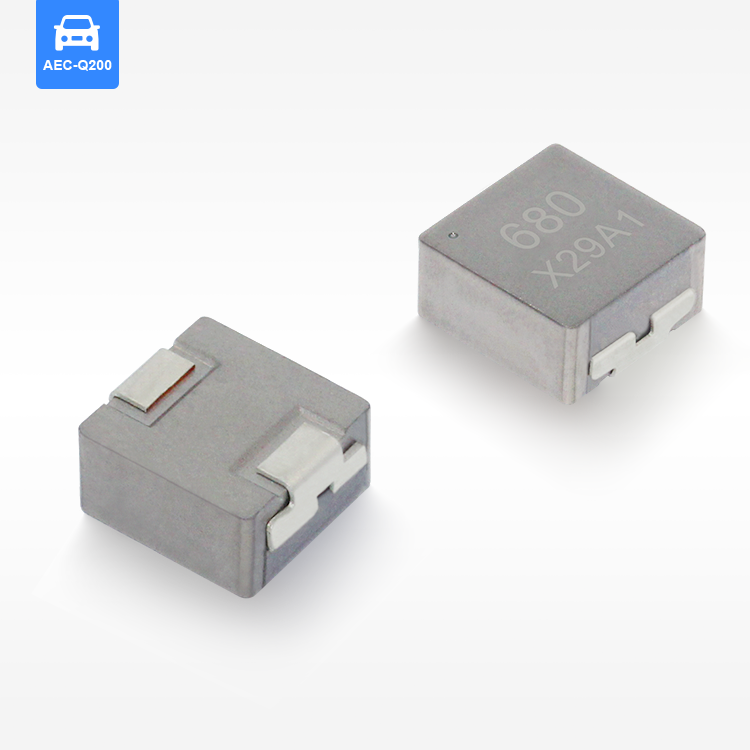
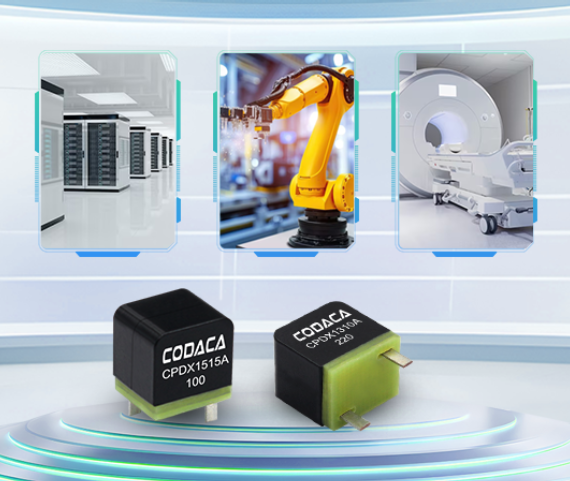
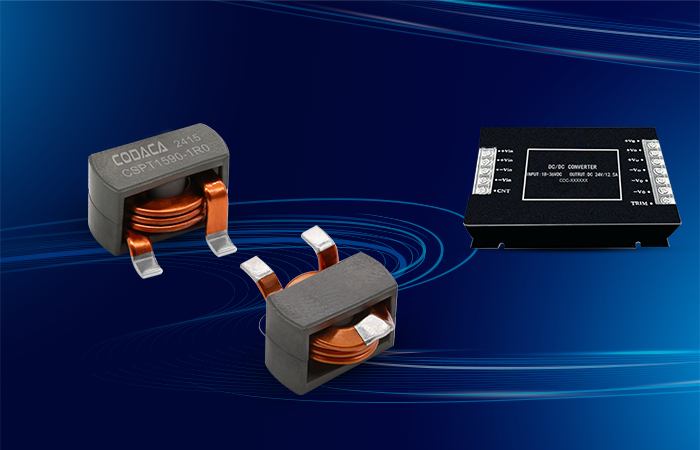
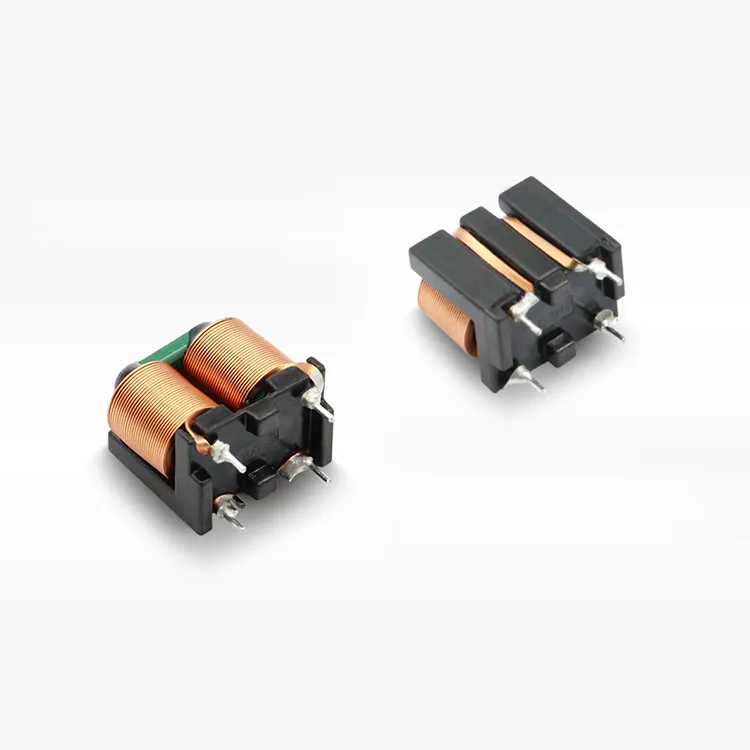
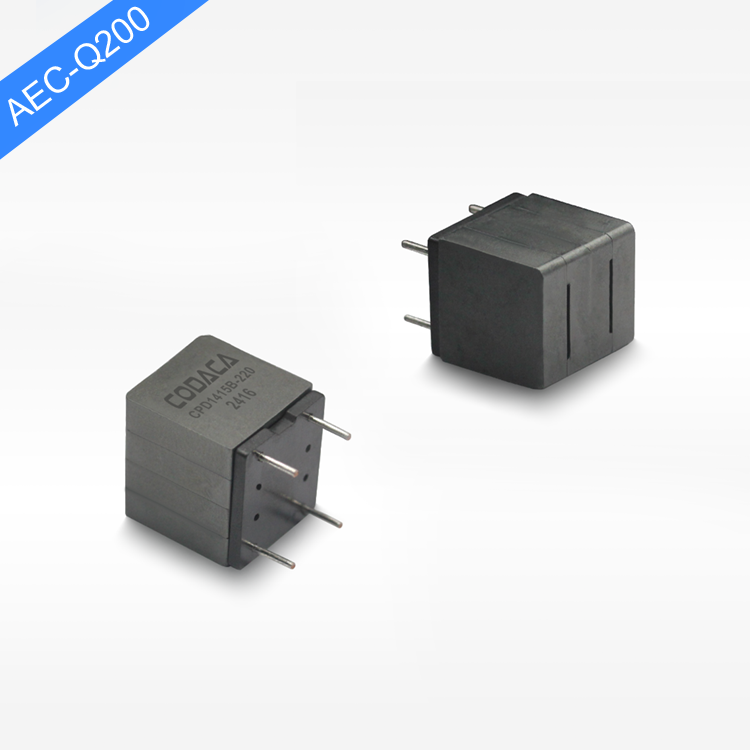
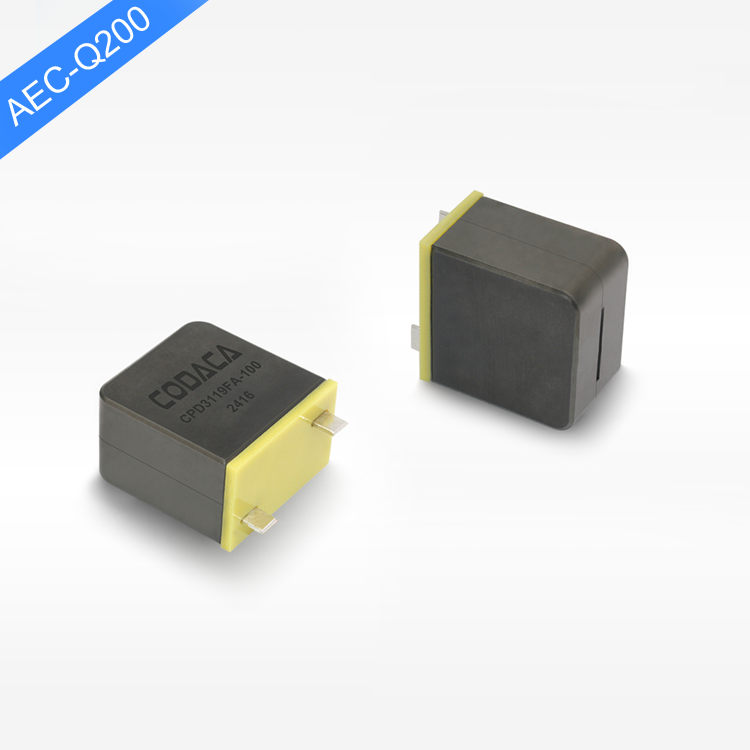
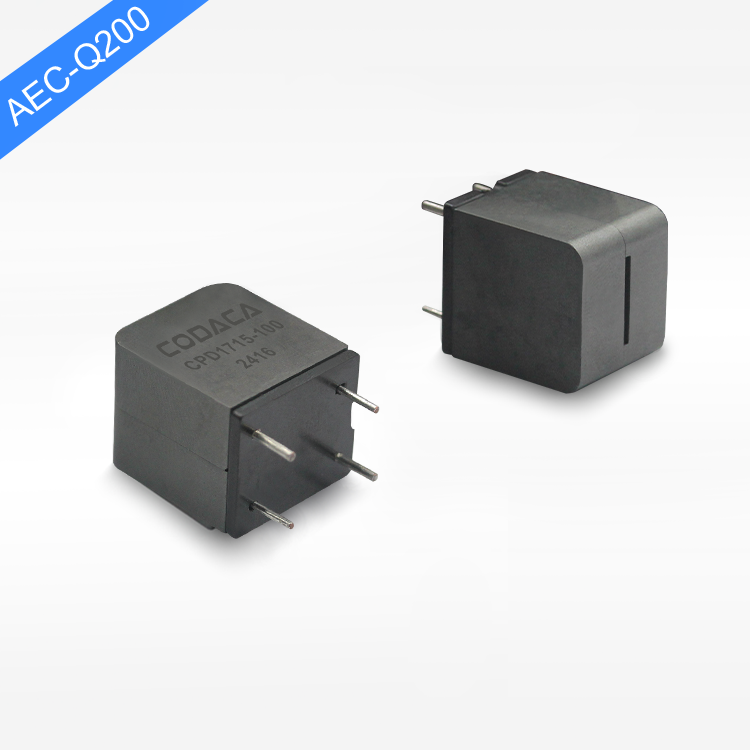
A shielded class d inductor represents a crucial electronic component specifically engineered to meet the demanding requirements of high-efficiency switching power supplies and audio amplifiers. This specialized inductor combines superior magnetic shielding technology with precision-wound coil construction to deliver exceptional performance in compact designs. The primary function of a shielded class d inductor centers on energy storage and filtering within power conversion circuits, where it smooths current ripple and maintains stable output voltages. Unlike traditional inductors, the shielded class d inductor incorporates advanced magnetic core materials and comprehensive electromagnetic shielding that prevents interference with surrounding components. The technological features of this inductor include low DC resistance, high saturation current capability, and excellent thermal management properties. These characteristics enable the shielded class d inductor to handle significant power levels while maintaining consistent performance across varying operating conditions. The magnetic shielding effectively contains the magnetic field within the component structure, eliminating unwanted electromagnetic interference that could compromise circuit operation. Modern shielded class d inductors utilize ferrite or powdered iron cores optimized for high-frequency operation, typically ranging from 20kHz to several hundred kilohertz. The applications for shielded class d inductors span numerous industries, including automotive electronics, telecommunications infrastructure, consumer electronics, and industrial automation systems. In audio amplification circuits, these inductors provide essential filtering that ensures clean power delivery to speakers while minimizing distortion and noise. Power supply designers rely on shielded class d inductors for buck converters, boost converters, and flyback topologies where space constraints and electromagnetic compatibility requirements are critical. The compact form factor and superior performance characteristics make the shielded class d inductor an ideal choice for modern electronic devices where efficiency, reliability, and miniaturization are paramount design considerations.

New Products

The shielded class d inductor offers remarkable advantages that directly translate into better performance and cost savings for electronic system designers and manufacturers. First and foremost, the magnetic shielding technology eliminates electromagnetic interference, allowing engineers to place components closer together without worrying about unwanted interactions. This benefit enables more compact circuit board layouts and reduces overall system size, which proves especially valuable in portable devices and space-constrained applications. The superior thermal management capabilities of the shielded class d inductor ensure reliable operation even under demanding conditions, reducing the risk of component failure and extending product lifespan. Manufacturers appreciate the consistent quality and predictable performance characteristics that these inductors provide, leading to more reliable end products and fewer warranty claims. The high saturation current rating allows the shielded class d inductor to handle power spikes and transient conditions without degrading performance, making it suitable for demanding applications like automotive electronics and industrial control systems. The low DC resistance characteristic minimizes power losses, contributing to improved overall system efficiency and reduced heat generation. This efficiency improvement directly translates to longer battery life in portable devices and lower operating costs in continuous-duty applications. The compact footprint of the shielded class d inductor allows designers to create smaller, more elegant products while maintaining excellent electrical performance. Quality control benefits emerge from the standardized manufacturing processes used to produce these inductors, ensuring consistent specifications and reducing the need for extensive testing during production. The wide operating temperature range makes the shielded class d inductor suitable for harsh environments, from automotive under-hood applications to outdoor telecommunications equipment. Cost-effectiveness becomes apparent when considering the total system benefits, including reduced board space requirements, improved reliability, and enhanced performance. The shielded class d inductor supports faster switching frequencies, enabling the use of smaller passive components throughout the power supply design, further reducing system size and cost. Environmental benefits result from the improved efficiency and longer lifespan, reducing electronic waste and supporting sustainable design practices.

Tips And Tricks

How High Current Power Inductors Enhance Energy Efficiency

31

Mar

How High Current Power Inductors Enhance Energy Efficiency

Introduction High current power inductors are crucial components in power electronics, designed to store energy in a magnetic field while allowing significant currents to pass through. These inductors are essential for a variety of applications, inc...
View More
Compact High Current Power Inductor: A Comparison of Materials and Designs

01

Apr

Compact High Current Power Inductor: A Comparison of Materials and Designs

Mn-Zn Ferrite: High Permeability and Frequency Response Mn-Zn ferrite is highly regarded in the field of inductors due to its high permeability, which facilitates an efficient magnetic flux path. This characteristic translates into improved inductan...
View More
Molding Power Chokes vs. Traditional Chokes: What's the Difference?

13

May

Molding Power Chokes vs. Traditional Chokes: What's the Difference?

Core Construction Differences Between Molding Power Chokes and Traditional Chokes Materials: Ferrite vs. Iron Core Composition The primary difference between molding power chokes and traditional chokes lies in the material composition of their cores...
View More
Molding Power Chokes: A Comprehensive Review of the Market

13

May

Molding Power Chokes: A Comprehensive Review of the Market

What Are Molding Power Chokes? Definition and Core Functionality Molding power chokes are inductive elements that control current flow within circuits. For the transport of electrical power, energy is advantageously stored in magnetic fields, w...
View More

Get a Free Quote

Our representative will contact you soon.
Email
Name
Company Name
Message
0/1000

shielded class d inductor

Advanced Magnetic Shielding Technology

Advanced Magnetic Shielding Technology

The advanced magnetic shielding technology integrated into the shielded class d inductor represents a breakthrough in electromagnetic compatibility design that delivers exceptional value to modern electronic applications. This sophisticated shielding system utilizes carefully engineered magnetic core materials and specialized construction techniques to contain the magnetic field completely within the component structure, preventing interference with nearby sensitive circuits and components. The importance of this technology cannot be overstated in today's dense electronic assemblies, where components must operate in close proximity without causing mutual interference. Traditional inductors often create electromagnetic fields that extend beyond their physical boundaries, potentially causing noise in analog circuits, disrupting digital signals, or interfering with radio frequency communications. The shielded class d inductor eliminates these concerns through its comprehensive magnetic containment system, allowing circuit designers to achieve higher component density and more compact layouts. The value this brings to customers extends far beyond simple space savings, encompassing improved system performance, reduced electromagnetic interference testing requirements, and faster time-to-market for new products. Manufacturing benefits include simplified board layout processes, as engineers no longer need to maintain large keep-out zones around inductors or implement additional shielding measures. The advanced shielding technology also enables the use of more sensitive components in proximity to power conversion circuits, expanding design possibilities and enabling new product categories. Quality control advantages emerge from the predictable electromagnetic behavior, as the contained magnetic field ensures consistent performance regardless of surrounding component placement. Cost reduction opportunities arise from eliminated need for additional shielding components, reduced board space requirements, and simplified manufacturing processes. The shielded class d inductor with advanced magnetic shielding technology empowers designers to create more sophisticated, compact, and reliable electronic systems while meeting increasingly stringent electromagnetic compatibility requirements across various industries and applications.
High-Efficiency Power Handling Capabilities

High-Efficiency Power Handling Capabilities

The high-efficiency power handling capabilities of the shielded class d inductor deliver substantial practical benefits that directly impact system performance, reliability, and operational costs across diverse applications. This exceptional power handling ability stems from optimized magnetic core materials, precision winding techniques, and advanced thermal management design that work together to minimize losses while maximizing current carrying capacity. The importance of these capabilities becomes evident in power-critical applications where every percentage point of efficiency improvement translates to significant energy savings, reduced heat generation, and enhanced system reliability. The shielded class d inductor achieves superior efficiency through its low DC resistance characteristics, which minimize I²R losses that typically plague conventional inductors under high current conditions. This efficiency advantage proves particularly valuable in battery-powered devices, where extended operating time depends on minimizing power consumption throughout the entire system. The high saturation current rating ensures that the inductor maintains its electrical characteristics even during peak load conditions, preventing performance degradation that could compromise system operation. Thermal management benefits emerge from the reduced power dissipation, as lower losses mean less heat generation and more stable operating temperatures. This thermal advantage extends component lifespan, reduces cooling requirements, and enables more compact system designs. The robust power handling capabilities make the shielded class d inductor suitable for demanding applications such as automotive power systems, where components must withstand extreme temperature variations, vibration, and electrical stress. Manufacturing advantages include reduced need for heat sinks, thermal pads, or active cooling systems, simplifying assembly processes and reducing overall system costs. The consistent power handling performance across temperature ranges ensures reliable operation in varied environmental conditions, from cold outdoor installations to high-temperature industrial environments. Quality benefits manifest through stable electrical characteristics that remain consistent throughout the component's operational life, reducing the need for frequent calibration or replacement. The high-efficiency power handling capabilities of the shielded class d inductor enable designers to create more powerful, efficient, and reliable electronic systems while minimizing energy consumption and operational expenses.

Compact Design with Superior Performance

Compact Design with Superior Performance

The compact design with superior performance characteristic of the shielded class d inductor represents a paradigm shift in power component engineering that delivers exceptional value through space optimization without performance compromise. This remarkable achievement results from advanced materials science, innovative manufacturing processes, and sophisticated electromagnetic design that maximizes inductance density while maintaining excellent electrical characteristics in minimal physical space. The importance of this compact design extends beyond simple size reduction, encompassing improved system integration possibilities, enhanced portability, and reduced material costs that benefit manufacturers and end users alike. Modern electronic devices demand increasingly compact solutions that can deliver high performance in limited space, making the shielded class d inductor an essential component for next-generation applications. The space-saving benefits enable designers to create more sophisticated functionality within existing form factors or develop entirely new categories of ultra-portable devices. Manufacturing advantages include reduced printed circuit board requirements, lower shipping costs due to smaller package sizes, and improved material utilization that supports sustainable design practices. The compact form factor facilitates automated assembly processes, as smaller components are easier to handle with pick-and-place equipment and require less precise positioning tolerances. Performance benefits remain uncompromised despite the reduced size, as the shielded class d inductor maintains excellent inductance stability, low DC resistance, and high current handling capability. This performance consistency across the reduced footprint proves crucial in applications where space constraints cannot compromise electrical specifications. Cost reduction opportunities emerge from lower material usage, reduced board space requirements, and simplified mechanical design requirements. The compact design also enables new mounting configurations and orientation flexibility that can optimize thermal performance and electromagnetic compatibility. Quality advantages include improved manufacturing repeatability due to the standardized compact form factor and reduced variation in electrical characteristics. Integration benefits extend to system-level design, where the compact shielded class d inductor enables more efficient use of available space and supports modular design approaches. The combination of compact dimensions and superior performance makes this inductor technology essential for advancing the miniaturization trends in electronics while maintaining the high performance standards required by demanding applications.