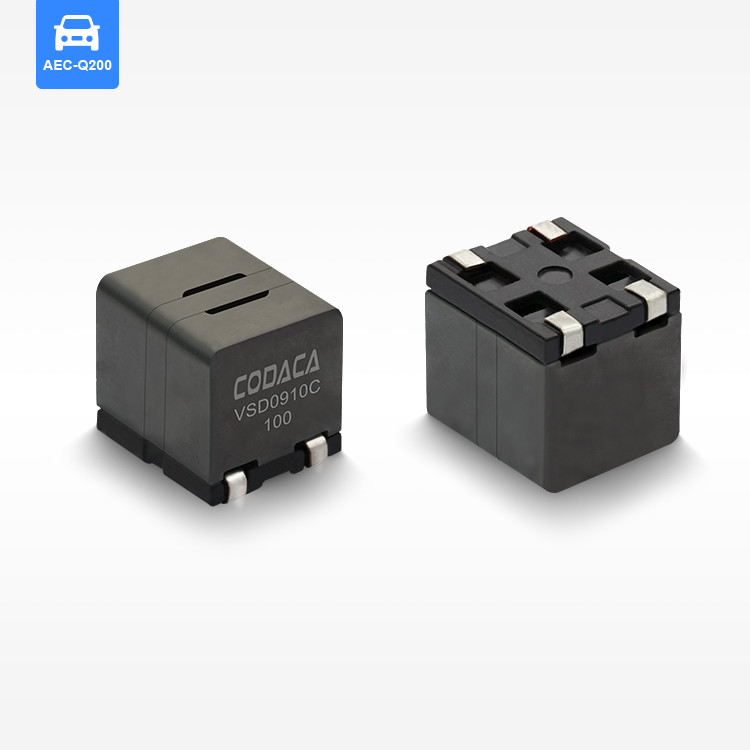
High Efficiency Inductors: Superior Performance Components for Modern Electronics

All Categories

Get a Free Quote

Our representative will contact you soon.
Email
Name
Company Name
Message
0/1000

high efficiency inductor

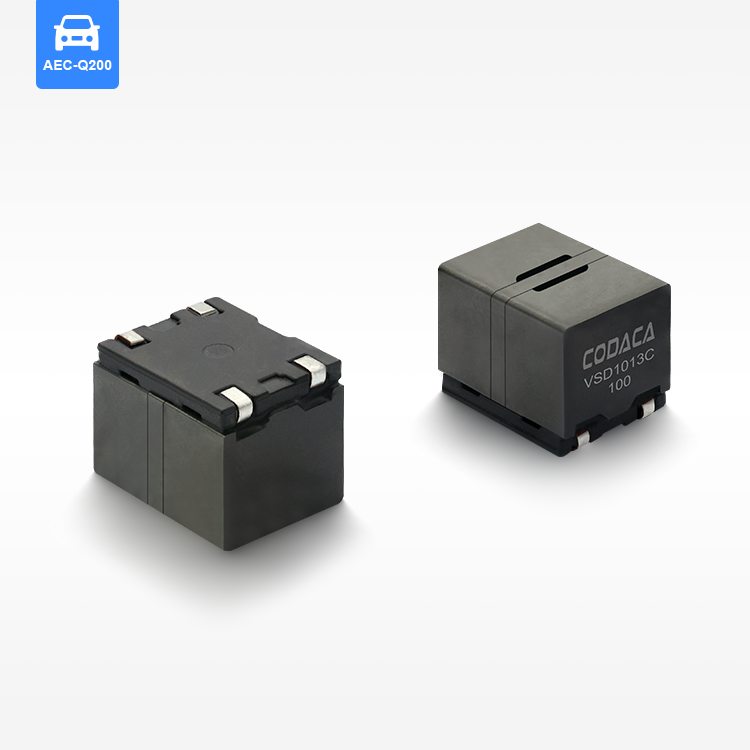
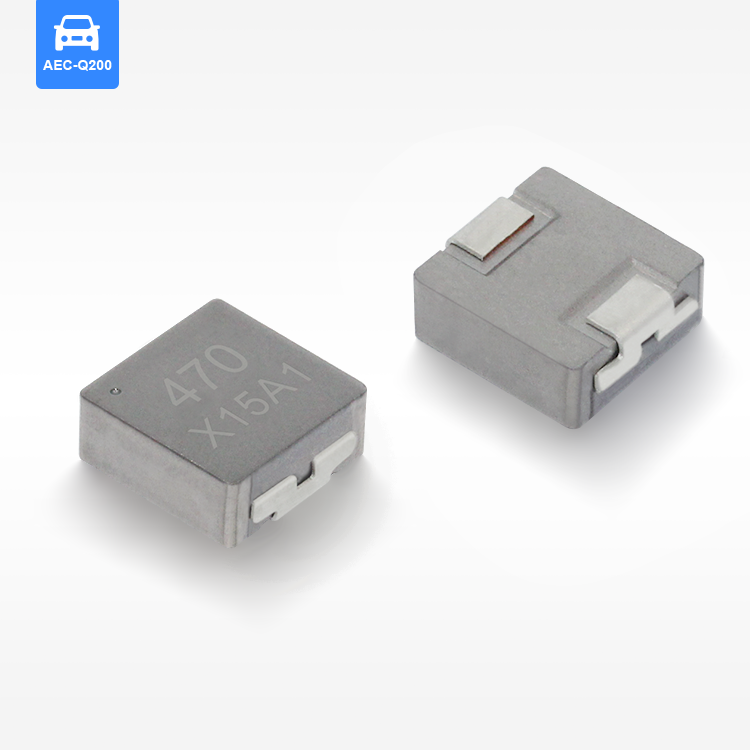
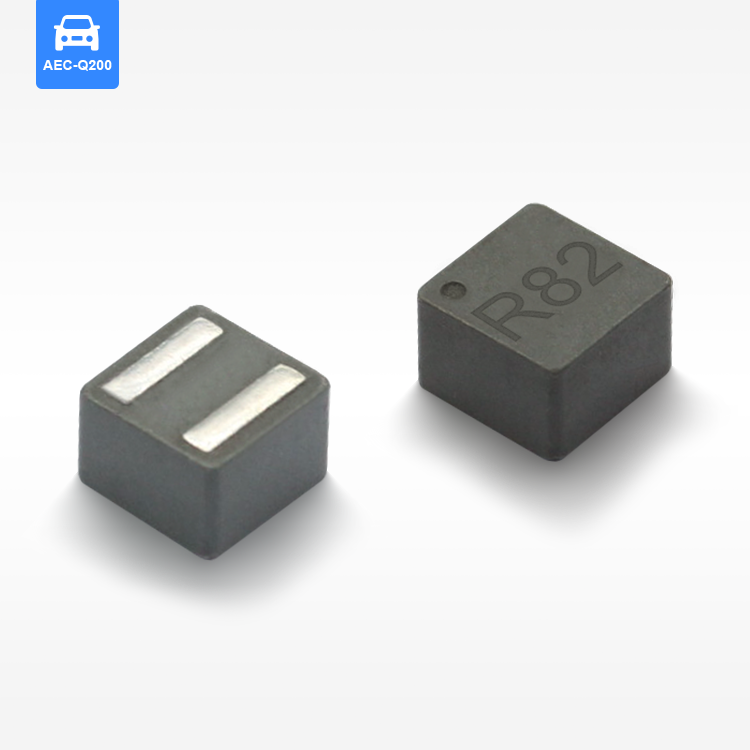
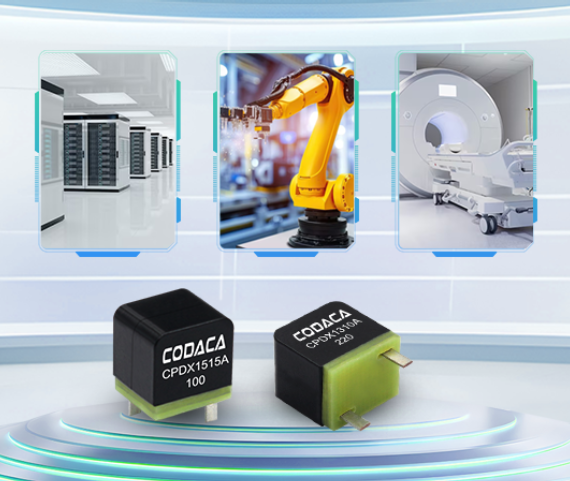
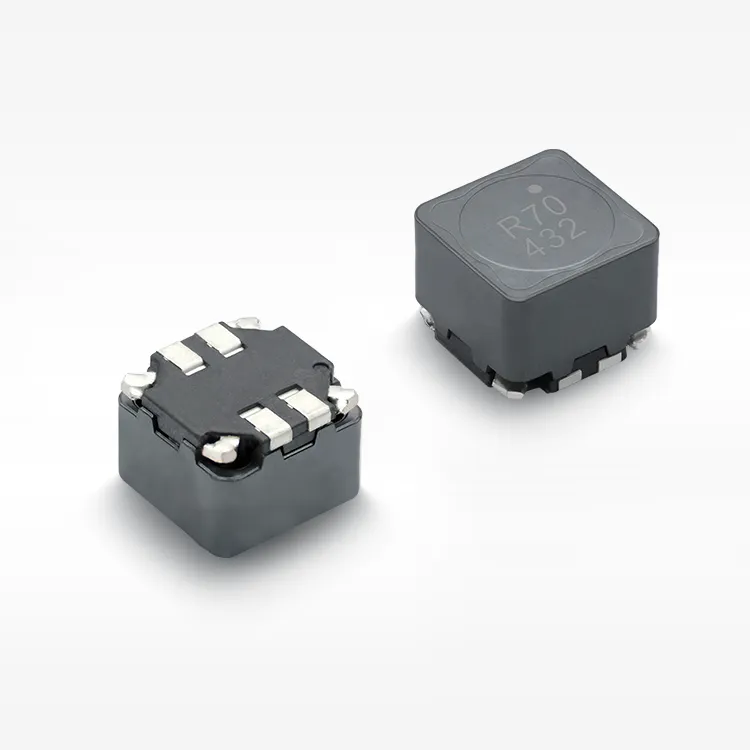
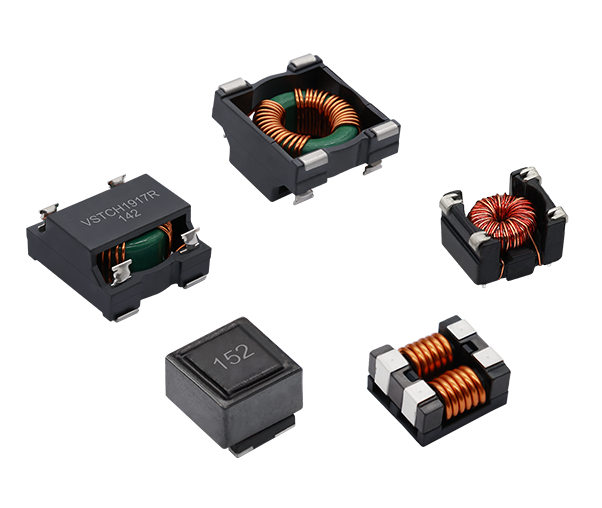
A high efficiency inductor represents a crucial electronic component designed to store energy in magnetic fields while minimizing power losses during operation. These sophisticated components serve as fundamental building blocks in modern electronic circuits, offering superior performance compared to standard inductors through advanced materials and innovative design methodologies. The primary function of a high efficiency inductor involves energy storage and release through electromagnetic induction, making it indispensable for power management applications. These inductors excel in filtering unwanted frequencies, smoothing power supply outputs, and regulating current flow across various electronic systems. The technological foundation of high efficiency inductors incorporates advanced core materials such as ferrite compounds, powdered iron, or specialized alloys that exhibit exceptional magnetic permeability while reducing eddy current losses. Modern manufacturing techniques enable precise control over winding patterns, core geometry, and magnetic coupling to achieve optimal performance characteristics. The wire selection process emphasizes low resistance materials like high-grade copper or silver-plated conductors to minimize resistive losses. Temperature stability becomes paramount in high efficiency inductor design, utilizing materials that maintain consistent magnetic properties across wide temperature ranges. Applications for high efficiency inductors span numerous industries including automotive electronics, renewable energy systems, telecommunications infrastructure, and consumer electronics. In switch-mode power supplies, these components perform critical roles in energy conversion processes, enabling compact designs with minimal heat generation. Medical devices rely on high efficiency inductors for precise power regulation and electromagnetic interference suppression. Industrial automation systems integrate these components for motor control circuits, power factor correction, and harmonic filtering applications. The aerospace industry demands high efficiency inductors for satellite communications, navigation systems, and power distribution networks where reliability and performance are non-negotiable requirements.

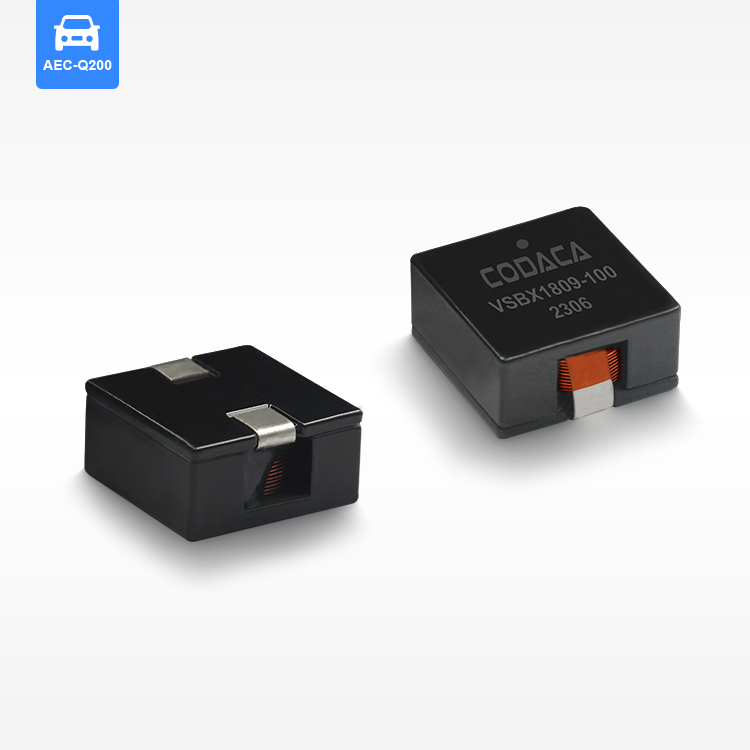
Popular Products

High efficiency inductors deliver remarkable benefits that directly impact system performance, operational costs, and overall reliability for end users. The most significant advantage lies in reduced power consumption, which translates to lower electricity bills and extended battery life in portable devices. When compared to conventional inductors, high efficiency variants can reduce energy losses by up to seventy percent, resulting in substantial cost savings over the component's operational lifetime. This efficiency improvement stems from advanced core materials and optimized winding techniques that minimize both resistive and magnetic losses during operation. Thermal management represents another critical benefit, as high efficiency inductors generate significantly less heat during normal operation. This characteristic enables designers to create more compact electronic systems without complex cooling mechanisms, reducing both manufacturing costs and system complexity. The lower operating temperatures also contribute to enhanced component reliability and extended service life, providing customers with better return on investment. Manufacturing quality control processes ensure consistent performance characteristics across production batches, giving engineers confidence in their design specifications. High efficiency inductors demonstrate superior electromagnetic compatibility, reducing interference issues that can plague sensitive electronic circuits. This benefit proves particularly valuable in densely packed circuit boards where multiple components operate in close proximity. The improved magnetic shielding properties help prevent unwanted coupling between adjacent components, maintaining signal integrity throughout the system. Size optimization capabilities allow engineers to achieve required inductance values in smaller form factors, enabling miniaturization trends in modern electronics. This space-saving benefit proves crucial for mobile devices, wearable technology, and other applications where physical constraints limit component selection. Enhanced frequency response characteristics ensure stable operation across wide bandwidth requirements, making these inductors suitable for high-frequency switching applications. The superior transient response enables faster system recovery after load changes, improving overall system dynamic performance. Long-term stability guarantees consistent electrical characteristics over extended operational periods, reducing maintenance requirements and system downtime. Quality certifications and rigorous testing procedures provide customers with confidence in component reliability and performance specifications.

Latest News

How High Current Power Inductors Enhance Energy Efficiency

31

Mar

How High Current Power Inductors Enhance Energy Efficiency

Introduction High current power inductors are crucial components in power electronics, designed to store energy in a magnetic field while allowing significant currents to pass through. These inductors are essential for a variety of applications, inc...
View More
The Role of Molding Power Chokes in Energy Storage Systems

13

May

The Role of Molding Power Chokes in Energy Storage Systems

Understanding Molding Power Chokes in Energy Storage Definition and Core Components Power Chokes are important inductive devices used in energy storage systems and they are commonly used to filter high frequency signals. These chokes are mainly...
View More
Molding Power Chokes: A Comprehensive Review of the Market

13

May

Molding Power Chokes: A Comprehensive Review of the Market

What Are Molding Power Chokes? Definition and Core Functionality Molding power chokes are inductive elements that control current flow within circuits. For the transport of electrical power, energy is advantageously stored in magnetic fields, w...
View More
The Digital Power Amplifier Inductor is applied to the Infineon EVAL_AUDAMP24 Reference Design

29

Sep

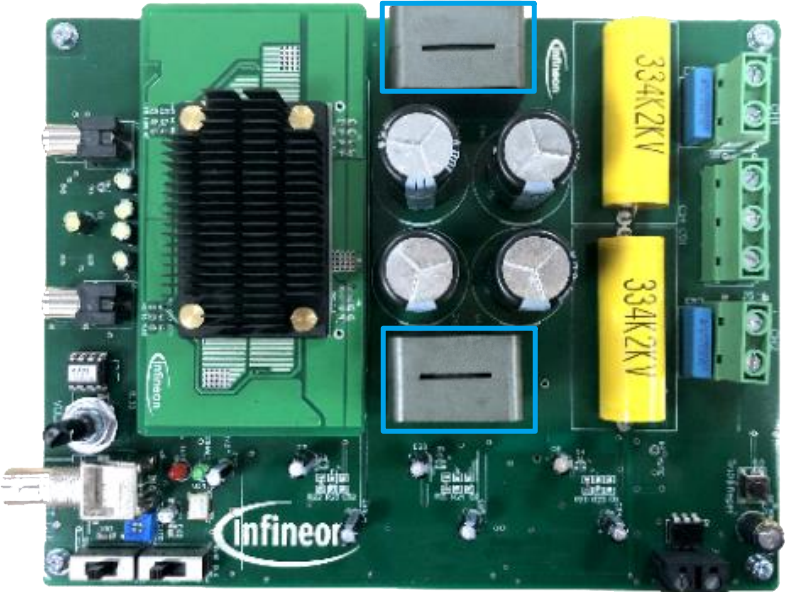
The Digital Power Amplifier Inductor is applied to the Infineon EVAL_AUDAMP24 Reference Design

Preface Digital power amplifiers feature low distortion, low noise, and a wide dynamic range. In terms of sound warmth/coolness, resolution, and the impact force of low frequencies, they are incomparable to traditional power amplifiers. Development ...
View More

Get a Free Quote

Our representative will contact you soon.
Email
Name
Company Name
Message
0/1000

high efficiency inductor

Superior Energy Efficiency and Power Savings

Superior Energy Efficiency and Power Savings

The cornerstone advantage of high efficiency inductors lies in their exceptional ability to minimize energy losses while maintaining optimal performance characteristics. These advanced components achieve efficiency ratings exceeding ninety-five percent through innovative core material selection and precision manufacturing processes. Traditional inductors often suffer from significant core losses, resistive heating, and magnetic saturation issues that waste valuable energy and generate unwanted heat. High efficiency inductors address these limitations through specialized ferrite compositions and optimized magnetic circuit designs that dramatically reduce hysteresis and eddy current losses. The economic impact of this efficiency improvement cannot be overstated, particularly in large-scale installations where even modest efficiency gains result in substantial cost reductions. For industrial applications operating continuously, the power savings from high efficiency inductors can reduce electricity costs by thousands of dollars annually per system. Battery-powered devices experience extended operational periods between charging cycles, enhancing user convenience and reducing battery replacement frequency. The reduced power consumption also enables the use of smaller power supplies and battery packs, contributing to overall system weight and cost reductions. Environmental benefits emerge from decreased energy consumption, supporting corporate sustainability initiatives and reducing carbon footprint calculations. Heat generation reduction eliminates the need for additional cooling systems in many applications, further enhancing overall system efficiency. The improved thermal characteristics enable higher power density designs without compromising reliability or performance. Quality control measures ensure consistent efficiency performance across temperature variations and aging cycles, maintaining the economic benefits throughout the component's operational lifetime. Advanced testing procedures verify efficiency specifications under various load conditions, providing customers with reliable performance data for system optimization. The combination of immediate operational savings and long-term reliability makes high efficiency inductors an intelligent investment for forward-thinking organizations seeking to optimize their electronic systems while reducing operational expenses.
Enhanced Reliability and Extended Operational Lifespan

Enhanced Reliability and Extended Operational Lifespan

High efficiency inductors establish new standards for component reliability through advanced materials science and rigorous quality control processes that ensure consistent performance over extended operational periods. The reliability advantages stem from reduced thermal stress, superior magnetic stability, and enhanced resistance to environmental factors that typically degrade conventional inductor performance. Lower operating temperatures resulting from improved efficiency directly contribute to extended component lifespan, as thermal stress represents one of the primary failure mechanisms in electronic components. Advanced wire insulation systems resist temperature cycling, humidity exposure, and chemical contamination that can compromise electrical integrity in harsh operating environments. Magnetic core materials undergo specialized treatment processes that enhance dimensional stability and prevent magnetic property degradation over time. Quality assurance protocols include accelerated aging tests, thermal cycling evaluations, and mechanical stress assessments that verify long-term performance characteristics. These comprehensive testing procedures ensure that high efficiency inductors maintain their electrical specifications throughout their intended operational lifetime, reducing unexpected failures and maintenance requirements. The enhanced reliability translates directly into reduced system downtime, lower maintenance costs, and improved customer satisfaction for equipment manufacturers. Mission-critical applications such as medical devices, aerospace systems, and industrial automation benefit significantly from the improved reliability characteristics. Predictable performance characteristics enable accurate system design calculations and reduce the need for oversized safety margins that increase costs and complexity. Manufacturing processes incorporate statistical process control methods that minimize variation between individual components, ensuring consistent reliability across production batches. Failure mode analysis studies identify potential weaknesses and guide continuous improvement efforts to enhance reliability further. The combination of advanced materials, precision manufacturing, and comprehensive testing creates high efficiency inductors that customers can depend on for years of trouble-free operation, making them an excellent choice for applications where reliability is paramount.
Compact Design Flexibility and Space Optimization

Compact Design Flexibility and Space Optimization

Modern high efficiency inductors revolutionize circuit design possibilities through compact form factors that deliver superior performance in significantly reduced physical footprints compared to traditional alternatives. This miniaturization achievement results from advanced magnetic materials with higher permeability ratings and innovative winding techniques that maximize inductance density while maintaining excellent electrical characteristics. The space-saving benefits prove particularly valuable in today's electronics market where consumer demand drives continuous miniaturization trends across virtually all product categories. Mobile devices, wearable technology, and Internet of Things applications require components that deliver full functionality within severely constrained physical dimensions. High efficiency inductors meet these challenges by incorporating specialized core geometries and optimized magnetic flux paths that achieve required inductance values in packages up to sixty percent smaller than conventional designs. Surface mount configurations enable automated assembly processes while maintaining precise electrical specifications and mechanical reliability. The reduced component size facilitates higher component density on printed circuit boards, enabling more complex functionality within existing product enclosures. Design engineers appreciate the flexibility to allocate saved space for additional features, larger batteries, or improved heat dissipation systems. Vertical integration opportunities arise when smaller inductors enable stacked circuit board configurations that maximize three-dimensional space utilization. The compact designs also reduce material costs and shipping expenses while simplifying inventory management for manufacturers. Standardized package sizes ensure compatibility with existing production equipment and assembly processes, minimizing transition costs for manufacturers adopting high efficiency inductors. Advanced electromagnetic modeling tools help designers optimize component placement and minimize interaction effects in densely packed circuits. The combination of small size and high performance enables innovative product designs that were previously impossible due to space constraints. Quality control processes verify that miniaturized components maintain full electrical and mechanical specifications despite reduced physical dimensions, ensuring reliable performance in space-critical applications.